
White Graduation Dresses with Bow:What Bow Placement Does to Your Photos
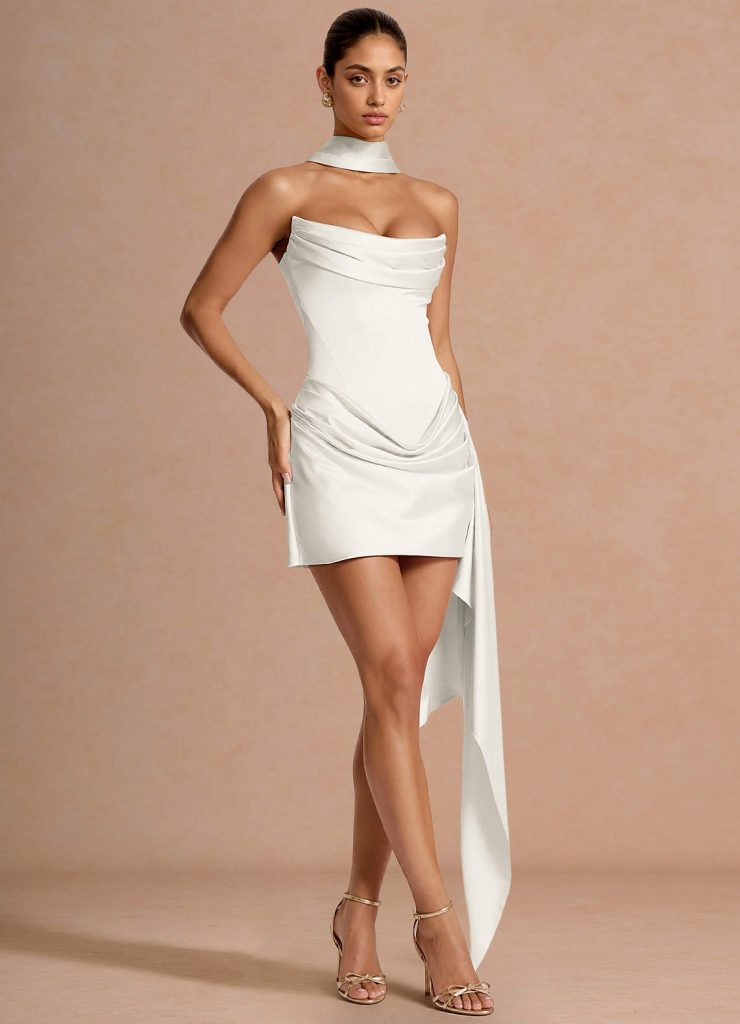
Bow details on white graduation dresses are having a real moment right now, and for a reason that isn’t just aesthetic. A well-placed bow does something a plain silhouette can’t: it gives ceremony photos a focal point that doesn’t require heavy jewelry or accessories. The dress does the visual work on its own.
But bow placement changes everything about how the dress photographs at graduation, specifically. A back bow stays completely hidden during the processional, then becomes the reveal moment in outdoor portraits once the robe comes off. A front waist bow is visible at all times, so
It needs to sit flat under the robe without creating a lump.
This is the part most bow dress guides skip. Here’s the full picture — placement, size, what each position does in photos, how different bows interact with the robe, and which hairstyles work with each.
Four Bow Positions — How Each One Behaves at Graduation
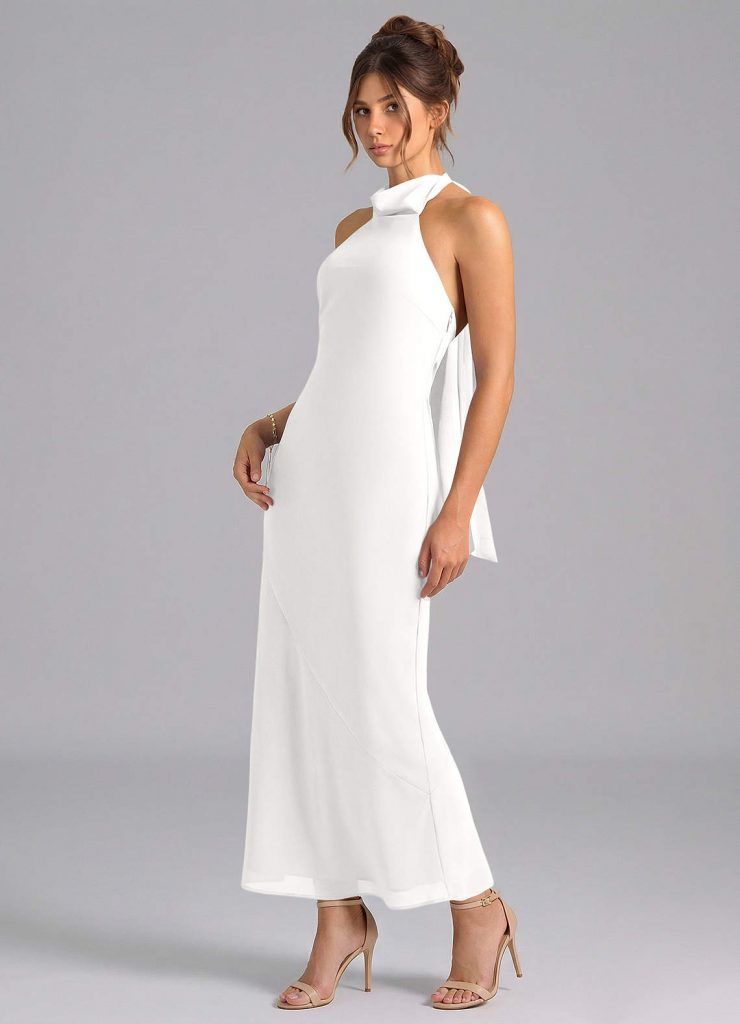
The position changes everything. Not just aesthetically — practically. What’s visible during the ceremony, what shows in portraits, and what creates problems under the gown all depend on where the bow sits on the dress.
| ▽ BACK BOW Best for Ceremony Hidden during the processional. Full reveal in portraits after the robe. The graduation photo power move. |
□ WAIST BOW Most Versatile Visible all day. Sits flat if the bow is slim. Creates waist definition that reads even through the gown. |
△ SHOULDER BOW Portrait-Focused Frames the face in cap-and-gown portraits. Fully hidden under the robe. Reappears for post-ceremony shots. |
◇ NECKLINE / BOW STRAP Most Delicate Small bows here stay visible without creating bulk. Best for detailed portrait shots where the neckline is the frame. |
|---|
The back bow is the most practical graduation choice — it avoids every gown compatibility issue (no frontal bulk, no visible lump under the robe) and delivers the most photogenic moment once the gown comes off. That said, the waist bow is the most versatile if you want the detail visible throughout the day.
Bow Size Matters More Than Most Guides Admit
An oversized statement bow looks incredible in editorial photos. Under a graduation robe for two hours in a crowded auditorium, it’s a different story. The size of the bow changes how it behaves practically.
| SMALL BOW ★★★★☆ Under gown: No issues, completely flat Photo impact: Subtle — adds detail without being a statement Best for conservative ceremonies or for understated elegance. Works on any placement. |
MEDIUM BOW ★★★★★ Under gown: Fine if placed at the back or the shoulder Photo impact: Visible and photogenic — the sweet spot Most popular graduation bow size. Big enough to show in portraits, small enough to behave under a robe. |
OVERSIZED BOW ★★★☆☆ Under gown: Creates bulk if front-placed Photo impact: Dramatic — the main event in post-ceremony photos Works brilliantly on the back, where it’s hidden during the ceremony. Avoid front or waist placement with a large bow. |
|---|
You might notice that the oversized back bow trend peaked on social media specifically because of how it photographs once the graduation robe comes off. The bigger the bow, the more the reveal moment works. Browse high school graduation dresses for styles that lean more celebratory and playful. College commencements usually call for a slightly smaller, cleaner bow.
How Different Bow Positions Behave Under the Graduation Robe
This is the practical test. Every graduation day involves wearing a polyester robe for at least an hour, often two. Whether the bow creates a visible lump, shifts position, or disappears entirely depends on where it sits.
| Rule: Back and shoulder bows disappear cleanly. Front and waist bows stay visible — make sure they sit flat. |
|---|
| Bow Position | Under the Closed Robe | In Stage Photos | Practical Note |
|---|---|---|---|
| Back Bow | Completely hidden — zero visible effect | Invisible during the ceremony, full reveal after | Most practical graduation bow position |
| Waist Bow (slim) | Slight front visibility, minimal bulk | Creates a slight waist definition through the fabric | Keep the bow slim and flat. Avoid structured 3D bows. |
| Shoulder Bow | Tucked inside the robe opening, hidden | Reappears in portraits once the robe is off | Best for close-up cap-and-gown portraits |
| Bow Strap / Neckline | Visible at the neckline when the robe is open | Frames the face in tight portrait shots | Small bow only — anything larger creates visible bulk |
| Front Statement Bow | Creates noticeable frontal bulk | A visible lump is visible in stage-wide shots | Only works if the robe stays open — not ideal for a ceremony |
The test worth doing at home: put on both the dress and the robe. Zip the robe closed. Walk toward a mirror. If you can see a visible lump from the bow through the robe fabric, the bow placement isn’t going to work for a closed-robe ceremony. Find out now, not on the day.
The Before and After — What the Bow Does During vs. After
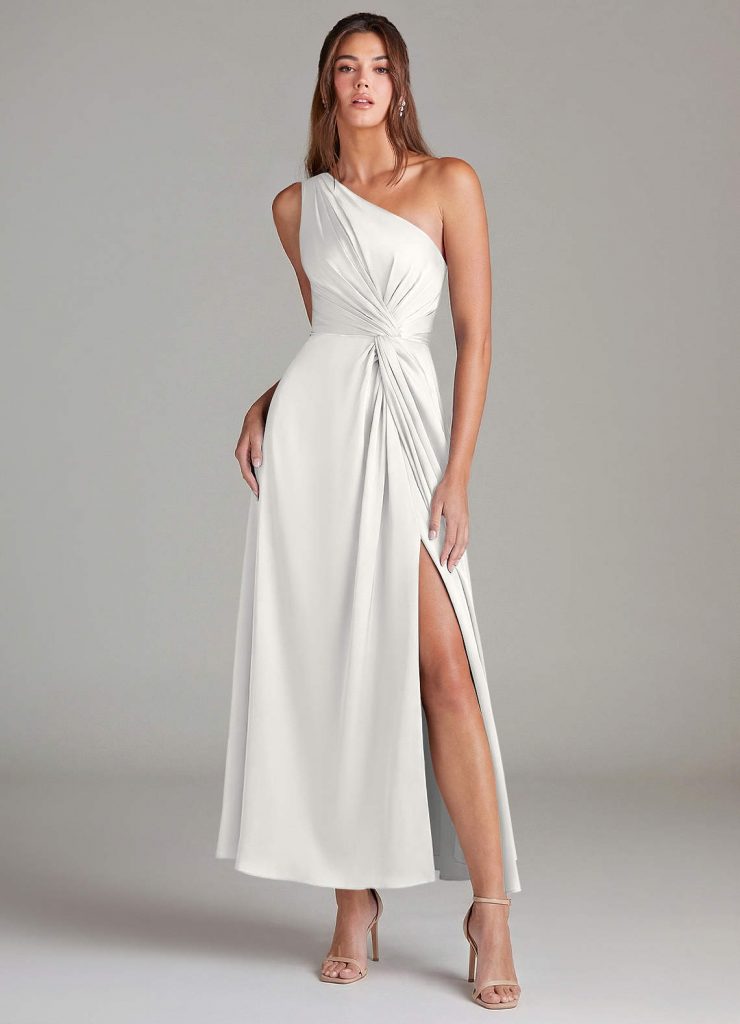
This is genuinely one of the more interesting aspects of bow dresses for graduation: the experience of wearing the dress is divided into two distinct phases. The ceremony is about the gown. The celebration is about the dress reveal. A bow position that works in both phases is worth the extra thought.
| 🏛 DURING THE CEREMONY ▸ Back and shoulder bows are invisible — ceremony photos are clean ▸ Waist bows may create a slight visible definition through the robe ▸ Small neckline bows remain visible if the robe is left partially open ▸ The gown does the visual work; the bow is the secret being kept |
🎉 AFTER THE CEREMONY ▸ The back bow reveal is the most photogenic post-ceremony moment ▸ Outdoor portrait sessions show the full bow in natural light ▸ Statement bows photograph most dramatically in wide outdoor shots ▸ The bow becomes the focal point once the robe is off for good |
|---|
| ⚠ BEFORE THE DAY: BOW SECURITY CHECK Sit in the dress with the bow for five minutes. Some bow ties loosen during extended sitting. If the bow uses a tie closure, re-tie it after long periods of sitting. Also, check the bow’s attachment to the dress fabric. A bow that’s loosely attached will shift during the stage walk and look uneven in photos. |
|---|
Hair and Bow Placement — What Works Together
Here’s something most graduation style guides don’t address: the bow position determines which hairstyles actually work. A back bow with a low bun covering it is a wasted detail. A front shoulder bow with a dramatic side sweep, competing with it creates visual noise.
| Bow Position | Best Hairstyle | Why It Works | Skip This |
|---|---|---|---|
| Back Bow | High ponytail or updo | Keeps the back of the neck clear so the bow is fully visible in portrait shots | Low bun — covers the bow entirely in close-up shots |
| Waist Bow | Any style works well | Waist bows aren’t affected by hair length or placement | Very dramatic hair that overwhelms the frame in close-ups |
| Shoulder Bow | Low ponytail or side part | Keeps the opposite shoulder clear; creates visual balance | Loose voluminous hair that covers or competes with the bow |
| Neckline Bow | Swept back or low chignon | Exposes the neckline in portraits so the bow detail reads clearly | Hair left down around the face — covers the bow strap detail |
For back bow styles specifically, a high ponytail or sleek bun tied just above the nape of the neck is the most practical choice. It keeps the neck and upper back completely clear for portrait shots. An a line white graduation dress with a back bow and a high ponytail is one of the most photogenic graduation combinations right now.
Five Photo Scenarios — Bow-Specific Tips for Each
Graduation isn’t one photo session. It’s multiple different scenarios in quick succession. What the bow does in each one is different.
| Stage Walk Wide shots from the audience. Back bows are invisible — completely clean. Front waist bows may create a slightly visible silhouette through the robe. Neither is a problem, just worth knowing. |
|---|
| Cap-and-Gown Portrait: Close-up; face and neckline are the frame. The shoulder and neckline bows are the most effective details here. Back bows won’t show at all in close-up front-facing portraits unless you turn around. |
| Outdoor Campus Photos: The primary moment for back bows. Natural light and full-body framing show the bow at its best. This is what the back bow is designed for. Wide outdoor shots in particular show the silhouette from every angle. |
| Group and Family Photos Simplicity wins in multi-person frames. A medium or small bow is better than oversized here — you want to be visible in the group without dominating it. |
| Cap Toss Movement shot. Back bows catch the eye in movement photography in a way that front details don’t. The bow swings, creating visual motion in the frame. One of the most underrated benefits of a back bow at graduation. |
Styling a Bow Dress for the Full Day
A bow dress has its own built-in focal point. Everything else in the styling should work around that — not compete with it.
| JEWELRY This is where people overdo it with bow dresses. The bow is already the statement. A small gold chain pendant, pearl studs, or a thin bracelet is enough. Skip the statement necklace — it fights with the bow at the neckline in portrait photos. |
SHOES Nude, metallic, or white heels keep the focus on the dress. For outdoor ceremonies, block heels or wedges over stilettos — thin heels on grass or stadium turf is a very visible problem. The bow dress already draws eyes; the shoes don’t need to compete. |
|---|---|
| BAG A small structured clutch or evening bag works well. Since the bow is the statement, keep the bag minimal — a large or embellished bag competes visually in group portraits. A slim white or metallic envelope clutch is an easy choice. |
MAKEUP Soft and clean. A bold eye or lip can work, but keep it to one thing — the bow dress already creates visual interest. A natural skin-finish base holds up better in outdoor afternoon light than a dewy finish, which can look shiny in photos. |
Day-Before Bow Checks
A few bow-specific things worth checking the night before.
| 1 | Bow security test: Hold the bow gently and tug it sideways. If it shifts easily or the stitching pulls, take it to a tailor or reinforce the attachment point before the day. |
|---|
| 2 | Bow shape check after steaming: steam the dress with the bow in its final position and let it cool before moving. Steam can temporarily flatten a bow — let it settle back into shape before hanging it. |
|---|
| 3 | Hair rehearsal: do a practice run with your actual graduation hair. Check in a mirror to make sure the hairstyle isn’t covering or competing with the bow. Back bows especially need a clear neck and upper back. |
|---|
| 4 | Gown compatibility test: put on both pieces, zip the gown closed, and look in a mirror. Front or waist bows should sit flat. If there’s visible bulk, the bow size or position isn’t going to work for a closed-robe ceremony. |
|---|
| 5 | Photo request prep: let your photographer or the person taking family photos know about the bow. Back bows especially benefit from a photographer who knows how to capture the detail from behind. |
|---|
If you’re comparing bow dress options against simpler styles, browse college graduation dresses to see how bow details fit into more formal university ceremony contexts. At the postgraduate level, smaller bow details tend to read better than oversized statement bows next to academic hoods and doctoral regalia.
The Short Version
Back bows are the most practical graduation bow position — hidden during the ceremony, fully revealed in post-ceremony portraits. Waist bows are versatile but need to be slim enough to sit flat under the robe. Oversized bows work best at the back, where they’re hidden during the ceremony. Match the hairstyle to the bow position so the detail actually shows in portraits.
Azazie has 100+ graduation dresses in white, cream, and soft neutrals with custom sizing. Browse the collection to find bow-detail styles designed for the ceremony, portraits, and everything that follows.
Frequently Asked Questions
Are white dresses appropriate for all graduation ceremonies?
White is basically the default expectation at US graduation ceremonies — not always written in the dress code, but very much the norm. It works with every gown color and every honor cord combination without clashing.
Check your school’s guidelines just in case, but most schools actively welcome white dresses.
Why are people wearing white dresses for graduation?
White became a graduation tradition in the early 20th century as a visual symbol of new beginnings and a fresh chapter. The practical reason it stuck is that white photographs consistently under every lighting condition graduation involves: stage spotlights, outdoor afternoon sun, indoor auditorium lighting, and family flash photography.
The symbolism is nice, but the photographic argument is probably why it’s held on across generations.
How do you actually look good on graduation day?
Fit is most of it. A well-fitted dress in the right fabric photographs well regardless of elaborate details. Steam the dress the night before. Wear shoes you can walk confidently in. Keep jewelry minimal if your dress already has a statement detail like a bow. Comfort in how you carry yourself shows in photos more than any accessory.
What grad dress color is most popular?
White is dominant, and has been for decades. Ivory and cream are gaining ground as warmer alternatives that photograph well in outdoor light. Champagne works for evening ceremonies. Pale pastels show up occasionally.
Dark or highly saturated colors remain rare in graduation contexts, specifically, partly because they can compete with the gown in ceremony photos.
Is white appropriate for prom, too?
Yes — white has become increasingly popular for prom, especially with details like cut-outs, statement bows, and corset bodices that feel more editorial than traditional. The main difference from graduation is that prom white dresses tend to be more dramatic and heavily embellished. For graduation, cleaner, simpler looks tend to hold up better in photos over the decades.
Why is white so popular for graduation, specifically?
A few things are happening at once. White reflects stage lighting rather than absorbing it, which makes the graduate read brighter and more visible in wide ceremony shots. It creates contrast against dark graduation gowns.
It doesn’t clash with any color of honor cords or stoles. And it looks fresh in outdoor post-ceremony portraits without requiring careful color coordination. Practically perfect for the specific photo conditions graduation creates.
What is the white dress theory?
It’s a concept from fashion psychology — the idea that wearing white conveys clarity, confidence, and intentionality. White is associated with starting fresh, which maps directly onto what graduation represents.
Whether or not you buy into fashion psychology, the practical photographic case for white at graduation is strong enough on its own. The theory is more of an interesting side note.
What shoes look best with a white graduation dress that has a bow?
Nude, metallic gold, or white shoes are the cleanest choices because they don’t compete with the bow as a visual element. For outdoor venues, block heels or wedges over stilettos — thin heels on grass or stadium turf cause real stability issues on stage stairs.
If comfort is the priority all day, a pointed-toe flat or embellished kitten heel photographs polished and keeps you steady through the processional and family photos.