
What Styling Choices Make Classy Elegant Evening Dresses Feel Polished Instead of Overdone?
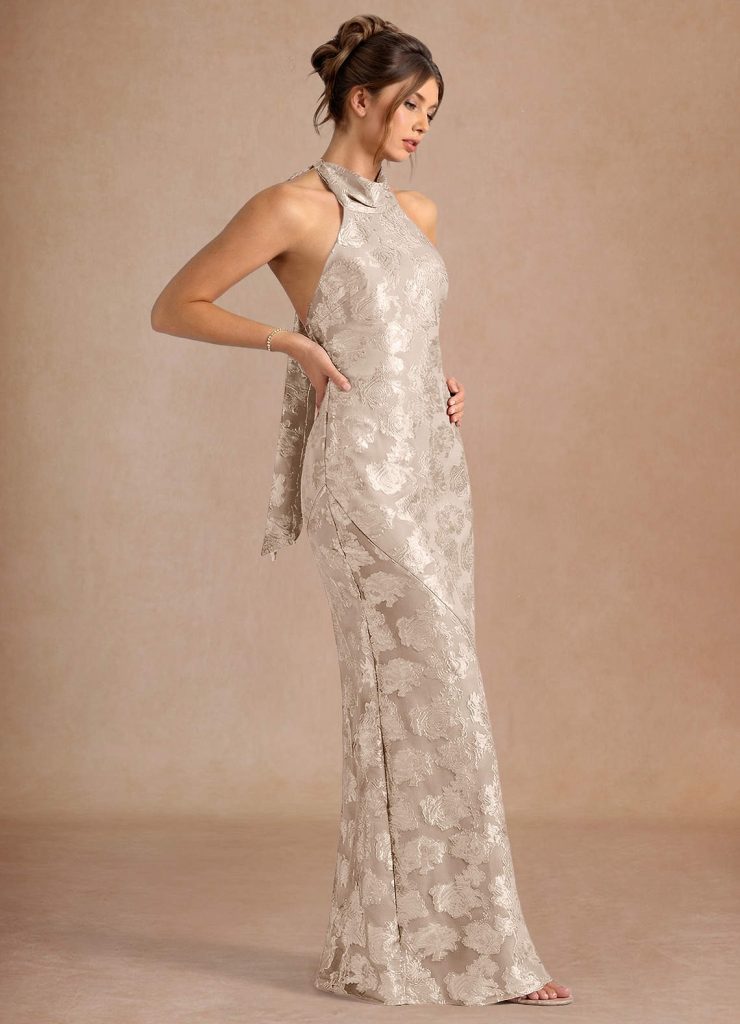
There’s a version of ‘dressed for a gala’ that photographs beautifully. And then there’s the version that, in hindsight, looks like someone got nervous and kept adding things.
I’ve watched it happen to people with genuinely beautiful, classy elegant evening dresses — dresses that would have looked polished and composed if left mostly alone. Then the statement necklace appeared. Then the chandelier earrings. Then the beaded clutch that didn’t quite match. And suddenly the look was competing with itself. The styling problem is rarely the dress. It’s the accumulation.
| The polished-versus-overdone line is almost always drawn by what you add after the dress, not the dress itself. One strong element. Everything else in support. That’s the rule — and it’s harder to follow than it sounds. |
|---|
Fabric and Embellishment — Where ‘Classy’ Actually Lives
Start With Fabric. Seriously.
Quality fabric does something that no amount of embellishment can — it makes the dress look intentional at a distance, before anyone gets close enough to see the detail.
Frustratingly, this is also the hardest thing to judge from a product photo. Satin in particular can look almost identical whether it’s a quality bridal-weight fabric or a polyester lookalike. You’ve got to feel it. Or at least see it in lighting conditions that resemble where you’ll actually wear it.
Velvet, chiffon, heavy crepe — these are forgiving fabrics at formal events. They drape rather than cling. They photograph with depth. And they don’t read as ‘overdone’ regardless of the silhouette, because the fabric itself reads as considered.
Embellishments — The Part Where Things Go Wrong
Beading along a neckline: yes. Beading across the entire bodice AND along the hem AND on the sleeves: that’s a lot. Like, a genuinely overwhelming amount. And yet it’s exactly what you’ll find yourself drawn to in a boutique because it looks spectacular on a well-lit hanger.
Actually, wait — I want to clarify something. ‘Heavily embellished’ doesn’t automatically mean overdone. A fully beaded column gown with no other detailing can be extraordinary. The issue is accumulation across different elements, not intensity in one place.
| The overdone warning sign: you can describe the dress by listing three or more types of embellishments in sequence. Heavy beading PLUS lace overlay PLUS embroidered hem PLUS rhinestone waistband = competing elements. The dress should have one defining detail that owns the look. Everything else supports it. |
|---|
Silhouette Choices That Don’t Fight the Room
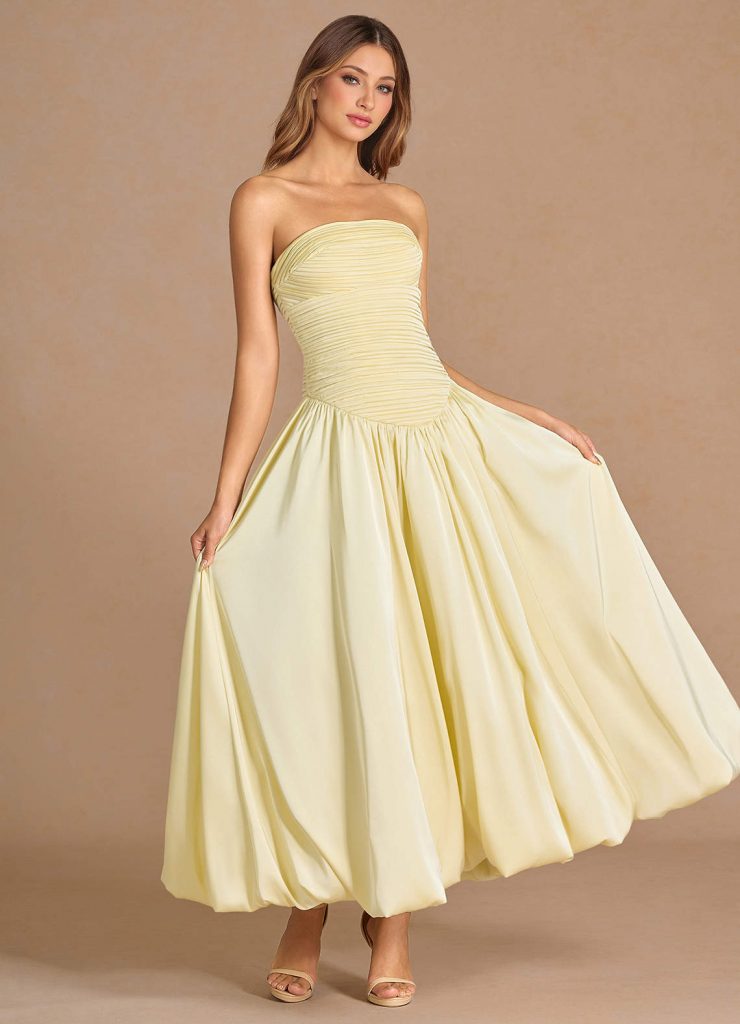
The Classic Silhouettes — Why They Still Win
A-line. Empire waist. Clean column. These silhouettes have appeared at formal events for decades — not because designers ran out of ideas, but because they work. Proportionally balanced. Flattering across body types. They don’t require a perfectly lit venue or a specific camera angle.
There are — I want to say three? Maybe four reasons the A-line specifically keeps showing up at galas. Balance, movement, photographic cleanness, and the fact that it doesn’t require you to walk carefully. Evening dresses floor length in an A-line cut, do exactly what a formal evening dress is supposed to do: look composed at a distance, move naturally when you walk, and photograph well under any lighting condition.
The Silhouette Traps
Trend-specific structural elements are the elements that make a dress age itself into a specific year. Very exaggerated puff shoulders. Extreme high-low hemlines. Elaborate asymmetric draping that requires everything else to be minimal to avoid confusion.
None of those things is wrong exactly. But they do require the rest of the look to do less, not more. Which, fine, whatever — just know going in that the more architectural the dress, the simpler every single other choice needs to be.
For someone who wants classy, overstatement, empire-waist evening dresses are consistently underrated in this conversation. They create length, sit comfortably, and don’t call attention to themselves in a way that forces accessories to compete with the dress.
| Silhouette | Classy Level | Overdone Risk | Accessory Rule |
|---|---|---|---|
| A-line floor | ★★★★★ | Very low — forgiving | Almost anything works |
| Empire waist | ★★★★★ | Low | Simple jewelry, one piece |
| Column/sheath | ★★★★ | Low if the fabric is of poor quality | Minimal — dress does the work |
| Mermaid | ★★★★ | Medium if over-embellished | No statement jewelry |
| Ball gown | ★★★ | High needs restraint everywhere else | Simple earrings only |
Color — The Easiest Way to Look Polished or Completely Miss
The Colors That Work at Formal Events
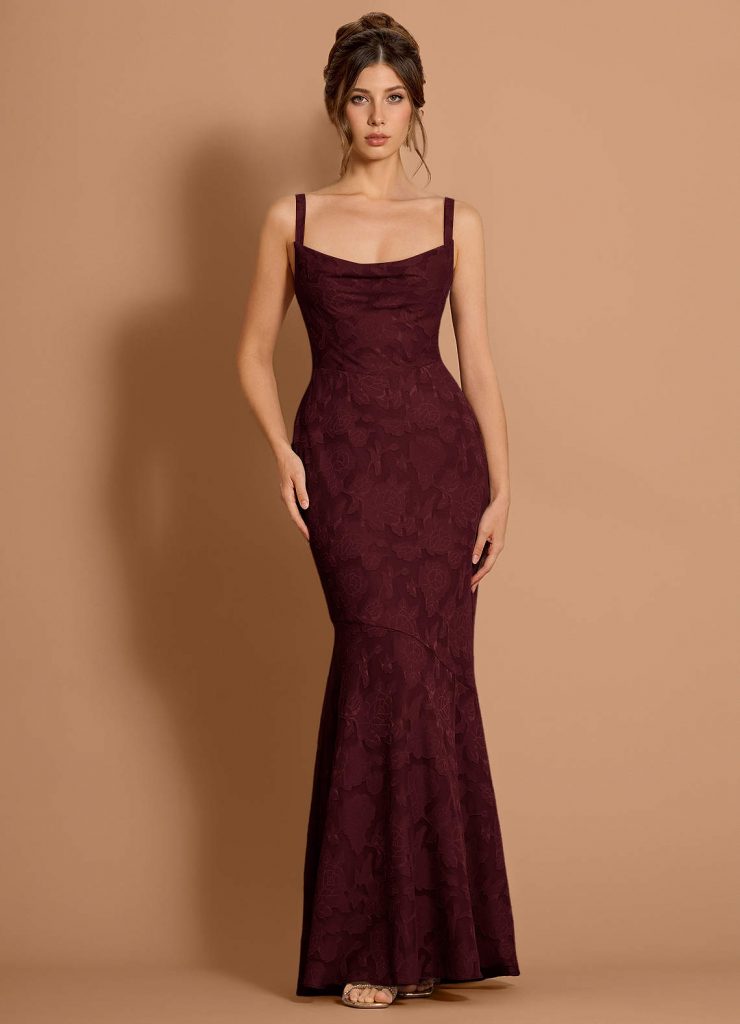
Black. Navy. Deep burgundy. Emerald. These are the colors that exist for evening events. Elegant black evening dresses are the reliable choice precisely because they work — not because they’re boring. Black in quality fabric at a formal gala reads as deliberate and polished. Black in cheap fabric reads as exactly what it is. The color isn’t carrying the look; the fabric is.
Jewel tones do something specific in evening lighting that lighter colors don’t. A deep green evening dress option in emerald, for example, under warm ballroom light, that color deepens and richens in a way it doesn’t in a boutique. This one actually surprised me the first time I saw it in photos versus in person. Emerald, in particular, photographs with a depth that just doesn’t come across the same way under daylight.
Metallics — a Specific Tool, Not a General Answer
A black-gold evening dress or a silver gown is appropriate for award ceremonies, galas, and major celebratory events, less so at conservative formal dinners or events with a more restrained atmosphere. Metallics announce themselves. That’s not a problem — just know what you’re announcing.
Back to the point: avoid very bright, saturated colors at conservative formal events. Pastels can wash out under warm indoor evening light. Neon is genuinely not appropriate at any black-tie event I can think of.
Accessories — This Is Where Most Looks Get Overdone
The One Statement Rule
You’ve heard ‘less is more’ so many times that it’s stopped meaning anything. So let me be more specific: you can have one statement element in the accessories. One. Not two, not ‘one on each side of the look.’
Statement earrings? No necklace. No stacking bracelets. Minimal clutch. Statement necklace? Studs or no earrings. Simple shoes. Nothing is competing for attention.
The reason this works — and why it’s so hard to follow when you’re actually standing in front of a mirror trying things on — is that each piece looks good. The problem only appears when they’re all on together, and the eye can’t settle on any single element.
Jewelry Specifics
Diamond studs, small pearl earrings, a simple gold cuff, a thin tennis bracelet — these work with almost any formal gown and require no further thought. They complete the look without competing with it.
Chandelier earrings: fine, but then nothing else that draws attention. A bold statement necklace: fine, but then the earrings need to be simple, and the hairstyle pulled back so the necklace reads clearly. It’s not that statement pieces are wrong — they just need room to be read.
The Clutch Problem
Evening bags are a source of unnecessary stress. Here’s what I’d say: the clutch should be small enough that you forget about it. Not small enough that you can’t fit your phone — but small enough that it disappears in photos rather than becoming a visual element.
Avoid a clutch that’s more embellished than your dress. This sounds obvious, but it happens constantly.
Hair and Makeup — The Third Element That Can Undo Everything
Hair
An updo for a full floor-length gown is the standard recommendation for one consistent reason: it creates a clean visual line from the neckline upward and doesn’t compete with the dress for attention.
That said, I don’t think everyone needs an updo. A smooth blowout that’s pulled back from the face works just as well. What doesn’t work: hair that competes visually with the neckline, or very elaborate hairstyles that require their own moment of attention in photos.
Loose, messy, textured styling at a black-tie event can look either intentional and modern or like you ran out of time. The difference is usually a matter of execution rather than style direction.
Makeup
One strong makeup element. The same rule applies to accessories. Bold lip, everything else neutral. Smoky eye, neutral lip. Pick the element that works for the event — red lips at a December gala are, in my opinion, one of the most consistently polished choices you can make — and keep everything else supporting it rather than competing with it.
Avoid: heavy contouring that shows harshly in flash photography. Very dark lipstick paired with a very dramatic eye. Anything that requires touch-ups every hour at a formal event — that’s practical as much as aesthetic.
By Occasion — Different Events Read Differently
Black-Tie Events
Floor-length. Quality fabric. One statement element — in the dress, or in the accessories, not both. A mermaid evening dress in heavy crepe with simple jewelry reads as completely composed at a black-tie event. A ball gown with a rhinestone bodice, chandelier earrings, and an elaborate updo does not.
Evening Wedding Guest
The classic wedding guest problem: wanting to look polished without drawing attention away from the couple. Deep jewel tones and classic floor-length silhouettes handle this. Avoid anything that photographs similarly to what the bridal party might be wearing.
No white. No ivory. Not very pale champagne that reads as white in photos. The rest is largely open.
Galas and Award Ceremonies
More latitude here than at a standard black-tie event. This is where a fully beaded column gown or a dramatic mermaid with an open back reads as appropriate rather than excessive. The context expects some drama.
For larger figure types or anyone wanting extra style guidance, plus-size evening dresses in A-line or empire silhouettes consistently deliver a classy, polished look across all these occasions. The proportions are reliable, and the styling rules apply the same way regardless of size.
Before You Leave the House — Three Checks
| 1 | The mirror test — at a full three steps back. Not up close. Step back three paces and look at the full impression. Does one element of the look read first, or are you scanning between several competing things? At formal events, the gown should be what registers first. If you can describe the look by listing accessories rather than the dress, something needs to be removed. |
|---|
| 2 | The photo test — in your phone’s front camera, without flattering portrait mode. Turn off portrait mode. Stand near a lamp or in artificial indoor light that approximates the venue. Take a photo. How does the fabric look? How does the jewelry register? This test catches problems that boutique lighting hides. If the fabric looks flat or the accessories read as cluttered in a phone photo, they’ll look the same way in a professional photo. |
|---|
| 3 | Remove one thing. Whatever the final assembled look is, remove one accessory before you leave—one earring type, one layer of jewelry, and the more elaborate of the two hair accessories. The look almost always gets better. This isn’t about minimalism as an aesthetic — it’s about giving the dress room to be the point of the look rather than one of several competing elements. |
|---|
Closing Thoughts
The polished look is almost always the result of removing something, not adding it.
Azazie offers a refined collection of evening dresses in sizes 0–30 with made-to-order and custom sizing — including the silhouettes and fabric qualities that hold up to everything above. Whether you end up going for a classic column or a full floor-length A-line is genuinely less important than the fabric choice and whether you remembered to remove one accessory before leaving.
Frequently Asked Questions
What makes an evening dress look elegant without being overdone?
One defining element — in the dress, the accessories, or the styling — with everything else in support. The overdone look almost always comes from multiple elements, each trying to be the focal point simultaneously. Quality fabric matters more than the quantity of embellishments.
How do I pick the right color for a formal evening gown?
Black, deep navy, emerald, and burgundy work consistently across all formal dress codes and venues. Jewel tones look richer under warm indoor evening light than they do in a boutique. Test your color choice in artificial indoor light before committing if you can.
Can I wear a bold accessory with a simple evening dress?
Yes. A simple dress and one statement accessory are among the most reliable approaches to formal styling. The catch: one bold element, not two. Statement earrings without a competing necklace. Statement necklace with simple studs. The dress needs room to read before the accessories take over.
What shoes work with a formal evening gown?
For floor-length gowns, the shoe is mostly hidden, so comfort and heel height matter more than style. A heel height that affects the hemline needs to be tested before the event. Pointed-toe pumps and strappy heeled sandals both work. Avoid chunky or platform soles that create a visual break at the ankle in photos.
Are there hairstyles to avoid for a formal event?
Anything that competes with the neckline for visual attention. Very loose, falling-out textured styles at black-tie events can read as unfinished rather than intentional. Very elaborate updos that require constant adjustment throughout the evening. Hair that photographs differently at the back than the front.
How do I make sure my makeup doesn’t overshadow the dress?
Choose one focal point and keep everything else neutral. Bold lip equals minimal eye. Smoky eye equals neutral lip. This one is genuinely hard to resist — each element looks good in isolation. Put them together, and they compete. Pick one.
What fabrics are best for a classy evening look?
Quality crepe, duchess satin, velvet, and chiffon are the reliable choices. All four read as formal under evening lighting and drape cleanly in photos. The distinction between quality and non-quality versions of these fabrics is visible in artificial indoor light — test the fabric in that lighting before purchasing online.
What styles of evening dresses are consistently timeless?
Floor-length A-line, empire-waist, and clean column silhouettes have consistently tracked across formal event dress codes for decades. Evening dresses, floor-length in any of these silhouettes, will read as appropriate for black-tie through cocktail-formal events without requiring extensive styling workarounds.
Can I wear a short dress to a formal event?
At black-tie events, no floor-length is the expectation, and a short dress reads as a dress code misread. At cocktail-adjacent or ‘formal optional’ events, a sophisticated midi in structured fabric is appropriate. The invitation language is the clearest guide. When uncertain, go longer.
What about modest styling options for formal events?
Long sleeves, higher necklines, and fuller coverage options are perfectly suited to a classy evening look. Modest evening dresses work particularly well at religious venues, military events, or conservative formal settings. The styling rules are the same — fabric quality, silhouette choice, accessory restraint.