
Unique White Graduation Dresses:How to Actually Stand Out When Everyone Wears White
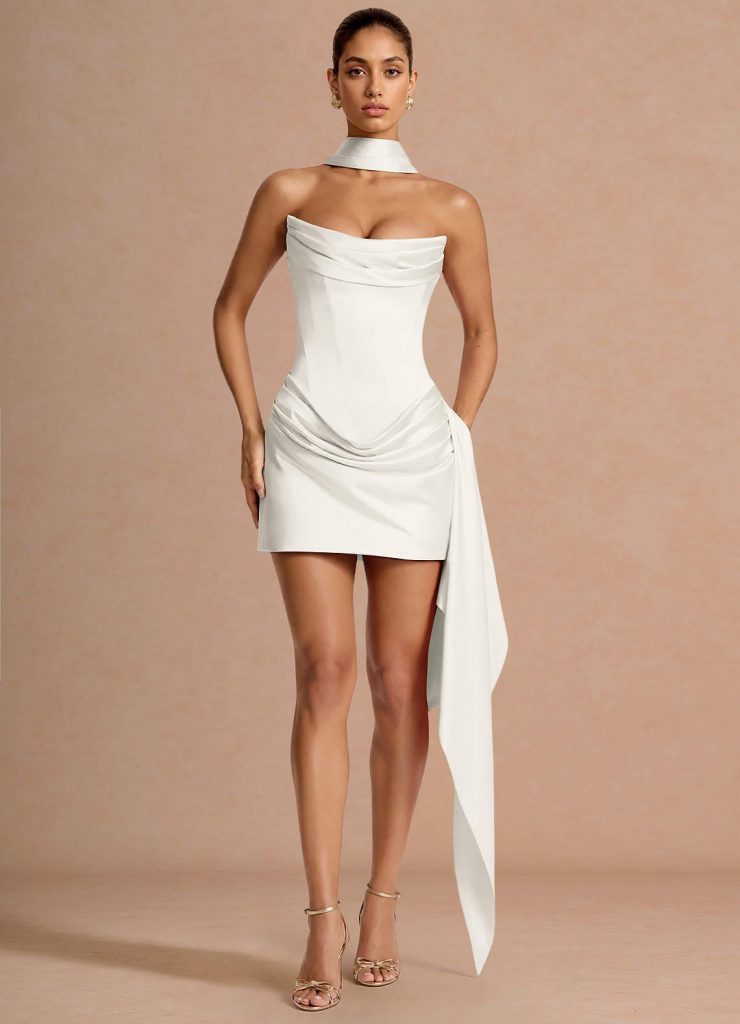
Here’s the challenge with searching for unique white graduation dresses: when the vast majority of graduates wear white, what makes any single dress actually stand out? The color isn’t the differentiator. The detail is. And there’s a specific set of design details that create distinction in graduation photos in a way that other details don’t.
The graduation context adds a variable most style guides miss: the gown covers the dress for the first 90 minutes. The unique detail that photographs brilliantly in a studio look might be invisible during the ceremony itself, but then appears fully in post-ceremony portraits. Understanding when different details “reveal” changes, which ones are worth prioritizing.
This guide is about what actually creates distinctiveness in a graduation dress — and what looks unique in a fitting room but reads as generic to the audience in row 40 of an auditorium.
Five Details That Actually Create Distinctiveness in Graduation Photos
Not all details read the same at graduation. Stage lighting, natural light, and wide-angle ceremony photography favor certain design elements over others. These five are the ones that actually photograph as distinctive.
| BACK DETAIL / BOW Hidden during the ceremony ★ Photo: REVEAL moment Invisible for 90 min, full spotlight in outdoor portraits. The graduation photo power move. |
EYELET / BRODERIE Flat under the robe ★ Photo: Texture visible Adds visual depth at every camera distance. Reads both polished and distinctive. |
TIERED / RUFFLE HEM May peek at hem ★ Photo: Movement shots Catches light beautifully in cap toss and walking shots. Very distinctive at a distance. |
LACE OVERLAY Depends on lace weight ★ Photo: Close portraits Adds romantic texture that photographs differently from plain white at close range. |
BUBBLE / STRUCTURED HEM Hidden ☆ Photo: Wide shots only Shape visible from a distance in stage photos. Less effective in close-up portraits. |
|---|
The back detail is probably the most consistently unique graduation move right now, specifically because the gown makes it a timed reveal. During the ceremony, you look clean and polished. The moment the robe comes off, the detail appears. It’s a deliberate structure that most other dress details don’t have.
The Reveal Structure — During vs. After the Ceremony
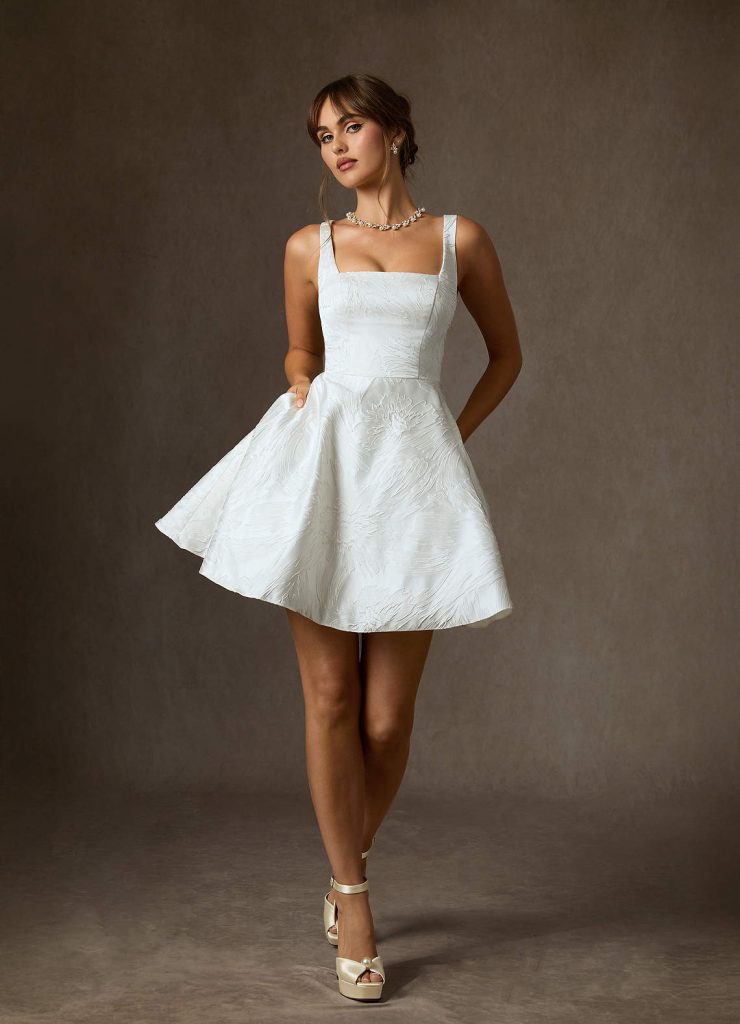
This is the most underrated concept in graduation dress shopping. The ceremony and the portraits are two different fashion moments. A detail that’s hidden during the processional and revealed in the portraits creates a specific kind of “uniqueness” that nothing else does.
| 🏛 DURING THE CEREMONY Clean + Hidden Back bows, back details, and shoulder details are completely concealed under the gown. The dress reads standard and polished. No visual distraction from the ceremony. |
📸 OUTDOOR PHOTO SESSION Detail Fully Revealed The full back bow, eyelet texture, tiered hem, or unique neckline appears for the first time. This is when the “uniqueness” of the dress does its most photographic work. |
🎉 POST-CEREMONY CELEBRATIONS Full Look Visible Everything is on display. Front and back details work together. This is when the overall unique combination of silhouette and detail reads as the complete look. |
|---|
Front-visible details like eyelet fabric, lace overlays, and tiered hems work differently — they’re slightly visible during the ceremony at the neckline and hem, and fully visible after. They’re not a “timed reveal,” but they add visual depth at every stage of the day.
What Makes a White Dress Actually Unique vs. Just Different
There’s a difference between a dress that looks unique and a dress that looks like it’s trying to look unique. At graduation specifically, the distinction matters because the dress has to be appropriate for a formal ceremony and distinctive enough to stand out in a year of photos you’ll look back at.
| Unique = one deliberate, distinctive detail done well · Different = multiple competing details |
|---|
| What Reads as Unique | Why It Works | What to Watch |
|---|---|---|
| Single back bow or back tie detail | Hidden during the ceremony, full reveal in portraits | Make sure the bow is securely attached — check before the day |
| Full eyelet or broderie fabric | Texture reads at every photo distance | Must be fully lined — eyelet can be semi-transparent under the sun |
| Tiered ruffle hem in motion shots | Movement in cap toss and walking shots | Lighter fabrics work better than stiff ones for movement photos |
| Architectural neckline (square + lace trim) | Close-up portraits look distinct from standard square necks | Keep accessories simple — the neckline is the detail |
| Bubble or structured 3D hem | Stage-distance photos show the silhouette shape | Can create visible bulk under the robe if too structured |
An a line white graduation dress with a back bow is one of the most reliably unique graduation combinations because the A-line silhouette is universally flattering and ceremony-appropriate, and the back detail provides distinctiveness without competing with the regalia during the ceremony itself.
Match Your Unique Style to Your Personality
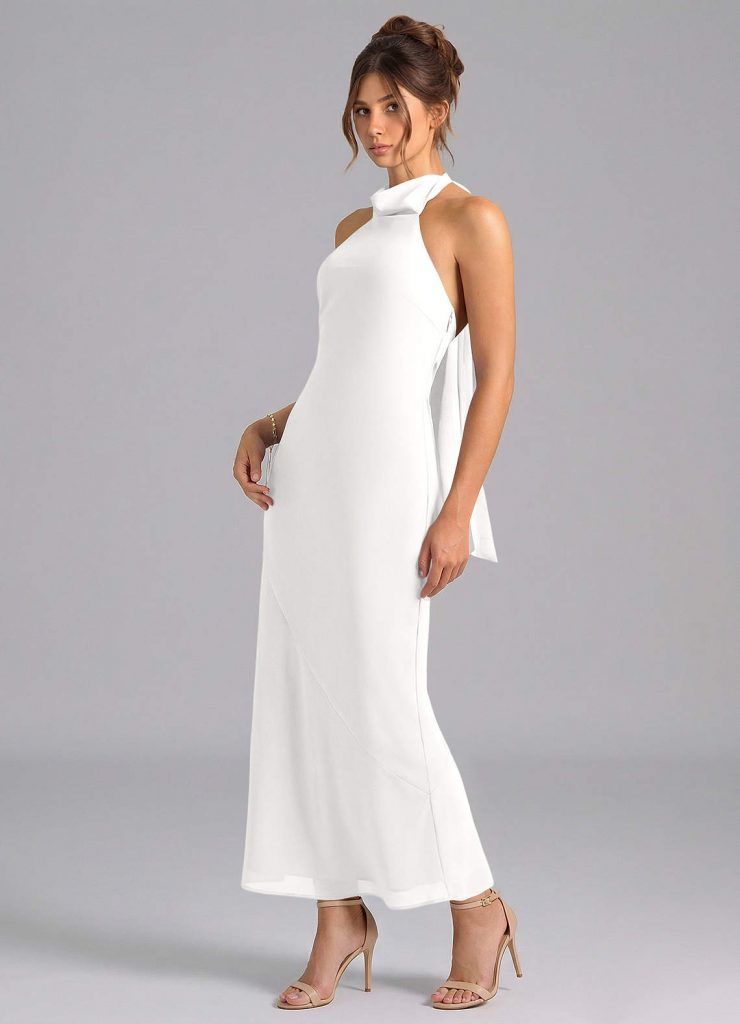
Unique means different things to different people. What reads as distinctive to someone who wants a romantic look differs from what works for someone with a fashion-forward sensibility. Here’s how different “unique” approaches match different graduation personalities.
| 🌸 ROMANTIC Dress: Lace overlay midi Detail: Sheer lace over structured lining The lace adds visual depth, which photographs well in natural outdoor light. Distinctive without being bold. |
🍿 FASHION-FORWARD Dress: Structured back bow Detail: Oversized satin bow at lower back This is the graduation dress trend moment right now. Reserved during the ceremony, statement piece in portraits. |
|---|---|
| 🌼 FRESH / SPRING Dress: Eyelet A-line Detail: Full eyelet or broderie fabric Reads clean from a distance, has a beautiful texture up close. Very good for outdoor spring ceremonies in natural light. |
💎 MINIMALIST Dress: Column with neckline detail Detail: Architectural neckline trim One small detail on an otherwise clean dress. The uniqueness lies in precision, not in the volume of details. |
For college graduation dresses at formal university commencements, the minimalist and romantic categories tend to work best. The fashion-forward back bow approach is more popular at high school graduations, where the ceremony tone is slightly more celebratory. Either works at both settings — it’s more about what feels right for your personal style.
Unique Details That Work Best for Outdoor Ceremonies
Outdoor graduation ceremonies have specific photography conditions that affect which unique details look best. Natural light is more forgiving than stage lighting; movement shows up differently in photos; and heat is a real, practical factor that affects fabric choices.
| Eyelet fabric Photographs with beautiful light-and-shadow texture in natural light. Also breathable, which is genuinely useful for outdoor summer ceremonies under a heavy robe. |
|---|
| Tiered ruffle hem. Natural light and outdoor movement shots are where tiered hems look most distinctive. Catch breezes, create motion in photos, and read as playful and celebratory. |
| Lace overlay. Soft lace adds romantic warmth in outdoor portrait photography. Significantly better outdoors than under stage spotlights, which can show through unlined lace. |
| Structured bubble hem. Wide outdoor stage shots show the silhouette shape clearly from a distance. Bubble hems read as distinctive even in wide-angle audience photography where detail is harder to see. |
| Floral 3D embellishment. Natural light creates shadow depth on 3D floral details that indoor stage lighting flattens. If the ceremony is outdoors, this detail type photographs at its best. |
| 🌟 THE UNIQUENESS RULE FOR OUTDOOR CEREMONIES Outdoor light is generous. Details that would look try-hard slightly under stage lighting read as fresh and intentional in natural light. You have slightly more room to express uniqueness at an outdoor ceremony than at an indoor one. That said, the fabric heat factor becomes more important outdoors. Eyelet, cotton, and lightweight lace handle outdoor summer heat significantly better than heavy structured fabrics. |
|---|
What Looks Unique in a Fitting Room But Reads Generic at Graduation
Worth saying directly. Some details that feel distinctive when you try on the dress don’t actually differentiate in graduation photos. Knowing this saves real frustration on the day.
| Detail | Why It Felt Unique | What Actually Happens in Graduation Photos |
|---|---|---|
| Very small embellishment | Noticed up close | Invisible in wide ceremony shots. No distinguishable effect in stage photography from the audience |
| Subtle waist ruching | Feels different in the fitting room | Reads as a standard white dress at a distance. The visual effect is lost beyond 10 feet |
| Interesting fabric texture in dark | Tactile, distinctive in person | Texture requires good lighting to photograph. Under bad ceremony lighting, it disappears completely |
| Multiple small details combined | Feels personalized | Creates visual busyness in portrait photography. Reads as overdone rather than distinctive |
The test: photograph yourself from 15 feet away. If the detail you chose as the “unique” element is visible and clearly reads as intentional in that photo, it will work at graduation. If it disappears or looks like something happened to the dress, it won’t.
Day-Before Checks Specific to Unique Details
Different unique details have different day-before concerns.
| 1 | Back bow security check: hold the bow and gently pull sideways. If the attachment shifts or stitching pulls, take it to a tailor before the day. A loose bow that falls during the ceremony is anything but unique. |
|---|
| 2 | Eyelet transparency check: bright overhead light with the dress on. Eyelet fabric has intentional holes — make sure the lining underneath is fully opaque. The open pattern is the detail, not the skin underneath. |
|---|
| 3 | Tiered hem movement test: walk around in the dress at home. A tiered hem that stays stiff or wrinkled doesn’t move naturally in photos. It should flow. If it doesn’t, steam and hang overnight. |
|---|
| 4 | 15-foot photo test: photograph yourself from across the room. This is approximately the distance from the audience seating to the stage. Does the unique detail still read as intentional at that distance? |
|---|
| 5 | Full gown combination test: wear the dress and robe together. Does the unique detail change how the gown sits? Back bows should sit comfortably inside the robe. Front details shouldn’t create visible lumps. |
|---|
The Short Version
White graduation dresses stand out through one deliberate design detail done well — a back bow, full eyelet texture, tiered ruffle hem, or architectural neckline detail. Back details create a “timed reveal” structure that’s specific to graduation. Outdoor ceremonies favor texture and movement details. Do the 15-foot photo test before the day. The detail should be visible and intentional at ceremony distance.
Azazie has 100+ white graduation dresses in white, cream, and soft neutrals with custom sizing. Browse the collection for styles with distinctive details designed to stand out at the ceremony, in portraits, and in every photo from the day.
Frequently Asked Questions
What makes a white graduation dress actually unique?
One deliberate design detail executed well — not multiple competing ones. A back bow, a full eyelet fabric, a structured tiered hem, or an architectural neckline detail each create genuine distinction in graduation photos. The uniqueness comes from quality and intentionality in a single element, not from adding multiple details that compete with one another.
Are white dresses appropriate for all graduations?
White is essentially the expected choice at US graduation ceremonies across every level. The specific choices of detail are where appropriateness becomes a consideration. A back bow is appropriate everywhere. A very revealing or overly casual construction isn’t, regardless of color. White as the base color is universally appropriate; the design details need to match the ceremony’s formality.
Why are people wearing white dresses for graduation?
The tradition dates to the mid-1800s in the US, rooted in women’s colleges, creating a dignified uniform aesthetic for graduation. White sticks because it photographs consistently well under every type of graduation lighting, works with every gown color, and reads clean in coordinated class photos. The uniqueness of individual dresses comes from the details within the white category, not from departing from white.
How do you actually look good on graduation day?
One distinctive detail, a properly fitted dress, and a real expression. The graduates who look best in graduation photos are usually the ones who chose one thing they genuinely love about the dress — a detail that makes them feel like themselves — and kept everything else simple. Confidence in the full look is more visible in photos than any specific design detail.
What color grad dress is most popular?
White remains far and away the most popular graduation dress color. Unique white graduation dresses dominate the category because the range of distinctive details within white — eyelet, lace, bows, ruffles, structured hems — creates enormous variety while keeping the base color consistent with graduation tradition and photography requirements.
Is white appropriate for prom, too?
White has become very popular for prom as well, particularly styles with more dramatic or fashion-forward details. The key difference: prom white dresses tend toward more dramatic embellishment, open backs, and statement silhouettes than graduation white dresses. For graduation, the unique detail is that the dress still needs to be worn under a robe during a formal ceremony, which imposes different constraints than prom does.
What is the white dress theory?
It’s a fashion psychology concept that white conveys clarity, confidence, and a fresh start — which maps directly onto what graduation represents. The practical argument that keeps it relevant at graduation: white photographs consistently look good under every lighting scenario the day brings, from stage spotlights to outdoor afternoon sun to family flash. The symbolism is nice. The logic of photography is probably why the tradition has persisted.
What shoes look best with a unique white graduation dress?
It depends on what the unique detail is. For a back bow, any shoe that doesn’t compete — nude, metallic, or white. For an eyelet dress, something that picks up the textural angle: woven-strap heels or block heels in natural tones work well. For tiered ruffles, a simple heel keeps the movement detail as the focal point. The general rule: let the unique dress element be the main visual event. The shoes support, not compete.