
Summer Formal Wedding Guest Dresses: How to Stay Comfortable, Polished, and Weather-Appropriate
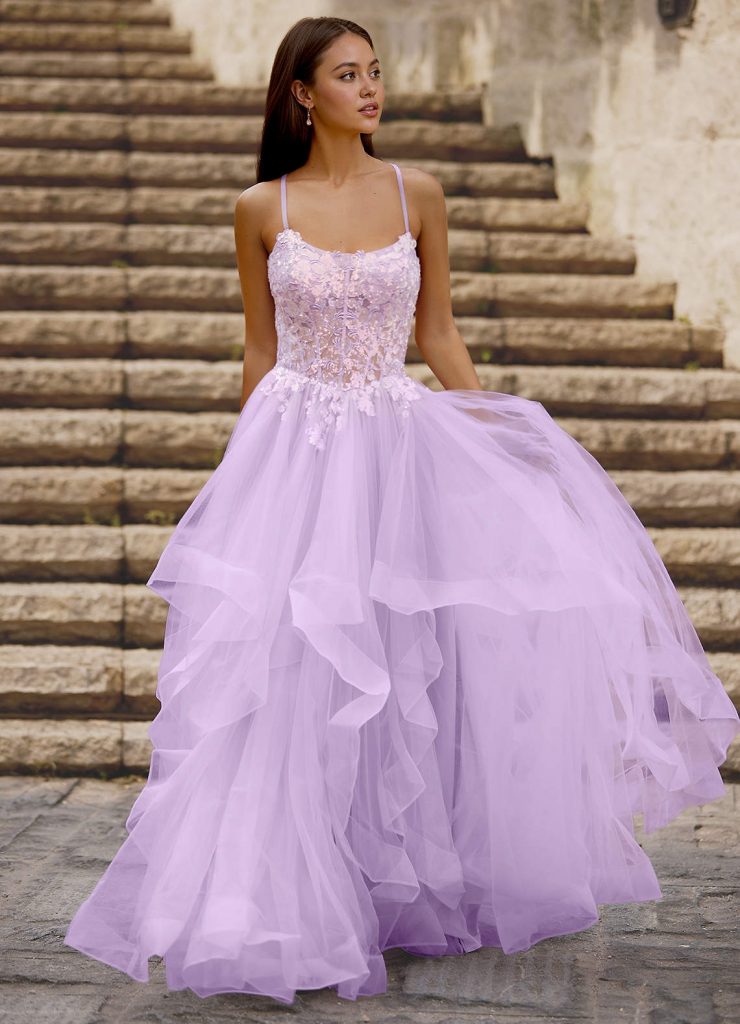
My sister’s outdoor wedding last July in Scottsdale — ceremony starting at 4pm, which they thought was ‘late enough to miss the worst heat’ and was not — taught me something practical about formal summer wedding guest dresses. Most of the guests wore the same dresses they’d wear to a fall indoor wedding, and by the cocktail hour they were visibly uncomfortable. Not underdressed. Just suffering unnecessarily.
Summer weddings are two different events in one invitation. There’s the outdoor part — ceremony, cocktail hour, photos, navigating gravel parking lots and grass lawns. Then there’s the air-conditioned part, where you walk in from 95 degrees outside and immediately freeze. You need one dress that handles both, and the shopping logic for that dress is different from the shopping logic for a standard formal dress.Here’s what actually matters, in order.
| Practical order of decisions: (1) Find out how much of the event is outdoors. (2) Choose fabric for that outdoor portion. (3) Confirm the dress code for length and formality level. (4) Pick a color that photographs correctly in that venue’s lighting. (5) Sort footwear before you finalize the hem length. That’s the actual sequence that prevents the most problems. |
|---|
Fabric — This Decision Matters More Than Style at Summer Weddings
Chiffon — The Answer for Outdoor Summer Ceremonies
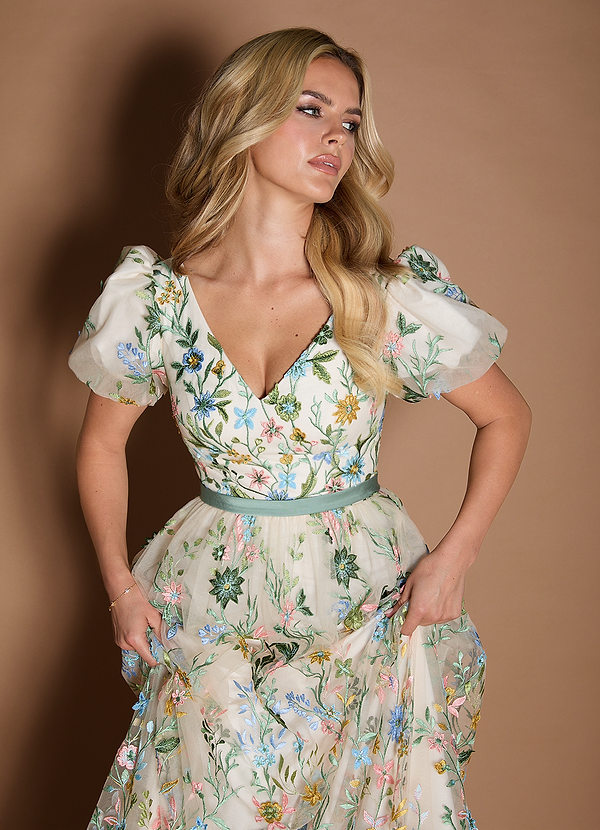
Chiffon has a loose-enough weave that air moves through it as you walk. Not ‘breathable’ in a marketing-copy way — actually, physically, the fabric has airflow. For an outdoor ceremony in July or August with any significant sun exposure, this is what you want.
Layers defeat this. One layer of chiffon breathes. Three layers of chiffon is essentially a sealed garment. When shopping, check whether the style has multiple underlayers that would block the airflow that makes the fabric useful in the first place.
Linen — Good in Theory, Wrinkled in Practice
Linen breathes better than almost any other fabric. At a garden party, a vineyard in late afternoon, or a beach ceremony where the natural texture fits the setting — linen reads correctly and keeps you genuinely cool.
The problem: it wrinkles aggressively over the course of a long event. A linen dress that looks pristine at 4pm is going to look significantly lived-in by 9pm after sitting, dancing, and moving. I’m not saying avoid it — I’m saying know what you’re accepting when you choose it.
Crepe and Lightweight Satin — For Indoor or Evening Weddings
Wedding guest dresses summer formal in quality crepe are specifically well-suited to hotel ballroom weddings or any venue where you’ll be inside for most of the event.
Fabric Quick Reference by Venue
| Fabric | Best Venue | Practical Strength | Watch Out For |
|---|---|---|---|
| Chiffon | Outdoor ceremonies, all-day | Genuine airflow | Multiple layers defeat the breathability |
| Linen | Garden, beach, vineyard | Most breathable natural fiber | Wrinkles significantly over long events |
| Crepe | Indoor AC venues, evenings | Holds structure all day | Heavy crepe gets warm outdoors |
| Lightweight satin | Evening or indoor weddings | Clean photography | Warm in direct summer sun |
| Polyester | Skip for outdoor summer | None — avoid for outdoor | Traps heat; physically uncomfortable |
Color — One Rule That Doesn’t Move, the Rest Depends on Venue Lighting
The White Rule
No white, no ivory, nothing cream that reads as bridal. That’s it. That rule has no exceptions and no venue qualifications. Everything else is about reading the specific setting.
Pastels for Outdoor Daytime Weddings
Soft tones — blush, sage, sky blue, pale yellow — photograph cleanly in natural light. They don’t absorb sun heat the way darker colors do, and they read as appropriately celebratory for a daytime outdoor setting. A pink wedding guest dress in dusty rose or blush is one of the most consistently practical choices for a summer outdoor ceremony: cool-reading color, pairs with most complexions, photographs beautifully outdoors.
Jewel Tones for Evening and Indoor Weddings
Emerald, sapphire, deep burgundy, navy — these earn their richness under warm artificial light. A green wedding guest dress in deep emerald reads with full impact at a hotel ballroom reception. Outdoors in July afternoon light, the same color can photograph as heavier and darker than it looks in person. Match the color saturation to the lighting conditions.
Black in Summer — Fine, Actually
Black at a summer wedding is fine. I know this gets debated, but for an evening or indoor summer wedding, a black midi or floor-length dress in chiffon or crepe is entirely appropriate. The summer-wedding-no-black ‘rule’ isn’t a real rule. It’s an aesthetic preference some people have. Black photographs cleanly in any lighting and reads as appropriately formal across almost every venue type.
The one genuine caveat: black in direct outdoor summer sun is physically hotter than lighter colors. If you’re standing at an outdoor ceremony for 45 minutes in August heat, a black dress adds meaningfully to how warm you’ll feel. That’s a practical consideration, not an etiquette one.
Champagne — the Genuinely Tricky One
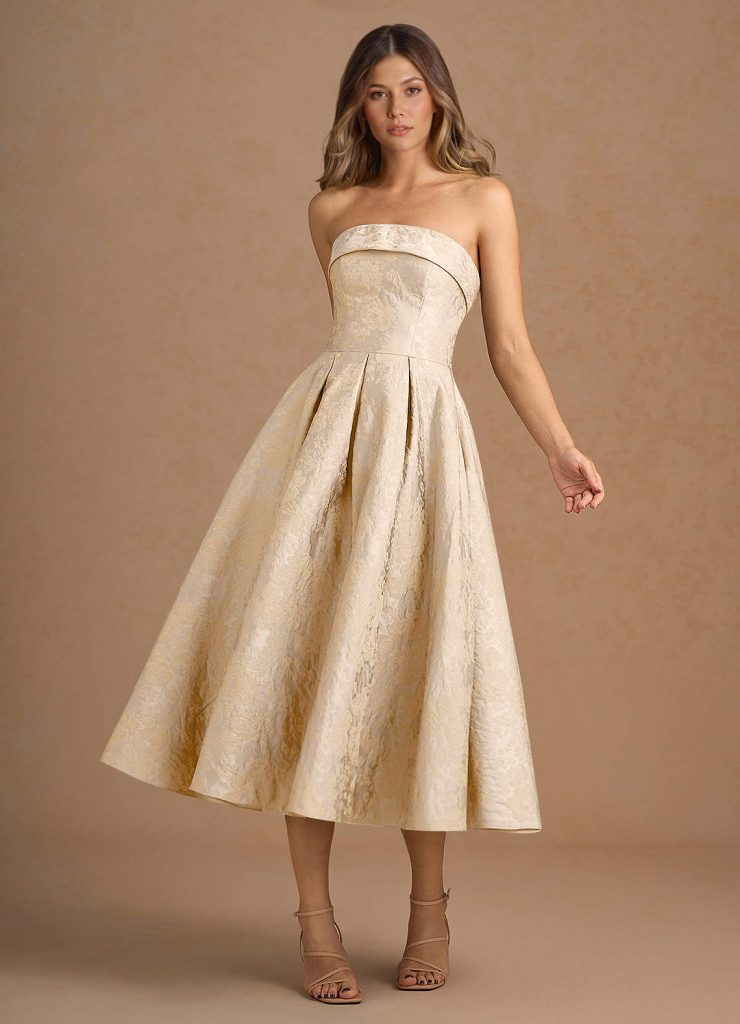
A deep gold-champagne with warm undertones is usually fine. A pale champagne that photographs close to ivory is a problem. The issue isn’t whether you consider it bridal — it’s whether the camera does in photos taken in natural light. When genuinely uncertain, choose a different color. There’s no shortage of options.
Coverage — Plan for Both Halves of the Day
Sleeveless and Strapless — Best for Outdoor Airflow
Shoulders and upper chest are where the body sheds heat most effectively. Sleeveless, strapless, or wide-strap styles maximize that. They’re also formally appropriate when the fabric and length are right. A strapless wedding guest dress in quality chiffon at midi or floor length reads as entirely event-appropriate for a formal summer wedding.
The AC Problem — Plan for It Specifically
Going from 92 degrees outdoors to 68 degrees in an air-conditioned reception hall in a sleeveless dress is genuinely cold. Not slightly chilly. Cold. Bring something — a light wrap, a shawl, a blazer in a coordinating color. Keep it in the car or at your table.
This sounds like a minor point and it’s not. I’ve watched people leave wedding receptions early because they were too cold to stay comfortable in their dress. An evening wrap takes up no space and changes the experience of the reception half of the event.
Sheer Long Sleeves — The Conservative Venue Solution
For church ceremonies, religious venues, or any setting where sleeveless reads as too informal: sheer chiffon or illusion lace long sleeves solve this without much cost in warmth. Long sleeve wedding guest dresses in these fabrics look fully covered — which satisfies the venue’s expectations — but the open weave lets air through. They also shade your arms from direct sun outdoors, which is more helpful in practice than it sounds theoretically.
Three Decisions to Make Before You Shop
| 1 | Find out specifically how much of the event is outdoors. This is the single question that determines the fabric and coverage decisions. Outdoor full-sun ceremony only: chiffon, sleeveless, practical footwear for terrain. Indoor from start to finish: crepe or lightweight satin, more structural flexibility, heels are fine. Outdoor ceremony transitioning to indoor reception — the most common situation: dress for the outdoor portion, bring something for the reception. Get this information before you shop. It changes everything else. |
|---|
| 2 | Lock in length and color based on dress code and venue lighting. Black-tie means floor-length in quality fabric. Formal typically means floor or midi. Semi-formal: midi. Once you have the length range, color is about lighting: pastels for outdoor daytime, jewel tones for evening or indoor, and nothing that reads as bridal in any lighting condition. Specifically check whether champagne in your shortlisted dress photographs close to ivory in outdoor light — that’s the only color that genuinely requires that extra check. |
|---|
| 3 | Decide on footwear before you confirm the hem length. If the ceremony is outdoors on grass, gravel, or any uneven terrain: stilettos sink and become a problem immediately. Block heels, wedges, or strappy sandals with a moderate heel work for outdoor terrain. Floor-length on outdoor grass and gravel is also harder to manage than midi. If the outdoor terrain is significant, settle on the footwear first, then confirm the dress length works with it. A dress you can’t walk comfortably in is the wrong dress for that specific event, regardless of how it looks standing still. |
|---|
Venue × Dress Decision Reference
| Venue | Best Fabric | Coverage | Length | Footwear |
|---|---|---|---|---|
| Outdoor garden/lawn | Chiffon, linen | Sleeveless, off-shoulder | Midi | Block heel, wedge |
| Beach / vineyard | Chiffon, light linen | Sleeveless, wide strap | Midi (avoid trailing hem) | Wedge, flat sandal |
| Hotel ballroom (AC) | Crepe, lightweight satin | Any — venue is cool | Floor or midi | Heels are fine |
| Church / religious | Crepe, light silk | Cap sleeve or sheer long | Floor or midi | Modest heel or low |
| Evening rooftop | Satin, silk blend | More flexibility | Floor or midi | Heels |
Frequently Asked Questions
What is the dress code for a summer formal wedding?
Same expectations as formal weddings in other seasons — floor-length or midi, quality fabric, no white or ivory. Summer just means choosing the lighter-weight version within each category. Chiffon rather than heavy satin for outdoor events. Lightweight crepe rather than thick structured taffeta. The dress code level on the invitation determines the length and formality; the season determines which fabrics to use within that formality level.
What should I not wear to a formal summer wedding?
White, ivory, and anything cream that photographs as bridal — that’s always the main one. For outdoor summer ceremonies specifically: heavy polyester that traps heat, stilettos at venues with grass or gravel, and very structured stiff fabrics that don’t breathe. Overly busy accessories that add visual weight in heat without serving a purpose.
What accessories work best for a summer formal wedding?
Light and minimal. Drop earrings or small studs. A thin bracelet if anything. A small clutch in a neutral or metallic. Heavy layered statement jewelry is physically uncomfortable in summer heat and photographs as fussy when you’re already warm. For footwear: block heels, wedges, or strappy sandals for outdoor venues. Heels for indoor.
What length works best for a formal summer wedding?
Depends on the venue and terrain. Floor-length for black-tie events and indoor ballroom weddings where the terrain is smooth. Midi for most outdoor summer weddings — practical on uneven terrain, cooler, easier to manage. On outdoor grass or gravel, a floor-length dress becomes harder to manage by hour two. If there’s significant outdoor terrain, midi is the more comfortable formal option.
Closing Thoughts
The Scottsdale wedding from last July — the guests who looked good all day had two things in common. Lightweight fabric. And they’d all brought something for the reception. That’s genuinely most of it.
Figure out how much of the event is outside. Pick fabric for that. No white. Color that works for the lighting. Footwear that works for the terrain. Azazie’s collection of wedding guest dresses for summer formal events includes chiffon A-lines, lightweight crepe options, and floral midi styles in sizes 0–30 with made-to-order and custom sizing available. Once you know the venue type, the right choices in the range become clear quickly.