
Long Evening Dresses: When They’re the Right Call and How to Style Them
A black-tie fundraiser in New York, February of last year. Two women arrived in cocktail dresses — both poised, both well-dressed, both clearly aware by hour two that something was wrong. By the reception dinner, they’d positioned themselves at the far end of the table from the front of the room, where the long evening dresses were more concentrated. Not because they’d been told to move. Because the floor-length register of the event was something they could feel.
This is the thing about long evening dresses that shorter-length advice usually skips: they’re not just a style choice at certain events. They’re a dress code choice. And when the dress code calls for them and you’ve arrived in something shorter, you know it within twenty minutes — even if nobody says anything.
So. The first question isn’t how to style a long dress. It’s whether the specific event you’re attending actually calls for one. That answer comes from the invitation.
| The actual decision-maker: the dress code on the invitation. Black-tie and white-tie: floor-length required. ‘Black tie optional’ or ‘formal’: long is strongly expected but not mandatory. Cocktail attire: short is specifically what that dress code means. When the invitation doesn’t specify: look at the venue type. Hotel ballroom at 7pm — floor-length. Rooftop reception — probably not. |
|---|
When Long Evening Dresses Are the Correct Call — and When They’re Not
Black-Tie — No Ambiguity Here
At a genuine black-tie event — gala, formal fundraiser, military ball, award ceremony — evening dresses floor length signals that you’ve read the dress code and dressed accordingly. The two women at that February fundraiser: they had not. They were visibly the only people in cocktail dresses in a room of floor-length gowns, and the social friction of that was perceptible all evening even though nobody addressed it directly.
The long dress at black-tie isn’t about drama or making an impression. It’s about fitting the visual register that the event is creating. When everyone in the room is in floor-length, the floor-length dress is the invisible one. It’s the cocktail dress that stands out.
‘Black Tie Optional’ — This Wording Trips People Up
‘Optional’ doesn’t mean ‘either is equally appropriate.’ It means the host isn’t enforcing the standard but is dressing that way themselves. Floor-length at a black-tie-optional wedding is always appropriate. Short is also technically appropriate. But the social math of that room tends to run formal, and most of the room will be in floor-length.
My honest read: unless you have a specific reason to choose shorter — comfort, mobility, a dress you’ve already committed to — go floor-length at black-tie optional. The ‘optional’ framing gives you permission to go short, not a reason to.
Cocktail Attire — Long Is Actually Wrong Here
Cocktail attire means a short dress. The dress code was designed around events that last two to three hours, involve circulating and standing, and don’t require the formality of a full-length gown. Arriving in a floor-length dress at a cocktail event is technically overdressed — and it creates the same kind of social friction as being underdressed, just in the other direction.
The woman I mentioned at the fundraiser wasn’t at a cocktail event — but I’ve watched the reverse happen too. Floor-length gown at a cocktail party, and the person in it spending the evening slightly uncomfortable, managing the hem on a crowded space that wasn’t designed for it.
Occasion Quick Reference
| Occasion | Long Appropriate? | Silhouette | Note |
|---|---|---|---|
| Black tie | Required | Column, mermaid, A-line | No exceptions |
| White tie | Required | Full gown only | Most formal dress code that exists |
| Black tie optional’, | Strongly preferred’, | Any formal silhouette’, | Short is permitted but room skews formal’, |
| Formal evening wedding’, | Expected’, | A-line most versatile’, | Check venue and time of day’, |
| Cocktail attire’, | No — overdressed’, | Short is correct here’, | Long reads as dress code mismatch’, |
Making the Length Work — The Specific Decisions That Determine Polish
The Hemline — Set It for the Actual Shoes You’ll Wear
Floor-length means the hem grazes the tops of the shoes when standing naturally. Not dragging behind you. Not hovering visibly above the shoe. Grazing. This position has to be set for the specific heel height you’ll actually wear to the event.
The problem most people have: they try the dress during fitting with one pair of shoes, then wear different shoes to the event. A 3-inch heel versus a 2-inch heel changes where the hem falls by approximately that inch. The floor-length dress either puddles or rides up to ankle-length depending on which direction you miscalculate. This is a fixable problem — but it has to be fixed before the event, not at it.
The specific test: put on the dress with the actual event shoes and walk a full room length. Watch the hem in a mirror. It should trail in a clean, controlled sweep — not dragging or catching behind you, not lifting to show the shoe completely. Do this before the event. Ten minutes. Prevents a six-hour problem.
Silhouette Movement — Floor-Length Amplifies Fit Issues
In a short dress, fit issues are contained. In a floor-length gown, every movement trails, and any fit imprecision amplifies.
A column that’s too tight through the hip pulls at the hem when you walk, creating an uneven floor sweep that’s visible from across a room. A mermaid with excess fabric in the lower leg creates train-like behavior that wasn’t designed into the dress — it snags on chairs, catches on other guests, and has to be managed constantly.
The movement test: walk in the dress and watch the hem. It should sweep cleanly behind you with each stride, not pull or bunch at specific points. Any dragging at the hip or catching at the ankle is a fit issue, and it will only become more noticeable over the course of an evening.
The ‘Black Tie Optional’ Hemline Trap
| The specific hemline mistake at black-tie optional events: arriving in a floor-length dress hemmed for a different heel height than you’re wearing. The room is formal, everyone else is in floor-length, and your dress is either puddling or floating at ankle-level because the hem was set for your fitting shoes rather than your event shoes. This is the version of the hemline problem that is most visible precisely because the event context makes everyone notice floor-length dresses. |
|---|
Four Decisions That Determine Whether a Long Dress Works
| 1 | Lock in the shoes before you hem or order. The hem position depends on the heel height you’ll wear. Determine the exact shoes first — not ‘something around 3 inches,’ the specific shoes — and set the hemline for those shoes. A half-inch difference in heel height creates a visible difference in where a floor-length hem sits. This is the decision that prevents the most common long evening dress problem. |
|---|
| 2 | Choose the fabric for how long you’ll actually be in the dress. Heavy satin and velvet look extraordinary but add physical weight and warmth over the course of a four-hour event. Quality stretch crepe and chiffon provide visual presence without the burden. For events involving significant movement or dancing, lighter fabrics move better and feel better by hour three. For primarily seated formal dinners, heavier fabrics are manageable and read as more formal. This is a comfort question as much as a style question. |
|---|
| 3 | Test the silhouette walking and seated, specifically. Walk across the room and watch the hem behavior. Then sit for five minutes and stand back up. The dress should accommodate both motions without adjustment. Any pulling at the hip when walking means the fit is wrong through the hip. Any bodice shifting when seated indicates the internal structure isn’t holding the dress in position. These issues don’t improve over a long evening — they get worse. |
|---|
| 4 | Choose one primary accessory and let the dress carry the rest. Floor-length already provides substantial visual presence — the sheer amount of fabric creates a visual mass that shorter dresses don’t. A statement necklace plus statement earrings plus a statement clutch creates competing focal points and the eye doesn’t know where to land. One element: either the earrings or the necklace or the shoe, whichever adds the most interest for the specific dress. The rest minimal. The dress is doing the work. |
|---|
Silhouette and Fabric — The Two Decisions That Shape Everything Else
A-Line — The Most Forgiving Floor-Length Silhouette
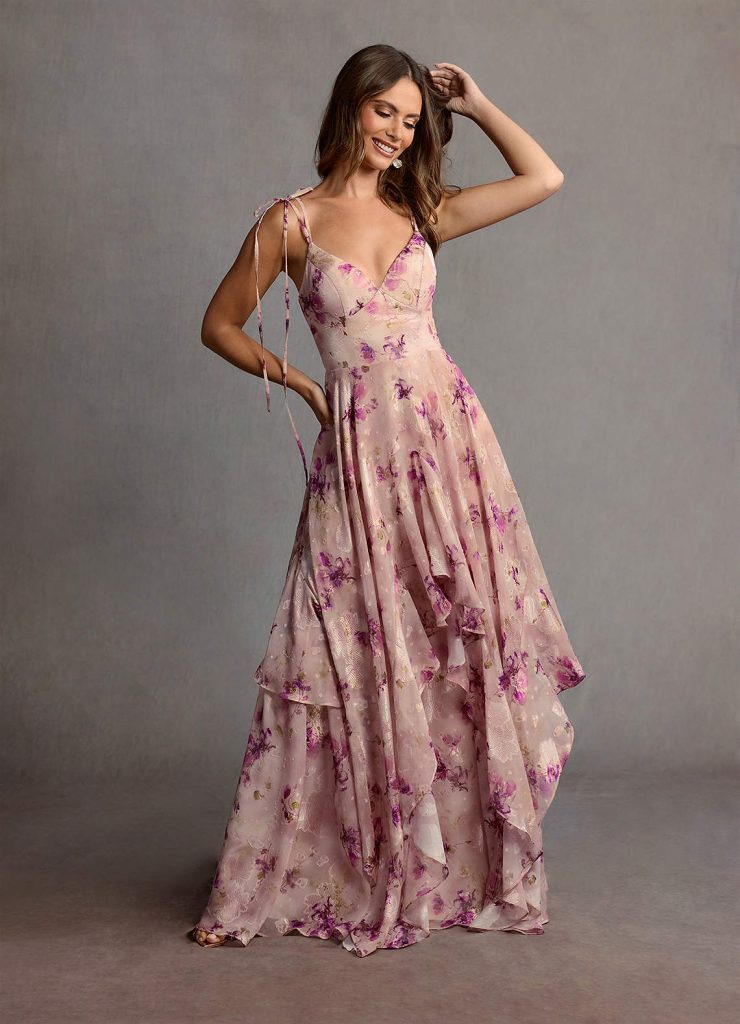
A-line in floor-length works across body types, accommodates different activity levels, and is the most forgiving of slight hemline imprecision. The fitted bodice and gently flaring skirt move well for dancing, read correctly for seated formal dinners, and photograph cleanly. For most formal evening events — particularly those where you’re uncertain about the silhouette — A-line is the reliable choice. The full range of evening dresses floor length in A-line construction covers the widest range of event types correctly.
Column and Sheath — Maximum Visual Presence
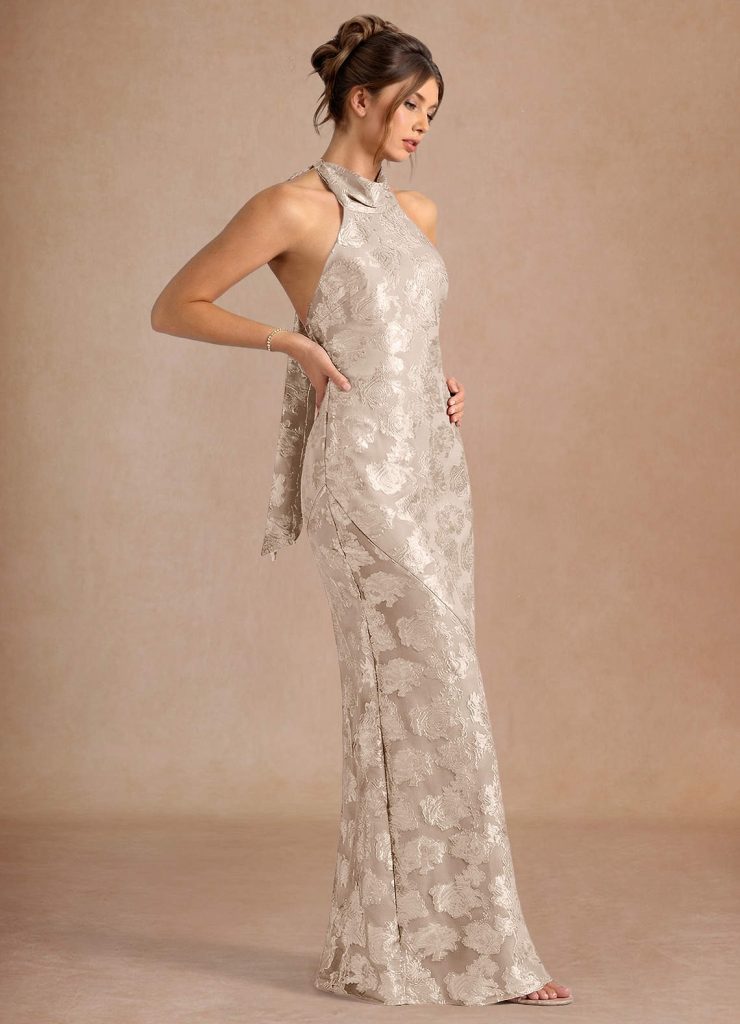
A column dress with floor-length hem creates an uninterrupted vertical from shoulder to floor. It reads as genuinely powerful at galas and award ceremonies — photographically, the clean vertical line is one of the strongest formal statements available. Elegant black evening dresses in column silhouette are among the strongest formal looks that exist. But the fit precision requirement is high: any imprecision in the hip or shoulder is amplified over the full height of the gown.
My opinion on this one: column and sheath for galas and award ceremonies where you’ve confirmed the fit and the event is primarily seated or standing. A-line for weddings and events with more movement and terrain variety. The column has more impact when the conditions support it. The A-line handles more conditions.
Mermaid — Most Dramatic, Most Demanding
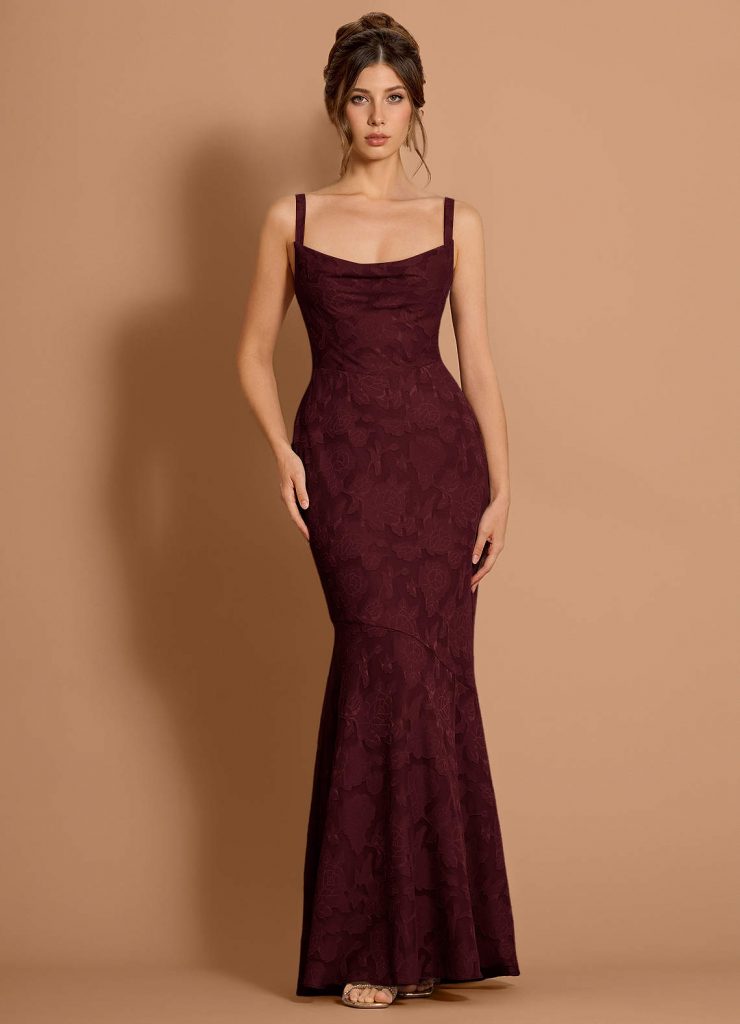
Mermaid floor-length provides the strongest red-carpet visual impact. Fitted through the hip, flared at or below the knee, with a floor-length sweep that trails behind you. Mermaid evening dress construction requires the most precise fit of the three silhouettes because any excess fabric in the lower leg creates unintended train behavior — catching on chairs, requiring management, restricting the natural stride. Get the fit right in a mermaid and the effect is genuinely dramatic. Get it slightly off and you’re managing fabric all evening.
Closing Thoughts
The two women at the February fundraiser — I saw them again at a different event three months later, both in floor-length gowns. Both looked exactly right. Same composure, same polish, completely different experience of the room. The dress wasn’t doing anything they weren’t already doing. It just wasn’t fighting the event anymore.
That’s the whole case for long evening dresses at the right events: not drama, not impact, not photographs. Just not being in conflict with the room you’re in. Azazie’s full evening dress collection covers A-line, column, and mermaid floor-length options across satin, crepe, and chiffon in sizes 0 to 30 with made-to-order options available.
Frequently Asked Questions
Are long evening dresses required at black-tie events?
At strict black-tie: yes, floor-length is expected and the standard. At black-tie optional: floor-length is strongly preferred, and the room will run formal. A well-styled cocktail dress is technically permissible at optional, but it reads as a deliberate choice not to match the room’s register — which may or may not be what you want.
What’s the correct hemline position for a floor-length gown?
The hem should just graze the tops of the shoes when standing naturally — not dragging behind you and not hovering visibly above the shoe. This position needs to be set for your specific heel height. Verify the full look including actual event shoes before the event. A half-inch change in heel height is a visible difference in a floor-length hem.
What silhouettes work best for long evening dresses?
A-line is the most broadly flattering and most practical across different event types and activity levels. Column and sheath create maximum visual presence but require precise fit. Mermaid provides the most dramatic effect and restricts the stride — appropriate when the event context supports the drama and the fit is confirmed. Plus-size evening dresses in A-line floor-length are consistently well-photographed across venues and lighting.
Can petite women wear floor-length evening gowns?
Yes. A floor-length gown creates a continuous vertical visual line that adds perceived height when the proportions are correct — specifically when the waist seam sits at or near the natural waist, and the hem is precisely set for the event heel height. The most common petite-gown mistake is a waist seam that sits too low, creating a dropped-waist effect that shortens rather than elongates. Monochromatic color and empire or high waist placement both help.
What colors work best for long evening dresses?
Deep jewel tones — navy, emerald, sapphire, deep burgundy — are reliably elegant under most venue lighting. They photograph with depth that paler colors sometimes lose under warm ballroom light. Elegant black evening dresses remain the most versatile choice: appropriate at virtually every event above cocktail level, photographed well under any lighting, and the most straightforward accessory decision.
Are long-sleeve evening gowns appropriate for summer formal events?
In lightweight fabrics — quality illusion mesh, lightweight lace, thin chiffon — yes. The sleeve material matters more than the sleeve length. A sheer or mesh long sleeve adds visual coverage and formality with minimal added heat. Heavy jersey or structured sleeves in summer formal contexts are a different question — manageable in a heavily air-conditioned ballroom, genuinely uncomfortable outdoors.