
How to Make Modest Evening Dresses Look Refined, Confident, and Event-Ready
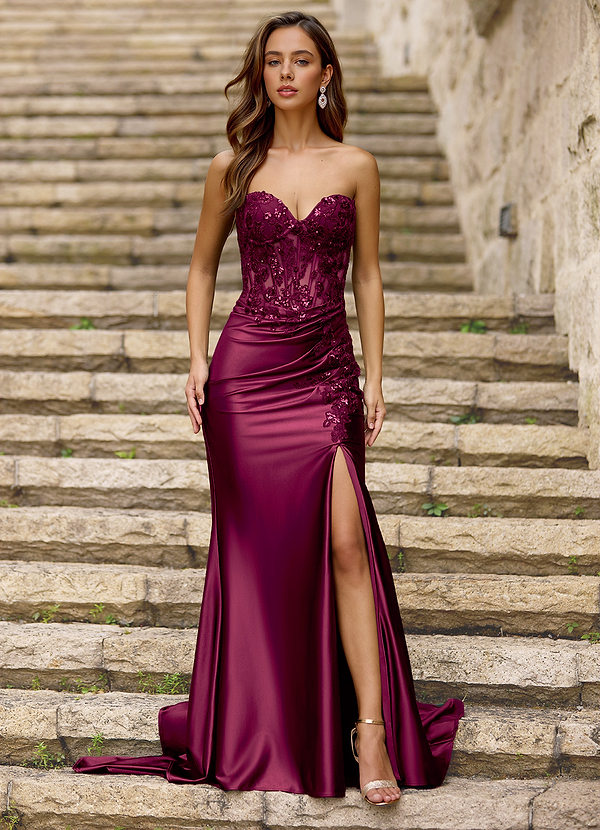
I attended a black-tie gala at the Mandarin Oriental in Chicago last October. Three of the most striking women in that room were in fully covered, long-sleeved gowns. Not one of them looked conservative.
That’s the thing about modest evening dresses: the styling principle is different, not lesser. When there’s no skin as the visual focal point, the fabric quality and the fit carry the entire impression. Which means they can’t be average. Honest opinion — modest dresses are actually harder to wear well than revealing ones, because there’s nowhere to hide. Nowhere. To. Hide. But when it works? It’s genuinely more commanding.
| The refined-versus-frumpy line for modest evening wear is almost entirely about two things: fabric quality and fit precision. A badly fitted modest dress has nothing else to carry it. A perfectly fitted, modest dress in high-quality fabric is one of the most sophisticated looks in any formal setting. |
|---|
Fabric — The Only Thing Standing Between Refined and Forgettable
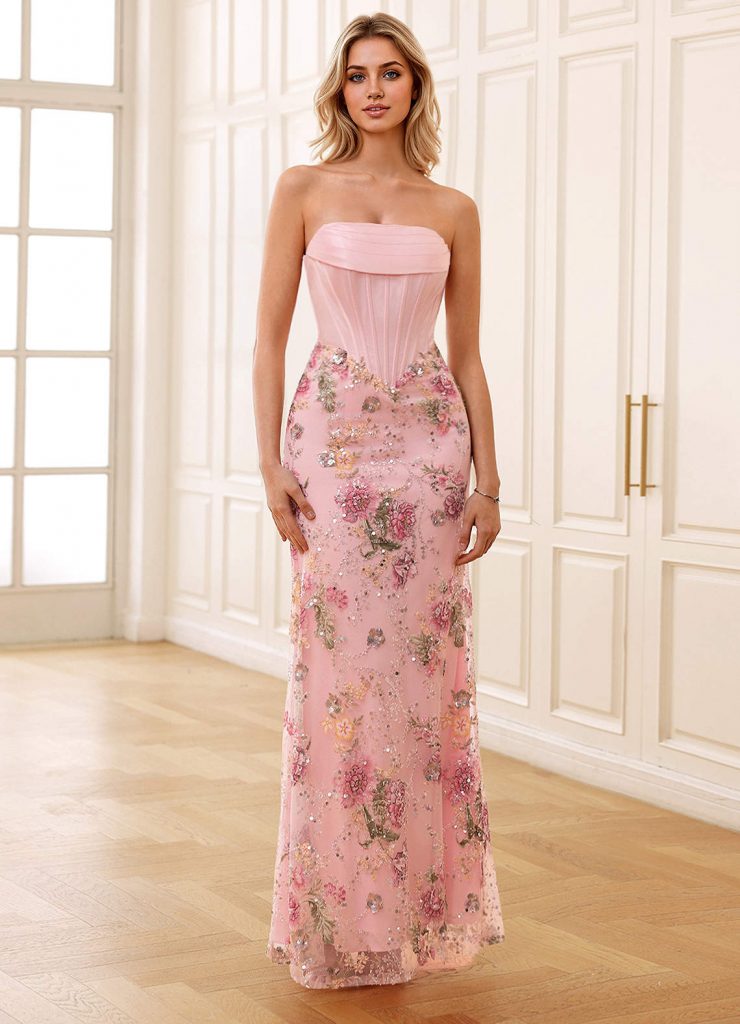
Quality First. Seriously — Quality First.
Frustratingly, this is the part that’s hardest to evaluate from a product listing. Two dresses can look almost identical in a photo. In a ballroom, one looks like it came from a fashion week runway, and the other looks like a department store bridesmaid situation from 2003.
The difference is almost always the fabric.
Velvet with real weight and pile catches the light and creates a deep, moving sense of depth that photographs as unmistakably luxurious. Chiffon — and I mean quality chiffon, not the kind that crinkles immediately — has this weightless flow that moves distinctly in evening air. These fabrics justify the coverage by turning it into a statement.
What the Fabric Has to Do When the Dress Has Sleeves
An evening long-sleeve dress option reads as refined or plain, almost entirely based on the sleeve material. Fitted lace over nude lining — that’s couture territory. A long sleeve in plain crepe with no detail — that’s fine for a funeral, less interesting for a gala. The sleeve construction has to justify its own presence on the dress.
I could go deeper on this — but you get the idea. Better fabric = everything works. Cheaper fabric = the coverage becomes the whole story, and that story isn’t flattering.
| Fabric | Modest Reads As | Evening Setting | Watch For |
|---|---|---|---|
| Velvet | Regal, commanding | Winter galas, ballrooms | Gets warm — check venue |
| Quality chiffon | Ethereal, refined | Weddings, spring galas | Must be lined — opacity matters |
| Heavy crepe | Clean, architectural | Award events, dinners | Fit must be very precise |
| Lace overlay | Sophisticated, detailed | Any formal setting | Underlay color matters a lot |
| Satin (quality) | Polished, formal | Black-tie, high formality | Synthetic satin is very obvious |
Silhouettes — Coverage Doesn’t Mean Shapeless
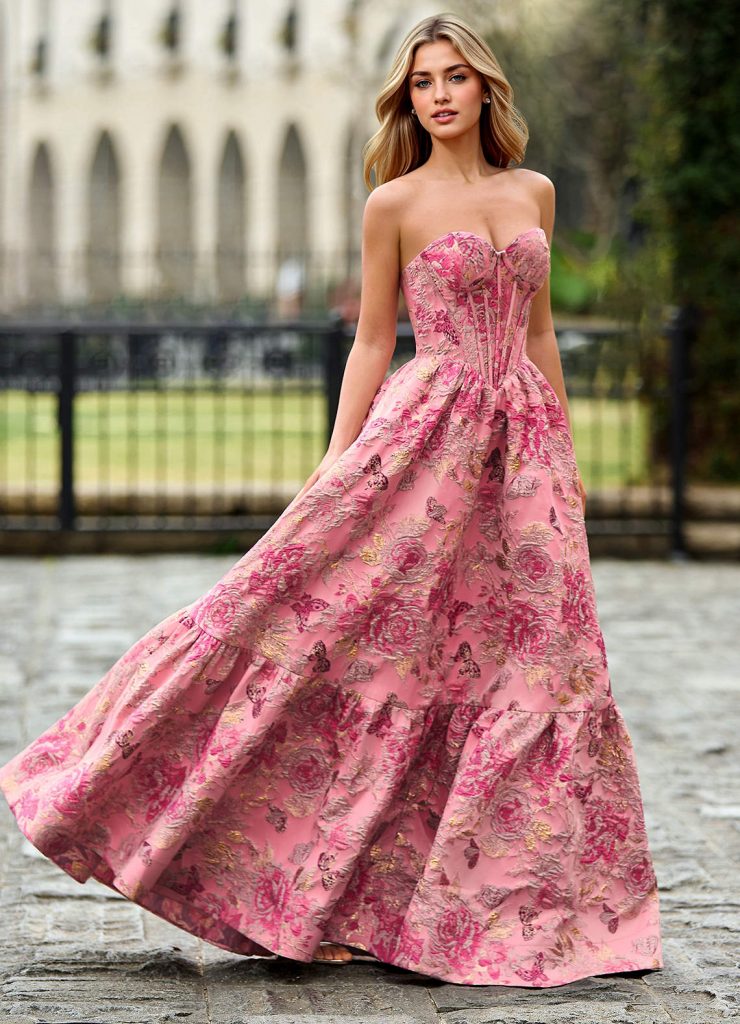
The A-Line — Still the Most Reliable
Here’s the thing about the A-line with modest styling: it creates shape through silhouette rather than exposure, which is exactly what you want. Evening dresses floor length in an A-line with a high neckline and long sleeves read as deliberate and strong, not as hiding anything. The flare from the waist is doing the work of suggesting curves without skin doing that work.
The thing people forget: the waistline definition is what carries a modest A-line from covered to refined. A dropped waistline in a modest dress creates a boxy impression. A defined waist, even in full coverage, creates elegance.
Empire Waist — Underrated for Modest Looks
Wait — this one actually surprised me the first time I saw it at a winter event. Evening dresses with an empire waist, long sleeves, and a floor-length skirt create a very specific aesthetic I’d describe as almost Regency-adjacent. It’s an unusual reference, but it works. The high waistline creates vertical length through the whole torso, the skirt flows from there, and the long sleeve completes a line that reads as architectural rather than conservative.
The Covered-Front/Architectural-Back Option
Right — this is the one I think gets overlooked in modest styling conversations. A dress with a high front neckline, full sleeves, but an architectural open back — or an interesting back detail, like a row of covered buttons from neck to hem — reads as completely modest from the front and dramatic from the back.
You can have both. The modest front frame and the interesting exit. This is the most compelling version of modest formal wear available.
Color — Where Modest Dresses Gain Their Strongest Visual Voice
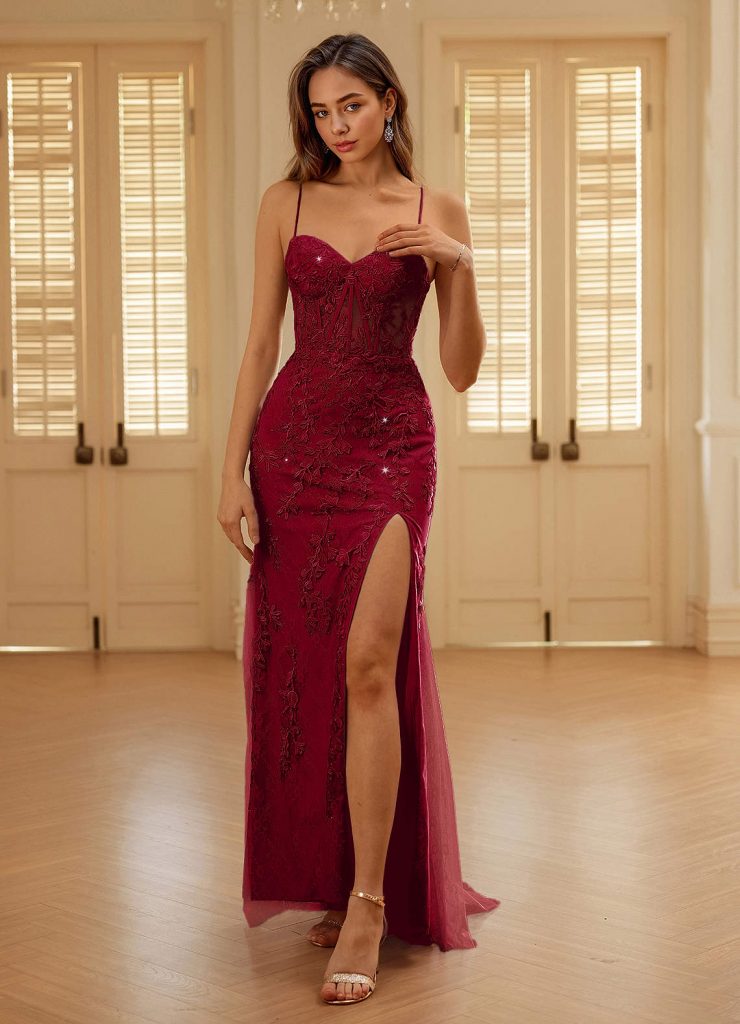
The Colors That Work
Deep jewel tones do specific work for modest evening dresses that lighter colors don’t. A deep purple velvet evening dress at a black-tie event reads as confident and intentional in a way that the same silhouette in pale blush does not. The saturation of the color creates visual interest that compensates for — or, more accurately, replaces — the visual interest that skin exposure would otherwise provide.
An elegant black evening dresses option in a long-sleeved, high-neck silhouette reads as sophisticated almost by default. Black with full coverage is one of the strongest combinations in formal fashion. The color does the work of looking deliberate; the coverage reads as refinement.
Anyway. Avoid pastels for high-formality events unless the fabric is extraordinary. Pale chiffon in modest construction can photograph as indistinct. You need the color working for you, not against you.
| Color | Modest Impression | Best With | Event Match |
|---|---|---|---|
| Black | Commanding, intentional | Any quality fabric | All formal levels |
| Deep emerald/burgundy | Rich, sophisticated | Velvet or heavy satin | Galas, black-tie |
| Deep sapphire | Elegant, strong | Crepe or chiffon | Award events, dinners |
| Navy | Polished, reliable | Almost anything | Wedding guest, formal |
| Pale/pastel tones | Romantic — handle carefully | Must be exceptional fabric | Outdoor events, spring |
Fit and Accessories — The Finishing Decisions That Define the Look
Fit — Non-Negotiable for Modest Styles
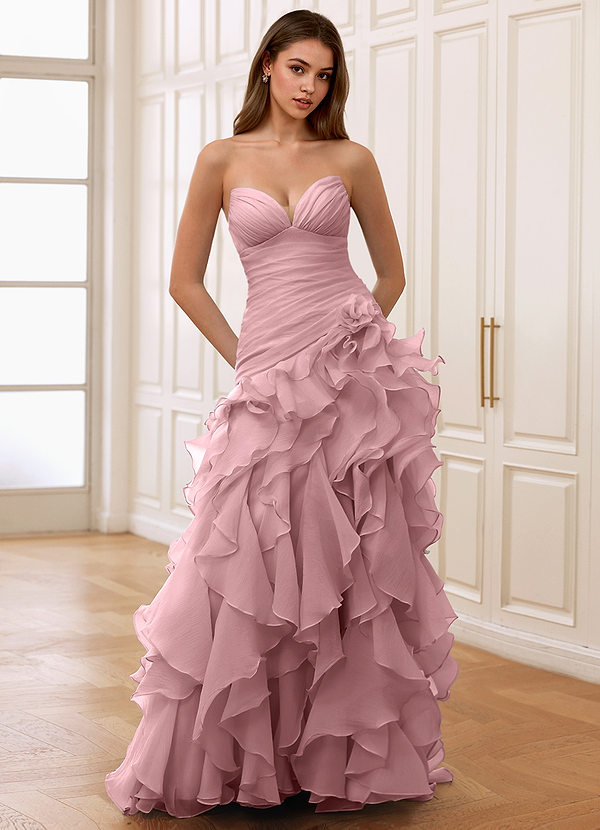
Look — this applies to every evening dress, but it’s more true for modest ones. When there’s no skin exposure creating visual interest, any fit imperfection becomes the eye’s resting point instead.
A sleeve that bunches at the wrist. A shoulder seam that sits a half-inch off the shoulder. A bodice that’s slightly too long through the torso. These problems are visible in ways they might not be on a more revealing dress. Custom sizing matters more here than in almost any other category of formalwear.
Accessories — Minimal But Intentional
The same one-statement-element rule applies. But for modest evening dresses, the jewelry placement changes. A high neckline means no necklace — but statement earrings are the right call. They frame the face in the absence of visible décolletage. The face becomes the focal point, and earrings guide attention there.
A bracelet or cuff at the wrist is a deliberate choice too — it marks the end of the sleeve as a design decision. The same logic as a necklace, creating a focal point at the collar for open necklines.
| The accessory trap for modest styles: loading up on jewelry because you feel the dress needs more.’ It doesn’t. A covered dress in quality fabric is visually complete. A ring, earrings, and one bracelet — that’s enough. Adding more signals insecurity about the modesty choice, not confidence in it. |
|---|
Four Things That Separate Refined from Plain in Modest Evening Wear
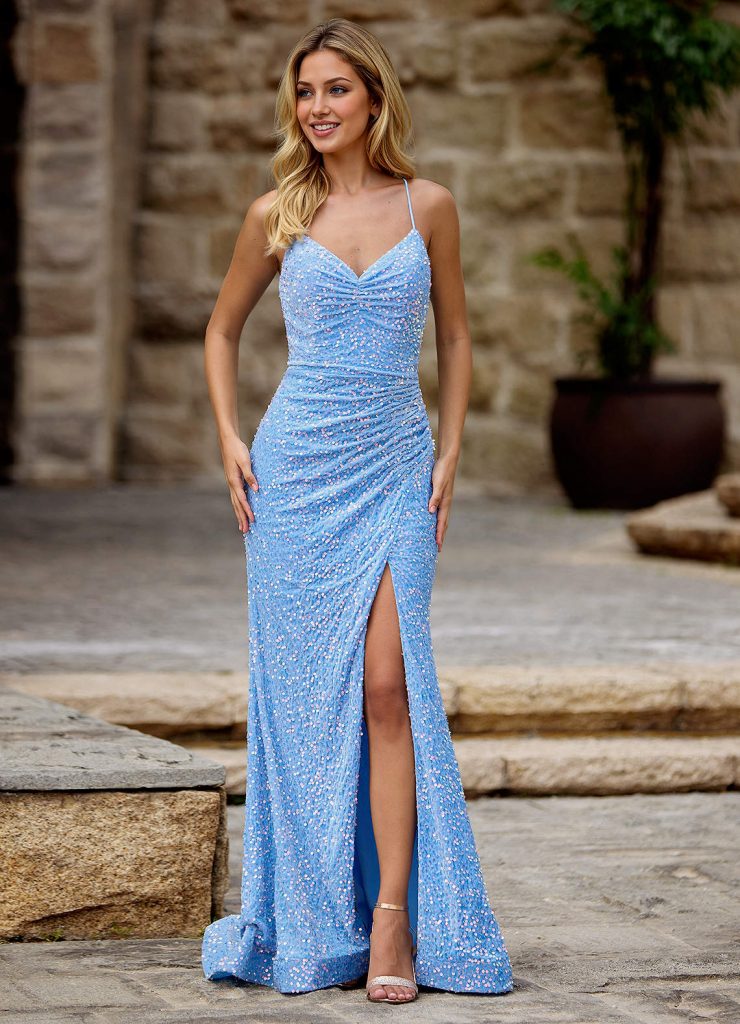
| 1 | Touch the fabric before you buy it — or at minimum, demand better photos. Quality velvet, chiffon, and heavy crepe look different from their synthetic counterparts in natural light. If you’re buying online, request photos taken in natural daylight rather than studio lighting. The difference between a quality fabric and a synthetic version is most obvious when the lighting isn’t flattering it artificially. A dress that looks uncertain in natural daylight will look uncertain in a ballroom. |
|---|
| 2 | Check where the waist falls — not whether there’s a waist defined. A properly placed waistline in a modest dress creates the whole impression of shape and refinement. An empire waist that sits at the natural waist rather than just under the bust loses the silhouette’s potential. A defined waist in the wrong position on your torso creates proportion problems that no amount of quality fabric can fix. Try it on — or use measurements if ordering online — specifically to confirm the waist placement. |
|---|
| 3 | Test the sleeve construction specifically. Long sleeves that pull across the shoulder blade when you raise your arms, or bunch at the wrist when you drop them, are a fit problem — not a style problem. But they look like a style problem in photos. When trying on a long-sleeved modest gown, raise both arms, then lower them naturally. The sleeve should settle without adjustment. If you have to shake your arms back into position, the sleeve construction needs work. |
|---|
| 4 | Choose jewelry for the neckline, not the overall look. High neckline or bateau: earrings only — statement or drop, positioned to frame the face—mock neck or turtleneck: a cuff or bracelet at the wrist, minimal ear jewelry. No statement necklace over a high or covered neckline — it creates visual clutter at exactly the point where the design has already made a decision. Respect the neckline’s choice and work around it, not on top of it. |
|---|
By Occasion — Modest Styling Decisions That Match the Room
Black-Tie Events
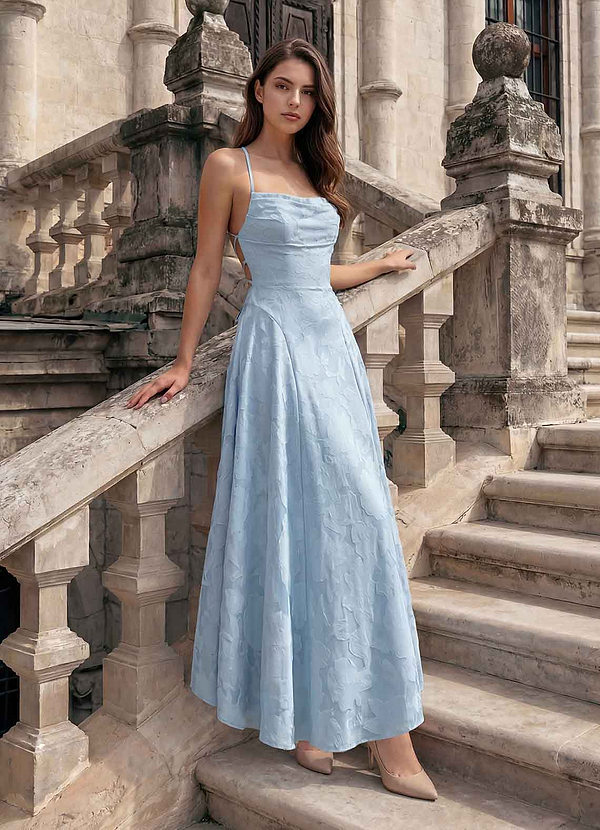
Floor length is non-negotiable. Beyond that: heavy fabric, precise fit, one strong color or one strong embellishment element. Modest evening dresses at black-tie events work best when the fabric quality is visible from across the room — velvet, high-quality satin, or richly weighted chiffon. According to the Brides’ black-tie wedding guest dress guide, the expectation at black-tie is for floor length, regardless of coverage level. Modest choices are fully appropriate — the formality is about length and fabric, not skin exposure.
Wedding Guests
The same modest-and-refined principles apply, plus the standard wedding guest rule: nothing that reads as bridal in color or silhouette. Deep navy, emerald, burgundy, or black are reliable choices. The modest element is actually an advantage here — you’re clearly dressed for a formal event without any risk of upstaging the ceremony.
Martha Stewart’s guide to what to wear to a black-tie event clearly outlines the expectations of formality: fabric and length define the dress code, not the level of coverage. A modest floor-length gown in quality fabric is entirely correct for black-tie and formal wedding settings.
Award Ceremonies and Galas
More latitude. Architectural back details, dramatic trains, and interesting neckline construction all work here. The modest element can be the front silhouette, while the back creates the event entry. This is where the covered-front/dramatic-back approach is most compelling.
For plus-size or petite attendees at these events: plus size evening dresses in empire or A-line modest constructions, and petite evening dresses with vertical sleeve details and floor-length hems, both of which photograph very well under gala lighting. The length and the defined waistline create the proportional clarity that reads as intentional rather than coincidental.
Closing Thoughts
Modest evening dresses are more demanding, not less demanding, than their more revealing counterparts. Every decision — fabric, fit, color, the single accessory element — has to be right because there’s nothing else carrying the look.
Vogue’s black-tie wedding guest dress guide puts it directly: formal dressing is about communicating intention through quality and appropriateness, not skin exposure, which is, when you think about it, exactly what good modest styling has always been about. Whether that translates for every room and every event — I don’t know. But it was translated in Chicago.
Frequently Asked Questions
What makes a modest evening dress look refined rather than plain?
Fabric quality, fit precision, and a single strong design element — in the neckline construction, the sleeve detail, or an architectural back. A modest dress with poor fabric and an approximate fit looks exactly as plain as it sounds. The same silhouette in velvet or quality lace, fitted precisely, looks like a deliberate fashion choice. The difference is not small.
What fabrics work best for modest evening gowns?
Velvet for winter and high-formality galas. Quality chiffon (lined, not sheer) for warmer settings or romantic events. Heavy crepe for clean architectural silhouettes. Quality lace overlay over nude lining for the most formal applications. The common thread is weight and drape — fabrics that move with intention rather than sitting flat against the body.
How do I choose jewelry for a high-neckline modest dress?
Earrings over necklaces — always. The neckline has already decided that space; a statement necklace on top of it competes rather than complements. Statement earrings, or even just well-chosen drop earrings, frame the face at the point where your modest dress focuses attention upward. A cuff or bracelet at the wrist deliberately marks the end of the sleeve.
Can modest evening dresses work at black-tie events?
Completely. The black-tie dress code specifies floor-length and formal fabric — it doesn’t specify a coverage level. A floor-length modest gown in velvet or heavy satin is fully correct for black-tie. The formal quality comes from the length and the fabric, not from the amount of skin visible.
What silhouettes work best?
A-line with waist definition is the most reliable. The Empire waist creates elongation and reads as architectural rather than conservative. A column or sheath in quality crepe is strong if the fit is very precise. What to avoid: silhouettes where the coverage reads as the point of the dress rather than the design. The shape should be making a statement, not just the sleeve length.
Are there modest options for plus-size or petite attendees?
Yes. Plus size evening dresses in A-line or empire constructions with floor-length hems work consistently for modest formal wear. Petite evening dresses with vertical sleeve detailing and defined waistlines photograph well. Custom sizing available through Azazie is genuinely more useful for modest styles — a precise fit carries the whole impression.
Does modest mean no embellishment?
Not at all. Lace sleeves with subtle embellishments are among the most frequently referenced examples in modest formal fashion. Beading along a high neckline elegantly draws attention to the face. The embellishment rules are the same as any formal dress — one strong element, everything else in support. The coverage level doesn’t change that.
What’s the biggest styling mistake with modest evening gowns?
Adding too many accessories to compensate for the modest choice. It signals discomfort with the decision rather than confidence in it. Modest evening wear is strongest when styled with the same restraint as the dress: intentional, specific, nothing competing. If the dress is the statement — and a well-made modest gown is absolutely the statement — let it be the statement.