
Graduation Dresses That Look Polished With Cap and Gown
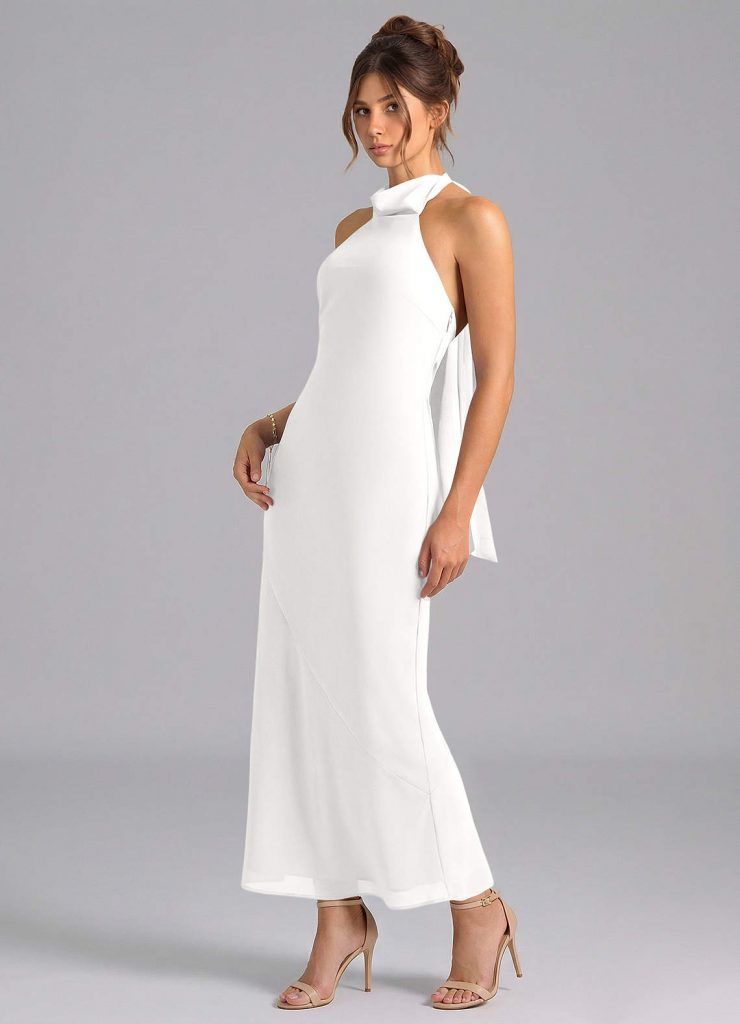
The gown changes everything. That’s the thing nobody really tells you when you start dress shopping for graduation. What looks amazing on a hanger can behave completely differently once there’s a heavy polyester robe layered on top.
Picking graduation dresses with a cap and gown in mind isn’t just about the dress looking good on its own — it’s about how the whole combination works. Necklines that clash with hoods. Hemlines that hang below the robe in a weird way. Fabric that adds heat to heat. These are real problems that show up in photos and feel awful by hour two.
The good news is that none of this is that complicated. A few things to know before you shop, and the decision gets a lot easier. Start browsing graduation dresses — filter by length or silhouette to narrow down quickly.
What Makes a Dress Actually Work With a Cap and Gown
Academic gowns are bulky, non-breathable, and cut at the neck in a way that makes certain dress necklines look strange underneath. The mortarboard sits low on the forehead and shifts if your hair has too much volume underneath. And the front zipper means whatever’s at your neckline is very visible for most of the processional.
So the dress isn’t just the base layer. It’s basically the thing people see when they look at you from any angle. Which means the neckline, the shoulder detail, and the fabric weight all matter more than they would in a regular outfit.
Here’s what actually works under a cap and gown, without overthinking it:
- Simple necklines — sweetheart, square, scoop — sit cleanly under the graduation hood
- Avoid big puff sleeves or heavy shoulder ruffles — they create bulk under the robe
- Lightweight fabrics like crepe, chiffon, and satin breathe better than heavy jersey or thick cotton
- Streamlined silhouettes (not too full, not too fitted) sit flat and don’t add visual bulk
- No hemlines hanging below the gown’s edge — looks messy and is hard to fix mid-ceremony
| 💡 Neckline Matters Most The top inch of your dress is visible above the gown’s front opening for the entire processional. A simple sweetheart, square, or scoop neckline sits cleanly there. V-necks also work well — the shapes actually complement each other. |
|---|
Dress Lengths — What Happens Under the Gown and After
Length is probably the most practical decision you’ll make. It affects both how the gown drapes during the ceremony and how the dress looks in photos once the gown’s off. And those are pretty different requirements.
Most people think about one and not the other. They pick something gorgeous for photos, but forget about three hours of sitting in it. Or they go ultra-practical and end up with something that looks underwhelming for dinner after.
| Length | Under the Gown | After the Gown | Best Setting |
|---|---|---|---|
| Mini | Hidden completely — clean processional look | Fun, party-ready, great for dancing | High school / casual college |
| Midi | Mostly hidden — a slight peek is fine | Elegant for dinner, photos, celebrations | Any ceremony type |
| Long / Floor-Length | Shows below the robe — tailoring required | Dramatic and formal for special events | Evening / doctoral ceremonies |
| Knee-Length | Tucks cleanly under most gown lengths | Versatile — works for most settings after | Semi-formal / all ceremony types |
The long graduation dress with cap and gown is worth a specific mention. If you’re going floor-length, you need to try it with your shoes and do a full stair test at home before the day. Stage steps at graduation are often short and steep. A dragging hem on those stairs is a real problem — not a hypothetical one.
Mini is probably the most common choice for high school ceremonies for a reason — it stays hidden, moves freely, and works for wherever the night goes after. Just make sure the length is tasteful when you’re not wearing the robe.
Long graduation dresses with a cap and gown work best when the silhouette is fitted or semi-fitted. Browse floor-length graduation dresses for options that suit formal evening ceremonies.
Dress Styles That Sit Well Under Academic Regalia
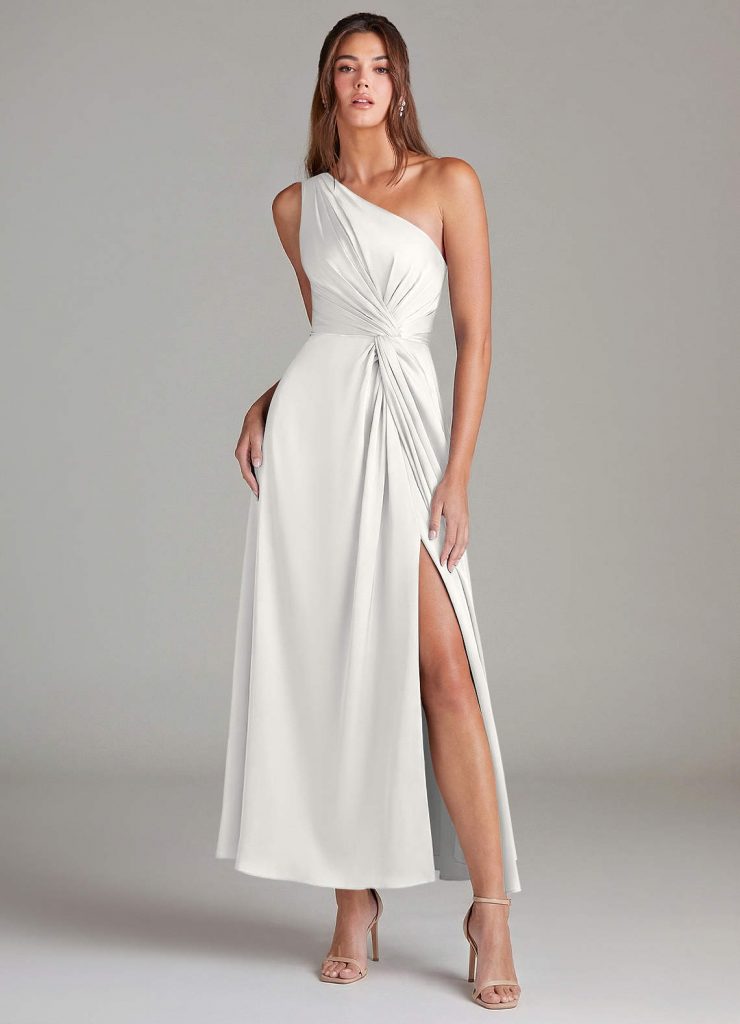
The silhouette matters as much as the length. Some cuts just behave better under a gown than others — here’s the honest breakdown.
| 01 | A-Line Probably the most reliable graduation silhouette. Cinches at the waist, flares gently below — which means it sits flat under the gown without adding volume and still looks elegant when the gown comes off. Easy to walk in, comfortable to sit in for hours, flattering from every angle in photos. If you’re unsure where to start, start here. |
|---|
| 02 | Wrap Dress The V-neckline on a wrap dress actually works really nicely under a graduation hood — the shapes complement each other. The adjustable waist means you can loosen it slightly after sitting for two hours without it being obvious. Good pick if you want something that feels custom-fit all day long. |
|---|
| 03 | Sheath / Minimal No drama, no volume, just a clean line. Photographs really well because there’s nothing competing with your face and your diploma. Sits perfectly flat under the gown. The only watch-out: if it’s very fitted, make sure you can actually walk a full staircase comfortably — try it before the day. |
|---|
| 04 | Lace Looks elegant, especially for indoor ceremonies. The key is lining — unlined lace in direct sunlight or under bright stage lighting can be sheer in photos. Fully lined lace midi is one of the most genuinely polished graduation looks you can put together. Worth verifying the lining before you order. |
|---|
| 05 | Pleated / Chiffon Lightweight and airy — ideal for outdoor spring and summer ceremonies, where the gown already traps heat. The movement in pleated chiffon looks beautiful in photos. Just avoid very voluminous pleats that add width under the robe. Soft, close-to-the-body pleating works much better. |
|---|
The A-line is the most reliable starting point for most people. A-line graduation dresses are available as a filtered category in the collection.
Colors That Work Well With Different Gown Colors
This is the part people skip and then regret. The gown isn’t neutral — it’s a specific color that will be in every photo with you. The dress color needs to work alongside it, not fight it.
White is popular for good reasons — it works with literally every gown color and photographs cleanly in any lighting. But there are other options that are just as strong if you want something different.
| Gown Color | Dress Colors That Work | What to Avoid | Photo Result |
|---|---|---|---|
| Black | White, cream, ivory, red, blush, pastels, bold colors | Another all-black (unless intentional) | Strong contrast — you stand out clearly |
| Navy / Dark Blue | White, ivory, blush, light yellow, sage | Dark navy dress (blends in) | Fresh, clean contrast |
| Red | White, ivory, cream, black, soft gold | Bright red (too much), orange tones | Classic contrast — very polished |
| Royal Blue | White, ivory, pale pink, light neutrals | Blue-adjacent tones, green | Light dress pops against bold gown |
| White / Pale | Soft pastels, ivory, light yellow, blush | White dress (washes out), dark dress (shows through) | Keep it warm and soft-toned |
| Green | Ivory, champagne, blush, coral | Neon or clashing greens, busy prints | Warm neutrals complement beautifully |
The pale or white gown situation is worth a specific callout. Some robes are sheer enough that the dress underneath shows through in photos — especially darker colors. If your gown is white or very pale, soft pastels and ivory tones are genuinely safer than going dark underneath.
Red Cap and Gown — What Dress Actually Goes With It
Graduation dresses with red caps and gowns come up a lot because red robes are some of the most striking regalia out there. And the dress decision is more specific than with neutral gowns.
Bright red dress under a red gown? Usually too much. The whole outfit becomes one block of color. What tends to work much better:
- White or ivory — the most classic pairing, clean contrast that reads well in every photo
- Soft gold or champagne — warm tones complement red beautifully without competing
- Black — sophisticated, strong contrast, easy to accessorize around
- Blush or pale pink — softer option, especially for spring outdoor ceremonies
- Cream or light nude — subtle but very polished under a red robe
The thing to avoid is anything that clashes tonally — orangey-red, terracotta, or coral under a red robe tends to look like an accidental color collision. When in doubt, white or ivory against a red gown basically always works.
Browsing for white options specifically? White graduation dresses are the most-filtered category — a good starting point if you want that classic pairing with any gown color.
Practical Details That Actually Matter on Ceremony Day
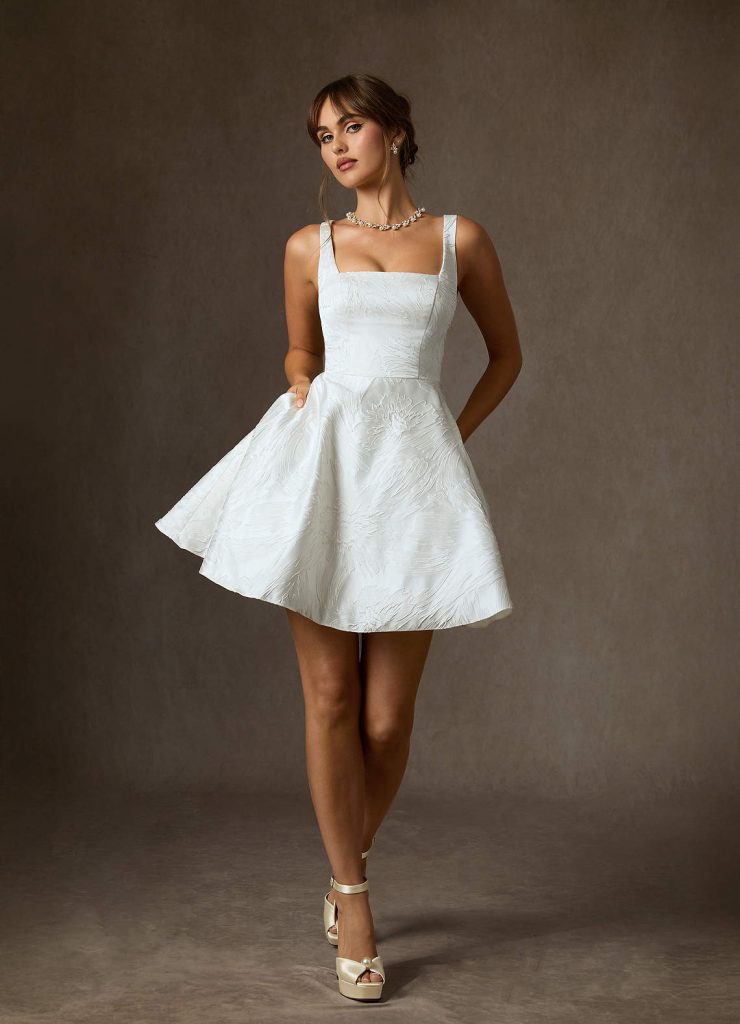
Beyond the dress itself — a few things that make the whole day easier.
| 01 | Shoes — Walk the Stage First You’re going to walk more than expected. Parking at the venue, venue to seat, seat to stage, stage back, then wherever dinner is. Block heels, wedges, or dressy flats are the practical answer. Outdoor grass ceremony means thin heels are out — they sink. Whatever you pick, wear them for at least 30 minutes at home first, so there are no surprises. |
|---|
| 02 | Jewelry — Visible Parts Only The gown covers most of your outfit. What shows: neckline (slightly), hands, shoes, and everything from the mid-thigh down once you sit. Focus jewelry on what’s actually visible — specifically earrings and rings. Small hoops, pearl studs, a thin necklace just above the collar. Graduation cords and stoles are already adding visual detail around your neck and chest. |
|---|
| 03 | Hair — The Cap Has Rules The mortarboard sits flat and sits low. A high crown volume doesn’t work with it — the cap will ride up or look unbalanced all day. Low buns, flat braids, sleek ponytails, loose hair worn down with no top volume. Once the cap’s off, do whatever you want. But plan the ceremony hair around the cap first. |
|---|
| 04 | Layer for Temperature Ceremony halls and auditoriums are almost always cold — even when it’s 80 degrees outside. A fitted blazer or a simple wrap is easy to fold and carry, and a genuine lifesaver when you’ve been sitting in air conditioning for two hours. Pick something that doesn’t fight the dress for attention. |
|---|
Long Graduation Dresses With Cap and Gown — Making It Work
Floor-length graduation dresses are stunning. For the right ceremony — formal indoor evening commencement, doctoral hooding ceremony, highly traditional university events — they’re actually the ideal choice.
The practical challenges are real, though, and worth planning around before the day:
- Try the full dress-shoes-stairs combination at home before the ceremony
- The hem should clear the floor by at least half an inch when you’re walking — not dragging
- A subtle slit at the back makes the stage stairs significantly easier without affecting how the dress looks from the front
- Go for a more streamlined maxi silhouette — too much volume at the skirt creates odd bunching under the gown
- Make sure the waist has some structure so the gown doesn’t flatten everything into shapelessness
Long graduation dresses with cap and gown work best when the dress itself is fitted or semi-fitted rather than full and voluminous. A clean line from the waist to the floor reads as elegant, both under and out of the robe. A big ball skirt just looks strange under academic regalia.
Quick Dos and Don’ts for Graduation Dress Shopping
| ✓ Do This | ✗ Skip This |
|---|---|
| ✓ Simple necklines that sit cleanly under the hood | ✗ Big shoulder ruffles or puff sleeves |
| ✓ Lightweight fabrics — crepe, satin, chiffon | ✗ Heavy fabrics that trap heat under the gown |
| ✓ Length that sits at or above the gown hemline | ✗ Hemlines that hang below the robe’s edge |
| ✓ Block heels or flats for outdoor ceremonies | ✗ Thin stilettos on grass — they sink |
| ✓ Test the dress seated at home before buying | ✗ Assume it fits because it fit standing |
| ✓ Check dress color against your gown color first | ✗ Buy online without verifying the combination |
| ⚠ Graduation Dress Watch-Outs ▸ Oversized shoulder details or wide puff sleeves — visible as lumps under the robe, throughout the ceremony ▸ Hemlines that extend below the gown — look unfinished and are hard to adjust mid-event ▸ Very tight bodycon — comfortable standing, uncomfortable after two hours of sitting ▸ Dress color that clashes with the gown color — check them together before ordering ▸ High-shine satin in bright conditions — can look washed out or overly shiny in photos ▸ Long sleeves that peek out from the gown’s sleeves — creates a layered look that doesn’t read well ▸ Very low-cut necklines — visible under the open-front gown in an unexpected way |
|---|
Where to Find Graduation Dresses Built for Cap and Gown Days
Azazie’s graduation collection is worth filtering through properly — it’s built around the actual requirements of ceremony day rather than just being a generic dress page.
What you’ll find in the collection:
- 100+ graduation dresses across white, cream, ivory, and soft neutral tones
- Mini, midi, and long lengths — each filterable on its own
- A-line, lace, pleated, modest, and strapless silhouettes
- Plus-size and petite ranges with the same variety
- Styles that work under academic regalia and carry through the celebration after
Filter by length, neckline, or silhouette — the filters make it easy to find what actually works for your specific ceremony without having to scroll through everything. Browse the full graduation dress collection and filter by what works for your ceremony.
Checking your school’s guidelines? This graduation dress code guide covers commencement etiquette and what to expect by ceremony type.
Frequently Asked Questions
What are graduation caps and gowns called?
Academic regalia — that’s the formal name for the whole set. The gown, the cap (mortarboard), and the hood (for graduate students) together make up what’s formally called academic regalia. The tradition dates back to medieval European universities, where scholars and clergy wore robes as everyday attire.
What type of dress is good for graduation?
Something streamlined that sits cleanly under a gown. A-line, wrap, and sheath silhouettes are the most practical because they don’t add volume under the robe. Midi and knee-length are the most common picks because they stay mostly hidden during the ceremony and look polished for everything after.
Do you wear a cap and gown for graduation?
Yes, at basically every US commencement ceremony, from high school through doctoral. The specific style of gown varies by degree level (bachelor’s, master’s, doctorate), and some schools add hoods and specific colors to mark different fields of study or honors. You wear the regalia for the ceremony itself, then typically change for the celebrations after.
How to look pretty on graduation?
Honestly, comfort helps more than most people expect. When you’re not adjusting your dress or wincing in uncomfortable shoes, you look relaxed and present in photos. Pick a dress you genuinely feel good in. Simple accessories. Hair that works with the cap. That combination photographs well every time.
Which color is best for graduation?
White and ivory are the traditional answers, and they work because they pair with literally every gown color and photograph well in any lighting. After that, it depends on your gown. Blush, sage, and champagne look beautiful under dark gowns. Soft pastels work nicely under bold-colored robes. The main thing is checking the combination before you commit.
Is there a dress code for graduation?
Most schools don’t publish a strict dress code, but the unwritten expectation is semi-formal. Polished and intentional — like a nice family dinner dress code, not a night out. Some schools do have specific requirements (white dresses, school colors), so it’s worth checking your school’s commencement guidelines before you buy.
What do ladies wear to graduation?
Most go with a semi-formal dress — midi, mini, or knee-length — in white, a neutral, or a soft color. A-line and wrap styles are popular because they’re comfortable for a long day and work well in photos. Simple accessories, comfortable shoes, and hair that works under a mortarboard. That’s the general formula.
What jewelry is appropriate for graduation?
Keep it simple. Small earrings — hoops, pearl studs, small drops — are the most popular choice because they’re visible and don’t snag on the gown. A thin necklace if the neckline allows. Nothing gets tangled in the hood or graduation cords. You can always add more for the party after if you want a bigger look.
Should I wear heels to graduation?
It depends on the venue and how far you’re walking. For outdoor ceremonies on grass, block heels at a minimum — thin heels sink. For indoor ceremonies, low block heels or kitten heels work well and are still comfortable after a few hours. If you want the stilettos, save them for the party and wear something walkable for the ceremony itself.