
Fall Formal Dresses: What to Prioritize for the Best Style and Comfort
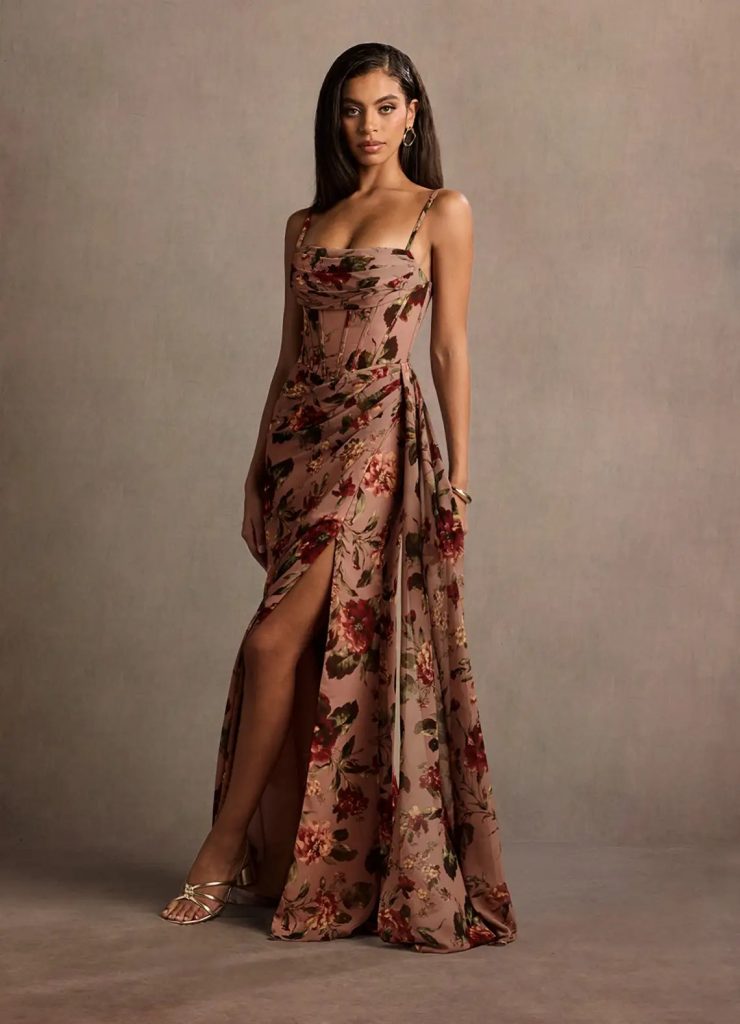
Okay, so — I wore the wrong dress to a wedding in Vermont last October. Fall formal dresses were not something I’d thought about as a separate category before that. I owned plenty of formal dresses. I picked what I thought was seasonally appropriate — a sleeveless satin column in deep navy. Looked great at 6pm for the ceremony. By 8pm during the outdoor cocktail hour, I was standing near a space heater in a group of people, holding a drink I couldn’t actually taste because I was so focused on pretending I wasn’t freezing.
The dress was not wrong for fall formally. It was wrong for the specific thermal conditions of an outdoor Vermont October evening. And that’s the thing about fall formal dressing that I hadn’t understood before: fall has a temperature range problem that summer doesn’t have. You can leave home in 58 degrees and be standing outside at a venue in 45 degrees two hours later.
So. What actually matters. In order.
| Fall’s specific challenge: the weather you dress for when you leave home and the weather at 9pm are not the same thing. Plan for the coldest moment of the event — typically outdoor moments between spaces, photos, or late evening outdoor areas — not the most comfortable moment. This one adjustment changes most of the fabric and coverage decisions. |
|---|
Fabric — Fall Is the One Season Where This Affects Warmth, Not Just Aesthetics
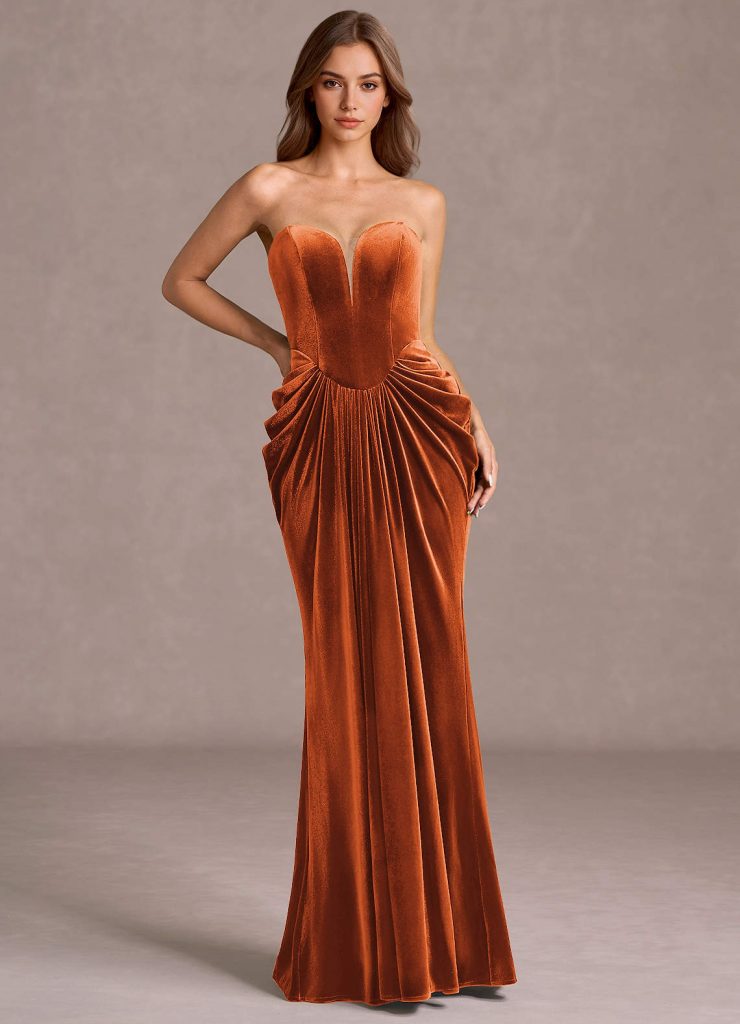
Velvet — The Answer for Most Fall Formal Situations
Velvet provides warmth, surface texture that photographs with depth in fall’s ambient lighting, and it reads as specifically seasonal rather than generically formal. A velvet formal dress in burgundy or deep emerald for an October event is doing multiple things simultaneously: it keeps you warmer than satin would, it photographs richly under fall’s warm light, and it looks intentional rather than just ‘I wore a formal dress to fall.’
The nap direction thing: velvet looks different depending on which way you run your hand across it, and quality velvet accounts for this in the cutting process. Poor-quality velvet doesn’t, and it shows in photos where different sections of the same garment catch light differently. This is worth checking before buying.
Lace — Underrated for Fall, Genuinely Good
Lace adds texture and visual complexity in a way that pairs specifically well with fall’s aesthetic. A fully lined lace dress also provides — I want to say — moderate warmth? More than chiffon anyway, and significantly more than unlined satin. Fall formal wedding guest dresses in lace work across indoor and outdoor contexts because the fabric reads as formal while the lining provides a thermal layer that sleeveless or single-layer options don’t.
Satin — Fine for Indoor Evening Events, Less So for Outdoor Fall
Satin has the surface sheen that reads well under artificial lighting in evening venues. Hotel ballroom gala in October: a floor-length satin column in deep jewel tone photographs beautifully. The limitation: satin on its own doesn’t provide warmth. In an indoor heated venue, that doesn’t matter. In any outdoor fall context — parking lot walks, outdoor cocktail areas, October night photos — it matters a lot. Wait — I need to be specific here. Lightweight unlined satin in fall is genuinely cold in outdoor conditions. A satin dress with a warm lining is different. Check the construction before assuming satin = cold.
Chiffon in Fall — Layered, Not Single
| Single-layer chiffon in fall outdoor conditions is a cold and miserable combination. Chiffon without adequate lining or layering provides essentially no warmth. For fall indoor events with reliable heating, chiffon works fine. For any outdoor component — ceremony, photos, parking lot at 8pm in October — chiffon alone is the wrong call. Lined chiffon over a structured underlayer is different and works well. |
|---|
Fabric by Fall Event Type
| Fabric | Best Fall Event | Thermal Note | Avoid When |
|---|---|---|---|
| Velvet | Any fall formal event | Genuinely warm | Warm indoor events — can overheat |
| Lined lace | Indoor and outdoor fall | Moderate warmth | Unlined lace is cold outside |
| Heavy crepe | Indoor evening events | Better than satin outdoors | Very cold outdoor ceremonies without layers |
| Satin | Indoor galas — heated | Cold without lining | Any unheated outdoor portion |
| Single chiffon | Skip for outdoor fall | None — too cold | Outdoor fall events at any temperature |
Color — Fall Gives You the Best Formal Palette of Any Season
Jewel Tones: The Core Fall Formal Color Range
Burgundy. Deep emerald. Navy. Plum. These are not just seasonally appropriate — they photograph with full richness under fall’s warm ambient light in a way that pastels and lighter colors don’t. Pastels can look washed out under fall’s lower light conditions and warm artificial lighting. Deep, saturated colors earn their depth.
My opinion, for what it’s worth: burgundy is the single strongest fall formal dress color that exists and it’s still underused. It pairs with warm gold jewelry, photographs richly both outdoors and indoors, and reads as genuinely intentional for a fall event rather than just ‘a dark dress in fall.’
Warm Metallics for Evening Galas
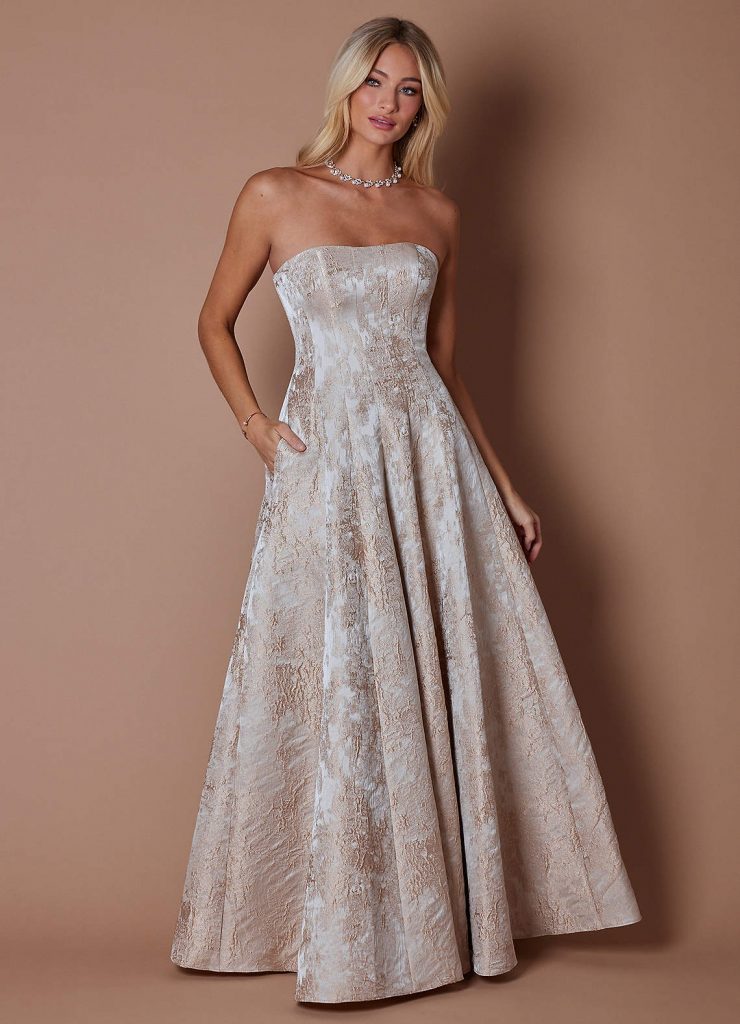
Copper and warm gold are the right metallics for fall. Cool silver can look slightly off in fall’s warm light — not wrong, just slightly mismatched with the season’s ambient color temperature. For evening galas in October: a gold formal dress or copper metallic in a floor-length silhouette does something that a cool silver doesn’t — it matches the warm indoor light and the warm outdoor fall color palette simultaneously.
Red in Fall — More Underused Than It Should Be
Red formal dress options for fall are genuinely underused. Red formal dresses are one of the most photographically strong choices for fall evening events under warm lighting. Red saturated against a fall venue — particularly outdoor photos in October foliage, or under warm amber ballroom lighting — has a visual impact that burgundy doesn’t quite match and jewel-tone green can’t replicate.
Earth Tones — Know When They Work
Burnt orange, mustard yellow, warm rust — these work for casual fall outdoor events and daytime fall weddings. For evening galas and black-tie fall events, they can read as too informal. The brighter and more saturated the earth tone, the more it pulls toward casual. Save burnt orange for a vineyard wedding at 2pm. Use deep burgundy for the evening gala.
Color by Fall Event Type and Lighting
| Color | Best Fall Context | Why It Works |
|---|---|---|
| Burgundy / deep wine | Any fall formal event | Photographs warmly in both outdoor and indoor fall light |
| Deep emerald | Galas, evening weddings | Rich and seasonal — doesn’t read as Christmas-green |
| Deep plum / purple | Any fall formal | Jewel tone depth — specifically strong in fall |
| Copper / warm gold metallic | Evening galas | Matches fall’s warm ambient light — silver doesn’t do this |
| Red | Evening events, galas | Underused in fall — photographically powerful under warm lighting |
| Earth tones (rust, mustard) | Daytime / casual fall events only | Reads as too informal for black-tie or evening formal events |
Coverage — Fall Is the Season Where Long Sleeves Are an Upgrade, Not a Compromise
Long Sleeves in Fall: Actually the Better Default
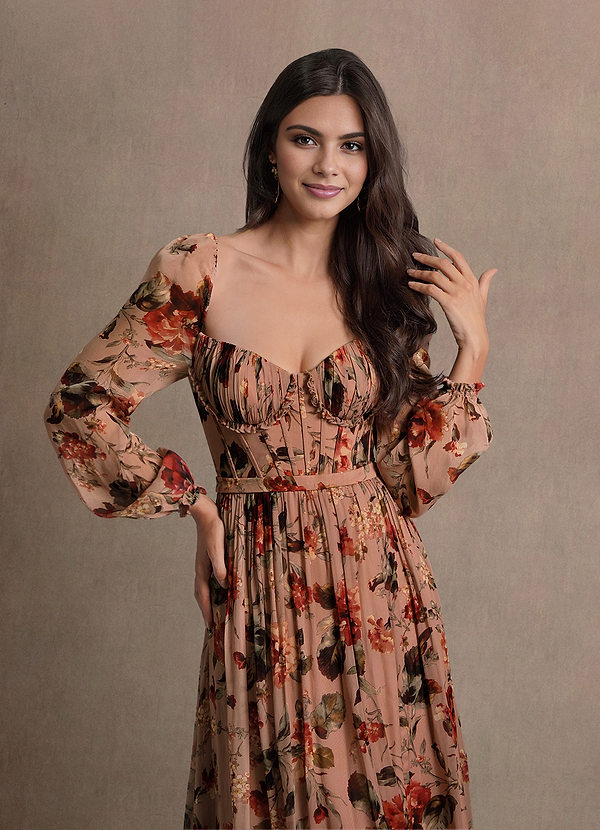
Fall is the one season where long sleeve formal dresses are genuinely the stronger default choice rather than a modest alternative. A velvet or lace long sleeve in October doesn’t read as conservative — it reads as seasonally correct. It provides warmth, adds visual formality, and looks specifically intentional for a fall formal event in a way that a strapless dress has to work harder to match.
Illusion lace long sleeves: look fully covered, let some air through, and give you the appearance of warmth without the weight of a lined sleeve. For evening events in October, that combination is nearly perfect — you look appropriate, you’re not actually that warm, and you don’t need to carry anything extra.
Strapless in Fall — The 20-Degree Problem
A strapless formal dress is fine for indoor fall events with reliable heating. Full stop. The problem is the moments between — parking lot, outdoor photos, walking between buildings at 9pm in October. Those moments can drop 20 degrees from the venue temperature. A thin wrap doesn’t actually solve this. You need something with real warmth for those transitions.
Bring a structured blazer or a fitted coat in a coordinating color. Not decorative. Actually warm. Then leave it at your seat once you’re inside.
Midi vs. Floor-Length for Fall Outdoor Events
Both work, with one practical consideration: wet leaves and damp ground. Long formal dresses cover more body and read as more formally appropriate for evening events. For outdoor fall ceremonies or venues with uneven terrain — wet grass, gravel paths, damp leaves — a midi is easier to manage without dragging or getting damaged. For an indoor heated gala with no outdoor component, floor-length is the more formal choice.
Three Decisions to Make Before You Buy
| 1 | Find out exactly how much of the event is outdoors and at what time. This is the one question that changes everything. Outdoor October ceremony starting at 4pm: velvet or lined lace, long sleeves or substantial outerwear required, closed-toe footwear for uneven terrain. Indoor heated ballroom from 6pm: more flexibility on fabric and coverage — satin is fine, sleeve length is less critical. Fall outdoor event in the evening: plan for the temperature at the outdoor moments, not the venue’s indoor temperature. The outdoor and indoor parts of the same event can differ by 20+ degrees. |
|---|
| 2 | Choose fabric before color — in fall they work together. Velvet in burgundy. Lined lace in deep plum. Heavy crepe in forest green. In fall, the fabric’s texture and the color’s depth work together under fall’s warm ambient lighting in a way they don’t in other seasons. Decide on the fabric based on temperature conditions and formality level first. The color decision becomes simpler once the fabric is set — deep saturated tones and warm metallics work in fall; bright pastels and light neutrals don’t read as seasonally correct for evening events. |
|---|
| 3 | Sort the outerwear before finalizing the dress. Fall events almost always have at least one outdoor moment — parking, outdoor photos, walking between buildings. A thin wrap won’t cut it below 50 degrees. A structured velvet or wool blazer, a fitted knee-length coat, or a heavy statement wrap in a coordinating color handles those moments without undercutting the dress. Match the outerwear weight to the fabric weight — a heavy velvet gown with a thin silk scarf is a cold evening. Choose the outerwear in the same category of formality as the dress. |
|---|
Frequently Asked Questions
What is the fall formal dress code?
Same as formal events in other seasons: floor-length or midi, quality fabric, appropriate coverage. Fall shifts the fabric and color recommendations — velvet and lace over chiffon, jewel tones and warm metallics over pastels. The dress code level on the invitation (black-tie, formal, semi-formal) sets the length and formality requirement. Fall determines which fabrics and colors fit that level correctly.
What fabrics are best for fall formal dresses?
Velvet first — warmth, texture, photographs beautifully in fall’s warm light. Lined lace second — versatile and specifically appropriate for fall across indoor and outdoor contexts. Heavy crepe for structured indoor events. Satin for indoor evening galas with reliable heating. Skip single-layer chiffon for any outdoor fall event — it provides no warmth and becomes genuinely uncomfortable in October temperatures.
Can I wear a velvet dress to a fall wedding?
Yes — velvet is one of the most specifically appropriate fall wedding fabrics that exists. A velvet A-line or floor-length gown in burgundy, deep emerald, or navy is a strong fall wedding guest choice. It’s warm, photographs well in fall ambient light, and reads as seasonally intentional rather than just formally appropriate. The thing to avoid: velvet in summery or very bright colors — it needs fall-toned depth to read as seasonally correct.
What should I not wear to a fall wedding as a guest?
White and ivory as always — that rule never changes. For fall specifically: very thin unlined fabrics without layers for outdoor ceremonies (they’re cold), open-toe strappy sandals if the event has outdoor portions in October, light pastel color palettes for evening events (they read as off-season under fall’s warm lighting), and single-layer chiffon for anything outdoors.
What colors work best for fall formal dresses?
Jewel tones first: burgundy, deep emerald, navy, deep plum. Then warm metallics: copper, warm gold, rose gold. Earth tones like burnt orange and mustard for daytime casual fall events — save them there, they read as too informal for evening galas. Avoid very light pastels and bright summery colors for evening formal events in fall. Fall’s warm light rewards saturated color.
Are midi or long dresses better for fall formal events?
Depends on the venue and outdoor terrain. Floor-length covers more body and reads as more formally correct for indoor evening galas. Midi is easier to manage on wet leaves, damp grass, and uneven outdoor terrain — which describes a lot of fall outdoor ceremony venues. If the event has significant outdoor components in October, midi is the more practical formal choice. Indoor heated venue all evening: floor-length is the more formal call.
What accessories work for fall formal dresses?
Warm gold, copper, or rose gold metal tones photograph better than cool silver under fall’s warm ambient light — that’s practical observation, not a rule. Closed-toe heels or ankle boots over open-toe sandals for any outdoor fall component. Block heels for uneven terrain. A substantial wrap or fitted blazer for outdoor moments rather than a thin decorative shawl. Keep jewelry scaled to the dress’s level of detail.
Closing Thoughts
The Vermont wedding — if I were going back to that October evening, I’d wear lined velvet in deep burgundy with a fitted coat I could actually take off once I was inside. That’s the whole lesson.
Velvet or lined lace for most fall formal situations. Jewel tones and warm metallics for color. Long sleeves or real outerwear if any part of the event is outdoors. Closed-toe footwear. The Azazie fall formal dresses collection includes velvet, lace, and structured crepe options in A-line and floor-length silhouettes, available in sizes 0–30 with made-to-order and custom sizing. Browse once you’ve confirmed the venue conditions — those details tell you which direction to.