
Evening Maxi Dresses: Drama, Comfort, and Event Appropriateness Explained
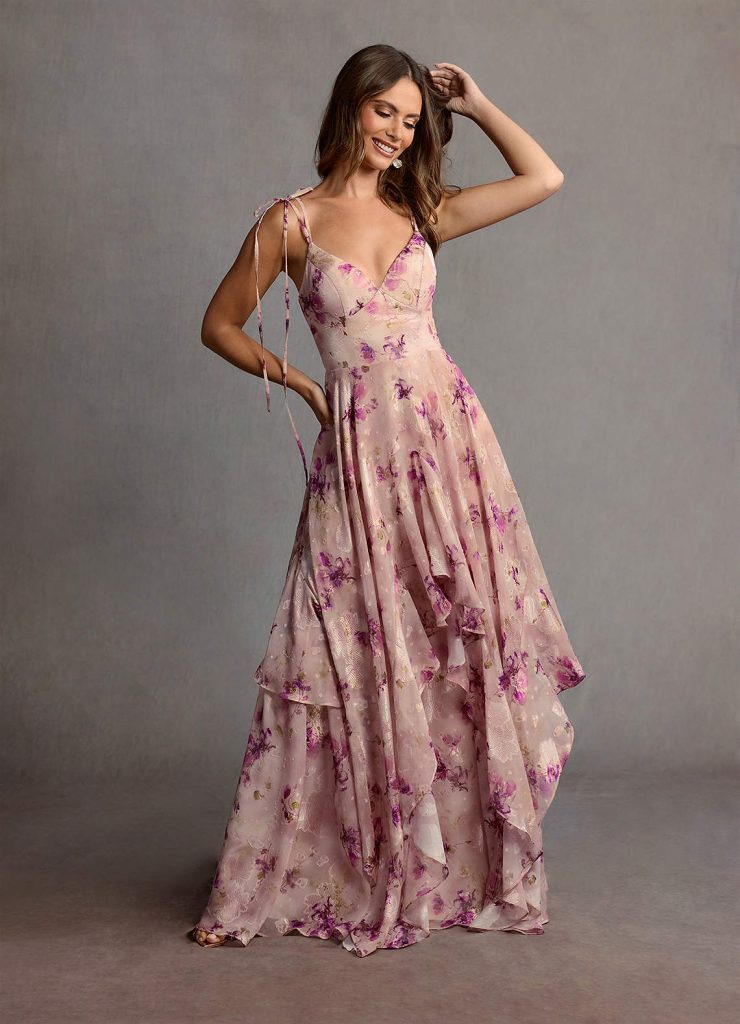
Most advice on evening maxi dresses focuses on the drama side — sequins, silhouettes, statement sleeves. Which is fine. But comfort during a four-to-six-hour formal event is what actually determines whether the evening goes well or you spend three hours thinking about the dress.
A maxi that photographs beautifully but restricts your stride, shifts constantly, or hits the floor at the wrong angle for your actual shoe height is going to win on Instagram and lose everywhere else.
The drama-to-comfort balance in evening maxi dresses is a construction problem, not a preference problem. And it’s solvable with the right questions about fabric, silhouette, and hemline before you buy.
| The core tension: what creates drama in a maxi dress — volume, structured fabric, dramatic sleeves, floor-length hem — is often exactly what reduces comfort and ease of movement. The goal is to find the construction details that deliver the visual impact without the physical cost. |
|---|
Fabric — Where Drama and Comfort Either Work Together or Fight
Heavy Structured Fabrics — Drama at a Cost
Heavy satin, structured crepe, and velvet create a dramatic visual presence. They hold their shape when you move, photograph with depth and richness, and drape with a weight that reads as luxurious. At a black-tie gala or formal award dinner, these are often exactly right.
What they cost you: heat, weight on the body, and restricted movement — particularly in the hip and thigh for floor-length cuts. A heavy satin column maxi that looks extraordinary in the dressing room can feel like wearing a piece of structured furniture by hour four of a long event.
My rule: save heavy fabrics for events with significant seated time and minimal dancing. Black-tie dinners, award ceremonies, and formal receptions where you’ll be seated for most of the evening. Evening dresses floor length in heavy satin look genuinely extraordinary in those contexts — the weight and structure read as deliberate and formal, and the sitting keeps the physical load manageable.
Quality Chiffon and Lightweight Crepe — The Better Balance
Quality chiffon in multiple layers creates visual volume and movement without the physical weight of heavy satin. It catches light differently — less intense sheen, more fluid luminosity — and it moves with the body rather than against it.
I say quality chiffon specifically because single-layer or cheap chiffon is a different material — it doesn’t drape with the same weight, it’s more likely to cling in unflattering ways, and it doesn’t hold a hemline level the way quality layered chiffon does. The distinction in quality matters more with chiffon than with most formal fabrics.
Lightweight crepe sits between these two options. It has enough structure to hold a silhouette, and enough give to allow movement. It’s my personal recommendation for events involving both seated dinners and dancing — the fabric performs well in both contexts.
| Fabric | Drama Level | Comfort | Best Event Type |
|---|---|---|---|
| Heavy satin | ★★★★★ | Limited — stiff | Formal gala, award dinner |
| Velvet | ★★★★★ | Moderate — warm | Winter formal, black tie |
| Layered chiffon | ★★★★ | Excellent | Wedding, semi-formal |
| Lightweight crepe | ★★★★ | Very good | All formal contexts |
| Stretch jersey | ★★★ | Best comfort | Semi-formal, cocktail |
Silhouette — Three That Work and One That Requires Careful Thought
The Column — Clean, Elegant, Demanding
A column maxi is the most photogenic silhouette in formal evening wear. The unbroken vertical line from shoulder to floor reads as architectural and intentional. In quality heavy crepe or satin, it photographs as genuinely luxurious.
What makes it demanding is that any fit imprecision is visible. There’s nowhere for the fabric to ease or recover. A column that’s half an inch too tight through the hip pulls visibly at the hem. One that’s a half inch too loose creates gentle buckling at the thigh.
If you love the column silhouette, this is a case where custom sizing is meaningfully different from standard sizing. The tolerances are tight. And the payoff when the fit is right is genuinely extraordinary.
A-Line — The Reliable Workhorse
An A-line maxi in quality chiffon or crepe is the most versatile formal silhouette for long events. The gentle flare from the waist provides room to move, accommodates dancing and seated positions without pulling, and creates the vertical line that evening dresses empire waist versions enhance even further. The A-line is less dramatically photogenic than a column, but it’s more consistently elegant — it looks good at the start and the end of the event, which the column doesn’t always manage.
Mermaid — Drama With a Movement Cost
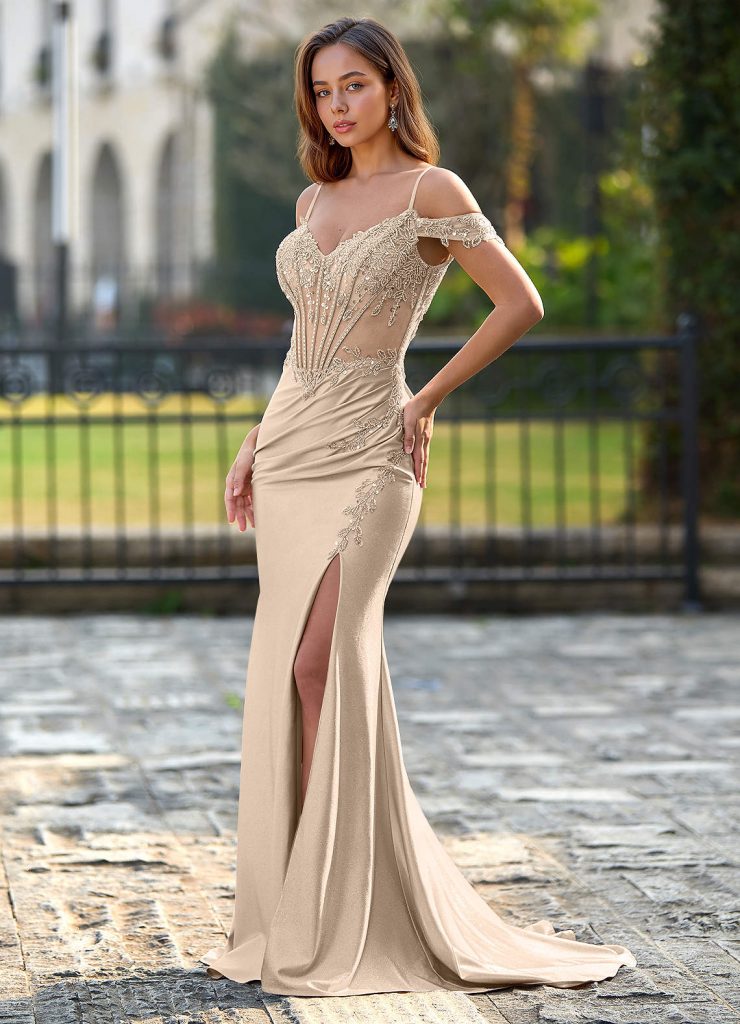
A mermaid evening dress in maxi length is the highest-impact formal silhouette available. It creates visible hourglass drama, it photographs with genuine red-carpet presence, and it reads as deliberately formal at any event above cocktail-level.
The cost: restricted stride. A fitted mermaid flares at or below the knee, which limits the natural walking gait to a shorter, more deliberate step. At a gala where you’re moving between tables, that’s manageable. At an event with significant outdoor walking or dancing, it becomes a logistical problem.
I’ve seen people love the mermaid all evening at seated formal dinners, only to regret it by the end of a wedding reception with dancing. The event type really does determine whether this silhouette is the right call.
The Wrap — Underrated in This Category
A wrap-construction maxi dress creates waist definition through diagonal geometry rather than a seam — the crossing line of the wrap creates the visual impression of a defined waist without structural seaming. In quality jersey or lightweight crepe, a wrap maxi moves beautifully and sits comfortably.
| The wrap maxi risk: cheaper wrap constructions can shift and open during extended wear, particularly at the front. Look for wrap styles with a reinforced inner button or snap — not just a sash tie. The sash-only version looks elegant standing still, but can become a management issue after two hours of movement. |
|---|
Hemline and Proportion — Where the Maxi Either Succeeds or Creates Problems
The Hemline Height — Not Just Aesthetic
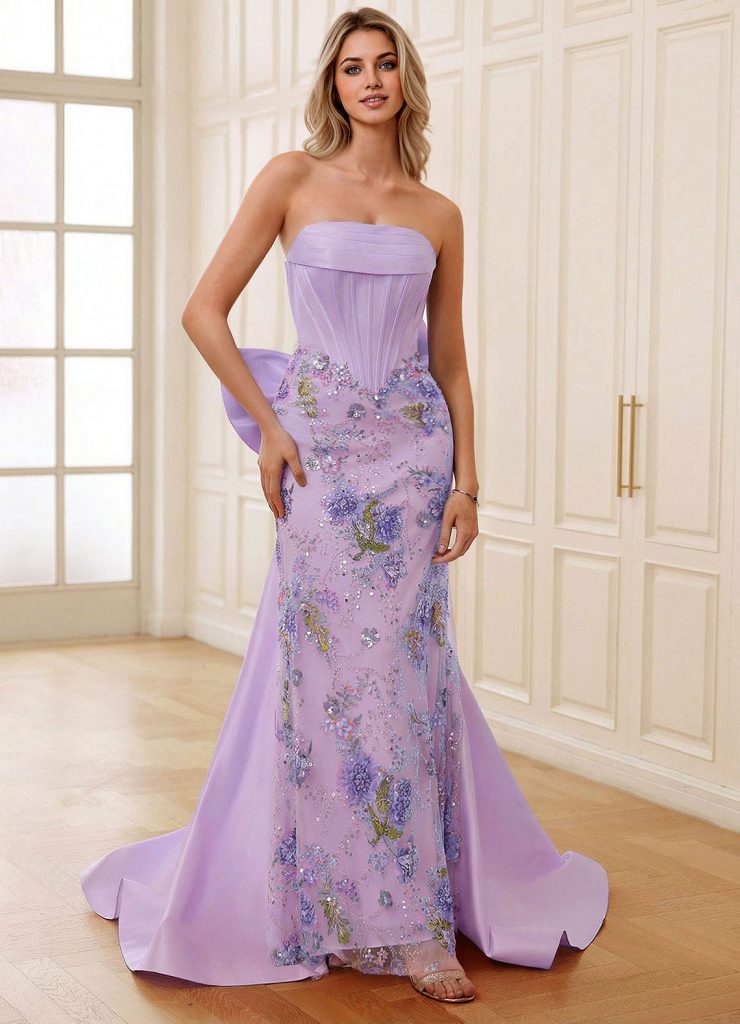
Floor-length for a formal maxi means the hem just grazes the top of your shoes when standing — it covers the shoe but doesn’t drag. Ankle-length means the hem sits completely above the shoe, showing the full shoe, and is technically more casual but practical for outdoor events or on uneven surfaces.
Right — so here’s the specific problem: a floor-length hem set for 3-inch heels creates a puddle effect if you end up switching to lower shoes or removing them. And a hem set for flats creates a trip hazard in heels. The hem needs to be set for the actual shoe you’ll be wearing. Not estimated. Not approximated. The actual shoe, the actual heel height.
Proportions by Body Shape
For petite frames, an empire-waist seam positioned correctly — just below the bust — creates the longest possible visual vertical below it, which adds perceived height. Avoid horizontal bands or color-blocked sections that cut the vertical line.
For plus-size frames: A-line and empire constructions distribute fabric volume in ways that photograph as balanced rather than weighted toward any single area. Plus size evening dresses in maxi A-line silhouettes are among the most consistently elegant formal options available — the length creates uninterrupted vertical, and the flare accommodates movement without requiring fitted hip proportioning.
For taller frames: maxi length works proportionally in a way it doesn’t for petites — the full length elongates rather than overwhelms. Column and mermaid silhouettes read especially well on taller bodies because the vertical geometry has more height to work with.
Five Questions to Ask Before Buying an Evening Maxi Dress
| 1 | What heel height will I actually be wearing — not what I plan to wear? The dress needs to be hemmed or purchased at the length that works with your actual shoes. Not the heels you hope you’ll be comfortable in at the end of the evening. Test the full height with the specific shoes before you finalize the hem. This one decision — getting the hemline right for the actual shoe — determines how the dress reads in motion for the entire event. |
|---|
| 2 | Does the event involve significant movement or primarily seated time? Significant movement (dancing, outdoor navigation, circulating through a large venue): A-line in chiffon or lightweight crepe. Primarily seated with standing receptions: column or mermaid in satin or heavy crepe. This is the most important event-type question for a maxi dress because the silhouette-to-activity match is what determines comfort over six hours. |
|---|
| 3 | Is the waist definition coming from a seam, a belt, or just the fabric’s drape? Seam definition: most reliable, holds position through all movement. Belt or sash: looks elegant, can shift, check that it stays in position when you sit. Fabric drape alone (like a bias-cut) looks beautiful in the right fabric and requires quality material to hold its shape over time. The waist-definition method indicates how much maintenance the dress will require throughout the event. |
|---|
| 4 | What does the dress look like after thirty minutes of wear, not just the first five? Stretch fabrics relax with body heat. Heavy fabrics get heavier as the evening progresses. A column that fits precisely when you first put it on may feel tighter after thirty minutes of body warmth and movement. Try the dress for at least 15 to 20 minutes before you decide it fits correctly — the way a formal garment feels when first put on is not a reliable indicator of how it will feel 3 hours into an event. |
|---|
| 5 | Is the drama coming from the silhouette, the fabric, or the embellishment — or are all three competing? A sequined fabric in a dramatic mermaid silhouette with statement sleeves is three sources of drama in the same dress. That’s not inherently wrong, but it’s a high-stakes combination that requires very precise fit and styling to read as intentional rather than overwhelming. Typically, a single primary drama source, with the others supporting it, reads as more controlled and elegant. |
|---|
By Occasion — How to Match the Maxi to the Event
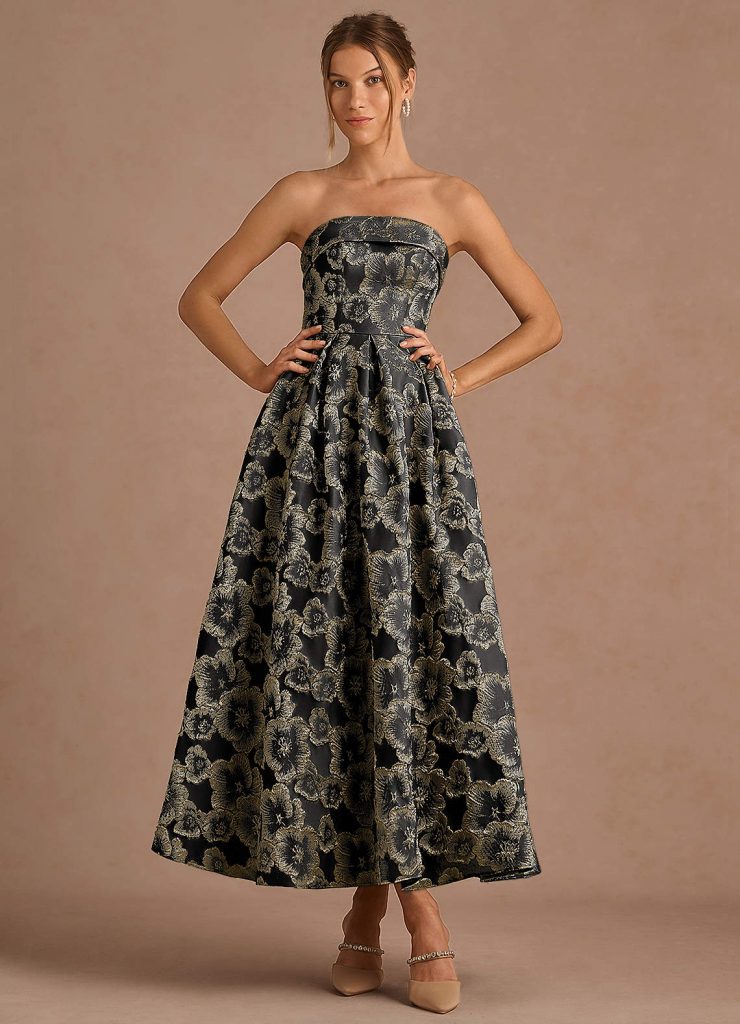
Black-Tie and Formal Galas
Floor-length is expected. Quality fabric is expected. Embellishment is appropriate and encouraged. A column or mermaid in heavy satin or structured lace reads correctly at this formality level.
For mothers attending formal galas: mother of the bride evening dresses in maxi A-line silhouettes are a strong choice — the length reads as appropriately formal, and the silhouette is comfortable for a full day of celebration.
Formal Wedding Guest — Evening Ceremony
Maxi length reads as appropriate and elegant. The key guidance from Jovani’s formal evening dress guide: match the fabric formality to the venue formality. A ballroom wedding calls for heavier formal fabrics. A garden or beach venue in the evening calls for chiffon or lightweight crepe — heavy satin in an outdoor setting reads as overdressed and performs poorly in humidity.
Corporate Award Dinners and Evening Receptions
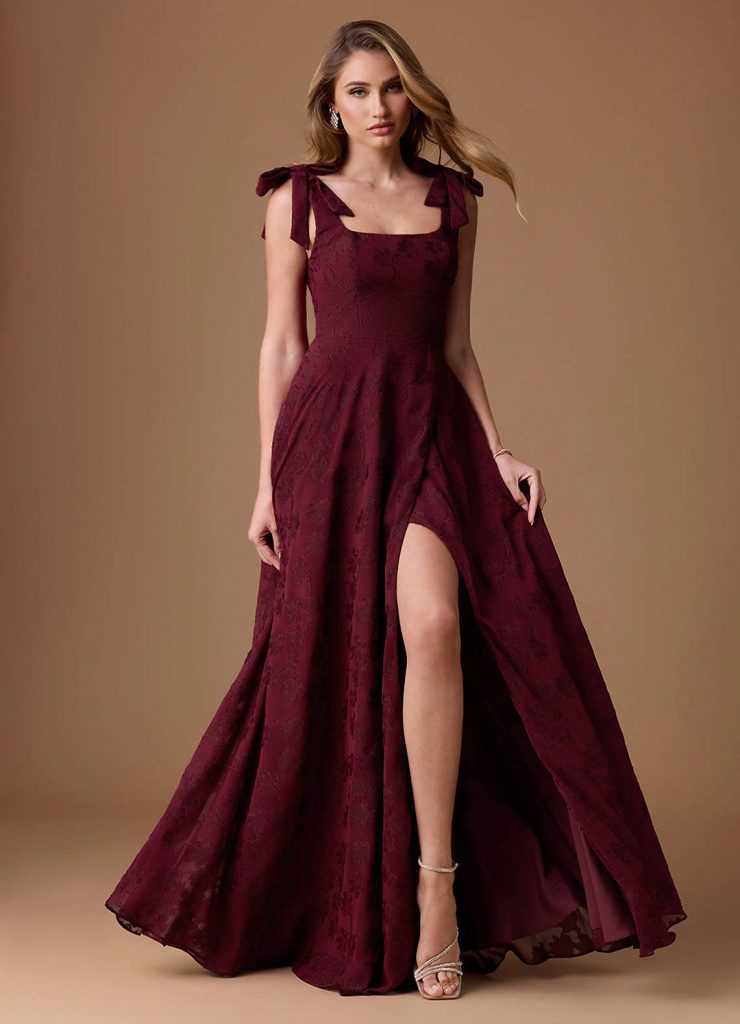
A-line maxi in a jewel tone — navy, emerald, deep burgundy — reads as appropriately formal without the black-tie weight. These events typically call for polished professional elegance rather than full gala drama. The maxi length signals formality while the A-line keeps it event-practical.
Semi-Formal Evening Events
A wrap maxi or a chiffon A-line creates exactly the right register for semi-formal evening events — formal enough to read as intentional and dressed for the occasion, light enough to avoid overdressing. Summer evening dresses in maxi length in quality chiffon or floral fabric are particularly well-suited to outdoor or warm-weather semi-formal contexts.
Accessories — What a Maxi Dress Needs and What It Doesn’t
Jewelry — The Neckline Determines the Strategy
A V-neckline: the V is already doing visual work by drawing the eye downward. A pendant necklace competes with that line. Drop earrings or statement studs work better — they add interest at the face level without interrupting the neckline geometry.
A high or closed neckline: a statement necklace becomes the appropriate move because the neckline isn’t doing its own visual work. The necklace fills the space between the neckline and the face.
Strapless or sweetheart: This is where a statement necklace or chandelier earrings give you the most return. The neckline reveals a large expanse of décolletage that reads as under-accessorized without something at face or chest level.
Bags — Clutch, Always
A maxi dress reads as formal. A shoulder bag — even a nice one — reads as not quite. The clutch keeps the visual register consistent. Size: small enough to hold in one hand, yet large enough for a phone, a card, and one other essential. The bag’s color should either match the dress closely or be a deliberate metallic or contrast.
Shoes — Visible, Especially at Ankle-Length
Floor-length hides the shoe except when you walk. Ankle-length shows the full shoe at all times. For an ankle-length maxi, the shoe is part of the outfit’s visual design, not the background. A pointed-toe heel or strappy sandal in a complementary or metallic tone reads as intentional. A casual or incongruent shoe breaks the formal register.
Closing Thoughts
The drama-comfort balance in evening maxi dresses comes down to fabric-silhouette matching and hemline precision. Get those two right and the accessories, the event appropriateness, and the comfort across a long evening fall into place.
The eAura styling guide on elegant evening maxi dresses makes a point I’d second without reservation: the most common maxi evening dress mistake isn’t choosing the wrong silhouette — it’s choosing the right silhouette in the wrong fabric for the event type. A mermaid in lightweight jersey reads completely differently from a mermaid in heavy satin, even if the cut is identical. And that difference matters enormously over six hours.
Frequently Asked Questions
What’s the difference between a maxi evening dress and a floor-length gown?
The terms overlap significantly. In general use, a gown implies a structured, formal construction — boning, built-in support, and significant structure. A maxi dress implies length without necessarily that level of construction formality. Both can be appropriate at the same event. The construction level (gown vs. dress) matters more than the label.
Can evening maxi dresses work for petite frames?
Yes, when the proportions are handled correctly. Petite evening dresses in maxi length need high-waisted seams, vertical embellishment lines, and correctly hemmed heels. The most common petite-maxi mistake is a hem that hits the floor at flat-shoe height — it creates a puddle effect that reads as the dress wearing the person rather than the person wearing the dress.
Are evening maxi dresses with sleeves appropriate for formal events?
Yes. Evening long sleeve dresses in maxi length are among the most elegant formal options available — particularly in lace or quality structured fabric. For winter formal events, a long-sleeved maxi reads as completely appropriate. For summer or warm-weather formal events, an illusion mesh sleeve or chiffon sleeve provides the visual of a sleeved dress with significantly less heat burden.
Which silhouette is most flattering for plus-size frames in a maxi?
A-line with a defined waist seam or empire construction. The A-line skirt creates volume below the waist that reads as balanced proportion rather than fitted circumference. Empire construction raises the waist seam, creating the longest possible vertical line below it. Both are consistently elegant and comfortable across a long event.
How do I know if the fabric is of good enough quality for a formal event?
Touch test: quality formal fabric holds its structure when you handle it — it doesn’t immediately conform to pressure the way a casual fabric does. Weight: Heavier fabrics in the formal category (satin, crepe) have a distinct weight that you can feel when holding the dress up. And the hem: a quality formal maxi has a weighted or horsehair hem that holds the hemline level even during movement. A casual hem may rise and fall unevenly when you walk.
Can a maxi dress replace a gown at a black-tie event?
Honestly — yes, in many cases. A maxi in quality satin or structured crepe with formal construction (fitted bodice, quality hem, appropriate embellishment) reads as fully appropriate at black-tie. The distinction between ‘gown’ and ‘dress’ is increasingly stylistic rather than formal. What determines appropriateness at black-tie is the construction quality, fabric formality, and overall visual register — not whether the designer called it a gown.
What colors work best for evening maxi dresses at formal events?
Deep jewel tones are the most reliable across venue lighting types. Blue evening dress in navy or sapphire, emerald green, deep burgundy, and black are all consistently elegant under warm amber event lighting. Elegant black evening dresses in maxi silhouettes remain the most versatile formal option — correct for virtually every venue, lighting, and dress code above cocktail level.