
Fit Features That Matter Most for Plus-Size Formal Wedding Guest Dresses
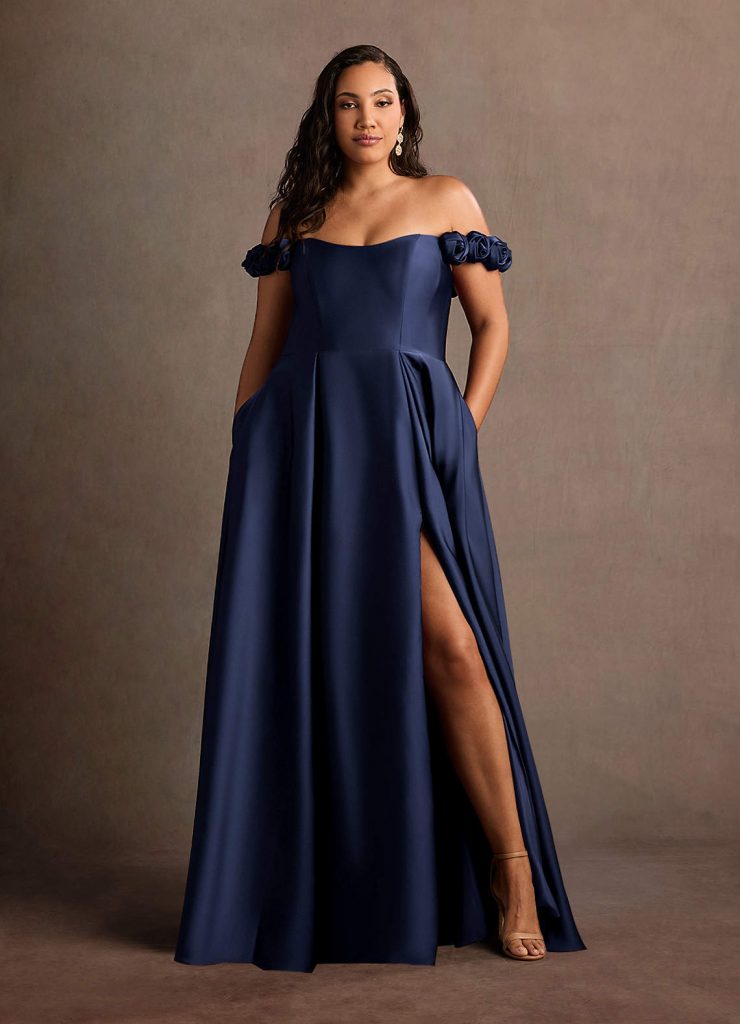
Wedding guest dress shopping for plus-size bodies has this specific frustration where the same advice keeps coming up — A-line, defined waist, empire waist — and it’s not wrong exactly, but it also doesn’t explain why half the dresses that technically fit still look off in photos or feel restrictive by hour three. The silhouette is the right starting point. The fit details inside the silhouette are where the actual work happens.
Plus size formal wedding guest dresses need to do two things well at the same time: look polished in photos and stay comfortable across a six-hour event. Those aren’t always the same dress. This is the breakdown on how to find both in one.
Why Fit Features Matter More Than Style Details
Flattery is about how the dress looks in photos. ‘Easy to wear’ is about how it performs across ceremony, cocktail hour, dinner, and dancing. A dress that looks great in one context but restricts movement in another hasn’t solved the actual problem. Both things need to be true.
Semi-formal and formal wedding events involve more physical activity than people account for when dress shopping — sustained standing in receiving lines, sitting through a ceremony, dancing, outdoor grass and cobblestone, stairs. The fit features that create a polished silhouette are pretty much the same ones that create comfort over time. That overlap is the thing worth understanding.
Choosing the Right Silhouette
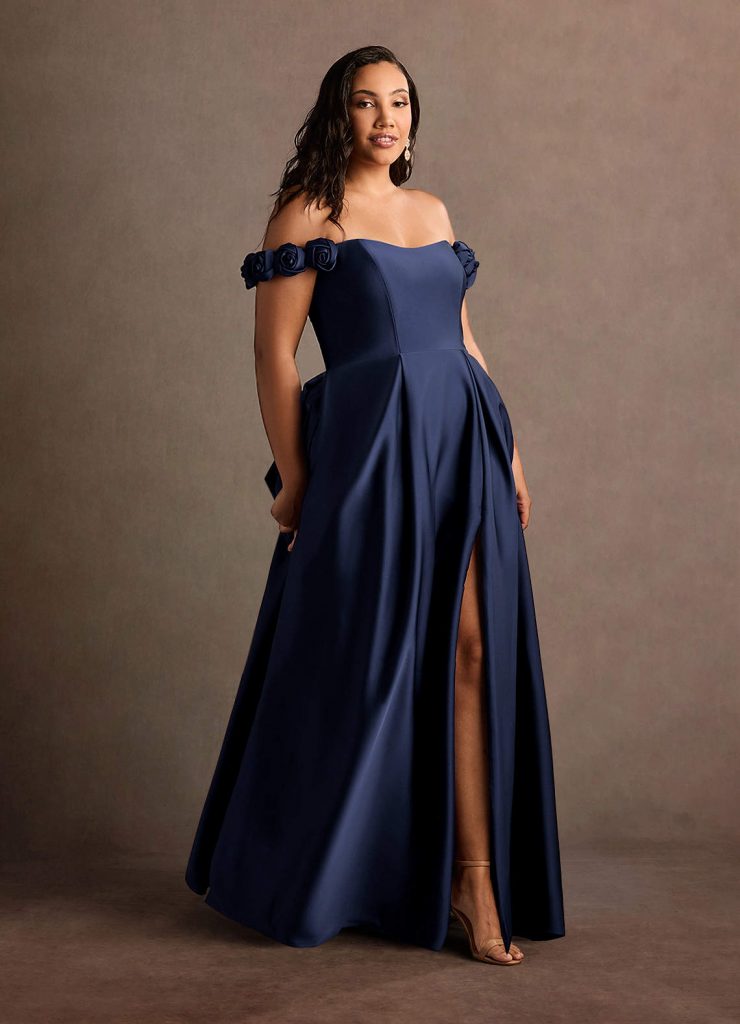
A-line or wrap — that’s where almost every reliable plus-size wedding guest styling recommendation lands. Not because they’re safe or uncreative choices, but because both create waist definition without compression and work across different body types without requiring specific measurements to look right. That’s a practical advantage, not a style limitation.
| A-Line | Wrap | Empire Waist | Fit & Flare |
|---|---|---|---|
| Waist-defined, flares from hip. Works across most body types without needing specific proportions. | Self-adjusting crossover waist. Accommodates different shapes without alterations. | Seam just below the bust — zero waist pressure. Best for apple shapes and anyone who hates waistbands. | Fitted bodice, flared skirt. Best for hourglass and pear — follows then releases at the knee. |
Waistline Construction — The Most Important Detail
The waistline construction is genuinely the most impactful structural decision in a plus-size formal wedding guest dress. Not the color, not the embellishments — the waist.
A line formal dresses with a natural waist are the most consistent choice across plus-size bodies because of a specific proportional effect: the graduated flare from hip to hem visually balances the upper and lower body. Empire waist removes all waistline pressure — the seam sits just below the bust, starts the skirt at the narrowest natural point, and flows from there. For anyone who finds a natural waistband restricting after three hours, empire waist is the practical alternative.
Necklines That Draw the Eye Up
V-necklines work for plus-size formal dresses because the eye follows the V shape upward toward the face and collarbone rather than settling on the body’s widest measurement. It’s a proportional geometry thing — creates an elongating vertical line that shifts visual attention toward height rather than width. Consistently useful across different plus-size body types.
Halter styles create visual width at the shoulders and collarbone — good for pear-shaped proportions where the goal is upper-body balance. Sweetheart necklines add bust definition with a curved shape that reads as deliberate. Square necklines specifically for fuller busts — the horizontal line creates structure that V-necks don’t provide.
Sleeves and Coverage
Three-quarter sleeves end at the forearm rather than the upper arm. That’s the reason they keep coming up in plus-size styling guides — the forearm is typically the most defined part of the arm, and ending the sleeve there rather than at the upper arm is a small detail with a visible difference in photos.
Off-shoulder creates a wide graceful horizontal line at the collarbone — deliberately flattering because upper-body width creates proportional balance. And at weddings specifically, sleeves in any form have a practical advantage: they work in conservative, religious, or outdoor ceremony settings where coverage matters.
Dress Length and Event Context
Floor-length for formal and black-tie evening weddings. The length communicates formality without any additional styling work. Midi for semi-formal, daytime, and outdoor venues — safer on uneven surfaces where floor-length hems create real tripping hazards. And genuinely, no floor-length on grass or a beach.
Best Fabrics for Plus-Size Formal Wedding Guest Dresses
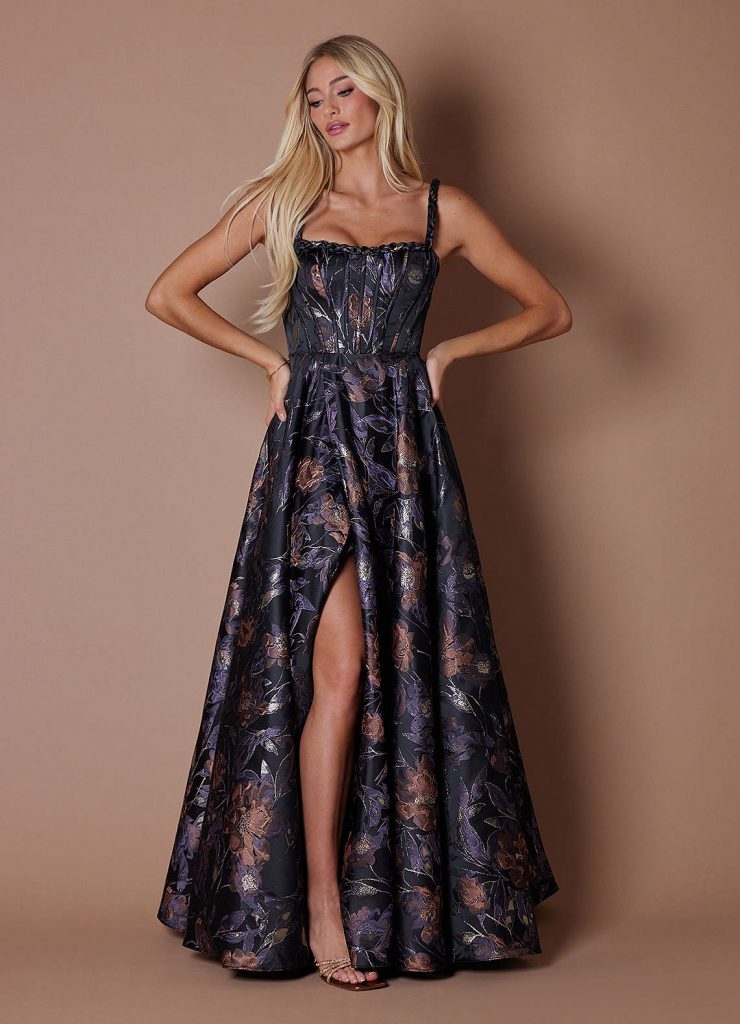
Stretch recovery is the fabric property nobody talks about enough when it comes to wedding guest dresses. It’s the difference between a dress that looks neat in hour one and a dress that looks neat in hour six. Fabrics with good stretch recovery expand as the body moves and return to shape — fabrics without it bag, pull, or develop stress points that show in photos.
Jersey and Stretch Crepe — The Practical Choice
Jersey and stretch crepe accommodate sitting, standing, and dancing without losing their fitted shape. For plus-size formal wedding events with extended movement, these are the most practical fabric choices. The recovery property is what keeps the waist definition intact through the whole event rather than just the first hour.
Satin — Only With Proper Fit
Satin for evening formal weddings — but only if the fit is right. Heavy satin drapes and holds shape. Lightweight satin clings and shows every stress point under photography lighting. If the dress isn’t professionally tailored, satin is riskier than crepe or stretch fabrics.
Chiffon Over Stretch Lining — The Best of Both
Chiffon overlay over jersey lining is a specific fabric construction worth looking for. The jersey handles the functional work — stretch recovery, fit retention — while the chiffon does the visual work — movement, femininity, breathability. For outdoor summer weddings or warm venues, this combination handles temperature better than satin or heavyweight crepe.
| Fabric | Wedding Event Type | Key Property | Season |
|---|---|---|---|
| Jersey / Stretch Crepe | Any formal wedding — all-day events | Recovery — holds fit through movement | Year-round |
| Chiffon + jersey lining | Outdoor, summer, daytime | Breathable + visual movement | Spring, summer |
| Heavy satin | Evening formal, black-tie | Formal sheen — drapes cleanly | Year-round (indoors) |
| Lace overlay | Romantic, daytime, garden weddings | Texture and detail — classic formal | Spring, summer |
| Crepe | Any formal — especially fall/winter | Structured and matte — universally right | Any season |
Shoe Choices for Plus-Size Formal Wedding Guest Dresses
Weddings involve more mixed terrain than most people account for when choosing shoes. Indoor reception floors, outdoor ceremony spaces, grass, cobblestone, stairs. Stilettos work on indoor flat hardwood and not much else. Block heels and wedges are the shoes that actually travel well across different wedding venue surfaces.
Embellished flats — pointed-toe, metallic, beaded — are genuinely the smarter choice for most wedding guests. Formal appearance, zero heel fatigue over a six-hour event. Not a compromise. An intentional choice.
| Shoe | Why It Works for Weddings | Best Occasion |
|---|---|---|
| Block heels (2–3 in.) | Stable base on mixed surfaces | Any formal wedding — especially outdoor |
| Embellished flats | Zero fatigue — looks formal and intentional | Any event — especially 6+ hours |
| Nude pumps | Elongates the leg line | Indoor evening formal weddings |
| Metallic heels | Adds formality without competing | Evening formal, gala-level weddings |
| Wedge heels | Stable and elevated on outdoor terrain | Garden, beach, outdoor venues |
Jewelry Pairings for Plus-Size Formal Wedding Guest Dresses

Earrings before necklace. The compositional goal for wedding guest styling is drawing attention to the face — specifically in photos where you’re standing next to other people. Statement earrings at face level do this directly. A necklace sitting at bust level pulls the eye mid-torso, which works against the dress’s proportional strategy.
Two strong pieces photograph better than five medium ones at weddings. You’re a guest — the jewelry should read as ‘thoughtfully dressed’ rather than competing for attention.
| Jewelry | Wedding Occasion | Effect |
|---|---|---|
| Drop or chandelier earrings | Evening formal, black-tie | Face-forward — draws eye up from the dress |
| Pearl studs or drops | Any formal wedding | Matte elegance — universally wedding-appropriate |
| Gold jewelry | Warm or jewel-tone dresses | Warmth and celebration — cohesive |
| Silver / white gold | Cool-toned dresses | Crisp, modern — complements cool shades |
| Crystal or rhinestone | Evening formal, gala-level | Neutral sparkle — works with any color |
Styling for Different Wedding Dress Codes
The silhouette that works for a plus-size figure at a formal wedding works at any formality level. The fabric and length are what shift to communicate the dress code. A wrapped A-line in chiffon reads semi-formal. The same silhouette in heavy satin reads black-tie. Knowing that simplifies the shopping decision a lot.
| Dress Code | Best Silhouette | Best Fabric | Length |
|---|---|---|---|
| Black-tie / Formal | A-line or empire waist | Heavy satin or crepe | Floor-length |
| Formal evening | Wrap or A-line | Stretch satin or crepe | Floor or midi |
| Semi-formal | Fit & flare or A-line | Scuba, crepe, chiffon | Midi or knee |
| Garden / outdoor | Empire waist or wrap | Chiffon + jersey lining | Midi — safer on grass |
| Beach formal | A-line or empire waist | Lightweight chiffon | Midi — no floor-length hem |
White, ivory, and pale cream: avoid regardless of silhouette or formality level. Not a fashion rule thing — it’s about wedding photos where an ambiguous light color photographs as near-bridal in group shots.
| Deep jewel tones (emerald, navy, burgundy, sapphire), champagne with gold accessories, blush with rose gold or silver — all reliably appropriate. Navy is the most universally safe color choice. It reads elegant and celebratory without competing with any typical bridal color scheme. |
|---|
Common Mistakes When Choosing Plus-Size Formal Wedding Guest Dresses
Most mistakes happen at the fit stage. The most common: choosing a size that fits the widest measurement and wearing it without tailoring anything. A dress that fits across the hips but gaps at the waist looks ill-fitted in wedding photos regardless of color or style. One tailored area costs significantly less than a new dress.
| ✓ Works | ✗ Skip |
|---|---|
| Size to widest measurement — then tailor key areas | Wearing the dress unaltered when waist or bust gaps |
| Test shoes on wedding-realistic terrain before the event | Stilettos at outdoor venues with grass or uneven ground |
| Stretch recovery fabric for all-day wear | Lightweight satin at a warm outdoor venue — no breathability |
| Ruching over stretch fabric — most forgiving option between sizes | Any shade photographing near-white in full wedding lighting |
Ruching over stretch fabric is the most forgiving detail in plus-size wedding guest dresses. The gathered fabric accommodates size variation without pulling, covers the areas where fitted dresses most often stress, and reads as intentional design rather than a fit problem. If there’s uncertainty between sizes, ruched construction is the safer pick.
Hair, Makeup, and Final Styling
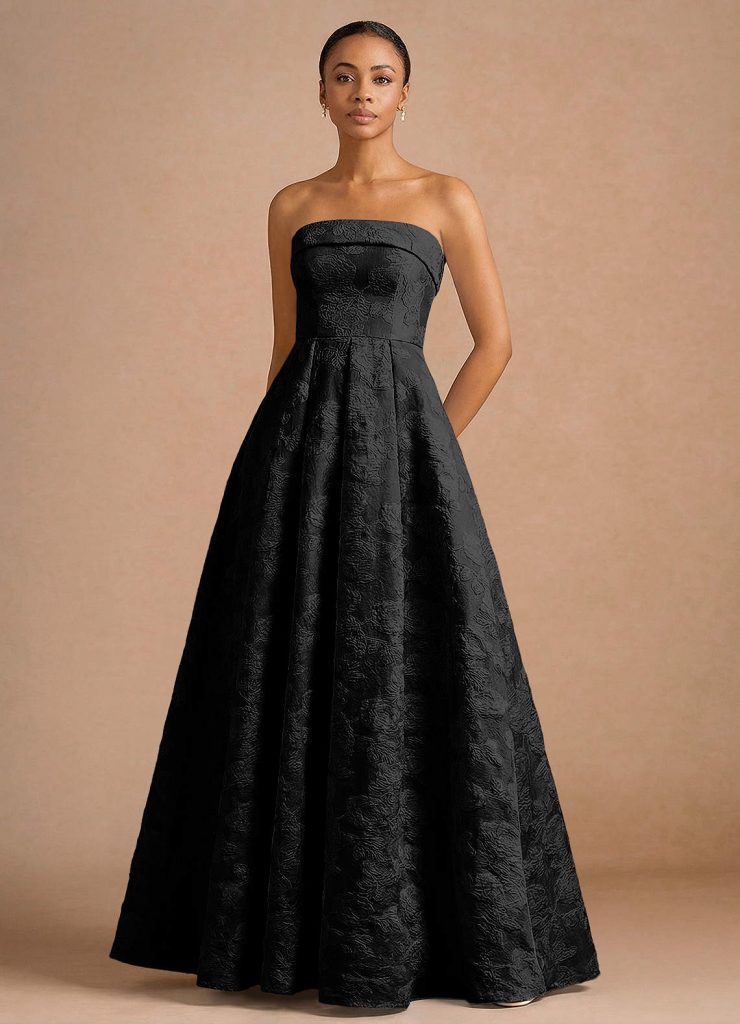
When the silhouette is handling proportions, the face becomes the secondary focal point. Everything in the hair, makeup, and accessory direction should support that rather than compete with it.
Hair Follows the Neckline
V-neck or sweetheart: updo or loosely pulled back. The neckline creates a specific shape that needs the upper body visible to read correctly. Off-shoulder: hair definitely up — the wide horizontal line at the collarbone is the whole design statement and it only lands when the shoulders are exposed. High neck or square: more flexibility, both directions work.
Earrings Over Necklace — Wedding Photo Reasoning
In wedding photos, you’re standing next to other people. Earrings that sit at face level draw the eye specifically to your face rather than the mid-torso. A necklace that sits at bust level pulls the eye down. The compositional goal is face-forward. Earrings accomplish that directly.
If the neckline is a V or sweetheart with space for a pendant, a delicate pendant inside the V works. Otherwise, earrings alone. Two strong pieces in total. That’s the formula.
Shoes Need a Test Run Before the Wedding
New shoes worn first at a six-hour wedding create blister fatigue that compounds into back and knee discomfort by the reception. Wear them for two hours at home before the event. Any discomfort in that test will be significantly worse by hour five. Bring a backup flat if there’s any uncertainty — practical, not excessive.
Foundation Finish for Wedding Photography
Wedding photography uses flash, outdoor light, and mixed artificial lighting in ways that make matte foundation look powdery or flat in prints. A satin or luminous finish photographs more naturally. Subtle gold or warm highlighter at the cheekbones reads as healthy and luminous under both flash and natural light — which is the combination most wedding photography uses.
Conclusion
Defined waist, stretch-containing fabric, neckline that draws the eye upward, length appropriate for the dress code. Those four things are the foundation. Silhouette works across all formality levels. Fabric and length shift to communicate the specific event.
Azazie’s formal wedding guest dresses collection spans sizes 0–30 with made-to-order and custom sizing. A-line, wrap, and empire waist silhouettes across a full range of wedding-appropriate colors. Filter by silhouette first — that’s the decision with the most impact.
Frequently Asked Questions
What silhouette works best for plus size formal wedding guest dresses?
A-line in almost every case defines the waist and flares from the hip without needing a specific figure. Wrap is the other reliable option because the crossover waist self-adjusts. Empire waist for anyone who hates waistbands — seam below the bust, zero pressure, skirt flows from the narrowest point.
What colors should I avoid as a plus size wedding guest?
White, ivory, pale cream, and anything that photographs near-white under full wedding lighting. Navy is the most universally safe alternative — reads elegant without competing with any typical bridal scheme. Deep jewel tones across the board are reliably appropriate.
What fabrics are most flattering for plus size formal wedding dresses?
Jersey and stretch crepe for all-day events — the recovery property keeps the dress looking neat through six hours. Chiffon over jersey lining for outdoor or warm venues. Heavy satin for evening formal — but only with proper tailoring, because lightweight satin shows every stress point in photos.
What shoes work best for plus size wedding guest outfits?
Block heels for stability across different surfaces. Embellished flats for complete comfort at a long event — they read as intentional, not a compromise. Wedge heels for outdoor venues with grass. Test whatever you choose for two hours at home before the event.
How do I get the right fit in a plus size wedding guest dress?
Size to the widest measurement, then tailor one area. The waist or bust rarely align with the same standard size as the hip — getting one area adjusted makes a visible difference and costs less than a new dress. Azazie offers custom sizing that eliminates the standard-to-custom gap.
How do I accessorize a plus size formal wedding guest dress?
Earrings first — face-level statement pieces pull the eye upward in wedding photos. One pendant at the neck if the neckline has space; otherwise skip it. Two strong pieces outperform five medium ones. Metallic clutch, clean shoes, done.