
Evening Dresses for Plus Size Women: Silhouettes and Construction That Work
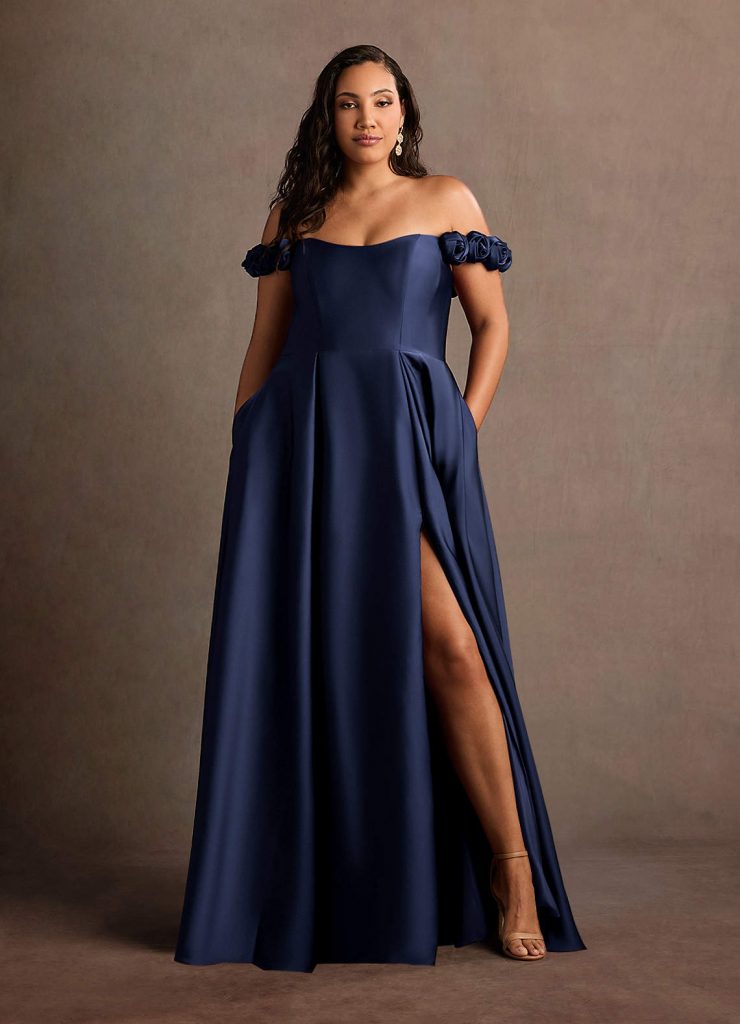
Look — evening dresses for plus size women is a category that should be as varied and interesting as any other category of formal wear. But it’s historically been treated as an afterthought by enough brands that ‘the selection is limited and the fits don’t really work’ has become an accepted truth.
It’s not accurate. What’s true is that plus-size evening wear requires different construction decisions — not scaled-down versions of standard construction, but genuinely different seam placements, bodice structures, and fabric selections. Get those right, and the look is exactly as elegant, photogenic, and event-appropriate as any other size.
Get them wrong and the dress photographs as fighting the body rather than working with it, which is neither the dress’s nor the wearer’s fault. It’s a construction decision that should have been made differently.
| The core principle: plus-size evening wear requires proportional construction — not graded-up standard sizing. A bodice waistline that hits correctly on a size 8 hits too low on a size 20. A sleeve that fits cleanly at a size 12 pulls across the shoulder blade at a size 18. True plus-size construction adjusts these elements for where they actually fall on plus-size bodies. |
|---|
Silhouettes — Which Ones Are Actually Working and Why
A-Line — Reliably Flattering Across Body Types
An A-line is not just the safe choice. It’s the consistent choice — and there’s a difference. Safe implies you’re playing it in a boring way. Consistent means it works across body shapes, event types, and lighting conditions in ways that other silhouettes don’t always.
The A-line defines the bodice through the bust and waist, then flares from the hip seam. What it does specifically for plus-size bodies: it creates visual elongation through the bodice (where the fit is defined) and allows the hip and thigh area to be skimmed rather than fitted. That skimming is where the flattering quality comes from — the eye reads the defined upper body and the flowing lower body as a coherent silhouette rather than a tight coverage situation.
In quality chiffon or heavy crepe, a floor-length A-line creates the most photographically consistent plus-size evening look available. Evening dresses floor length in an A-line silhouette with a defined waist seam positioned correctly, is the closest thing to a universal recommendation in this category.
Mermaid — Intentional, Not for Everyone, But Worth Discussing
A mermaid evening dress on a plus-size body is a strong choice when the fit is right and a genuinely difficult choice when it’s not. The mermaid works by creating a second silhouette — fitted through the torso and hip, then dramatically flared below the knee — that photographs with undeniable presence. The hip-defining construction turns curves into a structural feature of the dress rather than something the dress is accommodating.
The fit requirement is the most demanding of any formal silhouette: the flare point needs to hit at or just below the widest hip measurement, not at the knee, regardless of body proportion. When that’s wrong, the dress pulls across the hip, and the flare reads as tacked-on rather than designed.
This one actually surprised me when I first looked at it carefully — the mermaid is not inherently more or less flattering for plus-size bodies than other silhouettes. It’s more demanding of precise construction. When that construction is right, it photographs as dramatic and intentional. I’d recommend it specifically for award ceremonies and high-profile galas where you want a visible presence.
Empire Waist — Underrated for Apple and Full-Figure Shapes
For fuller through the midsection or apple-shaped figures, the evening dresses empire waist is the silhouette that removes the most construction complexity. There’s no waistline seam crossing the widest point of the body — the seam sits just below the bust, and everything flows from there. The result is that the skirt reads as very long (because the seam that starts it is very high), and the midsection is skimmed entirely rather than fitted.
It’s not the most dramatic formal silhouette. But it’s comfortable for a six-hour event in ways that a closely fitted mermaid isn’t — and comfort over six hours is its own kind of confidence.
Construction Details — What Makes a Plus-Size Gown Supportive Instead of Just Covered
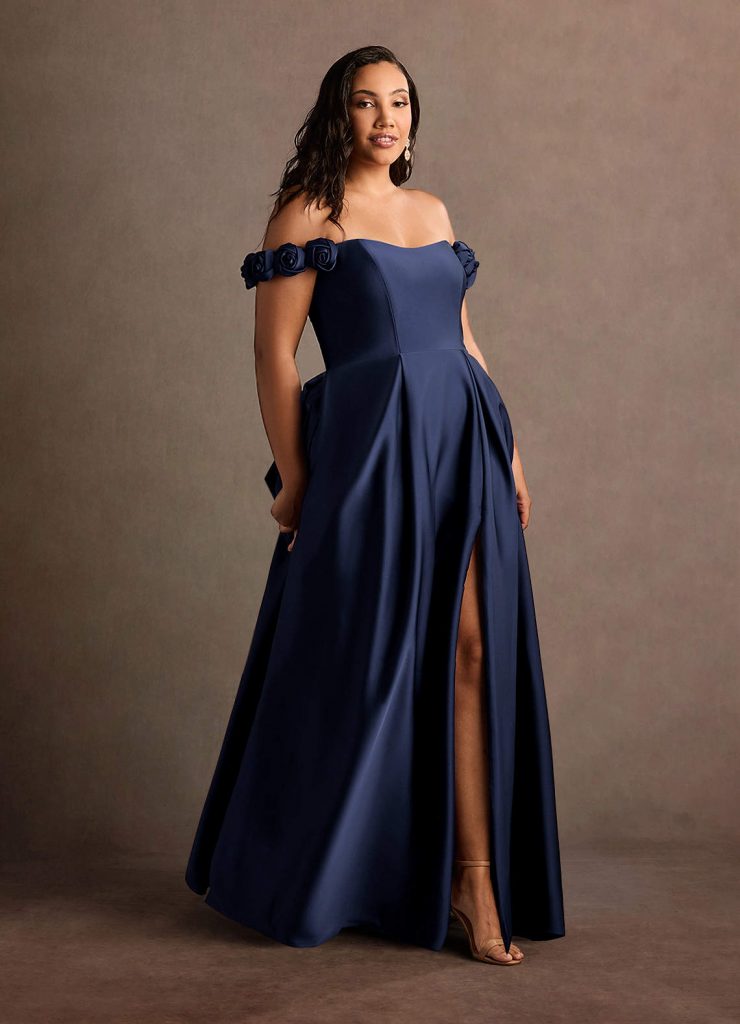
The Bodice — Where Everything Either Works or Doesn’t
A well-constructed plus-size bodice does three things simultaneously: defines the waist at the correct height, supports the bust without requiring an external bra, and stays in position throughout extended movement. That’s a genuinely difficult engineering problem, and most dresses that fail for plus-size bodies fail here first.
Boning and internal structure in the bodice provide support without relying solely on the fabric to hold the dress in place. Power mesh lining smooths the torso beneath the outer fabric without creating the restrictive feel of shapewear. Reinforced side seams handle the stress points that are most likely to pull or shift during dancing and sitting.
Ruching and Draping — More Than Decorative
Vertical ruching draws the eye up and down along the body’s natural center line. That directional reading — upward and downward — creates elongation as a visual effect. It’s not just decorative detailing; it’s doing specific proportional work.
Side ruching at the hip and waist serves a different function: it allows the fabric to ease over the curves without creating horizontal tension lines. When a dress fits too tightly across the hip without any ease, the horizontal tension creates visible lines that appear in photographs as strain rather than shape. Ruching builds the ease directly into the construction so the fabric moves with the body.
| The grading problem with standard plus sizing is that many brands produce plus-size dresses by taking a standard pattern and scaling all measurements proportionally larger. This changes the circumference dimensions but leaves the waist seam height, the armhole depth, and the shoulder seam position in the same relative locations as the standard size, which are the wrong locations for plus-size bodies. True plus-size construction adjusts these proportional elements, not just the circumferences. |
|---|
Fabric Choices — What Works and What the Lighting Reveals
Stretch Crepe — the Most Reliable Formal Fabric
Stretch crepe is my first recommendation for plus-size formal evening gowns in most formal contexts. It has enough structure to hold a silhouette, enough recovery to allow movement without permanent stretching, and a surface that photographs as matte and sophisticated rather than reflective or flat.
The texture of crepe also does something specific: the slight pebbling of the surface creates micro-shadow variation across the fabric’s face, which photographs with natural dimension. Smooth satin in lighter colors can look flat in photos under certain lighting. Crepe rarely does.
Quality Satin — Right in Darker Colors and Heavier Weights
Heavy, quality satin in deep jewel tones — navy, emerald, deep burgundy, black — drapes with visible weight and luminosity at formal events. It catches warm ambient lighting and creates a moving sheen that reads as luxurious.
Lighter-weight satin in paler colors is more challenging for plus-size formal wear: it can cling, and its surface tension creates visible lines at stress points. Wait — what I mean is, the issue isn’t satin specifically, it’s lightweight satin. Quality bridal-weight satin is a different fabric with different behavior. The weight makes the drape completely different.
Chiffon — Specific Use Cases
Chiffon layered over a structured lining creates movement and softness without adding visual bulk. It works particularly well for empire waist and A-line silhouettes, where the skirt needs to flow and move. What doesn’t work as well: a single-layer chiffon skirt on a closely fitted plus-size bodice, where the weight differential between the fitted top and the floating skirt creates a visual disconnect.
Layered chiffon — three or four layers creating opacity through translucency — is a different material from single-layer chiffon and behaves much more like a substantial formal fabric. When you’re evaluating a chiffon dress, check whether the skirt has multiple layers.
Silhouette by Body Shape — Quick Reference
| Body Shape | First Choice | Also Works | Construction Note |
|---|---|---|---|
| Hourglass | Mermaid, fitted column | A-line | Needs true waist definition |
| Apple / full midsection | Empire waist | A-line w/ high waist | Avoid fitted waist seams |
| Pear / wider hip | A-line | Empire waist | Detailed bodice, simple skirt |
| Rectangle / straight | Wrap or ruched waist | A-line w/ belt detail | Create waist definition |
| Inverted triangle | A-line, full skirt | Empire waist | Add volume below the waist |
Five Things to Evaluate Before Buying Any Plus-Size Evening Gown
| 1 | Check where the waist seam actually falls on your body — not where it looks like it should fall. Try the dress on and locate the waistline seam with your hands. Where does it sit relative to your natural waist? A seam that sits two inches below the natural waist creates a dropped-waist effect that reads as unflattering in photos. Correctly positioned: at or within half an inch above the natural waist. This single measurement check will tell you more about whether the dress is proportioned for your body than any style description in a product listing. |
|---|
| 2 | Move through the full range of motion you’ll need at the event. Sit in the dress for five minutes. Stand back up. Reach across to shake someone’s hand. Turn around. Each motion should feel contained and effortless — the dress should stay in position without requiring adjustment. If you feel the bodice riding up when you sit, or the hip line pulling when you walk, those are construction problems that will be present all evening, not just during the fitting. |
|---|
| 3 | Check the photograph, not the mirror. A phone photo — not portrait mode, regular camera — in artificial indoor light tells you how the dress will look at an evening event in a way the mirror doesn’t. Shadows, reflective surface behavior, and visual weight all read differently in photos than in person. Take the test photo after putting the full look together: dress, shoes, accessories. Whatever you see in that photo is approximately what event photos will show. |
|---|
| 4 | Evaluate the lining specifically. Try to see or feel what’s beneath the outer fabric. A quality lining in stretch mesh or matte silk adds support and prevents the outer fabric from clinging or billowing. A cheap lining material adds weight and can cause the dress to feel hot and restrictive after an hour. For plus-size formal wear specifically, the lining quality is often where corners get cut in less expensive versions of what should be a substantial garment. |
|---|
| 5 | Verify the sizing is plus-specific, not just large. Ask whether the garment was patterned for plus-size proportions or was graded up from a standard pattern. A dress graded up from a standard pattern may fit the circumference measurements but have the wrong bodice length, armhole depth, and shoulder seam placement for your body. This difference shows in the fit and in how the dress photographs. It’s not snobbishness to ask — it’s the most important question about construction for plus-size formal wear. |
|---|
By Occasion — What Changes for Plus-Size Formal Evening Wear
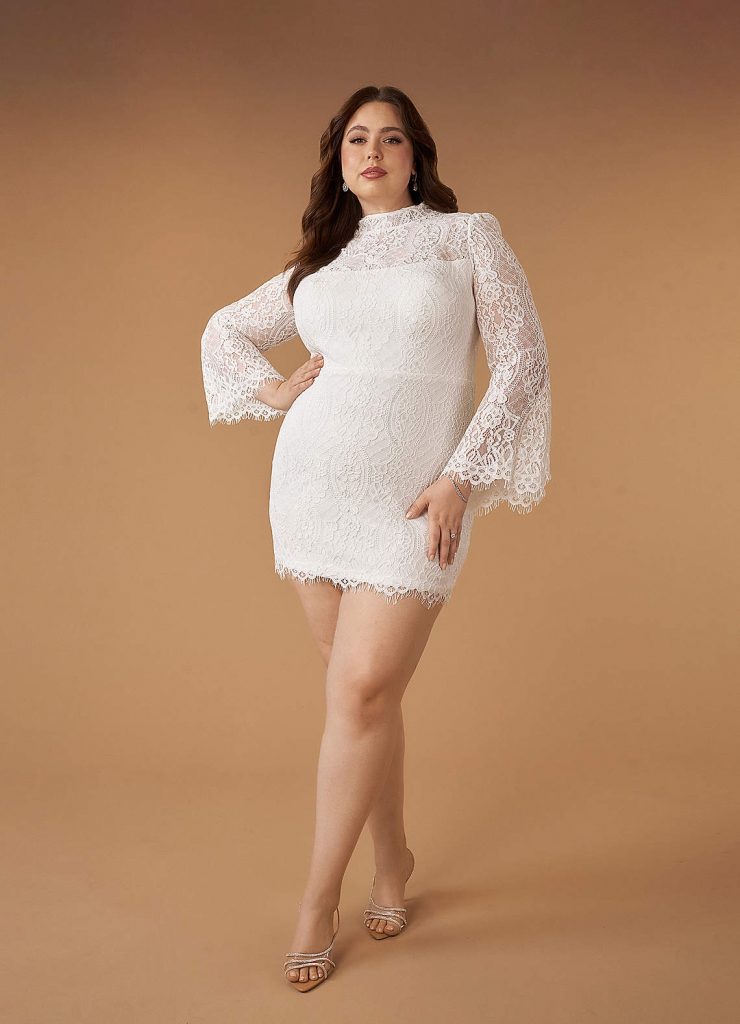
Black-Tie and Formal Galas
Floor-length. Quality fabric. Proportional construction. According to Harper’s Bazaar’s guide on plus-size gowns and formal dresses, the most consistently successful plus-size black-tie looks combine structured bodices with flowing skirts — A-line or mermaid depending on the body shape — in quality fabrics that drape rather than cling. Embellishment is appropriate and encouraged at this level of formality; beading and lace overlay on quality fabric photograph with genuine luxury.
Formal Wedding Guest
Avoid white. Beyond that, plus-size formal wear for weddings follows the same guidance as any formal evening wear: quality fabric, proportional fit, and event-appropriate length. Black plus-size A-line evening dresses are among the strongest wedding guest choices — universally appropriate, photograph well in any venue lighting, and the silhouette works across the range of plus-size body shapes.
Award Ceremonies and High-Visibility Events
This is the context where a mermaid silhouette with full construction makes the most sense. The event expects visual presence. A well-constructed mermaid in quality fabric on a plus-size body creates the same red-carpet impression it creates on any other body—the keyword: well-constructed. The fit has to be right, or the impact doesn’t land the way it should.
For the mother of the bride or groom attending a high-formality event, mother of the bride evening dresses options in empire waist or A-line tend to provide the appropriate formality and comfort for a long celebration day.
Closing THoughts
The dress decisions that matter most — silhouette, bodice construction, waist placement, fabric weight — are all answerable questions before you buy. They just require knowing what to ask and what to look for.
Good Housekeeping’s guide on choosing a flattering formal dress makes this point consistently: formal wear works when the construction matches the body’s proportions. Azazie offers made-to-order and custom sizing in their collection of plus size evening dresses, which is specifically useful for the waist seam height and bodice length questions that are most commonly wrong in standard plus-size grading. Whether custom sizing makes sense for a specific dress depends on how much you want the fit to be right versus approximately right.
Frequently Asked Questions
Which silhouette is most flattering for plus-size evening wear?
A-line is the most consistently flattering across different plus-size body shapes. It defines the waist and skims the hip and thigh without fitting tightly. Mermaid is the strongest choice for hourglass figures when the construction is correct. The Empire waist is the most comfortable option for apple-shaped figures or anyone wanting minimal waistline construction.
What makes a plus-size evening dress comfortable for a long event?
Construction over fabric. Specifically: a bodice that provides internal support without an external bra, reinforced seams at stress points so the dress holds position during movement, and a fabric with enough stretch recovery to allow sitting and dancing without the dress working against you. After that, there is a proportional fit at the waistline and armhole, which are the most common sources of discomfort in plus-size formal wear.
Can plus-size women wear mermaid silhouettes?
Yes. A mermaid evening dress works very well on plus-size hourglass figures when the construction is designed for plus-size proportions — not graded up from standard sizing. The flare point needs to be positioned correctly relative to the actual hip measurement, and the bodice construction needs to provide structure rather than relying on fabric tension. When those elements are right, the silhouette photographs have a strong presence.
What fabrics work best?
Stretch crepe is the most reliable for most formal event contexts — it has structure, recovery, and photographs with natural dimension. Quality heavy satin in dark or jewel tones works beautifully for high-formality events. Layered chiffon (multiple layers, not single-layer) creates beautiful movement in A-line and empire silhouettes. Avoid lightweight single-layer satin or very lightweight chiffon in closely fitted styles — both fabrics require different construction conditions to look their best.
How do I know if the sizing is plus-specific or just larger?
Ask. Specifically, was this pattern designed for plus-size proportions, or graded up from a standard pattern? The practical test: try it on and check where the waist seam falls. If it’s at or near your natural waist, the proportioning is likely correct. If it’s two or more inches below, the bodice length was graded up from a standard length, and the proportions weren’t adjusted for plus-size bodies.
What colors work best for plus-size formal evening wear?
Deep jewel tones — emerald, navy, deep burgundy, sapphire — create strong, photogenic looks under most event lighting conditions. Black evening dresses plus size remain the most reliable single color choice for formal events: universally appropriate, photographs in any lighting, and the color’s slimming effect is real. Monochromatic dressing in any deep tone creates an uninterrupted vertical line that elongates the look.