
Elevating Pastel Prom Dresses for Prom Photos and Style
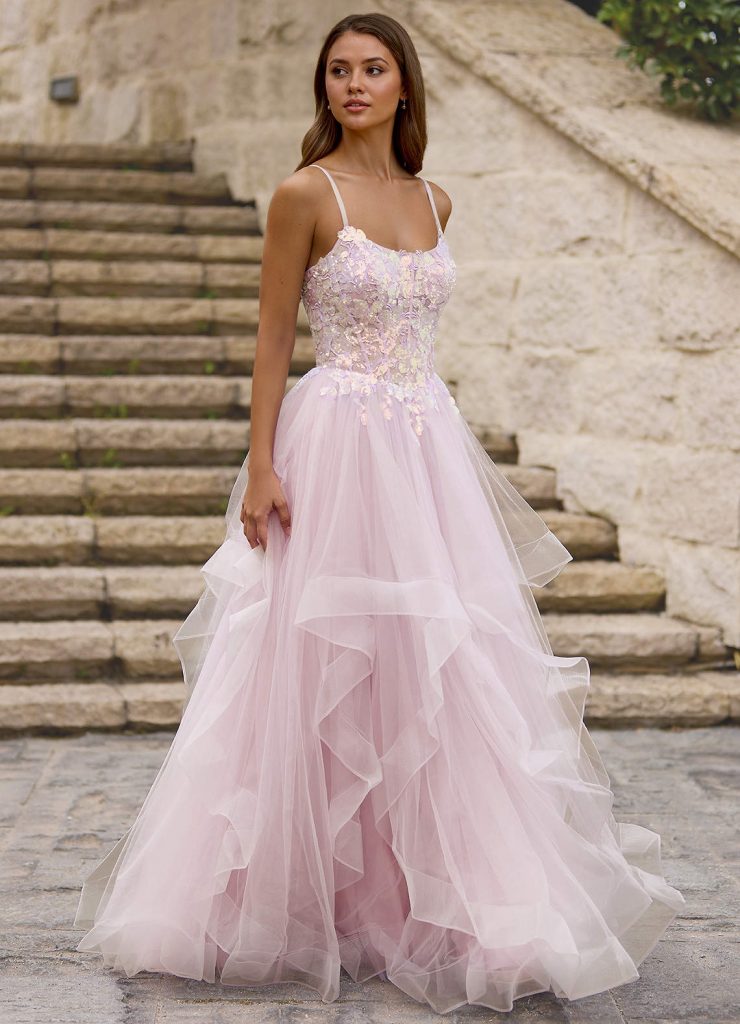
Pastel prom dresses do something specific in photos — the soft color catches venue lighting and creates a glowing quality that bolder shades don’t. Blush, lavender, periwinkle, butter yellow, soft mint. They all have this way of looking polished without making it seem like you tried too hard.
And because pastel is a broad color family rather than a single shade, you can find a version of this look that genuinely suits your skin tone — not just whatever’s trending. Pastel prom dresses are distinctive and photogenic, holding up well in prom photos over the years. That’s a real argument for them.
Why Choose Pastel for Prom?
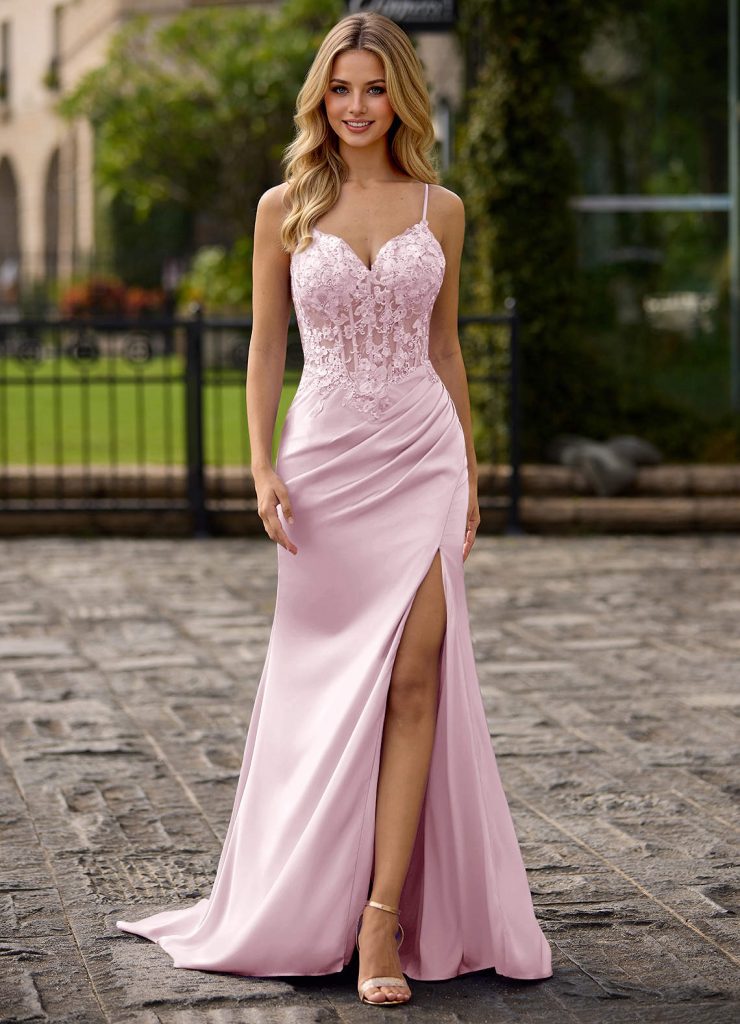
Pastels photograph exceptionally well — that’s the most practical argument. Black and navy look sophisticated, but photograph dark and heavy. Pastels look sophisticated and light. Under venue lighting, they glow in a way that ensures they photograph consistently from any angle.
Skin-tone flexibility is one of the strongest arguments for this color family. Pink prom dress options suit fair and medium complexions beautifully. Yellow prom dresses and peachy butter tones are genuinely stunning against warm and deeper complexions. Purple prom dress shades in lavender or periwinkle work naturally with cool undertones.
And then there’s the prom theme factor. A pastel dress works for garden proms, ballroom events, vintage themes, and modern chic without reading as too specific. It’s one of the few color families that doesn’t demand you match it to a particular aesthetic.
| Blush Pink Warm & Romantic |
Lavender Airy & Dreamy |
Mint Green Fresh & Natural |
Periwinkle Modern & Unique |
Butter Yellow Sunny & Warm |
|---|---|---|---|---|
| Best for warm/neutral undertones. Works beautifully across fair to medium skin tones. | Cool undertones especially. Photographs are soft and luminous under warm venue lights. | Works across most skin tones. Cool undertones do best with icy mint versions. | Surprisingly universal. Blue-purple sits between warm and cool, making it flexible. | Best for warm undertones and deeper skin tones. Genuinely stunning with gold. |
Styling Pastel Prom Dresses for a Polished Look
Pastels are soft enough that the wrong accessories immediately overpower them. The goal is to add presence without adding visual weight — everything around the dress should stay quieter than the color.
Accessorizing Your Pastel Prom Dress
The metal you choose changes the overall temperature of the look. Silver and white gold with cool pastels — periwinkle, lavender, icy mint. Gold with warm pastels — butter yellow, blush, peach. Rose gold is the bridge metal that handles both sides of the pastel spectrum without overthinking it.
For shoes, nude or champagne heels disappear into the leg line, keeping the dress prominent. Metallic sandals in matching metal are more interesting and still clean. One rule: heavy or chunky accessories next to pastels look mismatched rather than bold.
| Jewelry | Shoes | Clutch & Bag |
|---|---|---|
| Silver with cool pastels. Gold with warm ones. Rose gold handles both. Pearl drops are always right — they age well. | Nude or champagne heels disappear into the leg line, keeping the dress prominent. Metallic sandals in matching metal are more interesting and still clean. | One small metallic clutch, same metal as the shoes. Neutral ivory if you want something quieter. Nothing oversized. |
Makeup & Hair Tips for a Soft Look
Soft glam is the natural direction — champagne or light bronze on the lids, a peachy or mauve lip, and a dewy base. Everything photographs in the same register as the dress, for something bolder: berry or terra cotta lip with near-bare eyes — just mascara and liner. Don’t run both dramatic and soft at the same time.
Hair follows the neckline. Strapless or off-shoulder: waves or a half-up with volume. High neck or halter: updo or clean ponytail. V-neck goes either way. That’s the rule, and it doesn’t change regardless of the color.
| Makeup Direction | Hair by Neckline |
|---|---|
| ◆ Champagne eye + peach or rose lip — always works ◆ Mauve or dusty rose lip for more warmth ◆ Berry lip + near-bare eye = more contrast ◆ Dewy base, no matter heavy coverage ◆ Avoid very blue-toned or dark lipstick colors |
◆ Strapless: loose waves or half-up with volume ◆ Off-shoulder: same as strapless ◆ High neck or halter: clean updo or ponytail ◆ V-neck: either direction — pick one and commit ◆ Small crystal pin or pearl clip finishes an updo |
Popular Styles of Pastel Prom Dresses
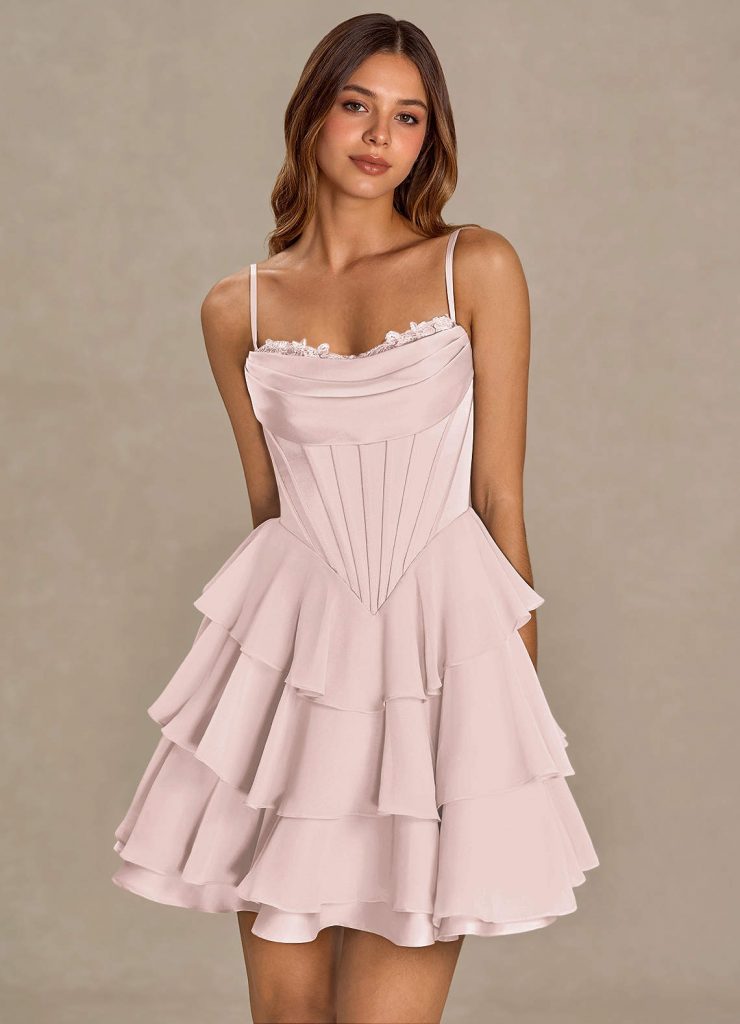
Pastel colors adapt really well to almost every silhouette. The lightness of the color is an advantage — it doesn’t create the visual weight that darker shades do, so even voluminous ball gowns don’t feel heavy.
Long Pastel Prom Dresses
A long pastel gown is one of the few choices that photographs beautifully in basically every venue lighting scenario. The soft color picks up both warm ballroom light and cooler daylight in a way that reads as luminous rather than flat.
Long prom dresses in blush or lavender chiffon move with the color — they create that dreamy quality pastels are known for. Satin in pastel is a completely different energy: more architectural, more modern, but just as striking.
| Azazie’s prom collection spans floor-length chiffon to structured satin across sizes 0–18 — the pastel range includes options in pink, lavender, and soft yellow, worth seeing in full before you decide on length and fabric. |
|---|
Short Pastel Prom Dresses
Short pastel dresses don’t get nearly enough credit. A knee-length blush or periwinkle dress with silver sandals and natural hair — that’s already a complete, polished look. Nothing extra required.
For outdoor or casual prom themes, short pastel works especially well. The color reads even fresher at shorter lengths. Browse mermaid prom dresses and a line prom dress options in pastel for both length directions — they read very differently in soft colors.
How to Choose the Right Fit for Your Body Type
Pastel is one of the more forgiving prom color families for silhouette matching — the lightness of the color doesn’t create harsh contrast in problem areas. But the cut still matters. Here’s the direct version.
| Hourglass Figures | Apple & Pear Shapes |
|---|---|
| Mermaid and trumpet fits follow the natural shape in pastel without looking showy — the lightness of the color keeps it elegant. A-line with a cinched waist is the softer version. Same waist emphasis, more skirt movement. |
A-line with fitted bodice for pear shapes: draws attention upward, skirt floats over the hips. Empire waist for apple shapes. Pastel softness is an advantage here — it doesn’t add visual weight at the hip the way saturated colors can. |
Adding Subtle Sparkle to Your Pastel Dress
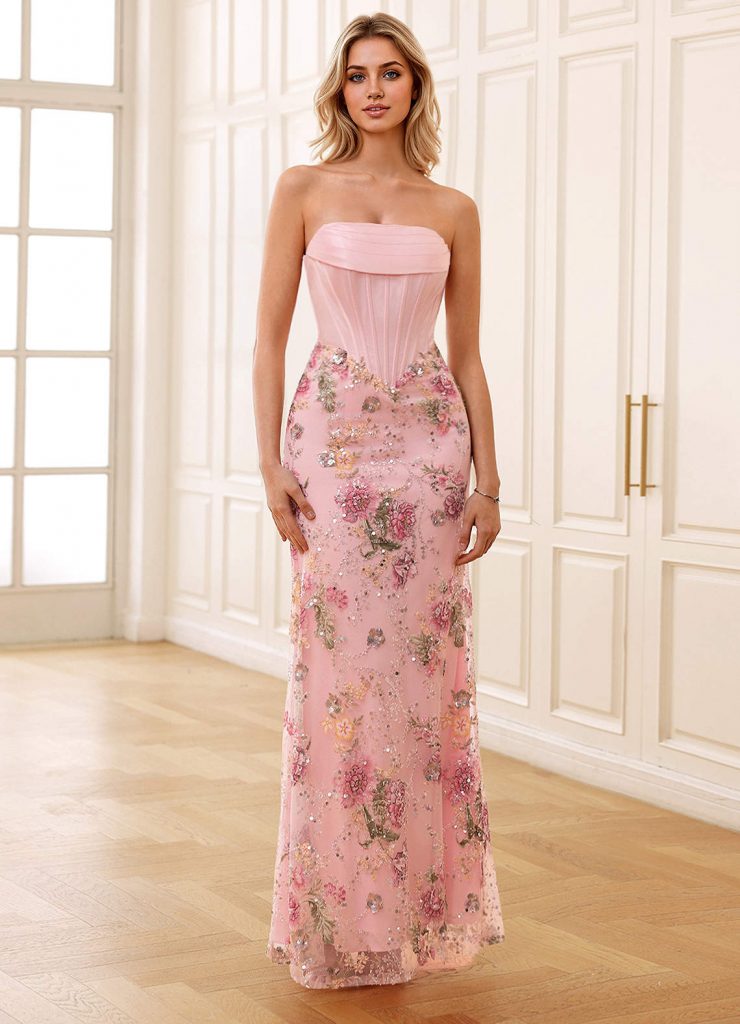
Subtle sparkle on a pastel dress adds an evening-ready quality without competing with the color. Crystal beading on a blush bodice under event lighting looks genuinely ethereal — not overdone at all.
Tonal sequins — ones that match the base color rather than contrasting it — are the most elegant option. They add movement and shimmer without introducing visual noise or altering the color temperature.
Sparkle options from understated to statement:
- Crystal beading at the neckline — frames the face without spreading sparkle everywhere; photographs beautifully
- Tonal sequins across the skirt — catches light as you move, stays in the same color family
- Metallic chiffon or lurex fabric — adds shimmer to the whole dress without heavy embellishment
- Iridescent fabric — shifts color under different lighting; looks especially good in pastel blue or mint
| IMPORTANT RULE Embellished dress = minimal accessories. The sparkle on the dress is your statement. Don’t run statement jewelry at the same time — one or the other. |
|---|
How to Match Pastel to Your Skin Tone
The warm vs cool distinction matters more with pastels than with most other prom colors. A mismatched pastel can make skin look off in a way that a bolder color wouldn’t — the softness means the margin for error is smaller.
Quick guide: check the undertone of the pastel itself, not just the color. A warm pink (peachy base) is a completely different visual against your face than a cool pink (blueish base). The undertone match to your skin determines whether it glows or washes you out.
| Undertone | Best Pastel Shades | What to Avoid |
|---|---|---|
| Cool (pink or rosy) | Periwinkle blue, icy lavender, soft mint, cool lilac | Warm peach or golden yellow — they pull against cool skin |
| Warm (yellow or golden) | Butter yellow, warm blush, peach, dusty mauve | Very icy or blue-tinted pastels — they wash out warmth |
| Neutral | Widest range — blush, lilac, soft blue, sage, all work | Very saturated pastels that read more like full colors |
| Deep complexion | Richer versions: deep blush, saturated lavender, jewel pastel | Very pale near-white pastels that lose contrast against skin |
Conclusion
Pastel prom dresses are harder to mess up than people expect. The color does real work on its own — it’s forgiving for silhouettes, works across more skin tones than most other prom colors, and photographs well for years.
Azazie has 200+ prom dresses in sizes 0–18 with options across the pastel color spectrum — pink, lavender, yellow, and more. Worth exploring the full range before committing to something else.
Frequently Asked Questions
What color shoes should I wear with a pastel prom dress?
Champagne and nude are the two clean answers. Nude heels disappear into the leg line, letting the dress lead. Champagne adds warmth without competing. Silver works with cool pastels — periwinkle, mint, lavender. Gold or rose gold with warm pastels. Don’t go dark — heavy shoes cut the look in half.
How can I accessorize a pastel prom dress without overdoing it?
Delicate and minimal. One piece — earrings or necklace, not both. Pastels are soft enough that heavy accessories next to them look mismatched rather than bold. Pearl drops, or a thin silver chain, are genuine enough. The dress is the statement.
Are pastel prom dresses suitable for all body types?
Yes. Pastels are among the more forgiving prom colors for silhouettes because they don’t create harsh contrast in problem areas. The cut is what matters — A-line is the most universal starting point. Mermaid for hourglass figures—empire waist for apple and pear shapes.
Can I wear a pastel dress to a formal prom event?
Yes, completely. A floor-length pastel gown in satin or chiffon is formal — the cut and fabric make it so, not the color. Soft pink or lavender in the right silhouette is unmistakably prom-appropriate. Nothing about a structured long gown is casual, regardless of the shade.
How do I choose the best pastel dress for my skin tone?
Check your undertone and match the pastel’s temperature to it. Cool undertones: periwinkle, lavender, icy mint. Warm undertones: butter yellow, warm blush, peach. Quick test — hold silver and gold jewelry next to your wrist. Whichever makes your skin look more alive tells you your undertone direction.
What accessories pair well with a pastel prom gown?
Pearl drops, thin silver or gold chains, crystal stud earrings — all work naturally with pastel. One small metallic clutch in matching metal. For a more modern look, a delicate floral hairpiece or a satin ribbon tie at the waist adds polish without weight.
Is light pink a good color for prom?
Light pink is a genuinely good choice. It’s one of the most popular pastel prom colors for a reason — it photographs well, works across a wide range of skin tones, and reads as feminine without being overpowering. Blush specifically is more sophisticated than baby pink and holds up better in photos.
What makeup looks best with a pastel prom dress?
Champagne or light bronze eyeshadow with a peachy or rose lip — that’s the natural match. Keep the base dewy and the brow groomed. For more drama: berry lip, near-bare eyes. Either direction works. Just avoid matte, heavy coverage — pastel colors look better when the skin has some glow.