
White Graduation Dresses with Sleeves:What Actually Works Under a Gown
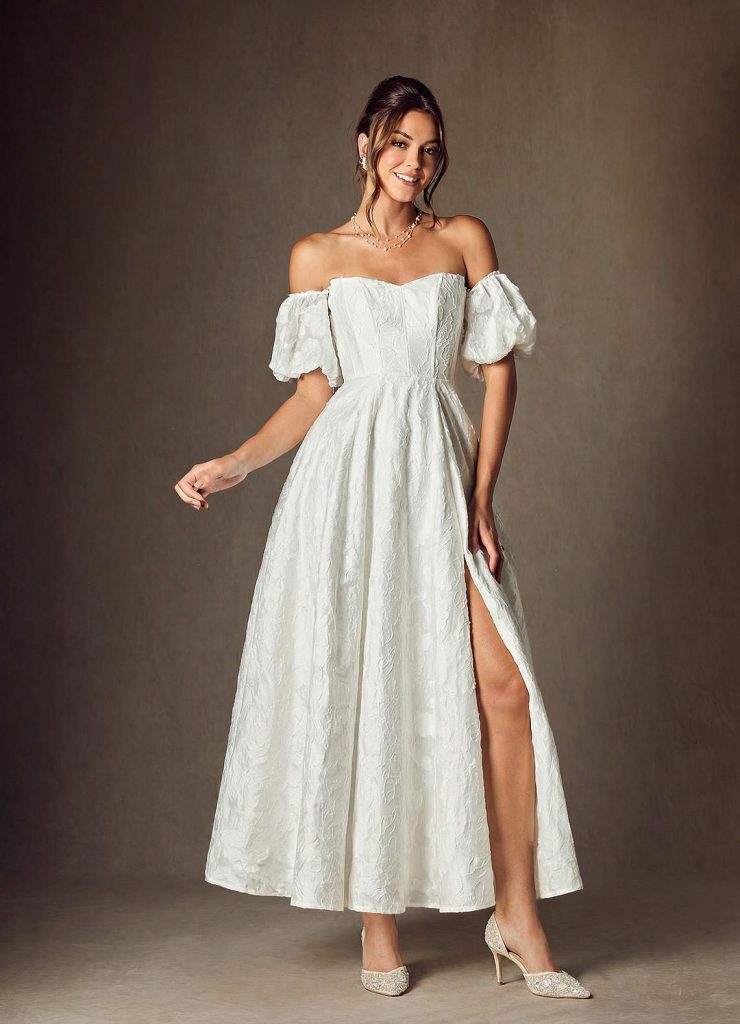
White graduation dresses with sleeves solve a real problem that sleeveless styles can’t: coverage for conservative ceremonies, more polished portraits after the robe comes off, and a finished look that doesn’t depend on the gown to do all the visual work. But sleeves add a variable most grads don’t think to check.
Not all sleeve types behave the same under a graduation robe. Some bunch. Some puff out uncomfortably in the robe’s bell sleeves. Sheer sleeves can appear transparent under stage lighting, just as thin white fabric does. The sleeve is a variable most dress guides skip entirely.
This covers what each sleeve type actually does — during the ceremony, in portraits, and in the heat of an outdoor venue.
Every Sleeve Type — Honest Ratings for Graduation
Here’s the thing nobody puts in a single table: sleeve types perform very differently depending on the gown, the venue, and the photo context. Cap sleeves tuck cleanly. Bishop sleeves do not. Sheer is photogenic but needs a transparency check. Here’s the full picture.
| Sleeve Type | Under Gown | Heat Rating | Photo Impact | Best For |
|---|---|---|---|---|
| Cap Sleeve | ✓ Flat, no bulk | ●●●●○ | ●●●●○ | Most venue types are clean under any roof |
| Sheer / Mesh | ✓ Lies flat | ●●●●● | ●●●●● | Portraits and outdoor sessions — check transparency |
| Lace Sleeve | ✓ Soft, no bulk | ●●●●○ | ●●●●● | Traditional ceremonies, romantic aesthetic |
| Flutter / Puff | ⚠ Can bunch | ●●●●○ | ●●●●● | After the ceremony, only struggles under the robe’s shoulders |
| Long Fitted | ✓ Lies flat | ●●○○○ | ●●●●○ | Cold-weather or religious formal venues |
| 3⁄4 Length | ✓ Usually flat | ●●●○○ | ●●●●○ | Indoor formal ceremonies, mixed weather |
Cap sleeves and sheer sleeves are the two that consistently work under a robe without any issues. Cap because they’re minimal. Sheer because the fabric is soft and flat. Puff and flutter sleeves are beautiful once the robe comes off — they just don’t sit as cleanly inside the robe’s bell opening. Worth knowing before you order.
The Gown Compatibility Problem Most Grads Miss
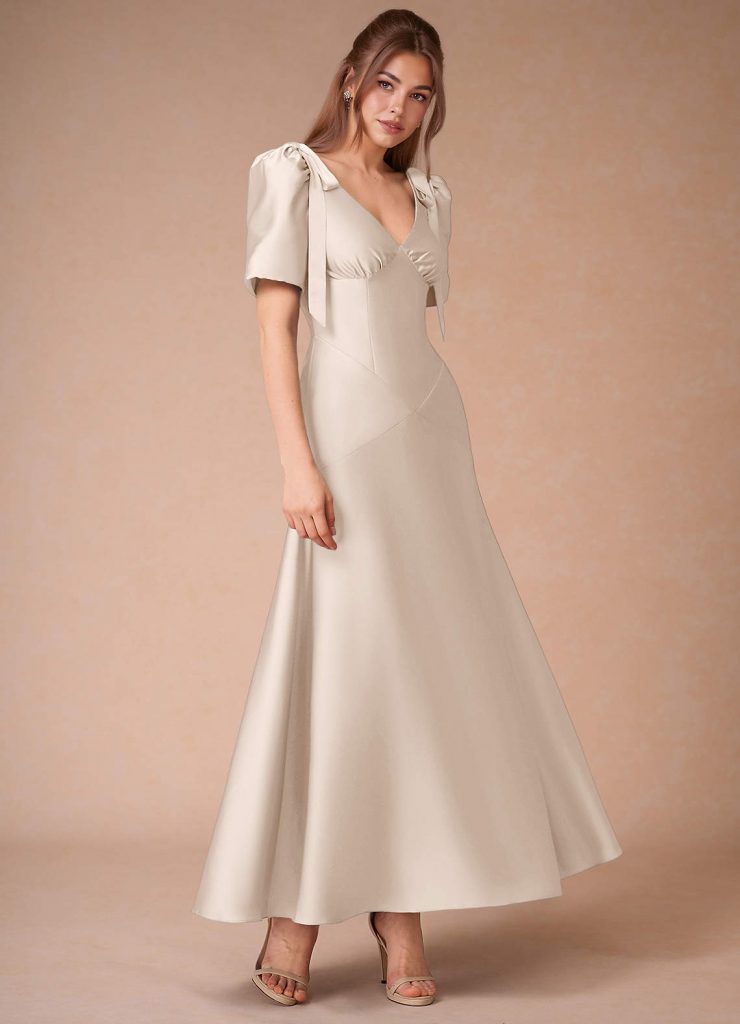
Graduation robes have wide bell sleeves. Most people don’t think about what happens to a dress sleeve inside that bell until they’re wearing both pieces at home the night before. Some sleeve types create visible lumps at the robe’s shoulder. Others sit so naturally you can’t tell there’s anything underneath.
| Cap Sleeve inside robe: Sits flat, completely invisible. The cleanest option for ceremony photos is where the robe is fully closed. |
|---|
| Sheer/ mesh Lining inside the robe: Lies flat, adds no visible bulk. The extra transparency check matters here — stage lighting and outdoor sun both read through thin white mesh. |
| Lace sleeve inside robe: Usually lies flat if the lace is soft and not heavily structured. Watch out for stiff lace with heavy embroidery — it can create a ridge at the robe shoulder seam. |
| Flutter / Puff inside the robe: This is where issues happen. Gathered or puffed fabric at the shoulder creates a visible lump under the robe. You’ll want to decide if that bothers you before the day. |
| Long fitted inside robe: Works cleanly if the sleeve is slim and not heavily structured. Worth doing a full wear test — lifting your arms to shake hands or accept a diploma can pull a tight sleeve uncomfortably. |
The easiest fix for any sleeve compatibility issue: put both pieces on at home, walk around, sit down, stand up, and lift your arms. You’ll find out exactly what happens in about five minutes. Browse modest graduation dresses if sleeved styles are part of a coverage requirement — there are options designed specifically for conservative ceremony settings.
Climate and Ceremony Type — Which Sleeve Makes Sense
This matters more than most guides admit. A long fitted lace sleeve in 85-degree weather at an outdoor stadium graduation is a very different experience from the same sleeve at an air-conditioned indoor university ceremony. Choose the sleeve for the actual conditions, not just the aesthetic.
| ☀️ HOT / OUTDOOR Cap or Sheer Sleeve Maximum breathability under a heavy polyester robe. Sheer adds coverage without trapping heat. |
🏫 INDOOR / A/C Lace or 3⁄4 Sleeve A temperature-controlled setting makes longer coverage practical. Lace adds texture for close-up portraits. |
❄️ COOL / EVENING Long Fitted Sleeve Warmth and elegance. Long fitted sleeves photograph beautifully in formal evening commencement settings. |
|---|
For college graduation dresses in formal indoor settings, a 3/4-length sleeve in crepe or lace is one of the most consistently polished choices. It photographs professionally, stays comfortable in a climate-controlled space, and doesn’t cause issues when worn under a robe.
Sleeved Dress + Gown: What Changes After Ceremony
Here’s an angle worth thinking about. Once the robe comes off for portraits and celebrations, a sleeved dress completely changes the look. The before and after is quite different — and that’s actually one of the underrated appeals of sleeves at graduation.
| DURING THE CEREMONY ▸ Sleeve mostly hidden inside the robe bell ▸ Robe does most of the visual work on stage ▸ Focus is on the hem and neckline, not the sleeve ▸ Flat sleeves keep the robe silhouette clean |
AFTER THE CEREMONY ▸ Full sleeve is visible for the first time in portraits ▸ Adds a polished, finished quality that sleeveless styles lack ▸ Lace and sheer sleeves photograph with elegance in outdoor light ▸ Creates a more formal look for family photos and dinner after |
|---|
| ⚠ SHEER SLEEVE TRANSPARENCY TEST Sheer and mesh sleeves can go transparent under ceremony spotlights and outdoor afternoon sun. Before graduation day, hold your arm up under a bright overhead light while wearing the dress. If the sleeve shows through significantly, it will look different from what you expect on stage. White mesh sleeves especially worth the two-minute check. |
|---|
Silhouettes That Work Best with Sleeved Styles
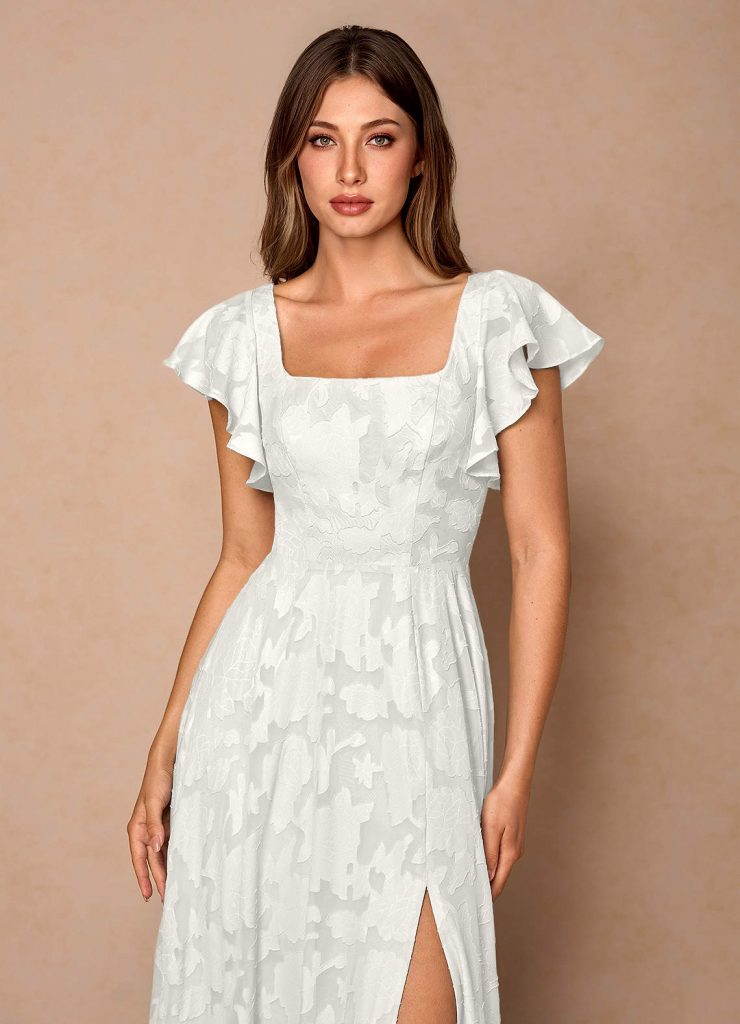
The sleeve affects which silhouette makes sense. A puff sleeve on an A-line reads as romantic and celebratory. The same puff sleeve on a tight sheath feels more formal and couture. Knowing how they interact saves a lot of guesswork.
| Silhouette | Best Sleeve Pairing | Why It Works | Avoid |
|---|---|---|---|
| A-Line [MOST FLEXIBLE] | Cap, sheer, lace, or flutter sleeve | Balanced silhouette takes most sleeve shapes well | Very structured bishop sleeves — too formal |
| Fit-and-Flare [MOST PHOTOGENIC] | Puff, flutter, or cap sleeve | Adds romantic energy to an already photogenic cut | Long fitted sleeves — create an unbalanced proportion |
| Sheath | 3/4 or long fitted sleeve | Elongated, professional aesthetic | Puff or flutter sleeves — fight the sleek silhouette |
| Wrap Midi | Cap or soft lace sleeve | Understated and adjustable | Anything very structured at the shoulder |
An a line white graduation dress with a lace or cap sleeve is probably the most ceremony-versatile combination in this whole category. It works at high school commencements, university ceremonies, and religious formal settings. Not the most specific recommendation, but it’s consistently reliable.
Footwear — What Actually Works with a Sleeved White Dress
There’s been a real shift in what grads are wearing on their feet. Gen Z has specifically moved away from stilettos at graduation for practical reasons: stage stairs, long processional walks, and standing in grass for photos. The footwear decision matters more when you’re in a dress you want to feel good in all day.
| 👠 BLOCK HEEL Best for: Indoor and outdoor ceremonies Stable enough for stage stairs, looks elevated in photos, and works on grass and turf. The most practical choice for most graduation setups. |
👟 WEDGE HEEL Best for: Outdoor grass venues Best for stadium or outdoor quad ceremonies where thin heels sink. Photographs are a heel in portraits, much more comfortable on uneven surfaces. |
|---|---|
| 🦸 KITTEN HEEL Best for: Indoor formal ceremonies Classic and elegant. Adds a touch of height without the stability issues that come with taller heels. Good for religious or very formal settings. |
👞 DRESSY FLAT Best for: Long outdoor ceremonies The Gen Z graduation staple. A pointed-toe or embellished flat photographs, polished, and keeps you comfortable for hours. No shame in this choice. |
| 👟 CLEAN SNEAKER Best for: Casual outdoor ceremonies Becoming more accepted at informal high school and community college graduations. Check your dress code first. A white leather sneaker with a white dress actually photographs cleanly. |
👡 EMBELLISHED MULE Best for: After the ceremony celebrations Too formal for the stage walk, but excellent for photos and dinner after the ceremony. Switch after you’re done with the processional. |
Day-Before Prep — What Specifically Matters for Sleeved Styles
Most of the night-before prep for sleeved dresses is the same as for any graduation dress. There are a few sleeve-specific checks worth adding.
| 1 | Full range-of-motion test — wear the dress and reach both arms forward and up. You’ll shake hands and hold a diploma. Make sure the sleeve doesn’t pull or restrict movement. Long fitted sleeves, especially. |
|---|
| 2 | Transparency check for sheer or mesh sleeves. Bright overhead light, arm raised. Stage lighting and afternoon sun both reveal through white mesh in ways a dressing room won’t. |
|---|
| 3 | Full combination test: dress, shoes, graduation robe. Put the robe on and walk. Check what happens to the sleeve inside the robe’s bell opening. Any bunching or visible lump? Find out now. |
|---|
| 4 | Steam the dress the night before, hang it immediately. Lace and structured sleeves hold creases differently than plain fabric — some wrinkle patterns are more visible in sleeves than in the skirt. |
|---|
| 5 | Check whether the jewelry works with the sleeve. Bracelets on lace can snag. A watch on a sheer sleeve looks different than expected up close in a portrait. |
|---|
If you’re still deciding between sleeve lengths, lace graduation dresses are worth a close look — many include built-in lace or sheer sleeves as part of the design, which removes the guesswork of mixing a separate sleeve length with the dress silhouette.
The Short Version
Cap sleeves and sheer sleeves are the most gown-compatible sleeve options. Lace works well if it’s soft and the dress is properly lined. Puff and flutter sleeves photograph beautifully but struggle inside the robe’s bell opening. Do the full combination test before the day: dress, robe, shoes, and actual stairs.
Azazie has 100+ graduation dresses in white, cream, and soft neutrals with custom sizing. Browse the collection for sleeved styles designed to work at the ceremony, in portraits, and at everything that comes after.
Frequently Asked Questions
Is a white dress appropriate for graduation?
White is the standard for US graduation ceremonies — not always a written rule, but a very strong norm. It photographs well across every lighting condition graduation involves (stage spotlights, outdoor afternoon sun, family flash), works with every gown color, and reads as both formal and celebratory. Check your school’s dress code, but most actively encourage it.
How do you actually look good on graduation day?
Fit does most of the work. A well-fitted dress in the right fabric outperforms a more elaborate dress in the wrong size every time. Steam the dress the night before. Wear shoes you’ve actually walked in.
Keep jewelry minimal — the regalia (cap, tassel, stoles, cords) is already doing a lot in the neckline area. Comfort in how you’re moving matters more than it sounds.
Why do girls wear white dresses on graduation day?
The tradition started as a visual symbol of a new chapter — white as a blank slate, a fresh start. It stuck partly because of symbolism and partly because white photographs better than almost any other color under the specific lighting combination of graduation: stage spotlights, outdoor sun, flash.
The photogenic argument is probably why the tradition survived the decades.
What color dress is best for graduation?
White is dominant by a wide margin, and for practical reasons. It reflects stage lighting rather than absorbing it, doesn’t clash with any gown color, and stays bright in every photo setting.
Ivory and cream are warmer alternatives that many grads find more flattering in outdoor light. Champagne reads well in evening ceremonies. Very saturated or dark colors can fight with the gown in photos.
What should a female wear for graduation?
A white graduation dress — mini, midi, or longer — is the most common choice. Sleeved styles are increasingly popular for the added coverage and polished look they give once the gown is removed.
The dress should be comfortable enough to sit in for two-plus hours, be clean under a robe, and still look good in photos ten years from now.
What not to wear to a graduation ceremony?
Very heavy or bulky sleeves that create visible lumps under the robe. Unlined white fabric that goes transparent under stage lighting. Heavily shiny satin that creates glare in flash photos.
Hemlines that accidentally land in that slightly-longer-than-the-gown awkward zone. Very high stilettos for outdoor ceremonies on grass. And anything so casual — jersey, denim — that it reads as not caring about the occasion.
Should I wear heels to graduation?
Only if you feel stable in them. Stage stairs in unstable heels is a real risk, not a hypothetical one. Block heels and wedges are the practical middle ground — they look like heels in photos, but you can actually walk in them for hours.
If you genuinely prefer flats, a pointed-toe or embellished flat, photographs, polished, alongside a white-sleeved dress.
Can girls wear sneakers to graduation?
It’s happening more, especially at high school and community college graduations. A clean white leather sneaker with a white dress actually photographs coherently — the colors blend rather than contrast.
Check your school’s dress code first, but at most schools, sneakers aren’t explicitly prohibited. What reads as acceptable varies a lot by ceremony type and region.
Why is Gen Z moving away from heels?
Combination of factors — comfort culture, longer ceremonies with more standing, outdoor venues on grass where thin heels sink, and a general fashion shift away from footwear that causes pain. Block heels, platforms, and dressy flats have all gained ground. The practical argument is especially strong for graduation, specifically, where you’re on your feet for several hours.
Do girls wear long or short dresses for graduation?
Both work, and it’s honestly more about the type of ceremony than a general rule. Short dresses are the most popular overall for high school and undergraduate graduation — they stay hidden under the robe and feel more celebratory.
Midi styles are increasingly common at the college and university level because of how elegantly they photograph in post-ceremony portraits. Long styles are less common but not wrong.
What are the alternatives to heels for graduation?
Block heels give you the height without the instability. Wedges are the best choice for outdoor grass or turf venues. Kitten heels offer classic elegance with minimal physical strain.
Embellished flats or pointed-toe flats photograph well and work for long ceremonies. A clean white sneaker if the dress code allows it. The main thing: wear something you’ve actually walked in before the day.