
Which Silhouettes Make Maternity Evening Dresses Most Flattering and Comfortable?
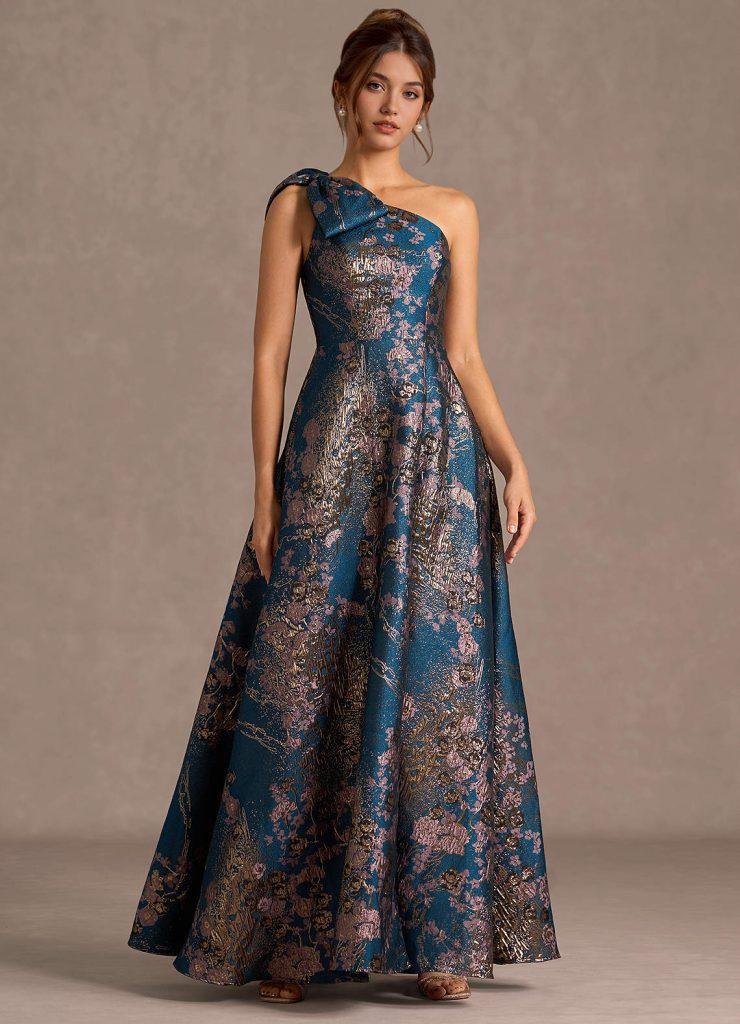
A friend of mine — seven months pregnant, Boston charity gala last April — left the event at 9pm. Not because she was tired. Because the waistline seam of her dress had been digging into the bump since dinner, and she’d spent two hours constantly adjusting. She told me afterward that she’d tried it on standing up at home, thought it fit perfectly, and had no idea the problem existed until she’d been sitting for thirty minutes at the venue.
That’s the specific failure mode with maternity evening dresses. It’s not that the dress looks wrong. It’s that a badly constructed one turns a six-hour formal event into a physical endurance exercise. The problem isn’t visible at the fitting. It shows up at hour two.
The silhouette decision — specifically the construction details of where the seams sit and how the fabric moves — is the one that prevents this. Not the color. Not the embellishment. Where the dress is engineered to accommodate a body that’s actively changing.
| The test that catches most problems before the event: sit in the dress for fifteen minutes in a chair the approximate height of a dining chair. Not five minutes standing in front of a mirror. Fifteen minutes seated. The bump pushes forward when you sit, the waistline shifts, and the lower back loses support — and any construction issue that exists will appear in those fifteen minutes, not while you’re standing upright in a boutique. |
|---|
The Four Silhouettes — What the Construction Actually Does
Empire Waist — The Most Reliable Construction
Empire waist puts the seam at or just below the underbust — completely above the belly. Nothing structural crosses the bump at all. The fabric falls straight from that seam downward, which means there’s no construction element that needs to accommodate growth. In quality chiffon or satin, evening dresses empire waist drape beautifully over a pregnant belly because the weight of the fabric pulls the skirt downward rather than stretching it outward. It skims rather than clings.
I’d call this the safest maternity formal silhouette. Not the most interesting — but the most consistent in terms of comfort across all three trimesters and at any event length. For black-tie specifically: a floor-length empire waist in quality chiffon is one of the most consistently flattering and event-appropriate maternity choices available.
One specific thing to check: the empire seam height. Too high and it pushes upward against the bust. Too low — even by two inches — and it begins to cross the belly. When that happens, you’ve lost the entire structural advantage of the silhouette.
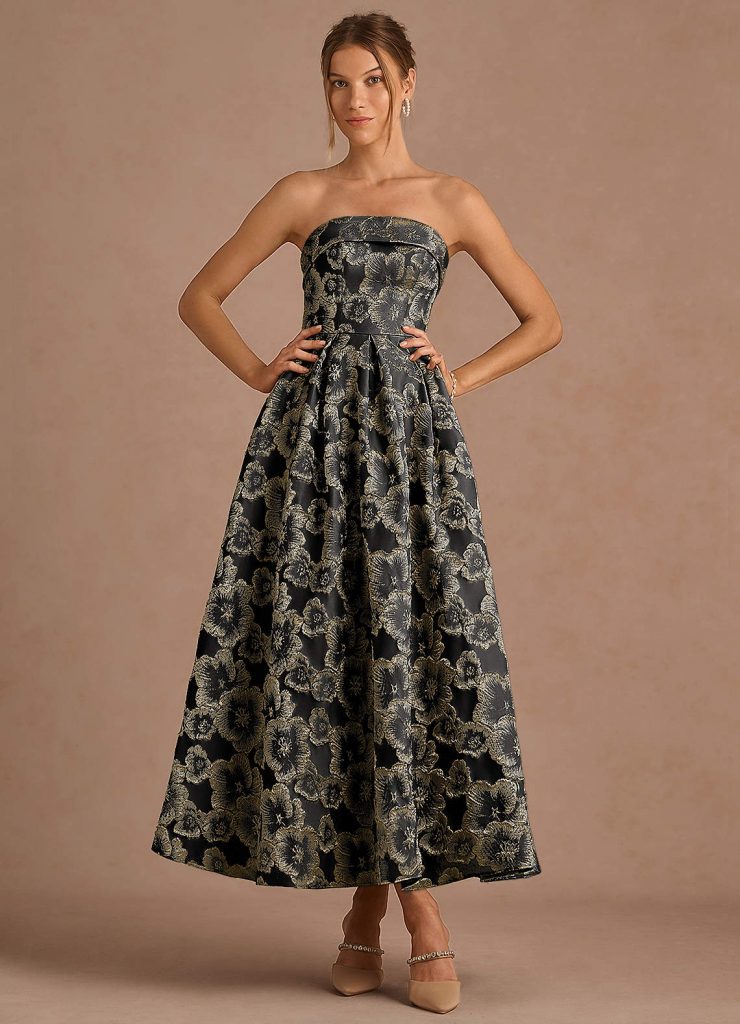
A-Line — Spacious Without Looking Oversized
A-line starts from the bodice and flares outward, which means it creates room for the bump without ever being fitted across the midsection. The structure comes from the bodice, not from a waistline seam. The belly has complete freedom below.
The advantage of A-line over empire waist for some people: it creates a more defined bodice silhouette before the flare begins. Depending on the trimester and the specific event, this can read as more structured and formal. In the first and early second trimester, it doesn’t look oversized or anticipatory — it just reads as a flattering formal dress. By the third trimester, the flare accommodates fully without pulling anywhere.
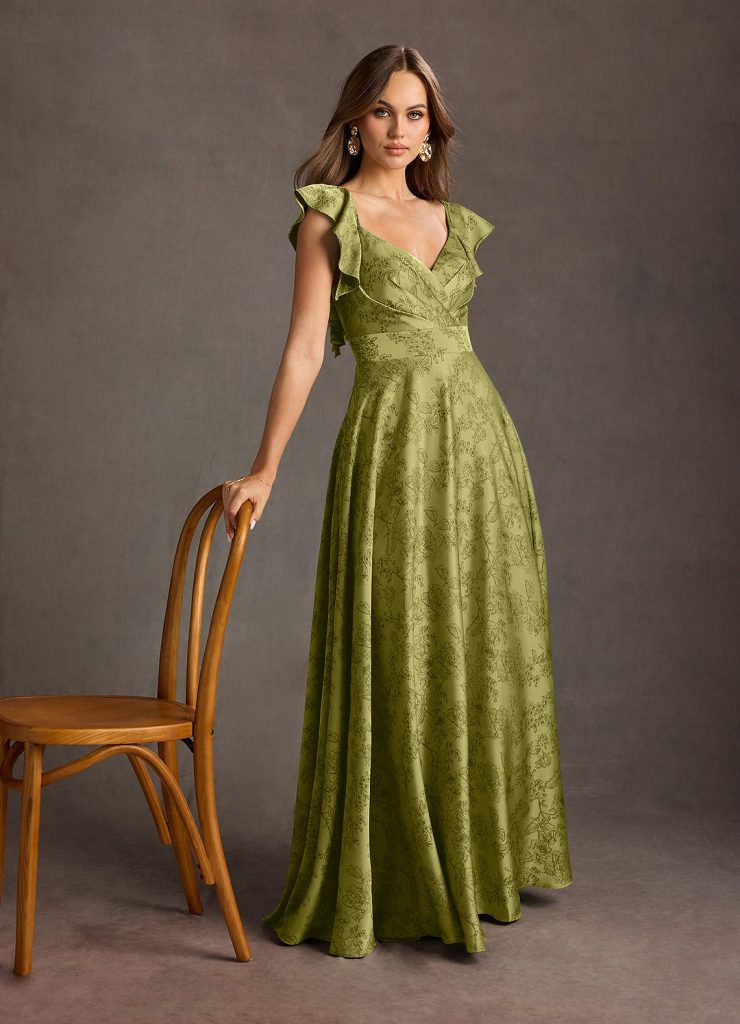
Wrap — The Only Silhouette You Can Actually Adjust
Wrap dresses are the one maternity formal silhouette where you can re-adjust the fit during the event. That sounds minor. For a six-hour formal occasion, it genuinely isn’t. The wrap tie can be loosened slightly after dinner or tightened if the fabric relaxes. No other silhouette offers this.
The V-neckline created by the wrap is also doing real proportional work during pregnancy drawing the eye upward and creating elongation when the lower body is wider than usual. Actually, let me be more specific: the V specifically compensates for the visual weight the bump adds at the center of the frame. It’s not just ‘flattering in a general way.’ It’s doing a specific proportional job.
The practical downside: the tie. Some wrap dresses have a fixed internal belt that prevents the fit from changing during the evening. Others rely entirely on the external wrap. Check which construction you’re getting — the fully external wrap is the one that stays adjustable.
Shift — When You Just Need the Dress to Leave You Alone
Shift dresses hang from the shoulders with zero waistline structure. No seam, tie, or elastic interacts with the belly at any point. If the fabric is quality — heavy crepe, structured lace — it reads as formal and elegant.
| Cheap shift fabrics in maternity silhouettes look exactly like what they are. The difference between a shift dress that reads as sophisticated formal wear and one that reads as oversized and formless is almost entirely the fabric quality and neckline construction. There is no silhouette structure to any visual work in a shift dress — the fabric carries everything. If the fabric isn’t genuinely good, the dress reads as the opposite of what you want. |
|---|
Silhouette Quick Reference
| Silhouette | Comfort | Adjustable? | Best Trimester | Best Formality |
|---|---|---|---|---|
| Empire waist | Highest | No — but no adjustment needed | Any | All levels |
| A-line | Very high | No | Any | All levels |
| Wrap | High | Yes — throughout the evening | 2nd-3rd trimester | Formal/semi |
| Shift | High if quality fabric | No | Any | Semi-formal |
| Fitted/mermaid | Low | No | Early 2nd only | Not recommended |
Construction Details — What to Check Before Buying
Seam Placement — The Most Important Thing Nobody Tells You to Check
Before buying any maternity evening dress, locate every seam that runs horizontally across the body. Waistline seams, boning lines, elastic bands, structural panels. Any of these crossing the belly creates a pressure point that starts as merely uncomfortable and becomes genuinely painful after a long seated dinner.
The empire seam should sit at or just below the natural underbust. Too low and it starts crossing the belly. The test: when you’re wearing the dress, can you slide two fingers between the seam and the widest point of your bump without stretching the fabric? If not, the seam is too low and will be uncomfortable after the first hour of sitting.
Stretch vs. Non-Stretch in Formal Fabrics
Quality jersey and ponte have enough stretch to accommodate a changing bump without reading as obviously stretchy. They look formal when the weight and finish are right. And they allow the dress to grow with the body across the evening rather than feeling progressively tighter as the bump shifts position.
Non-stretch formal fabrics — structured silk, woven satin, brocade — require the dress to be sized for the largest measurement the belly will be at the event. This sounds simple. But a structured formal gown fitted at month seven may look quite different at the shoulder and bust than the same construction would at month four. Custom sizing solves this.
The Side Panel Problem
Some maternity formal dresses use stretch side panels inserted into an otherwise non-stretch fabric. This can work — but only if the panel is large enough. A panel that’s too small creates visible tension lines at the edges, and those lines show in event photographs.
The check: with the dress on, look at the panel edges from both the front and the side. If you can see the fabric pulling at the panel boundaries — even slightly — that tension will be significantly more visible in photos than in person. The panel should extend past the widest point of your expected belly size at the time of the event, with some ease beyond that.
Five Things to Check Before Wearing the Dress to the Actual Event
| 1 | Sit in the dress for fifteen minutes — not five. Most maternity formal dresses feel fine standing. The problems appear when you sit: the belly pushes forward, waistline seams or elastic shifts, and the lower back loses support. Sit in a chair the approximate height of a dining chair. Stand back up. Sit again. If any part of the dress requires adjustment every time you stand, it will require adjustment every time you stand for the entire six-hour event. |
|---|
| 2 | Wear the dress during a full meal before the event. This sounds unusual as advice. It’s also specific and real. Your belly is measurably larger after eating — and if the event includes a seated dinner, you’ll spend several hours in that state. Wear the dress during a regular meal at home before the event. Any constriction that appears after eating will appear during the formal dinner, at an event where leaving to change is not an option. My friend with the Boston gala problem: she had not done this test. |
|---|
| 3 | Check the hemline in your actual event shoes. A hem that grazes the floor beautifully in flat shoes becomes a tripping risk in heels. Test the dress in the exact heel height you plan to wear. For floor-length maternity gowns specifically: center of gravity shifts later in pregnancy, and many women find that lower heels become significantly more comfortable by the third trimester. Have a flat backup in your bag. |
|---|
| 4 | Evaluate the venue temperature against the fabric weight. Pregnancy typically raises baseline body temperature. Hotel ballrooms and formal venues are already warm from the number of guests. A velvet or heavily structured formal gown that feels comfortable at home in November can become genuinely overheating at a crowded gala. If the venue runs warm: chiffon and quality jersey are meaningfully more comfortable than velvet or structured fabrics. Check the venue’s typical temperature before committing to a fabric. |
|---|
| 5 | Confirm the return window and alteration feasibility if ordering online. Maternity bodies change significantly between the second and third trimester. A dress ordered at 24 weeks may fit differently at 30 weeks. Check the return window and whether the specific silhouette can be altered if needed. Empire waist and A-line dresses are generally easier to alter at the bodice than fitted or wrap styles. Custom sizing removes this concern entirely — and for maternity formal wear specifically, it’s the option that causes the fewest problems. |
|---|
By Occasion — What Changes for Maternity Formal Events
Black-Tie Galas and Formal Events
Floor-length empire waist or A-line in quality fabric. Evening dresses floor length in empire construction remain the most formal-appropriate option across all trimester stages. For high-formality events specifically: the length and fabric read the event correctly before any other element is evaluated. The silhouette handles the pregnancy. The rest of the dress handles the dress code.
Evening Weddings and Formal Receptions
Standard guest color rules still apply when pregnant — avoid white and ivory. Empire or A-line in quality chiffon works for both formal evening weddings and afternoon ceremonies. Summer evening dresses with empire silhouettes are particularly appropriate for warm-weather events — lightweight chiffon keeps temperature manageable when the venue has outdoor components.
Long Sleeve Options for Conservative Venues
For church ceremonies or religious venues with coverage requirements: evening long sleeve dresses in empire or A-line construction provide full coverage without adding construction complexity at the bump. The sleeve is the covered element; the silhouette below it still uses the same bump-accommodating construction that makes these silhouettes comfortable.
Closing Thoughts
The dress should be an afterthought by hour three. If you’re still adjusting it at hour two, something in the construction isn’t right — and that’s information that’s very difficult to act on once you’re at the event.
Empire waist. A-line. Wrap if you want adjustability. Quality fabric regardless of which silhouette. The same fifteen-minute sit test before you commit to any of them. The full evening dress collection includes empire waist, A-line, and wrap options in formal fabrics across all sizing, with custom sizing available for the fit precision that maternity formal wear requires.
Frequently Asked Questions
Which silhouette is most comfortable for maternity formal wear?
Empire waist and A-line, consistently across all trimesters. Empire waist places the seam above the belly entirely; A-line flares from the bodice without fitting across the midsection at any point. Both avoid the waistline construction that creates pressure points during long seated events. Wrap dresses are the third option — less reliable across all trimesters, but the only silhouette you can adjust mid-evening.
Can I wear a non-maternity evening dress when pregnant?
Sometimes, particularly in early pregnancy or with styles that have natural ease. Empire-waist and wrap dresses from standard collections often work through the second trimester if sized to the bump rather than the pre-pregnancy measurements. By the third trimester, most non-maternity formal cuts don’t have enough ease in the right places — the shoulder and bust may fit while the midsection pulls. Maternity-specific construction accounts for where the stretch and ease need to be; standard sizing doesn’t.
What fabric works best for a maternity evening gown?
Quality jersey and ponte for flexibility and temperature management. Chiffon for cooler, lighter options at warmer venues. Heavy satin and velvet for high-formality winter events where temperature is less of a concern. The fabric quality matters more for maternity formal wear than for non-maternity: under event lighting, cheap stretch fabrics read as cheap stretch fabrics. The construction has to work with quality material.
What length works best for maternity formal evening wear?
Floor-length for black-tie events. Midi or knee-length for cocktail and semi-formal. For floor-length: test the hemline with the exact heel height you’ll wear, with the specific surface type of your venue in mind. Center of gravity shifts during pregnancy, and what feels safe standing still on your living room floor can feel different on polished marble stairs.
Do I need maternity-specific sizing, or can I size up?
Sizing up in a standard dress works for some silhouettes — particularly empire waist and shift styles — but creates fit issues at the bodice and shoulders. Maternity-specific sizing accounts for the proportional difference between the bump and the bust. For formal events where the dress has to look precisely fitted rather than roomy: maternity sizing or custom sizing is strongly recommended. The alternative is an evening spent in a dress that fits one part of you and doesn’t fit the other.
Can the same maternity dress work for a gala and a less formal event?
An empire waist or A-line in quality chiffon can function for both — the formality reads from the fabric and the hemline, not the silhouette. Floor-length in luxurious fabric for a gala. The same silhouette in a shorter length or lighter fabric for a less formal event. The silhouette does the same work in both contexts.