
What to Look for in Graduation Dresses to Wear Under the Gown
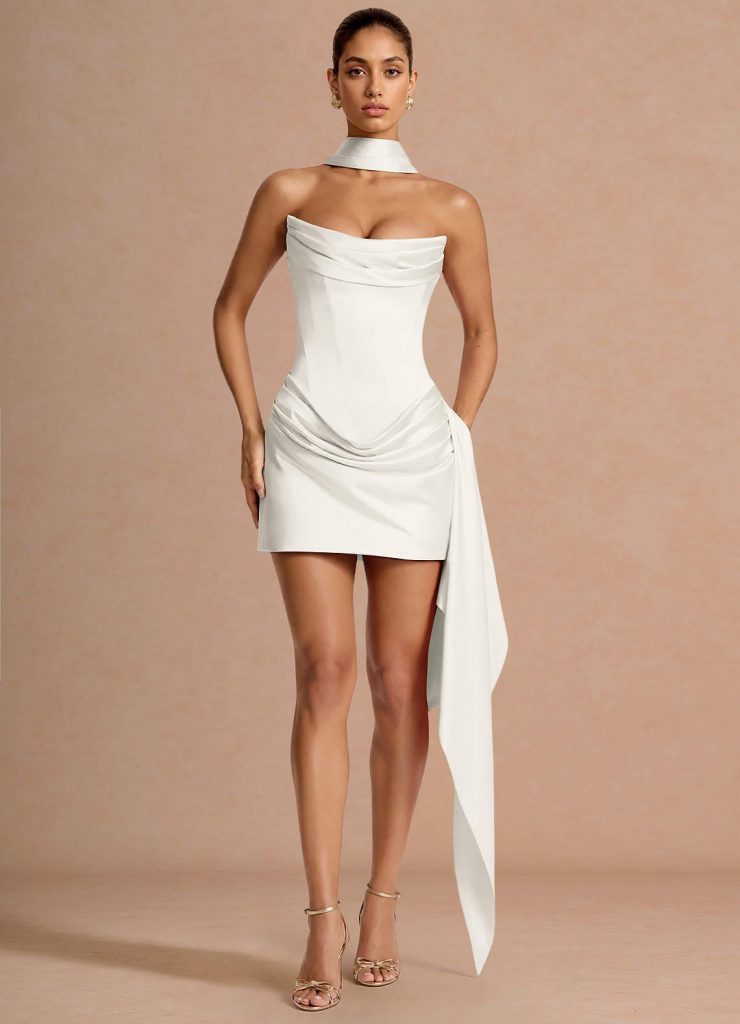
Most graduation dress guides spend all their time on how the dress looks after the ceremony. Nobody really talks about what happens during it — the two hours under a polyester robe in a warm gymnasium or stadium, where the dress choice either works quietly in the background or causes problems that show up in stage photos and personal discomfort.
The robe changes everything. It covers about 80% of what you’re wearing. What actually shows: the neckline above the gown collar, a strip of dress at the bottom, and whatever bulges through the thin synthetic robe fabric when you sit and stand. So the dress-under-gown decision is mostly about fabric, silhouette, and hem length — and very little about how elaborate or interesting the dress looks.
Browse graduation dresses to wear under the gown — 100+ styles in white, cream, and soft neutrals designed for ceremony comfort and photo readiness.
Why the Right Dress Under the Gown Matters More Than Most People Plan For
Graduation gowns are thin. Usually single-layer synthetic polyester, sometimes with a slightly heavier velvet trim around the collar or sleeves. They cling. They crinkle. And anything structural in the dress underneath shows through — a stiff bow at the back, a layered ruffle hem, a very slippery satin that shifts when you walk.
You might notice that the most polished graduation portraits always feature the simplest dresses. Not the most interesting or elaborate — the simplest. That’s because the dress-under-gown job is to support the regalia, not compete with it. The stoles, honor cords, and academic hood are the visual focal points of a commencement portrait. The dress is there to hold the ceremony together from underneath without asking for any attention.
The practical failures that show up in ceremony photos: back bows creating a visible lump through the gown. Tiered ruffle hems bunch at the bottom, distorting the stage silhouette. Slippery satin that shifts the robe sideways, misaligning the hood. Unlined white fabric that becomes transparent under stage spotlights in a way that wasn’t visible in any fitting room. These aren’t hypothetical problems — they show up in graduation photos every year.
| Silhouette | Fabric | Length | Neckline |
|---|---|---|---|
| A-line or fitted sheath No large back bows or bulk Smooth from shoulder to hem Nothing is pushing the gown out |
Breathable — not thick polyester Not slippery (gown slides) Wrinkle-resistant Lace works when fully lined |
At or shorter than the gown hem Mini: fully hidden, great reveal Midi: most balanced for photos Floor: formal only — test stairs |
V-neck or scoop — most photogenic Frames face in close-up portraits Doesn’t fight hood or stole High neck creates a stage pop |
Best Lengths for Graduation Dresses to Wear Under the Gown
Length is the one decision that’s visible in every single stage photo — and it’s binary. Either the dress hem looks intentional relative to the gown, or it doesn’t. Wrong hem relationships are the most common fixable problem in graduation photos.
Mini — Fully Hidden, Best Reveal
A white mini dress graduation style, stays completely inside the gown during the ceremony. Clean stage silhouette. No accidental hem. Easy to move in. The payoff is after — once the robe comes off for family photos, you have a fun, youthful look that didn’t require any planning or change. High school gymnasiums and warm outdoor venues are where mini performs best because breathability is genuinely more important than formal length.
Midi — The Sweet Spot
A white midi graduation dress sits at mid-calf — typically right at or slightly above the graduation gown hem. That strip of white at the bottom looks intentional rather than accidental. For college ceremonies, midi is the default recommendation across virtually every graduation style guide. It transitions naturally to dinner without a change.
Long Dress Under Graduation Gown — When It Works
A graduation long white dress can look genuinely elegant for formal university commencements with heavier gowns. A slim column or A-line silhouette in lightweight fabric is the safest choice. The rule most people discover too late: the dress hem should not extend past the gown hem in a way that looks uneven or creates a tripping risk on stage stairs. Many universities note this in their what to wear under a graduation gown guidance — test the full combination on real stairs before the day, not in front of a mirror.
| Length | How It Sits | Best For | |
|---|---|---|---|
| MINI | Short / knee | Hidden inside the gown — cleanest stage look | High school, warm venues, outdoor ceremonies |
| MIDI ⭐ Best |
Mid-calf | Visible at the gown hem — intentional and polished | College ceremonies, all photo types, dinner after |
| FLOOR | Floor-length | Elegant when slim — not when bunchy | Formal university commencements, outdoor portraits |
| ! | Floor-Length Reminder If wearing a long dress to wear under the gown, walk up and down real stairs in the full combination with ceremony shoes. A hem that catches mid-stride on stage is a very public problem. Do this at home the week before — not backstage the morning of. |
|---|
Dress Styles That Sit Smoothly Under the Gown
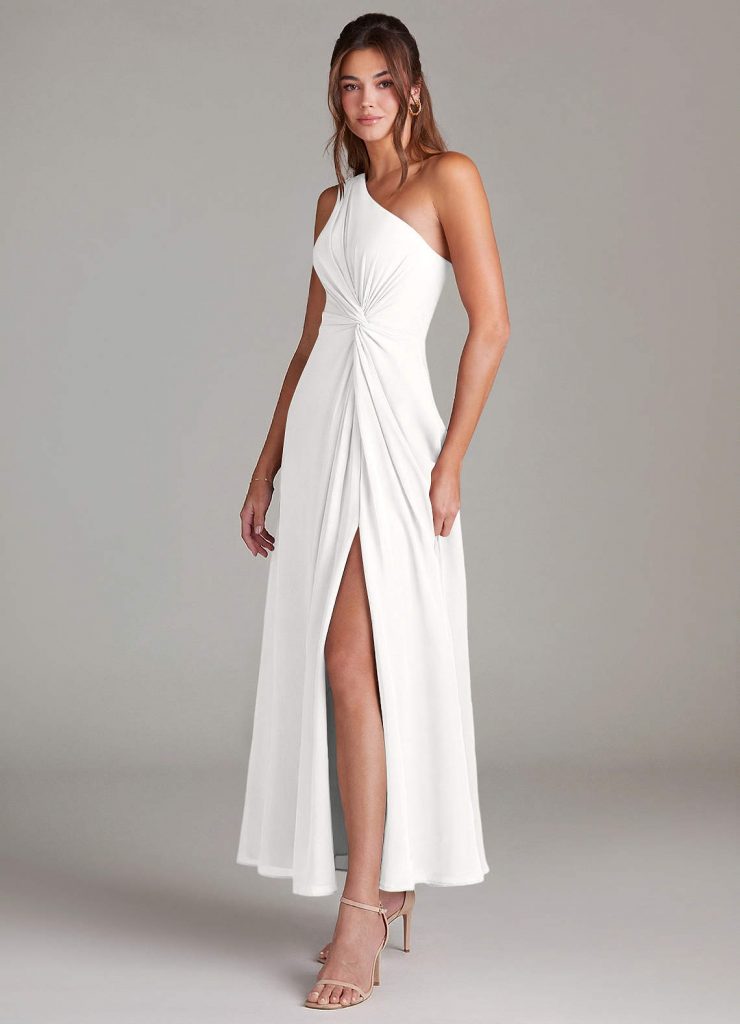
Not every dress silhouette is gown-friendly. Some create problems that are very visible in ceremony photos. Here’s what actually works and why.
A-Line — Most Reliable
An a line white graduation dress is the safest under-gown silhouette. Fitted at the waist, gentle flare toward the hem — the shape creates waist definition without adding shoulder bulk where the gown sits heaviest. The flared skirt flows naturally under the robe rather than bunching. As noted in graduation ceremony attire guidelines at major universities, clean, non-voluminous silhouettes are consistently recommended for ceremony wear.
Fitted Sheath — Cleanest Silhouette
A fitted sheath sits close to the body — the gown drapes over it without being pushed out in unexpected places. In ceremony photos, fitted styles look the most streamlined. One practical check: some give in the fabric. A zero-stretch sheath can be genuinely restrictive after an hour in a folding chair. The gown sits on top, adding pressure, so fabric elasticity matters more than it would for a dress worn without a layer.
Lace — Texture and Breathability
A lace graduation dress is a genuinely strong pick for under-gown wear. Lace is inherently lightweight, the open weave breathes well, and it holds its shape through hours of sitting without becoming a wrinkled mess. Lining is non-negotiable — unlined lace under stage lighting creates a transparency problem that isn’t visible in any fitting room. Properly lined lace photographs with warmth and depth that plain fabric doesn’t replicate.
What Doesn’t Work
Large back bows create a visible lump through the gown. Tiered ruffles or layered hems bunch at the bottom, distorting silhouettes in stage photos. Very slippery satin shifts under the robe, misaligning caps, hoods, and stoles. Heavy velvet or thick fabrics trap heat beneath an already insulating polyester robe. The simpler the dress construction, the better it behaves under a gown — that’s just how it works.
Fabric Choices — Including Winter Graduation Dresses to Wear Under the Gown
Most graduation dress content focuses on spring. But winter commencement is common — December and January ceremonies at universities are their own context with their own fabric requirements.
Warm Weather — Breathability First
Chiffon, cotton blends, and lightweight matte crepe are the most practical choices for spring and summer. They breathe under the gown, don’t trap heat, and don’t create the sauna effect that heavy synthetics do in a packed auditorium. If the fabric already feels slightly warm in a fitting room, it’s going to feel considerably worse under a graduation robe in late May. That’s just physics.
Winter Graduation Dresses to Wear Under the Gown
Winter commencement requires a different approach. A thin knit or structured crepe provides warmth without the bulk that makes the gown sit awkwardly. A lightweight blazer or cropped cardigan layered over the dress for the walk to the venue can be draped over the chair during the ceremony. The balance to find for winter: enough warmth to be comfortable from the parking lot to the seat, without adding so much volume under the robe that the silhouette reads as lumpy.
| Fabric | Why It Works (or Doesn’t) | |
|---|---|---|
| 1 | Chiffon | Breathes well under the robe, doesn’t trap heat, drapes naturally. Top pick for warm ceremonies. |
| 2 | Matte Crepe | Wrinkle-resistant and structured. Holds shape through a long ceremony without sagging. Good year-round. |
| 3 | Cotton Blend | Breathable, natural, and comfortable for outdoor settings. Less formal than crepe but very practical. |
| 4 | Lace (Lined) | Lightweight open weave, breathes well, holds shape. Must be fully lined — unlined lace is transparent under stage lights. |
| 5 | Thin Knit (Winter) | Best for winter ceremonies. Provides warmth without visible bulk under the gown. Layer a jacket for arrival. |
| ✗ | Velvet / Shiny Satin | Velvet traps heat; shiny satin creates flash glare in photos. Both sit awkwardly under a graduation robe. |
What Neckline to Wear Under a Graduation Gown
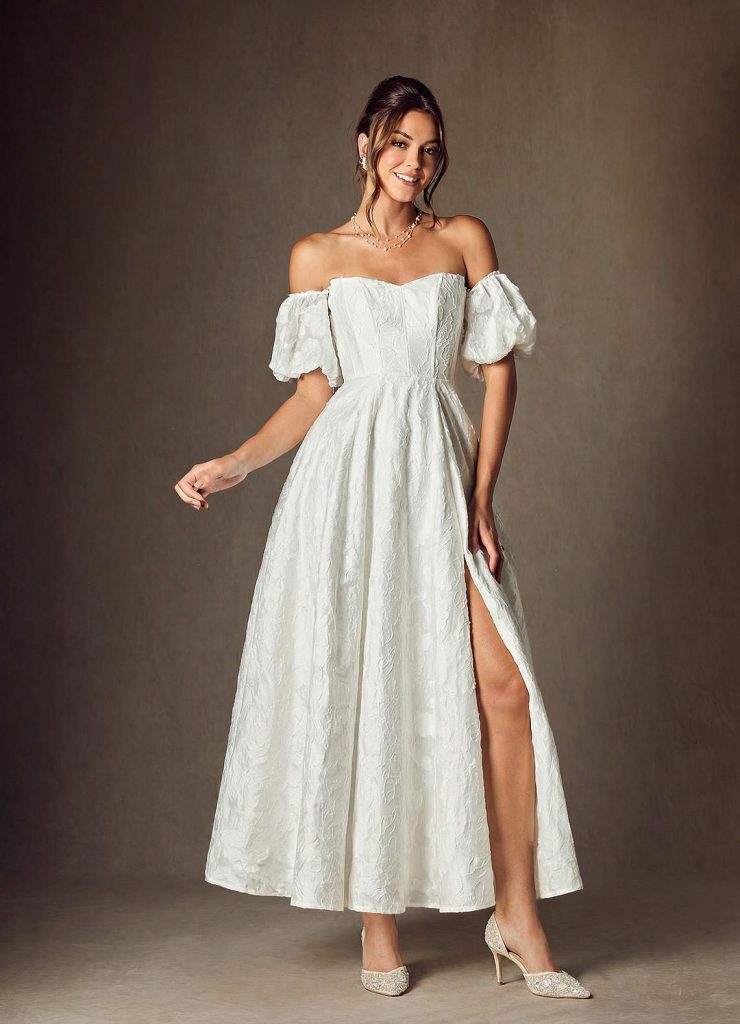
The neckline is visible throughout the ceremony — above the gown collar, in every close-up cap-and-gown portrait, and in every photo where the stoles and honor cords are the focal point. It’s a small detail with an outsized impact on how the final photos look.
V-Neck and Scoop — Most Photogenic
V-neck and scoop necklines are the most consistently recommended for graduation portraits. The V-shape mirrors the natural opening of the graduation gown and elongates the neckline in close-up shots. The scoop is equally clean — it frames the face without competing with the cap, stole, or cords. Both allow regalia to sit flat against the chest without any neckline detail interfering.
Square Neck — Modern and Clean
Square necklines photograph with precision and clarity. The structured horizontal line creates a clear visual frame that works well with the vertical elements of graduation regalia — cords and stoles hang straight and look deliberately composed against a square neckline.
High Necklines — For a Stage Pop
A high neck or mock neck creates a visible style moment when the neckline peeks above the gown’s collar. For graduates who want their dress to make a statement above the gown line, this is how. It reads cleanly at ceremony distance. Just make sure it doesn’t interfere with any graduation hood or stole — some graduation ceremony etiquette guidance notes that collar details should not obstruct hood placement.
What to Avoid
Turtlenecks can create pressure against a graduation hood. Heavy ruffle or bow necklines compete visually with the stoles and cords in close-up portraits. Dramatic asymmetrical necklines can shift and look uneven under the gown. The consistent principle: neckline should be clean enough that the regalia — not the dress — is the focal point.
Graduation Dress Under Gown — Do’s and Don’ts
| ✓ DO | ✗ DON’T |
|---|---|
| ✓ Test the full combination: dress + gown + shoes at home first | ✗ Wear an untested combination on stage for the first time |
| ✓ Choose white or cream — works under any gown color | ✗ Wear dark colors under a light or white graduation gown |
| ✓ Pick breathable fabric — the gown adds a full extra heat layer | ✗ Choose heavy velvet, thick brocade, or unbreathable synthetic |
| ✓ Keep the neckline simple so the regalia sits flat and photographs clean | ✗ Wear a neckline with bows, ruffles, or hardware near the gown collar |
| ✓ Steam both dress and gown the night before — cameras catch wrinkles | ✗ Leave wrinkled fabric for photo day |
| ✓ Keep the dress hem at or shorter than the gown hem | ✗ Wear a dress that peeks below the gown unevenly |
5-Step Pre-Ceremony Check for Graduation Dresses to Wear Under the Gown
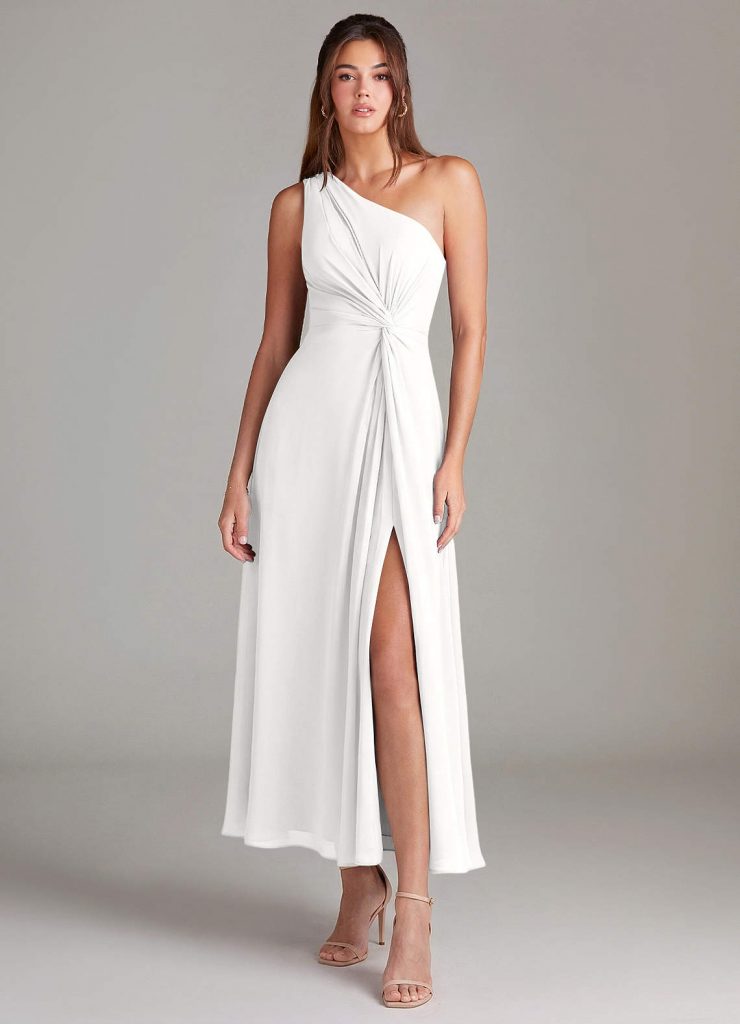
| Check | What You’re Looking For | |
|---|---|---|
| 1 | Transparency Test | Hold the dress in direct, bright light — a window or an overhead lamp. Stage lighting is more intense than any fitting room. Check for see-through before the day. |
| 2 | Full Gown-On Test | Put on the dress, add the gown, and zip or close it. Check for shoulder or back bulk. Sit and stand twice quickly. |
| 3 | Stairs Test | Walk up and down real stairs in the full combination with ceremony shoes. Non-negotiable for floor-length styles. |
| 4 | Sit Comfort Test | Sit for 10 minutes in the full outfit. Does it ride up? Pull? Restrict? Graduation ceremonies involve extended sitting. |
| 5 | Steam Both Pieces | Steam dress and gown the night before — set the polyester gown to low heat. Cameras catch wrinkles in photos more than expected. |
| ✓ | Day-Of Checklist Seamless nude undergarments · Safety pins packed · Lint roller for dark gowns · Comfortable broken-in shoes · Both pieces steamed the night before · Hem tested with actual gown |
|---|
The Short Version
Graduation dresses worn under the gown work best when they support the robe rather than compete with it. Simple silhouette. Breathable fabric. Correct hem length. Clean neckline. Proper lining. White or cream handles every gown color. Midi is the most consistently reliable length across all ceremony types. A-line or sheath sits flattest. Test everything together before the day.
Azazie has 70+ graduation dresses in white, cream, and soft neutrals with custom sizing — so the hem lands exactly where you need it relative to your specific gown length.
Frequently Asked Questions
What do people wear underneath graduation gowns?
Semi-formal attire — most commonly a white graduation dress, a lightweight jumpsuit, or dress slacks and a blouse. Simple silhouettes that sit flat under the robe are the most common choice for women. White graduation dresses are by far the most popular because they work with any gown color and photograph cleanly. Per guidance from universities on what to wear under a graduation gown, comfort and a non-bulky silhouette are consistently prioritized over fashion complexity.
Is it okay to wear a long dress under a graduation gown?
Yes, carefully. A long dress works well for formal university commencements where gowns are heavier. A slim column or A-line silhouette in lightweight fabric is safest, not a full skirt maxi. The dress should not extend past the gown hem in a way that looks uneven or creates a trip hazard on stage stairs. That last part isn’t hypothetical — it happens. Test the full combination on real stairs before the ceremony.
What should you wear under a gown?
A breathable, structured dress with a clean neckline, in white or cream, at midi or mini length. Avoid heavy fabrics, large back details, and very slippery materials. The dress should sit flat under the robe without creating visible lumps or bulk. The neckline should allow graduation regalia — stoles, cords, hood — to sit flat against the chest in photos. Universities, including major institutions, consistently recommend this approach in their commencement attire guidance.
Why wear white under a graduation gown?
White graduation dresses worn under the gown are traditional because they photograph well in any lighting and won’t bleed through or show under lighter-colored robes the way dark colors can. White also works with any gown color — dark navy, black, maroon, royal blue — without any coordination. The symbolic angle (new beginnings, fresh start) is real. Still, the practical reason for photography is probably why it stuck as the dominant choice across so many different schools and ceremony types.
What neckline to wear under a graduation gown?
V-necks, scoop necks, and square necklines are the most consistent choices. They sit cleanly beneath the gown collar, frame the face well in close-up portraits, and allow stoles and honor cords to lie flat. Avoid ornate necklines with bows, ruffles, or heavy hardware that compete visually with the regalia. The neckline is one of the few dress details that’s consistently visible throughout the ceremony — it’s worth getting right.
Do people wear short or long dresses for graduation?
Both. Mini stays fully hidden under the gown during the ceremony — cleanest stage silhouette — and appears after as a celebration dress. Midi is most popular for college and university graduation because it’s visible at the gown hem and polished in portraits. Long dresses work for formal commencements when the silhouette is slim and the fabric is lightweight. The choice depends on the ceremony setting and how much formality the occasion calls for.
Do you wear a full suit under a graduation gown?
Some graduates do, particularly for professional or doctoral commencements. In practice, a full suit jacket worn under a polyester graduation robe can run uncomfortably warm during an extended ceremony. Most women find a dress significantly more comfortable. If a suit appeals to you stylistically, a structured blouse with tailored trousers — without the jacket during the ceremony — is a more practical version of the same formal look.
What fabrics are best for graduation dresses under the gown?
Chiffon, matte crepe, cotton blends, and properly lined lace are the most reliable for warm-weather ceremonies. For winter graduation dresses to wear under the gown, thin knit or structured crepe provides warmth without bulk. Heavy velvet traps heat, shiny satin creates flash glare in photos, and unlined white fabric becomes transparent under stage lighting. If it breathes and holds its shape, it works. If it traps heat or shifts under a second layer, it doesn’t.