
What Does Formal Attire Mean for a Wedding Guest?
You open a wedding invitation and see one word under the dress code: formal. It sounds straightforward—until you start wondering what “formal” actually means. Do you need a floor-length gown? Is a midi dress dressy enough? And how different is formal attire from black tie?
Formal wedding attire falls on the dressier end of the wedding guest spectrum, but it usually offers more flexibility than black tie. The goal is to look polished, elevated, and appropriate for the setting without feeling like you are dressing for a red-carpet event.
For women, that can mean anything from an elegant midi dress to a sophisticated maxi or floor-length gown. If you’re ready to start shopping, explore Azazie’s formal wedding guest dresses for styles suited to different venues, seasons, and levels of formality.
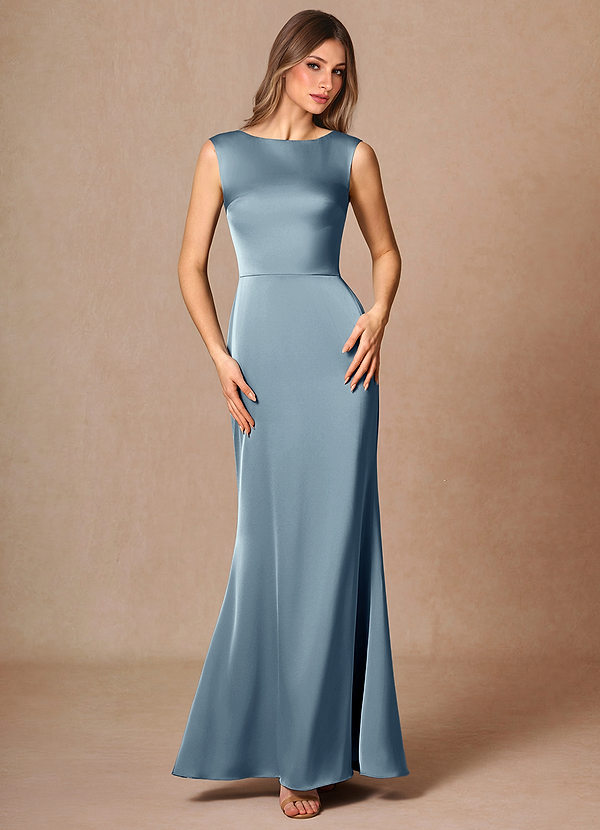
How Formal Is a Formal Wedding?
A formal wedding sits between semi-formal or cocktail attire and traditional black tie.
Think of the dress-code spectrum roughly like this:
Black Tie
Floor-length evening gowns and the most elevated styling.
Formal / Black-Tie Optional
Elegant midi, maxi, or floor-length dresses in refined fabrics.
Semi-Formal
Polished midi, knee-length, or relaxed maxi dresses with more flexibility in color and styling.
Cocktail
Dressy but party-forward, often with midi or shorter hemlines.
Formal attire should therefore feel noticeably more polished than something you would wear to a casual dinner or daytime party, but it does not automatically require the full-length evening gown expected at many black-tie weddings.
The invitation can also give you extra clues. Wording such as “formal attire,” “formal evening attire,” or “black-tie optional” generally calls for a more elevated look, while “garden formal” or “daytime formal” may leave more room for softer colors, lighter fabrics, and midi lengths.
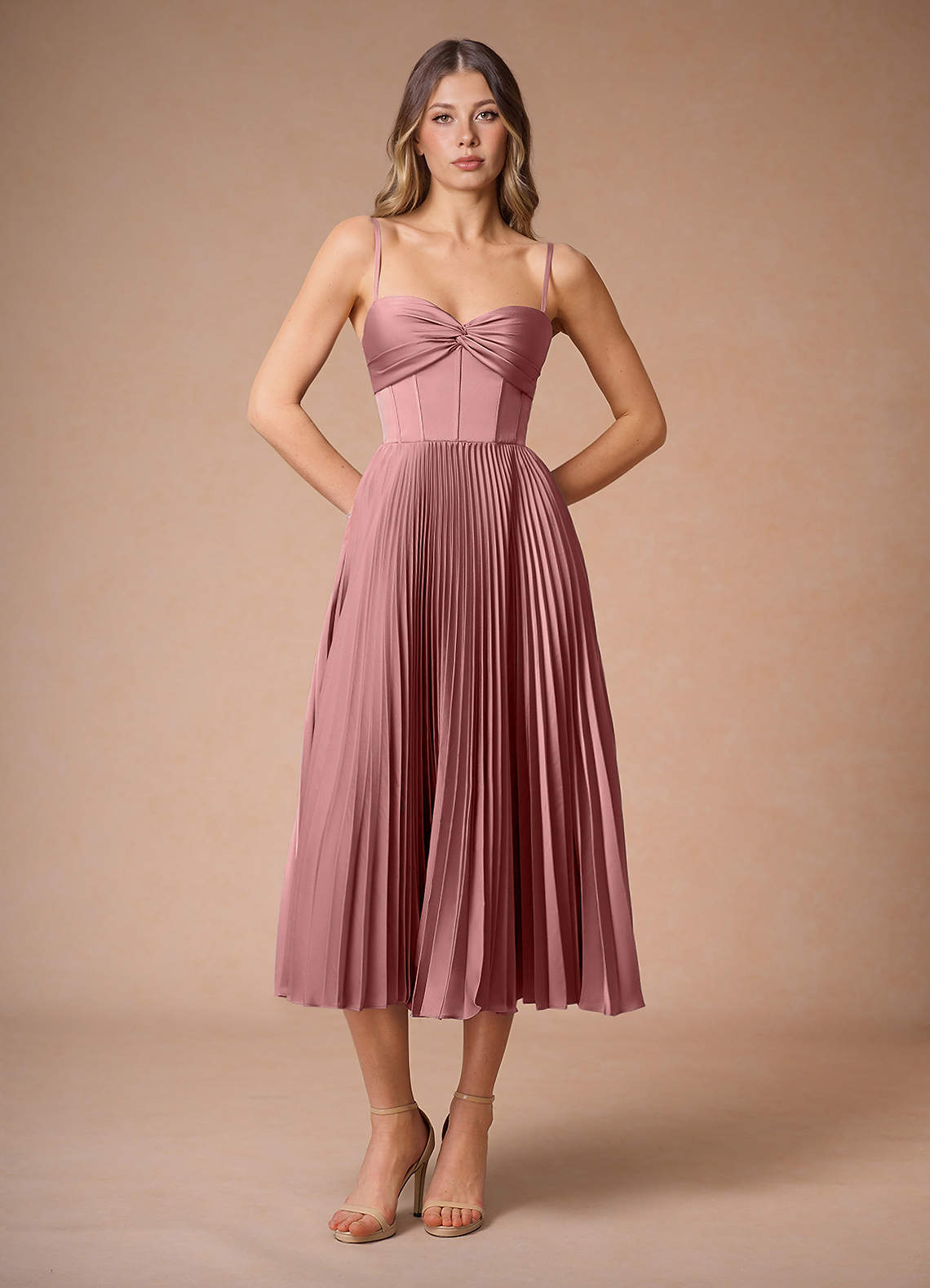
Can You Wear a Midi Dress to a Formal Wedding?
Yes. A midi dress can absolutely work for a formal wedding.
The key is to look at the entire dress rather than the hemline alone. A midi dress in satin, crepe, chiffon, or another refined fabric can feel just as occasion-appropriate as a longer gown, especially when paired with an elegant silhouette and polished accessories.
For a formal wedding, look for midi dresses with details such as:
- Structured or draped silhouettes
- Satin, chiffon, crepe, lace, or velvet
- One-shoulder, off-the-shoulder, halter, or refined V-neck designs
- Pleating or subtle embellishment
- Rich solid colors or sophisticated prints
A midi dress is particularly suitable for a daytime formal wedding, a sophisticated restaurant reception, an estate wedding, or an event where the dress code is formal but not black tie.
For a very traditional evening wedding at a ballroom or luxury hotel, however, a longer silhouette may feel more appropriate.
Do You Have to Wear a Maxi Dress to a Formal Wedding?
No. A maxi dress is a popular and reliable choice for formal weddings, but it is not a requirement.
Maxi and floor-length dresses naturally create an elevated look, which makes them especially useful if you are unsure how formal the event will be. They work particularly well for evening ceremonies, upscale venues, and formal fall or winter weddings.
That said, the dress code is about the overall level of polish—not simply dress length.
A sophisticated midi dress can be more formal than a very casual maxi dress. For example, a structured satin midi may feel more appropriate for an upscale wedding than a lightweight jersey maxi designed for everyday wear.
When deciding between midi and maxi, consider:
The venue: Ballrooms, historic estates, luxury hotels, and country clubs often lean more formal.
The time: Evening weddings generally call for more elevated styling than daytime celebrations.
The fabric: Satin, velvet, crepe, and refined chiffon tend to feel more formal than casual cotton or jersey.
The silhouette: Clean tailoring, elegant draping, and structured shapes can increase the level of formality.
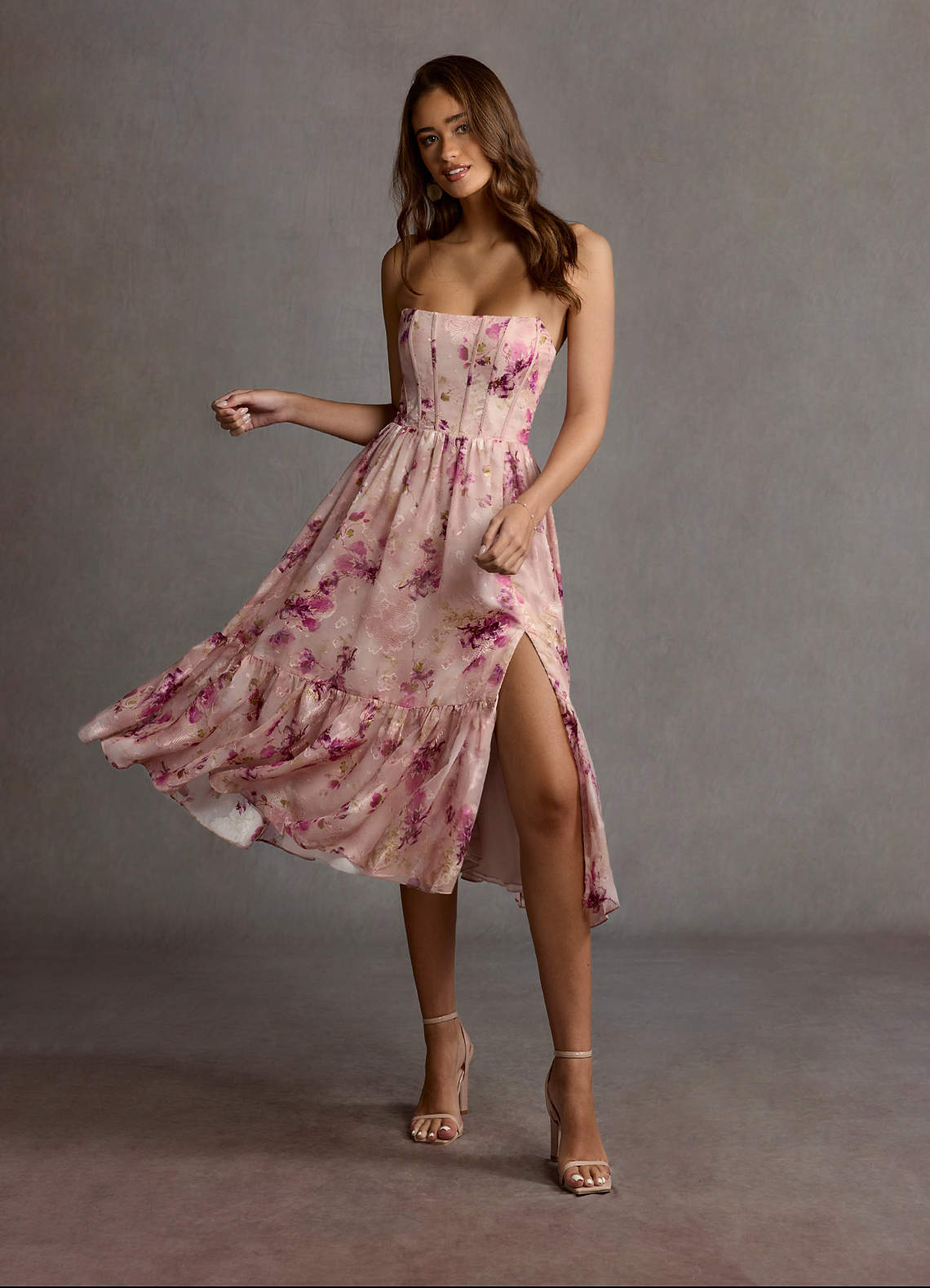
What Should You Wear to a Daytime Formal Wedding?
A daytime formal wedding still calls for polished attire, but you can usually soften the look compared with an evening event.
Midi dresses are particularly useful here. A refined A-line, wrap, pleated, or softly fitted midi can feel elegant without looking overly dramatic.
Daytime formal weddings also give you more freedom with color. Depending on the season and venue, consider:
- Dusty blue
- Sage green
- Soft pink
- Lavender
- Floral prints
- Muted jewel tones
- Pastels
- Warm seasonal shades
Lighter chiffon and satin can work especially well for spring and summer celebrations, while lace and crepe offer year-round versatility.
The important distinction is that “daytime” does not make a formal wedding casual. Avoid dresses that feel too similar to everyday sundresses, beachwear, or casual party outfits unless the venue or invitation clearly suggests a more relaxed interpretation.
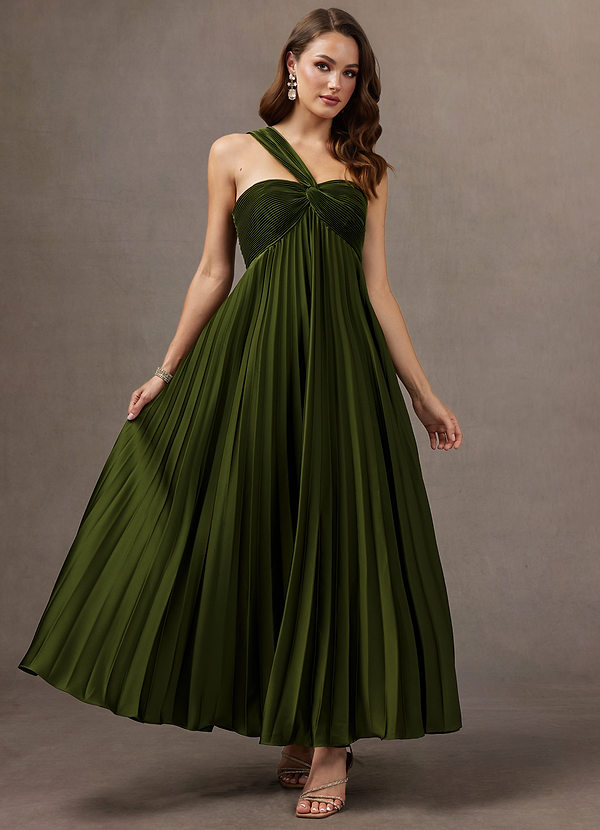
What Should You Wear to an Evening Formal Wedding?
Evening formal weddings usually call for a more elevated look.
This is where maxi dresses, floor-length gowns, richer colors, and luxurious-looking fabrics become particularly appropriate.
Popular evening choices include:
- Satin maxi dresses
- Floor-length chiffon gowns
- Sleek crepe dresses
- Velvet gowns for cooler seasons
- Draped or one-shoulder silhouettes
- Elegant dresses with subtle sequins or embellishment
Colors such as black, navy, burgundy, emerald, plum, chocolate brown, and deep blue naturally complement evening settings, although lighter and brighter shades can still work when styled appropriately.
An evening wedding at a ballroom, luxury hotel, estate, or formal indoor venue is also a good occasion to elevate accessories with refined jewelry, a polished clutch, and dressier heels.
Does the Venue Change What “Formal” Means?
It can.
The dress code on the invitation should always come first, but the venue helps you understand how to interpret it.
Ballroom or Luxury Hotel
These venues usually sit on the more traditional end of formal attire. Maxi dresses, floor-length gowns, satin, velvet, and sophisticated silhouettes are strong choices.
Historic Estate or Country Club
An elegant midi or maxi dress can both work. Look for polished fabrics, refined colors, and structured or romantic silhouettes.
Garden Wedding
Formal garden weddings allow a little more softness. Chiffon, floral prints, flowing skirts, and romantic colors can work beautifully while still feeling elevated.
Beach or Destination Wedding
A formal beach wedding usually calls for a refined look in lighter, more breathable fabrics. Flowing chiffon or lightweight satin can create an elegant silhouette without feeling too heavy for the setting.
Restaurant or City Wedding
A polished midi dress can be an excellent choice, particularly for an intimate formal ceremony or reception.
The venue should influence fabric, footwear, and styling more than the basic expectation to look dressed up.
Formal vs. Black Tie: What’s the Difference?
Formal and black tie are closely related, which is why wedding invitations sometimes use the term “black-tie optional.”
The main difference is the degree of formality.
For a formal wedding, an elegant midi, maxi, or floor-length dress can all be appropriate depending on the venue and time of day.
For a black-tie wedding, floor-length gowns are generally the safest and most traditional choice. Fabrics and styling also tend to feel more luxurious and evening-focused.
If the invitation specifically says black tie, explore black tie wedding guest dresses for floor-length and elevated evening options.
If it says black-tie optional, you have more flexibility. A sophisticated formal midi or maxi dress can work, while a floor-length gown remains a reliable choice if you prefer to dress toward the more formal end of the spectrum. For a closer look at the difference, read our Black Tie vs. Black Tie Optional guide.
What Fabrics Are Best for Formal Wedding Guest Dresses?
Fabric can dramatically change how formal a dress feels.
Satin
Satin’s smooth finish creates an instantly polished look. It works particularly well for evening weddings and sleek maxi or midi silhouettes.
Chiffon
Chiffon feels lighter and softer, making it suitable for both daytime and evening formal weddings. Its movement also works beautifully for garden and outdoor venues.
Crepe
Crepe has a clean, refined appearance that pairs well with minimalist silhouettes and structured formal dresses.
Velvet
Velvet is especially suited to fall and winter weddings. Its rich texture naturally creates a more luxurious evening look.
Lace
Lace can range from romantic to sophisticated depending on the design. Refined lace details can work beautifully for formal weddings without looking overly heavy.
The goal is not to find one “correct” formal fabric, but to choose a material that looks intentional and fits the season, venue, and silhouette.
What Colors Can You Wear to a Formal Wedding?
Formal attire does not require black or dark colors.
While deeper shades are especially popular for evening events, there are plenty of other appropriate choices.
For spring and summer, consider:
- Dusty blue
- Sage
- Blush
- Lavender
- Soft yellow
- Floral prints
- Brighter jewel tones
For fall and winter, consider:
- Burgundy
- Emerald
- Navy
- Plum
- Chocolate brown
- Black
- Deep teal
You should generally avoid white, ivory, or shades that could easily be mistaken for the bride’s attire unless the couple specifically requests them.
If the wedding party’s colors are known, you may also want to avoid matching them too closely unless the couple has indicated otherwise.
Can You Wear Black to a Formal Wedding?
Yes. Black is one of the easiest colors to wear to a formal wedding, particularly for an evening celebration.
A black satin midi, structured maxi, or floor-length gown can feel sophisticated without requiring elaborate styling. Black also works across seasons and pairs easily with metallic, jewel-toned, or neutral accessories.
For a daytime outdoor wedding, you might prefer a lighter shade or softer print, but black is no longer generally considered inappropriate for wedding guests.
How Do You Make a Wedding Guest Dress Look More Formal?
You do not necessarily need a dramatic gown to create a formal look.
A few styling choices can elevate a relatively simple dress:
Choose refined fabrics.
Satin, chiffon, crepe, velvet, and lace generally feel more occasion-ready than casual everyday fabrics.
Pay attention to fit.
A well-proportioned silhouette usually looks more polished than a dress that feels overly loose or casual.
Keep accessories intentional.
Elegant earrings, a simple necklace, a polished clutch, and dress shoes can raise the formality of the entire outfit.
Consider the neckline and silhouette.
One-shoulder, off-the-shoulder, halter, column, A-line, and softly draped styles can all create a sophisticated effect.
Balance statement details.
Sequins, embellishment, dramatic sleeves, or bold colors can work at a formal wedding, but you usually do not need all of them at once.
What If the Invitation Only Says “Formal”?
If formal is the only guidance you receive, you do not need to overthink it.
A polished midi or maxi dress in an elevated fabric is usually a safe starting point.
Then use the wedding details to fine-tune your choice:
- Daytime + garden venue: Elegant midi, chiffon, lighter color
- Evening + ballroom: Maxi or floor-length gown, satin or crepe
- Fall + estate: Rich color, velvet or structured fabric
- Summer + destination: Flowing maxi or midi in lightweight chiffon
- Black-tie optional: Formal maxi or floor-length gown
When in doubt, it is usually easier to dress slightly more formally and simplify the look with accessories than to make an obviously casual dress feel formal at the last minute.
The Bottom Line on Formal Wedding Guest Attire
Formal wedding guest attire should feel polished, elevated, and appropriate for the celebration—but it does not mean every guest has to wear a floor-length gown.
Midi dresses can work. Maxi dresses are not mandatory. Daytime formal looks can be lighter and softer, while evening weddings generally call for richer fabrics and more elevated silhouettes. The venue, season, and time of day all help determine where your outfit should fall within the formal dress-code spectrum.
And if the invitation moves one step further to black tie, that’s your cue to lean toward longer gowns and more traditional evening styling.
Once you understand the level of formality the couple has in mind, choosing the right wedding guest dress becomes much simpler.