
Formal vs. Semi-Formal Wedding Guest Attire: What’s the Difference?
“Formal” and “semi-formal” may sound similar on a wedding invitation, but they call for noticeably different levels of dressing. Formal weddings usually lean toward polished midi, maxi, or floor-length styles in elevated fabrics, while semi-formal celebrations allow a little more flexibility in length, color, and silhouette.
If you’re deciding what to wear, start with the invitation, then consider the venue and time of day. From elegant formal wedding guest dresses for an evening reception to relaxed midi styles for a semi-formal afternoon ceremony, understanding the difference makes shopping much easier.
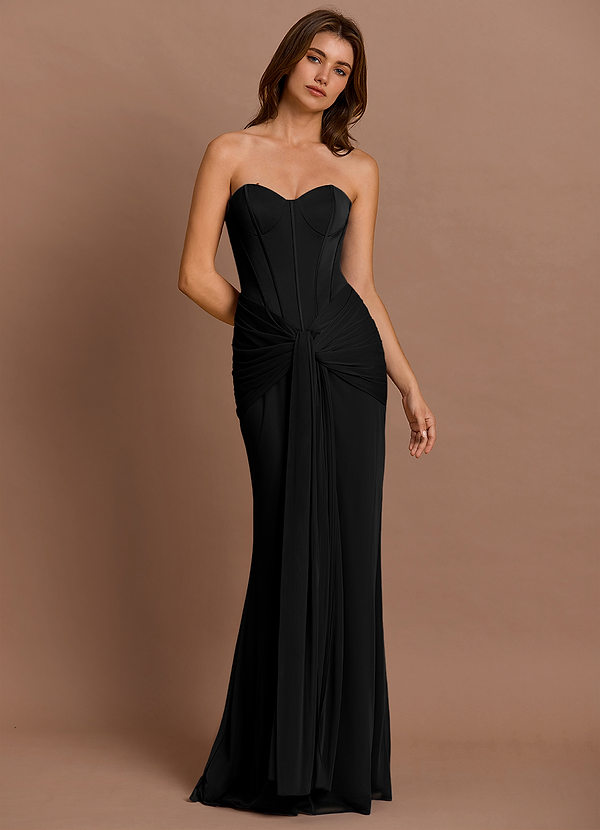
Formal vs. Semi-Formal Wedding Attire at a Glance
Formal wedding attire
- Typical lengths: Midi, maxi, or floor-length
- Fabrics: Satin, chiffon, crepe, velvet, lace
- Overall look: Polished, refined, elevated
- Common settings: Ballrooms, hotels, estates, evening receptions
Semi-formal wedding attire
- Typical lengths: Knee-length, midi, or relaxed maxi
- Fabrics: Chiffon, satin, lace, pleated fabrics
- Overall look: Dressy but less structured
- Common settings: Restaurants, gardens, daytime or early evening weddings
The easiest way to think about the difference is that formal attire sits closer to black tie, while semi-formal gives you more freedom to choose a shorter hemline, softer silhouette, or more playful print.
What Is Formal Wedding Guest Attire?
A formal wedding calls for an outfit that feels intentionally elevated. You do not always need a floor-length gown, but the overall look should feel sophisticated enough for the setting. Elegant midi dresses can work for many formal celebrations, while maxi and floor-length silhouettes are especially well suited to evening weddings and upscale venues.
Fabric plays an important role. Satin and crepe create a smooth, polished finish, chiffon offers graceful movement, and velvet works beautifully for cooler-weather evening events. Lace, subtle embellishment, pleating, and refined draping can also make a dress feel more formal without making it look overly elaborate.
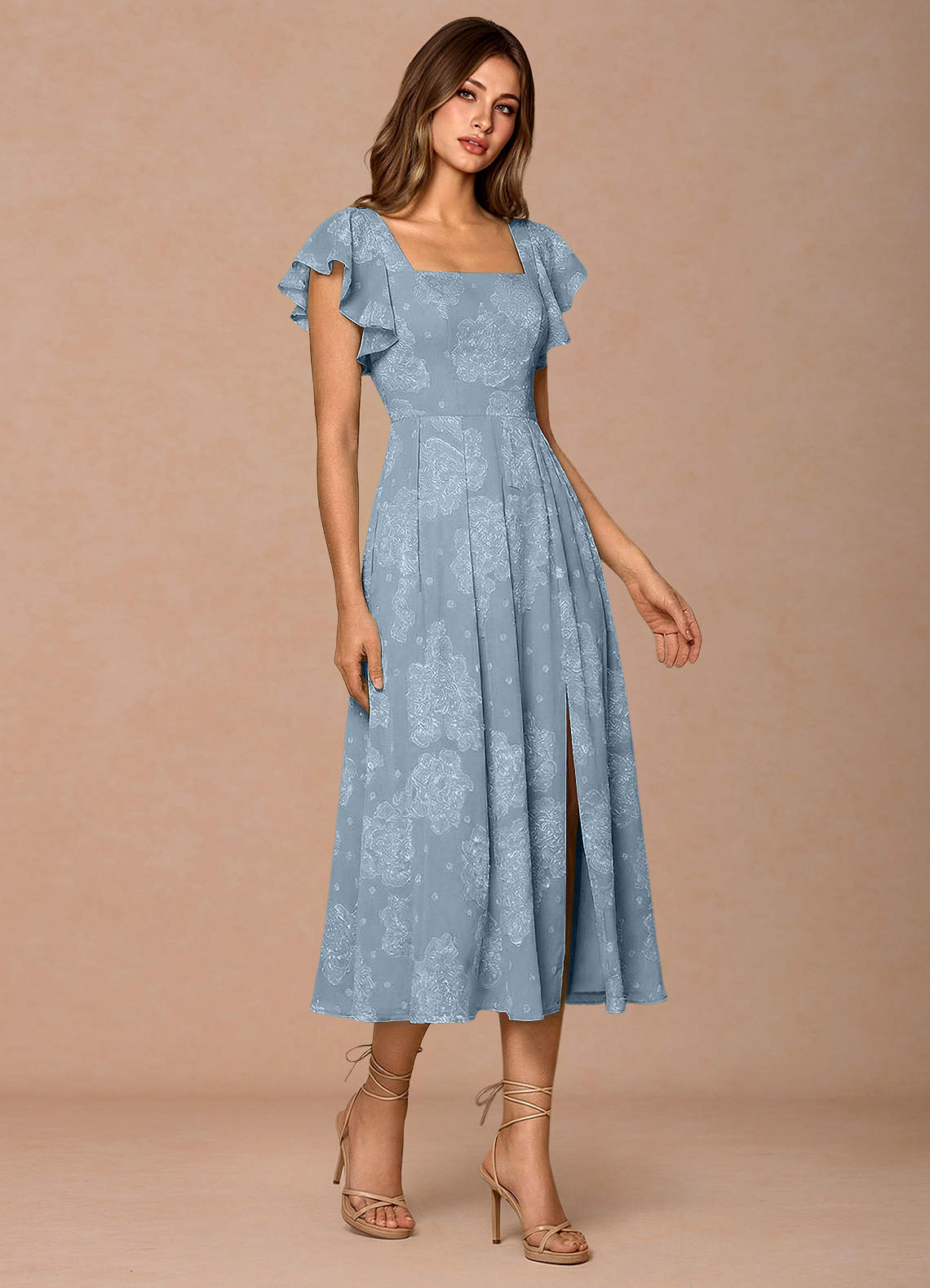
What Length Should You Wear to a Formal Wedding?
For most formal weddings, midi to floor-length is the safest range. A sophisticated midi dress may be appropriate for a daytime ceremony or less traditional venue, while maxi and floor-length gowns naturally suit evening receptions, ballrooms, historic estates, and luxury hotels.
If the invitation says “black tie” rather than “formal,” expectations become more elevated. Floor-length gowns are generally the strongest choice, especially for evening celebrations. Explore black tie wedding guest dresses if the invitation calls for a more formal dress code.
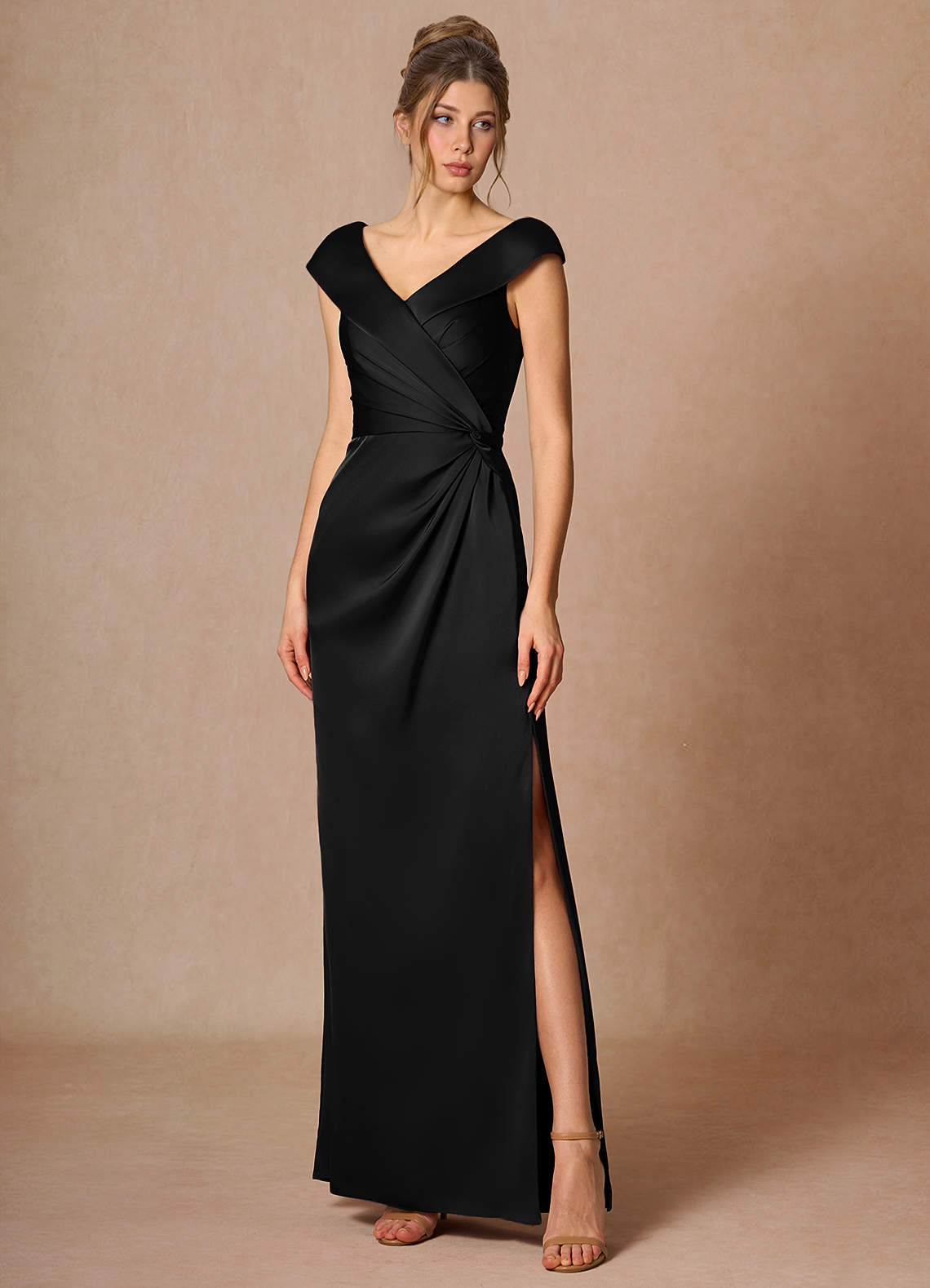
What Colors Work for a Formal Wedding?
Classic darker shades such as navy, black, burgundy, emerald, plum, and deep blue are natural choices for evening weddings, but formal does not have to mean dark. Dusty blue, muted pink, sage, jewel tones, and sophisticated prints can also work depending on the season and venue.
As with any wedding, avoid white, ivory, or colors that could be mistaken for bridal attire unless the couple specifically requests them.
What Is Semi-Formal Wedding Guest Attire?
Semi-formal wedding attire is polished without requiring the full elegance of a formal evening look. Think dressy rather than glamorous: a refined midi dress, an elegant knee-length silhouette, or a softly flowing maxi can all fit the occasion.
This dress code gives you more flexibility with prints, brighter colors, lighter fabrics, and relaxed silhouettes. If your invitation specifically calls for this level of dressing, browse semi-formal wedding guest dresses for styles that balance comfort with occasion-ready polish.
Can You Wear a Maxi Dress to a Semi-Formal Wedding?
Yes. A maxi dress can work for a semi-formal wedding as long as it does not feel overly elaborate. Lightweight chiffon, soft satin, floral prints, or simpler silhouettes can keep a longer dress from reading as black tie.
The styling matters too. Minimal jewelry, softer accessories, and less dramatic details can make a maxi feel appropriate for a semi-formal celebration.
Can You Wear a Mini Dress to a Semi-Formal Wedding?
A polished shorter dress can work for some semi-formal or cocktail weddings, particularly for younger, evening, or less traditional celebrations. The fabric and construction should still feel dressy rather than casual.
If the event leans more party-forward, cocktail wedding guest dresses can offer another useful starting point.
Formal vs. Semi-Formal: How to Choose When the Invitation Is Unclear
Sometimes an invitation does not give you a clear dress code. In that case, use the details surrounding the event to judge how dressed up you should be.
1. Look at the Venue
A ballroom, luxury hotel, historic estate, country club, or upscale indoor venue generally suggests a more formal look. Garden venues, restaurants, vineyards, and smaller outdoor ceremonies often allow more flexibility.
2. Check the Time of Day
Evening weddings tend to lean more formal than daytime celebrations. Richer fabrics, longer lengths, and deeper colors feel especially natural after dark, while daytime weddings often suit lighter colors and softer silhouettes.
3. Consider the Season
Season affects both comfort and styling. Spring and summer celebrations make lightweight chiffon, soft satin, floral prints, and brighter colors especially appealing. If you have a warm-weather ceremony coming up, explore summer wedding guest dresses for season-appropriate options.
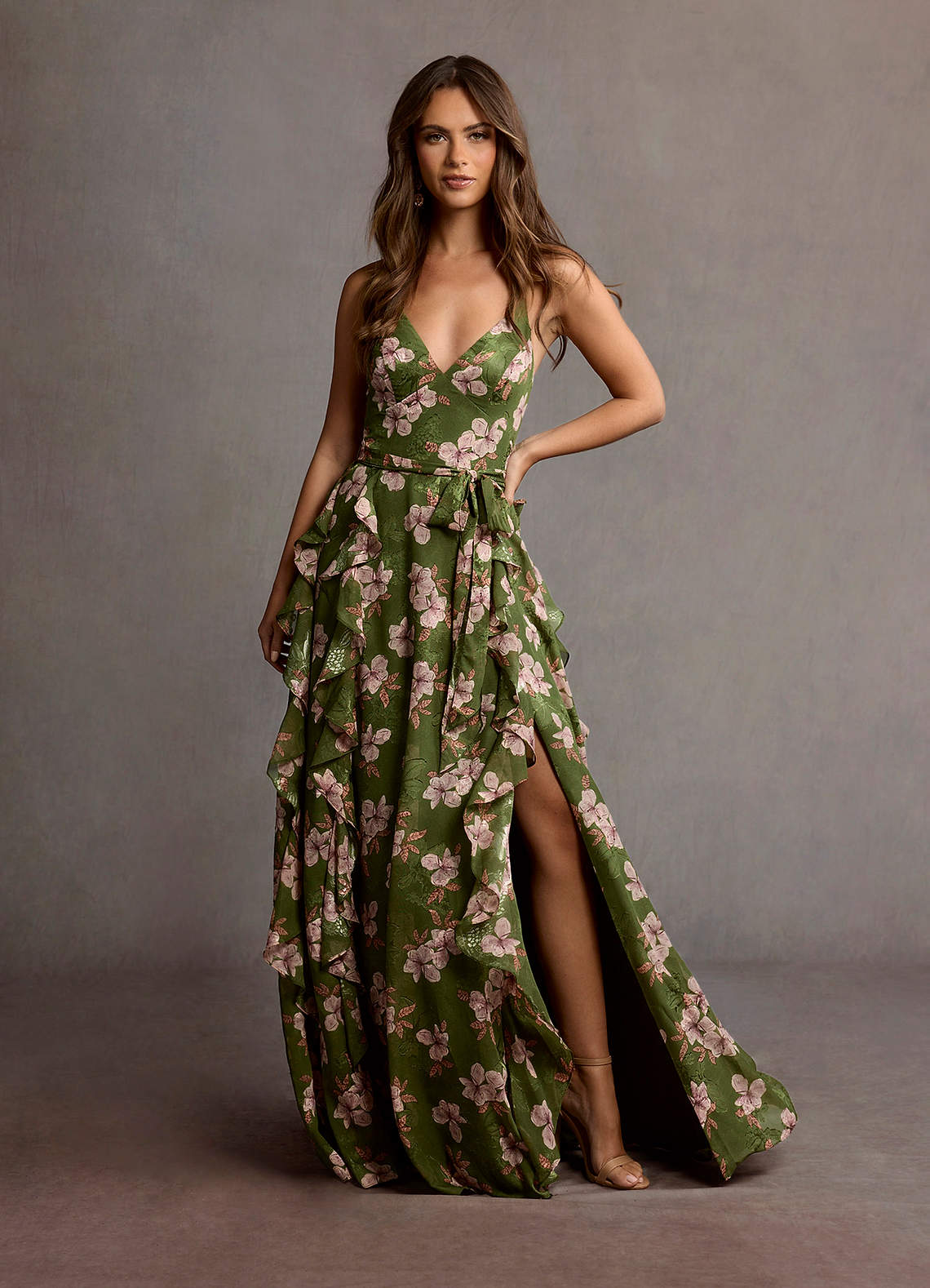
Fall and winter weddings naturally lend themselves to deeper colors, long sleeves, velvet, satin, and more structured silhouettes.
4. When in Doubt, Dress Slightly Up
It is usually easier to tone down an elegant outfit with simple accessories than to make an obviously casual dress feel formal at the last minute. If the venue and invitation suggest an elevated celebration, choosing the slightly dressier option is often the safer approach.
Formal, Black Tie, Semi-Formal, and Cocktail: What’s the Difference?
Wedding dress codes exist on a spectrum rather than as completely separate categories.
Black Tie
The most elevated of these four dress codes. A floor-length evening gown is usually the safest choice.
Formal / Black-Tie Optional
Very dressy, but with a little more flexibility. Elegant midi dresses, maxi dresses, and floor-length gowns can all work depending on the venue and time of day.
Semi-Formal
Polished and occasion-ready without feeling overly formal. Midi dresses, knee-length styles, and relaxed maxi dresses are all strong options.
Cocktail
Dressy and more party-forward. Polished midi dresses and shorter cocktail silhouettes usually fit the occasion well.
The boundaries can overlap, especially between formal and black-tie optional or between semi-formal and cocktail. Rather than focusing on a single rule, look at the invitation, venue, time, and overall wedding atmosphere together.
What Fabrics Make a Wedding Guest Dress Look More Formal?
Fabric is one of the quickest ways to change the formality of an outfit.
- Satin: Smooth and polished, ideal for evening and formal weddings.
- Chiffon: Flowing and versatile enough for both formal and semi-formal events.
- Crepe: Clean and structured, especially effective in minimalist formal silhouettes.
- Velvet: Rich and elevated for fall and winter weddings.
- Lace: Romantic and dressy, with the level of formality depending on the silhouette.
- Pleated fabrics: Add texture and movement without necessarily making a dress feel overly formal.
Casual cotton, jersey, denim, and very lightweight everyday fabrics generally sit further down the formality scale and may be better suited to relaxed weddings.
How Should a Formal Wedding Guest Dress Fit?
Formality is not limited to length or fabric. A well-proportioned fit can make a simple dress feel significantly more polished. A-line silhouettes offer an easy, classic shape, while column, wrap, and softly fitted maxi dresses can create a more streamlined evening look.
The right fit should also allow you to sit, walk, and dance comfortably throughout the celebration. Guests looking for a wider range of sizes and silhouettes can explore plus size wedding guest dresses to find occasion-ready options across different dress codes.
What Should You Wear If the Dress Code Says “Formal or Semi-Formal”?
If the wording leaves room for either, aim for the middle of the two dress codes. A polished midi or understated maxi dress in satin, chiffon, crepe, or lace is usually a versatile choice. Keep the silhouette elegant, then use accessories to adjust the level of formality.
For a more elevated venue, choose a longer hemline, refined fabric, and sophisticated accessories. For a daytime or outdoor wedding, a lighter color, flowing silhouette, or subtle print can keep the outfit from feeling overdressed.
Final Takeaway: Let the Dress Code Set the Direction
The difference between formal and semi-formal wedding guest attire comes down to degree. Formal weddings call for a more elevated combination of length, fabric, silhouette, and styling, while semi-formal weddings offer greater flexibility without becoming casual.
When choosing your outfit, start with the invitation and then factor in the venue, time of day, and season. Once you know how formal the celebration is meant to feel, it becomes much easier to choose a dress that looks polished, feels comfortable, and fits naturally into the occasion.