
Western Formal Dresses: How to Keep the Look Elegant, Not Costume-Like
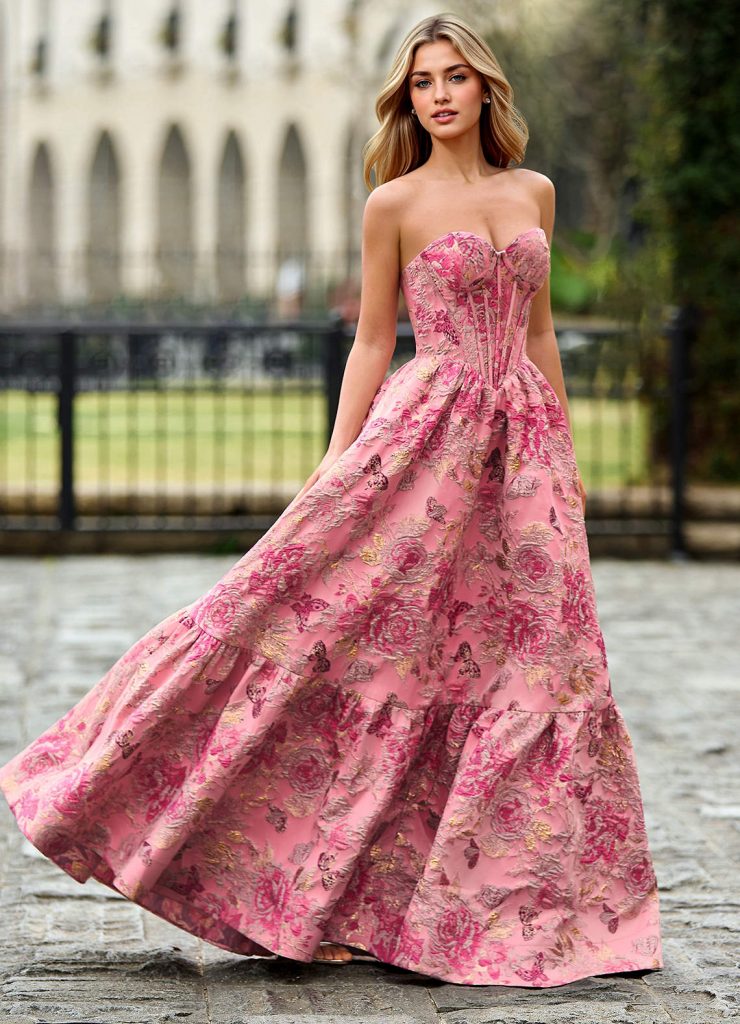
One western detail at a time. That’s the principle that keeps western formal dresses elegant rather than theatrical. The dress should read formal first. The western influence reads as a considered accent rather than the theme of the outfit.
| THE RULE: Choose your one western element before you choose the dress. The single focal detail determines what the rest of the look needs to do. If the boots are the statement, the dress should be relatively plain. If the embroidery is the statement, nothing else Western is needed. |
|---|
Formal First — Start with a Silhouette That Doesn’t Need Western Details
The fastest way to avoid a costume effect: choose a silhouette that looks event-appropriate without any Western styling. An A-line gown, a column dress, a soft mermaid — if these read as formal on their own, the western details added later become personality rather than the only thing holding the look together.
According to Vogue’s guide to formal attire, restraint in design details is specifically what distinguishes elegant formal wear from themed dressing. A clean silhouette with one strong detail reads as curated. Multiple competing details read as decorated.
Best Silhouettes for Western Formal Events
A-line and column silhouettes are the most reliable bases for Western formal dresses. Their clean lines create a visual anchor — western details added to a structured foundation look chosen rather than accumulated. Fit-and-flare adds movement and femininity that balances the rugged quality of western accessories.
| Silhouette | Best Western Event Context | Why It Works |
|---|---|---|
| A-line | Weddings, indoor formal events | Clean canvas — western details read as intentional |
| Column/sheath | City venues, evening galas | Sleek foundation — keeps western accessories as an accent |
| Fit-and-flare | Ranch events, outdoor western formals | Movement balances the rugged quality of the boots/belt |
| Soft mermaid | Evening events, galas | Dramatic enough to carry minimal Western detail |
| Midi wrap | Semi-formal, cocktail western events | Adjustable — works with almost any accessory choice |
Which Western Details Work — and How to Use Them
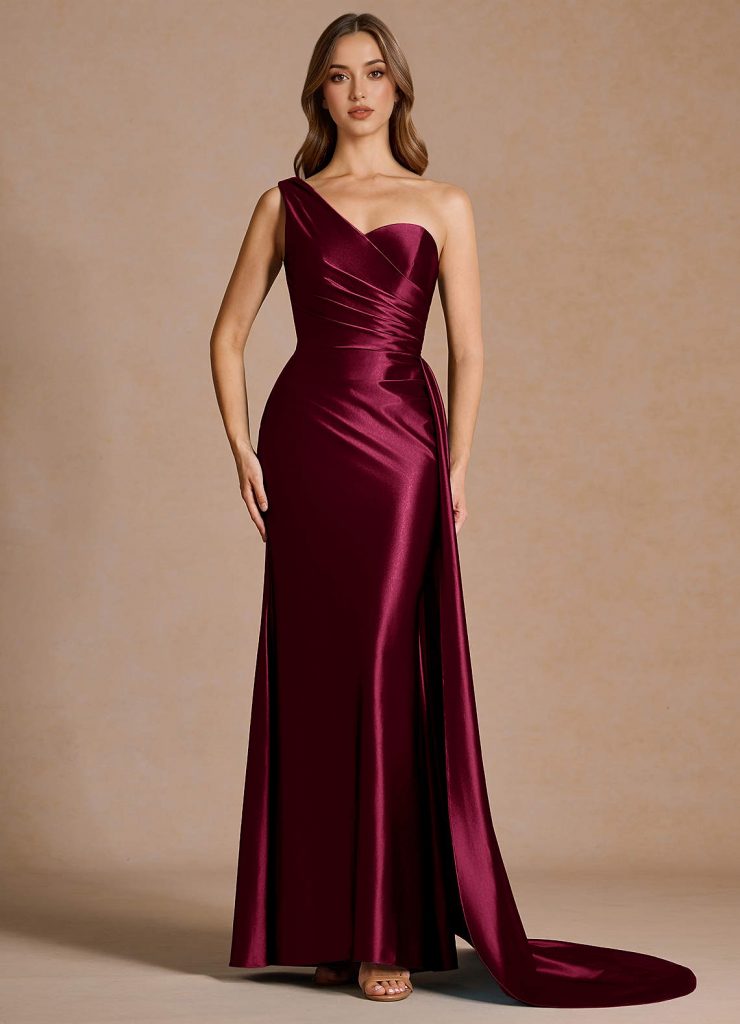
The costume effect has a specific cause: it happens when the outfit contains more Western signals than formal signals. Count them. If boots, fringe, belt, hat, and turquoise jewelry all appear at once, the western elements outnumber the formal ones. The look tips.
| 👢 POLISHED BOOTS Style: Pointed toe, polished leather Effect: The cleanest Western signal Pair with: Simple formal gown, minimal jewelry Skip: Distressed or work-boot styles |
◻ SLIM BELT Style: Leather, one refined buckle Effect: Defines waist + signals western Pair with: Clean column or A-line dress Skip: Trophy buckle with multiple other elements |
~ EMBROIDERY Style: Tonal — thread matches fabric Effect: Design detail, not costume theme Pair with: Solid color, unembellished silhouette Skip: Pairing with boots AND belt AND jewelry |
○ SILVER JEWELRY Style: One piece — earrings or necklace Effect: Finishing touch with a western character Pair with: Any formal silhouette Skip: Statement jewelry when boots or a belt are present |
|---|
Boots That Look Formal, Not Functional
According to Vogue’s guide to western boot styling, pointed-toe leather boots with polished finishes are what keep western styling in fashion territory rather than costume territory. The pointed toe reads as sharp and intentional; rounded or distressed work-boot styles read as functional. For formal western dresses, the boot should look like it was chosen for the look, not borrowed from a barn.
Fringe — Use It or Lose It
According to Wikipedia’s explanation of fringe as a fashion element, fringe is most effective when used as a controlled accent rather than a primary design feature. A fringe-trimmed hem on an otherwise clean dress is refined. A full-fringe dress at a formal event is theatrical. The proportion of fringe to total dress surface area determines which category the look falls into.
Fabrics That Communicate Formal — Not Rustic
A satin formal dress or crepe immediately signals a special occasion, regardless of the accessories paired with it.
| Fabric | Western Event Use | Verdict |
|---|---|---|
| Satin/silk | Evening galas, formal weddings | Excellent — signals a formal event automatically |
| Velvet | Fall/winter ranch formals, galas | Excellent — earthy tones anchor western accessories |
| Crepe | Any formal Western event | Strong — clean matte structure reads as intentional |
| Chiffon | Outdoor, spring/summer western events | Good — soft formality, breathable |
| Heavy faux suede | Skip for formal events | Reads as casual — undermines the formal foundation |
Western Formal Dresses by Venue and Event Type
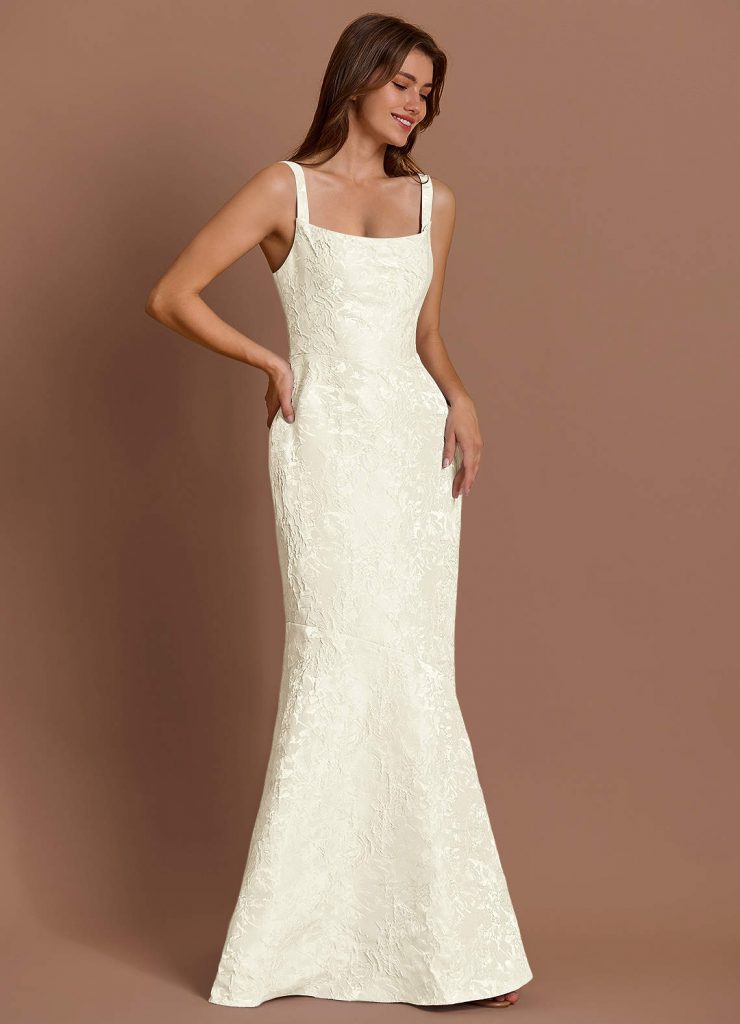
The costume line moves depending on where you are. At a ranch gala under string lights, more visible Western elements are appropriate and expected. In a hotel ballroom, the same elements can push the look toward a theatrical look. The venue communicates a level of formality — the western styling should calibrate to it.
| Venue Type | Western Element Budget | Best Approach |
|---|---|---|
| Ranch / outdoor formal | 2 elements — boots + belt or jewelry | Velvet or chiffon with tonal embroidery |
| Hotel ballroom/gala | 1 element — boots only | Satin floor-length, minimal western accent |
| Country club/barn gala | 2 elements max | Midi with boots and slim belt |
| Formal outdoor wedding | 1-2 elements | Jewel tone A-line, silver jewelry, boots if midi |
Western Formal for Weddings
For a formal dress for wedding guest at a western-themed ceremony, the restraint principle applies most firmly. A floor-length gown in deep navy or wine with polished leather boots and one piece of silver jewelry — that’s the combination that photographs as formal first, western second. Anything beyond that competes with the ceremony rather than celebrating it.
Western Formal for Galas and Evening Events
At galas and evening events, the formal foundation should be the most visible element. An a line formal dress or floor-length column in satin or heavy crepe with clean ankle boots and a single turquoise or silver earring is the combination that works in an upscale evening context. The western element is present and visible — it’s just not competing with the dress.
Common Mistakes That Make Western Formal Dresses Look Costume-Like
Count the western elements in the look before you leave the house. If the count is higher than two — and the formal elements (silhouette, fabric, length) aren’t clearly outnumbering them — the balance is off.
| ✓ POLISHED | ✗ COSTUME |
|---|---|
| One western focal element — boots, a belt, or jewelry | Hat + fringe + boots + belt buckle + turquoise all at once |
| Formal silhouette as the foundation (A-line, column) | Denim base or distressed suede — casual materials in a formal setting |
| High-quality leather boot in a pointed-toe silhouette | Work boot or distressed pair — reads as functional, not formal |
| Tonal embroidery — thread matches the fabric | High-contrast embroidery across the entire dress surface |
| Fabric that signals formality: satin, velvet, crepe | Faux suede or costume-finish synthetic fabrics |
| The most common error isn’t one bad choice — it’s five okay choices layered on top of each other. The hat alone is fine. The fringe accent alone is fine. The turquoise necklace alone is fine. All three, together with boots and a belt, push the look into costume territory because the western signals now outnumber the formal ones. |
|---|
Three Practical Styling Rules
| 1 | Choose the western element first, then build the dress around it. The single focal detail determines what the rest of the look needs to do—decided on the boots? The dress should be clean and unembellished. Decided on tonal embroidery in the dress itself? No boots needed — the embroidery is the statement. This sequencing prevents accumulation. Most costume effects occur when the dress is chosen first, with Western elements added on top of it afterward. |
|---|
| 2 | Match the warmth of the western accessories to the dress color. Deep jewel tones — navy, emerald, deep wine — pair with silver and turquoise. Earth tones — chocolate, camel, sage, terra cotta — pair with gold and warm leather tones. Keeping the metals and leather in the same temperature family as the dress creates cohesion rather than visual conflict. A cool navy satin gown with warm brown leather accessories creates a temperature mismatch that reads as unresolved rather than intentional. |
|---|
| 3 | Check the look from six feet away — or in a photo — before the event. The costume effect is something you often can’t see up close, but that’s immediately obvious from a distance or in a photograph. If the western elements dominate the image and the formal dress reads as secondary, the balance is off. The formal element should be the loudest thing in the look; the western detail should be the interesting thing you notice on second look. |
|---|
Conclusion
One focal western element, a silhouette that reads formal without it, and fabric quality that signals the event level — those three decisions consistently produce western formal dresses that look deliberately elegant rather than accidentally themed. The western spirit lives in one carefully chosen detail. Not all of them at once.
Azazie offers a wide range of formal dresses in sizes 0–30, with made-to-order and custom sizing options available. A-line, column, and midi silhouettes in satin, velvet, and crepe work as clean foundations for western formal styling — worth exploring if the look described above is the direction.
Frequently Asked Questions
What defines Western style in a formal outfit?
In a formal context, Western style is defined by the selective inclusion of heritage elements: pointed-toe leather boots, slim leather belts with refined buckles, tonal embroidery, or silver-and-turquoise jewelry. The keyword is selective — one or two elements communicate Western identity. More than two push the look from ‘western-inspired’ toward ‘western costume.’
Can Western formal dresses look elegant for weddings?
Yes, with one specific condition: the western element needs to be restrained. A floor-length satin gown in a rich jewel tone, polished leather boots, and a single silver earring photograph as formal and elegant. The same look with boots, plus hat, plus belt, plus fringe does not. For wedding events specifically, the ‘one element maximum’ rule is the most reliable guide.
Are boots appropriate with Western formal dresses?
Yes — boots are the single most effective and recognizable Western formal element. The key is the boot style: pointed-toe, polished leather, with minimal embellishment. A clean ankle boot or a sleek knee-high leather style works with most formal dress silhouettes. Distressed, rounded-toe, or heavily embellished cowboy styles read as casual rather than formal.
What colors work best for formal Western dresses?
Deep jewel tones — navy, emerald, burgundy, sapphire — and rich earth tones — chocolate brown, warm terracotta, sage green, camel — are the most effective color families for western formal dresses. Rich tones communicate formality in a way that pale or pastel shades often don’t. Black is a universally appropriate option. Avoid high-contrast ‘cowboy’ color combinations — bright white with vivid color — which push the look toward novelty.
How do I wear a hat without looking overstyled?
If a hat is the western element, it should be the only western element. That means no boots, no belt buckle, no turquoise necklace. The hat should be high-quality felt or straw in a color that’s within the dress’s palette. And the rest of the accessories — shoes, jewelry, bag — should be as minimal as possible. A hat works as a statement; it doesn’t work as an addition to other statements.
Are midi formal western dresses appropriate for formal events?
Yes. Midi lengths are specifically well-suited to western formal styling because they allow boots to be visible when chosen, which is often the styling goal. A midi-length A-line or wrap dress in velvet or crepe reads as polished and event-appropriate. For evening galas or black-tie events, floor-length is the more appropriate choice.
What accessories should I avoid with formal Western dresses?
Multiple competing western accessories at the same time — hat, fringe, turquoise, plus belt buckle. Distressed or casual leather goods (rough-out suede, canvas) that undermine the formal quality of the dress. Novelty cowboy-themed accessories that look costumey rather than heritage-inspired. And multiple metallic finishes that clash — a warm gold belt with cool silver earrings in the same look creates a temperature conflict rather than cohesion.