
Summer Formal Dresses: How to Stay Cool, Look Chic, and Feel Right
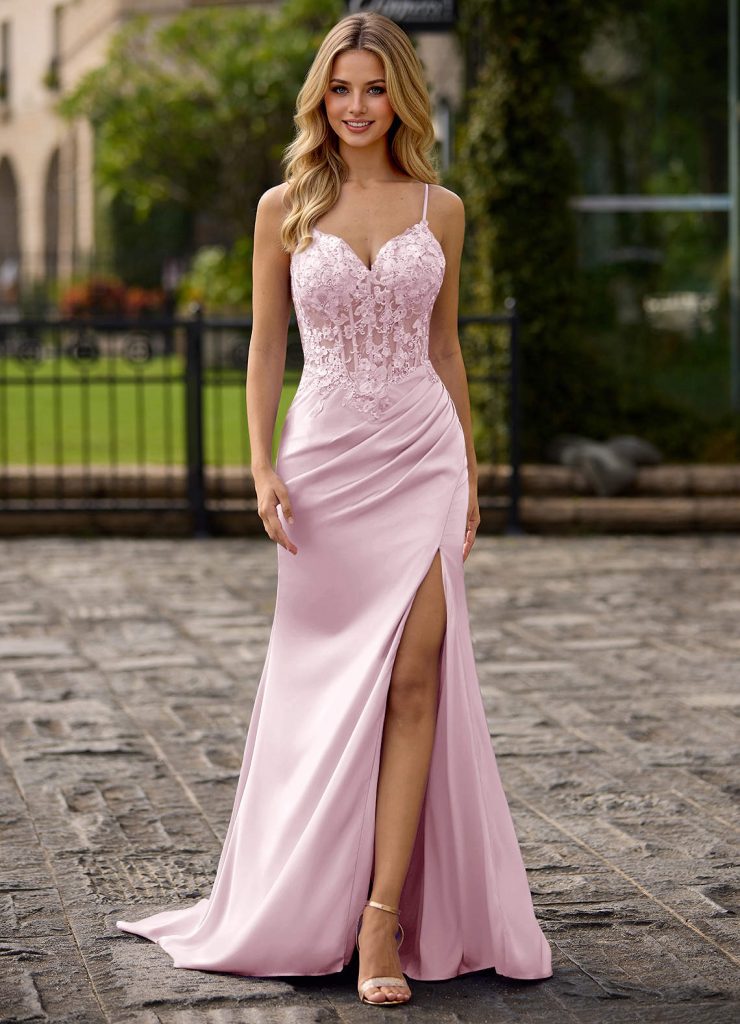
Chiffon. That’s the answer for outdoor summer formal events and has been for a while now. I’ve seen people spend weeks researching alternatives — georgette, cupro, innovative performance fabrics — and they mostly land back on chiffon anyway because nothing else quite does what it does when you’re standing outside in July in something that needs to look elegant. The weave is loose enough that air moves through it with each step. That’s the actual mechanism. That’s why it keeps coming up.
The other thing worth knowing before any other decision: most summer weddings and galas have two genuinely different environments — outdoor ceremony, then air-conditioned reception. You’d be surprised how many people dress for one and suffer through the other. Summer formal dresses that actually work are the ones where both phases got considered, or at minimum the outdoor one, since that’s where the photos happen anyway.
Fabric: Where This Gets Decided
The fabric question gets overcomplicated in most guides. Chiffon for outdoor, lightweight crepe for indoor, linen if the setting is relaxed enough — that’s basically the whole answer. Linen is more breathable by a fair margin but wrinkles progressively over long events, which matters depending on how long you’re there. Silk is confusing because heavy brocade silk is genuinely warm but lightweight silk charmeuse behaves more like a temperature-regulating material — the fiber responds to body heat rather than just sitting on top of it. The weight of the fabric tells you more than the fiber name does.
Heavy polyester outdoors in summer is genuinely bad. Not aesthetically bad — physically uncomfortable. The fiber doesn’t absorb moisture, the tight weave doesn’t move air, and after an hour in direct sun both of those things compound in ways that are obvious to everyone watching.
| Fabric | Outdoor events | Indoor/AC events | Watch for |
|---|---|---|---|
| Chiffon | Excellent — air moves through with each step | Fine — can feel unstructured in strong AC | Too many layered tiers defeat the airflow benefit |
| Linen | Best breathability of any natural fiber | Works well, wrinkles accumulate | Long events — visible creasing after 3+ hours |
| Light crepe | Good in shade, harder in direct sun | Excellent — holds shape in AC | Heavy crepe versions — check the weight |
| Light silk | Good — temperature-regulating | Excellent | Heavy silk brocade is a different animal entirely |
| Heavy polyester | Not great — traps moisture and heat | Fine if well air-conditioned | Outdoor ceremonies especially — uncomfortable fast |
Colors: More of a Photography Decision Than a Temperature One
Here’s something that took me a while to understand: the temperature difference between wearing dark navy and light blush in a formal dress is real but genuinely small — like, not the deciding factor. What color choice actually affects in a meaningful way is how you photograph in summer’s natural light, and that’s the more useful frame for this whole decision.
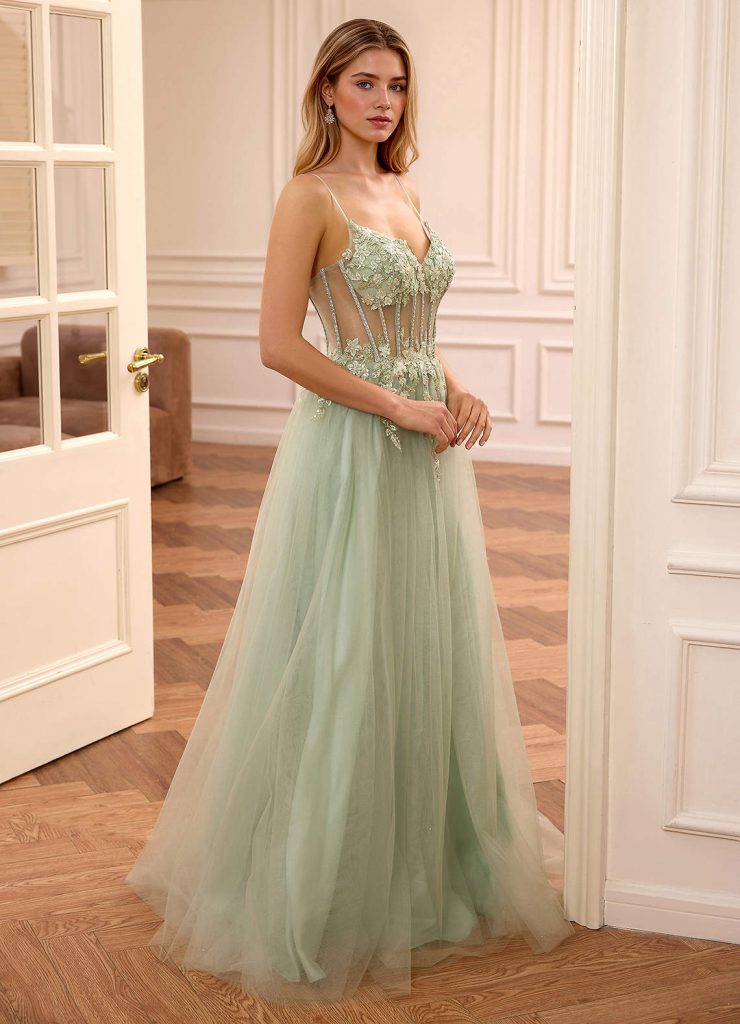
Pastels read luminously outdoors. Blush, mint, sky blue, soft coral — summer’s bright ambient light adds warmth to those colors without oversaturating them. That’s not just trend-following when you see so much sage and blush at summer weddings; it photographs better in that specific outdoor daylight context. Jewel tones do their best work under warm artificial lighting at evening events — under outdoor daylight in July they can read heavier than they look on screen or in the shop.
| Color range | Best setting | Why it works photographically |
|---|---|---|
| Pastels — blush, mint, sky blue | Outdoor daytime, garden events | Luminous in natural summer light — reads clean in photos |
| Jewel tones — emerald, sapphire | Evening indoor events | Earns richness under warm artificial lighting |
| Neutrals — ivory, champagne | Any summer formal setting | Consistent across lighting conditions — reliable |
| Brights — coral, fuchsia, yellow | Outdoor relaxed formal | Celebratory and seasonal — needs quality fabric to hold |
| Dark — navy, black, deep plum | Evening, AC venues only | Can read heavy in bright outdoor daylight |
Coverage: Plan for the Outdoor Ceremony, Not Just the Reception
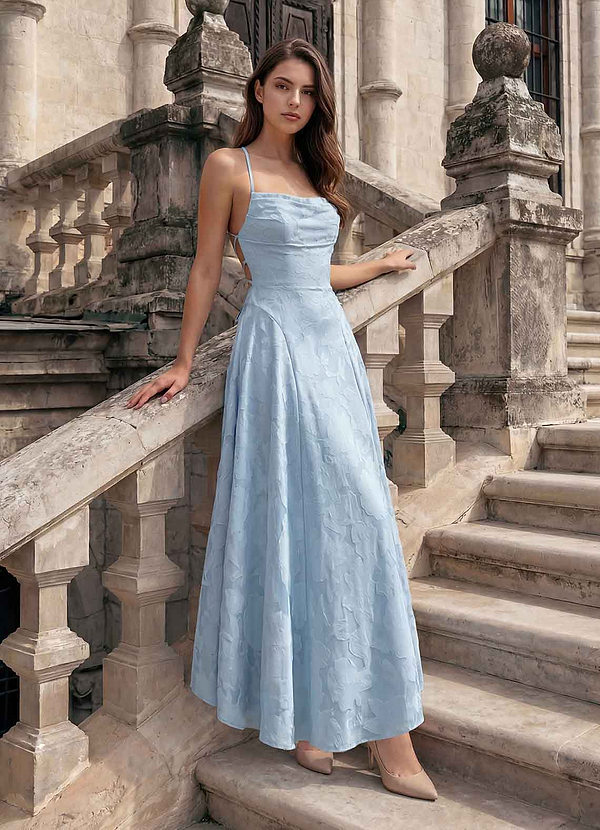
Strapless and sleeveless leave the shoulders, neck, and upper chest uncovered — that’s actually where the body releases the most heat, so those are the practical choices for outdoor summer events. The frustrating thing is the reception: you go from 90 degrees outside into 68-degree air conditioning in a strapless dress and it’s noticeably cold. Bring a wrap. This is specific advice that most guides bury.
Sheer chiffon or illusion lace long sleeves are worth knowing about — they look fully covered, the open weave or sheer fabric actually lets air through, and they provide shade from direct sun, which is genuinely useful outdoors. It’s a specific construction that solves the ‘conservative venue plus summer heat’ problem without making you choose between the two.
| Coverage choice | Heat performance | Best venue | Worth knowing |
|---|---|---|---|
| Strapless / sleeveless | Excellent | Outdoor ceremonies, beach | Wrap is essential for the AC reception after |
| Off-shoulder | Very good | Garden, outdoor | Less coverage once you move indoors |
| Cap sleeves | Very good | Conservative outdoor | Lightest covered option — almost no added warmth |
| Short sleeves | Good | Semi-conservative | Pair with lightweight fabric to offset the warmth |
| Sheer / illusion long | Moderate | Conservative, any season | Provides shade outdoors — actually useful in sun |
Matching the Dress to the Actual Event
Summer formal events vary more than events in any other season, and dressing for the wrong version of the event is genuinely a different problem from dressing for the right one. Two summer weddings can need completely different approaches depending on whether they’re fully outdoor, fully indoor, or the more common split between the two.
| Venue / event type | Fabric priority | Best length | Color direction | Practical tip |
|---|---|---|---|---|
| Outdoor ceremony only | Chiffon or linen — airflow first | Midi or floor | Pastels for outdoor photography | Wrap for the reception afterward |
| AC ballroom all evening | Light crepe or satin | Floor-length | Jewel tones earn their richness | Fabric rules relax significantly indoors |
| Outdoor + indoor split | Chiffon — dress for outside | Midi or floor | Mid-depth tones work across both | Plan for the outdoor phase, handle indoor with a wrap |
| Garden / relaxed outdoor | Linen or light chiffon | Midi | Any summer color works here | Block heels — outdoor surfaces are uneven |
| Evening indoor gala | Light satin or crepe | Floor-length | Jewel tones or warm neutrals | AC means you have much more fabric flexibility |
| For outdoor summer weddings specifically: dress for the ceremony. That’s where the photos happen and where comfort matters most — the reception is usually indoors and a lightweight wrap or shawl handles the transition. |
|---|
Three Things Worth Doing Before the Day
◆ Get Specific About the Venue Before You Shop
Outdoor with no shade is a different problem from a climate-controlled venue with a brief outdoor moment at the start. Getting that information before shopping saves a lot of second-guessing — the venue type is honestly the primary variable, not the month or the color.
◆ Test It in Actual Warm Conditions
Wear it for an hour at home on a warm day. Some fabrics that look breathable aren’t; some that look heavy perform fine. The label won’t tell you what you need to know — twenty minutes in actual heat will. If it’s uncomfortable, then it’ll be noticeably worse over five hours at the event.
◆ Color Is a Lighting Decision
Pastels and mid-depth tones photograph cleanly in outdoor summer sun; jewel tones do their best work under warm indoor lighting at night. Choose based on the lighting situation, not based on how hot the summer is — the temperature difference between colors is smaller than people think.
Conclusion
Chiffon for outdoor, lightweight crepe for indoor, linen if the setting is relaxed. Pastel for daytime outdoor photography, jewel tone for evening. Coverage matched to the venue, wrap if the dress is sleeveless. That’s the whole thing.
Azazie’s summer formal dresses include chiffon, lightweight crepe, and seasonal fabrics across midi and floor-length styles in sizes 0–30 with made-to-order options.
Frequently Asked Questions
What is the dress code for a summer formal?
Same length expectations as any formal event — floor-length for black-tie, midi or floor for formal, midi to knee for semi-formal — just adjust the fabric and coverage choices for the heat.
What fabrics are best for summer formal dresses?
Chiffon for outdoor events, lightweight crepe for indoor, linen for relaxed outdoor settings — fabric weight tells you more than the fiber name does.
What colors work best for summer formal events?
Pastels and mid-depth tones photograph cleanly in outdoor natural light; jewel tones do better under warm indoor artificial lighting — it’s more of a lighting decision than a temperature one.
How do I stay cool in a formal dress in summer?
Start with a breathable fabric (chiffon, linen, or lightweight crepe), choose sleeveless or off-shoulder for outdoor events, and test the dress in actual warm conditions before the event.
What should I not wear to a summer wedding?
White or ivory as a guest; heavy polyester or stiff structured fabrics for outdoor ceremonies; stilettos on grass; anything that wrinkles badly if the event runs long outdoors.
How do I style a summer formal dress for a wedding?
Lightweight drop earrings, small clutch, strappy sandals or block heels for outdoor venues, and a shawl for the air-conditioned reception if the dress is sleeveless — keep accessories simple.
Are floor-length dresses too hot for summer?
Not if the fabric is right — a floor-length chiffon can be cooler than a knee-length heavy polyester; the more practical issue outdoors is managing a long hem on grass or uneven terrain.