
Plus Size Black Tie Wedding Guest Dresses: Fabrics, Hemlines, and Accessories That Actually Work
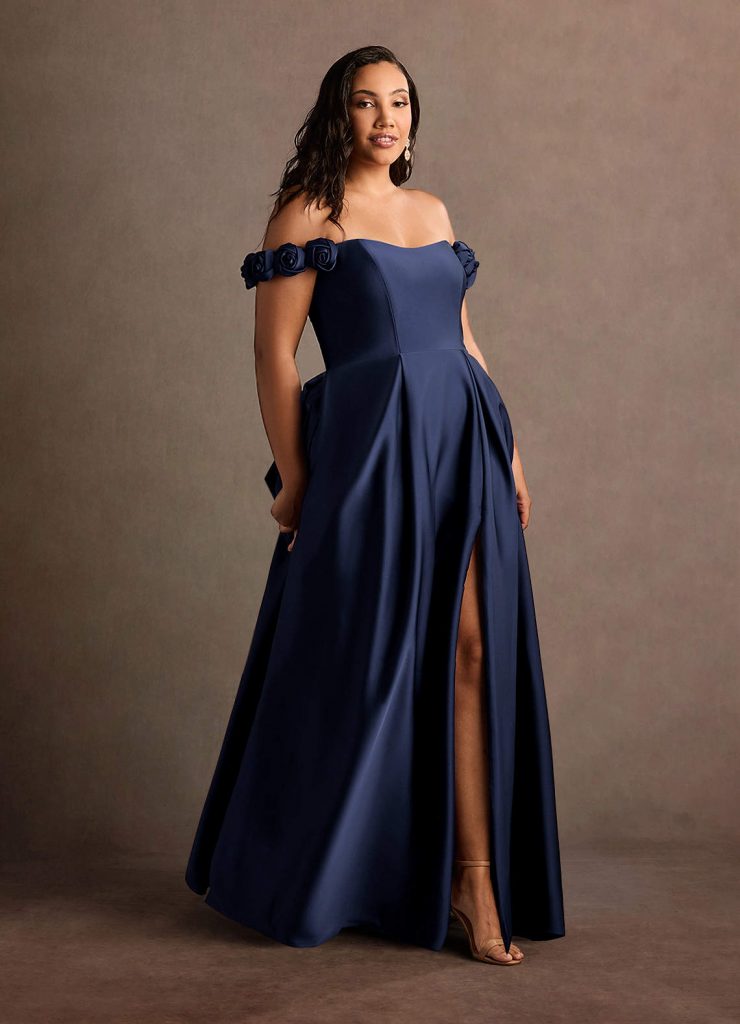
My friend Dee got a black-tie wedding invitation last November and spent — and I’m not exaggerating — three separate weekends trying to find a plus size black tie wedding guest dress that wasn’t a scaled-up version of something designed for a straight-size body. She found one eventually. But the search was genuinely frustrating in a way it shouldn’t have been.
Here’s what she eventually figured out, and what I’d tell anyone starting that same search: the criteria for what makes black tie work are actually pretty narrow. Floor-length. Fabric that has weight and reads as expensive. A silhouette that was designed for curves rather than adapted from one that wasn’t. Those three things — and honestly, get those three right and most of the accessories and color questions take care of themselves. Let me go through these in the actual order they matter.
| Shortcut answer before the details: floor-length satin or velvet gown, jewel tone or rich neutral, one statement accessory. That combination handles almost every plus-size black-tie scenario correctly. Everything below is the reasoning behind those choices — and the exceptions that apply. |
|---|
What Black Tie Is Actually Asking For
The Actual Requirements in Plain Language
Black tie is the strictest dress code on a wedding invitation. Not the most common one. The strictest. It’s asking for something long, something that looks like it belongs in a formal venue, and fabric that registers as deliberately expensive — not as ‘nice casual dress I own.’
No cocktail lengths at strict black tie. No floral midi in a lightweight fabric that looks lovely but reads as semi-formal. No ‘this is dressy enough, right?’ dress that works at a cocktail party but not a hotel ballroom.
The dress code isn’t trying to be inaccessible. It’s just asking for a specific visual register — polished, formal, event-appropriate. Floor-length in quality fabric clears that bar before you’ve chosen a single accessory.
‘Black Tie Optional’ vs. ‘Black Tie’ — This Distinction Matters
| ‘Black tie optional’ is your window for a midi in a formal fabric, or for a floor-length dress in a slightly less formal silhouette. Strict ‘black tie’ on the invitation means floor-length is the safer call almost every time. A very formal midi in all-over sequins or heavy satin can technically work — but if you’re not sure, default to floor-length. You will never be overdressed at black tie in a floor-length gown. You can be underdressed in a very nice midi. |
|---|
Fabric — This Is Where the ‘Expensive’ Impression Actually Comes From
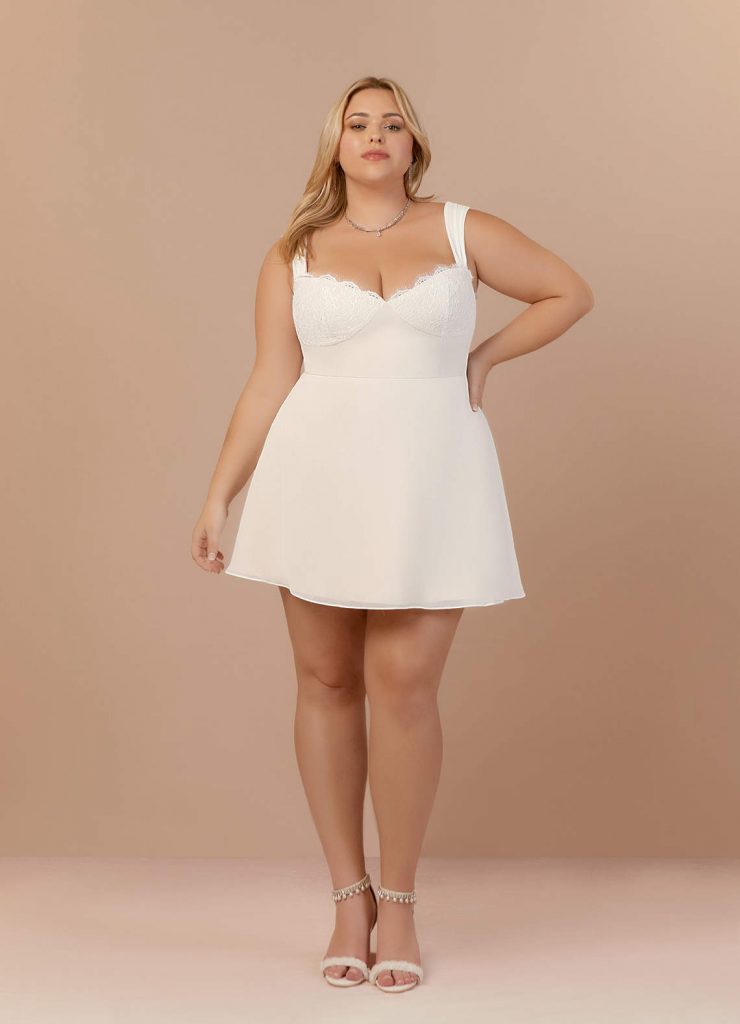
Satin — Start Here
Satin is probably the most reliable. It has enough natural weight that it drapes over curves without pulling at any specific point — that’s the specific quality that makes it work so well for plus-size formal dressing. The fabric does the structural work that a bad fit or thin fabric can’t do. And it photographs with depth under event lighting in a way that reads as genuinely expensive before you’ve added anything else.
The one catch: satin shows fit imprecision. Any tension in the bodice creates a visible pull line on the reflective surface. This is why made-to-order or custom-sized options matter specifically for satin — the difference between satin in a dress sized for your actual measurements and satin in a dress graded up from a standard size is visible in every photo.
Velvet — Use It More Than You Think To
Velvet reads luxurious in warm venue lighting in a way that I’d argue nothing else quite does. The nap catches light differently from satin or crepe, which creates visual depth that photographs with real richness. A fall or winter black-tie wedding in a deep jewel tone velvet gown — that’s the combination where everything is doing the right thing at once.
Velvet is warmer than it looks. Fall and winter black-tie: advantage. Summer black-tie in a hot ballroom: a real consideration. Match the fabric weight to the season, or save velvet for October through February.
Chiffon — The Comfort Option That Holds Its Formality
Layered, double-lined chiffon moves beautifully and keeps you cooler across a long event than most other formal options. It’s probably the most forgiving fabric for extended wear — particularly if dancing is on the evening’s agenda — because the fluid movement means the dress adjusts to you rather than the other way around.
Single-layer chiffon in light colors can be sheer under venue lighting or camera flash. Double-lined chiffon doesn’t have this problem. Check this specifically when ordering — ‘lined’ and ‘fully lined’ mean different things depending on the construction.
Crepe — The Underrated Structured Option
Quality crepe is matte, holds structure without becoming rigid, and resists the wrinkle problem that shows up when you’ve been sitting through a two-hour dinner. It doesn’t photograph with satin’s sheen — but for a deep jewel tone gown where the color itself is doing the visual work, that matte surface reads as clean and deliberate.
Actually, scratch the ‘underrated’ framing — crepe is reliable. Satin gets more attention because the surface is showier. Crepe just quietly does its job through a long evening better than most options.
Fabric × Season × Venue Type
| Fabric | Best Season | Key Advantage | Watch Out For |
|---|---|---|---|
| Satin | Year-round | Drapes curves, photographs rich | Shows fit imprecision — buy to exact measurements |
| Velvet | Fall / Winter only | Reads luxurious in warm lighting | Gets warm — genuinely uncomfortable at summer events |
| Double-lined chiffon | Spring / Summer | Cool, fluid, forgiving for long events | Single layer = sheer in flash photos |
| Crepe | Year-round | Holds structure, resists wrinkle | Heavy crepe gets warm — use lighter versions in summer |
| Lined lace | Any season | Texture + moderate warmth together | Unlined lace reads as too casual at strict black tie |
Silhouette — The A-Line Exists for Good Reasons. So Does the Mermaid.
A-Line — The Reliable Starting Point for Most Body Types
An a line wedding guest dress cinches at or near the natural waist and flares outward from there. What this specifically does for plus-size figures: it creates waist definition without requiring precise fit through the hip and thigh, because the skirt is already moving away from the body by that point. Small fit variations in those areas don’t ruin the silhouette. It’s the most forgiving formal silhouette for exactly this reason.
A-line in satin, for most plus-size black-tie scenarios, is the combination that handles most situations correctly without requiring further deliberation. It’s not the most dramatic choice. It’s the most reliably correct one.
Mermaid — When Showcasing Curves Is the Actual Goal
Mermaid fits close through the bodice, waist, and hip, then flares at or below the knee. This silhouette showcases curves rather than softening them — which is a different aesthetic objective from the A-line.
Needs structured fabric. Satin or sequin to hold the fitted shape. Chiffon gets lost — the fitted effect disappears in the fabric’s movement. And it needs precise fit through the hip and thigh. Get the fit right in a mermaid and the effect is genuinely striking. Get it slightly off and the whole silhouette reads as wrong. This is the one silhouette where custom sizing matters the most and makes the biggest visible difference.
Empire Waist — More Comfortable Than It Gets Credit For
Empire waist sits just below the bust and flows loosely from there. No waist constriction. It’s the most comfortable formal silhouette for extended evening events for this reason — no tightening over the course of three or four hours of eating and dancing. For apple or straight shapes, it creates an elongated, fluid impression that reads as formal when the fabric is right. Plus size wedding guest dresses in empire waist with heavy drape fabric — think deep jewel-tone crepe or lined chiffon — are a seriously strong black-tie option that doesn’t get enough use.
Silhouette by Body Type and Fit Requirements
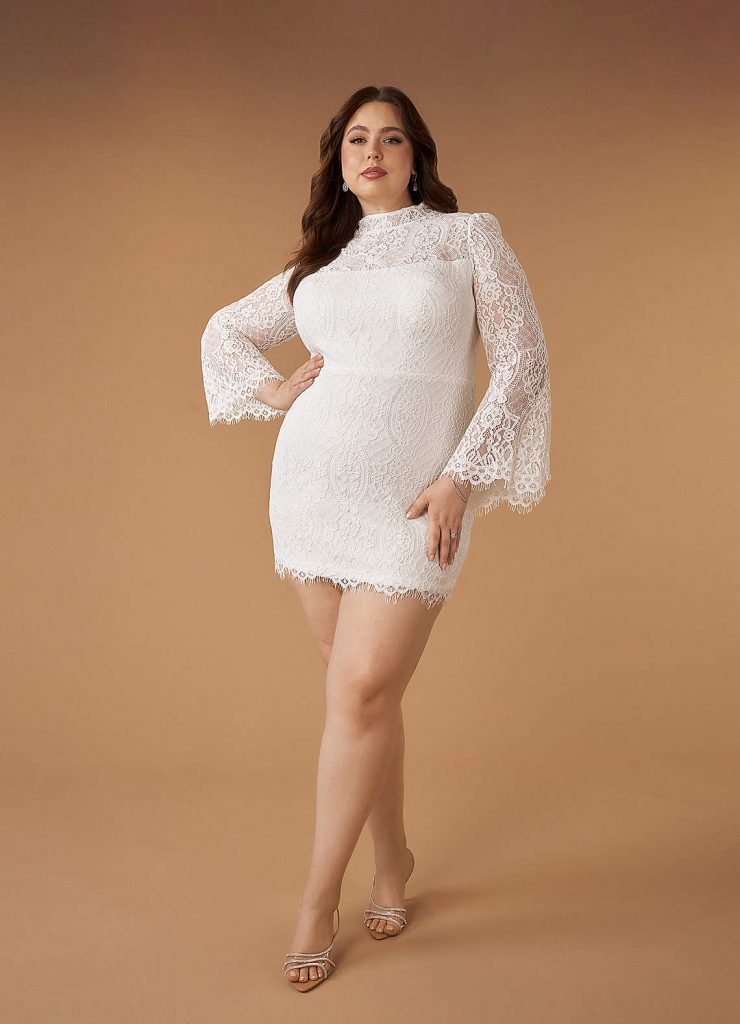
| Silhouette | Best For | Fit Note |
|---|---|---|
| A-line | Most body types | Most forgiving of fit variation — reliable starting point |
| Mermaid / Trumpet | Hourglass, pear | Requires precise hip and thigh fit — custom sizing strongly recommended |
| Empire waist | Apple, straight, any | Most comfortable — no waist constriction all evening |
| Fit-and-flare | Pear, hourglass | Similar to A-line — cinches waist, flows over hips |
| Wrap style | Most body types | Adjustable at waist — good option when sizing is uncertain |
Hemline — Get It Hemmed to Your Actual Shoes, Not an Estimate
Floor-length. Obviously. But floor-length that pools on the ground or bunches at the knee isn’t flattering on anyone — it just looks like the wrong size. The single step that makes more difference than almost any styling choice: get it hemmed to your actual height, wearing the exact shoes you’ll wear to the event.
Commit to the shoes before the alteration appointment. A 2-inch heel changes where the hem falls relative to a flat or kitten heel. This sounds minor and the visual difference is not minor. The hem finalized for one heel height is wrong for another.
And for outdoor fall or winter black-tie venues with wet ground: hemmed precisely to where it clears the ground makes the difference between a gown that stays pristine and one that collects moisture at the hem all evening.
Accessories — The Main Rule Sounds Simple Because It Is
Jewelry — One Focal Point, Earned
Earrings or necklace. Not both at once. That’s genuinely the whole rule for most black-tie situations. Bold gown with heavy embellishment or detail: go minimal with jewelry — small studs, a thin chain, let the dress be the statement. Simple floor-length gown in a solid color: room for a statement pair of earrings, a significant necklace, or a cuff.
The mistake Dee made at her second black-tie event, actually — she felt underdressed in a clean satin column and kept adding jewelry until the look read as fussy instead of polished. The dress was perfect. The accessories were competing with it. One piece would have been right.
Shoes — Block Heels. Not Because They’re ‘Safe.’ Because They Work.
Block heels give you height and formal presence without the instability of a stiletto on whatever terrain the venue has between the parking area and the door. And most venues have some of that — cobblestones, gravel, soft grass for outdoor photos, carpeting that catches thin heels. A strapless wedding guest dress with embellished block heels looks entirely intentional and keeps you standing comfortably through hour four of the event.
Embellished pointed-toe flats also work at black tie when they’re specifically formal flats. Not ballet flats. Not comfortable everyday flats. The embellishment is what signals the formality — pointed toe in a metallic or crystal detail reads as deliberate. A simple flat doesn’t.
Bag — Small, Formal, Done
Nothing larger than what holds a phone, a card, and a lipstick. Minaudière or satin clutch in a metallic or complementary tone. A larger bag — even a nice leather one — reads as underdressed at black tie. The bag should be almost invisible.
Outerwear — Solve the Warmth Problem Without Undercutting the Dress
A faux fur stole or silk wrap over a sleeveless gown adds formality and warmth. A casual knit cardigan over a formal gown reads as an afterthought. Long sleeve wedding guest dresses solve this problem entirely by building coverage into the dress construction — cleaner than any outerwear solution and significantly warmer for outdoor fall or winter moments.
Three Things to Confirm Before You Buy
| 1 | Read the exact invitation wording — ‘black tie’ vs. ‘black tie optional’ changes the decision. Black tie: floor-length, full formality fabric, elevated accessories. No exceptions worth taking the risk on. Black tie optional: floor-length is still the safest call but a very formal midi in all-over sequins or heavy structured satin becomes technically appropriate. When the wording is strict and you’re genuinely unsure: default to floor-length. Overdressed at black tie is fine. Underdressed is not recoverable. |
|---|
| 2 | Decide on made-to-order or custom sizing before you start shopping — not as a fallback. For satin and mermaid silhouettes especially: the difference between a dress sized for your actual body and a dress graded up from standard sizing is visible in photos. The reflective surface of satin shows fit imprecision. A mermaid that’s slightly off through the hip reads as wrong rather than dramatic. Azazie offers made-to-order options with custom sizing in its plus-size collection — this matters most at the dress codes where fabric quality is most visible. |
|---|
| 3 | Lock in the shoes before the final hem alteration. This is the step that gets skipped and creates the most visible problem. Finalize the shoes — the specific pair, the exact heel height — before the hemming appointment. A floor-length gown hemmed for a 3-inch heel is too short in flats and drags in a 1-inch kitten heel. One alteration session done in the right shoes is all you need. Two alteration sessions because you changed your shoes is time and money you didn’t need to spend. |
|---|
Closing Thoughts
Dee’s dress, for the record, was a navy satin A-line made to her measurements, hemmed in the shoes she wore that night. Block heel, crystal drop earrings, small gold clutch. She said it was the first time she got through a whole formal event and spent zero time worrying about the dress.
That’s the goal. Not a complicated one. Floor-length, correct fabric, fit that was made for your body. The Azazie plus-size wedding guest collection covers satin, velvet, crepe, and lined chiffon options in A-line, mermaid, and empire waist silhouettes, in sizes 0 to 30 with made-to-order and custom sizing available. Knowing the venue and dress code narrows the range quickly from there.
Frequently Asked Questions
What fabrics work best for plus-size black-tie wedding guest dresses?
Satin, velvet, and double-lined chiffon are the strongest options. Satin drapes over curves without pulling and photographs with natural depth — but it shows imprecise fit, so buy to your measurements. Velvet reads luxurious in warm venue lighting and adds warmth for fall and winter events. Lined chiffon is the comfort option for spring and summer black tie. Quality crepe is the underrated structured choice that holds its shape through a long evening.
Can I wear a midi dress to a black tie wedding as a plus-size guest?
Only if the fabric makes it work. All-over sequins, heavy structured satin, or formal crepe in a midi length can technically work at black tie. A cocktail midi in a lighter fabric won’t read as black tie regardless of how polished it looks. ‘Black tie optional’ gives you more room here. Strict ‘black tie’ on the invitation: go floor-length. You’ll never regret being the most formally dressed person at the event.
What colors work best for plus-size black-tie wedding guest dresses?
Deep jewel tones — emerald, sapphire, plum, burgundy — photograph well and look intentionally rich under warm event lighting. Warm metallics like gold and champagne are inherently formal. Black is always correct and never needs justification. Softer pastels can work for spring or summer black tie when the fabric and silhouette are elevated enough. Avoid light colors that photograph close to bridal white.
Is it okay to wear a black gown to a black tie wedding as a guest?
Yes — black is one of the most unambiguous choices for formal events. Add texture through velvet, sequin overlay, or lace detail to make it feel deliberate. A black floor-length gown in velvet or heavily beaded fabric reads as specifically glamorous at black tie, not just acceptably formal. Black with warm gold accessories is one of the strongest combinations at this dress code.
What accessories work best at black tie?
One jewelry focal point — earrings or necklace, not both simultaneously. Block heels or embellished formal flats for any venue with outdoor components. A minaudière or small formal clutch. A faux fur stole or silk wrap for outdoor moments. Keep everything scaled to the dress’s level of detail: a heavily embellished gown needs quiet accessories; a simple satin column has room for one statement piece.