
How to Style Glamorous Elegant Black Evening Dresses So the Color Feels Luxe
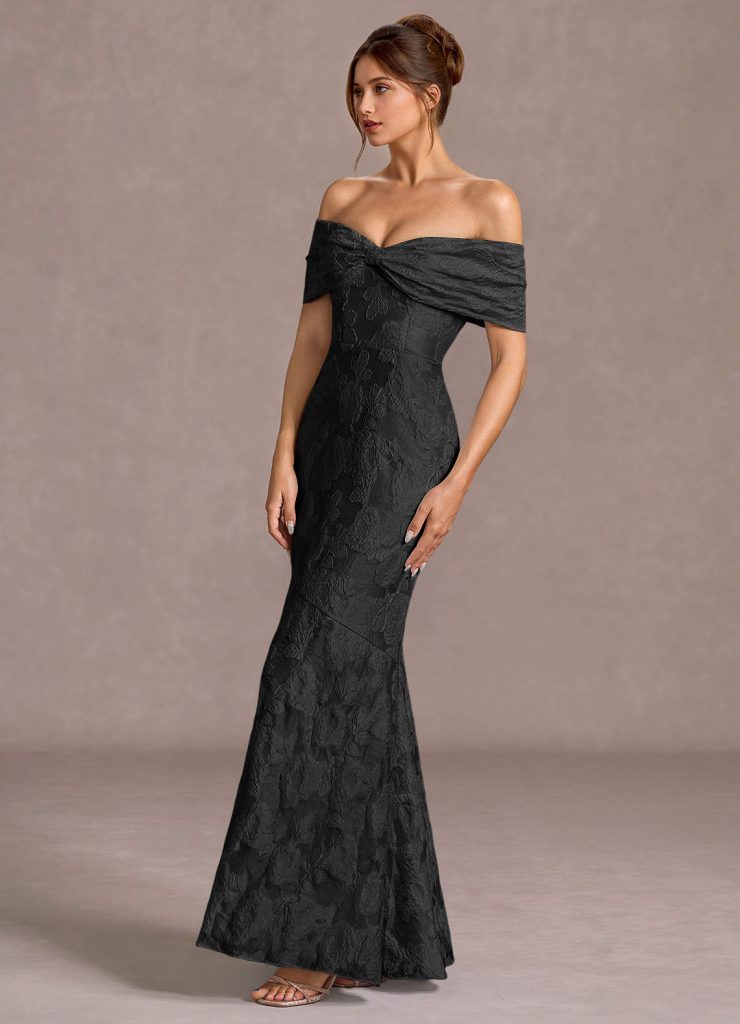
There’s a reason elegant black evening dresses have dominated formal events for the past century. But ‘black is always appropriate’ has become such a comfortable cliché that people have started treating it as a pass — as in, I don’t have to think too hard about this.
Wrong.
Black is actually the color that requires the most precise styling decisions of any formal choice. Here’s why: black absorbs light. It doesn’t reflect anything. Which means it can’t carry itself the way sapphire or emerald can — it needs the fabric, the silhouette, and the accessories to provide all the visual information that would otherwise come from the color. A badly styled black gown looks like a shadow walked in. A well-styled one looks like a decision.
| The core principle of black evening wear: everything that creates visual interest must come from somewhere other than the color. Fabric texture, silhouette construction, the play of light against beading or sequins — black requires you to engineer that interest yourself. The color isn’t going to do it for you. |
|---|
Fabric — The Most Critical Decision in Black Evening Wear
The Texture Problem With Black
I attended a Met Gala viewing party in Los Angeles in 2023 — the kind where everyone dresses up because they want to — and two women arrived in what were probably the same silhouette in black. One was in quality velvet with a surface you could almost see your reflection in. One was in some kind of polyester blend with a flat, slightly shiny surface.
Same color. One looked extraordinary. One looked like she was wearing a bridesmaid dress from a mid-2000s wedding. The difference was entirely in the fabric.
Black amplifies fabric quality because it has nothing else to show you. This is — I want to say the single most important point in this article? Maybe the whole article. When you’re buying a black evening gown, the fabric choice has more impact than the silhouette, the neckline, or the accessories.
Which Fabrics Work and Why
Velvet is my personal first choice for black formal evening wear. The pile of the velvet creates its own light-and-shadow relationship that reads as dimensional in photos, and in low venue lighting, it doesn’t go flat the way smooth fabrics can. Deep black velvet under warm indoor lighting is one of the most photographically reliable combinations in formal wear.
Quality satin reflects light in a way that creates visible structure — the dress shows its own construction through the way light hits different angles of the fabric. Cheap satin does the same thing but wrong: it reflects too harshly and creates a slightly plastic impression.
Chiffon and heavy crepe in black create a different effect — they drape rather than reflect. A layered black chiffon gown reads as ethereal. A heavy crepe column reads as architectural. Both work for different events.
| Fabric | In Black | Best For | Photographic Quality |
|---|---|---|---|
| Velvet | Rich, dimensional depth | Winter galas, black-tie | Excellent — creates shadow detail |
| Quality satin | Luminous, structured | Award events, formal | Very good — shows construction |
| Heavy crepe | Clean, architectural | Dinners, column silhouettes | Strong — relies on fit |
| Beaded/sequined | Active sparkle | Galas, high drama | Exceptional — sequins catch the flash |
| Polyester blend | Flat, can look harsh | Avoid for formal events | Poor — plastic impression |
Making Black Photogenic — the Specific Technical Challenge
Why Black Is Difficult to Photograph
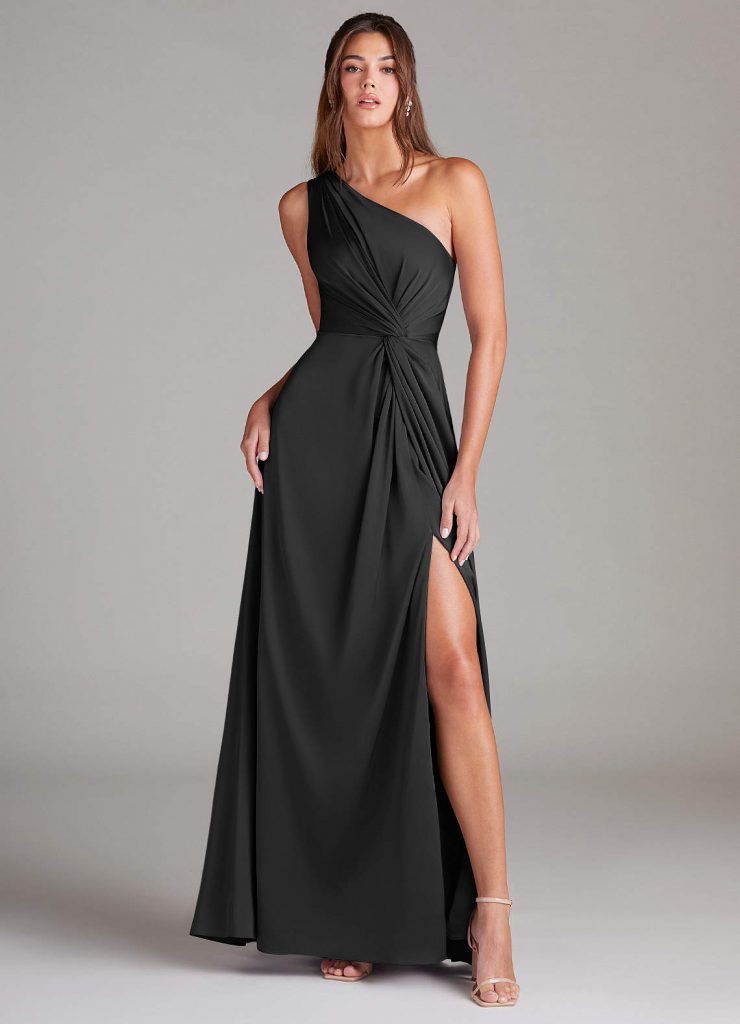
Cameras — especially digital cameras with auto-exposure — try to balance the overall brightness of a frame. When most of the frame is filled with a dark color, the camera often overcompensates by brightening the entire image, which can wash out skin tone and make the fabric look flat or grey.
The solution is surface variation. Any texture that creates highlights and shadows within the black fabric gives the camera’s sensor something to work with — something other than a single flat dark value. This is why beading, sequins, lace, velvet pile, and ruching all photograph better in black than smooth flat satin.
If your gown is smooth and flat in texture — which is fine, many beautiful black gowns are — the photographic work has to be done by accessories. Earrings that catch flash. A metallic shoe is visible at the hemline. A hair accessory that creates a light point near the face.
The Flash Problem
Event photography is almost always flash photography. And flash against black creates a very specific challenge: it shows every wrinkle, every imperfect drape, and every fit issue with brutal clarity. A dress that looks perfectly smooth under warm ambient lighting can look crumpled under flash.
This is why fit matters so much for glamorous elegant black evening dresses. Every place the fabric bunches or pulls will be visible in photos. More visible than on any other color. Custom sizing for fitted or mermaid silhouettes is especially valuable in black than in lighter colors.
Accessories — How to Create Visual Interest Against Black
Jewelry — More Latitude Than You’d Think
Black gives you more jewelry flexibility than almost any other evening color. Because the background is neutral (actually more than neutral — it’s absent), almost any metal and most gemstone colors read as intentional contrast.
Gold against black is warm and regal — old Hollywood, classic, consistently strong. Silver and platinum against black is cooler and more modern. Diamond and crystal read as maximum formality. Colored stones — emerald, sapphire, ruby — are photographed with exceptional contrast against black and are underused in this styling context.
Wait — I should clarify something. When I say ‘more latitude,’ I don’t mean ‘add more pieces.’ The one-statement-element rule still applies. Black and white evening dresses-adjacent styling — pearl earrings, white silk wrap, minimal silver — creates a very clean formal look. But piling on colored stones, mixed metals, and multiple statement pieces simultaneously turns a sophisticated look into a jewelry display.
Shoes — The Hemline Is a Focal Point
In a floor-length black gown, the shoe is often partially visible at the hemline and becomes a significant visual element in photos. This is different from lighter-colored gowns, where the shoe either matches or disappears.
Against black, a metallic shoe creates a deliberate statement at the hemline — it marks the end of the dress as a design decision rather than a termination. Nude shoes elongate cleanly. Black shoes disappear, creating an unbroken vertical line that reads as very sleek in photos but removes any contrast at the base.
The Color-Pop Accessory
A black-gold evening-dress-inspired approach — a black gown with gold accessories — is one of the most reliable formal styling combinations. But a different, less-expected option: a single saturated color element against an all-black look. A deep crimson clutch. Sapphire drop earrings—an emerald cuff. Black is the only color that makes this approach work consistently because it doesn’t clash with anything — it simply provides contrast.
Five Styling Decisions That Define a Black Evening Look
| 1 | Touch the fabric in natural light before committing. Boutique lighting is designed to flatter every fabric. Take the dress to a window or outside. Quality velvet has a visible pile that shifts in light — you can see the color change as the angle changes. Quality satin has a warm, golden sheen. Cheap synthetic fabrics often have a bluish-grey cast in natural light that looks nothing like the warm black you saw under halogen boutique lighting. This test takes thirty seconds and saves significant regret. |
|---|
| 2 | Decide on one statement element before buying jewelry. Earrings, necklace, or bracelet — not all three as statement pieces. Black makes everything visible and every accessory element readable, which means three statement pieces against black read as three competing focal points. One strong element, everything else minimal or absent. Decide what that element is before you start accessorizing, not after. |
|---|
| 3 | Consider the event’s lighting type when choosing fabric. Warm amber indoor lighting reads velvet and satin beautifully, but can flatten chiffon. Cool blue-toned venue lighting or outdoor evening light is more neutral and forgiving across fabric types. Flash photography from event photographers amplifies every texture variation. If you know your event will be heavily photographed, prioritize textured fabrics — beading, velvet, lace — over flat, smooth satin. |
|---|
| 4 | Test the fit specifically under flash, not just ambient light. Stand near a bright window or use your phone flash to take a test photo of the dress while wearing it. Flash reveals every fit imperfection in a black gown. A dress that looks smooth under boutique lighting can show fabric tension, pulling, or bunching in a flash photo. This test catches problems while you still have time to adjust. Custom sizing or tailoring for fitted black silhouettes is almost always worth it. |
|---|
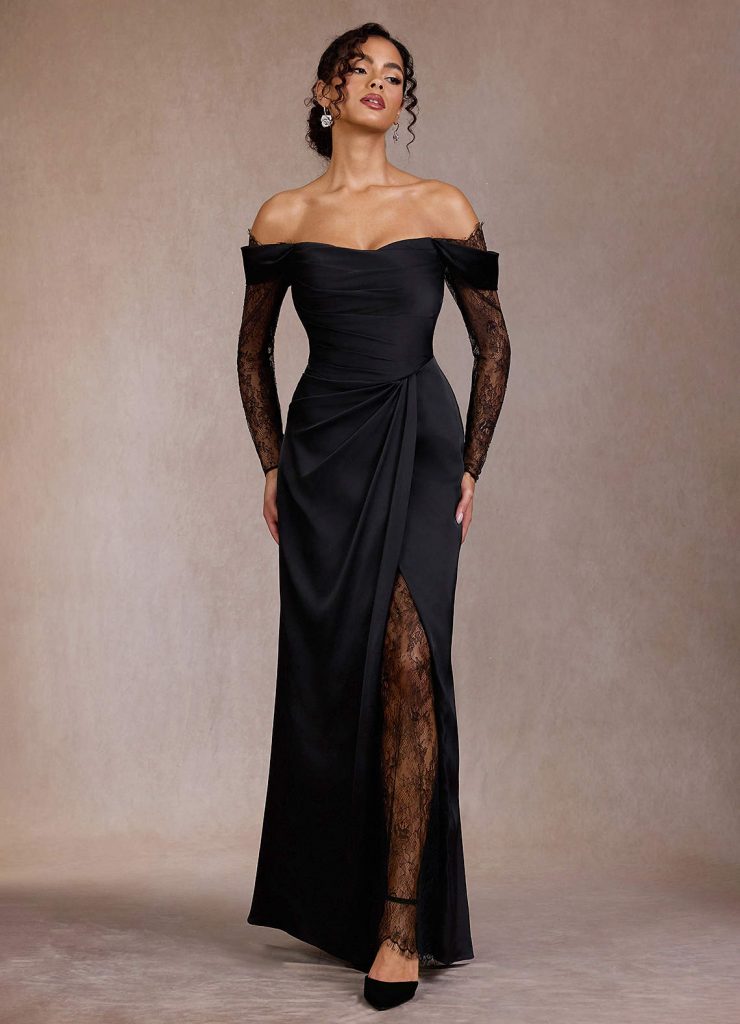
| 5 | Plan the makeup before the event — not the morning of. Black gowns require specific makeup decisions because the contrast between dark fabric and skin tone is the primary visual relationship in photos. If you have light skin, bold red lips, or strong eye shadow, provide necessary contrast to prevent you from looking washed out by the black dress. If you have a deep skin tone, luminous skin with minimal eye makeup, and a nude lip, it creates a sophisticated effect because your skin tone already provides the contrast. These aren’t the morning-of decisions they seem to be. |
|---|
Black Evening Dresses by Occasion — What Changes
Black-Tie and Formal Galas
Floor-length. Quality fabric — velvet, quality satin, or heavily beaded. One strong accessory. According to Vogue’s black-tie wedding guest dress guide, the most consistently successful black formal looks prioritize the quality of the gown’s construction and fabric over accessory complexity. A stunning mermaid evening dress in quality black velvet with diamond studs and nothing else is a complete formal look.
Evening Wedding Guest
Black at weddings is now widely accepted, particularly for evening ceremonies. Brides’ black-tie wedding guest dress guide addresses this directly: a floor-length black gown in formal fabric is appropriate at evening weddings with a clear formal dress code. The styling guidance is the same as any black-tie event — quality fabric, intentional accessories, precise fit. The one addition: avoid anything that reads as very casual or beach-adjacent in silhouette, regardless of color.
Award Ceremonies and Galas
More latitude for drama. A sequined black column gown, a beaded floor-length A-line, a velvet gown with a dramatic neckline — all appropriate. The event expects a visual statement, so the ‘quiet luxury’ approach of minimal styling over quality fabric is just one of several valid options.
For petite or plus-size attendees: petite evening dresses in black with vertical design lines — V-necklines, center seaming, floor-length silhouettes — photograph with excellent elongation. Black evening dresses plus size in A-line or empire waist silhouettes with quality fabric give the color its maximum impact across all figure types.
Accessory Colors That Work Against Black — a Practical Guide
| Accessory Color | Effect Against Black | Best For | Level |
|---|---|---|---|
| Gold | Warm, regal — Old Hollywood | All formal events | Classic |
| Silver/platinum | Cool, modern, crisp | Award ceremonies | Contemporary |
| Deep red | High contrast — bold statement | Galas, confident occasions | Statement |
| Emerald/sapphire | Jewel tone pop — unexpected | Any formal event | Editorial |
| Nude / champagne | Clean elongation, minimal | Wedding guest, dinners | Understated |
Closing Thoughts
Black is not the easy choice people treat it as. It’s the precise choice — the one that requires you to get the fabric, fit, accessories, and makeup right, because the color itself adds nothing.
Martha Stewart’s guidance on black-tie event attire frames it well: formal dressing is about communicating intention through quality. A black gown that communicates intention looks extraordinary. One that doesn’t read as wearing black because you couldn’t decide on a color. Those outcomes are not equally likely with the same dress.
Frequently Asked Questions
What makes a black evening dress actually look glamorous?
Fabric quality and a precise fit. Black can’t carry itself the way saturated colors can — every visual impression has to come from the fabric’s texture, the silhouette’s construction, and how light interacts with the surface. A flat, poorly fitted black dress looks like a shadow. A quality velvet or beaded gown in a perfectly tailored silhouette looks genuinely glamorous.
What shoes work best?
Metallic shoes create a deliberate focal point at the hemline — gold for warm, regal; silver for cool, modern. Nude elongates cleanly without adding color complexity. Black shoes create an unbroken vertical line that reads as very sleek in photos, but removes all contrast at the base. All three work. The choice depends on how much you want the hemline to be a visible styling decision.
How do I make a black evening dress photogenic?
Choose textured fabric. Velvet, beading, sequins, and lace all create surface variation that gives cameras something to expose correctly — preventing the flat-black blowout that smooth satin can produce under flash photography. If you’re committed to smooth fabric, use accessories to create light points: metallic shoes, earrings that catch flash, a light-catching clutch.
What jewelry works with a black evening gown?
Almost everything is a specific advantage of black. Gold is warm and classic. Silver is modern and crisp. Colored gemstones read with exceptional contrast. Pearls create a very clean formal impression. The metal temperature doesn’t need to be matched as carefully as it does with gold or white gowns. One statement element, though — not several competing ones.
Can I wear colored accessories with a black dress?
Yes, and I’d argue this is underused. A deep emerald clutch or ruby earrings against black creates saturated contrast that photographs beautifully. Black doesn’t clash with any color — it simply provides the neutral background that makes the accessory color read clearly. Keep it to one-color elements, and choose a saturated, deep tone rather than a pastel.
What outer layer works with a black evening gown?
A structured bolero or fitted jacket in a contrasting material — ivory crepe, metallic brocade, or even a tailored black jacket that adds structure rather than just warmth. A draped black shawl in the same color reads as an afterthought rather than a design decision. The outer layer should look like it was chosen, not grabbed on the way out.
Are there options for plus-size or petite attendees?
Yes. Plus size evening dresses in black in A-line and empire waist silhouettes work very well — black’s slimming effect is real and useful, and these silhouettes add to it. Petite evening dresses in black with vertical design elements — center seaming, V-necklines, high slits — create elongation that photographs well. Custom sizing is genuinely valuable for black gowns in any size.
What makeup works with a black evening gown?
Bold lip or strong eye — one focal point, not both simultaneously. Classic red lip against black is one of the most photographically reliable combinations in formal fashion. Smoky eye with a nude lip is the other. Your skin tone affects which approach works better: the makeup needs to provide enough contrast against the black backdrop so that your face reads clearly in photos.