
How to Make Grecian Style Wedding Dresses Look Timeless in Photos
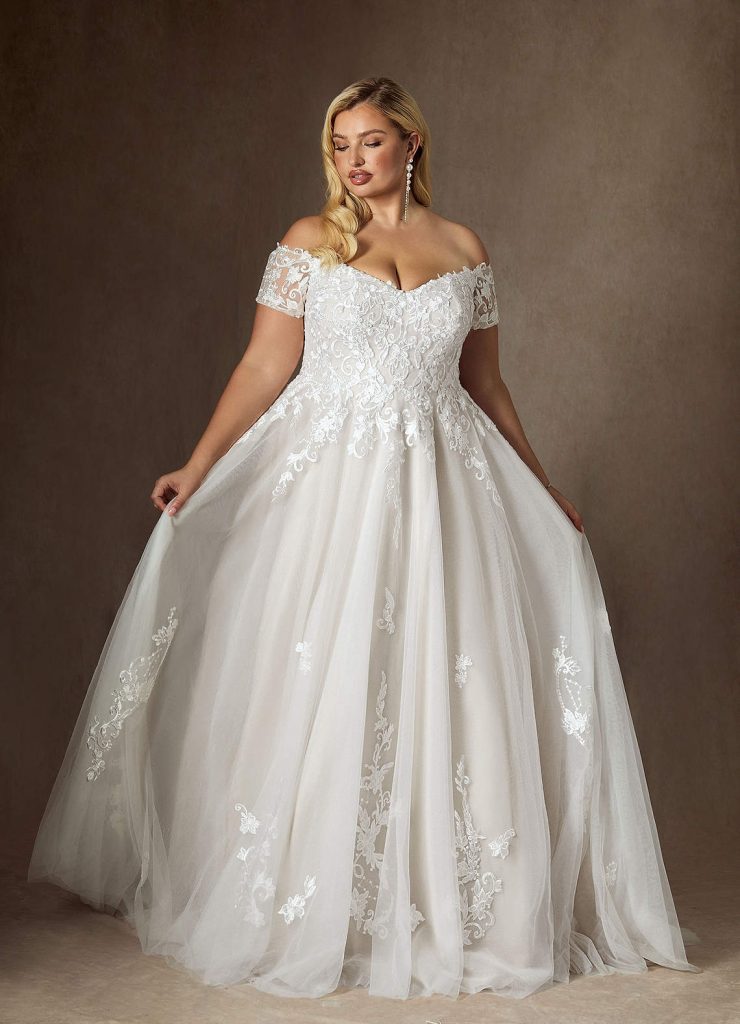
Here’s the thing about Greek-style wedding dresses: the line between ‘timeless goddess’ and ‘dressed for a school play about ancient Rome’ is thinner than most brides expect.
And almost all of it comes down to three decisions. Fabric quality. How literal the styling gets. Whether the accessories take the look over the edge or not, nothing else matters quite as much.
| THE COSTUME PROBLEM A Grecian dress doesn’t look like a costume because of the silhouette — it looks like a costume because of what surrounds it. Laurel wreaths. Thick gold rope belts. Metallic sandal lace-up to the knee. Any one of those elements can tip a genuinely beautiful gown into themed territory. The dress is usually fine. The accessories are where brides get into trouble. |
|---|
The Decisions That Separate Timeless from Trend-Driven
Fabric Quality Is the Real Differentiator
Cheap synthetic chiffon moves like a theater costume fabric. Quality silk or silk-blend chiffon moves like bridal fabric. Same silhouette. Completely different impression in photos.
This is (and I don’t think it gets said directly enough) the most important factor in making a Grecian gown look timeless. The drape, the light, the way the fabric holds a pleat — all of that is fabric quality. Not silhouette, not color.
Azazie’s own guide on what makes classic wedding dresses timeless in photos makes this point directly: the fabrics that hold up best over decades are those with natural movement and a quality that reads clearly in photography, not fabrics that look fine on a hanger but flat in print.
Classic Silhouettes — Not All Grecian Shapes Age the Same Way
Empire waist. Soft A-line. Clean column. Those are the silhouettes that photograph as timeless.
One-shoulder draping and elaborate asymmetric pleating — which peaked hard in the early 2010s — are harder to make look undated in photos. I’m not saying avoid them. Just know that the more dramatic the draping, the more it anchors the photo to a specific era. Subtle pleating holds up longer than elaborate draping.
| SOFT CHIFFON Timeless? Yes — if quality is high Drape: Flows and catches light beautifully In photos: Looks bridal, not theatrical Watch for: Cheap versions read as costume |
CREPE Timeless? Very — matte and clean Drape: Holds shape without stiffness In photos: Sleek and modern, not trendy Watch for: Nothing — consistently good choice |
SATIN Timeless? Yes — classic surface sheen Drape: Heavier, more structured In photos: Rich and formal — photographs warmly Watch for: Can feel less ‘Grecian’ than chiffon |
SILK-BLEND Timeless? Strongly — most natural movement Drape: Fluid and responsive In photos: Light captures it beautifully Watch for: Higher cost — worth it for Grecian styles |
|---|
Accessories — Where Most Grecian Wedding Photos Go Wrong
The Headpiece Decision Is the Biggest One
Avoid laurel wreaths. Avoid anything that looks like it was purchased at a Renaissance fair alongside the dress.
A delicate gold comb in loose waves. A simple thin headband. Or nothing at all — which, honestly, works beautifully for Grecian gowns because the silhouette already carries the look. An ivory wedding gown in flowing chiffon with no headpiece, loose hair, and minimal jewelry photographs as timelessly bridal. A veil can work — a soft drop veil in tulle adds a bridal finish without anchoring the look to a trend. What doesn’t work is anything that reads as a literal ancient Greek costume.
Gold — How Much Is Too Much
Gold has historically been associated with Greek wedding aesthetics. It’s also (counterintuitively) what pushes the look most toward costume territory.
A thin gold belt, a simple gold cuff, or a delicate pendant are fine. Multiple gold elements — headband, belt, earrings, sandal lace-up — and you’re dressing for a theme party. One gold piece. Maybe two. That’s the ceiling for a timeless look.
Shoes — Simpler Than You’d Think
Sandals work for beach or outdoor settings. Pumps work everywhere else. The choice that doesn’t work: strappy sandals laced up the calf. Historically evocative? Yes. Timeless in photos? Rarely. Sleeveless wedding dresses in Grecian silhouettes look clean with simple block-heeled sandals or pointed pumps — nothing that tries to visually complete the ‘goddess’ costume concept.
Three Things to Check Before Saying Yes
| 1 | Count the Grecian signals in the full outfit. Flowing chiffon is one Grecian signal. Empire waist is another. A laurel wreath is a third. A gold rope belt is a fourth. One-shoulder draping is a fifth. There’s no hard number, but when you’re adding up all the elements — dress, accessories, headpiece, shoes — more than three or four obvious classical references start tipping toward costume. The dress itself can have two or three Grecian elements. The accessories probably shouldn’t add more. |
|---|
| 2 | Check the fabric quality in natural light — not store lighting. Boutique lighting makes almost every fabric look better than it is. If you can take the dress to a window or outside, do it. Quality chiffon and silk blends in natural light will have a translucence that looks bridal. Cheap synthetic will look flat and slightly plasticky. This difference doesn’t always show in boutique light, but it shows very clearly in outdoor wedding photography. |
|---|
| 3 | Dress it down before the wedding day — test the accessories. Put the full outfit together at home. Dress, shoes, headpiece, jewelry. Take a photo in natural light. If your first reaction is ‘Greek goddess,’ that’s good. If your first reaction is ‘Halloween costume’ — that’s also useful information with enough time to fix it. The photo test catches accessory combinations that look fine separately but read as over-themed together. |
|---|
Settings Where Grecian Wedding Dresses Look Their Best
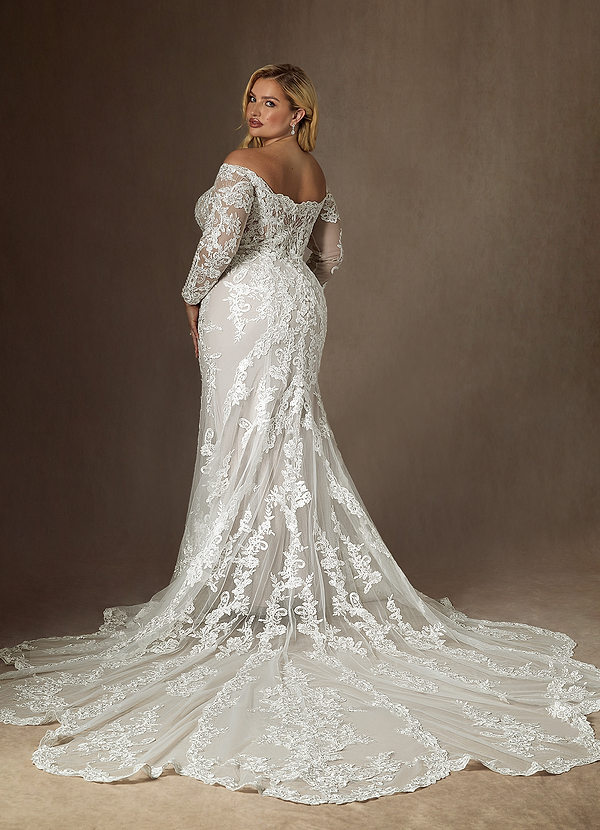
| Setting | Fabric Choice | Why It Works |
|---|---|---|
| Beach / coastal | Chiffon, silk-blend | Wind in the fabric is a feature, not a problem |
| Garden / outdoor | Chiffon, soft crepe | Natural backdrop complements the draped look |
| Destination / international | Light chiffon | Packs well, breathes, and moves in warm settings |
| Indoor/formal hall | Crepe or satin | Heavier fabric works better under artificial light |
| Historical venue | Any quality fabric | Architecture and dress share the same language |
Color note: champagne wedding dress options and ecru color wedding dress tones photograph especially well for Grecian gowns in outdoor settings — they warm up in natural light in a way bright white doesn’t. Something to check before committing to pure white.
The Knot’s guide to classic wedding dress styles that stand the test of time puts it well: the wedding gowns that look best twenty years later are those in which the silhouette, not the moment’s trend, was the primary design choice. That applies directly to Greek bridal—choose the drape and fabric, and keep the accessories minimal.
Closing Thoughts
Fabric quality. Accessory restraint. A silhouette that doesn’t try too hard. Those three things decide whether a Grecian wedding dress looks timeless in photos or looks like it was trendy in a specific year.
The style itself is genuinely beautiful — and genuinely durable. Ancient Greek aesthetics have held up for a couple of thousand years. A well-chosen gown, styled without over-literal references, can hold up in a wedding album for a few decades.
Azazie‘s collection includes over 200 wedding dresses in sizes 0–30, with flowing silhouettes suited to Grecian styling, made-to-order construction, and at-home try-on available. Worth browsing once you know what fabric and silhouette you’re looking for.
Frequently Asked Questions
What makes a Grecian wedding dress look timeless in photos?
Fabric quality first. A soft, well-draining chiffon or silk-blend moves in photographs in a way that reads as bridal rather than theatrical. After that: minimal accessories, restrained Grecian signals, and a silhouette (empire waist, A-line, or column) that doesn’t anchor itself to a specific trend era.
How do I avoid the costume problem?
Count the Grecian signals in the full outfit. The dress can have several. The accessories should stay light — one gold piece, no laurel wreaths, no lace-up sandals. The dresses that age best are ones where no single design choice screams a specific decade.
What silhouettes work best for Grecian wedding dresses?
The Empire waist is the most classic option. Soft A-line is the most forgiving. The column works well for brides who prefer a clean, minimalist line. All three have photographed gracefully for decades. Heavily asymmetric one-shoulder draping can date a photo more than the other options.
Can I wear a Grecian wedding dress in winter?
Yes — swap chiffon for crepe or heavier satin. The Grecian drape still works; the fabric just needs more weight to hang well in cooler conditions. A sheer cape or light wrap can also work without breaking the silhouette.
What fabrics are best?
Soft chiffon (silk-blend if possible). Crepe. Satin for more structured looks. The common thread is natural movement and quality — fabrics that drape intentionally rather than hanging limp or looking stiff.
Can I add a veil?
Yes, and it often works well. A soft drop veil in plain tulle complements the flowing lines of the dress without adding another ‘Grecian signal’ to the outfit. Keep it simple — no heavy embroidery on the veil edge that might compete with the dress’s draping.
What about color — does it have to be white?
No. A spaghetti strap wedding dress in ivory or champagne reads as bridal and photographs warmly in outdoor light. Champagne and ecru in particular are popular for Grecian gowns because they don’t reflect harsh glare the way bright white can in direct sunlight.
What’s the difference between Grecian style and boho bridal?
They overlap. Both favor flowing fabric and less structured silhouettes. The difference is mostly in the specific details: Grecian uses pleating, draping, and empire waists with minimal embellishment. Boho often adds lace, floral, or macramé detail. A dress can be both, or clearly one more than the other.
What shoes work best?
Simple sandals for outdoor settings. Pointed pumps for indoor. Block heels work for venues where stability matters. What doesn’t age well: strappy sandals laced up the calf — too on-the-nose for most photos taken even five years later.