
How to Choose Formal Maternity Dresses That Balance Support, Movement, and Confidence for a Long Formal Event
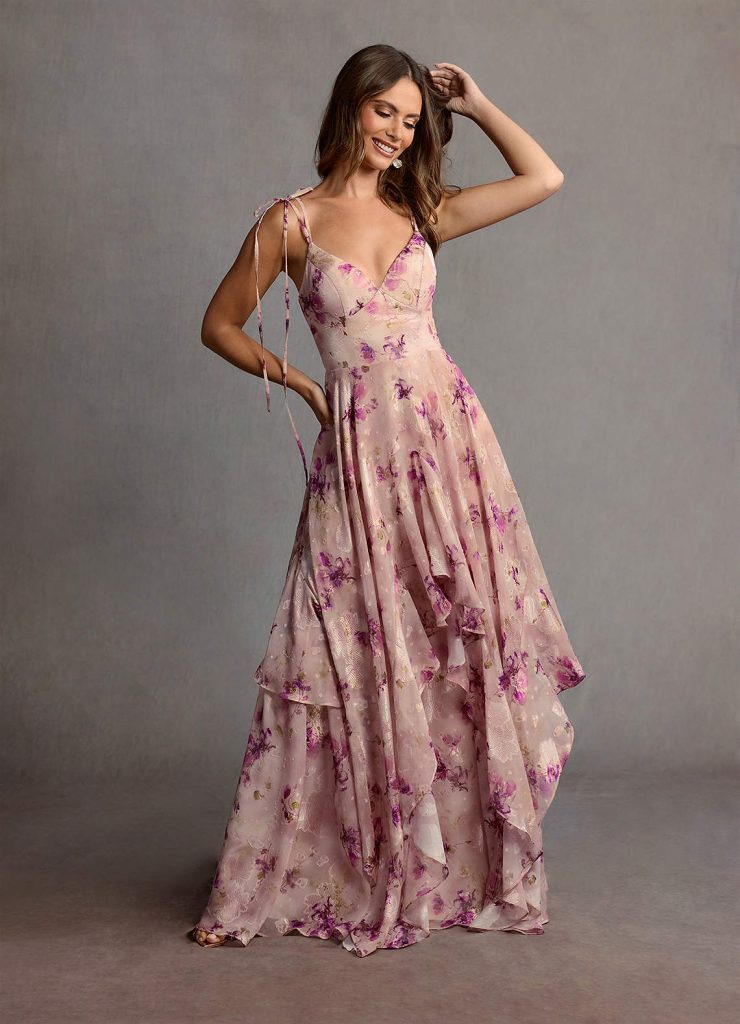
Empire waist in a stretch fabric. That combination is the most consistent across formal maternity dresses for long events. Everything else adjusts by trimester, the specific event type, and your comfort threshold — but those two elements together solve the core problem: a growing belly that changes shape between purchasing and wearing.
The right formal maternity dress is the one you stop thinking about two hours in. That’s the actual benchmark. A dress that requires constant adjustment, limits movement, or becomes uncomfortable as the evening progresses hasn’t solved the problem — regardless of how it photographs.
| QUICK TIP Order maternity formal dresses at least two sizes up from your pre-pregnancy size and have them tailored down. It’s easier and safer than ordering your expected size in your expected trimester — body changes during pregnancy rarely follow a predictable schedule. |
|---|
The Appeal of Formal Maternity Dresses
Why Formal Maternity Dresses Are Ideal for Long Events
Long formal events ask specific things of the dress: sitting for dinner, standing in receiving lines, walking between venue areas, and sometimes dancing. According to The Knot’s maternity wedding guest dress guide, empire-waist silhouettes and wrap dresses are specifically recommended for events that require extended movement because they accommodate natural body changes throughout the day rather than becoming tighter or more restrictive as the event progresses.
The center of gravity shifts during pregnancy. Silhouettes and heel choices that account for that shift — empire waist, block heels, adjustable wrap designs — are materially different from standard formal options, not just aesthetically different.
How the Right Fit Changes Throughout Pregnancy
First trimester: most standard formal dress sizing with some room built in. Second trimester: empire waist and A-line become essential as the bump becomes visible. Third trimester: adjustability is the priority — wrap styles that can be retied and stretch fabrics that recover rather than pull are the options that remain comfortable across the widest range of weight distribution scenarios.
Buying a dress for a specific event means accounting for which trimester you’ll actually be in when you wear it, not which trimester you’re in when you buy it.
Choosing the Right Design Details for Formal Maternity Dresses
| ↑ EMPIRE WAIST Best for: All trimesters — especially 2nd & 3rd How it works: Seam below bust, flows over bump Fabric: Chiffon, jersey, crepe Length: Floor or midi |
▽ A-LINE Best for: 1st and 2nd trimester How it works: Waist-defined, flares from the hip Fabric: Stretch satin, crepe Length: Knee, midi, or floor |
〉 WRAP STYLE Best for: All trimesters — adjustable How it works: Self-ties — adapts to bump changes Fabric: Jersey, soft crepe, georgette Length: Midi or floor |
~ RUCHED STRETCH Best for: 2nd and 3rd trimester How it works: Ruching hides bump-area pulls Fabric: Jersey, stretch matte Length: Midi or knee |
|---|
Waistlines — Why Empire Is the Standard
According to Wikipedia’s description of the empire silhouette, the empire waistline places the seam directly under the bust, at the narrowest available point on a pregnant body. The fabric then flows straight down over the belly without pulling or restricting. This is specifically why it’s been the dominant maternity formal silhouette: it’s the one design decision that solves the geometry problem without requiring the dress to accommodate a specific belly size.
Wrap styles solve a different problem: adjustability. The crossover can be retied to fit; however, the pregnancy is sitting on the event day. An A-line formal dress works well for the first and early second trimester, specifically — h flare begins at the natural waist and widens from there, which accommodates a bump without requiring the high waistline of empire styling.
Necklines That Work With Maternity Silhouettes
V-necklines draw the eye upward toward the face and collarbone. This isn’t about distracting from the bump — it’s about making the look’s composition read as intentional rather than incidental. The eye naturally travels to the V-shape, so the neckline and face become the visual center of the look.
Off-shoulder styles create a wide, graceful horizontal line at the collarbone that photographs well and balances the lower silhouette. For maternity formal dresses specifically, off-the-shoulder styles work because they add visual width at the top of the frame, creating a sense of proportion relative to the belly’s visual weight.
Sleeves and Coverage
Three-quarter sleeves are specifically useful for formal maternity events with air conditioning — common at evening venues. They provide arm coverage that standard formal dresses with sleeves offer without the full warmth of a long sleeve, which can be uncomfortable during pregnancy when body temperature runs higher. Cap sleeves are the minimal-coverage alternative. Sleeveless is the most breathable option for outdoor or summer events.
Dress Lengths — Floor-Length Isn’t Always the Right Choice
Floor-length isn’t automatically the most formal maternity choice. This is worth knowing because a hem that doesn’t clear the floor is a genuine safety issue when the center of gravity shifts. Midi formal dresses that hit mid-calf are the cleaner formal maternity choice for most events — they convey polished formality without requiring the precise hem calibration that floor-length dresses demand.
If floor length is the event’s expectation, have the hem tailored to the specific heels you’ll wear. A hem calibrated for bare feet with block heels that add two inches becomes a tripping hazard. This souisvious, bt it y to miss in the ordering process.
Best Fabrics for Formal Maternity Dresses
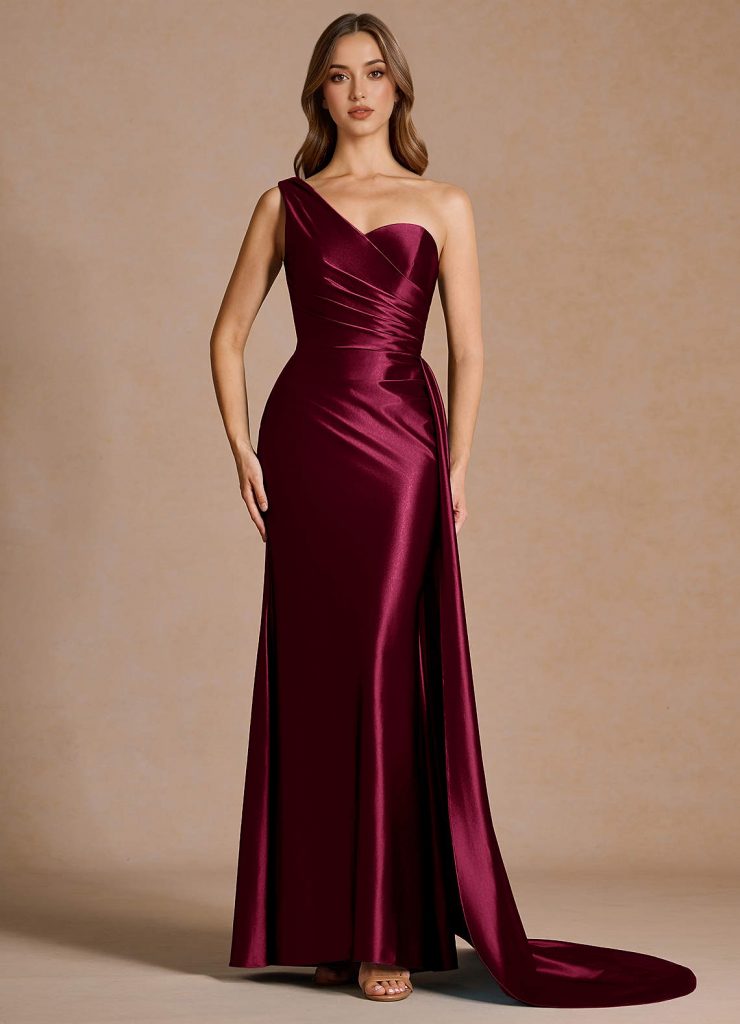
Two things pregnancy does to fabric requirements: it raises the temperature threshold (overheating is a genuine concern, not a preference) and it changes what ‘comfortable’ means at the skin level. Many people find that fabrics they previously found comfortable become irritating during pregnancy. Breathability and softness stop being preferences and become requirements.
Stretch Fabrics — The Practical Foundation
Jersey and four-way stretch fabrics are the backbone of formal maternity wear because of one specific property: recovery. The fabric stretches to accommodate the bump and returns to shape rather than bagging or pulling, which is specifically what makes the silhouette hold throughout a six-hour event. According to The Bump’s maternity clothing buying guide, stretch fabrics and ruching together are the most recommended construction details for formal maternity wear, because ruching over stretch provides both visual coverage and physical accommodation for body changes.
Chiffon and Georgette — Breathability With Formal Appearance
Chiffon is particularly useful for formal maternity dresses because it combines a formal aesthetic with genuine breathability. According to Wikipedia’s description of chiffon fabric, the lightweight, loose weave allows airflow even when layered, which is exactly why a chiffon overlay over a stretch jersey lining is such a common formal maternity construction. The outer layer looks formal; the inner layer breathes.
Satin and Crepe — Evening Events
Satin and silk for formal maternity events — evening galas, black-tie dinners — are viable with one specific caveat: venue temperature. Satin has minimal breathability. For indoor evening events in air-conditioned venues, this isn’t a problem. For outdoor summer events during pregnancy, there’s a genuine risk of discomfort worth factoring into the decision.
Crepe is the matte alternative to satin — it has more structure, less shine, and slightly better breathability. For formal maternity dresses worn during extended events, crepe is often the more practical option, offering the same elegance as satin.
| Fabric | Event Type | Key Property | Caution |
|---|---|---|---|
| Jersey / Stretch | All events — the practical backbone | Recovery — holds shape over long events | Needs quality construction |
| Chiffon | Outdoor, summer, daytime formal | Breathable — works over stretch lining | Needs opaque underlining |
| Crepe | Evening events, structured looks | Structured, matte, more breathable than satin | Heavy — can feel warm |
| Satin / Silk | Evening galas, air-conditioned venues | Formal sheen — elegant drape | Low breathability — warm venues are a risk |
| Lace overlay | Weddings, semi-formal events | Texture — adds formality over stretch lining | Test for skin sensitivity |
Shoe Choices for Formal Maternity Dresses
The center of gravity shifts forward and downward during pregnancy as the belly grows. Stilettos compensate for this with no room for error. Block heels distribute the weight differently and provide surface area to correct on if balance shifts. That’s the actual reason to prioritize block heels — not aesthetics, but basic stability during a long event when fatigue compounds.
Embellished flats are the complete comfort solution. Gold or silver embellishment on a pointed-toe flat adds occasion-appropriate formality while eliminating the heel question entirely. For pregnancy specifically, this is often the smarter choice for events that run four or more hours.
| Shoe Style | Why It Works for Maternity | Best For |
|---|---|---|
| Block heels (2–3 in.) | Wide base — stable with shifted center of gravity | Evening events, galas — any long event |
| Embellished flats | Zero fatigue risk — formally appropriate | Any formal event, especially 4+ hours |
| Wedge heels | More stable than standard heels — continuous sole | Outdoor events, garden venues |
| Nude block heels | Elongates leg line — neutral foundation | Midi lengths — creates a clean vertical line |
| Metallic heels | Gold or silver — adds formality without color | Evening events — complement any dress color |
Jewelry for Formal Maternity Dresses
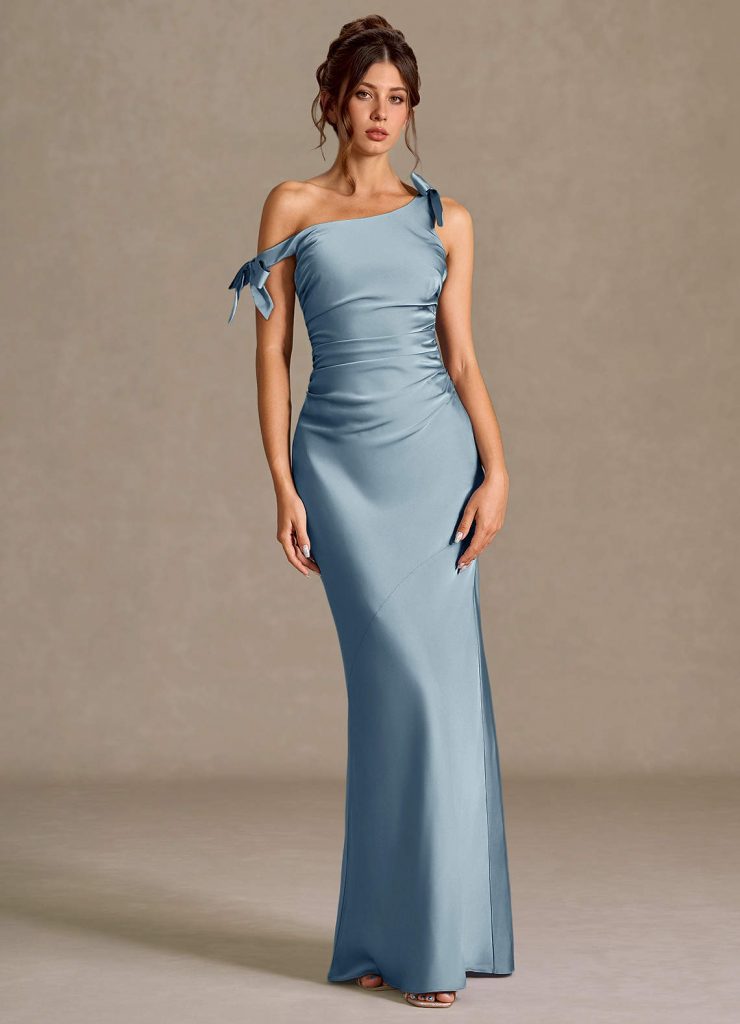
The compositional goal of formal maternity dress styling is to create a focal point on the face rather than on the belly. Earrings that sit at or near the face accomplish this directly. Statement earrings with a clean empire-waist gown are more effective than a necklace at bust level — the eye should travel upward to the face, not sideways across the torso.
Pearls are particularly appropriate for formal maternity occasions — their soft, matte luster complements the gentle formality most maternity event styling aims for. Gold for warm-toned dresses, silver for cool-toned ones. Colored gemstones (aquamarine, topaz, soft amethyst) add personality without competing with the dress’s color.
| Jewelry Type | When to Use It | Why It Works |
|---|---|---|
| Statement drop earrings | Simple neckline — V-neck, off-shoulder | Face-forward focal point — eye travels upward |
| Pearls (studs or drops) | Any formal maternity event | Matte elegance — cohesive with soft formality |
| Gold jewelry | Warm-toned dresses | Warmth and celebration — adds glow |
| Silver / white gold | Cool or neutral-toned dresses | Clean modern contrast — crisp finish |
| Delicate pendant | V-neck or sweetheart — sits inside neckline | Subtle — doesn’t compete with the neckline |
Styling Formal Maternity Dresses for Different Occasions
The one maternity-specific variable that gets underweighted when choosing a formal dress is event duration. A four-hour wedding ceremony plus reception asks something different of a dress and shoes than a two-hour cocktail party. The longer the event, the more fabric breathability and shoe stability matter as genuine design requirements.
| Event | Best Silhouette | Best Fabric | Key Practical Note |
|---|---|---|---|
| Wedding — ceremony + reception | Empire waist or wrap | Chiffon over stretch lining | Test shoes beforehand — long event |
| Gala / black-tie evening | Empire waist or A-line | Crepe or light satin | Air-conditioned venue — satin is fine |
| Outdoor daytime formal | Wrap or empire waist | Chiffon or georgette | Wedges over heels on grass surfaces |
| Semi-formal cocktail event | A-line or ruched stretch | Jersey, scuba, stretch crepe | Shorter event — more flexibility |
| Winter formal event | Empire or wrap with sleeves | Crepe or heavy jersey | 3/4 sleeves — warm but not hot |
Formal Maternity Dresses for Weddings
Wedding events present the longest duration and the most physical activity of most formal occasions. Receiving lines, ceremony seating, reception standing, and dancing add up. For a formal dress for wedding guest during pregnancy, an empire empire-waistn in a jewel tone or soft pastel covers most requirements: the silhouette accommodates the bump, the fabric breathes, and the color choices avoid the bridal territory that ivory and white risk.
Formal Maternity Dresses for Galas and Evening Events
Long formal dresses at galas, in empire-waist or wrap silhouettes in crepe or light satin, work for pregnancy because the formality comes from the fabric and the length rather than from a restrictive fitted bodice. Deep jewel tones — emerald, navy, burgundy — photograph well and look genuinely formal without requiring a specific silhouette that might be incompatible with late pregnancy.
Formal Maternity Dresses for Daytime Events
Daytime formal events during pregnancy: chiffon or soft crepe, lighter colors, block heels or embellished flats. The venue is usually warmer than an evening event, the duration is usually shorter, and the dress code is usually slightly more lenient. The fabric question is actually more important than the silhouette question here — overheating during pregnancy at a midday outdoor event is a real comfort issue.
Common Mistakes When Choosing Formal Maternity Dresses
The most common formal maternity dress mistake: buying in your current trimester for an event in a future trimester. Bumps grow differently for different pregnancies, but the difference between a dress purchased at 20 weeks and worn at 32 weeks is often large enough to make it fit substantially wrong. Order larger, tailor down closer to the event.
| ✓ DO | ✗ AVOID |
|---|---|
| Order at least 2 sizes up — tailor closer to the event | Ordering for the current trimester if the event is weeks away |
| Test shoes before the event — new shoes + pregnancy = fatigue | Stilettos — no stability buffer if balance shifts |
| Choose stretch or wrap silhouettes for adjustability | Fixed waistband or cinched styles — restrictive as the bump grows |
| Calibrate hem to the specific heels you’ll wear | Floor-length hem measured barefoot — tripping hazard with heels |
| Test fabric against skin a week before — sensitivity test | Lace directly on skin without testing — irritation risk in pregnancy |
| Choose breathable fabrics for outdoor or warm-venue events | Heavy satin or velvet at outdoor summer events |
| Ruching is the most forgiving formal dress detail for maternity wear. The gathered fabric visually covers belly-area pulls and fit variations in a way that smooth satin or jersey doesn’t. If you’re unsure about fit, accommodating the specific size and shape of your bump, ruching is the design detail that gives you the most flexibility. |
|---|
Hair, Makeup, and Final Styling Tips
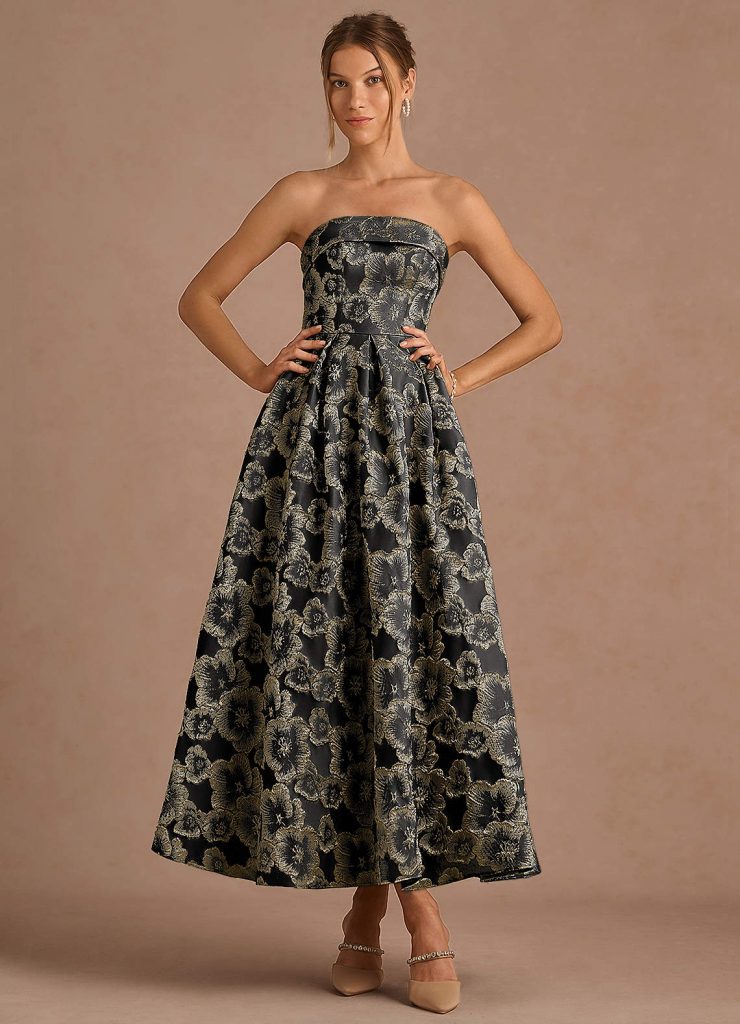
Formal maternity styling works from the same proportion principles as any formal look — but with a few pregnancy-specific adjustments in sequencing and material selection.
| 1 | Test all products a week before pregnancy, as the skin is more reactive. Fragrance in foundation, setting spray, or hairspray that was fine pre-pregnancy might cause irritation now. Skincare products that were comfortable before may feel heavy or reactive on pregnancy skin. A product test a week out is not overcautious — it’s specific to the skin-sensitivity changes of pregnancy and prevents a problem from surfacing on the day of the event. Patch-test on the neck and chest, which will have product contact. |
|---|
| 2 | Hair up for most formal maternity silhouettes — particularly off-shoulder and V-neck. Drawing the eye upward toward the face is the central visual strategy for formal maternity styling. An updo accomplishes this directly — the face and neckline become the focal point, the belly reads as part of the overall silhouette rather than the composition’s center. Off-shoulder necklines particularly benefit from an updo because the wide, graceful horizontal line at the collarbone reads fully only when the hair is off the shoulders. |
|---|
| 3 | Lean into the pregnancy glow — don’t cover it. Pregnancy skin tends to be more luminous than usual. A heavy, full-coverage matte foundation works against this natural luminosity rather than with it. A lighter-coverage dewy or satin base that lets the skin’s natural glow show through produces a fresher, more event-appropriate result. Gold or peachy highlighter at the cheekbones and brow bone extends the luminosity rather than creating a visual break between the skin and the formal dress. |
|---|
| 4 | Test the shoes in the actual heel height before the event. New shoes worn for the first time at a formal event are a fatigue risk for anyone. During pregnancy, foot fatigue translates directly into back fatigue, so shoes that haven’t been broken in can compound discomfort over a long event. Wear the shoes for two hours at home the week before. If they’re not comfortable, then they won’t be comfortable at hour five of a wedding reception either. Bring a backup pair if there’s any uncertainty. |
|---|
Conclusion
Empire waist or wrap, stretch or breathable fabric, block heels or embellished flats, appropriate length for the venue and your actual trimester — those four decisions handled correctly give you a formal maternity dress that works for the event rather than just looking right in the preview photo.
Azazie offers a wide selection of formal dresses in sizes 0–30, with made-to-order and custom sizing available. Many silhouettes in the collection — A-line, empire-waist, soft-wrap designs — translate naturally to maternity styling with the right sizing choice and minor alterations. The plus size formal dresses range includes additional sizing options that may accommodate later pregnancy stages more comfortably.
Frequently Asked Questions
What formal maternity dress style works best for most body types?
Empire waist is the most universally applicable — it sits at the narrowest available point (just below the bust) and falls from there, which works across different bump sizes and stages without requiring a precise fit. Wrap styles are the second most versatile option because they’re self-adjusting. A-line An works particularly well for the first and early second trimester when a, defined waist is still natural.
Can I wear a formal maternity dress to a wedding?
Yes, with some specific considerations. Choose chiffon or lace overlay over jersey rather than satin — it reads celebratory rather than bridal, which matters given how close champagne and ivory satin can read to bridal territory. Deep jewel tones avoid this entirely. The empire waist is the most practical wedding silhouette for pregnancy because it accommodates movement during the ceremony, reception, and any dancing.
What fabrics are ideal for formal maternity dresses?
Jersey and stretch fabrics for their recovery properties — they accommodate the bump without bagging or pulling. Chiffon over-stretch lining for breathability, combined with a formal appearance. Crepe for structured evening silhouettes that need to hold shape. Avoid non-stretch satin for outdoor or warm venues, specifically because of its minimal breathability — during pregnancy, overheating is a genuine concern, not just a preference.
What shoes are best for formal maternity events?
Block heels with a wide base are the most practical choice for formal heels during pregnancy — the wider surface area provides stability when the center of gravity shifts forward. Embellished flats in gold or silver are the complete comfort solution for very long events. Wedges are the outdoor alternative when venue surfaces are uneven. Whatever you choose, test them for at least two hours before the event — pregnancy makes foot fatigue extend into back discomfort faster than usual.
How far in advance should I order a formal maternity dress?
At least six to eight weeks before the event, and size for the trimester you’ll be in when you wear it, not when you order. Order two sizes larger than your current size and have it tailored down closer to the event date. This is more reliable than ordering your estimated size for your estimated trimester — both are difficult to predict precisely, and tailoring down is easier than finding last-minute solutions when the dress doesn’t fit.
How do I accessorize a formal maternity dress without overdoing it?
Earrings before necklace — the goal is to draw the eye upward to the face, and statement earrings accomplish this directly. One piece at the neck if the neckline is open enough to show it. A small metallic clutch and clean heels complete the formal look. Keep the total piece count to two or three. The dress is already making a visual statement; the accessories reinforce it rather than adding to it.