
What Styling Details Make Fantasy Wedding Dresses Feel Intentional, Elevated, and Wedding-Day Ready?
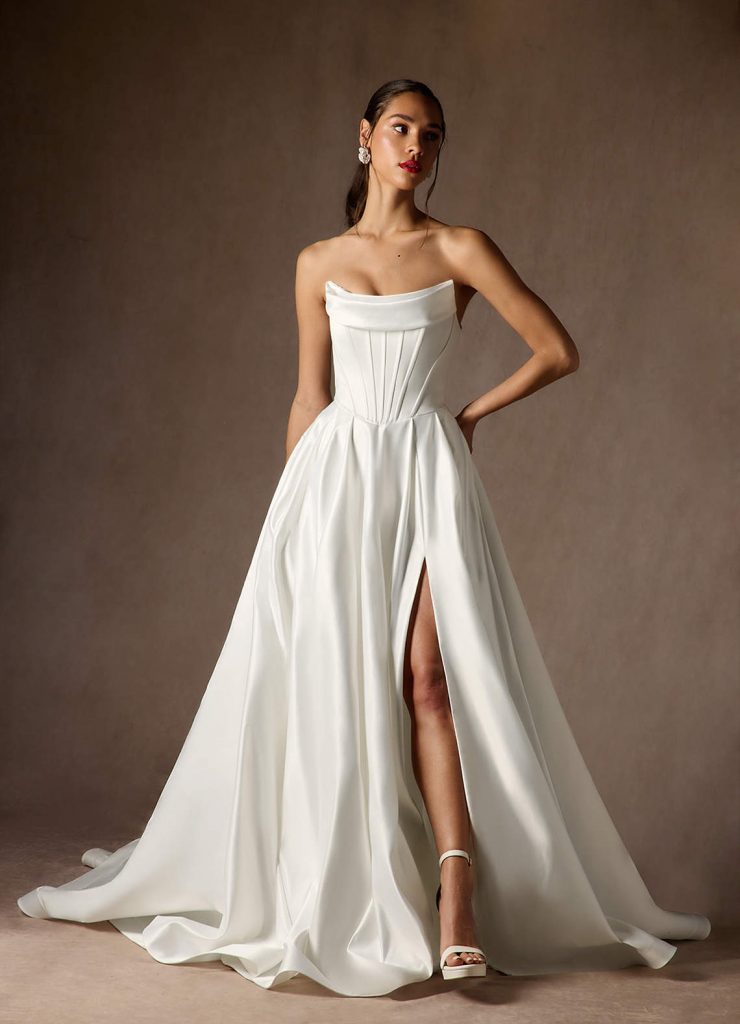
There’s a version of fantasy wedding dresses that looks magical. And there’s a version that looks like Halloween. The difference isn’t the fantasy element itself — it’s whether the styling choices are deliberate or accumulated. One too many embellishments. A headpiece that overwhelms the gown. Fabric that reads as theatrical instead of bridal. Here’s what separates the two.
| THE SINGLE MOST IMPORTANT RULE: Less embellishment than you think. The most ethereal fantasy gowns are often the simplest construction — quality layered tulle, a clean, structured bodice, and one signature detail. Every element you add after that needs a reason to be there. |
|---|
Silhouettes That Read as Fantasy Without Tipping Into Costume
Ball Gown — The Most Fantasy-Adjacent, The Easiest to Overdo
Ball gowns. The obvious fantasy choice. And the silhouette that most often tips into costume territory when not handled carefully.
A ball gown in quality tulle or organza with a structured boned bodice — that reads as a fairy tale. A ball gown in cheap polyester with a full skirt and heavy rhinestone bodice reads as a competition costume. The distinction comes down almost entirely to fabric quality and bodice construction, not the shape itself.
Mermaid — A Fantasy Option People Don’t Expect
A mermaid silhouette isn’t the first thing people picture for a fantasy gown. But a mermaid in metallic embroidered lace or intricate beadwork reads as almost mythological — more sea goddess than fairytale princess, but still unmistakably fantasy.
If you want fantasy without the volume, a mermaid with elaborate surface detail is worth trying. It’s a completely different register from the ball gown approach, but it works.
| Silhouette | Fantasy Level | The Honest Take |
|---|---|---|
| Layered tulle A-line | •••••• — most versatile | Dreams in motion; hardest to overdo |
| Ball gown | •••••• — most classic | Magical in quality fabric; the costume risk is high |
| Empire waist with flow | ★★★★ — ethereal | Softer fantasy — less princess, more nymph |
| Mermaid with embroidery | ★★★ — unexpected | Mythological quality when done with restraint |
| Structured column with cape | ★★★ — modern fantasy | Editorial quality — needs statement accessories |
Fabric Quality — This Is Where Fantasy Dresses Either Work or Don’t
Tulle and Why It’s the Most Important Fabric Decision
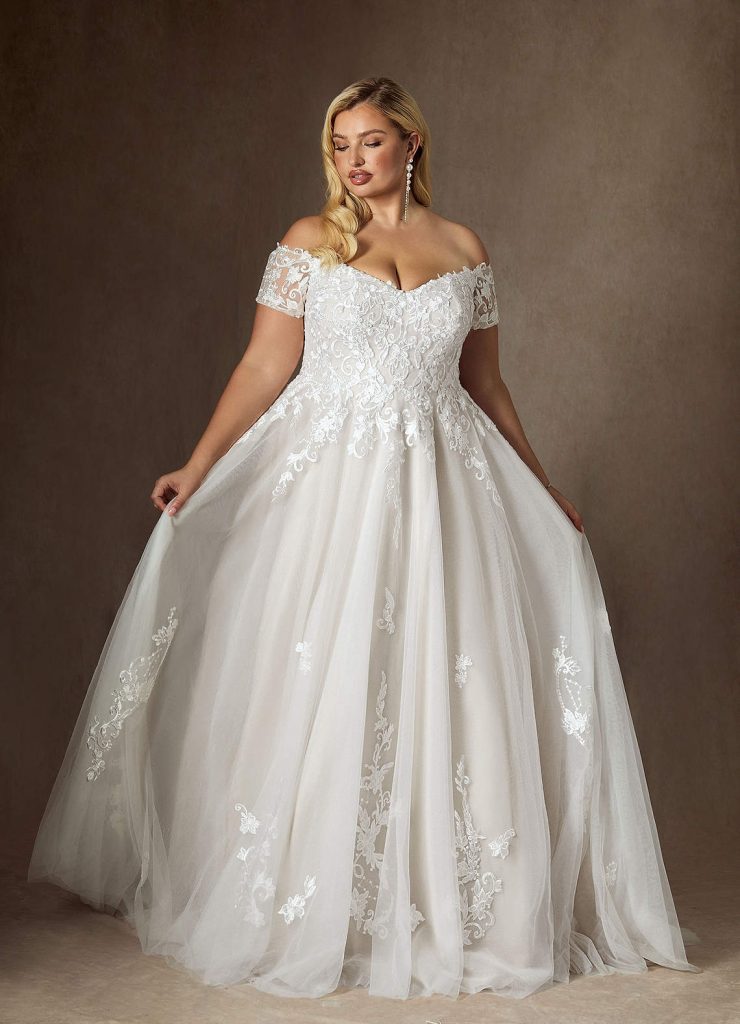
All tulle is not the same. This matters enormously for fantasy bridal looks. Soft, high-quality tulle in multiple layers creates the movement and light-catching quality that makes a fantasy dress look ethereal in photos. Stiff, scratchy, single-layer tulle reads like craft-store Halloween costume material. If you’re going for a fantasy-inspired look, touch the tulle before you commit. If it doesn’t move beautifully in your hands, it won’t move beautifully in photos.
According to Ellen’s Bridal’s editorial on ethereal fantasy wedding dresses, the fabric quality is what consistently separates fantasy-inspired gowns that read as ‘high bridal fashion’ from those that read as ‘themed costume.’ They specifically call out multi-layer soft tulle and quality organza as the foundations of the look.
| ~ SOFT TULLE Fantasy quality: Highest — layers create magic Bridal read: Dreamy and light Watch for: Multi-layer required; stiff tulle = costume Best for: Full ball gown, A-line layers |
◆ ORGANZA Fantasy quality: Very high — crisp but ethereal Bridal read: Structured and airy Watch for: Holds shape beautifully — great for structure Best for: Cape overlays, outer skirt layer |
◻ CHIFFON Fantasy quality: High — soft and fluid Bridal read: Romantic, gentle Watch for: Needs lining; too sheer alone Best for: Sleeves, overlays, empire silhouettes |
○ LACE Fantasy quality: Depends on the pattern Bridal read: Romantic, sometimes vintage Watch for: Heavy gothic lace = costume territory Best for: Bodice detail over tulle skirt |
|---|
Embellishments — Where Most Fantasy Dresses Cross the Line
The Count-Your-Fantasy-Signals Rule
The Knot’s fairytale wedding dress guide makes a point that applies directly to this: the fantasy dresses that photograph as ‘intentional and bridal’ share one quality across almost all of them. They have a single defining detail that carries the fantasy concept. One statement element — 3D floral appliqué, a beaded bodice, a dramatic embroidered train — and everything else supports it.
When a dress has a statement bodice AND a dramatic train AND 3D flowers AND a beaded waistband AND a cape — it reads as a collection of fantasy elements rather than a cohesive fantasy dress. None of those individual elements is wrong. All of them together is the problem.
Color Is the Easiest Fantasy Signal You’re Not Using
And this is the thing most brides overlook: color does fantasy work that embellishment doesn’t have to.
A lavender wedding gowns option in soft tulle reads as completely fantastical without a single special detail. So does a misty blue dress in layered chiffon, or a boho champagne wedding dress with a flowing tulle skirt. The color is the fantasy signal. You don’t need to add a crown and a cape, and 3D roses on top of it.
Headpieces — the Most Commonly Overdone Element
A delicate floral crown: yes. A tiara with a flower crown and a veil: almost certainly too much.
Pick one headpiece and make it count. If the dress is dramatic, the headpiece should be subtle. If the dress is simpler, the headpiece can have more presence. They need to counterbalance, not compete.
Three Checks Before Finalizing Your Fantasy Wedding Look
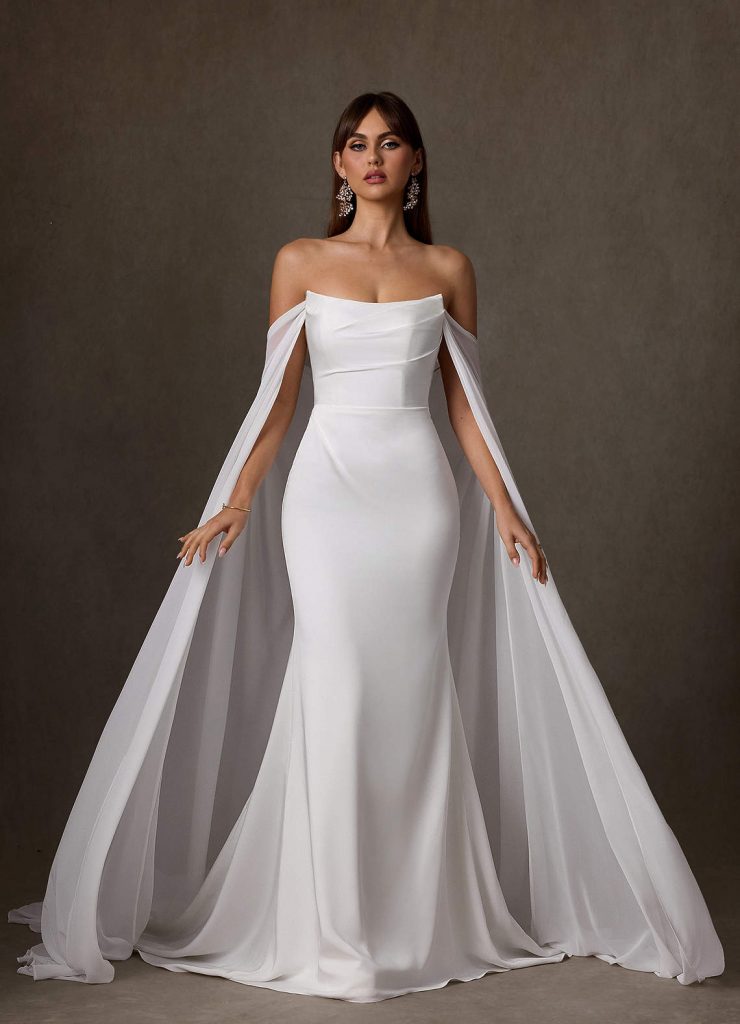
| 1 | Count the fantasy signals in your complete outfit. Dress, headpiece, veil, accessories, shoes — count every element that reads as fantasy. Color counts. 3D flowers count. A dramatic train counts. A cape counts. There’s no magic number, but if you’re at six or more distinct fantasy signals, it’s worth asking which ones are essential and which ones can be removed. The look usually gets more powerful when you remove one element, not less. |
|---|
| 2 | Photograph the full outfit in natural light before the wedding. Boutique lighting is designed to make everything look beautiful. Natural daylight is more honest. Wear the complete look — dress, headpiece, shoes — and take a photo outside or near a large window. If the first thing you notice is a specific embellishment rather than the overall impression of the bride, that element might be drawing too much attention. The best fantasy bridal looks photograph as one cohesive impression. |
|---|
| 3 | Have someone who doesn’t know your fantasy vision see the full look cold. Ask a friend — or anyone who hasn’t been involved in your dress planning — to look at a photo of the complete look and tell you what they see first. If they describe the whole look, that’s what you want. If they describe a specific accessory or embellishment, that element may overwhelm the dress. Cold feedback from someone without context is the most accurate editorial test available. |
|---|
Venues and Settings for Fantasy Wedding Dresses
| Setting | Best Silhouette | Fantasy Detail | Color |
|---|---|---|---|
| Outdoor garden | A-line tulle | 3D florals or delicate lace | Lavender, blush, misty blue |
| Historical venue/estate | Ball gown | Beaded bodice, dramatic train | Ivory, champagne, white |
| Woodland/nature setting | Empire or A-line | Leaf appliqués, organic detail | Soft green, champagne, cream |
| Grand ballroom | Ball gown or mermaid | Structural embroidery, cape | White, diamond white, blue |
| Beach/destination | Light A-line or empire | Subtle shimmer, minimal | Misty blue, nude, champagne |
For winter fantasy weddings, an off pink wedding dress with a structured cape or lace bolero can create a winter-fairy quality without adding bulk. The cape is the single most effective layering piece for a fantasy winter look because it adds drama and warmth simultaneously without covering the dress’s detail.
The Azazie blog on creating a dreamy romantic look with wedding dresses covers the styling relationship between soft fabric choices and the fantasy impression — specifically how layered soft fabric in motion creates the ‘dreamy’ quality that photography captures best.
Closing Thoughts
Fantasy in a wedding dress doesn’t require maximalism. It requires specificity. A clear silhouette. Quality fabric that moves. One or two elements that carry the magical quality. Everything else is restrained.
The dresses that look like real fairy tales in photos are almost always the ones where the bride made fewer decisions, not more.
Frequently Asked Questions
What makes a fantasy wedding dress different from a traditional one?
Fantasy dresses use color, fabric layering, and embellishment to create an otherworldly impression — something that reads as dreamy, magical, or fairytale-adjacent. Traditional white bridal gowns focus on formal elegance; fantasy gowns add a sense of story or atmosphere. The practical differences usually lie in the skirt volume, fabric lightness, and whether the color strays from white or ivory.
Can I wear a fantasy dress and still look minimalist?
Yes. A single pale lavender tulle gown with no embellishments is both a fantasy and a minimalist dress. The fantasy lies in the color and the fabric’s movement, not in the decoration. Some of the most striking fantasy bridal looks are completely unembellished — quality, color, and silhouette doing all the work.
What silhouette works best?
Depends on your vision. A-line in soft layered tulle is the most versatile — it reads as fantasy but wears practically, photographs from every angle, and doesn’t limit movement. A ball gown is the most traditionally ‘princess’ fantasy choice, but requires very good fabric quality to not tip into costume territory. Empire with a flowing skirt is the softest, most ethereal option.
How do I avoid looking like I’m in a costume?
Count the fantasy signals. One dramatic element works. Three or four compete. A wedding dress rose color, made of soft tulle, is one fantasy signal. Add a large floral crown, a dramatic cape, and a beaded bodice — now you’ve accumulated so many elements that none of them reads as intentional. Keep the structured bodice, keep the quality fabric, choose one statement element, and stop.
What fabrics are best for fantasy wedding dresses?
Soft multi-layer tulle is the foundation for most fantasy looks. Organza for structure and capes. Chiffon for flowing sleeves and empire overlays. Lace for bodice detail. The keyword across all of them is quality — the same silhouette in a lower-quality fabric reads differently enough to change the whole impression.
What accessories work with a fantasy wedding dress?
One headpiece, chosen carefully. A floral crown or delicate tiara — not both. Drop earrings in a material that matches the dress’s level of detail—a simple clutch rather than a large bag. The accessories should feel as if they were chosen for this dress, not pulled from multiple aesthetics.
Are fantasy wedding dresses available in plus sizes?
Yes. Azazie‘s collection includes over 200 wedding dresses in sizes 0–30 with made-to-order construction and custom sizing available. At-home try-on is offered for wedding dresses — especially useful for fantasy styles where seeing the dress move in your own home light is more revealing than a boutique fitting.
Can fantasy dresses work for winter weddings?
Yes. A cape or structured bolero in organza or lace provides warmth without covering the dress’s detail. Velvet accent details — a velvet ribbon at the waist or velvet bodice appliqués — add seasonal richness. Heavy structured fabrics like Mikado in a fantasy silhouette also work well for winter light and indoor settings.
What’s the single most important decision for a fantasy wedding dress?
Fabric quality. Everything else — the silhouette, the color, the embellishment — matters less than whether the tulle moves beautifully or reads as stiff, whether the lace looks delicate or theatrical, whether the organza catches light or looks synthetic. Test the fabric in natural light before you commit to anything.