
Wedding Dresses: Your Complete Guide to Finding the Perfect Gown
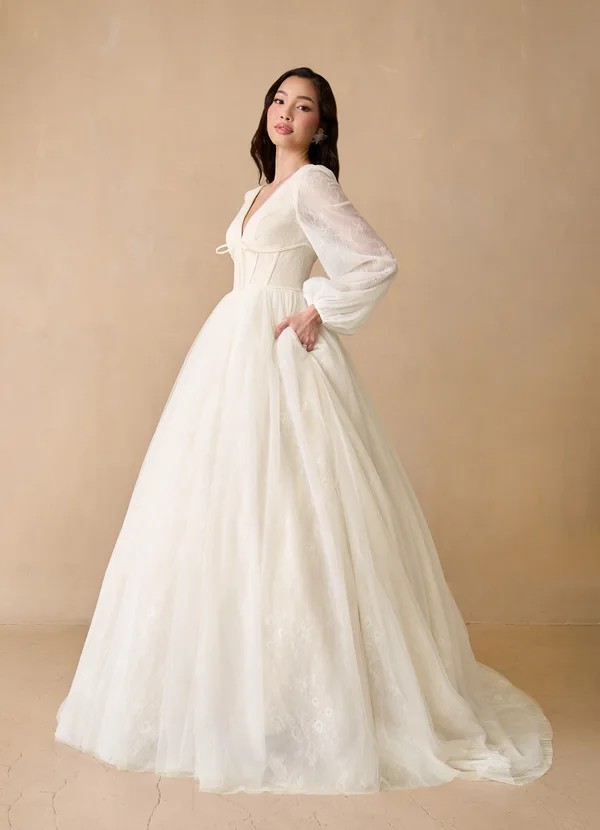
Finding your wedding dress should feel exciting, not overwhelming. Whether you dream of a ball gown or a sleek mermaid silhouette, understanding your options helps you shop with confidence. This guide walks you through everything you need to know about choosing a dress that fits your style, venue, and vision for your special day.
Wedding Dress Silhouettes and Body Balance
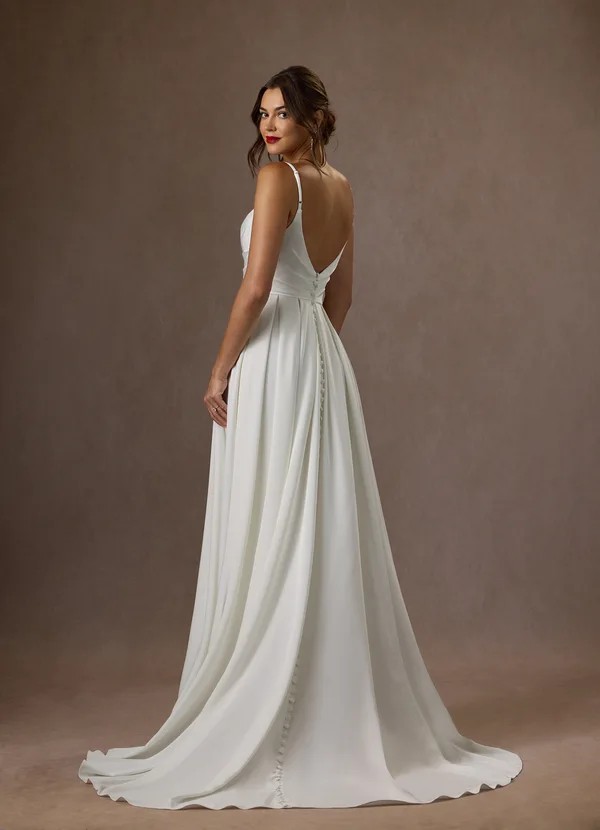
Your dress silhouette shapes how you’ll look and feel on your wedding day. Each style flatters different body types and creates a unique aesthetic. Here’s what you need to know about the most popular shapes.
- Ball Gown The ball gown features a fitted bodice and full skirt that creates drama and romance. This classic style defines your waist and highlights your bust. It works beautifully for formal venues and traditional ceremonies.
- A-Line The A-line dress fits at the bodice and flows gently from the hips in an A-shape. This universally flattering cut suits nearly every body type. It’s perfect if you want a timeless look that photographs beautifully.
- Mermaid and Trumpet Mermaid dresses hug your curves and flare at or below the knee. Trumpet styles flare slightly higher, just below the hip. Both styles showcase your figure and work well for evening ceremonies.
- Sheath A sheath dress follows your natural body line without flaring. This modern, minimalist style suits relaxed venues and destination weddings. It’s ideal if you prefer understated elegance over volume.
Choosing the Right Neckline and Sleeves
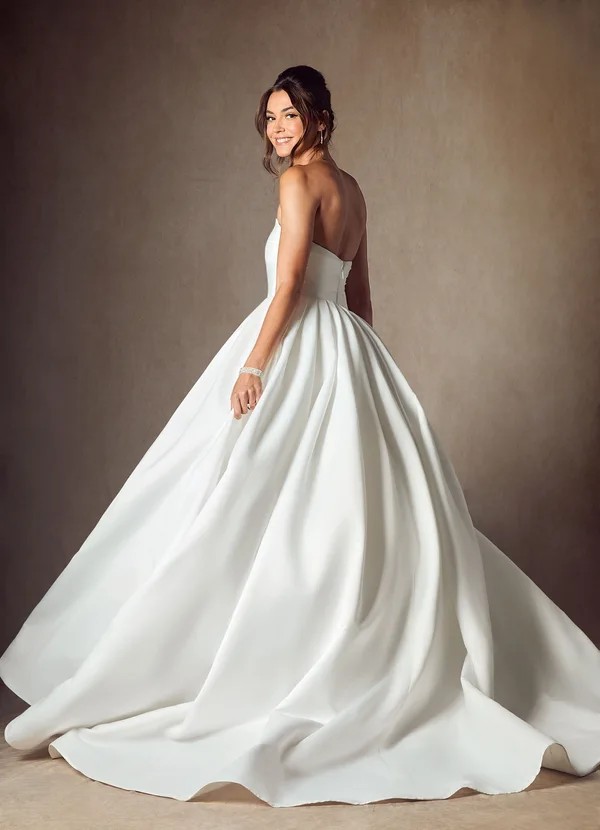
Your neckline and sleeve choice affects both comfort and proportion. Most wedding photos capture you from the waist up, making this decision especially important. Consider these popular options when browsing wedding dresses.
| Neckline Type | Best For | Style Notes |
| Strapless | All body types | Classic and versatile |
| Off-Shoulder | Fuller bust | Romantic and structured |
| Sweetheart | Smaller bust | Adds emphasis and shape |
| V-Neck | Elongating torso | Modern and flattering |
| Scoop | Universal | Clean and timeless |
Sleeve Options Sleeveless wedding dresses offer maximum movement and work year-round with proper styling. White wedding dresses with sleeves provide coverage and vintage charm. A spaghetti strap wedding dress balances delicate detail with secure support.
Cap sleeves add a touch of modesty without bulk. Long sleeves create elegant drama and photograph beautifully. Choose based on your venue’s season and your comfort preferences.
Wedding Dress Colors Beyond Classic White
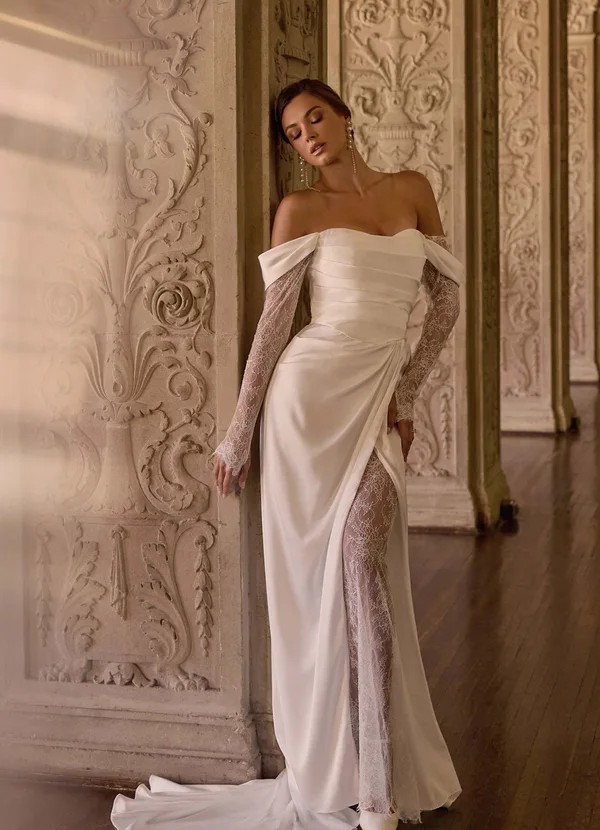
White remains traditional, but many brides now explore softer shades. Color choice affects how your dress photographs and complements your skin tone. These alternatives offer beautiful options while maintaining bridal elegance.
Popular Color Choices:
- Ivory: Softer than pure white, flattering on most skin tones
- Champagne: Warm and romantic with subtle gold undertones
- Blush: Delicate pink that adds modern femininity
- Cream: Rich, warm alternative to stark white
An ivory wedding dress photographs beautifully in outdoor settings. A champagne wedding dress adds warmth without straying far from tradition. Some brides even choose a black wedding dress for dramatic, unconventional style.
Matching Your Venue Garden weddings pair well with softer tones like cream or blush. Beach ceremonies look stunning with lightweight fabrics in ivory or nude. Formal ballrooms can handle any color, including bolder choices.
Fabric Choices for Comfort and Movement
Fabric determines how your dress drapes, photographs, and feels throughout the day. Different materials suit different seasons and venues. Understanding fabric options helps you prioritize comfort without sacrificing style.
Lightweight Fabrics Chiffon flows beautifully and works well for outdoor or destination weddings. Tulle creates ethereal volume without excessive weight. These fabrics keep you comfortable in warmer weather.
Structured Fabrics Satin provides elegant structure and photographs with beautiful sheen. Crepe offers modern simplicity with excellent drape. Mikado delivers body and shape ideal for ball gowns.
Textured Fabrics Lace adds romantic detail and works across all seasons. Jacquard creates dimension with woven patterns. Organza layers beautifully for added drama.
A satin strapless wedding dress combines classic structure with timeless appeal. Choose breathable fabrics if you’ll dance frequently. Consider season and venue when making your final fabric decision.
Shopping Tips and Practical Considerations
Smart shopping starts with knowing your timeline and budget boundaries. Most gowns require several months for production and alterations. Planning ahead reduces stress and expands your options.
Sizing and Fit Azazie offers sizes 0–30 with made-to-order construction similar to custom pieces. Custom sizing ensures proper fit without extensive alterations. Standard sizing works when ordering well in advance of your wedding date.
Shopping Timeline
- 9-12 months before: Ideal for exploring styles
- 6-9 months before: Time to order your dress
- 3-6 months before: Schedule alterations appointments
- 1 month before: Final fitting and pickup
Try Before You Buy Visit boutiques to understand which silhouettes suit your body. Take photos in different styles to compare later. Consider trying dresses slightly outside your initial preferences.
Budget-Friendly Strategies Focus on silhouette first, then add details through accessories. Simple dresses often photograph beautifully without heavy embellishment. Remember that alterations add to your total dress cost.
Frequently Asked Questions
What’s the difference between ivory and white wedding dresses?
Ivory has warm, creamy undertones while white appears brighter and cooler. Ivory flatters most skin tones and photographs beautifully in natural light. White creates a crisp, clean look that works well indoors.
How far in advance should I buy my wedding dress?
Order your dress 6-9 months before your wedding date. This allows time for production, shipping, and necessary alterations. Rush orders may be possible but limit your style options.
Can I wear a colored wedding dress?
Absolutely—many brides choose champagne, blush, or even black. Color adds personality and often photographs beautifully. Choose a shade that makes you feel confident and beautiful.
What silhouette is most flattering for plus-size brides?
A-line and ball gown styles flatter many body types including plus sizes. These silhouettes define the waist while providing comfortable fit through the hips. Proper sizing matters more than specific silhouette choice.
Do I need to wear a strapless bra with a strapless dress?
Most strapless wedding dresses include built-in support or boning. Your seamstress can add cups or additional structure during alterations. Try your dress without a bra first to see if additional support is needed.
Should my wedding dress match my wedding theme?
Your dress should reflect your personal style first. A ball gown works beautifully at a barn venue if that’s what you love. Choose a dress that makes you feel like yourself.
How do I preserve my wedding dress after the wedding?
Have your dress professionally cleaned within one month after your wedding. Store it in a breathable, acid-free garment bag away from sunlight. Avoid hanging delicate fabrics long-term—fold gently with tissue paper instead.