
Silver Graduation Dresses:How Silver Actually Works at Graduation
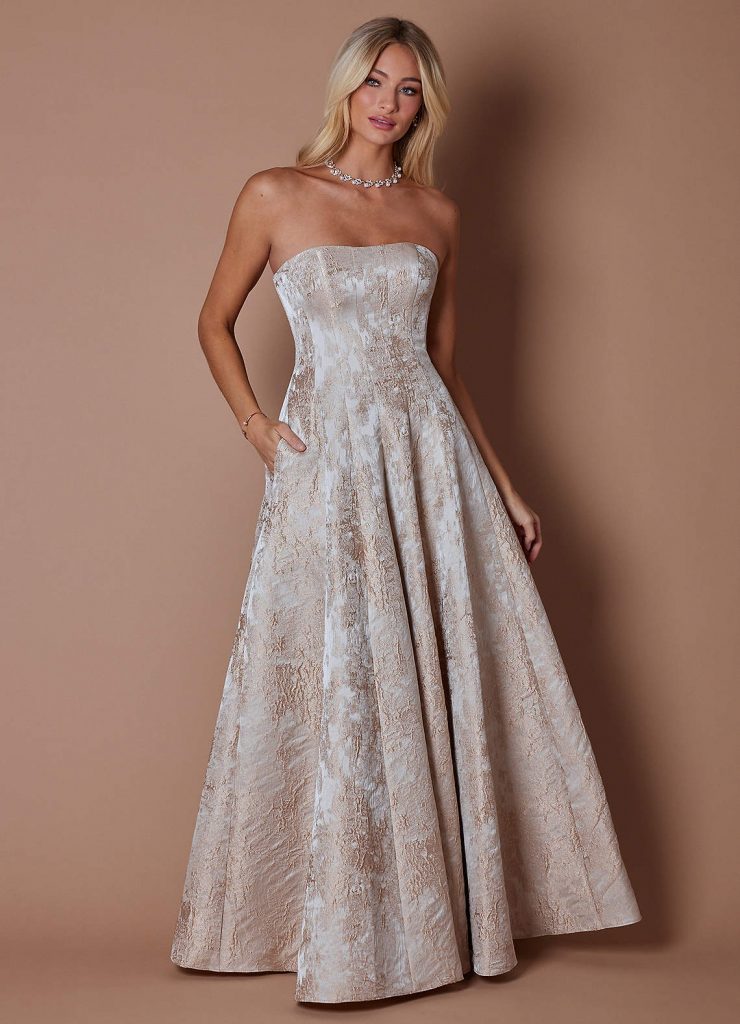
Silver is a genuinely strong graduation dress choice — but it comes with different practical considerations than white. The biggest one is this: silver graduation dresses photograph very differently from white ones under the specific combination of stage lighting, outdoor sun, and camera flash that graduation involves. And the accessory situation is genuinely more complicated.
White is simple to accessorize because neutral metals and almost anything read cleanly against it. Silver is its own statement. When the dress is silver, everything else competes with it rather than complements it unless you’re intentional about what you pair it with.
The good news: when silver works, it really works. The post-ceremony natural-light portraits are where silver most clearly outperforms white. Metallic fabric in late-afternoon outdoor light creates warmth and luminosity that are genuinely stunning in photos. This guide covers how to make that happen.
Not All Silver Is the Same — Which Finish Actually Works at Graduation
This is the most important thing to understand about silver graduation dresses. “Charcoal” silver, “mirror” silver, “matte” silver, and “sequin” silver all photograph and behave completely differently under graduation lighting. Pick the wrong finish, and the dress actively works against you.
| MATTE SILVER Cool grey-silver with no glare ✓ Best for the ceremony No spotlight glare. Reads elegantly and polished under stage lights. The most ceremony-appropriate silver finish. |
SATIN SILVER Subtle soft sheen ✓ Works well in a ceremony Catches light beautifully in outdoor portraits. Manageable under stage lights if the silhouette is simple. |
METALLIC KNIT Soft, wearable metallic ✓ Works well in a ceremony Breathable and comfortable. Less reflective than satin. Very wearable for longer ceremonies. |
MIRROR SATIN High-gloss, very reflective ⚠ Careful ceremony Can create blown-out white patches under flash photography. Better for post-ceremony than the ceremony itself. |
DENSE SEQUIN Maximum sparkle/drama ⚠ Event-specific ceremony Creates noise under stage spotlights. Better for evening after-parties than daytime outdoor commencements. |
|---|
In simple terms: if you’re wearing silver to a traditional daytime ceremony, matte or low-sheen satin gives you a modern silver look without the spotlight glare. If the ceremony is evening or the celebration is the priority, more shine is appropriate and genuinely beautiful.
Which Gown Colors Work With Silver
Silver is considerably more versatile against gown colors than most people expect. It reads as a neutral metallic, which means it creates contrast without clashing against almost any gown color. Here’s the honest breakdown.
| ⬛ Black graduation gown Silver’s best pairing. The contrast is sharp and very photogenic. Silver-on-black in graduation photos has a genuinely editorial quality that’s hard to achieve with other dress colors. |
|---|
| 🟦 Navy graduation gown Excellent. Navy creates a cooler-toned backdrop that silver plays off beautifully. This combination looks very polished in both ceremony and portrait photography. |
| 🟫 Maroon / Burgundy gown Works well. The warm-cool contrast between maroon and silver creates visual interest. Matte or satin silver reads particularly clean here. |
| 🟩 Dark green gown. Good contrast. Silver against forest green has a classic, almost regal quality. This combination photographs well at any time of day. |
| 🟨 Gold or yellow gown. Proceed with care. A gold gown plus a silver dress can read as too much metallic. A matte, very subdued silver works better than any high-shine finish against a gold gown. |
| 🟧 White or cream gown. Challenging. Silver against white/cream can read as washed out unless you’re choosing a noticeably darker silver-charcoal. Check this combination in actual light before the day. |
The black gown pairing is genuinely the strongest case for silver graduation dresses. A cool-toned satin or matte silver against a black academic robe photographs with a distinction that’s much harder to achieve with white. Browse college graduation dresses for styles that work well with formal university commencements, where black gowns are most common.
The Ceremony vs. After — Silver’s Biggest Advantage
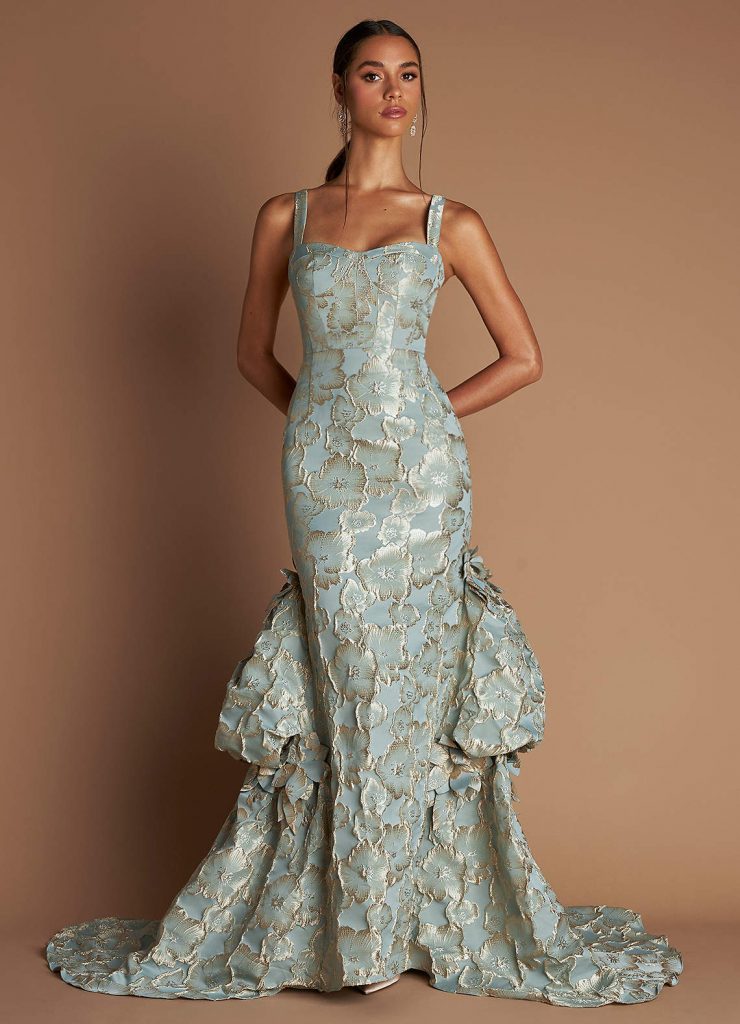
Here’s where silver actually beats white. Post-ceremony. The graduation robe comes off, and the silver dress appears in full — and in the natural afternoon light, the metallic fabric picks up warmth and luminosity that white simply doesn’t have. The late-afternoon portrait session is when silver graduation dresses consistently produce the most striking photos.
| DURING THE CEREMONY ▸ Under the gown: silver reads as neutral, clean ▸ Matte or low-sheen silver avoids spotlight glare ▸ A hem shorter than the gown keeps the stage look professional ▸ A mirror or high-shine sequin can catch stage lights awkwardly Note: Matte and satin silvers perform better during the ceremony. |
AFTER THE CEREMONY ▸ Silver’s full visual impact appears once the gown is off ▸ Metallic sheen catches natural light beautifully in outdoor portraits ▸ High-shine and sequin styles are the most visually striking now ▸ Transitions directly to evening celebrations without any change needed Note: This is when silver genuinely outperforms white in photos. |
|---|
| Silver’s practical rule: keep the finish subtle during the ceremony · let it shine in portraits |
|---|
How Silver Photographs — By Scenario
Silver behaves differently across graduation photography scenarios. Knowing this lets you choose the silver finish that serves the photos you care about most.
| 🏛 STAGE WALK (CEREMONY) ▸ Silver advantage: Reads as polished and distinctive even at ceremony distance ▸ Watch for: Mirrors or dense sequins can create blown-out reflection patches under stage spotlights |
☀️ OUTDOOR AFTERNOON PORTRAITS ▸ Silver advantage: Natural light creates warmth in metallic fabric that’s genuinely beautiful and unique to silver ▸ Watch for: Direct overhead noon sun can be harsh on any reflective surface; position for 3-4 pm lighting |
|---|---|
| 📸 CAMERA FLASH PORTRAITS ▸ Silver advantage: Metallic satin reflects flash warmly; creates a glow effect that photographs well ▸ Watch for: High-gloss mirror, satin, and dense sequin can blow out in close-up flash photography |
🎉 POST-CEREMONY CELEBRATION ▸ Silver advantage: Evening indoor lighting makes silver genuinely luminous and celebratory ▸ Watch for: Nothing — this is silver’s natural environment. Any finish works well under warm indoor evening light |
A white midi graduation dress in a matte or satin silver finish is the most universally capable silver choice across all four photography scenarios. Clean enough for the ceremony, distinctive in portraits, and genuinely beautiful in celebration settings afterward.
Accessories With Silver — The Less-Is-More Reality
Silver creates a specific accessory challenge that white doesn’t: everything visible against silver potentially competes with it rather than complements it. A necklace next to a silver metallic dress can look like two different levels of shine trying to coexist awkwardly. Here’s how to navigate this.
| Accessory Type | Works With Silver | Why It Works | What Doesn’t Work |
|---|---|---|---|
| Earrings | Diamond studs or simple pearl studs | Adds subtle presence without competing with the metallic fabric | Statement chandelier earrings that fight the shine level of the dress |
| Necklace | Delicate silver chain or skip entirely | A very fine chain reads as intentional; skip entirely if the neckline already has interest | Statement necklace competes directly with the dress’s finish |
| Shoes | Nude, clear heels, or tonal silver | Nude elongates without competing; silver creates a cohesive metallic look | Gold, bold color, or heavy platform that creates competing visual weight |
| Bag | Small silver or black clutch | Cohesive metallic OR strong simple contrast; both work | Busy prints or large bags that add visual noise to an already-statement dress |
| Makeup | Matte base, defined eye, statement lip | Matte foundation prevents face shine from competing with dress shine | Heavy shimmer eye makeup creates two competing highlight zones in photos |
| 💡 THE SILVER DRESS MAKEUP STRATEGY Because the dress provides so much light and shine, the face needs to be the matte counterpart. Use a matte or satin-finish foundation rather than a dewy one. A defined eye with minimal shimmer, and one statement element — either a bold lip or a defined eyeliner, not both. A red or berry lip against a silver dress is particularly striking in graduation photos. The warm-cool contrast creates exactly the visual separation that makes the face the focal point rather than the dress. |
|---|
The Day-Before Checks for a Silver Dress
Silver has a few specific prep steps that white dresses don’t.
| 1 | Stage light reflection test: if you have an overhead lamp, stand under it in the dress and check whether the reflection creates blown-out patches in photos. Take a photo with flash. If any section of the dress appears completely white, with no fabric details visible, that finish will do the same under stage spotlights. |
|---|
| 2 | Gown combination test: wear the graduation robe over the silver dress in a mirror. Silver, when paired with certain robe colors, can create an unexpected visual interaction. This is worth checking before the day, especially if your gown is gold, white, or cream. |
|---|
| 3 | Makeup rehearsal: the matte face-plus-silver-dress combination is genuinely different from daily makeup. Do a practice run to make sure your foundation choice and coverage work with the metallic. This is more important for silver than for white because the contrast is more pronounced. |
|---|
| 4 | Static control: Metallic fabrics can cling. A light mist of static spray inside the dress before wearing solves this completely and takes about ten seconds. |
|---|
| 5 | Steam carefully: unlike cotton or crepe, metallic fabrics can be heat-sensitive. Steam the dress according to its care label — low heat from a distance. Never press a metallic fabric directly with an iron. |
|---|
Browse the full graduation dress collection for silver and metallic styles, as well as white and neutral options. Azazie has 100+ styles with custom sizing — useful for metallic fabrics specifically, since fit affects how the shine and structure sit across different silhouettes.
The Short Version
Silver graduation dresses work best in matte or low-sheen satin finishes for the ceremony, and genuinely excel in post-ceremony outdoor portrait sessions where metallic fabric picks up natural light beautifully. They pair best with dark gowns. Keep accessories minimal. Use matte face makeup. Steam with low heat from a distance. Do the flash test before the day.
Azazie has 100+ graduation dresses in white, cream, and soft neutrals with custom sizing. Browse the collection for styles that span from classic white to metallic-adjacent finishes for graduates who want something a little different on their big day.
Frequently Asked Questions
Why is silver a popular color for graduation dresses?
Silver is trending because it reads as a modern neutral — versatile enough to work with any gown color but more visually distinctive than white. It also photographs particularly well in the outdoor post-ceremony portrait sessions, which are the most important record of graduation day.
The metallic finish picks up the warmth of natural light in a way that white fabric doesn’t, creating a genuinely striking effect in late-afternoon photography.
Can you wear a silver dress to a graduation ceremony?
Yes — with the right finish. Matte, satin, or metallic silver knits work comfortably under graduation-stage lighting. High-gloss mirror, satin, and dense sequins can create reflective issues under spotlights and in flash photography.
The practical consideration is the ceremony setting: daytime outdoor ceremonies and formal indoor commencements both work well with silver in a more subdued finish. Evening ceremonies give you full latitude on shine.
What shoes go best with a silver graduation dress?
Nude or clear heels are the most consistently flattering choice because they don’t add a competing visual element to the shoe. Tonal silver heels create a cohesive metallic look that reads very intentional in photos.
Black heels work well against silver for a clean contrast. Avoid warm gold or very colorful shoes — they create a warm-cool tension with silver that can read as mismatched in full-body photos rather than intentional contrast.
How do you accessorize a silver graduation dress?
Less than you think. A silver metallic dress is already doing a lot of visual work. Diamond or pearl studs over statement earrings. A very fine necklace or none at all. A small clutch rather than a large bag. Matte face makeup rather than dewy.
The guiding principle: anything visible alongside the silver dress should complement it rather than compete with it. When in doubt, remove one accessory rather than add.
Can you wear a silver dress with a graduation gown?
Yes. Silver works particularly well under dark gowns — black, navy, maroon, and dark green all create excellent contrast with silver. The dress stays under the robe during the ceremony, so the silver’s full impact isn’t fully visible until portraits.
That’s actually one of silver’s strengths — it creates a reveal structure when the gown comes off. Make sure the dress hemline is shorter than the gown hem for a clean ceremony appearance.
What makeup works best with a silver graduation dress?
Matte foundation is the most important choice — the dress provides the shine, and the face should be the matte counterpart. A defined eye with minimal shimmer eyeshadow. One statement element: either a bold lip or a strong eyeliner.
A red or berry lip is particularly effective with silver because the warm-cool contrast makes the face stand out clearly against the metallic dress in photos. Avoid heavy glitter eyeshadow that creates competing highlight zones.
Is silver appropriate if white is expected at graduation?
This is a fair question. Silver is generally accepted at most US graduation ceremonies — it’s a neutral metallic rather than a bold statement color, and it reads as dressy and appropriate.
At high schools where white is a strong convention, silver is the most acceptable alternative to white. At college and university commencements, dress color is typically less prescribed. Check your specific school’s guidelines if you’re uncertain.