
Shoes and Hemlines: A Guide to Outdoor Wedding Dresses on Grass
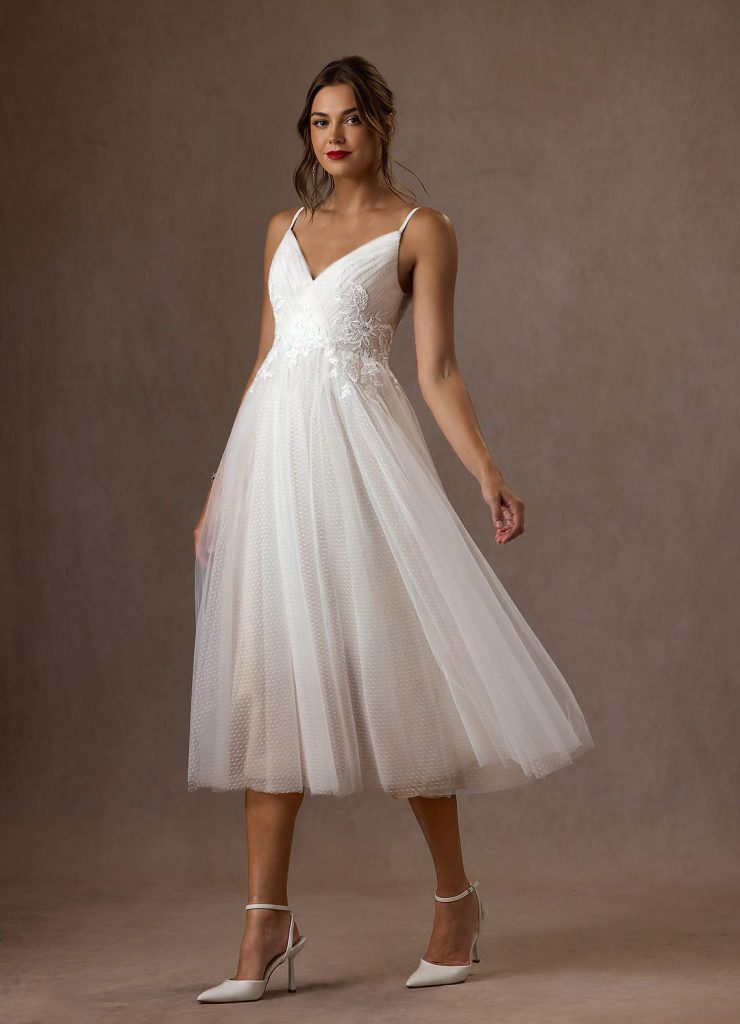
Outdoor wedding dresses for grass venues require strategic hem length and footwear planning. Tea-length or slightly raised hemlines prevent grass stains and moisture absorption, while wedge heels or block-heeled shoes distribute weight to avoid sinking.
Choosing lightweight, flowing fabrics like chiffon or crepe ensures comfortable movement across uneven terrain while maintaining elegant photographs.
Understanding Grass Terrain Challenges
Grass surfaces create specific obstacles that indoor venues don’t present. Natural lawns vary in moisture content, density, and evenness throughout the day and season.
Common grass venue complications:
- Morning dew saturates hems before 10 AM
- Soft soil allows heels to sink 1-2 inches deep
- Uneven ground creates tripping hazards with long trains
- Grass clippings cling to satin and silk fabrics
- Hidden sprinkler heads or ground fixtures snag delicate materials
Seasonal grass conditions:
| Season | Grass State | Primary Concern | Dress Adjustment |
| Spring | Soft, wet, growing | Mud and moisture | Raise hem 2-3 inches |
| Summer | Dry, firm, patchy | Dust and brown spots | Light-colored fabrics hide marks |
| Fall | Damp, leaf debris | Staining from leaves | Choose darker ivory tones |
| Winter | Dormant, hard, uneven | Cold ground, rough texture | Consider venue backup plan |
Garden wedding venues maintain lawns differently than public parks or backyard settings. Professional venues typically aerate and level grass regularly, while private properties may have natural variations. Visit your ceremony site 2-3 weeks before your wedding to assess current grass conditions and adjust your dress strategy accordingly.
Optimal Hem Lengths for Grass Ceremonies
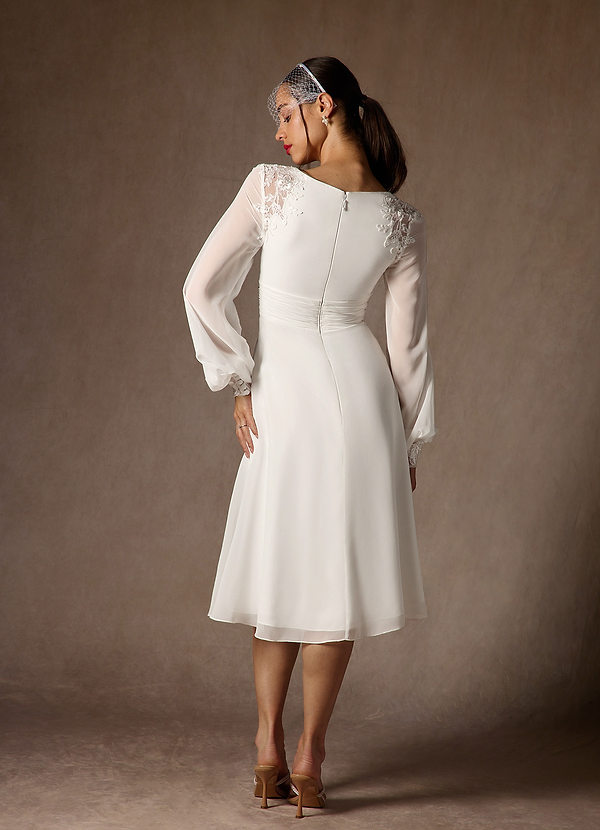
Hem length directly impacts your mobility, comfort, and dress preservation on grass surfaces. Traditional floor-length gowns face the highest risk of damage in outdoor settings.
Tea-length / mid length advantages:
- Clears grass completely, eliminating stain risk
- Shows footwear intentionally as part of styling
- Allows unrestricted walking across uneven terrain
- Photographs clearly without fabric pooling
- Requires minimal post-ceremony cleaning
Ankle-length benefits:
- Provides formal appearance with practical clearance
- Skims grass tops without dragging through moisture
- Works for slightly raised ceremony platforms
- Balances elegance with outdoor functionality
Modified floor-length approach:
Request alterations that add 1-2 inches above standard floor length. This subtle adjustment keeps formal silhouettes while preventing constant grass contact. The hem floats just above the ground when standing but won’t drag during walking.
A champagne wedding dress in tea-length styling offers both practicality and romance for garden ceremonies. The shorter hem showcases your footwear choice while the warm champagne tone camouflages any minor grass contact better than stark white fabrics.
Train considerations for grass:
- Detachable trains allow ceremony elegance, reception mobility
- Wrist loops lift trains during processional walking
- Bustles should be tested on actual grass beforehand
- Cathedral trains rarely work well on outdoor grass
Fabric Selection for Outdoor Durability
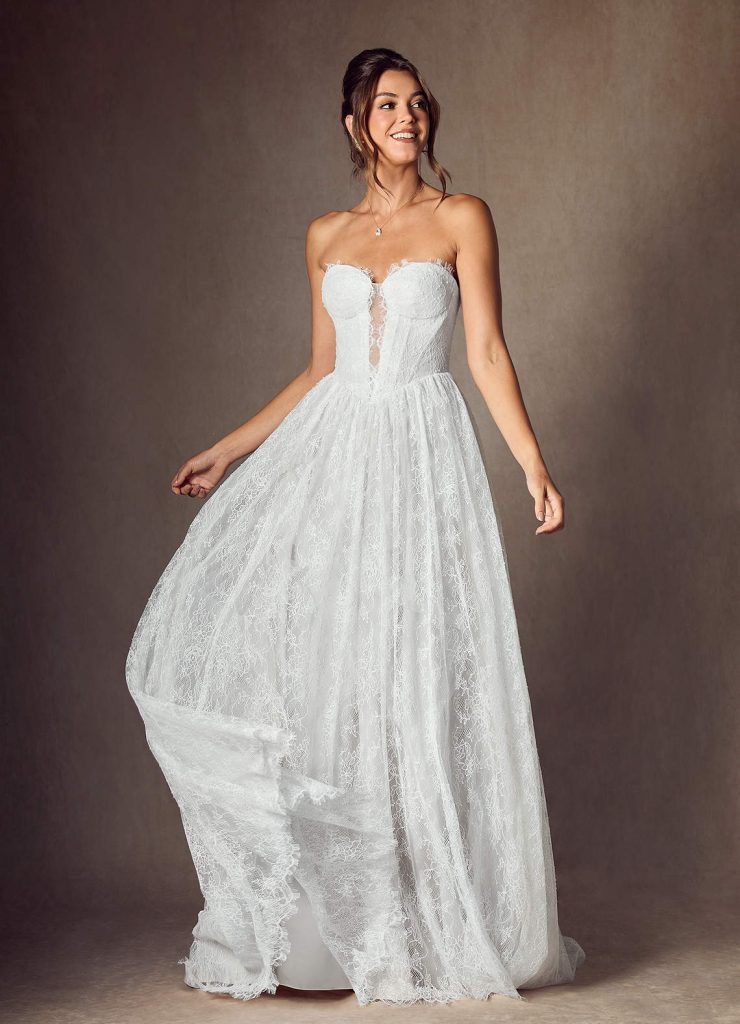
Wedding dress fabrics respond differently to grass contact, moisture exposure, and outdoor elements. Strategic material choice prevents damage while maintaining your desired aesthetic.
Best fabrics for grass venues:
- Chiffon: Lightweight, doesn’t absorb moisture quickly, releases grass easily
- Stretch crepe: Durable surface resists snagging, maintains shape in humidity
- Tulle: Airy layers minimize ground contact, dry quickly if dampened
- Lightweight satin: Smooth surface sheds grass clippings, photographs beautifully
Fabrics requiring extra caution:
- Heavy silk: Absorbs moisture readily, shows water marks permanently
- Raw silk/dupioni: Textured surface traps grass and debris
- Delicate lace: Catches on grass blades, difficult to clean afterward
- Heavy beading: Adds weight that drags hem downward
Fabric weight matters:
Lighter fabrics (under 8 oz per yard) float above grass more effectively than heavier materials. A flowing A-line sleeveless wedding dress in lightweight chiffon moves gracefully across lawns without collecting moisture or debris.
Color considerations beyond white:
Grass stains show most obviously on pure white fabrics. Ivory wedding gowns or cream colored wedding dresses provide visual warmth while naturally camouflaging minor grass contact. These tones also photograph beautifully against green outdoor backgrounds.
Footwear Strategy for Grass Stability
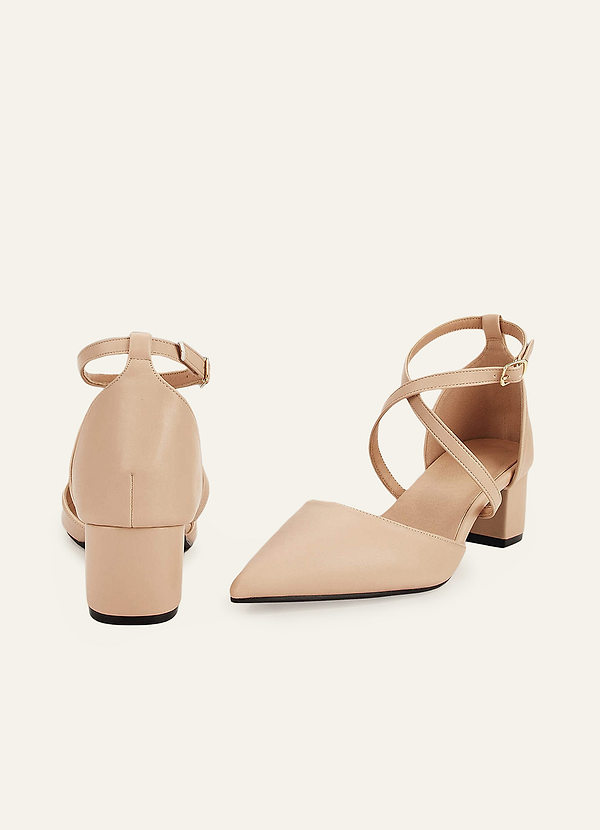
Shoe selection impacts your comfort, safety, and confidence during grass ceremonies. Traditional stiletto heels create serious mobility challenges on natural surfaces.
Optimal grass-friendly footwear:
- Wedge heels: Distribute weight across larger surface area, prevent sinking
- Block heels (2-3 inches wide): Stable base, formal appearance, practical function
- Platform shoes: Raise heel while maintaining stability
- Embellished flats: Elegant option for maximum stability
Heel protectors and accessories:
Plastic heel caps designed for grass events fit over stiletto points to create wider surface area. These protectors work for cocktail hour or photos but aren’t recommended for ceremony walking. The added width still sinks slightly, and protectors can pop off unexpectedly.
Two-shoe strategy:
Many brides wear stable flats or low wedges for the ceremony, then change into statement heels for photos and reception. This approach prioritizes safety during vow exchanges while allowing fashionable choices for other moments.
A spaghetti strap wedding dress pairs beautifully with delicate wedge sandals. The minimal dress straps create visual balance with understated footwear, and wedges provide the stability needed for confident walking across lawns.
Barefoot consideration:
Some beach or bohemian-themed grass weddings embrace barefoot ceremonies. This works best on professionally maintained, soft grass without hidden hazards. Consider guest comfort as well—if you’re barefoot, guests may feel obligated to remove shoes on potentially uncomfortable terrain.
Pre-Ceremony Grass Venue Preparation
Smart venue preparation minimizes dress damage risk and creates a more polished ceremony environment. Work with your venue coordinator or wedding planner to implement protective measures.
Ceremony site enhancements:
- Aisle runners: Fabric runners create clean walking path, protect dress hem
- Plywood underlayment: Hidden boards beneath fabric runners prevent sinking
- Artificial turf sections: Replace problematic grass patches in high-traffic areas
- Gravel or paver aisle: Permanent solution for venues hosting regular events
Timing considerations:
Schedule ceremonies after 11 AM when morning dew has evaporated. Late afternoon (4-6 PM) offers ideal lighting and dry conditions. Evening ceremonies risk dampness from falling temperatures and increased moisture.
Weather backup planning:
Grass conditions worsen significantly with rain. Even if skies clear before your ceremony, wet grass saturates dress hems within minutes. Have a covered backup location or wait 3-4 hours after rain stops for adequate drying time.
Site visit checklist:
- Walk ceremony route in dress shoes 1-2 weeks before
- Identify uneven patches or hidden obstacles
- Test proposed aisle runner placement
- Verify sprinkler system schedule
- Confirm grass cutting timing (avoid day-before mowing)
Movement Techniques for Grass Navigation
How you walk across grass impacts dress preservation and your confidence during the ceremony. Practice these techniques before your wedding day.
Effective walking strategies:
- Take shorter steps: Reduces hem lifting and prevents tripping
- Walk heel-to-toe deliberately: Increases stability on uneven ground
- Hold bouquet at waist level: Frees hands for dress lifting if needed
- Engage someone to walk behind you: They can monitor train placement
- Pause between steps on uneven spots: Prevents stumbling
Processional planning:
Walk slightly slower than you would on smooth floors. Your natural pace on hardwood feels rushed on grass. Practice walking speed with your music beforehand to find comfortable timing that looks graceful.
Bridesmaid assistance:
Assign one bridesmaid to manage your train during processional and recessional. This person walks slightly behind you, lifting the train over any obstacles or rough patches. Brief them during rehearsal on exact positioning and technique.
A diamond white dress with A-line silhouette allows natural walking motion. The fitted bodice stays in place while the flowing skirt moves with your steps rather than restricting movement.
Silhouette Selection for Outdoor Comfort
Wedding dress silhouettes perform differently on grass terrain. Some shapes naturally work better for outdoor settings while others create mobility challenges.
Best silhouettes for grass venues:
- A-line: Flows freely without ground-dragging volume, easy movement
- Fit-and-flare: Fitted through hips, flares at knee for clearance
- Sheath: Straight cut minimizes fabric touching ground
- Empire waist: Raised waistline creates natural hem clearance
Challenging silhouettes outdoors:
- Full ball gowns: Heavy skirt drags through grass, collects moisture
- Mermaid with train: Fitted knees restrict walking on uneven ground
- Cathedral train styles: Excessive fabric contact with grass
Modification options:
Ball gown lovers can add a detachable overskirt that removes after ceremony. This gives you dramatic aisle moment photos while allowing practical reception movement. Many wedding dresses now offer this two-in-one styling option.
Underskirt considerations:
Multiple tulle layers add volume but also increase hem diameter touching grass. Request alterations that taper underskirt layers, creating volume at waist while keeping hem circumference manageable.
Frequently Asked Questions
What hem length works best for outdoor grass weddings?
Tea-length or ankle-length dresses work best for grass venues. These lengths clear the ground completely, preventing grass stain contact and moisture absorption.
Can I wear a ball gown to an outdoor grass wedding?
Ball gowns can work with proper planning and modifications. Choose styles with detachable overskirts that remove after ceremony, or add a bustle that significantly raises the hem for reception movement.
What type of shoes should I avoid for grass ceremonies?
Avoid thin stiletto heels, which sink into soft grass and create ankle-twisting hazards. Platform shoes without proper sole support also cause instability. Satin or suede shoes absorb moisture quickly and stain easily.
How do I remove grass stains from my wedding dress after the ceremony?
Blot fresh grass stains immediately with a white cloth without rubbing. Apply baby powder to absorb moisture and let sit for 10 minutes before brushing off gently. Take your dress to professional cleaners within one week, specifically mentioning grass contact.
Should I schedule my outdoor grass ceremony for morning or afternoon?
Late morning through early evening (11 AM – 6 PM) offers optimal grass conditions. Morning dew saturates grass until mid-morning, while evening temperatures cause moisture to return after sunset.