
How to Pack Destination Wedding Dresses Without Wrinkling Them
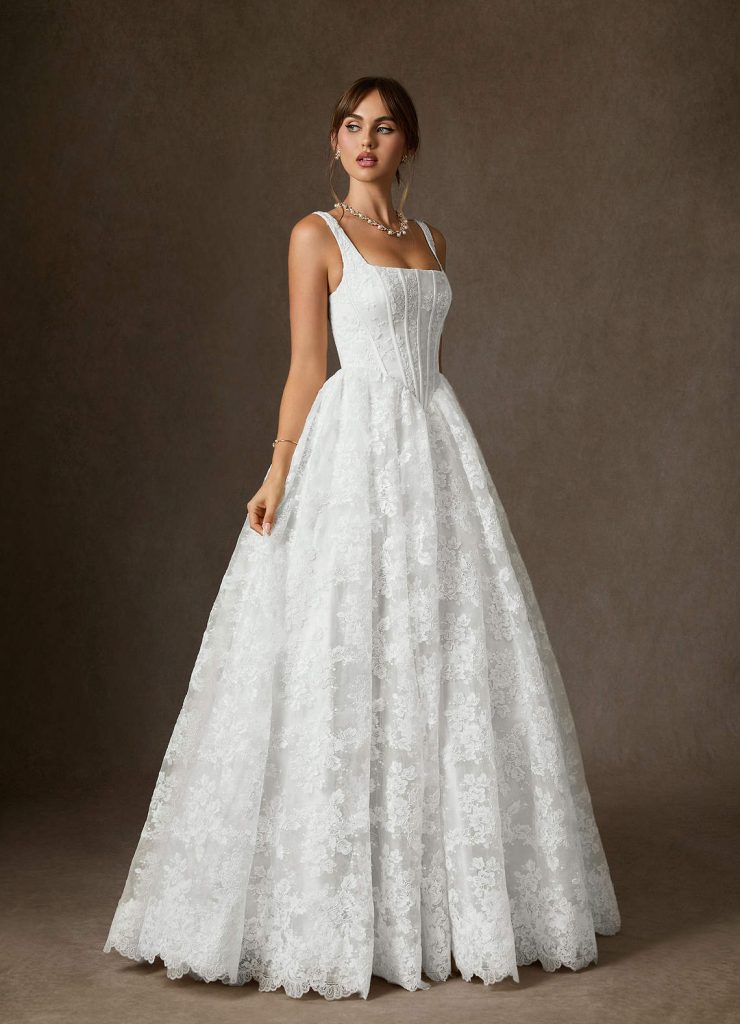
Destination wedding dresses require careful packing to arrive wrinkle-free at your venue. The key is choosing wrinkle-resistant fabrics, using proper folding techniques with acid-free tissue paper, and carrying your gown onboard rather than checking it.
Brides who pack strategically can unpack a ceremony-ready dress without extensive steaming or pressing at their destination.
Understanding Fabric Behavior During Travel
Different wedding dress materials respond uniquely to compression, humidity, and temperature changes during travel. Knowing your fabric’s properties helps you pack appropriately and set realistic expectations.
Wrinkle-resistant fabrics for travel:
- Stretch crepe: Returns to shape naturally after unpacking
- Satin: Develops minor wrinkles that release with hanging
- Lightweight chiffon: Resists creasing but requires careful folding
- Jersey knits: Extremely travel-friendly, rarely wrinkles
Wrinkle-prone fabrics requiring extra care:
- Silk taffeta: Shows sharp creases that need professional steaming
- Heavy lace: Can crush and lose dimensional texture
- Organza: Creates stubborn wrinkles at fold lines
- Tulle overlays: Compresses flat, needs time to regain volume
A champagne wedding dress in stretch crepe travels exceptionally well for beach destinations. The fabric’s natural elasticity prevents permanent creasing, and subtle color tones hide minor travel marks better than stark white fabrics.
| Fabric Type | Wrinkle Risk | Recovery Method | Travel Recommendation |
| Stretch crepe | Low | Hangs out naturally | Excellent for flights |
| Satin | Medium | Steam 20 minutes | Good with proper folding |
| Chiffon | Low-Medium | Hangs out in 24 hours | Very good for road trips |
| Lace overlay | High | Professional steaming | Requires backup plan |
| Tulle | Medium | Fluff with hands | Needs extra garment bag space |
The Professional Folding Method

Professional bridal packers use a specific technique that minimizes stress points and distributes fabric weight evenly. This method works for most silhouettes traveling by car or plane.
Step-by-step folding process:
- Lay dress face-down on clean surface: Place on white sheet or large clean towel
- Stuff bodice with tissue: Fill cups and torso area to maintain shape
- Fold sleeves inward: Cross arms naturally across bodice front
- Create first fold at natural waist: This is where the dress naturally bends
- Layer acid-free tissue at fold: Use 3-4 sheets to cushion the crease
- Fold skirt in thirds lengthwise: Bring sides toward center, tissue between layers
- Make final horizontal fold: Bring hem toward waist, more tissue at fold line
- Place in garment bag: Lay flat, never compress tightly
Critical folding rules:
- Never fold against the dress grain or construction
- Always use acid-free tissue paper, not regular tissue
- Avoid folding on embellished areas or beading
- Keep folds loose rather than tight
- Label the bag “Wedding Dress – Handle with Care”
For sleeveless wedding dresses with structured bodices, extra tissue padding prevents the boning from creating pressure points. The bodice maintains its shape better when supported from inside during travel.
Garment Bag Selection and Preparation
The right garment bag protects your dress while allowing necessary airflow. Budget bags often lack proper reinforcement, leading to compression damage during transport.
Essential garment bag features:
- Breathable fabric exterior (cotton or canvas, not vinyl)
- Full-length zipper with protective flap
- Cardboard or rigid panel at bottom
- Clear window for identification
- Padded hanger slot at top
- Multiple handles for carrying options
Preparation before packing:
- Clean bag interior with lint roller
- Insert cardboard reinforcement at folds
- Add lavender sachets for freshness
- Include small emergency kit (safety pins, tape, thread)
- Attach contact card with destination details
Avoid plastic dry-cleaning bags for travel. They trap moisture and create a greenhouse effect that encourages mildew growth. Fabric bags breathe properly and protect against minor moisture exposure during transit.
A diamond white dress in A-line silhouette fits comfortably in standard garment bags without excessive compression. The flowing skirt distributes evenly when folded, and the lighter color shows fewer stress marks than ivory or cream tones.
Air Travel Strategies for Wedding Gowns
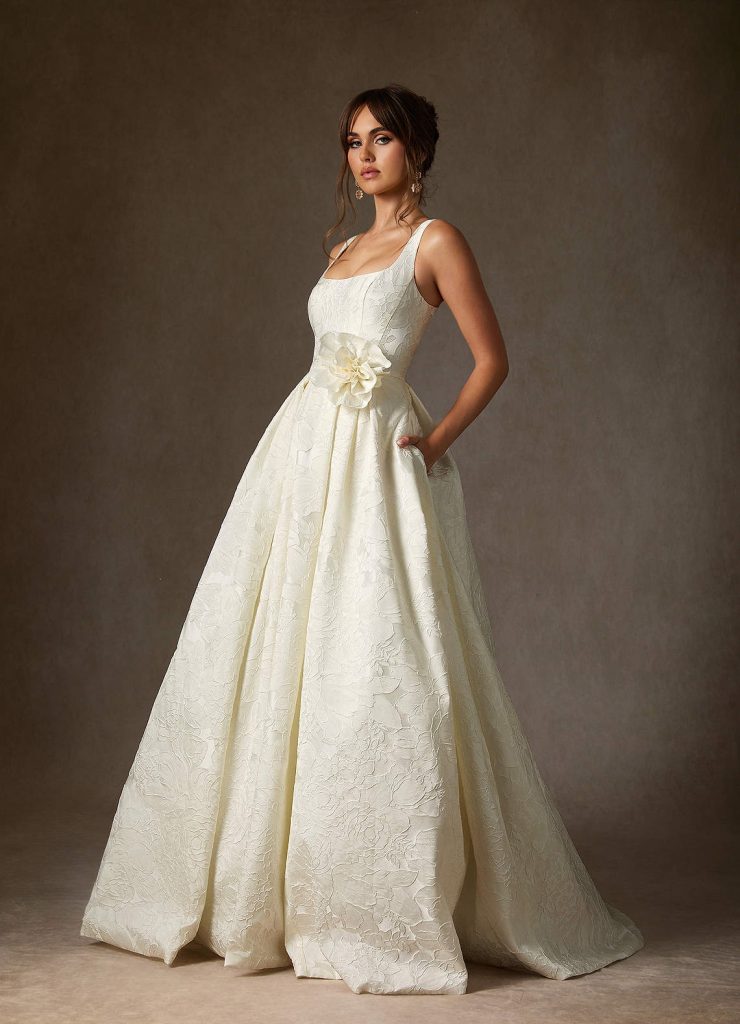
Airlines treat wedding dresses differently than regular garments. Understanding policies and timing your arrival strategically increases your chances of onboard storage or gate-check options.
Carry-on approach:
- Call airline 48 hours before departure to request closet space
- Arrive at gate 45 minutes before boarding starts
- Politely ask gate agent about closet availability
- Have backup plan if closet is full
- Board early if possible to claim overhead space
What to tell flight attendants:
- “I have my wedding dress and would appreciate any available hanging space”
- Mention your wedding date to create personal connection
- Offer to store bag in crew closet if passenger space is limited
- Thank them genuinely for any accommodation
If overhead storage is only option:
- Place bag horizontally across compartment width
- Position dress so fold line faces up, not compressed
- Ask nearby passengers to avoid placing heavy items on top
- Remove promptly after landing
For international destination weddings, research customs regulations. Some countries require declaration of high-value garments. Keep your receipt accessible and consider travel insurance that covers wedding attire specifically.
Road Trip Packing Techniques
Car travel offers more control over your dress environment but introduces different challenges like temperature fluctuations and dust exposure.
Vehicle preparation:
- Clean backseat thoroughly before loading dress
- Install temporary garment rod across rear windows
- Use window shades to prevent direct sunlight exposure
- Maintain moderate cabin temperature (65-72°F)
- Avoid trunk storage due to heat buildup
Hanging method for vehicles:
Hang your wedding dresses using the vehicle’s coat hooks or a temporary rod system. The dress hangs naturally without fold lines, and you can monitor its condition throughout the journey. Cover with a breathable garment bag to prevent dust accumulation.
Long-distance driving considerations:
- Stop every 3 hours to check dress condition
- Adjust hanging position if fabric shifts
- Bring handheld steamer for quick touch-ups at hotel stops
- Never leave dress in hot parked car
A spaghetti strap wedding dress with minimal structure hangs beautifully during car travel. The thin straps don’t add weight that could stretch the bodice, and the dress recovers quickly from any minor wrinkles that develop.
Climate-Specific Packing Adjustments
Destination wedding locations introduce environmental factors that affect how you pack and care for your dress during travel.
Tropical/beach destinations:
- Pack silica gel packets to control humidity
- Choose moisture-wicking garment bag materials
- Bring portable dehumidifier for hotel room
- Plan to unpack immediately upon arrival
- Select cream colored wedding dresses that hide minor humidity marks
Desert/arid locations:
- Include fabric refresher spray for static control
- Pack anti-static dryer sheets between tissue layers
- Moisturize hands before handling dress
- Use humidifier in storage room
Cold-weather destinations:
- Allow dress to reach room temperature before unpacking
- Avoid temperature shock that causes fabric stiffening
- Pack dress in climate-controlled luggage compartment
- Bring fabric steamer that works with international voltage
Mountain/high-altitude venues:
- Account for lower air pressure affecting garment bag
- Pack dress looser to allow expansion
- Bring extra tissue for re-folding if needed
- Consider altitude’s effect on steamer performance
Backup Plans and Emergency Solutions
Even perfect packing can encounter unexpected problems. Smart brides prepare contingency plans for various wrinkle scenarios.
Create an emergency kit:
- Portable garment steamer with voltage adapter
- Wrinkle-release spray (travel size)
- White cotton gloves for handling
- Safety pins in multiple sizes
- Fashion tape for quick fixes
- Small sewing kit
- Stain removal wipes
- Lint roller
Research destination services before departure:
- Hotel concierge dry-cleaning partnerships
- Local bridal shops offering emergency pressing
- Professional steaming services that do house calls
- 24-hour alterations services near venue
Communication strategy:
Save contact information for local wedding dress services in your phone before traveling. If serious wrinkles develop, you can respond quickly rather than searching frantically the day before your ceremony.
Some brides ship a second simple dress as backup. A white long wedding dress in jersey or stretch fabric serves as insurance if your primary gown develops irreparable wrinkles during travel.
Venue-Specific Arrival Timing
Different destination venues offer varying storage and preparation facilities. Coordinate your dress arrival with venue access schedules.
Resort weddings:
- Ship dress directly to resort 5-7 days early
- Confirm receipt and proper hanging storage
- Request climate-controlled storage room
- Schedule pre-ceremony steaming appointment
Historic venue or barn settings:
- Visit venue day before to assess hanging options
- Bring additional garment bags for dusty environments
- Request access to bride’s room 4 hours early
- Test steaming equipment with venue’s electrical system
Frequently Asked Questions
How early should I pack my destination wedding dress?
Pack your dress 1-2 days before departure, not earlier. Extended time in a garment bag increases wrinkle likelihood. If traveling internationally, pack the morning of your flight to minimize compression time..
Can I check my wedding dress as luggage?
Checking wedding dresses is risky due to rough handling, extreme temperature exposure, and loss potential. Always carry your dress onboard if possible.
What if my dress arrives wrinkled despite careful packing?
Hang the dress immediately in a steamy bathroom for 20-30 minutes. Most fabrics release wrinkles within 24 hours of hanging. For stubborn creases, contact hotel concierge for professional steaming services or local dry cleaners offering rush appointments.
Should I ship my dress ahead or carry it?
Carrying provides more control over handling and immediate access if problems arise. Shipping works well for resort weddings where staff can receive and store your dress properly.
How do I pack a ball gown wedding dress?
Ball gowns require special attention due to volume. Remove any detachable skirt layers and pack separately if possible. Stuff the bodice with tissue paper to maintain shape. Fold the skirt in quarters rather than thirds, using abundant tissue between layers.