
Elegant Formal Dresses: How to Make Them Feel Elevated, Intentional, and Right
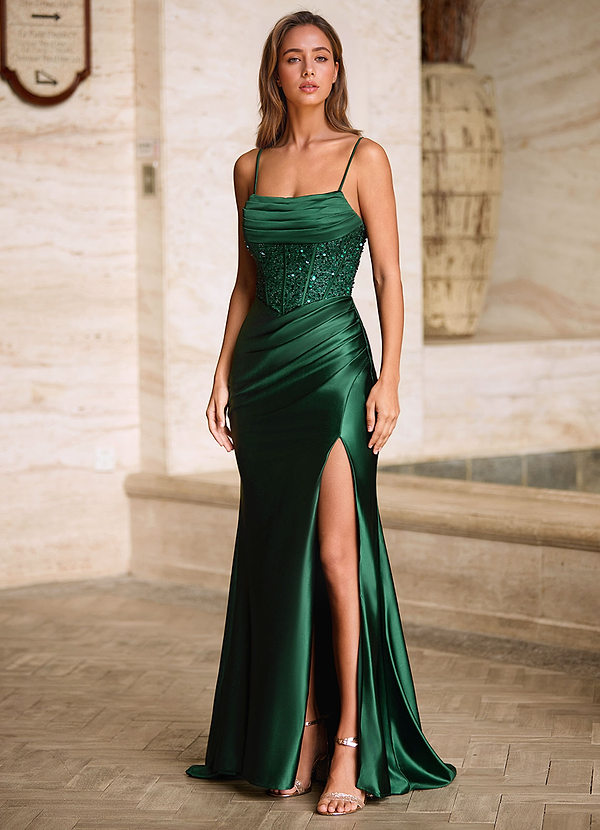
The word ‘elegant’ gets applied to a lot of dresses that aren’t actually elegant — they’re just expensive, or complicated, or formal-looking. Real elegance is weirdly specific. It’s the result of decisions made in the right order: silhouette first, fabric second, details third, accessories last. Mess up that order and you end up with a look where everything is competing and nothing wins.
Elegant formal dresses earn that description through specific, deliberate choices. A precisely fitted dress in quality fabric with one considered detail reads as elegant. One with five competing embellishments and cheap fabric — regardless of what it costs — doesn’t. That’s genuinely the whole thing.
Fit First — Everything Else Comes After
A well-fitted dress in basic fabric outperforms an ill-fitting dress in expensive fabric. Always.This drives some people crazy because it feels like it shouldn’t be true — you paid more for the satin, the dress has incredible detailing, why is the cheaper crepe reading better in photos? But fit communicates that the dress was chosen specifically for your body and this specific occasion, and that intentionality is visible in event photos in a way that even very good fabric quality sometimes isn’t. The tailoring thing is boring advice but it’s real: even adjusting one area — just the waist, just the hem — changes how the whole dress reads.
Also: waist definition matters in photos more than it does in person. A dress with no visible waist seam or cinch reads flat in event photography under venue lighting, regardless of the quality of everything else about it.
Fabric: The Thing You Can See From Across the Room
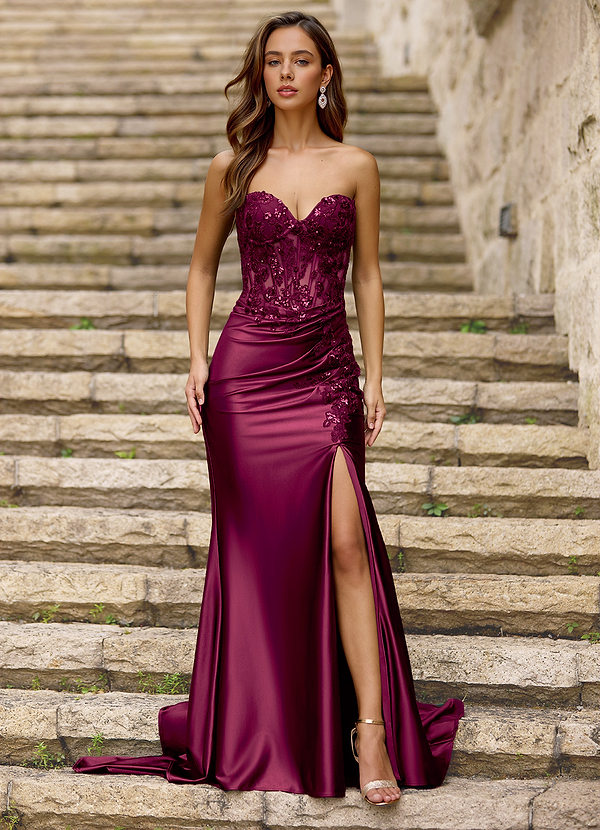
Fabric is what people compromise on most when managing a dress budget. Which honestly makes sense — it feels like a less visible variable. But it’s the most visible variable at a formal event, before you’ve looked at the details, before the accessories are visible, before you’ve done anything except see the person walk in. Heavyweight satin drapes in a way that reads expensive from thirty feet away. Thin synthetic fabric shifts and wrinkles under the body’s movement and reads as the opposite.
Simpler silhouette in quality fabric wins over complicated silhouette in cheap fabric. If there’s a budget decision to make, the fabric is where the money should go.
| Fabric | What it does for the look | Best occasion |
|---|---|---|
| Heavy satin | Liquid drape — reads expensive from a distance | Evening galas, black-tie |
| Velvet | Absorbs light — creates depth and tactile richness | Fall/winter, evening events |
| Quality crepe | Matte, structured, holds its shape under movement | Any formal event year-round |
| Layered chiffon | Floats and moves — soft and romantic | Spring/summer, outdoor formal |
| Lace overlay | Texture through pattern — formal and romantic together | Weddings, evening events |
Silhouette: What Says ‘Formal’ Before Any Detail Is Visible
Your silhouette is the first thing visible at a formal event. Before the color, before the accessories, before any detail. A floor-length satin mermaid walks in and communicates ‘black-tie’ before you’ve seen anything else about the dress. This is why it’s the most important single decision — it either establishes the formality level or it doesn’t, and accessories can’t fix a silhouette that’s wrong for the occasion.
| Silhouette | Why it reads as formal | Best fabric | Best event |
|---|---|---|---|
| Mermaid | Body-conscious and precise — formal through exactness | Satin, structured crepe | Gala, black-tie |
| Sheath | Sleek and clean — the simplest path to formal elegance | Crepe, jersey, satin | Any formal event |
| A-line | Balanced proportions — works across most body types | Satin, lace, chiffon | Weddings, galas, dinners |
| Fit-and-flare | Movement and femininity — good for dancing | Scuba, stretch crepe | Semi-formal |
A line formal dresses are the most versatile formal silhouette across body types, event types, and fabrics. If there’s one starting point, it’s this.
Details and Accessories: Less Is Almost Always More
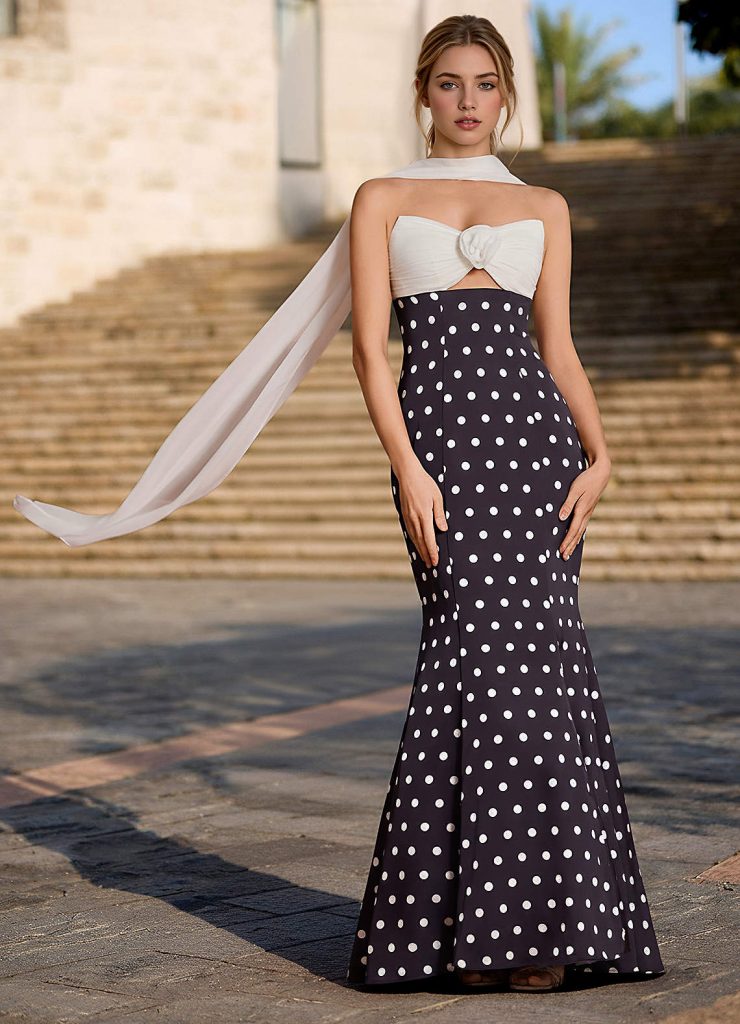
Over-accessorizing is the most consistent elegance error at formal events. Not under-dressing. Over-accessorizing. A statement necklace plus chandelier earrings plus a wide belt plus multiple bracelets — each individual piece might be beautiful, but together they compete with each other and with the dress, and nothing gets to land. The look becomes messy in a way that’s hard to identify but immediately visible.
One Focal Detail Per Dress
One. An open back with a completely covered front. A high slit on an otherwise clean floor-length gown. A deep V with a covered back and full length. Each of these works because one thing is the statement and everything else is quiet. When there are two or three competing focal elements — a V-neck and a cutout and a high slit on the same dress — none of them land because there’s no hierarchy for the eye to follow.
Scale Jewelry to the Dress’s Simplicity
Embellished bodice or lace: simple earrings, no necklace. Clean column or sheath: one statement piece. Sequin or shimmer fabric: honestly maybe nothing — the fabric is already doing everything. The dress should be the most visually prominent element. Accessories should be quieter than it.
| If the dress has… | Jewelry approach |
|---|---|
| Strong focal detail (open back, slit) | Minimal — simple drops or nothing |
| Embellished bodice or lace | Simple earrings only — no necklace |
| Clean, plain silhouette | One statement piece — earrings or pendant |
| Sparkle / sequin fabric | Very minimal — the fabric is the statement |
Matching the Dress to the Actual Occasion
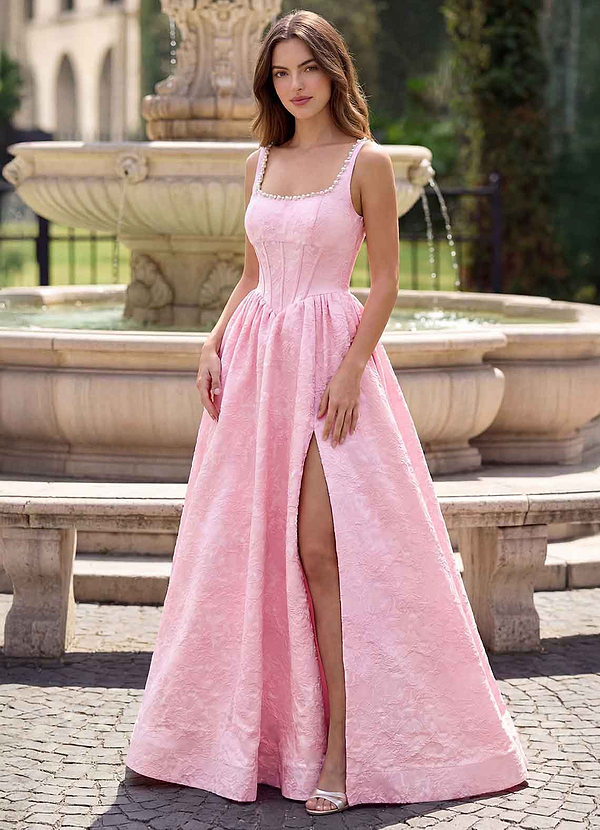
An elegant formal dress should look like it was chosen for the specific event — not pulled from a ‘formal dresses’ category and worn somewhere. That specificity is actually what elegance means in practice. The length and fabric should communicate the formality level from across the room, before any detail is visible.
| Occasion | Best length | Best fabric | Detail level |
|---|---|---|---|
| Black-tie gala | Floor-length | Heavy satin or velvet | One focal detail |
| Formal wedding guest | Floor or midi | Crepe, chiffon, lace | Quiet or none |
| Formal dinner | Floor or midi | Satin, structured crepe | One element of interest |
| Formal cocktail party | Midi or knee | Stretch crepe, scuba | More flexibility |
| Red carpet / evening | Floor-length | Sequin, heavy satin | Drama from fabric itself |
| For red carpet or high-profile evening events: floor-length sequin sheath with simple drop earrings is more elegant than the same dress over-accessorized with a necklace, belt, and cocktail ring. The sequin fabric is already the statement. Everything else needs to get out of its way. |
|---|
For wedding guest: the most common mistake isn’t the color — it’s wearing a fabric or length that doesn’t match the formality level. The dress should read formal from across the room before anyone looks at the details.
Three Things That Make Any Formal Look More Elegant
→ Check the Fabric Under Flash
Some fabrics that look completely opaque at home appear slightly see-through under direct camera flash. Photograph the dress under direct flash before the event — not to look for problems necessarily, but to see what you’re actually working with before you’re at the event and can’t do anything about it.
→ Remove One Thing Before Leaving
If the look has three accessories, take one off. If it has two statement pieces, decide whether both are necessary or whether one is just duplicating the other’s effect. The look should feel complete after each removal — that’s the signal that the right balance is there.
→ Tailor at Least One Area
Just one. The waist, or the hem, or the bust. One tailored area changes how the entire dress reads in photos. It’s the highest-return investment in formal dress styling and it’s consistently the thing people skip.
Conclusion
Silhouette first, quality fabric, one considered detail, restrained accessories. That sequence separates formal dresses that read as genuinely elegant from ones that just read as elaborately formal. The distinction is in the order and the restraint — not in what the dress costs.
Azazie has formal dresses in sizes 0–30 with made-to-order and custom sizing. Start with the silhouette filter — it’s the foundation everything else builds on.
Frequently Asked Questions
How do I know if a formal dress is right for the event?
The length and fabric should communicate the formality level from across the room, before any detail is visible — if the dress only reads as formal through accessories, the base dress isn’t formal enough.
What accessories work best with elegant formal dresses?
Minimal — the dress should be the most visually prominent element, with accessories supporting it rather than competing; embellished dresses get simple earrings, plain silhouettes get one statement piece.
How do I make sure my elegant formal dress fits well?
Size to your largest measurement and tailor at least one other area — fit across all three measurements (bust, waist, hip) is what determines how polished the dress looks in photos.
What colors are best for elegant formal dresses?
Deep jewel tones for evening; classic black and ivory universally; save pale pastels for daytime formal occasions where warm evening lighting won’t wash them out.
Can I wear an elegant formal dress to a business gala?
Yes — the most restrained version: sheath or A-line in a jewel tone or neutral at floor or midi length, simple accessories, no revealing focal details.
How do I dress for different formality levels?
Black-tie: floor-length heavy satin or velvet, minimal accessories. Formal: floor or midi in quality crepe or satin. Semi-formal: midi to knee in structured fabric with more personality. Cocktail: midi or knee, most relaxed of the formal categories.