
Choosing a Silk Wedding Dress: Comfort, Draping & Style Tips
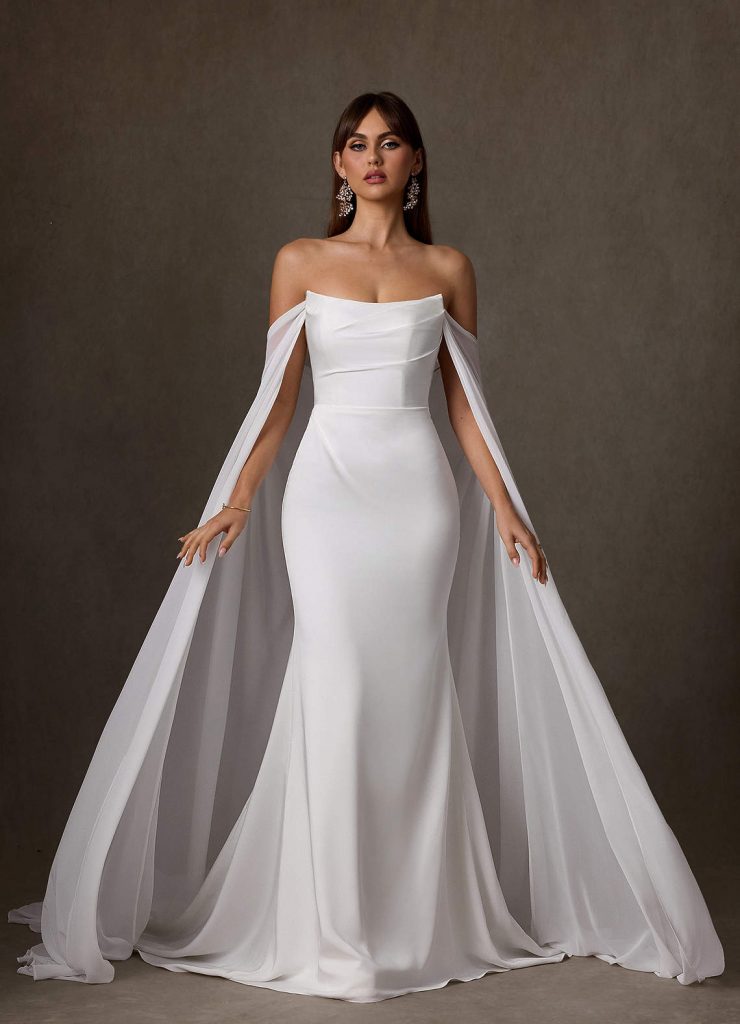
Silk wedding dresses are known for their natural warmth, soft drape, and refined sheen. The fabric moves with the body rather than holding a rigid shape, making it one of the most comfortable choices for a full wedding day. If you want a gown that feels as good as it looks, understanding silk’s real-world behavior is the best place to start.
How Silk Fabric Actually Behaves
Drape and Movement
Silk is a natural protein fiber. It drapes softly and follows the body’s movement rather than holding a structured silhouette on its own. Here’s how different silk types behave in bridal styles:
| Silk Type | Drape & Weight | Best Silhouette Use |
| Silk satin | Smooth, medium weight, slight sheen | Ball gown, A-line, mermaid |
| Silk charmeuse | Lightweight, fluid, high sheen | Sheath, bias-cut, slip styles |
| Silk crepe | Matte finish, soft drape, medium body | A-line, column, minimalist looks |
| Duchess silk satin | Heavy, structured, low sheen | Ball gown, formal A-line |
| Silk chiffon | Sheer, airy, floaty | Overlay layers, sleeves, trains |
Pure silk needs structure added through lining, boning, or interfacing to hold a dramatic shape. Without these, it falls softly rather than projecting volume.
Comfort Over a Full Wedding Day
Silk is one of the most body-friendly fabrics in bridal fashion. Key comfort points to know:
- Temperature regulation silk stays cool in warm venues and retains warmth in cooler settings
- Breathability natural fiber allows airflow; significantly more breathable than polyester satin
- Weight lighter than most bridal fabrics; reduces fatigue during long reception hours
- Skin feel soft against bare skin; less likely to cause irritation than synthetic alternatives
- Stretch minimal natural give; fit must be precise, especially through the bodice
Brides who run warm or plan outdoor ceremonies often find silk more comfortable than heavier synthetic fabrics throughout the day.
How Silk Photographs
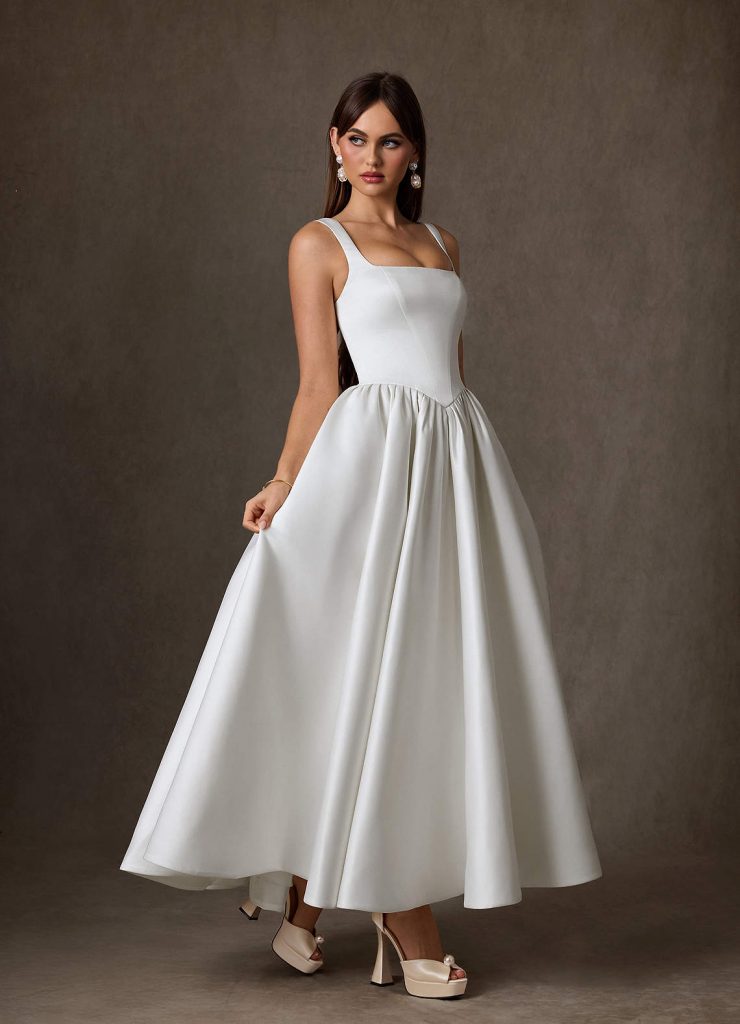
Silk has a distinctive behavior under different lighting conditions. Understanding this helps you and your photographer get the best results.
In natural daylight: Silk reflects light softly and evenly. The sheen is subtle and flattering. Charmeuse and satin weaves glow without appearing blown out.
In flash photography: Silk satin can pick up bright highlights. A diamond white dress in silk satin may read as very bright or slightly silver under direct flash and discuss diffused lighting with your photographer.
In low or warm lighting: Silk responds beautifully to candlelight and warm venue tones. An ivory wedding gown in silk glows with a rich, creamy warmth that polyester cannot replicate.
Movement shots: Silk’s fluid drape creates elegant movement in walking and spinning photos. The fabric captures motion more gracefully than stiffer synthetic weaves.
Tips for Photographing Silk
- Request side or diffused lighting rather than direct overhead flash
- Matte silk crepe reduces glare in bright outdoor settings
- Silk charmeuse in motion shots creates the most striking visual effect
- Golden hour outdoor light brings out silk’s natural warmth in ivory and champagne tones
Silk vs. Satin: Understanding the Difference
Many brides search for “silk wedding dresses” but encounter satin styles in bridal collections. Here’s why and what the difference means for your choice:
| Factor | Pure Silk | Polyester Satin |
| Fiber | Natural (silkworm) | Synthetic |
| Feel | Warm, soft, breathable | Smooth, slightly cool |
| Sheen | Subtle, natural glow | Brighter, more uniform |
| Weight | Lighter | Heavier |
| Care | Delicate; dry clean only | More durable; easier to care for |
| Value | Premium fabric; rare in ready-to-wear | Budget-friendly; widely available |
Most bridal gowns labeled as “silk-look” or featuring a satin finish use high-quality polyester satin. These fabrics photograph similarly to silk and offer better durability for a wedding day environment. Azazie’s satin wedding dresses use satin weaves that capture silk’s signature sheen at a more accessible value.
Choosing Quality: What to Check
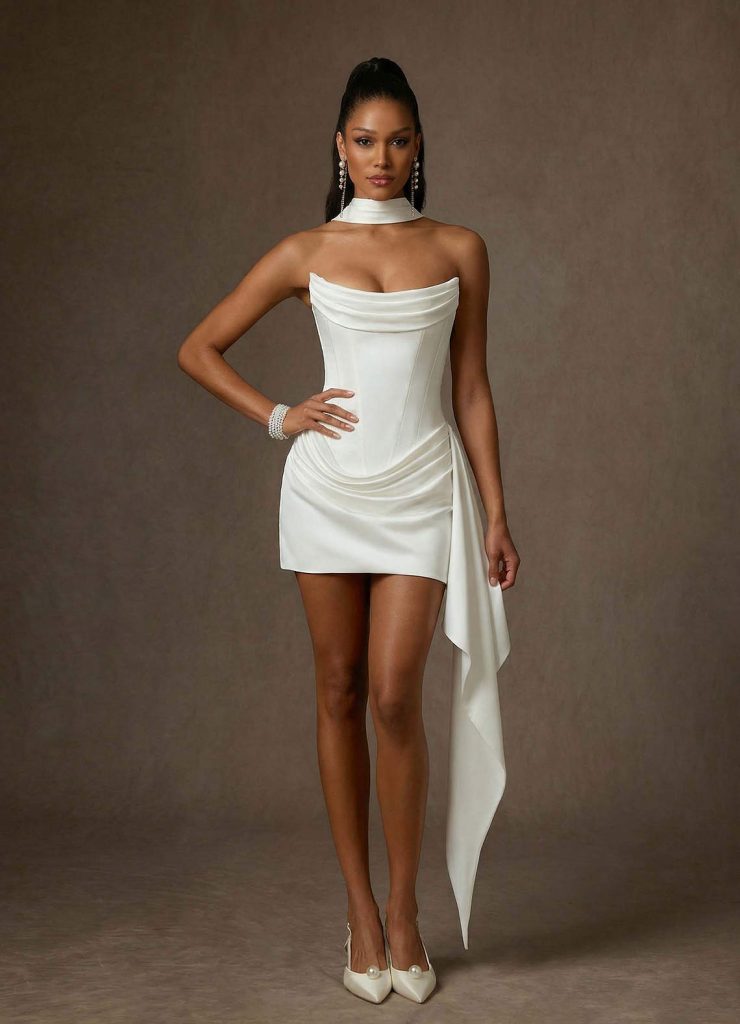
Whether shopping for true silk or a high-quality satin alternative, these indicators separate well-made gowns from lower-quality versions.
The 6-Point Quality Checklist
- Fabric weight heavier, denser weave means better construction and longer wear
- Lining quality a full lining protects delicate fabric and improves comfort against skin
- Seam finish French seams or clean serged edges inside indicate careful construction
- Sheen consistency even sheen across all panels signals uniform fabric quality
- Bodice structure boning or interfacing should hold the shape without visible puckering
- Closure construction a well-set zipper or corset back shows quality finishing
How to Assess Fabric Online
- Zoom into product photography and look for even surface texture across bodice seams
- Read fabric descriptions carefully “crepe back satin” indicates a dual-texture fabric with structured and soft sides
- Check reviewer photos, which often show real-light behavior more accurately than studio shots
Best Styles for a Silk or Satin Bridal Look
The fabric’s behavior suits certain silhouettes more naturally than others:
Sheath and Column Styles
Silk charmeuse and crepe both drape perfectly for minimalist sheath cuts. The fabric lies close to the body with no added volume fit must be precise.
A-Line with Satin
Satin’s structured weight makes the A-line skirt hold a clean, defined shape from waist to hem. A satin strapless wedding dress in an A-line cut balances structure and elegance for formal venues.
Ball Gown with Duchess Satin
The heaviest satin weaves support a dramatic ball gown skirt without layers of crinoline. This is the most traditional use of silk-style fabric in bridal fashion and remains a consistently popular choice.
Champagne and Ivory Tones
Silk’s natural warmth reads most beautifully in softer bridal tones. A champagne wedding dress in satin absorbs warm light in a way that bright white cannot ideal for evening receptions and candlelit venues.
Caring for Silk and Satin Wedding Dresses
Silk requires more careful handling than most bridal fabrics. These guidelines apply to both pure silk and high-quality satin gowns.
Before the wedding:
- Store hanging in a breathable garment bag never folded
- Keep away from direct sunlight; silk and satin both yellow with prolonged UV exposure
- Steam to remove wrinkles; always use a pressing cloth if ironing is necessary
On the wedding day:
- Apply perfume and hairspray before putting on the dress never directly onto the fabric
- Assign someone to hold the train during outdoor portions of the day
- Blot any spills immediately with a clean, dry cloth never rub
After the wedding:
- Professional dry cleaning is strongly recommended for both silk and satin
- Store in acid-free tissue paper inside a breathable box for long-term preservation
- Avoid plastic garment bags for storage they trap moisture and cause yellowing
Frequently Asked Questions
Is pure silk better than polyester satin for a wedding dress?
Pure silk is more breathable and has a natural warmth that polyester cannot replicate. However, polyester satin is more durable, easier to care for, and holds up better through an active wedding day. For most brides, a high-quality satin weave offers the best balance of appearance and practicality.
Does silk show sweat or body marks easily?
Silk charmeuse and lightweight silk weaves can show perspiration more visibly than structured satin. A full lining underneath is essential. Structured satin is generally more forgiving for brides concerned about this.
Can I wear a silk-style dress in summer?
Yes silk and lightweight satin are among the best choices for warm-weather weddings. Natural silk especially regulates temperature well. For outdoor summer ceremonies, avoid heavy duchess satin and opt for lighter crepe or chiffon silk alternatives instead.
How do I know if a dress is real silk or polyester satin?
Check the fabric content label real silk will be listed as 100% silk. In product descriptions, look for terms like “charmeuse,” “silk crepe,” or “habotai” for true silk, versus “polyester satin” or “crepe back satin” for synthetic options. When in doubt, contact the retailer directly before purchasing.
What color looks best in a silk or satin finish?
Ivory and champagne tones absorb silk’s natural warmth most beautifully. Bright white in silk can look stark in certain lighting conditions. Brides shopping for cream colored wedding dresses will find that satin and silk-finish fabrics bring out the warmth in softer bridal tones more effectively than in stark white.
Do silk dresses need special alterations?
Silk requires an experienced seamstress. The fabric slips during cutting and sewing, and alterations must be precise. Always mention the fabric type when booking a seamstress. Custom sizing through Azazie available across their range of wedding dresses in sizes 0–30 can reduce the need for significant post-purchase alterations.
Is silk suitable for a winter wedding?
Silk’s natural temperature-regulating properties make it workable for winter, but the fabric is lightweight. Pairing a silk or satin gown with a bridal cover-up or long-sleeve layer is a practical solution for cold venues. Duchess satin, being the heaviest weave, provides the most warmth among silk-finish bridal fabrics.