
Best Dresses for Graduation Ceremony That Feel Polished and Comfortable
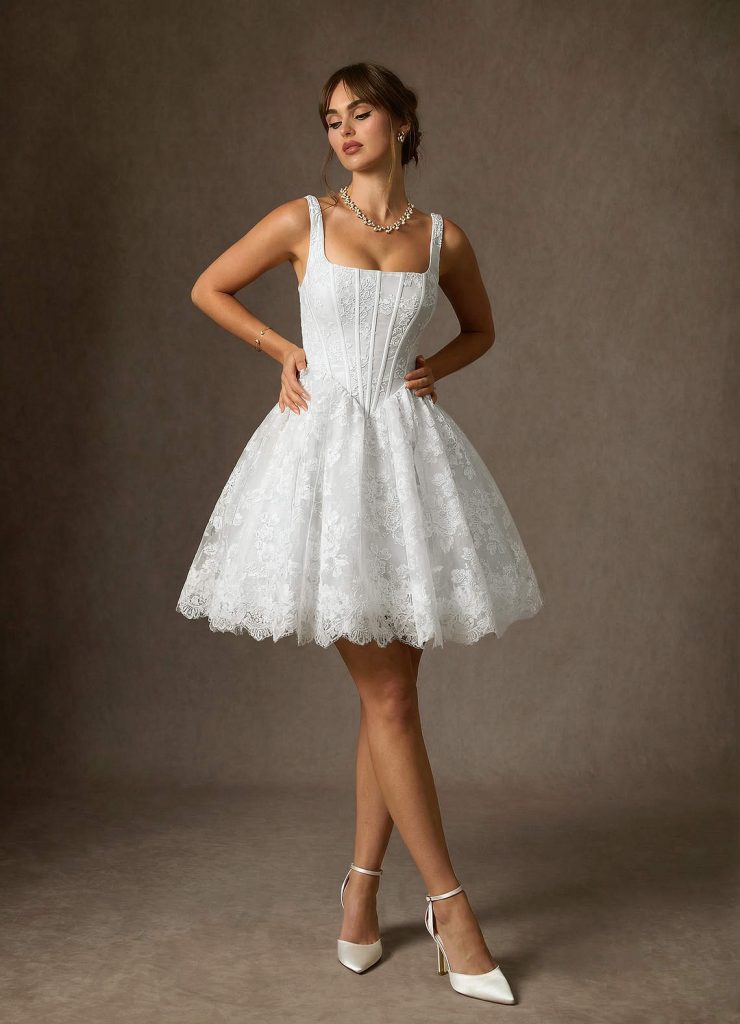
Graduation ceremonies are long. Like, genuinely longer than you’d think — you’re there early, waiting around, sitting through a whole lot of other names before yours. The dress you pick needs to make sense for all of that, not just the thirty seconds on stage.
Honestly? Comfortable and polished aren’t in conflict here. It’s just that most people overthink it. White and cream photograph the best — that part’s pretty consistent. Midi is the go-to length because it keeps something visible below the robe hem, making the whole look feel intentional. But mini works too, especially if the setting is more casual or warm.
Before anything else, it helps to know what you’re working with. Browse dresses for graduation ceremony across white, cream, and soft neutrals — mini through floor-length — and figure out what direction you want to go from there.
What Makes a Dress Look Polished at Graduation
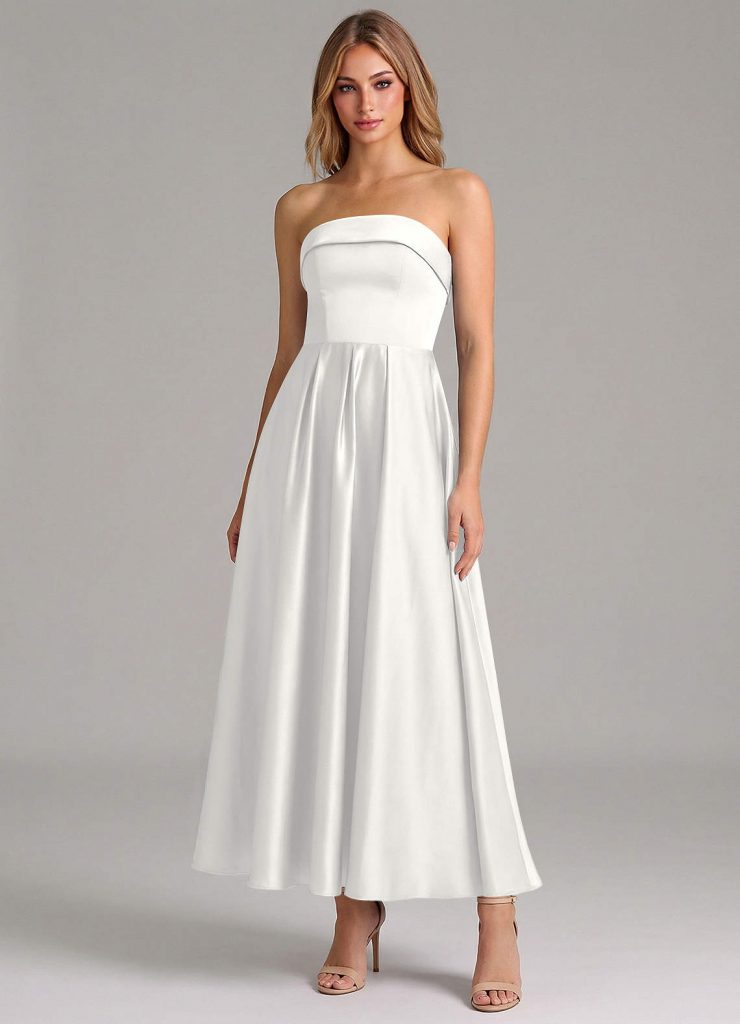
Here’s the thing most people miss: the gown covers about 80% of what you’re wearing. So “polished” at graduation doesn’t mean complicated. It means the parts that actually show — the neckline, the hem peeking out — look like they were chosen on purpose, not like an afterthought.
A-line and sheath cuts hold their shape all day. That matters more than it sounds. After two hours of sitting, a dress with a lot of structural layers or ruffled tiers under a robe just… bunches. And not in a cute way — in a way that shows in every photo. Clean silhouettes don’t do that.
Lace is worth mentioning separately because it photographs differently from plain fabric. A lace graduation dress catches light softly — adds texture and depth without looking busy. Even in candid shots from across the auditorium, lace reads as something intentional. It’s a small detail that does a lot of quiet work.
Getting the Comfort Part Right
Graduation days are long. Not in a “it might run over” way — in a “you’ve been in this dress since 9 a,m and it’s not 7 p.m.” way. Fabric choice is where most people get this wrong.
Chiffon and stretch satin breathe. Heavy polyester doesn’t. It really is that simple. If the dress already feels warm and a little stuffy in a fitting room at normal temperature, what do you think happens inside a crowded gymnasium in May under a robe? Pait on it.
A little stretch in the fabric changes everything for extended sitting. You’re waiting, shifting, standing up quickly when your row gets called — a dress with zero give pulls across the hips and back before the first hour’s even over. Doesn’t have to be a lot of stretch. Just enough that the dress moves with you rather than against you.
Best Lengths for Graduation Ceremony Dresses
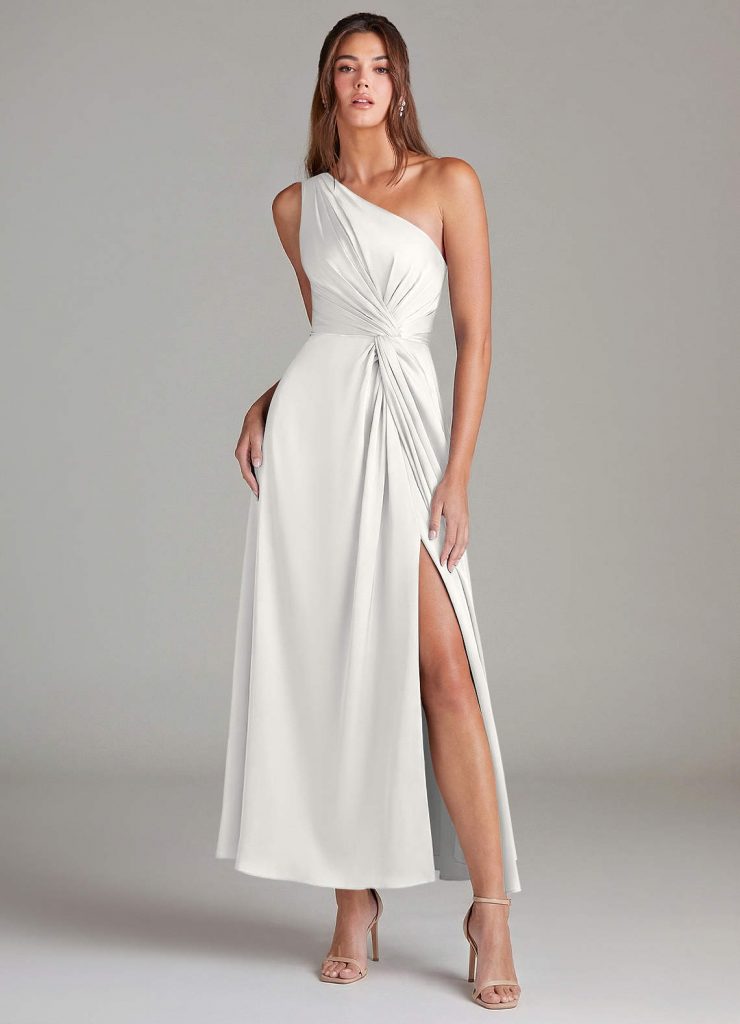
Length is probably the most practical decision in this whole process. It directly affects movement, what shows up in photos, and whether stairs are a hazard on stage.
Mini
Short, easy, nothing to catch on stairs. Mini works especially well in high school settings or outdoors, where you’ll be moving around a lot. Photographs clean — no complicated hem situation happening at the bottom. The gown covers most of it during the ceremony anyway, so the length mostly matters for after.
Midi
This one ends up being the most popular and, honestly, the reasons aren’t mysterious. The hem sits low enough to peek out from under the robe, making the whole outfit feel as if it were planned rather than invisible. You don’t have to change before dinner. Stage stairs are fine. It just… works all day without asking anything of you.
Floor-Length
Beautiful for formal college ceremonies, especially if the robe comes off for photos afterward. One thing, though: actually walk around in the dress with the shoes you plan to wear, before graduation day. Not a trial run — a real one. The hem needs to be short enough that a normal stride on stairs doesn’t catch it.
| Length | Best For | Why It Works |
|---|---|---|
| Mini | High school, warm venues, outdoor | Easy movement, zero tripping risk |
| Midi (most popular) | College ceremony, dinner, evening events | Visible below the robe, transitions all day |
| Floor-Length | Formal college ceremonies | Elegant for post-ceremony outdoor photos |
Colors That Actually Work in Graduation Photos
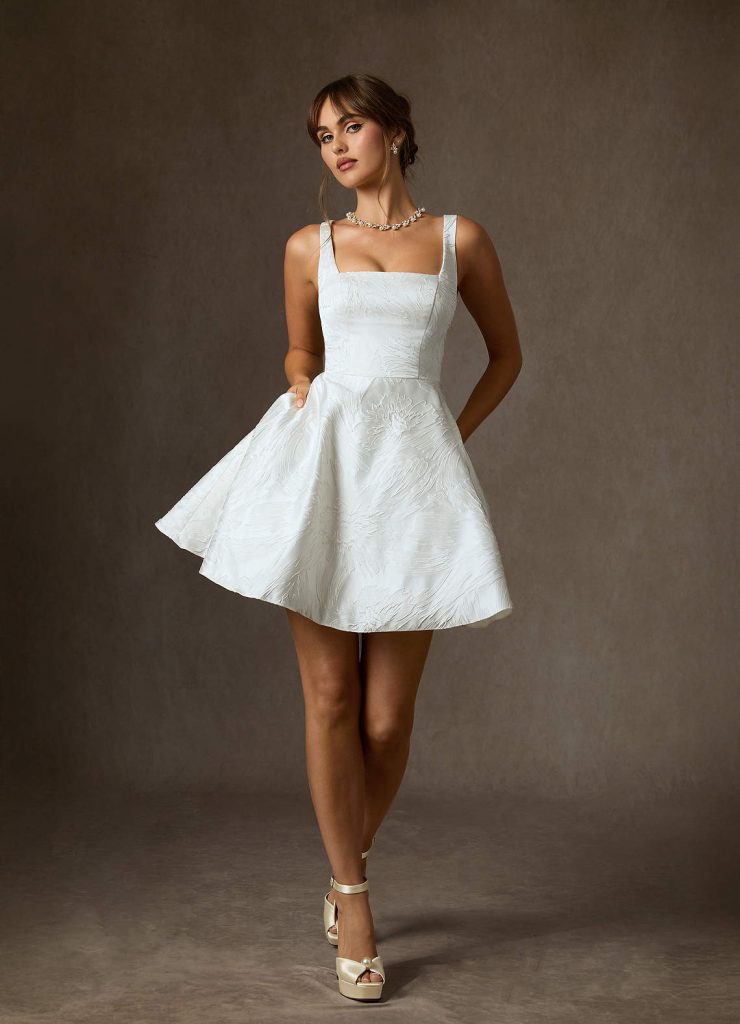
This part feels like a style preference, but it’s really more practical. The wrong shade under ceremony lighting can look flat or, worse, bleed through a lighter-colored robe, appearing oddly in photos. Not something you’d notice while shopping. Very obvious on camera.
White
It is the default choice, and it earns that reputation. Reflects light evenly, photographs clean in everything from auditorium stage shots to outdoor afternoon portraits. Hard to coordinate with shoes and accessories. You can also get away with minimal jewelry because the white is doing visual work on its own.
Cream, Ivory, Champagne
Worth considering if stark white feels cold on your skin. Ivory is particularly good for warmer complexions — it reads as white in photos but adds warmth. Champagne has a subtle shimmer that catches evening lighting nicely, especially useful if there’s a dinner or celebration after the ceremony.
Light Pastels
Blush, soft mint, pale lavender — these work, especially if the graduation gown is dark and there’s no risk of bleed-through. Pastel photographs are soft and feel a bit more personal than white or cream. Just something to think about if you want the dress to feel like your choice rather than the default.
| White | Cream | Ivory | Champagne | Blush |
|---|---|---|---|---|
| Classic, bright | Warm, elegant | Versatile | Subtle shimmer | Soft, romantic |
Different Ceremonies, Different Dress Calls
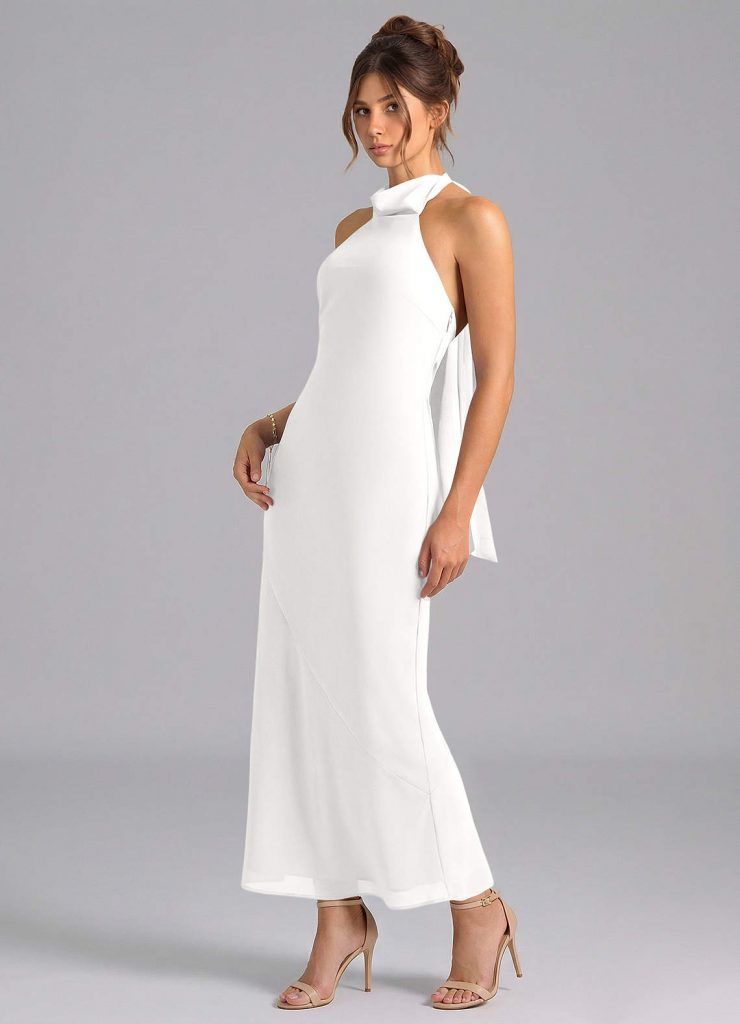
A high school gymnasium in late May and a university outdoor commencement in the afternoon are asking for pretty different things. Getting this wrong doesn’t ruin anything, but getting it right removes a whole category of stress from the day.
| High School | College Ceremony | Outdoor Setting |
|---|---|---|
| Mini or midi length White or cream Simple, easy styling Movement-friendly fit |
Midi or floor-length Slightly more formal tone Lace or chiffon Transitions to evening |
Breathable cotton or chiffon Shorter hem on the grass Light colors in heat Flat shoes, if possible |
Gymnasium lighting is genuinely harsh on busy patterns — high school graduation dresses do better when they’re simple. College graduation dresses have more room for a slightly dressier pick, especially when the plan is to take the robe off for outdoor photos afterward.
Styles That Actually Work at Graduation Ceremonies
Not because they’re trending — because they hold up across the whole day. Long ceremony, stage moment, photos with forty different family members, and dinner. These are the ones that keep working.
A-Line
Fitted through the waist, flares toward the hem. Flatters a wide range of body types. Doesn’t twist or bunch when you sit for extended periods. Photographs well from every angle — group shots, individual portraits, whatever the photographer’s setup is. If you’re not sure where to start, start here.
Lace
Plain fabric is fine. Lace does something different in photos — it has texture that reads in candid shots, in wide-angle group photos, in everything. Not loud about it. It just… registers. A solid sheath looks clean. A lace sheath looks considered. If you want the dress to feel more memorable without being more complicated, lace is the move.
Modest Styles
Higher necklines, longer sleeves, more coverage overall. Modest graduation dresses are a genuinely practical option for long ceremonies — less skin under a robe means more comfort. They also photograph extremely cleanly because there’s no neckline competition with the graduation cap in close-up portraits.
Simple Shift Dresses
You might notice that the simplest dresses actually photograph the best at graduation ceremonies. No competing details, no busy embellishment fragmenting in wide group shots. Just a clean line from shoulder to hem. Easy to move in, easy to forget about, looks intentional in every photo.
A Few Things Worth Checking Before You Order
Pick breathable fabric — chiffon, cotton blend, stretch satin. These actually breathe under a robe for hours. Heavy polyester does not, and you’ll know it by hour two. If the dress feels warm in the fitting room, it’s going to feel considerably worse in a crowded gymnasium in May.
Make sure the fit has some give. Not a lot — just enough that sitting for an extended ceremony doesn’t pull across the hips and back. A little stretch in the fabric changes the whole experience of wearing a dress for six hours.
Avoid bulky silhouettes. Ruffled tiers and heavy layers create a weird, visible lump in the robe that shows up in every stage photo. Clean and flat is what you want under a graduation gown.
Test the shoes before the day. Not just try them on — actually walk in them, on stairs if possible. This is especially relevant for floor-length styles, where the hem needs to be short enough to allow a confident stride. Sounds obvious, but it’s the kind of thing people forget until they’re standing at the stage stairs.
The Short Version
Get the fabric right first — something that breathes. Then figure out the length that makes sense for your specific ceremony and how long you’ll be wearing it. Then color. Those three decisions handle most of it.
Azazie has 100+ graduation dresses in white, cream, and soft neutrals — mini, midi, and floor-length — with custom sizing to fit your measurements. Worth browsing if you’re still trying to narrow it down.
Frequently Asked Questions
What dresses are best for a graduation ceremony?
Lightweight and simple, with a silhouette that doesn’t fight the robe. A-line cuts, sheath styles, anything in chiffon or stretch fabric. The gown covers most of the dress during the ceremony, so complicated detailing is kind of wasted anyway. What actually shows is the neckline and the hem — make those clean and you’re done.
Should graduation ceremony dresses be short or long?
Midi is where most people land, and it makes sense — something stays visible below the hem of the robe, so the outfit reads as intentional rather than invisible. Mini is great for high school settings or anywhere warm. Floor-length is genuinely beautiful for formal college ceremonies, but walk around in it with your actual shoes first. The hem-and-stairs situation needs to be tested.
What color dress is best for a graduation ceremony?
White or cream. Not because they’re required — just because they photograph the most consistently across different lighting situations. Ivory is especially good if you run warm-toned. Champagne has a subtle shimmer that holds up well in the evening. Blush is fine too if the gown is dark enough that bleed-through isn’t a concern. What to actually avoid: dark saturated colors under lighter robes, and neon anything under flash.
How should dresses fit for a graduation ceremony?
Comfortable. That sounds obvious, but it’s genuinely the priority — you’re sitting for a long time, waiting even longer, and then walking across a stage in front of everyone. A dress that pulls or feels tight at hour one will be actively uncomfortable by hour three. A small amount of stretch in the fabric is genuinely useful. Custom sizing helps a lot here because the fit matches your measurements rather than a generic size range.
Can I wear a patterned dress to graduation?
Technically yes. In practice, solid colors photograph better in wide group ceremony shots — patterns fragment and can look busy or cluttered when there are a hundred people in the frame. If you want something with visual interest, a subtle texture like lace reads much better than a bold print. A small floral or soft texture is fine. High-contrast geometric prints are where it gets tricky.
Are two-piece sets okay for a graduation ceremony?
Yeah, they work — especially for the celebration afterward. For the ceremony itself, the main thing to check is whether the waistband creates bulk under the robe. A close-fitting waistband that sits flat: fine. Something thick and structured at the waist: tends to show through the gown as a visible lump in photos. Look at how it photographs from the side before deciding.
What should I avoid in a graduation ceremony dress?
Heavy fabric in warm venues — seriously, it’s genuinely uncomfortable after a couple of hours. Bulky layers or ruffled tiers that bunch under the robe. Busy patterns that fragment in group photos. Anything with a hem that’s a tripping hazard on stage stairs. Neon colors under a light-colored robe. Those are the main ones. Beyond that, most things work fine.
Where can I find white-and-cream dresses for a graduation ceremony?
Azazie has a solid range — over 100 graduation dresses in white, cream, and soft neutrals, available in mini, midi, and floor-length styles. A-line, sheath, lace, and modest styles are all in there. Custom sizing is available, meaning the dress is built to your measurements rather than a standard size chart. Worth a look if you’re still figuring out what direction you want to go.