
Winter Wedding Guest Dresses: Warm Fabrics, Elegant Layers, and Black-Tie Options
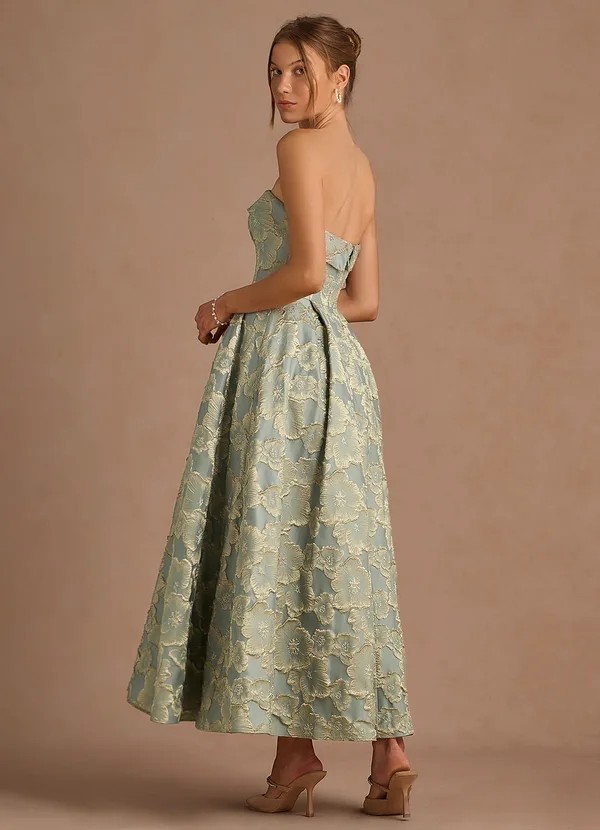
Winter weddings call for sophisticated fabrics, thoughtful layering, and elegant styling that balances warmth with formal dress codes. Look for luxurious materials like velvet, satin, and heavy crepe in rich jewel tones or classic neutrals. Long sleeves, floor-length gowns, and structured silhouettes work beautifully for cold-weather celebrations while maintaining the polish required for wedding events.
Why Winter Weddings Require Different Dress Strategies
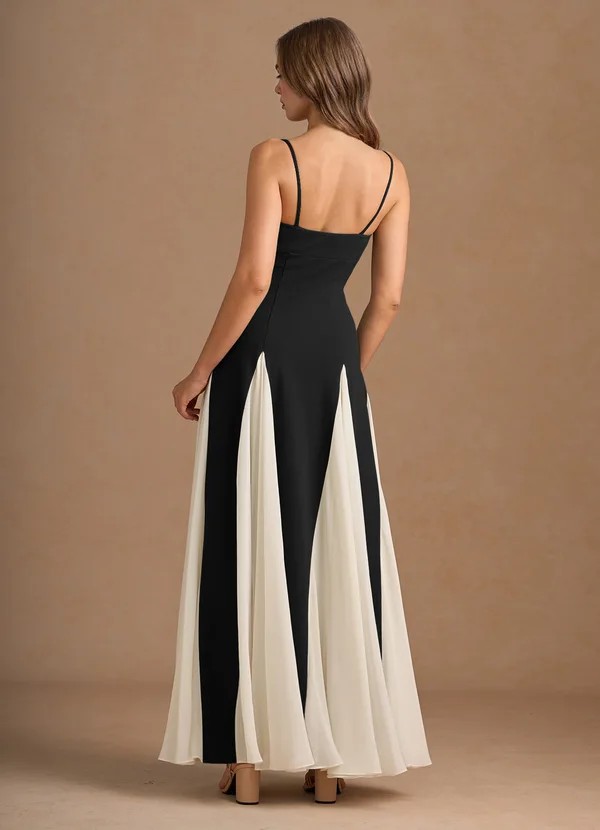
Cold-weather weddings present unique challenges. Temperatures inside heated venues contrast sharply with freezing outdoor conditions during arrivals, photos, or exits. Your dress needs to provide coverage without relying entirely on coats or wraps that you’ll remove once inside.
Winter ceremonies often skew formal. Evening receptions in ballrooms, historic estates, or upscale restaurants typically call for floor-length gowns rather than cocktail-length styles. The season’s darker, moodier aesthetic also influences color choices and fabric weight.
Winter-specific considerations:
- Indoor heating vs outdoor cold: Plan for temperature extremes
- Limited natural light: Rich colors and lustrous fabrics photograph better
- Formal dress codes: Black-tie and semi-formal events dominate winter schedules
- Holiday overlap: December and early January weddings may have festive themes
Luxurious Fabrics for Cold Weather Comfort
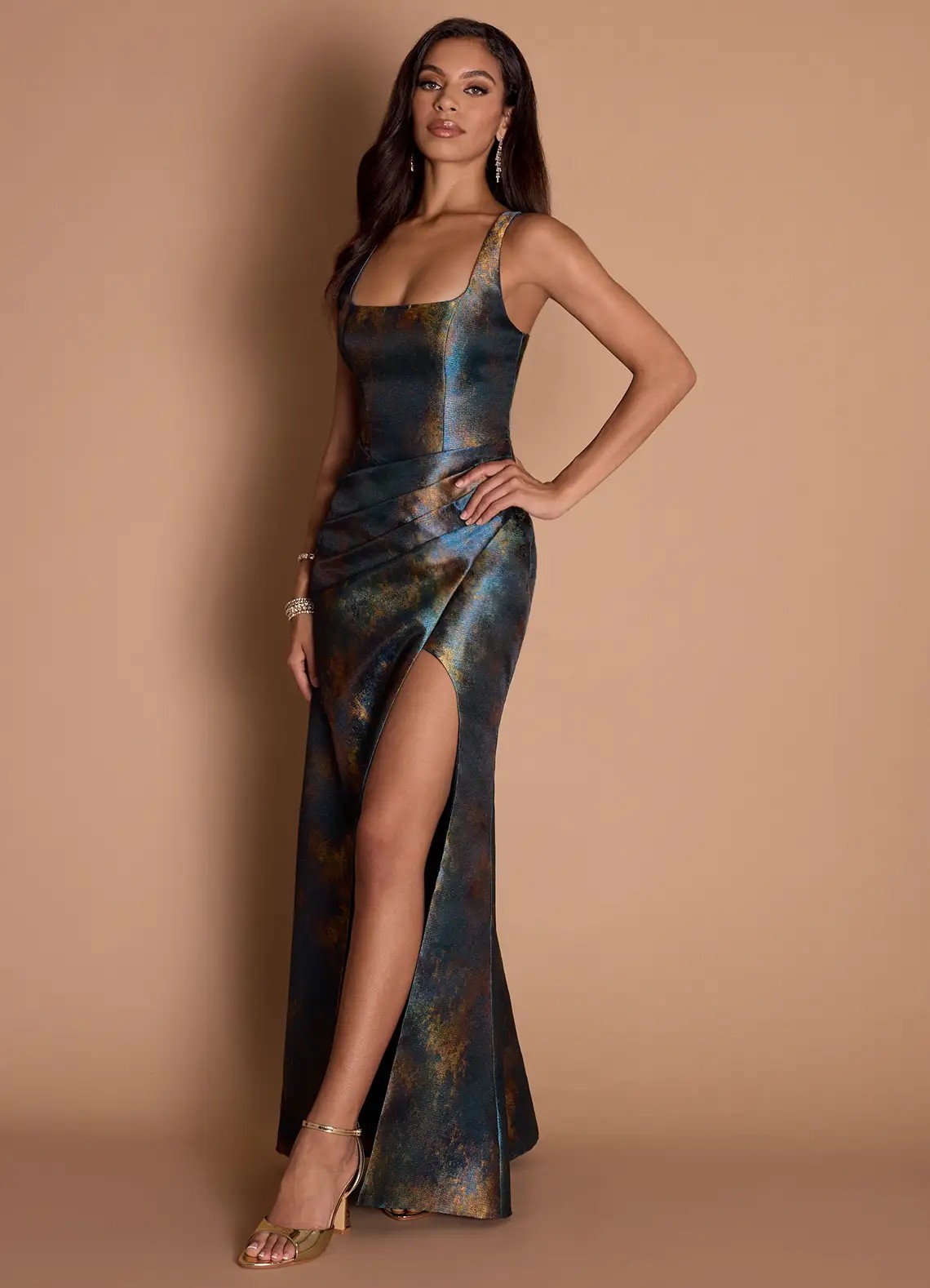
The right fabric makes all the difference in winter wedding attire.
Velvet brings instant elegance and warmth. It’s substantial enough to provide insulation while looking incredibly luxurious. Deep jewel tones like emerald, sapphire, burgundy, and chocolate work beautifully in velvet. The fabric catches light in a way that adds dimension to photos.
Satin offers a smooth, weighty drape that feels substantial without bulk. It has a formal appearance that suits black-tie events perfectly. Satin works across the color spectrum but particularly shines in darker hues that complement winter’s palette.
Heavy crepe provides structure and holds its shape well. It’s comfortable to wear for extended periods and doesn’t wrinkle easily during long receptions. Crepe has a subtle matte finish that looks sophisticated in both neutral and bold colors.
Brocade and jacquard feature woven patterns that add visual interest without requiring additional embellishments. These textured fabrics feel special and appropriate for formal winter celebrations.
Avoid lightweight chiffon, organza, or thin jersey unless they’re fully lined and layered. Summer-weight fabrics will leave you cold and won’t photograph as well in winter lighting.
Color Palette for Winter Wedding Guests
Winter’s color story leans toward deep, saturated tones and sophisticated neutrals.
Jewel tones dominate winter palettes. Emerald green, sapphire blue, ruby red, and amethyst purple all photograph beautifully against winter backdrops. These colors feel festive without being costume-like.
Classic neutrals never fail. Black, navy, charcoal, chocolate brown, and deep wine create elegant silhouettes. These shades work especially well for black-tie events where understated sophistication is key.
Metallics add celebration without brightness. Bronze, copper, champagne, and gunmetal provide shimmer that catches candlelight and venue lighting beautifully.
Winter whites and creams can work for guests, but choose carefully. Ivory, champagne, and pale gold read differently than bridal white. Make sure your shade is distinctly separate from anything the bride might wear. When in doubt, choose a darker option.
Colors to reconsider:
- Pastels can look washed out in winter lighting
- Neon or tropical brights feel seasonally inappropriate
- Pure white or stark ivory may be too close to bridal attire
Sleeve Styles and Coverage Options
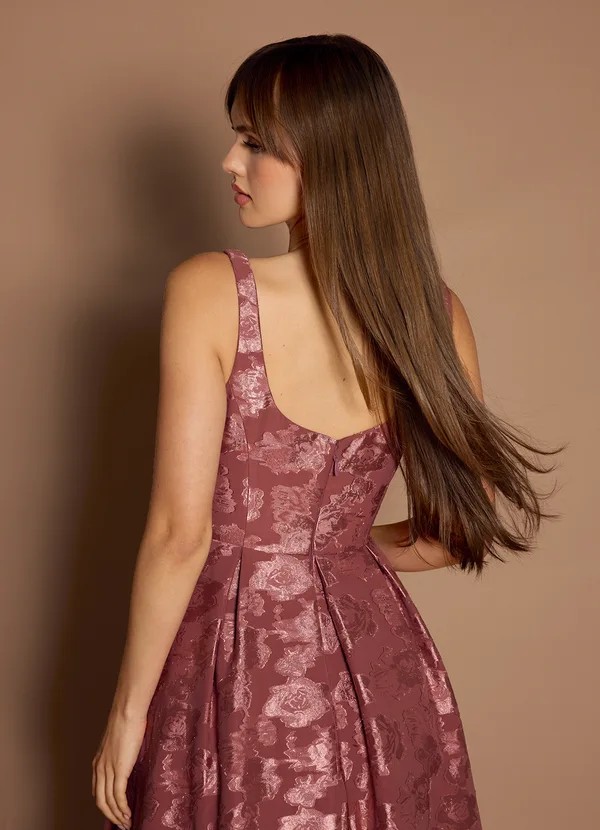
Winter weddings give you permission to embrace sleeves fully.
Long sleeves provide maximum elegance and warmth. Look for styles with fitted sleeves in structured fabrics, or flowing bishop sleeves in softer materials. Long sleeves eliminate the constant need for wraps or shawls.
Three-quarter sleeves offer a middle ground. They provide coverage while allowing easier movement and comfort in heated venues.
Cap sleeves or sleeveless styles can work if you plan your layering carefully. A velvet or satin bolero, elegant shawl, or structured jacket completes the look while providing warmth during transitions between indoor and outdoor spaces.
For winter wedding guest dresses, sleeves often feel more appropriate than strapless or spaghetti-strap designs. The added coverage suits the season and many formal dress codes.
Mastering the Art of Elegant Layering
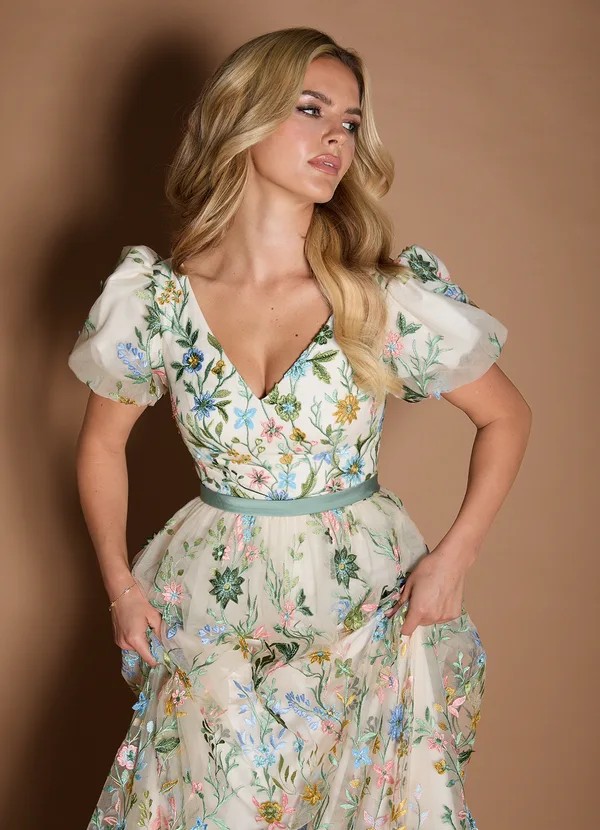
Layering for winter weddings requires strategy beyond simply adding a coat.
Structured outerwear for arrivals: Invest in a formal coat that complements your dress. Wool or cashmere coats in neutral colors work across multiple events. Floor-length coats protect maxi dresses, while cropped styles pair well with midi lengths.
Elegant wraps and stoles: Pashmina, cashmere, or faux fur wraps add glamour while providing warmth. Choose colors that either match your dress for a monochromatic look or complement it without clashing.
Boleros and shrugs: Fitted jackets in velvet, satin, or beaded fabrics stay on throughout the reception. They’re particularly useful if your dress has beautiful front details you don’t want to hide.
Tights and hosiery: Opaque or sheer tights in black, nude, or colors that match your dress add warmth without bulk. They’re essential for outdoor photos or ceremonies.
Strategic layering tips:
- Keep wraps easy to remove and store during dinner
- Choose outerwear that won’t crush your dress’s silhouette
- Consider the venue’s coat check situation before selecting bulky pieces
- Test your full layered outfit before the event
Black-Tie Winter Wedding Attire
Black-tie winter weddings demand your most formal approach.
Floor-length gowns are standard for black-tie events. Choose styles with elegant draping, structured bodices, or subtle embellishments. Black-tie wedding guest dresses should feel special without competing with the bridal party.
Fabric choices matter more at black-tie events. Velvet, heavy satin, and luxe crepe all suit formal dress codes. Avoid casual fabrics like cotton or jersey, even in formal silhouettes.
Color selection for black-tie winter weddings: Deep jewel tones, sophisticated black, navy, or metallic shades all work beautifully. If the wedding has a specific color scheme mentioned on the invitation, aim to complement rather than match exactly.
Minimal embellishments often look most elegant. Let the fabric and silhouette speak for themselves. Subtle beading, lace details, or a dramatic neckline provide interest without looking overwrought.
Accessories for black-tie events: Keep jewelry elegant and understated. Simple drop earrings, a delicate bracelet, or a classic clutch complete the look. Closed-toe heels in satin or velvet feel more formal than open-toe sandals in winter.
Length and Silhouette Considerations
Floor-length gowns suit most winter weddings, especially formal events. They provide full coverage, photograph elegantly, and meet dress code expectations. Look for hems that just graze the floor when you’re wearing your shoes to avoid tripping or fabric damage.
Midi-length options work for semi-formal winter weddings. A sophisticated midi in velvet or satin feels polished when paired with elegant accessories. This length also gives you more flexibility with footwear, allowing closed-toe boots or heeled booties.
Tea-length and shorter styles are less common at winter weddings but can work for daytime or more casual celebrations. If you choose a shorter length, make sure the fabric and styling lean formal enough for the occasion.
Flattering silhouettes for winter:
- A-line gowns create classic, universally flattering shapes
- Sheath dresses in structured fabrics look sleek and sophisticated
- Fit-and-flare styles emphasize the waist while allowing movement
- Empire waist designs work well in flowing fabrics
Venue-Specific Dress Selection
Ballroom or hotel weddings: These climate-controlled venues allow you to focus on style over warmth. Floor-length gowns in luxurious fabrics suit these formal settings. You can choose sleeveless or strapless styles if you bring an elegant wrap for transitions.
Historic estates or museums: Often have varying temperatures throughout different spaces. Opt for dresses with built-in coverage or bring layering pieces you can easily add or remove.
Outdoor winter weddings: Rare but not impossible. If any portion of the ceremony or photos takes place outside, prioritize warmth. Long sleeves, heavy fabrics, and closed-toe shoes become essential. Bring substantial outerwear.
Restaurant or intimate venue weddings: May be more casual despite the season. Check the invitation’s dress code carefully. Semi-formal or cocktail attire might be more appropriate than full black-tie gowns.
Practical Winter Wedding Styling
Footwear considerations: Closed-toe pumps or elegant ankle boots work best for winter. If there’s any chance of snow, ice, or wet conditions, bring backup shoes or opt for styles with better traction. Block heels provide more stability than stilettos on slippery surfaces.
Weather-resistant accessories: If traveling between venues or parking at a distance, protect your dress. A long coat, umbrella, and weather-resistant bag help you arrive looking polished.
Indoor comfort: Remember that heated venues can get warm. Choose fabrics that breathe and avoid excessive layering you can’t remove. If your dress has long sleeves, make sure they’re not so heavy you’ll overheat during dancing.
Hair and makeup: Winter’s dry air affects both. Use setting spray for makeup and anti-frizz products for hair. Consider updos that won’t be affected by static from coats and scarves.
Finding the Right Fit
Winter fabrics often have less stretch than summer materials. When ordering wedding guest dresses, account for any underlayers you might wear. If you plan to add tights or shapewear, make sure your dress fits comfortably over these pieces.
Azazie offers sizes 0–30, with options for custom sizing based on your measurements. Winter gowns benefit from precise fitting since you’ll likely wear them for extended periods in heated venues. Dresses that are too tight become uncomfortable quickly, while overly loose styles look unpolished in photos.
Try your complete outfit before the wedding day. Sit, move, and practice dancing to ensure everything stays in place and feels comfortable.
Holiday Season Considerations
December and early January weddings often coincide with holiday parties and celebrations.
Versatility matters: Choose dresses you could potentially wear to multiple events. Classic silhouettes in rich colors work for both weddings and holiday gatherings.
Avoid overly festive details: Skip anything with obvious holiday motifs unless the wedding itself has a holiday theme. Red velvet can work beautifully without reading as “Christmas dress” if styled appropriately.
Sequins and sparkle: More acceptable at winter weddings than summer ones, but use restraint. A dress with subtle beading or metallic threading looks elegant. Head-to-toe sequins can overwhelm.
Accessorizing Winter Wedding Attire
Jewelry: Gold, rose gold, and vintage-inspired pieces complement winter’s warm color palette. If your dress is heavily embellished, keep jewelry minimal. For simpler gowns, statement earrings or a delicate necklace add interest.
Bags: Structured clutches in velvet, satin, or metallic finishes suit formal winter weddings. Make sure your bag is large enough for essentials but small enough to look elegant in photos.
Outerwear as accessory: Your coat is part of your outfit. Choose something you feel confident wearing during arrivals and departures. A beautiful coat enhances your overall look rather than hiding it.
Frequently Asked Questions
Can I wear black to a winter wedding?
Yes, black is completely appropriate for winter weddings, especially formal events. Choose luxurious fabrics like velvet or satin to keep the look elegant rather than somber. Add metallic accessories or colorful jewelry to brighten the overall appearance.
Are long sleeves required for winter weddings?
Not required, but highly recommended. Long sleeves provide warmth and eliminate constant layering adjustments. If you prefer sleeveless or short-sleeve styles, plan to bring an elegant jacket, bolero, or wrap that you’re comfortable wearing throughout the event.
What’s the best dress length for winter weddings?
Floor-length gowns suit most winter weddings, particularly formal events. Midi-length options work for semi-formal occasions. Choose length based on the dress code specified on the invitation and the venue formality.
Can I wear velvet to a winter wedding?
Absolutely. Velvet is one of the most appropriate fabrics for winter weddings. It provides warmth, photographs beautifully, and looks luxurious. Choose jewel tones or classic neutrals for maximum elegance.
How do I stay warm at outdoor winter weddings?
Layer strategically with a formal coat for outdoor portions. Choose dresses with long sleeves and heavy fabrics. Bring opaque tights, closed-toe shoes, and hand warmers if needed. A pashmina or faux fur wrap adds warmth without bulk.
Is it okay to wear boots to a winter wedding?
Elegant ankle boots in velvet or leather can work for semi-formal winter weddings, especially if paired with midi-length dresses. For black-tie events, stick with classic heels. If weather conditions require boots for arrival, bring dress shoes to change into.
What colors should I avoid at winter weddings?
Avoid white, ivory, or cream shades that might photograph too close to bridal attire. Very bright pastels can look out of place against winter’s darker palette. Otherwise, winter weddings offer broad color flexibility, from deep jewel tones to sophisticated neutrals.
Conclusion
Winter wedding guest attire requires thoughtful consideration of fabrics, layering, and formality. Choose luxurious materials like velvet and satin that provide warmth while looking elegant. Embrace rich jewel tones, sophisticated neutrals, and floor-length silhouettes that suit the season’s formal atmosphere.
Strategic layering with wraps, jackets, and appropriate outerwear ensures comfort during temperature transitions. For black-tie winter celebrations, floor-length gowns in structured fabrics meet dress code expectations beautifully.