
Which Fabrics for Beach Wedding Dresses Handle Humidity and Sand Best?
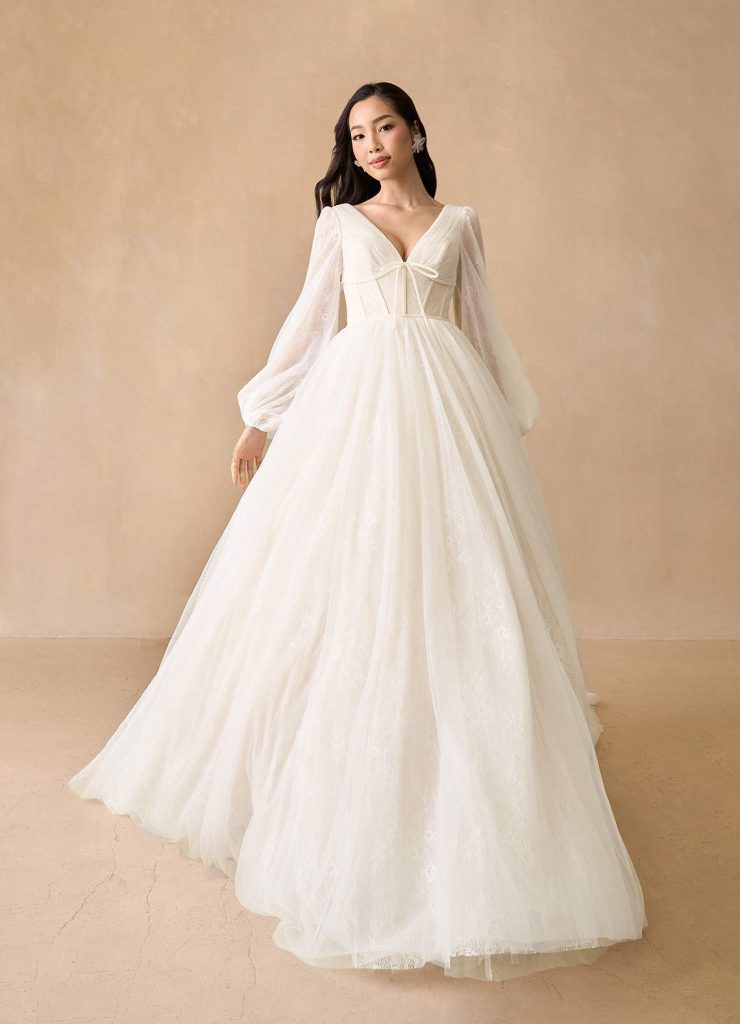
Beach weddings require fabrics that withstand coastal conditions while maintaining elegance. Chiffon, crepe, and stretch satin perform exceptionally well in humid environments and resist sand damage.
These materials allow airflow, dry quickly if dampened by sea spray, and photograph beautifully in natural light without appearing wilted or heavy.
Understanding Beach Wedding Fabric Requirements
Coastal ceremonies present specific challenges that traditional venue fabrics can’t always handle effectively. Your fabric choice determines comfort, appearance, and practicality throughout your celebration.
Environmental Factors Affecting Fabric Performance
Beach environments combine multiple elements that impact how wedding dress fabrics behave:
- High humidity causes certain materials to cling, wrinkle, or lose shape
- Salt air can stiffen or discolor delicate fabrics over time
- Sand particles stick to textured surfaces and damage fragile weaves
- Direct sunlight intensifies heat absorption in darker or heavier materials
- Ocean breeze either flatters flowing fabrics or creates awkward bulk with stiff materials
Understanding these factors helps you select fabrics engineered to perform well rather than fight against natural conditions.
Temperature and Comfort Considerations
| Climate Zone | Recommended Fabrics | Fabrics to Avoid |
| Tropical (80°F+) | Chiffon, lightweight crepe, cotton blends | Heavy satin, velvet, thick lace |
| Temperate (70-80°F) | Crepe, tulle, stretch satin | Layered organza, brocade |
| Cooler coastal (60-70°F) | Stretch crepe, matte satin, light jersey | Still avoid heavy ball gown fabrics |
Beach temperatures often feel warmer than actual readings due to sun exposure and humidity. Choose fabrics that regulate body temperature rather than trap heat.
Top-Performing Fabrics for Beach Ceremonies
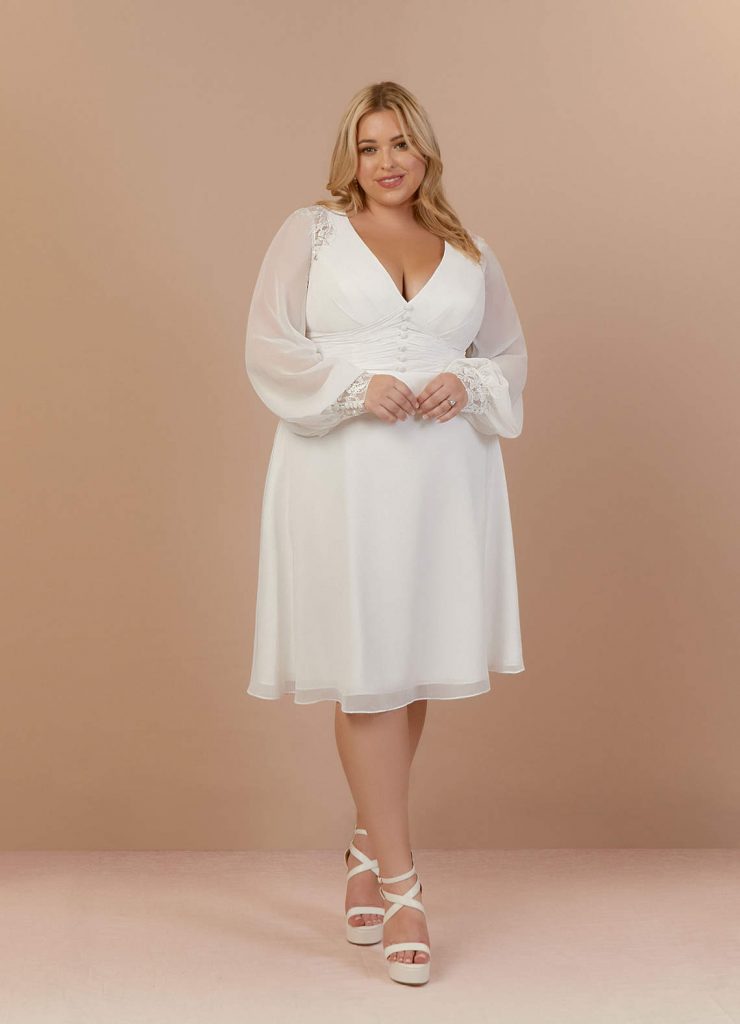
Certain materials consistently excel in coastal environments, offering both practical performance and beautiful aesthetics.
Chiffon: The Beach Wedding Classic
Chiffon remains the most popular beach wedding fabric for excellent reasons. This lightweight, sheer material moves beautifully in ocean breezes without becoming tangled or unmanageable.
Key advantages for beach settings:
- Extremely breathable with natural airflow
- Dries quickly if dampened by sea spray
- Doesn’t attract or hold sand particles
- Photographs with ethereal, romantic movement
- Comfortable in high heat and humidity
Chiffon works particularly well in flowing A-line silhouettes and layered skirts. The fabric’s natural drape creates elegant lines without requiring heavy structure that would trap heat. Many brides find chiffon dresses remain comfortable even during midday ceremonies in full sun.
Stretch Crepe: Modern Practicality
Stretch crepe combines sophisticated appearance with exceptional comfort. This fabric contains slight elastic properties that move with your body while maintaining structured shape.
Beach performance benefits:
- Resists wrinkles even in humid conditions
- Provides smooth, sleek silhouette that photographs well
- Offers enough structure for fitted styles without rigidity
- Allows comfortable movement on uneven sand
- Maintains appearance throughout long celebration
The Azazie Kieryn Stretch demonstrates how this fabric creates clean, modern lines perfect for beach settings. Stretch crepe works beautifully for brides wanting contemporary elegance without sacrificing comfort in coastal heat.
Tulle: Lightweight Romance
Tulle creates romantic volume without the weight of traditional ball gown fabrics. Multiple tulle layers build dimension while remaining surprisingly lightweight and breathable.
Beach ceremony advantages:
- Creates beautiful movement in ocean breezes
- Doesn’t absorb moisture readily
- Lightweight even in fuller skirt styles
- Sand particles don’t embed in the open weave
- Photographs with dreamy, soft-focus quality
Tulle skirts paired with simpler bodices create balanced beach wedding aesthetics. This combination provides visual interest while keeping the overall feel light and appropriate for seaside settings.
Crepe Back Satin: Elegant Balance
Crepe back satin offers the best of both worlds—satin’s subtle sheen on one side and crepe’s practical texture on the reverse. This dual-surface fabric provides an elegant appearance without satin’s tendency to show every wrinkle.
Why it works for beaches:
- More forgiving than pure satin in humidity
- Maintains shape better than traditional satin
- Provides enough structure for flattering fit
- Creates sophisticated look without excessive formality
- Handles temperature variations well
This fabric particularly suits brides wanting polished elegance while acknowledging beach practicality. Many wedding dresses in sophisticated beach collections feature crepe back satin for its versatile performance.
Fabrics to Approach Cautiously for Beach Settings
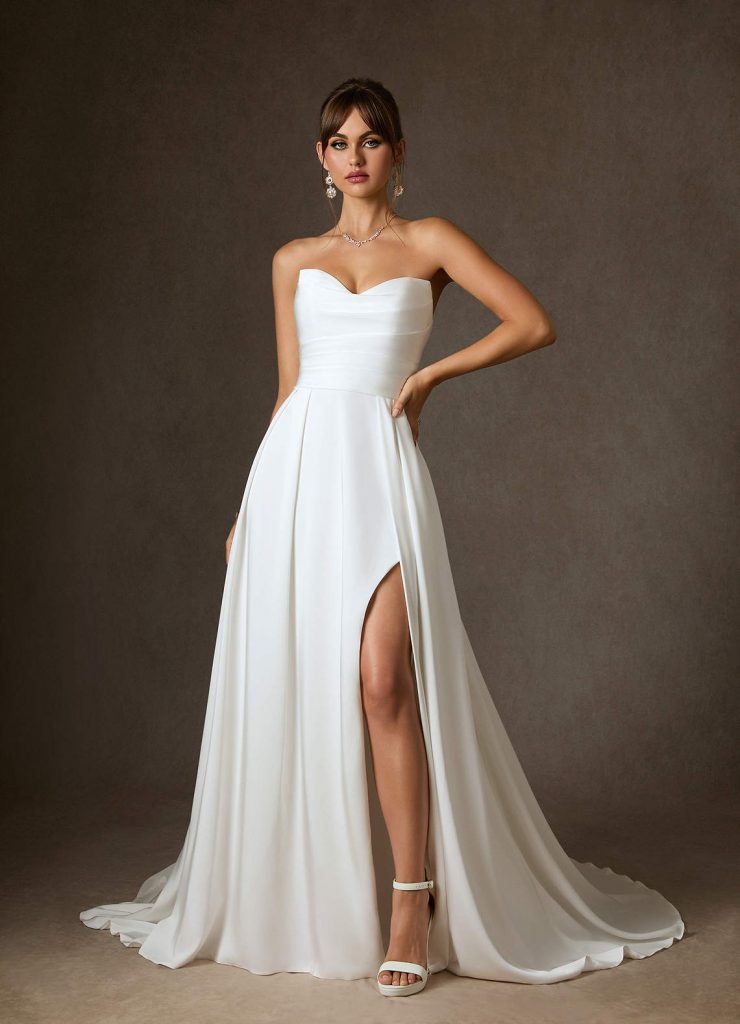
While beautiful in traditional venues, certain materials present challenges in coastal environments that may outweigh their aesthetic benefits.
Heavy Satin
Traditional satin creates stunning formal appearance but struggles in beach conditions. The fabric’s dense weave traps heat, shows wrinkles prominently in humidity, and feels uncomfortable in warm temperatures.
If you love satin’s look, consider lightweight satin alternatives or reserve heavier satin details for bodice areas while choosing lighter fabrics for skirts.
Structured Lace
Heavy lace with dense patterns and backing materials can become uncomfortable in heat. The multiple fabric layers trap warmth, and intricate textures catch sand particles that prove difficult to remove.
Lighter lace overlays work better than fully structured lace gowns. Consider dresses with strategic lace accents rather than all-over heavy lace construction.
Thick Organza
Organza provides beautiful structure but heavier weights become stiff and uncomfortable in humidity. The fabric can also rustle loudly in strong ocean breezes, which may be distracting during ceremony audio.
If you love organza’s crisp appearance, look for lighter-weight versions or use it sparingly as accent layers rather than primary dress fabric.
Velvet and Heavy Brocade
These luxurious fabrics have no place at beach weddings regardless of season. Both trap excessive heat, absorb moisture poorly, and create overwhelming visual weight inappropriate for casual coastal settings.
Fabric Characteristics That Combat Sand
Sand presents unique challenges requiring specific fabric properties to manage effectively throughout your celebration.
Smooth vs. Textured Surfaces
Smooth-surfaced fabrics naturally resist sand adhesion:
- Satin (lightweight versions)
- Smooth crepe
- Stretch jersey
- Polished cotton
Textured fabrics that attract and hold sand:
- Heavily beaded or sequined surfaces
- Deep lace textures
- Rough-weave fabrics
- Fabrics with raised embroidery
Choose designs where any textured elements appear primarily on the bodice, which stays above sand level, while keeping skirt fabrics smooth and sand-resistant.
Hem Weight Considerations
Lighter hems naturally lift away from sand rather than dragging through it. Heavy hems with beading or thick trims collect sand that becomes difficult to remove and adds uncomfortable weight as you move.
Tea-length and knee-length styles eliminate most sand contact entirely while creating fresh, modern beach aesthetics. These lengths work particularly well with smooth fabrics that maintain clean lines.
Managing Humidity-Related Fabric Challenges
Coastal humidity affects different fabrics in distinct ways that influence both appearance and comfort throughout your wedding day.
Wrinkle Resistance Factors
Humidity intensifies wrinkling in certain materials. Fabrics naturally resistant to humidity-related wrinkles include:
- Stretch crepe: Bounces back to smooth appearance
- Jersey knits: Naturally wrinkle-resistant even when damp
- Chiffon: Soft drape disguises any creasing
- Polyester blends: Engineered for wrinkle resistance
Fabrics prone to humidity wrinkles:
- Pure silk (especially silk charmeuse)
- Linen blends
- Traditional cotton without treatment
- Thin, untreated satin
If your dream dress includes wrinkle-prone fabrics, plan for steaming immediately before the ceremony and accept that some relaxed texture suits beach wedding aesthetics.
Moisture Management Properties
| Fabric Type | Moisture Behavior | Beach Suitability |
| Chiffon | Dries quickly, doesn’t cling | Excellent |
| Crepe | Resists moisture absorption | Excellent |
| Stretch satin | Moderate resistance | Good |
| Cotton blends | Absorbs but breathes | Good for casual styles |
| Heavy silk | Absorbs and shows water marks | Poor |
Sea spray, unexpected humidity spikes, and perspiration all become factors at beach weddings. Choose fabrics that either resist moisture or handle it gracefully without visible damage.
Color Selection Impact on Beach Fabric Performance
Fabric color influences how well materials perform in beach environments beyond pure aesthetics.
Light Colors for Heat Management
Ivory wedding dresses and other light shades reflect rather than absorb sunlight, keeping you cooler. Light colors also show less visible stress from humidity, salt air, or minor sand dust.
Cream colored wedding dresses offer warmth while maintaining practical heat reflection. These softer tones photograph beautifully against beach backgrounds and complement most skin tones.
Diamond white dress options provide crisp brightness that creates stunning contrast with ocean blues and sandy neutrals in photos.
Unexpected Color Benefits
Champagne wedding dress styles hide minor sand dust better than pure white. The warm undertones also complement golden-hour beach lighting beautifully.
Soft pastels like blush or misty blue dress options add personality while maintaining light colors’ practical heat-reflecting benefits.
Budget Considerations for Beach Wedding Fabrics
Fabric choices significantly impact dress costs while also affecting practical performance.
Azazie offers beach-appropriate wedding dresses across various price ranges, with made-to-order options in sizes 0–30 that eliminate expensive alteration costs. Simpler fabrics like chiffon and crepe often cost less than heavily embellished materials while performing better in beach conditions.
Strategic Budget Allocation
Invest in quality base fabric rather than extensive embellishment. Simple, well-constructed dresses in excellent fabrics outlast and outperform heavily decorated gowns in mediocre materials.
Consider fabric performance as long-term value. Dresses that photograph beautifully, feel comfortable throughout your celebration, and survive beach conditions without damage provide better overall value than less expensive options requiring constant management or professional repairs.
Frequently Asked Questions
What is the best fabric for a beach wedding dress in high humidity?
Chiffon and stretch crepe perform best in humid beach conditions. Both fabrics resist moisture absorption, dry quickly if dampened, and maintain their shape despite humidity. Chiffon offers maximum breathability, while stretch crepe provides more structure.
Can I wear a satin wedding dress to a beach ceremony?
Lightweight satin works for beach weddings, but avoid heavy traditional satin. Look for stretch satin or crepe back satin instead, which offer satin’s elegant appearance with better heat management.
How do I keep sand off my wedding dress fabric?
Choose smooth-surfaced fabrics like crepe, satin, or chiffon that naturally resist sand adhesion. Avoid heavily textured lace, beading, or rough-weave fabrics where sand embeds deeply. Keep your dress hem above ankle length to minimize sand contact. Shake out your dress frequently during the celebration, and have someone brush sand away before it works into fabric fibers.
What dress length works best for beach sand?
Tea-length or knee-length dresses eliminate most sand contact while maintaining elegant appearance. These lengths also allow easier walking on uneven beach terrain. If you prefer floor-length styles, choose ankle-length without trains.
Does silk work for beach wedding dresses?
Pure silk struggles in beach conditions due to moisture sensitivity, heat retention, and tendency to show water marks from sea spray. If you love silk’s appearance, look for silk-blend fabrics that incorporate synthetic fibers for better performance.