
What’s the difference between formal and semi-formal dresses?
Navigating dress codes can feel overwhelming when you’re preparing for a special occasion. You’ve received an invitation that specifies “formal attire” or “semi-formal dress,” and suddenly you’re left wondering what exactly that means for your wardrobe choices.
The difference between formal and semi-formal dresses isn’t just about looking appropriate—it’s about feeling confident and comfortable while honoring the occasion’s expected level of elegance.
Understanding these distinctions helps you make informed decisions when shopping for that perfect gown or cocktail dress. Whether you’re attending a black-tie wedding, a corporate gala, a prom, or an evening cocktail party, knowing the nuances between formal and semi-formal attire ensures you’ll arrive dressed to impress without being over or underdressed.
This comprehensive guide explores everything you need to know about formal and semi-formal dresses, from fabric choices and hemlines to accessories and color palettes. We’ll break down the key differences, provide practical styling advice, and help you build a versatile wardrobe that covers various dress code requirements. By the end of this article, you’ll have the confidence to select the perfect dress for any sophisticated occasion that comes your way.
Understanding Formal Dress Codes
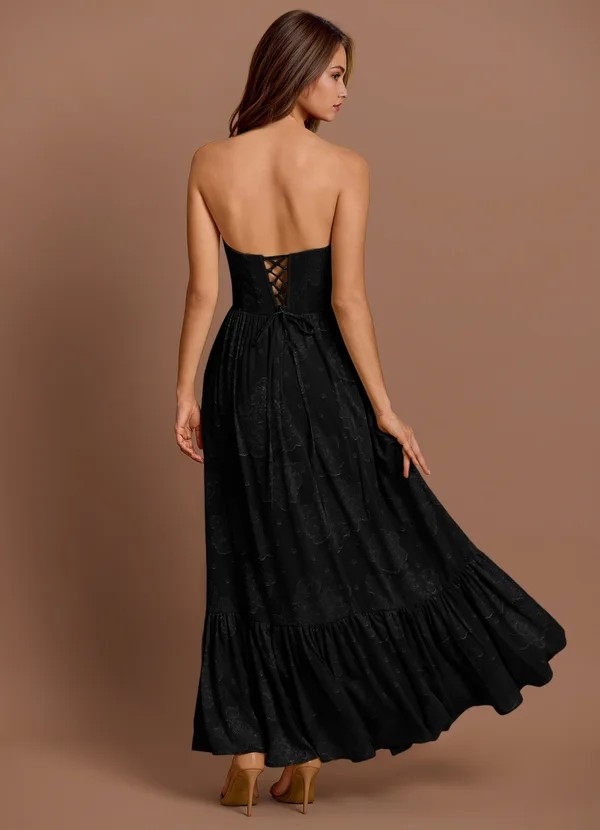
Formal attire represents the highest level of dress elegance short of white-tie events. When an invitation specifies formal dresses, it’s calling for sophisticated, floor-length elegance that exudes refinement and grace.
Key Characteristics of Formal Dresses
Length and Silhouette
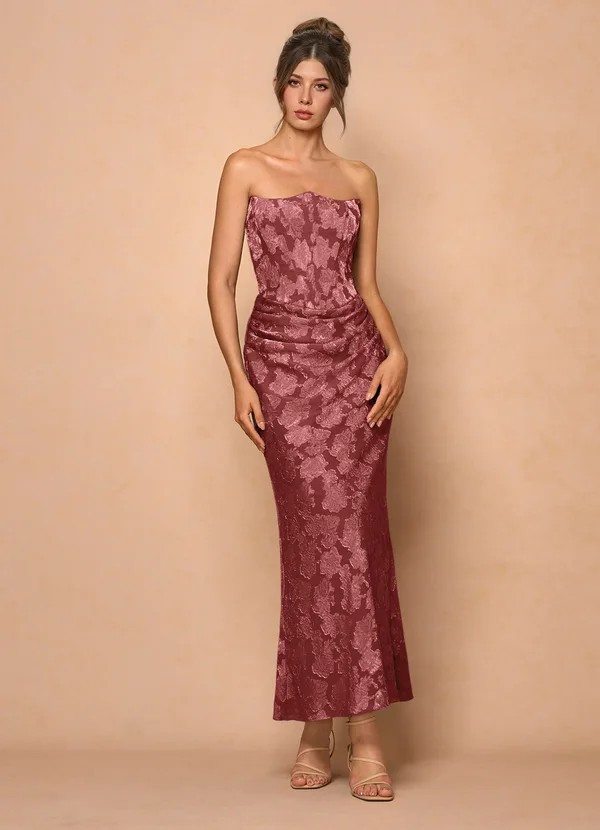
Formal dresses traditionally reach the floor, creating an elegant, elongated silhouette that commands attention. These gowns are designed to make a dramatic statement and are typically reserved for evening events where sophistication is paramount. The length itself contributes to the formality, as floor-length hemlines have historically been associated with elegance and special occasions.
Fabric Choices
Formal gowns are crafted from luxurious, high-quality fabrics that drape beautifully and photograph well. Common materials include:
- Silk and satin for their lustrous finish and elegant drape
- Chiffon for flowing, romantic movement
- Velvet for rich texture and wintertime sophistication
- Taffeta for structured, voluminous silhouettes
- Sequined and beaded fabrics for added glamour and sparkle
Design Elements
Formal dresses often feature intricate details that elevate their sophistication:
- Elaborate embellishments like beading, sequins, or embroidery
- Structured bodices with boning or corsetry
- Dramatic trains or flowing skirts
- Elegant necklines such as sweetheart, halter, or high neck designs
- Statement backs with illusion panels, keyhole cutouts, or dramatic open backs
When to Wear Formal Dresses
Formal attire is appropriate for:
- Black-tie weddings and galas
- Military balls and formal ceremonies
- Opera and theater opening nights
- Charity fundraisers and high-profile events
- Prom and formal school dances
- Award ceremonies and formal banquets
Decoding Semi-Formal Dress Codes
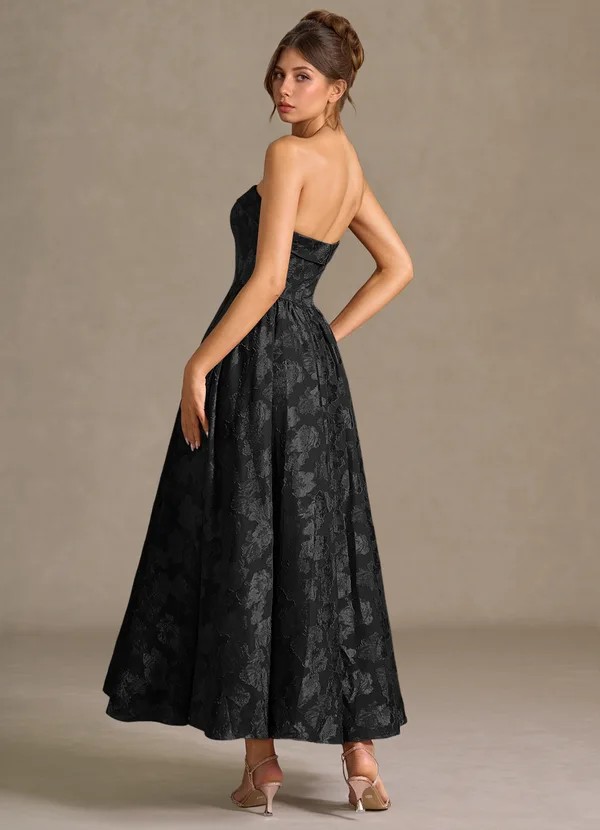
Semi-formal attire strikes a balance between casual elegance and formal sophistication. This dress code offers more flexibility in terms of length, style, and overall aesthetic while still maintaining an elevated, polished appearance.
Key Characteristics of Semi-Formal Dresses
Length Flexibility
Unlike formal dresses that must reach the floor, semi-formal dresses offer versatility in length:
- Knee-length dresses that show sophistication without excessive formality
- Tea-length dresses (mid-calf) that offer vintage-inspired elegance
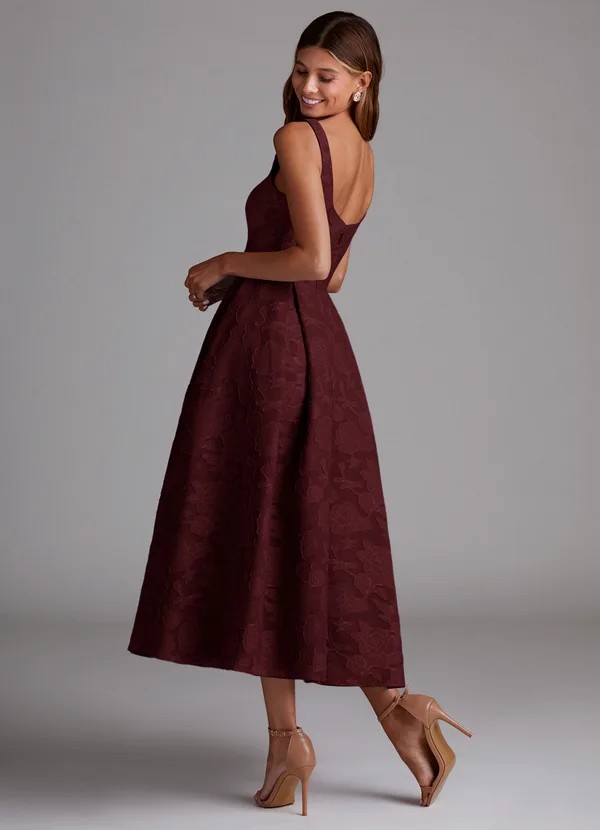
- Midi-length options that fall between the knee and ankle
- Cocktail-length dresses that typically hit just above or at the knee
Fabric and Texture
Semi-formal dresses can incorporate a wider range of fabrics, including:
- Lace for romantic, feminine appeal
- Crepe for modern, structured looks
- Jersey knits for comfortable yet polished styles
- Lightweight chiffon for flowing movement
- Satin and silk blends for subtle luxury
Design Versatility
Semi-formal dresses showcase diverse design elements:
- Simpler embellishments compared to formal gowns
- Flattering A-line, sheath, or fit-and-flare silhouettes
- Playful prints and patterns alongside solid colors
- Mix of sleeve options from sleeveless to long sleeves
- Contemporary details like asymmetrical hems or cutouts
When to Wear Semi-Formal Dresses
Semi-formal attire works perfectly for:
- Daytime or evening weddings with semi-formal specifications
- Cocktail parties and networking events
- Garden parties and outdoor celebrations
- Holiday parties and seasonal gatherings
- Graduation ceremonies and celebrations
- Restaurant celebrations and date nights
Side-by-Side Comparison: Formal vs. Semi-Formal Dresses
| Aspect | Formal Dresses | Semi-Formal Dresses |
| Length | Floor-length (maxi) | Knee to midi-length; some maxi options |
| Fabrics | Luxurious materials: silk, satin, velvet, taffeta | Versatile fabrics: lace, crepe, chiffon, jersey |
| Embellishments | Elaborate beading, sequins, intricate details | Minimal to moderate embellishments |
| Silhouettes | Dramatic, structured, flowing gowns | A-line, sheath, fit-and-flare, cocktail styles |
| Necklines | Statement necklines: sweetheart, halter, high neck | Varied options: V-neck, scoop, off-shoulder |
| Footwear | Elegant heels, often hidden by gown | Heels or dressy flats, more visible |
| Accessories | Statement jewelry, clutches, formal wraps | Balanced accessories, smaller bags |
| Occasions | Black-tie events, galas, formal weddings | Cocktail parties, semi-formal weddings, celebrations |
| Time of Day | Primarily evening events | Daytime or evening events |
| Range | Generally higher due to luxe fabrics | More budget-friendly options available |
How to Choose Between Formal and Semi-Formal
Selecting the right dress code level requires careful consideration of several factors:
Read the Invitation Carefully
The invitation provides crucial clues about expected attire. Look for specific phrases:
- “Black tie,” “formal attire,” or “evening dress” indicates formal
- “Semi-formal,” “cocktail attire,” or “dressy casual” suggests semi-formal
- When in doubt, don’t hesitate to contact the host for clarification
Consider the Venue
The event location often dictates appropriate dress formality:
Formal-appropriate venues:
- Ballrooms and grand hotels
- Country clubs and estate venues
- Historic mansions and museums
- Upscale restaurants with private dining rooms
Semi-formal-appropriate venues:
- Garden settings and outdoor spaces
- Rooftop venues and lofts
- Beach clubs and waterfront locations
- Casual elegant restaurants
Time of Day Matters
Evening events typically call for more formal attire, while daytime celebrations often lean semi-formal. A 6 PM or later start time usually indicates a more formal dress code, whereas afternoon events allow for lighter, less formal options.
Season and Weather
Climate influences fabric and style choices:
Winter formal occasions might call for:
- Rich velvet or heavy satin gowns
- Long sleeves and higher necklines
- Deep jewel tones and metallic shades
Summer semi-formal events work well with:
- Lightweight chiffon or lace dresses
- Shorter lengths for comfort
- Bright colors and floral patterns
Styling Your Formal Dress
Creating a cohesive formal look extends beyond the dress itself. Proper styling ensures you look polished and sophisticated.
Jewelry Selection
For formal events, choose statement pieces that complement without overwhelming:
- Elegant drop earrings or chandelier styles
- A delicate bracelet or dramatic cuff
- A simple pendant necklace if the neckline allows
- Avoid over-accessorizing—let the dress shine
Footwear Choices
Formal footwear should be elegant and comfortable:
- Classic pumps or strappy heels in metallic, nude, or black
- Heel heights between 3-4 inches for comfort during long events
- Consider platform heels for added stability
- Ensure shoes are broken in before the event
Bags and Clutches
A formal event requires an elegant, compact bag:
- Structured clutches in satin, silk, or metallic finishes
- Embellished evening bags with beading or crystals
- Small enough to hold essentials: phone, lipstick, cards
- Match or complement your dress color
Outerwear Options
For cooler weather, select appropriate cover-ups:
- Elegant wraps or shawls in luxurious fabrics
- Structured evening coats that don’t overpower the dress
- Faux fur stoles for added glamour
- Matching or complementary colors to your gown
Styling Your Semi-Formal Dress
Semi-formal styling allows for more creativity and personal expression while maintaining elegance.
Accessory Balance
Semi-formal occasions offer flexibility in accessorizing:
- Mix statement and delicate pieces
- Experiment with trendy jewelry styles
- Layer necklaces for added interest
- Play with colorful or bold accessories
Shoe Versatility
Semi-formal footwear provides more options:
- Block heels or wedges for comfort
- Metallic or colorful shoes to add personality
- Dressy flats or sandals for daytime events
- Ankle strap styles for added security
Bag Styles
Semi-formal bags can be slightly larger and more varied:
- Small crossbody bags for hands-free convenience
- Structured mini bags with handles
- Embellished wristlets
- Contemporary clutches in unique shapes
Layering Options
Semi-formal events allow creative layering:
- Tailored blazers for professional settings
- Cropped jackets that complement dress length
- Leather or denim jackets for outdoor casual elegance
- Lightweight cardigans for temperature control
Color Considerations for Formal and Semi-Formal Dresses
Color choice significantly impacts the overall impression of your outfit and should align with both the dress code and occasion.
Formal Dress Colors
Classic formal colors convey timeless elegance:
Traditional Choices:
- Black for universal sophistication and slimming effect
- Navy blue for refined elegance
- Deep jewel tones like emerald, ruby, and sapphire
- Metallic shades including gold, silver, and bronze
Modern Formal Options:
- Rich burgundy and wine shades
- Elegant champagne and blush tones
- Deep forest green for nature-inspired elegance
- Vintage teal and peacock blues
Semi-Formal Dress Colors
Semi-formal events allow broader color experimentation:
Versatile Selections:
- Soft pastels for spring and summer events
- Vibrant colors like coral, fuchsia, and cobalt
- Floral prints and artistic patterns
- Lighter neutrals including beige, taupe, and cream
Seasonal Considerations:
- Winter: burgundy, plum, forest green, metallics
- Spring: blush pink, lavender, mint, soft yellow
- Summer: coral, turquoise, bright white, tropical prints
- Fall: rust, mustard, olive, burnt orange
Colors to Approach with Caution
Certain colors require special consideration:
- White or ivory at weddings (traditionally reserved for the bride)
- All-black at joyful celebrations unless specified
- Extremely bright neon shades for formal events
- Colors that clash with the venue or event theme
Budget-Friendly Shopping Tips
Looking elegant doesn’t require breaking the bank. Strategic shopping ensures you find beautiful dresses within your budget.
Smart Shopping Strategies
Shop Off-Season:
- Purchase formal gowns after prom and wedding seasons
- Find semi-formal dresses during post-holiday sales
- Look for clearance sections year-round
Consider Versatile Pieces:
- Choose dresses in classic colors that work for multiple occasions
- Select styles that can be dressed up or down with accessories
- Invest in timeless silhouettes over trendy designs
Explore Rental Options:
- Rent designer formal gowns for one-time events
- Save money on expensive dresses you’ll rarely wear
- Try new styles without long-term commitment
Custom Sizing Advantages:
- Look for retailers offering free custom sizing like Azazie
- Proper fit eliminates costly alterations
- Made-to-measure ensures flattering fit
Online Shopping Benefits
Shopping online for formal and semi-formal dresses offers advantages:
- Wider selection than brick-and-mortar stores
- Competitive pricing and frequent promotions
- Customer reviews and style gallery inspiration
- Try-at-home programs for confident purchasing
- Custom color and sizing options
Fabric Care and Dress Maintenance
Proper care extends the life of your formal and semi-formal dresses, protecting your investment.
Immediate Post-Event Care
After wearing your dress:
- Air out the garment before storing
- Spot-clean any visible stains immediately
- Check for loose threads or embellishments
- Hang properly to prevent wrinkles
Professional Cleaning
Formal dresses often require professional care:
- Dry clean beaded or sequined gowns
- Use specialized silk and satin cleaners
- Inform cleaners about stain locations
- Clean dresses before long-term storage
Storage Solutions
Proper storage prevents damage:
- Use padded hangers for delicate fabrics
- Store in breathable garment bags
- Keep away from direct sunlight
- Maintain consistent temperature and humidity
- Consider acid-free tissue paper for long-term storage
Frequently Asked Questions
What’s the main difference between formal and semi-formal dresses?
The primary difference lies in the level of elegance and dress length. Formal dresses are typically floor-length gowns made from luxurious fabrics with elaborate details, suitable for black-tie events. Semi-formal dresses offer more flexibility with knee-to-midi lengths, simpler embellishments, and work for cocktail parties and less formal celebrations.
Can I wear a short dress to a formal event?
Generally, formal events call for floor-length gowns. However, some modern formal occasions may accept elegant cocktail-length dresses, especially for younger attendees or daytime formal events. When in doubt, check with the host or opt for a longer length to ensure appropriateness.
Is a cocktail dress considered formal or semi-formal?
Cocktail dresses fall into the semi-formal category. They typically hit at or just above the knee and are perfect for cocktail parties, semi-formal weddings, and evening celebrations that don’t require full formal attire.
What should I wear if the invitation says “formal attire”?
For formal attire, choose a floor-length gown in luxurious fabric such as silk, satin, or chiffon. Pair with elegant heels, refined jewelry, and a sophisticated clutch. Opt for classic colors or rich jewel tones, and ensure your overall look is polished and elegant.
Can I wear the same dress to both formal and semi-formal events?
Some versatile midi or maxi-length dresses can work for both dress codes depending on how you style them. For formal events, elevate with statement jewelry, elegant heels, and a formal clutch. For semi-formal occasions, simplify accessories and opt for a more relaxed styling approach.
What colors are appropriate for formal events?
Traditional formal colors include black, navy, deep jewel tones like emerald and sapphire, and metallics such as gold and silver. Rich colors like burgundy, forest green, and elegant champagne also work beautifully for formal occasions. Avoid wearing white to weddings unless explicitly invited to do so.
How do I know if an event is formal or semi-formal if it’s not specified?
Consider the venue, time of day, and occasion type. Evening events at upscale venues like ballrooms or country clubs typically lean formal, while afternoon celebrations at gardens or lofts suggest semi-formal. When uncertain, it’s better to be slightly overdressed than underdressed, or contact the host for guidance.
Are there age-appropriate considerations for formal and semi-formal dresses?
While personal style is important at any age, consider comfort and appropriateness. Younger attendees might choose more playful colors and trendy silhouettes, while mature women often gravitate toward timeless elegance. The key is selecting a dress that makes you feel confident and comfortable regardless of age.
Can I wear a long dress to a semi-formal event?
Yes, elegant maxi dresses can work for semi-formal events, especially evening occasions. The key is choosing styles with simpler designs, lighter fabrics, or less formal details compared to true formal gowns. A flowing chiffon maxi in a fun color or print can be perfect for semi-formal celebrations.
What’s the dress code for black-tie optional events?
Black-tie optional falls between formal and semi-formal. Women can wear floor-length gowns (preferred) or elegant cocktail dresses. This dress code offers flexibility while maintaining sophistication, so either option is acceptable as long as the overall look is polished and refined.
Conclusion
Understanding the distinction between formal and semi-formal dresses empowers you to make confident wardrobe decisions for any special occasion. While formal attire demands floor-length elegance with luxurious fabrics and elaborate details suitable for black-tie galas and sophisticated celebrations, semi-formal dresses offer versatility through varied lengths, simpler embellishments, and greater style flexibility for cocktail parties and daytime events.
The key to mastering both dress codes lies in careful attention to the invitation specifications, venue considerations, time of day, and seasonal appropriateness. Whether you’re selecting a dramatic formal gown with intricate beading for a military ball or choosing an elegant midi-length cocktail dress for a garden wedding, the right choice balances event expectations with your personal style and comfort.