
What Makes Classic Wedding Dresses Timeless in Photos 20 Years Later?
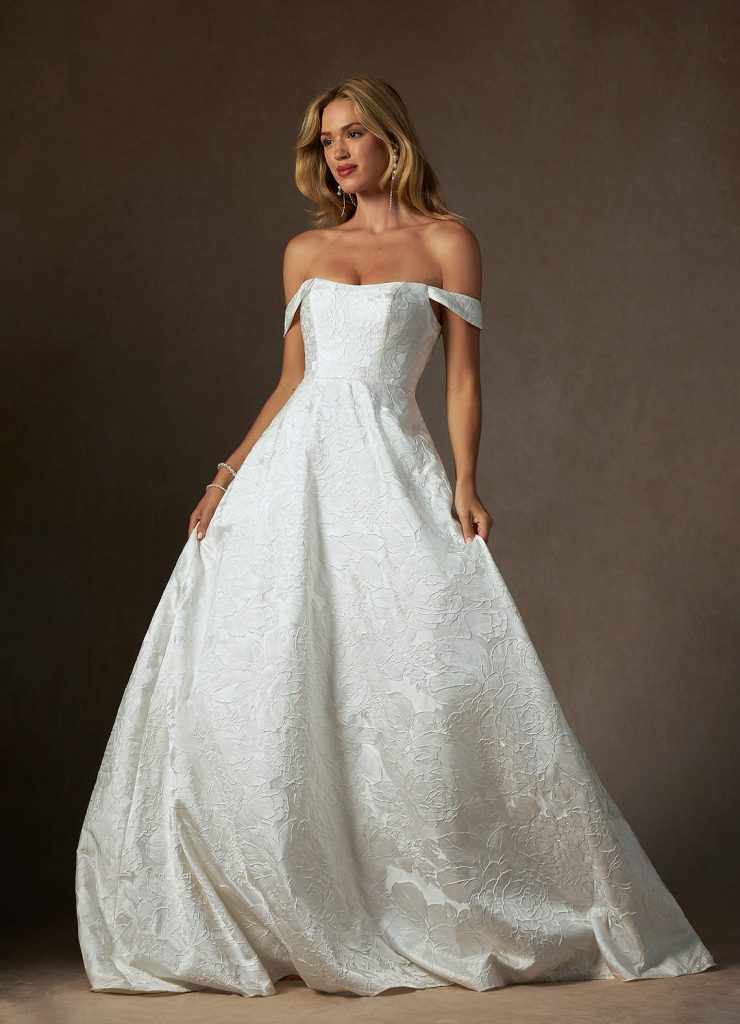
Classic wedding dresses never go out of style because they focus on simplicity, quality fabrics, and flattering silhouettes. A well-chosen gown with clean lines and traditional details looks just as elegant in anniversary photos as it did on your wedding day.
The secret lies in avoiding trendy embellishments and choosing timeless design elements that photograph beautifully across decades.
Why Simple Silhouettes Age Better Than Trends
Wedding dress trends come and go, but certain shapes remain universally flattering. A-line gowns, for example, suit most body types and look elegant in any decade. Mermaid silhouettes create a classic hourglass shape that photographs beautifully from every angle.
Timeless silhouettes include:
- A-line: Flatters petite to plus-size frames, elongates the body, and moves gracefully
- Mermaid: Defines curves, creates dramatic impact, and works for hourglass and pear shapes
- Sheath: Suits slender builds, elongates height, and offers understated sophistication
- Ball gown: Creates fairytale elegance, balances broader shoulders, and photographs with volume
Brides who choose wedding dresses in these classic cuts rarely regret their choice years later. The silhouette itself becomes part of your wedding story, not a dated trend you’ll want to explain.
Body Type Matching Rules
| Body Type | Best Silhouette | Why It Works |
| Petite | A-line, Sheath | Elongates frame without overwhelming |
| Curvy | Mermaid, A-line | Defines waist, balances proportions |
| Athletic | Ball gown, A-line with sleeves | Adds feminine curves, softens shoulders |
| Pear-shaped | A-line, Ball gown | Balances hips, highlights upper body |
| Apple-shaped | Empire waist A-line | Skims midsection, creates length |
Fabric Choices That Photograph Well Across Decades
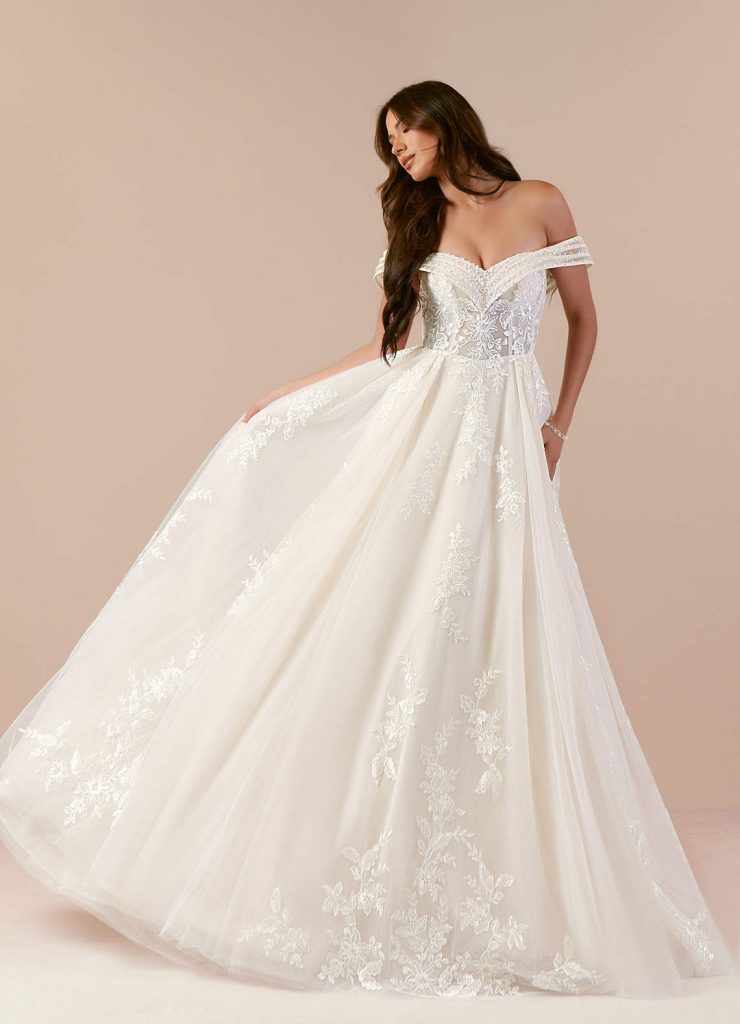
The right fabric makes all the difference in how your dress ages in photos. Heavy satins and crepes hold their structure and catch light beautifully. Delicate laces and chiffons create timeless romance without looking costume-like.
Classic fabric recommendations:
- Crepe back satin: Smooth drape, subtle sheen, wrinkle-resistant for long ceremonies
- Stretch crepe: Modern comfort, clean lines, flatters curves without clinging
- Chiffon: Soft movement, romantic layers, works for outdoor and destination weddings
- Lace: Traditional elegance, adds texture without bulk, pairs well with simple silhouettes
A diamond white dress in quality crepe or satin will look crisp and elegant in photos for generations. Avoid overly shiny fabrics that photograph with harsh reflections or trendy metallics that date your images.
Fabric and Venue Alignment
Indoor formal venues: Choose structured satins and beaded crepes that complement elegant architecture
Outdoor garden settings: Select flowing chiffons and soft laces that move with natural breezes
Beach ceremonies: Opt for lightweight crepes and stretch fabrics that travel well and resist wrinkles
Rustic barn weddings: Consider textured laces and matte crepes that photograph well in natural light
Neckline and Sleeve Choices for Timeless Appeal
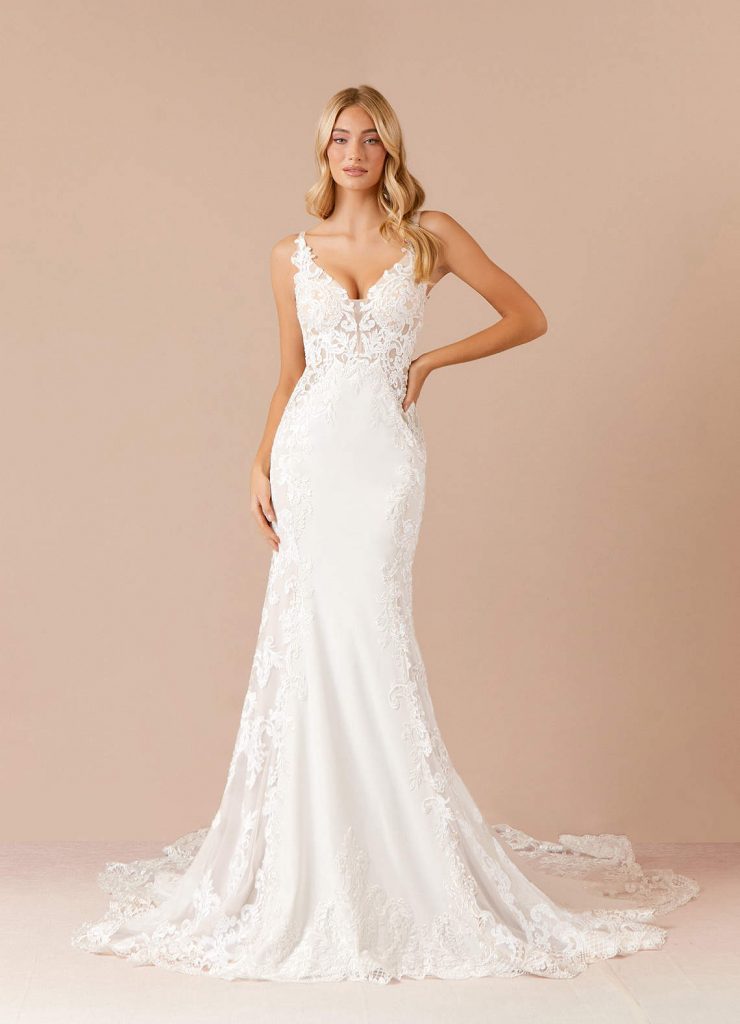
The neckline frames your face in photos and sets the dress’s overall tone. Classic necklines like V-neck, sweetheart, and scoop remain flattering across different face shapes and body types. Sleeve choices should balance personal comfort with photographic elegance.
Universally flattering necklines:
- V-neck: Elongates neck, suits most face shapes, draws eye upward in photos
- Scoop: Balances round faces, shows décolletage tastefully, works with statement jewelry
- Sweetheart: Creates feminine curves, flatters small busts, photographs romantically
- Off-the-shoulder: Softens broad shoulders, adds romance, remains timelessly elegant
Brides seeking coverage often choose white wedding dresses with sleeves for modesty and sophistication. Long sleeves in lace or crepe photograph beautifully and work for religious ceremonies or cooler climates.
Sleeve Style Guidelines
| Sleeve Type | Best For | Photographic Impact |
| Cap sleeves | Petite frames, summer weddings | Delicate, feminine arm coverage |
| Three-quarter | All body types, transitional seasons | Elegant balance, versatile styling |
| Long sleeves | Formal venues, religious ceremonies | Sophisticated, regal presence |
| Sleeveless | Toned arms, warm climates | Clean lines, timeless simplicity |
Styling Details That Stand the Test of Time
The best classic wedding dresses balance simplicity with strategic details. A single stunning element—like delicate beading, subtle lace appliqués, or a dramatic train—creates visual interest without overwhelming the overall design.
Details that remain timeless:
- Minimal beading: Strategic placement along the bodice or neckline
- Classic lace overlays: Subtle patterns that don’t compete with the silhouette
- Simple satin bows: Small accents at the waist or back
- Cathedral trains: Dramatic impact for formal ceremonies, detachable for reception dancing
- Covered buttons: Traditional back detail that photographs beautifully
Avoid overly trendy elements like excessive ruffles, dramatic high-low hems, or heavily embellished bodices. These details date photos quickly and distract from your face and natural beauty.
Accessory Coordination
For A-line gowns: Pair with delicate drop earrings and simple veils that don’t compete with the silhouette
For mermaid styles: Choose statement jewelry to balance the dramatic shape, cathedral veils for formal impact
For sheath dresses: Add visual interest with textured bouquets and elegant headpieces
For ball gowns: Keep accessories minimal since the dress provides dramatic volume
Dress Code Alignment for Classic Choices
Your wedding dress should match your venue’s formality level for the most cohesive photos. A classic gown works across different dress codes when you adjust details like train length, fabric weight, and embellishment level.
Dress code matching guide:
| Dress Code | Recommended Features | Fabric Suggestions |
| Black tie | Cathedral train, structured satin, formal silhouettes | Heavy crepe, duchess satin, embroidered lace |
| Formal | Chapel train, elegant details, refined embellishments | Crepe back satin, soft tulle, delicate lace |
| Semi-formal | Sweep train, simple silhouettes, minimal details | Lightweight crepe, chiffon, stretch satin |
| Casual | No train, flowing fabrics, relaxed fit | Soft chiffon, jersey knit, cotton blends |
A satin strapless wedding dress with a cathedral train suits black-tie ballrooms perfectly. The same silhouette in lightweight chiffon with a shorter train works beautifully for garden ceremonies.
How to Ensure Your Dress Photographs Timeless
Professional photographers recommend choosing dresses that create clean lines in photos. Avoid excessive fabric layers that add bulk or trendy cutouts that draw attention away from your face. The goal is for viewers to see you first, then appreciate the dress as part of your overall elegance.
Photography-focused selection tips:
- Choose solid colors or subtle patterns: Avoid busy prints that compete with backgrounds
- Test lighting response: Quality fabrics photograph well in various lighting conditions
- Consider movement: Dresses should flow naturally when you walk or dance
- Check photo samples: Request images of your chosen style in real wedding settings
Brides shopping at Azazie can review customer photos to see how different styles photograph in actual wedding environments. This helps you visualize how your dress will appear in your own ceremony and reception photos.
Pre-Wedding Photo Preparation
Three months before: Schedule dress fittings to ensure perfect proportions in photos
Six weeks before: Choose undergarments that create smooth lines under your gown
Two weeks before: Practice walking and posing in your dress with your photographer
Wedding day: Steam dress before photos to ensure crisp, wrinkle-free appearance
Why Quality Construction Matters Long-Term
A well-constructed wedding dress maintains its shape in photos and withstands a full day of wear. Quality stitching, proper boning, and expert tailoring ensure your gown looks as fresh at the reception’s end as during the ceremony.
Construction elements that ensure longevity:
- Structured boning: Maintains bodice shape, prevents sagging in photos
- Quality seam finishing: Clean lines that won’t show through fabric
- Proper hemming: Even train distribution, no bunching or pulling
- Secure embellishments: Beading and lace that stay attached through dancing
These details matter most in photos taken throughout your wedding day. Images from your first dance or cake cutting will show how well your dress holds up under movement and celebration.
Frequently Asked Questions
What wedding dress style looks best in photos years later?
A-line and mermaid silhouettes in quality fabrics like crepe or satin photograph beautifully across decades. These classic shapes flatter most body types and avoid trendy details that date quickly. Choose simple necklines and minimal embellishments for timeless appeal.
Should I choose white or ivory for my wedding dress?
Both work wonderfully, but ivory tends to photograph more warmly and flatters a wider range of skin tones. Pure white can appear stark in certain lighting, while ivory provides subtle warmth that ages beautifully in photos. Consider your venue’s lighting and skin tone when deciding.
Do wedding dresses with sleeves look dated?
Not when chosen carefully. Long sleeves in delicate lace or simple crepe remain timelessly elegant. Avoid oversized puff sleeves or heavily detailed sleeves that reflect specific fashion eras. Three-quarter or cap sleeves offer classic coverage that photographs well.
How do I choose between a ball gown and an A-line dress?
Consider your venue and body type. Ball gowns suit formal venues and create dramatic volume in photos, ideal for brides wanting fairytale elegance. A-line dresses work across more venues and flatter more body shapes, offering versatility and timeless simplicity.
What fabric photographs best for wedding dresses?
Crepe back satin and quality lace photograph beautifully across different lighting conditions. These fabrics hold their structure, drape elegantly, and catch light without harsh reflections. Avoid overly shiny satins or cheap tulles that photograph poorly.
Can I wear a colored wedding dress and still look classic?
Yes, subtle colors like champagne, cream, and soft ivory remain timeless. These shades photograph elegantly and complement various skin tones. Avoid bright or deeply saturated colors unless they connect to cultural traditions, as these can date photos more quickly.
How important is dress fit for timeless wedding photos?
Fit is critical. A perfectly tailored dress in a simple style will always photograph better than an elaborate gown that doesn’t fit properly. Proper alterations ensure clean lines, comfortable wear, and confidence that shows in every photo.