
What length should a formal dress be for a black-tie event?
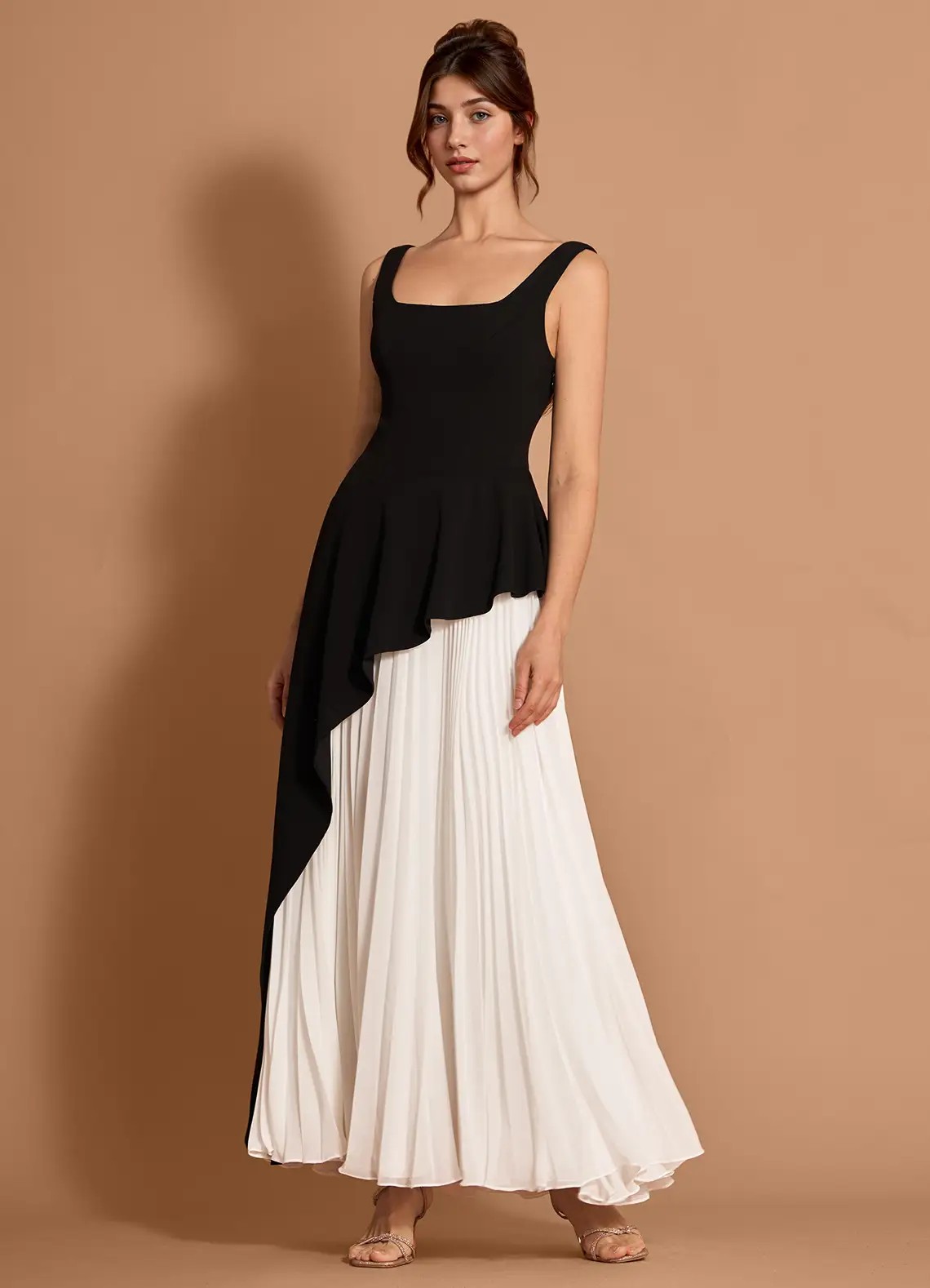
Black-tie events are among the most elegant and structured dress codes. The length of your dress is one of the most important decisions because it determines the overall formality, silhouette, and visual impact of your outfit.
Historically and traditionally, long dresses—floor-length or near floor-length—are the gold standard for black-tie dress codes. Wearing a shorter dress can immediately make the outfit appear less formal unless the event explicitly allows alternatives.
While modern interpretations of black-tie have become more flexible, the safest and most polished choice remains a long gown. But within “long,” there are many variations: floor-length, ankle-length, high-slit gowns, sweeping trains, column silhouettes, ball gowns, and modern tailored lengths. This guide helps you understand which lengths work, why they matter, and how to choose the right one for your event.
The Traditional Rule: Floor-Length Is the Standard
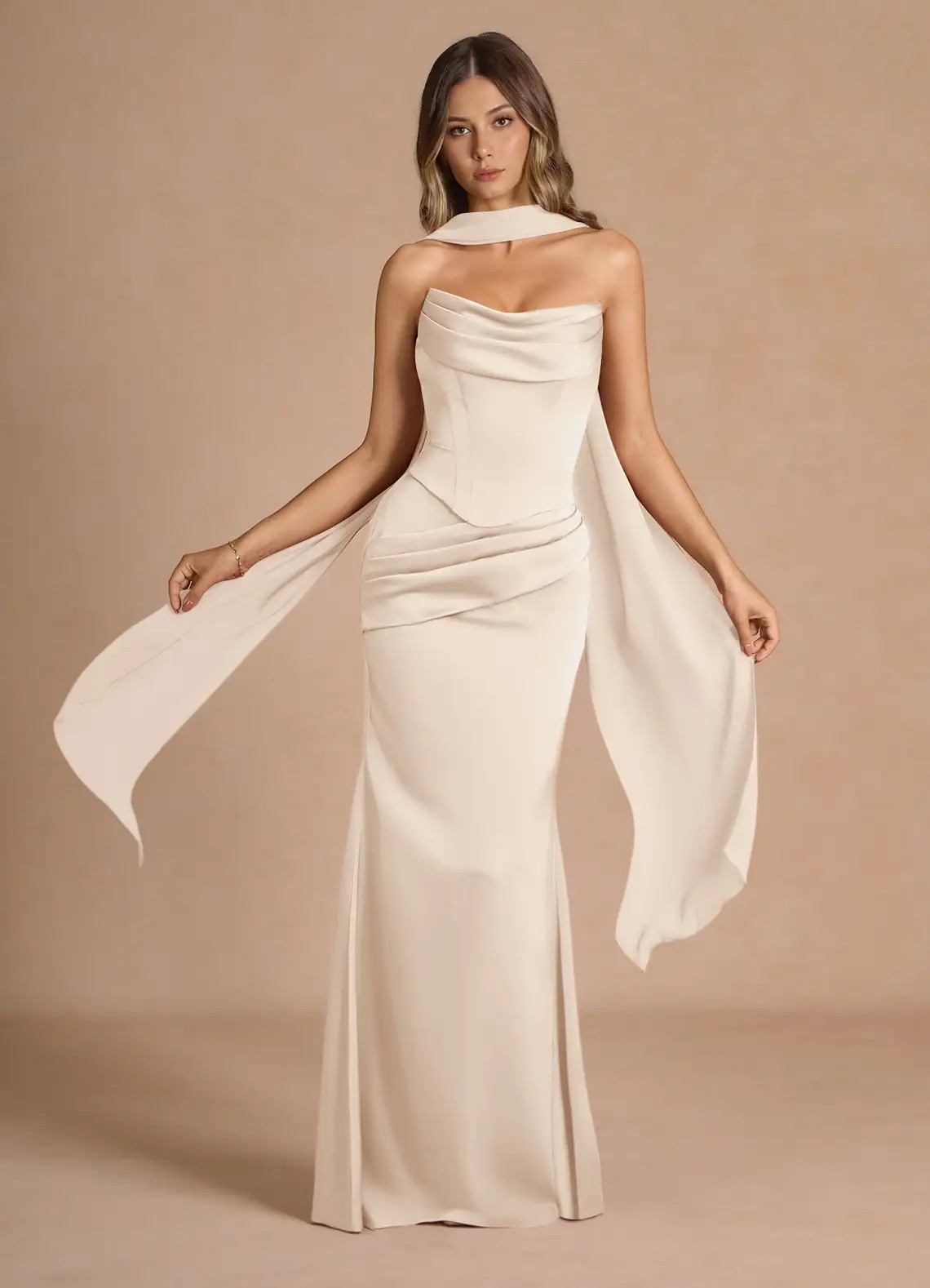
For a classic black-tie event, the safest and most universally accepted dress length is floor-length.
This length communicates elegance, formality, and timeless sophistication.
It aligns with both traditional etiquette and modern red-carpet standards.
It also photographs beautifully and elongates the body.
Floor-length is ideal for:
- Galas
- Awards ceremonies
- Luxury charity dinners
- Opera or symphony evenings
- Corporate black-tie events
- Red-carpet-style entrances
Why floor-length works
- It creates a long, elegant line.
- It fits every classic interpretation of black-tie.
- It pairs well with high heels and formal accessories.
- It allows any silhouette—column, mermaid, ball gown, A-line.
If you are unsure about the event’s expectations, floor-length is always the safest choice.
Ankle-Length: The Modern Alternative
While not as traditional as floor-length, ankle-length dresses are now widely accepted at most black-tie events.
This length still looks formal, polished, and structured—especially when paired with the right fabric and silhouette.
Why ankle-length works
- It stays within formal boundaries.
- It prevents tripping hazards (especially on stairs).
- It works well for tall or petite guests.
- It pairs easily with statement heels.
When ankle-length is appropriate
- Contemporary or modern black-tie events
- Cocktail-fusion events with black-tie notes
- Venues with lots of walking or uneven ground
- Guests who prefer minimal trains
Ankle-length should still be made from formal fabrics such as satin, crepe, or velvet to maintain the dress code.
High-Slit Gowns: Elegant If Done Correctly
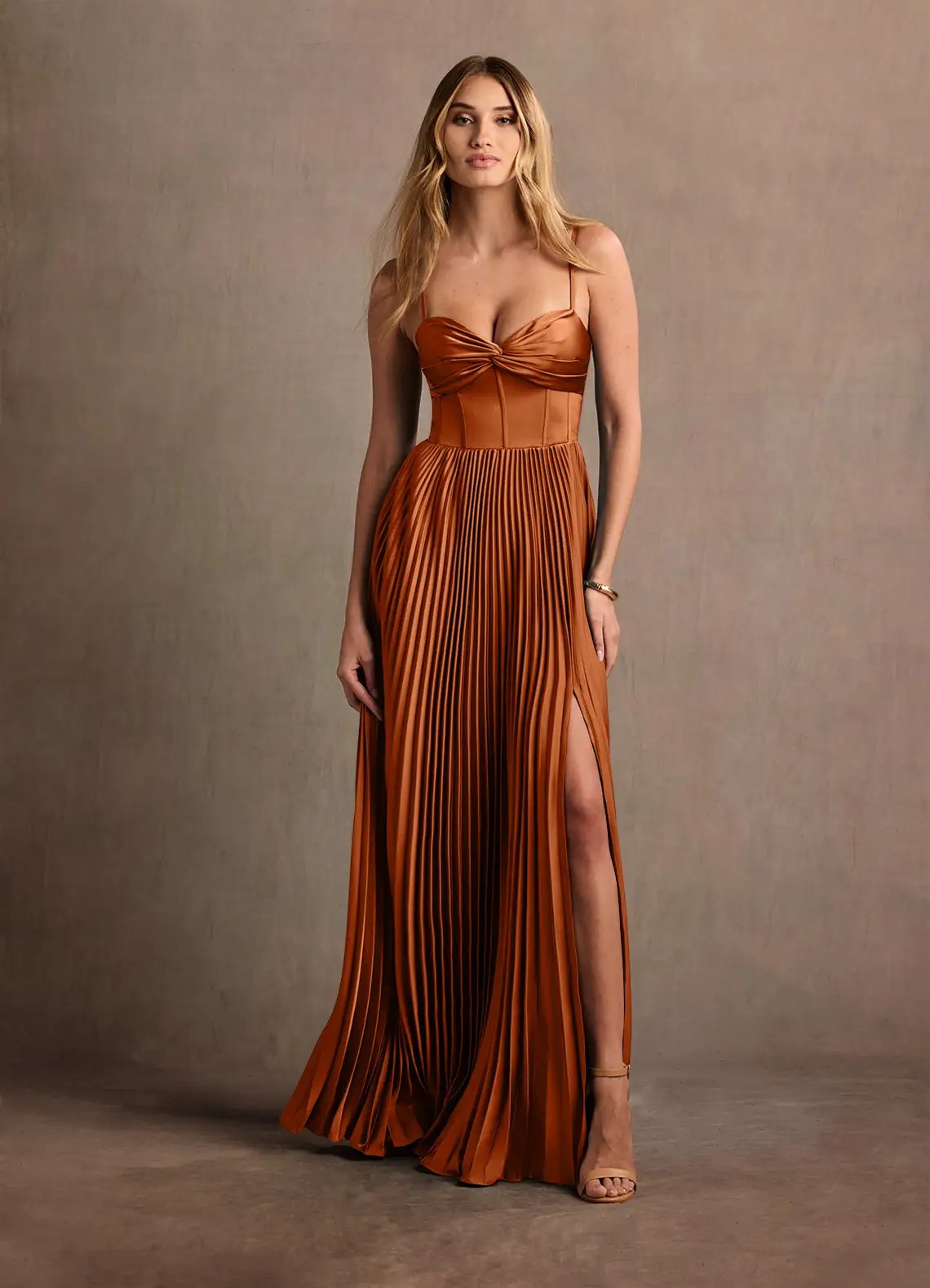
A high slit does not make a dress too informal—as long as the overall length is floor-length or ankle-length.
Slit gowns are extremely common on celebrity red carpets, galas, and high-fashion black-tie affairs.
Slits work when:
- They are incorporated into a full-length gown.
- The rest of the dress is formal in structure and fabric.
- The slit allows movement but doesn’t rise excessively.
- You can walk, sit, and pose comfortably.
Avoid:
- Slits that rise too high for the event type.
- Thin fabrics that move unpredictably.
- Slits combined with too many revealing elements.
A balanced high-slit gown remains perfectly black-tie appropriate.
Tea-Length or Midi: Rarely Accepted (But Sometimes Allowed)
Tea-length or midi-length dresses sit below the knee but above the ankle.
These lengths are not traditional black-tie but may be acceptable when:
- The event is black-tie optional
- The venue is daytime
- The dress is heavily embellished or structured
- The silhouette has couture-level detail
- The host explicitly allows shorter formalwear
Tea-length is NOT recommended for:
- Classic black-tie galas
- Large corporate black-tie dinners
- Evening events with formal dining
- Red-carpet-style black-tie entrances
If there is any doubt, choose a full-length gown instead.
Short Dresses: Usually Not Black-Tie Appropriate
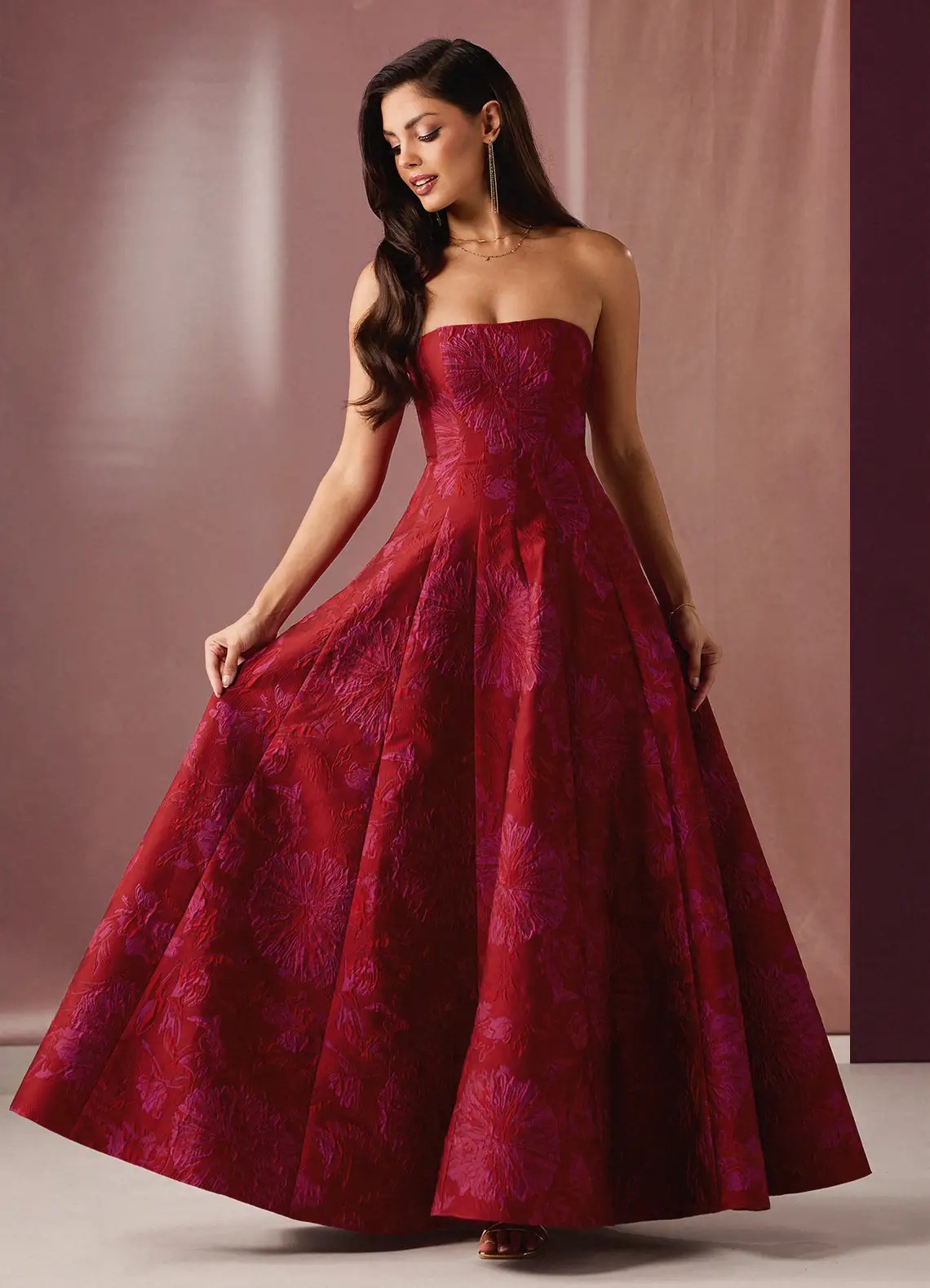
Short formal dresses (above the knee or mid-thigh) are not suitable for black-tie events.
Wearing a short dress risks looking underdressed and out of place.
Exceptions are extremely rare
- Black-tie optional events
- Homecoming-style teen black-tie
- Daytime semi-formal receptions
If the dress ends above the knee, it is almost always too casual.
Train Length: Subtle, Moderate, or Dramatic?
Trains are optional in black-tie dressing, but they do add elegance.
However, practicality matters.
Types of trains
- Sweep train: subtle, elegant, easy to manage
- Chapel train: more dramatic, classic formal
- Long dramatic train: very red-carpet, requires space
Choose train length based on:
- Venue space
- Walking distance
- Staircases or platforms
- Photography expectations
- Personal comfort
You can also use bustle hooks or wrist loops to manage trains throughout the event.
Dress Length Options for Black-Tie Events
| Length Type | Formality Level | Best For | Notes | Avoid If |
| Floor-Length | ★★★★★ Highest | All black-tie events | Classic, safe, elegant | Never avoid—this is the standard |
| Ankle-Length | ★★★★☆ High | Modern black-tie | Easy movement | If event is ultra-traditional |
| High-Slit (Full-Length) | ★★★★☆ High | Fashion-forward black-tie | Adds drama, elongates legs | If slit rises too high |
| Tea-Length / Midi | ★★☆☆☆ Depends | Black-tie optional | Structured silhouettes only | Traditional evening galas |
| Short Dresses | ★☆☆☆☆ Low | Rare exceptions | Not black-tie standard | Almost always |
Factors That Influence the Correct Dress Length
Choosing the right length depends on more than dress code alone.
Several environmental and personal factors matter.
Consider:
1. Venue Setting
- Ballroom → floor-length preferred
- Outdoor garden → ankle-length may help movement
- Historic building → train-friendly spaces
- Stage or podium → careful with long trains
2. Formality Level
- High-profile gala → long gown with possible train
- Company black-tie → long or ankle-length
- Charity event → long gown, high-slit optional
- Black-tie optional → long, ankle-length, or structured midi
3. Lighting & Photography
- Gowns with trains photograph dramatically under spotlights
- Length affects silhouette clarity
- Long hems often create better proportions
4. Personal Height & Proportions
- Petite → avoid excessive train or heavy ball gown
- Tall → column, A-line, mermaid look stunning long
- Curvy → mermaid or A-line in full length enhances shape
5. Movement Needs
- Dancing → too-long hem may hinder
- Staircases → subtle trains preferred
- Social mingling → ankle-length practical
How to Choose the Perfect Length for Your Body
Dress length also depends on proportion and styling.
For Petite Bodies
- Floor-length with no heavy pooling
- Avoid large ball gown hems
- Ankle-length is highly flattering
- Use heels to elongate silhouette
For Tall Bodies
- Full floor-length or long column silhouettes
- Trains appear especially elegant
- Avoid cuts that end at mid-calf
For Curvy Bodies
- Floor-length mermaid or A-line
- High slit for elongation
- Structured waist placement
For Athletic Bodies
- Column or sheath floor-length
- High slit for softness
- Strategic fabric for shape
Choosing Dress Length by Dress Silhouette
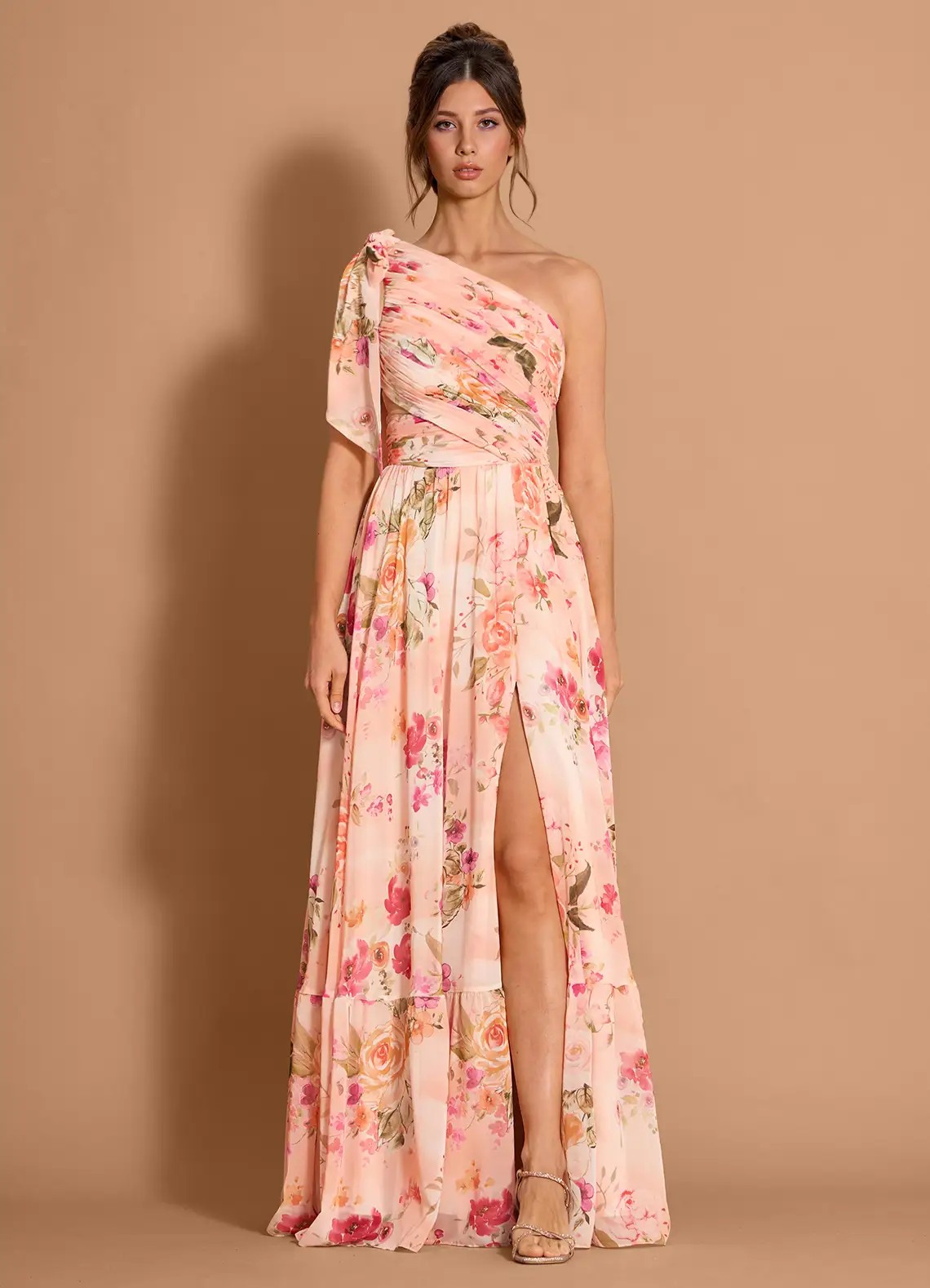
Length interacts closely with silhouette.
A-line
- Best in floor-length
- Sweep train adds refinement
Mermaid
- Almost always floor-length
- Slight train for drama
Column
- Works in floor-length or ankle-length
- Perfect with a high slit
Ball gown
- Full floor-length required
- Train optional
Sheath
- Full-length or ankle-length
- Looks sleek and modern
Dress Length & Footwear (Important!)
Your dress length must coordinate with your shoes.
Heels + Long Dress Tips
- Hem should just skim the floor.
- Dress should not lift drastically when walking.
- Avoid uneven hem when switching shoes.
If wearing low heels or flats
- Choose ankle-length or precisely hemmed floor-length.
Avoid
- Dresses dragging excessively
- Dresses too short when walking
- Hem angles that look visually cut off
Common Mistakes in Choosing Dress Length (and How to Avoid Them)
Mistake 1: Dress too short
- Avoid ankle exposure in floor-length gowns
- Check hem in heels
Mistake 2: Dress too long
- It becomes a tripping risk
- Use tailoring or slight hem lift
Mistake 3: Choosing tea-length without checking dress code
- Always confirm “black-tie optional”
Mistake 4: Slit too high
- Aim for elegant, not flashing
Mistake 5: Ignoring body proportions
- Length should elongate, not compress
Final Thoughts
The ideal length for a black-tie dress depends on tradition, body proportions, venue, and event culture. However, the safest and most universally appropriate choice is floor-length. Ankle-length can work beautifully for modern black-tie events, and full-length slit gowns are a glamorous option. Short or tea-length dresses are rarely correct unless the event explicitly allows them.
Frequently Asked Questions
Should a black-tie dress always be floor-length?
Floor-length is the safest and most traditional choice, but ankle-length can also work depending on venue and dress style.
Is a high slit okay for black-tie?
Yes—as long as the dress is still full-length and the slit remains elegant.
Can I wear a midi dress to a black-tie event?
Only if it is black-tie optional or very fashion-forward. Traditional black-tie expects long gowns.
What if I’m petite and overwhelmed by long dresses?
Choose a fitted, floor-length silhouette with minimal train, or opt for ankle-length.
Does the venue matter when choosing length?
Absolutely—ballrooms suit long dresses; outdoor venues may be more forgiving with ankle-length.
Can I wear a short dress to a black-tie wedding or gala?
Short dresses (above the knee or mid-thigh) are generally not suitable for black-tie events. They risk appearing underdressed unless the invitation specifies black-tie optional or a casual/formal fusion event.
How do I choose between floor-length and ankle-length?
Floor-length is traditional and safe for all black-tie events. Ankle-length is modern and practical for venues with stairs, outdoor gardens, or for guests who prefer easier movement. Consider the formality, silhouette, and personal comfort.
Do long trains work for all black-tie events?
Trains are optional and add elegance, but consider venue space and mobility. Sweep trains are subtle and manageable, chapel trains are more dramatic, and cathedral-length trains are suited for high-profile red-carpet or gala events.
How should dress length coordinate with shoes?
For heels, floor-length hems should just skim the floor. If wearing flats or low heels, ankle-length or precisely hemmed floor-length gowns are best to avoid dragging or awkward angles.
Does body type affect black-tie dress length choice?
Yes. Petite guests benefit from fitted floor-length or ankle-length styles to elongate the frame. Tall guests can wear dramatic floor-length gowns and trains. Curvy or athletic figures can use high slits or structured silhouettes to enhance proportions.