
What is the most flattering formal dress for my body type?
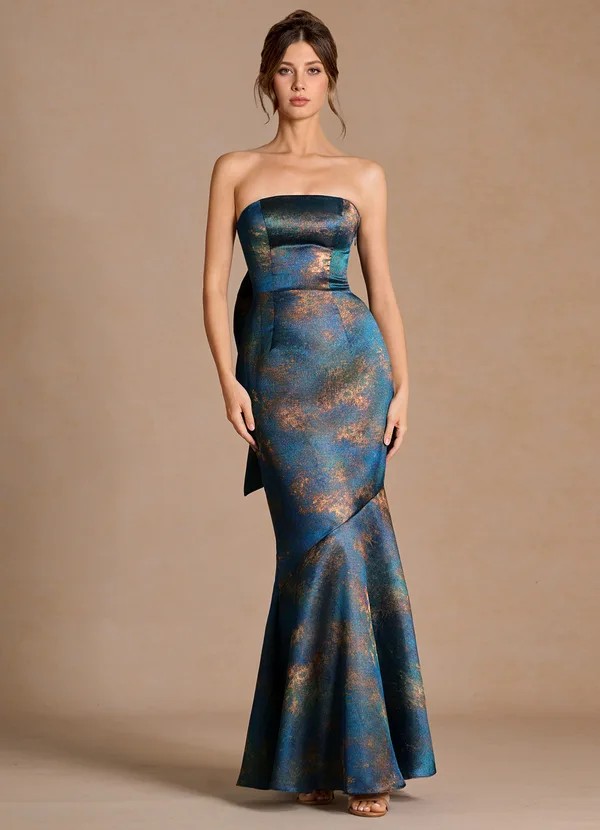
Finding the perfect formal dress is about much more than choosing a beautiful gown—it’s about discovering styles that celebrate and flatter your unique body shape. Every body is beautiful, and the right dress silhouette, neckline, and design details can enhance your natural proportions, highlight your favorite features, and give you the confidence to shine at any formal occasion. Whether you’re preparing for a black-tie wedding, an elegant gala, prom, or a formal evening celebration, understanding which dress styles work best for your body type transforms shopping from frustrating to empowering.
The fashion industry has evolved significantly in recognizing that bodies come in diverse shapes and sizes, and that flattering dress design isn’t about hiding or changing your body—it’s about understanding proportions, balance, and visual lines that work harmoniously with your natural silhouette. The most flattering formal dress for you is one that makes you feel confident, comfortable, and authentically beautiful, while strategically using design elements to create the aesthetic you desire.
Body type styling isn’t about rigid rules or limitations; rather, it’s about understanding guidelines that help you make informed decisions. These principles consider how certain silhouettes, necklines, waistlines, and embellishment placements interact with different body proportions to create balanced, harmonious looks. Once you understand these concepts, you can confidently select formal dresses that not only fit your measurements but truly flatter your figure.
Understanding Body Types and Proportions
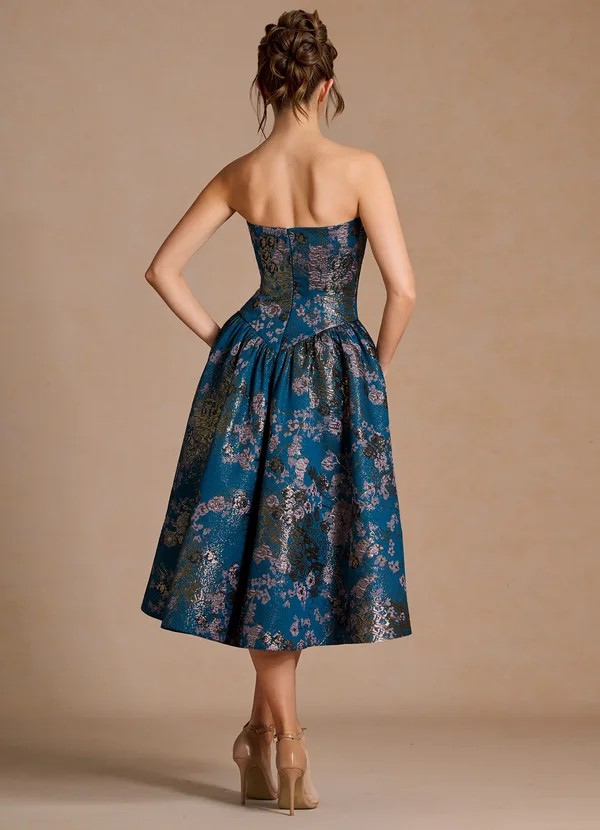
Before exploring specific dress recommendations, it’s important to understand the different body type categories and how they relate to proportion and balance.
The Main Body Type Categories
Body types are generally categorized based on the relationship between your shoulders, bust, waist, and hip measurements. Understanding your body type helps you identify which dress silhouettes will create the most flattering proportions.
Important Note on Body Types:
Body type categories are simply tools to help guide styling decisions—they’re not rigid boxes or value judgments. Many people have characteristics of multiple body types, and that’s completely normal. Use these guidelines as starting points, then personalize based on what makes you feel most confident and beautiful.
How to Determine Your Body Type
Measuring yourself:
- Shoulders: Measure across your back from shoulder point to shoulder point
- Bust: Measure around the fullest part of your bust
- Waist: Measure around the narrowest part of your natural waist
- Hips: Measure around the fullest part of your hips and bottom
Analyzing proportions:
Compare these measurements to determine:
- Are your shoulders and hips relatively similar in width?
- Is your waist significantly smaller than your bust and hips?
- Where do you carry most of your weight or curves?
- What is your overall vertical proportion (petite, average, tall)?
The Role of Height in Dress Selection
Height plays a crucial role alongside body shape:
Petite (5’4″ and under):
- Benefit from vertical lines and proportional hemlines
- Can be overwhelmed by excessive fabric or very long trains
- Work well with empire waists and defined waistlines
Average Height (5’5″ to 5’8″):
- Most versatile range for dress styles
- Can wear nearly any silhouette successfully
- Focus primarily on body shape considerations
Tall (5’9″ and above):
- Can carry dramatic, voluminous styles
- Benefit from horizontal details and defined waistlines
- May need extra length in gowns and proper sleeve proportions
Hourglass Body Type: Balanced Curves
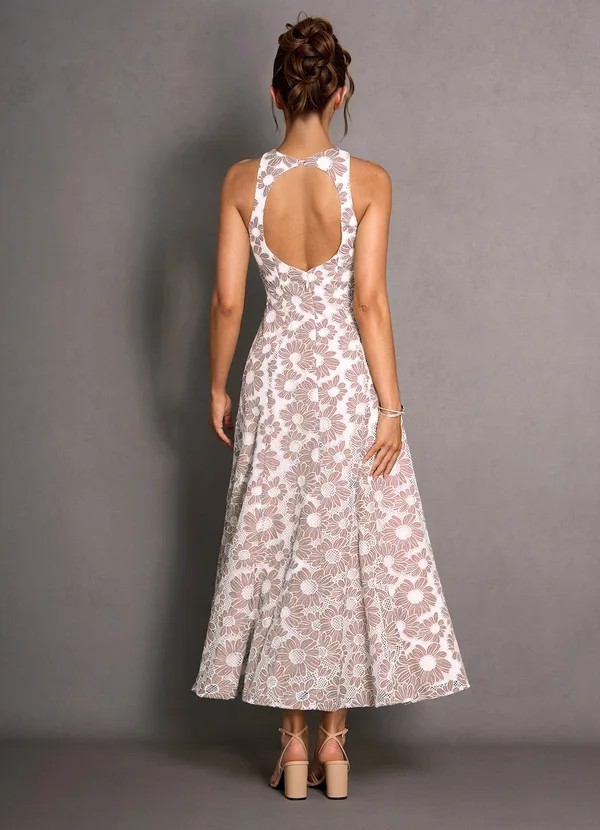
The hourglass figure features balanced bust and hip measurements with a significantly smaller, well-defined waist.
Hourglass Body Characteristics
Defining features:
- Bust and hips are approximately the same width
- Waist is at least 25% smaller than bust and hips
- Balanced upper and lower body proportions
- Curves distributed proportionally
- Weight gain typically distributed evenly
Style goals:
- Emphasize and celebrate the defined waist
- Maintain balanced proportions between top and bottom
- Choose styles that follow natural curves
- Avoid adding bulk or hiding the waistline
Most Flattering Formal Dress Styles for Hourglass Figures
Mermaid and Trumpet Silhouettes:
These curve-hugging styles are made for hourglass figures.
Why they work:
- Follow natural body curves perfectly
- Dramatically emphasize the defined waist
- Show off balanced proportions
- Create stunning, glamorous silhouettes
- Flare at knees or mid-thigh to balance hips
Styling tips:
- Choose structured fabrics that provide support
- Look for boning or internal structure in bodice
- Ensure proper fit through hips for comfortable movement
- Consider kick pleats or slits for walking ease
Fit-and-Flare/A-Line Dresses:
Classic silhouettes that define the waist and flow gracefully.
Why they work:
- Cinch at the natural waist
- Provide elegant movement without overwhelming curves
- Balance proportions beautifully
- Versatile for various formal occasions
- Comfortable for extended wear
Best features:
- Fitted bodice with defined waistline
- Full skirt that flows from waist
- Structured bust support
- Medium to full skirt volume
Wrap Dresses:
Perfect for highlighting the waist while providing adjustability.
Why they work:
- Create a V-neckline that flatters
- Emphasize the smallest part of the waist
- Adjustable fit accommodates curves
- Naturally follows body contours
- Elegant and sophisticated
Belted Styles:
Any silhouette enhanced with a defined belt or sash.
Why they work:
- Draw attention to the narrowest point
- Create or enhance waist definition
- Add visual interest and detail
- Can be adjusted for perfect fit
- Work across various dress styles
Necklines for Hourglass Figures
Most flattering options:
- Sweetheart neckline: Echoes natural curves, balances bust
- V-neck: Elongates torso, draws eye upward
- Scoop neck: Classic option that doesn’t overwhelm
- Off-shoulder: Shows balanced shoulders and décolletage
- Wrap neckline: Creates diagonal lines and adjustable fit
Necklines to approach carefully:
- High necklines without waist definition (can create boxy appearance)
- Extremely loose or flowing tops without structure
- Styles that hide the waist completely
Fabrics and Details for Hourglass Body Type
Best fabric choices:
- Structured fabrics that provide support (mikado, duchess satin)
- Medium-weight materials that drape curves (silk charmeuse, crepe)
- Fabrics with body that don’t cling excessively
- Stretch fabrics with recovery for comfortable fit
Flattering details:
- Ruching or gathering at the waist
- Seaming that follows natural curves
- Panels that create vertical interest
- Strategic embellishment that highlights proportions
Pear Body Type: Hip-Focused Curves
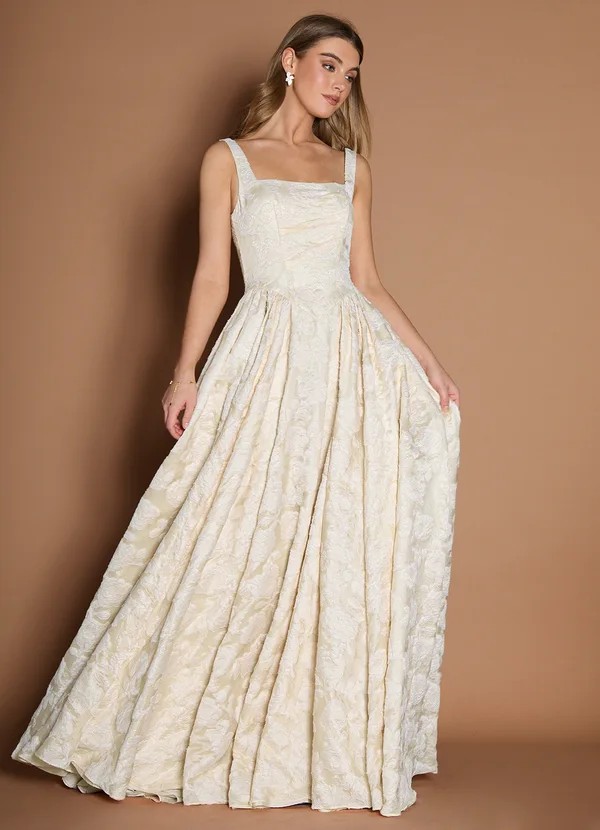
The pear shape features hips and thighs that are wider than the bust and shoulders, often with a defined waist.
Pear Body Characteristics
Defining features:
- Hips significantly wider than shoulders and bust
- Often have a defined or small waist
- Smaller bust relative to hips
- Weight carried primarily in hips, thighs, and bottom
- Shoulders typically narrower than hips
Style goals:
- Balance proportions by emphasizing upper body
- Draw attention to shoulders, neckline, and waist
- Choose silhouettes that skim over hips gracefully
- Create visual width at shoulders to balance hips
Most Flattering Formal Dress Styles for Pear Figures
A-Line and Ball Gown Silhouettes:
The quintessential pear-flattering dress shapes.
Why they work:
- Fitted through bodice, flowing from waist
- Skim over hips without clinging
- Create balanced proportions
- Define waist while providing lower body coverage
- Provide comfortable movement
Styling tips:
- Look for structured bodices with embellishment
- Choose fuller skirts in flowing fabrics
- Ensure waist definition is clear
- Consider styles with volume in skirt for balance
Empire Waist Dresses:
High waistlines that flow from under the bust.
Why they work:
- Draw attention upward to bust and shoulders
- Flow gracefully over hips
- Elongate lower body visually
- Create romantic, elegant silhouettes
- Comfortable and forgiving
Best applications:
- Formal evening events
- Romantic or bohemian aesthetics
- When you want ethereal elegance
- Outdoor or garden celebrations
Fit-and-Flare with Full Skirt:
Fitted bodice with substantial skirt volume.
Why they work:
- Emphasize smaller upper body and waist
- Full skirt balances wider hips
- Create hourglass illusion
- Provide proportion harmony
- Traditional formal elegance
Drop-Waist Styles:
Waistline that sits at hip level with full skirt.
Why they work:
- Lengthen upper body visually
- Create alternative proportion point
- Full skirt from hips balances silhouette
- Work well with embellished bodices
- Contemporary formal styling
Necklines and Bodice Details for Pear Figures
Most flattering necklines:
- Off-shoulder: Broadens shoulder line, balances hips
- Boat neck/Bateau: Creates horizontal line across shoulders
- Halter: Draws eye upward, emphasizes shoulders
- Sweetheart: Adds fullness to bust area
- Strapless with embellishment: Creates visual width at top
Bodice enhancements:
- Cap sleeves or flutter sleeves (add shoulder width)
- Embellished or beaded bodices (draw attention upward)
- Statement necklines (create focal point)
- Horizontal details across shoulders and bust
- Ruffles or volume at neckline
Necklines to consider carefully:
- High necklines without shoulder detail (narrow upper body)
- Thin spaghetti straps (emphasize narrow shoulders)
- Plain, unadorned bodices (miss opportunity to balance)
Colors and Patterns for Pear Body Type
Strategic color placement:
Upper body:
- Light colors to draw attention and add visual weight
- Bright colors and bold patterns
- Metallic or embellished fabrics
- Detailed prints or textures
Lower body:
- Darker colors to minimize visual emphasis
- Solid colors without patterns
- Matte fabrics rather than shiny
- Minimal embellishment
Color blocking:
- Light bodice with dark skirt creates ideal balance
- Consider two-tone dresses with darker bottom
- Use contrast to manipulate proportion perception
Inverted Triangle Body Type: Shoulder-Focused Frame
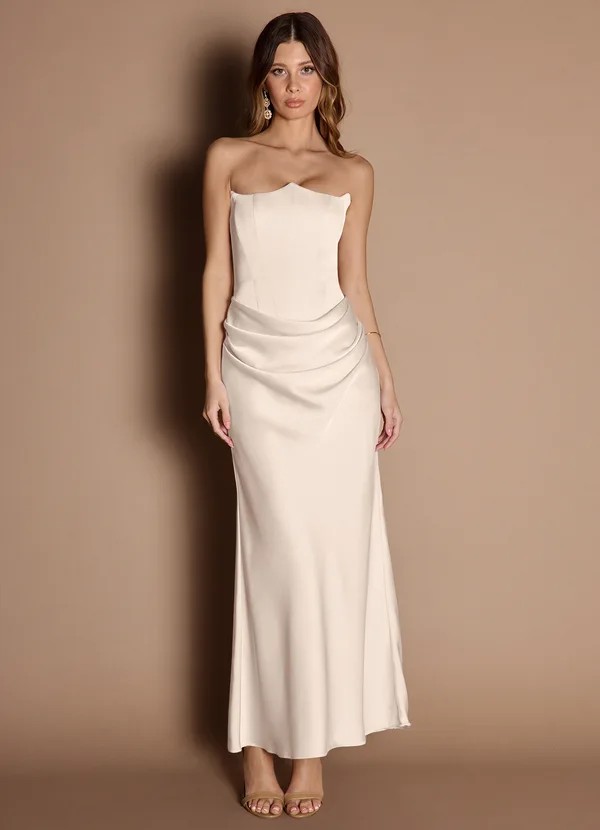
The inverted triangle shape features broader shoulders and bust with narrower hips.
Inverted Triangle Body Characteristics
Defining features:
- Shoulders wider than hips
- Fuller bust relative to hips
- Narrower lower body
- Often athletic or broad-shouldered
- May have less defined waist
- Beautiful legs
Style goals:
- Balance broad shoulders with lower body volume
- Draw attention to narrower hips and legs
- Create waist definition
- Soften shoulder line
- Add volume or interest to lower body
Most Flattering Formal Dress Styles for Inverted Triangle
A-Line and Full Ball Gowns:
Adding volume below balances broad shoulders.
Why they work:
- Full skirts add visual weight to lower body
- Create balanced overall proportions
- Draw attention to waist and skirt
- Soften upper body emphasis
- Classic, elegant silhouettes
Styling tips:
- Choose fuller skirts in interesting fabrics
- Look for embellished or detailed skirts
- Consider lighter colored skirts
- Ensure waist is defined
Fit-and-Flare with Full Skirt:
Fitted top with substantial bottom volume.
Why they work:
- Create hourglass illusion
- Balance top-heavy proportions
- Showcase defined waist
- Add feminine curves below
- Versatile styling options
V-Neck and Halter Styles:
Necklines that minimize shoulder width.
Why they work:
- V-necks create vertical lines
- Draw eye to center rather than width
- Halters narrow shoulder line
- Elongate neck and torso
- Create sleek upper body
Drop-Waist or Hip-Focused Details:
Moving visual interest to lower body.
Why they work:
- Create new proportion point
- Add details below shoulders
- Balance by emphasizing hips
- Contemporary, interesting styling
- Shift focus downward
Necklines for Inverted Triangle Body Type
Most flattering options:
- V-neck (deep): Creates vertical line, narrows shoulders visually
- Sweetheart: Softens bustline, draws inward
- Halter: Narrows shoulder line
- Scoop neck: Rounds shoulders gently
- Strapless: Can work when dress has lower body volume
Necklines to approach carefully:
- Boat neck or bateau (widens shoulders)
- Off-shoulder (emphasizes broad shoulders)
- Cap sleeves (add shoulder width)
- Heavy shoulder embellishment (adds visual weight)
Sleeve and Shoulder Considerations
Best sleeve options:
Sleeveless:
- Clean lines don’t add bulk
- Elongate arms
- Work with V or scoop necklines
Thin straps:
- Minimize shoulder emphasis
- Delicate, feminine appearance
- Don’t add width
Three-quarter or long sleeves:
- Draw attention down arms
- Create vertical lines
- Balance proportions
- Ensure fitted, not voluminous
Sleeves to avoid:
- Cap sleeves (widen shoulders)
- Puff sleeves (add volume at shoulders)
- Very wide or off-shoulder styles
- Heavy shoulder embellishment
Skirt Styles and Lower Body Details
Ideal skirt features:
Volume and fullness:
- A-line with substantial flare
- Full ball gown skirts
- Layered or tiered designs
- Pleated styles
Embellishment and detail:
- Beading or sequins on skirt
- Patterns on lower portion
- Textured fabrics below waist
- Lighter colors on skirt
- Ruffles or layers
Strategic styling:
- Draw attention to beautiful legs
- Use slits to showcase lower body
- Choose interesting skirt designs
- Add visual weight below shoulders
Petite Body Type: Proportional Dressing
Petite refers to height (typically 5’4″ and under) and requires special consideration regardless of body shape.
Petite Body Characteristics
Defining features:
- Overall shorter height (5’4″ or under)
- Shorter limbs and torso
- May have any body shape (hourglass, pear, etc.)
- Proportions need special consideration
- Often overwhelmed by excess fabric
Style goals:
- Elongate silhouette vertically
- Avoid overwhelming with fabric or details
- Maintain proper proportions
- Create illusion of height
- Ensure proper fit and hemline length
Most Flattering Formal Dress Styles for Petite Figures
Empire Waist Gowns:
High waistlines create length.
Why they work:
- Lengthen legs visually
- Create long, flowing lines
- Don’t require long torso
- Elongate overall silhouette
- Comfortable and elegant
Sheath and Column Dresses:
Vertical, unbroken lines.
Why they work:
- Create continuous vertical line
- Don’t add bulk or volume
- Elongate entire body
- Sleek, sophisticated appearance
- Work well for petite proportions
Styling tips:
- Choose monochromatic colors
- Look for vertical seaming
- Avoid horizontal breaks
- Keep details proportional
- Ensure proper hemline (floor-length, not pooling)
Fit-and-Flare with Moderate Skirt:
Defined waist with controlled volume.
Why they work:
- Create waist definition
- Provide feminine shaping
- Volume is controlled (not overwhelming)
- Proportional to frame
- Versatile and flattering
Best applications:
- Knee to midi length for daytime
- Floor-length with moderate fullness
- Avoid excessively full ball gowns
- Keep proportions balanced
High-Low Hemlines:
Show legs while maintaining formality.
Why they work:
- Showcase beautiful legs
- Create vertical interest
- Modern, contemporary styling
- Elongate while maintaining coverage
- Add visual interest
Necklines and Details for Petite Body Types
Most flattering necklines:
- V-neck: Creates vertical line, elongates
- Scoop neck: Opens chest area, adds length
- Sweetheart: Elongates while adding femininity
- Strapless: Clean line across chest
- Halter: Draws eye upward
Necklines to approach carefully:
- High crew necks (shorten torso and neck)
- Cowl necks with bulk (overwhelm frame)
- Very wide boat necks (create horizontal emphasis)
Proportional details:
Scale appropriately:
- Smaller embellishments, not oversized
- Delicate jewelry and accessories
- Proportional prints and patterns
- Moderate ruching and gathering
- Controlled volume and drama
Avoid overwhelming:
- Excessive fabric volume
- Very long trains
- Oversized bows or details
- Large, bold patterns
- Too many layers
Hemlines and Length for Petite Figures
Ideal length considerations:
Floor-length gowns:
- Must be properly hemmed (not dragging)
- Should just touch floor with heels
- Avoid pooling fabric (shortens visually)
- Consider petite-specific sizing
Alternative lengths:
- Tea-length (mid-calf) works beautifully
- Midi-length for semi-formal
- Cocktail-length shows legs
- High-low for modern styling
Monochromatic Magic:
Creating continuous lines:
- Dress, shoes, and tights in same color
- Nude shoes that match skin tone
- Avoid ankle straps (break leg line)
- Keep accessories proportional
- Create unbroken vertical flow
Plus-Size Body Types: Celebrating Curves
Plus-size bodies come in all shapes—hourglass, pear, apple, rectangle—and deserve specific styling considerations.
Plus-Size Body Characteristics and Goals
Understanding plus-size styling:
- May have characteristics of any body shape
- Often have beautiful curves to celebrate
- Require proper construction and support
- Need fabrics with appropriate weight and structure
- Deserve same style options as all bodies
General style goals:
- Celebrate and enhance natural curves
- Ensure proper fit and support
- Choose fabrics that drape beautifully
- Highlight favorite features
- Create balanced, flattering proportions
Most Flattering Formal Dress Styles for Plus-Size Figures
A-Line and Fit-and-Flare:
Universally flattering silhouettes.
Why they work:
- Define waist (smallest point)
- Skim over hips and thighs
- Create balanced proportions
- Provide comfortable movement
- Classic, elegant styling
- Work across body shapes
Styling essentials:
- Structured bodice with boning or support
- Defined waistline
- Full skirt in flowing fabric
- Proper undergarments for smooth silhouette
Empire Waist with A-Line Skirt:
Flattering for most plus-size shapes.
Why they work:
- Create high waist under bust
- Flow gracefully over body
- Elongate silhouette
- Provide comfort and ease
- Romantic, elegant styling
Best for:
- Apple shapes (no tight waist needed)
- Those who want comfort
- Romantic, flowing aesthetics
- Various formal occasions
Wrap Dresses and Wrap Bodices:
Adjustable, flattering styling.
Why they work:
- Custom fit through adjustable ties
- V-neckline elongates
- Diagonal lines slim visually
- Create waist definition
- Accommodate curves beautifully
Mermaid and Trumpet (with proper fit):
Dramatic curves celebrated.
Why they work:
- Showcase beautiful hourglass curves
- Fitted construction provides support
- Dramatic, glamorous silhouette
- Flare provides movement ease
- Stunning for confident styling
Critical fit requirements:
- Must be properly fitted or custom-sized
- Requires structured construction
- Quality fabrics with recovery
- Professional alterations if needed
- Confidence in curves
Necklines for Plus-Size Bodies
Most flattering options:
V-neck:
- Creates vertical line
- Elongates neck and torso
- Draws eye upward
- Flatters fuller bust
- Versatile across styles
Sweetheart:
- Supports and shapes bust
- Creates feminine focal point
- Balances proportions
- Classic, elegant choice
Scoop neck:
- Opens chest area
- Creates length
- Shows collarbones
- Balanced, classic option
Portrait/Off-shoulder:
- Shows shoulders and collarbone
- Creates elegant neckline
- Balances fuller lower body
- Romantic, sophisticated
Queen Anne neckline:
- High at back, low in front
- Creates interesting detail
- Elongates in front
- Provides back coverage
Fabrics and Construction for Plus-Size Dresses
Best fabric choices:
Structured fabrics:
- Provide support and smoothing
- Hold shape throughout wear
- Create clean, polished lines
- Examples: mikado, duchess satin, structured crepe
Fabrics with body:
- Drape beautifully over curves
- Don’t cling excessively
- Provide appropriate weight
- Examples: silk charmeuse, matte jersey, quality rayon
Stretch fabrics with recovery:
- Accommodate curves comfortably
- Return to original shape
- Provide ease of movement
- Examples: ponte, scuba knit, quality stretch crepe
Fabrics to approach carefully:
- Very thin, clingy materials
- Stiff fabrics without give
- Overly shiny fabrics (highlight rather than flatter)
- Cheap synthetics without structure
Construction elements:
Essential features:
- Built-in boning or corsetry
- Multiple layer construction
- Quality lining throughout
- Proper bust support
- Reinforced seams
- Strategic paneling
Strategic Details and Embellishment
Flattering detail placement:
Upper body embellishment:
- Draws eye upward
- Creates focal point
- Balances proportions
- Highlights face and neckline
Vertical details:
- Seaming down center or sides
- Vertical beading or sequin patterns
- Princess seams (create vertical line)
- Vertical color blocking
Ruching and gathering:
- Through midsection or sides
- Creates texture and interest
- Camouflages while flattering
- Provides comfortable fit
Strategic color placement:
- Darker colors through areas you want to minimize
- Brighter colors where you want attention
- Consider color-blocked styles
- Use contrast intentionally
Understanding Dress Silhouettes in Detail
Let’s examine specific silhouettes and how they work with different body types.
Comprehensive Silhouette Guide
| Silhouette | Best For | Works Well | Consider Carefully | Key Features |
| A-Line | All body types, especially pear | Universal flattery, defines waist | Very petite frames (ensure proportional) | Fitted bodice, gradual flare from waist |
| Ball Gown | Pear, inverted triangle, petite with height | Dramatic occasions, balancing proportions | Petite frames (can overwhelm) | Fitted bodice, very full skirt |
| Mermaid | Hourglass, rectangle (with structure) | Showcasing curves, formal galas | Apple, some plus-size (needs perfect fit) | Fitted through hips, flares at knees |
| Trumpet | Hourglass, balanced figures | Dramatic elegance, curves | Similar to mermaid considerations | Fitted through thighs, flares mid-thigh |
| Empire Waist | Pear, apple, petite, plus-size | Comfort, elongation, romantic style | Very short torso (can shorten further) | High waist under bust, flowing skirt |
| Sheath/Column | Rectangle, petite, slender figures | Modern sophistication, sleek elegance | Very curvy without stretch (fit challenges) | Straight, fitted from top to bottom |
| Fit-and-Flare | Hourglass, rectangle, most body types | Versatile formal wear, waist definition | Extremely straight figures (add details) | Fitted bodice, flared skirt from waist |
The Role of Undergarments in Flattering Fit
Proper undergarments are crucial for achieving the most flattering formal dress appearance.
Essential Undergarment Considerations
Shapewear:
Benefits:
- Smooths lines under fitted fabrics
- Creates seamless silhouette
- Provides confidence
- Enhances overall appearance
Choosing shapewear:
- Select appropriate compression level
- Ensure comfortable fit (not too tight)
- Choose seamless styles
- Match to dress color (nude, black, white)
- Consider full-body vs. targeted options
Bras and Bust Support:
Options based on dress style:
Strapless bras:
- For off-shoulder and strapless dresses
- Choose styles with silicone grips
- Ensure proper band size (provides support)
- Consider longline strapless for more support
Adhesive/stick-on bras:
- For backless or very low-back dresses
- Test before event day
- Follow application instructions carefully
- May not provide substantial support for larger busts
Built-in support:
- Many formal dresses include boning and structure
- Eliminates need for separate bra
- Provides custom support
- Most comfortable for long wear
Convertible bras:
- Straps adjust for various necklines
- Versatile across dress styles
- Good investment piece
- Ensure quality construction
Conclusion
Finding the most flattering formal dresses for your body type is a journey of self-discovery, understanding, and celebration. While body type guidelines provide valuable frameworks for making informed styling decisions, the most important factor is always how you feel in your dress. Confidence, comfort, and authentic self-expression create beauty that transcends any specific silhouette or design rule.
Every body type has unique assets to celebrate and characteristics to embrace. Hourglass figures can showcase their balanced curves, pear shapes can emphasize their defined waists and beautiful shoulders, apple shapes can highlight gorgeous legs and décolletage, rectangle figures can create dramatic dimensions through strategic styling, and inverted triangles can balance their athletic shoulders with stunning skirt volume. Petite women can elongate their silhouettes while plus-size bodies can celebrate their curves with properly constructed, beautifully fitted gowns.
Frequently Asked Questions
How do I determine my body type accurately?
Measure your shoulders, bust, waist, and hips, then compare the relationships between these measurements. Hourglass has bust and hips similar to smaller waist; pear has hips larger than bust; apple carries weight at midsection; rectangle has similar measurements throughout; inverted triangle has broader shoulders than hips. Remember these are guidelines—many people have characteristics of multiple types, which is completely normal.
Can I wear a mermaid dress if I don’t have an hourglass figure?
Yes, with proper construction and fit. Rectangle body types can wear mermaid dresses with strategic padding, ruching, or details that create curves. Plus-size hourglass figures look stunning in mermaid styles. The key is ensuring the dress is properly fitted or custom-sized with adequate structure and support. However, apple shapes should typically avoid mermaid silhouettes as they emphasize the midsection.
What’s the most universally flattering dress silhouette?
The A-line or fit-and-flare silhouette flatters the widest range of body types. It defines the waist (the typically smallest area), provides balance for both top and bottom proportions, and skims gracefully over areas many want to minimize while creating feminine, elegant lines. Combined with the right neckline for your specific body type, A-line dresses work beautifully for nearly everyone.
Should plus-size women avoid certain dress styles?
No body type should feel restricted from any style. However, certain silhouettes may require specific construction or fit considerations. Plus-size women can wear any style they love—mermaid, ball gown, sheath—as long as it’s properly fitted with appropriate construction. The key is ensuring quality fabrics, proper support, and fit that celebrates curves rather than fighting them.
How can I make my torso appear longer in a formal dress?
Choose V-necklines which create vertical lines, empire waist dresses which raise the waist point, vertical details like seaming or beading down the center, monochromatic color schemes without horizontal breaks, and avoid crop tops or styles that emphasize a short torso. Petite women should avoid very high necklines and ensure dresses aren’t too long (causing bunching).
What dress style creates an hourglass illusion for rectangle body types?
Fit-and-flare dresses with defined waists, belted styles that create waist definition, peplum details that add hip curves, mermaid gowns with strategic construction, wrap dresses that cinch the waist, and styles with ruching or gathering at the bust and hips. Look for dresses with built-in structure, boning, or details that physically create curves where they may not naturally occur.
Can petite women wear ball gowns or very full skirts?
Yes, but proportions matter significantly. Petite women should choose ball gowns with moderate fullness rather than extreme volume, ensure proper hemming so no fabric pools on the floor, keep bodice details proportional to frame, and consider styles where fullness starts at natural waist rather than high empire waist. Tea-length ball gowns can be particularly flattering for petite frames.
How do I choose the right neckline for my body type?
Necklines enhance balance and proportion. For example:
- Hourglass → sweetheart, V-neck, off-shoulder
- Pear → off-shoulder, bateau, halter
- Inverted triangle → V-neck, sweetheart, halter
- Petite → V-neck, scoop, halter
- Plus-size → V-neck, sweetheart, scoop, portrait
Avoid necklines that widen shoulders or shorten the torso for your specific type.
Can layering or accessories help balance my proportions?
Yes! Belts can define the waist, shawls or boleros can soften shoulders, and statement jewelry can draw attention to preferred areas. Color-blocking or contrasting elements can also create the illusion of curves or balance top and bottom proportions.
How do I ensure a dress fits perfectly for my body type?
Proper fit is essential. Consider:
- Custom sizing or professional alterations
- Built-in support (boning, structured bodice)
- Fabrics with slight stretch for comfort and shape retention
- Trying dresses in different lengths or silhouettes to find proportionally flattering lines