
What Is the Difference Between Chiffon and Satin Bridesmaid Dresses?
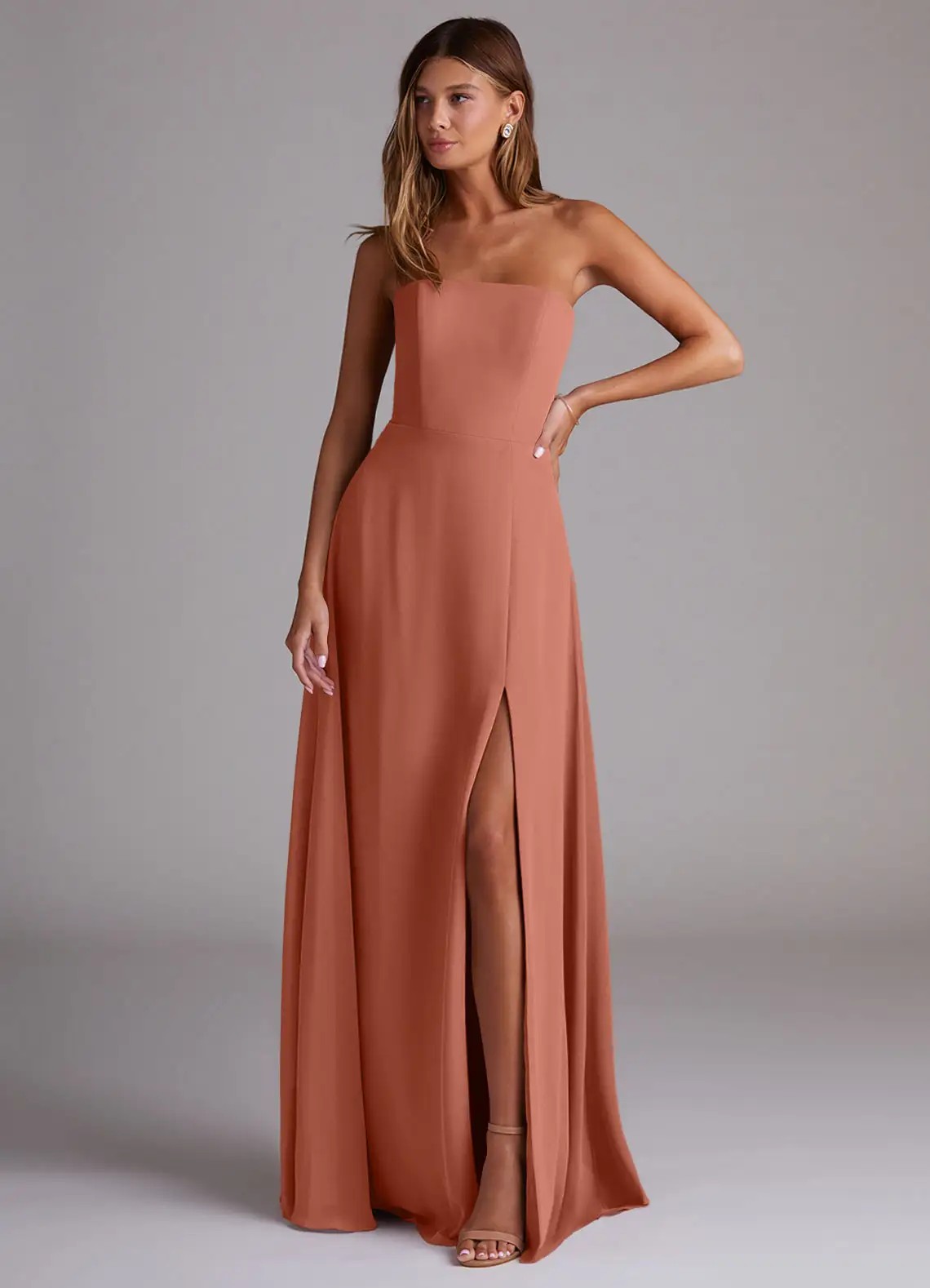
Chiffon is light, airy, and flows easily, making it perfect for outdoor and summer weddings. Satin is smooth, structured, and has a subtle shine, ideal for formal indoor events. Chiffon costs $79–$135 and suits casual to semi-formal styles.
Satin costs $85–$150 and works best for elegant, polished looks. Chiffon flatters all body types with its drape. Satin shows body shape more closely.
Chiffon vs Satin: Quick Comparison Table
| Feature | Chiffon | Satin | Best For |
| Weight | Very light | Medium | Chiffon: summer; Satin: winter |
| Texture | Soft, sheer | Smooth, sleek | Chiffon: casual; Satin: formal |
| Shine | Matte finish | Subtle sheen | Chiffon: day; Satin: evening |
| Drape | Flows freely | Structured drape | Chiffon: movement; Satin: shape |
| Price | $79–$135 | $85–$150 | Both budget-friendly |
| Care | Hand wash or dry clean | Dry clean only | Chiffon: easier |
Chiffon suits relaxed, breezy styles. Satin fits polished, formal settings. Both fabrics come in all bridesmaid dress colors and silhouettes.
What Is Chiffon and When Should You Use It?
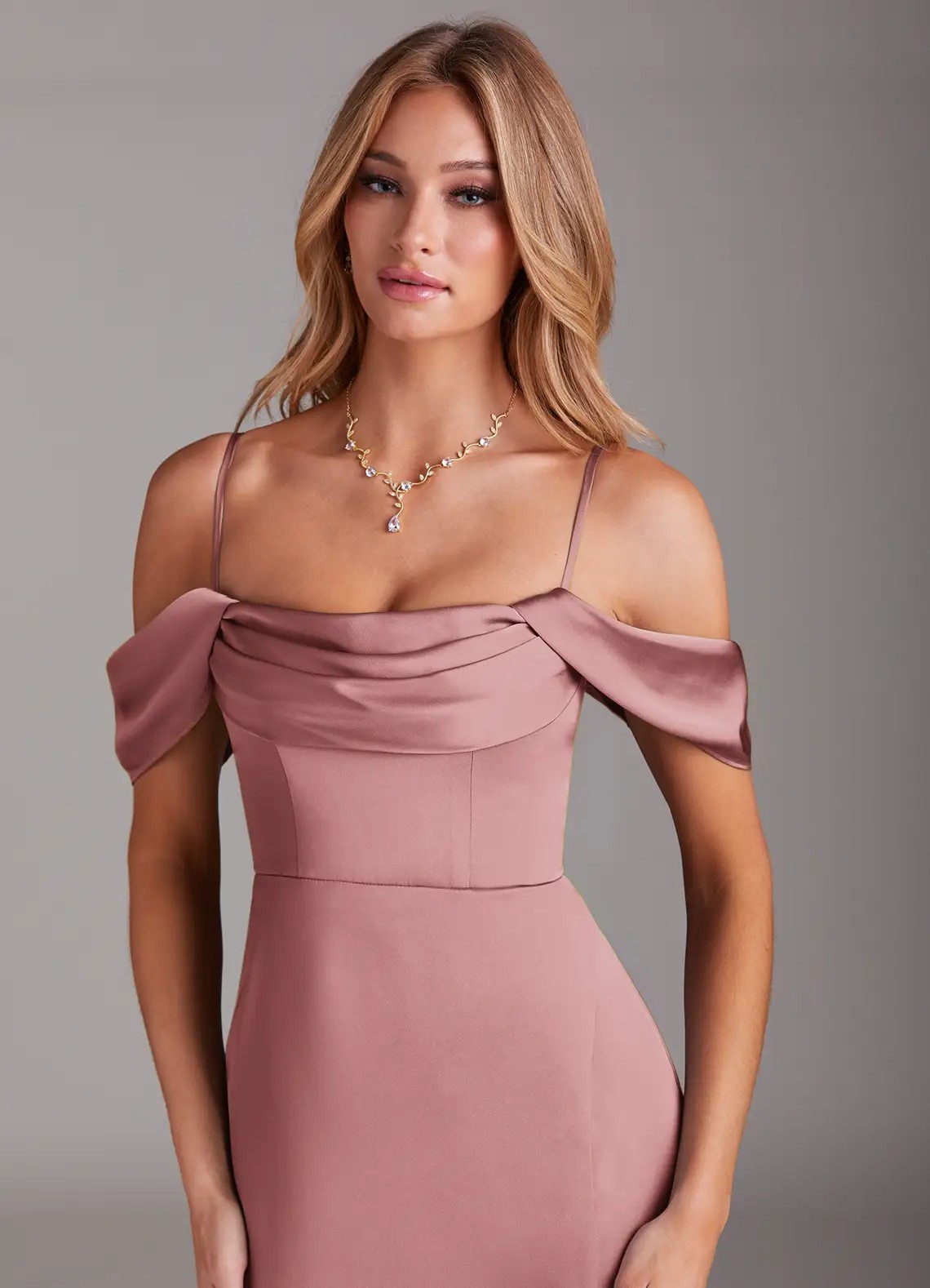
Chiffon is a lightweight, sheer fabric made from silk, polyester, or nylon. It has a soft texture and flows easily. Chiffon dresses move gracefully and photograph well in outdoor settings.
Best Uses for Chiffon
- Spring and summer weddings when temperatures are warm
- Outdoor venues like gardens, beaches, or vineyards
- Casual or semi-formal wedding styles
- All-day events where comfort matters
- Bridesmaids of all body types because it skims the body gently
Chiffon Pros Chiffon is breathable and keeps bridesmaids cool. It hides problem areas with its soft drape. This fabric is easy to move in during dancing and photos. Chiffon dresses pack well without heavy wrinkles. Alterations are simple and cost less.
Chiffon Cons Chiffon is sheer, so it may need a lining. It can snag on jewelry or rough surfaces. This fabric shows wrinkles after sitting. Chiffon needs gentle care with hand washing or dry cleaning. It may look too casual for black-tie weddings.
What Is Satin and When Should You Use It?
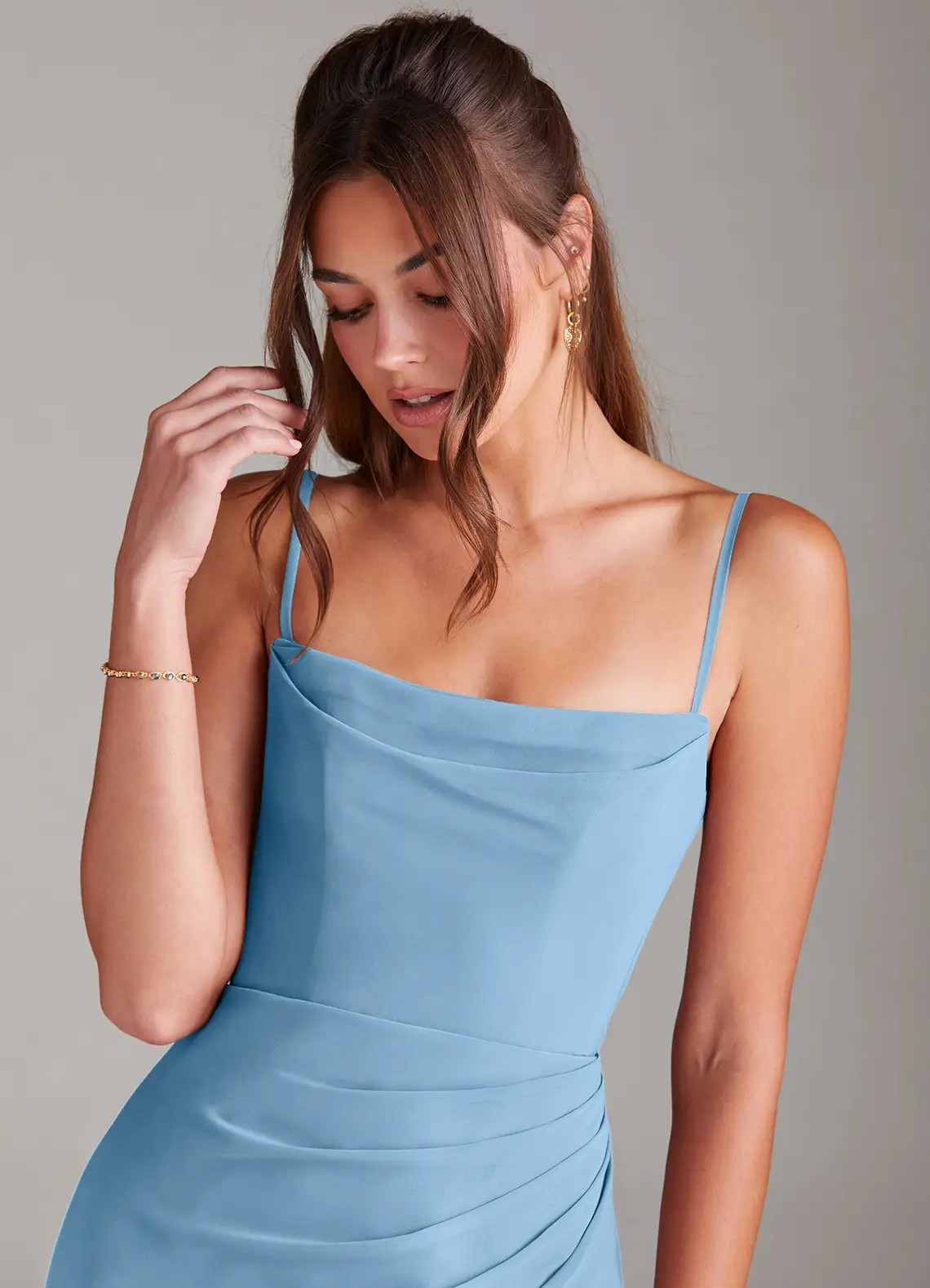
Satin is a smooth, glossy fabric made from silk, polyester, or acetate. It has a luxurious feel and reflects light with a subtle shine. Satin dresses look polished and elegant in formal settings.
Best Uses for Satin
- Fall and winter weddings when temperatures are cool
- Indoor venues like ballrooms, hotels, or churches
- Formal or black-tie wedding styles
- Evening events with elegant lighting
- Bridesmaids who want a structured, sophisticated look
Satin Pros Satin has a rich, luxurious appearance. It holds its shape well throughout the day. This fabric photographs beautifully with its soft shine. Satin works for both classic and modern dress styles. It feels smooth and comfortable against skin.
Satin Cons Satin shows every wrinkle and crease easily. It clings to the body and reveals curves. This fabric is heavier than chiffon and less breathable. Satin requires dry cleaning only. It may feel too warm for summer outdoor weddings.
Five Steps to Choose Between Chiffon and Satin
- Check your wedding season and venue – Warm weather and outdoor spaces suit chiffon. Cool weather and indoor venues suit satin. If your wedding is in June at a garden, pick chiffon. If it is in November at a hotel, pick satin.
- Consider your formality level – Casual and semi-formal weddings work with chiffon. Formal and black-tie events call for satin. Match the fabric to your overall wedding style and dress code.
- Think about body types – Chiffon flows over the body and flatters all shapes. Satin hugs curves and shows more shape. If your bridesmaids prefer a forgiving fit, choose chiffon. If they want structure, choose satin.
- Test the fabric in person – Order fabric swatches before buying. Feel the weight and texture. Hold them in natural light to see how they photograph. This step prevents surprises after ordering.
- Factor in care and budget – Chiffon costs slightly less and is easier to care for. Satin costs more and needs dry cleaning. Add these costs to your total budget when deciding.
How Do Chiffon and Satin Look in Wedding Photos?
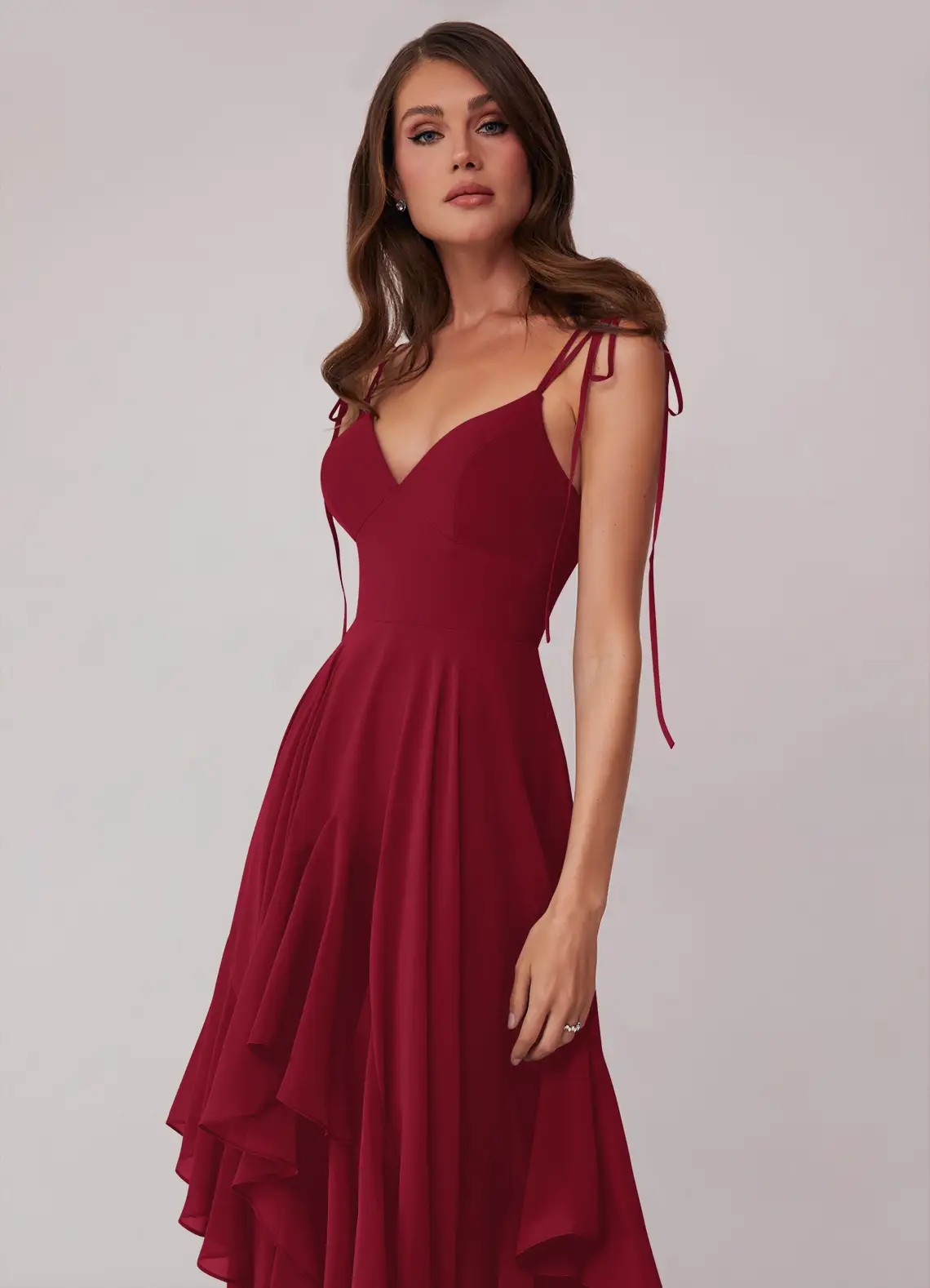
Both fabrics photograph well but create different effects.
Chiffon in Photos Chiffon moves beautifully in the wind. It creates soft, romantic images in natural light. This fabric works well for outdoor ceremony and reception photos. Chiffon layers look elegant when bridesmaids walk or spin. The matte finish does not reflect harsh light.
Satin in Photos Satin has a subtle shine that catches light. It creates polished, formal images in indoor settings. This fabric looks rich in evening photos with artificial lighting. Satin holds its shape, so silhouettes stay clean and defined. The sheen adds depth to colors.
Lighting Considerations Outdoor natural light suits chiffon best. Indoor and evening light suits satin best. If you plan photos in both settings, consider mixing fabrics. Some brides choose chiffon for ceremony and satin for reception photos.
Which Fabric Is Better for Different Body Types?
Both fabrics work for all body types, but each has specific benefits.
Chiffon for Body Types
- Petite figures: Chiffon does not add bulk. It creates a light, airy look without overwhelming small frames.
- Plus-size figures: Chiffon skims curves without clinging. It provides a forgiving drape that flatters naturally.
- Athletic builds: Chiffon softens angular lines and adds feminine flow to straight silhouettes.
- Pear shapes: Chiffon balances proportions by flowing over hips without emphasis.
Satin for Body Types
- Hourglass figures: Satin defines the waist and highlights curves elegantly.
- Tall figures: Satin adds structure and sophistication. It holds shape on long frames.
- Slim builds: Satin creates a sleek, polished line without extra volume.
- Apple shapes: Choose stretch satin for comfort. Avoid stiff satin that clings.
Chiffon vs Satin: Cost and Care Comparison
| Factor | Chiffon | Satin | Notes |
| Dress price | $69–$159 | $69–$149 | Both affordable |
| Alteration cost | $30–$60 | $40–$80 | Chiffon is easier |
| Cleaning | Hand wash or dry clean | Dry clean only | Chiffon saves money |
| Wrinkle care | Steamer works | Iron on low heat | Both need care |
| Durability | Snags easily | More durable | Satin lasts longer |
| Storage | Hang or fold | Hang only | Satin needs space |
Chiffon saves money on alterations and cleaning. Satin costs more but lasts longer. Factor in these costs when choosing fabric for multiple bridesmaids.
Can You Mix Chiffon and Satin in One Wedding?
Yes, mixing fabrics can work if done carefully.
When Mixing Works
- Keep the same color across both fabrics
- Use chiffon for outdoor ceremony, satin for indoor reception
- Let bridesmaids choose fabric based on their comfort
- Mix textures in a boho or eclectic wedding theme
How to Mix Successfully Choose one dominant fabric and one accent fabric. For example, four bridesmaids in chiffon and two in satin. Keep silhouettes similar across fabrics. An A-line chiffon dress should match an A-line satin dress in cut.
When Mixing Does Not Work Avoid mixing fabrics in formal, traditional weddings. The contrast may look unplanned. If you want a unified, polished look, stick to one fabric. Also avoid mixing if dress colors are already mismatched. Too many variables create chaos in photos.
How to Care for Chiffon and Satin Bridesmaid Dresses
Proper care keeps dresses looking fresh for the wedding day.
Caring for Chiffon Hand wash chiffon in cold water with mild detergent. Avoid twisting or wringing the fabric. Lay flat to dry or hang on a padded hanger. Use a steamer to remove wrinkles. Never use a hot iron directly on chiffon. Store in a breathable garment bag.
Caring for Satin Dry clean satin only. Do not attempt to wash at home. Hang satin dresses on wide, padded hangers to prevent shoulder marks. Iron on the lowest heat setting with a pressing cloth. Steam satin gently from a distance. Store away from direct sunlight to prevent fading.
Pre-Wedding Storage Store dresses in a cool, dry place. Avoid plastic bags that trap moisture. Hang dresses 1–2 weeks before the wedding to let wrinkles fall out naturally. Steam both fabrics the morning of the wedding for the best look.
What Seasons Work Best for Each Fabric?
| Season | Best Fabric | Why | Backup Option |
| Spring | Chiffon | Light and fresh for mild weather | Satin for evening |
| Summer | Chiffon | Breathable in heat | Avoid satin outdoors |
| Fall | Satin | Rich look for cooler temps | Chiffon for warm days |
| Winter | Satin | Warmth and formal elegance | Velvet over chiffon |
Season affects comfort and appearance. Chiffon works best in warm months. Satin suits cool months. Always consider your specific wedding date and venue temperature.
Frequently Asked Questions
Is chiffon or satin better for outdoor weddings?
Chiffon is better for outdoor weddings. It moves gracefully in the breeze and stays cool in warm weather. Satin can be too heavy and hot outdoors. Chiffon also photographs beautifully in natural light. Choose satin only if your outdoor wedding is in cool weather.
Which fabric is more affordable for bridesmaid dresses?
Chiffon is slightly more affordable. Chiffon dresses cost $79–$135, while satin costs $85–$150. Chiffon also saves money on alterations and cleaning. Hand washing chiffon is cheaper than dry cleaning satin. Overall, chiffon is the budget-friendly choice.
Does satin wrinkle more than chiffon?
Yes, satin wrinkles more easily than chiffon. Satin shows every crease and fold. It needs careful steaming or ironing before wearing. Chiffon wrinkles too but hides them better because of its soft drape. Both fabrics need proper storage to prevent wrinkles.
Can plus-size bridesmaids wear satin dresses?
Yes, but stretch satin works better than regular satin. Stretch satin has some give and drapes more forgivingly. Regular satin clings to curves and may feel restrictive. Chiffon is often more comfortable for plus-size figures because it skims the body gently without clinging.
Which fabric looks better in wedding photos?
Both look beautiful but create different effects. Chiffon looks soft and romantic in natural light. Satin looks polished and elegant in indoor lighting. Choose based on your venue and time of day. Outdoor daytime weddings suit chiffon. Indoor evening weddings suit satin.
How do I choose between chiffon and satin for a formal wedding?
Satin is the traditional choice for formal weddings. It has a luxurious shine and structured drape that suits black-tie events. Chiffon can work for formal weddings if styled elegantly. Choose floor-length chiffon with minimal embellishments. Satin is the safer, more polished option for very formal affairs.
Final Tips for Choosing Chiffon or Satin
Pick chiffon bridesmaid dresses for warm weather, outdoor venues, and relaxed styles. Pick satin bridesmaid dresses for cool weather, indoor venues, and formal events. Consider your bridesmaids comfort and body types when deciding.
Order fabric swatches to see and feel both options before committing. Test them in your venue lighting if possible. This prevents disappointment after ordering.
Both fabrics come in all colors and silhouettes. You cannot go wrong with either choice if you match the fabric to your season, venue, and formality level.
Plan 3–4 months for ordering and 2–3 fittings for alterations. Both chiffon and satin need proper fitting to look their best. Budget for cleaning and storage costs after the wedding.
Your bridesmaids will look beautiful in either fabric. Choose the one that fits your wedding vision and makes your bridesmaids feel confident and comfortable.