
What is the best formal dress style for a gala?
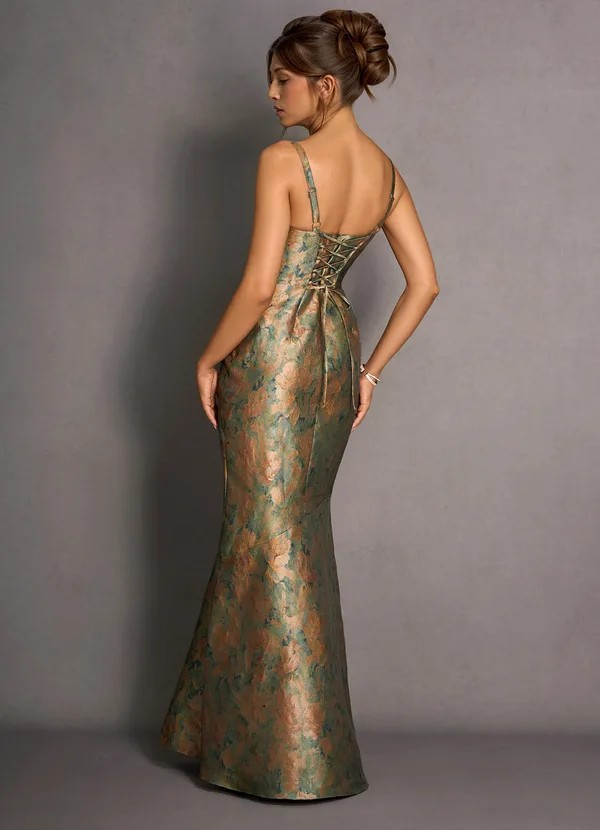
Choosing the right dress for a gala can feel overwhelming. You want to look elegant, feel comfortable, and match the event’s formality. Whether you’re attending a charity gala, corporate fundraiser, or black-tie event, the right formal dress makes all the difference.
This guide breaks down the best gala dress styles, fabrics, and colors. You’ll learn how to choose the right length, what silhouettes flatter different body types, and how much time to allow for ordering and alterations.
We’ve included sizing tips, styling advice, and answers to the most common gala dress questions. By the end, you’ll know exactly which formal dress style works best for your gala event.
Quick Answer
Floor-length gowns in A-line, sheath, or mermaid silhouettes are best for galas. Choose luxe fabrics like satin, silk, chiffon, or sequined materials. Allow 6–8 weeks for ordering and alterations. Plan 2–3 fittings if hemming or strap adjustments are needed. Classic colors include black, navy, burgundy, emerald, and metallics like gold or silver.
Formal vs Gala: Key Differences
| Feature | Gala Dress | Standard Formal Dress |
| Length | Floor-length (required) | Floor or ankle-length |
| Formality | Black-tie or white-tie | Black-tie or semi-formal |
| Fabrics | Silk, satin, sequins, tulle | Satin, chiffon, lace, velvet |
| Details | Statement features (trains, embellishments) | Elegant but simpler |
| Accessories | Formal jewelry, evening clutch | Statement jewelry, clutch |
| Shoes | Formal heels, strappy sandals | Heels or dressy flats |
Galas typically require the highest level of formal attire. Floor-length gowns are standard. If the invitation specifies white-tie, long gloves and more elaborate details are expected.
Best Formal Dress Silhouettes for Galas
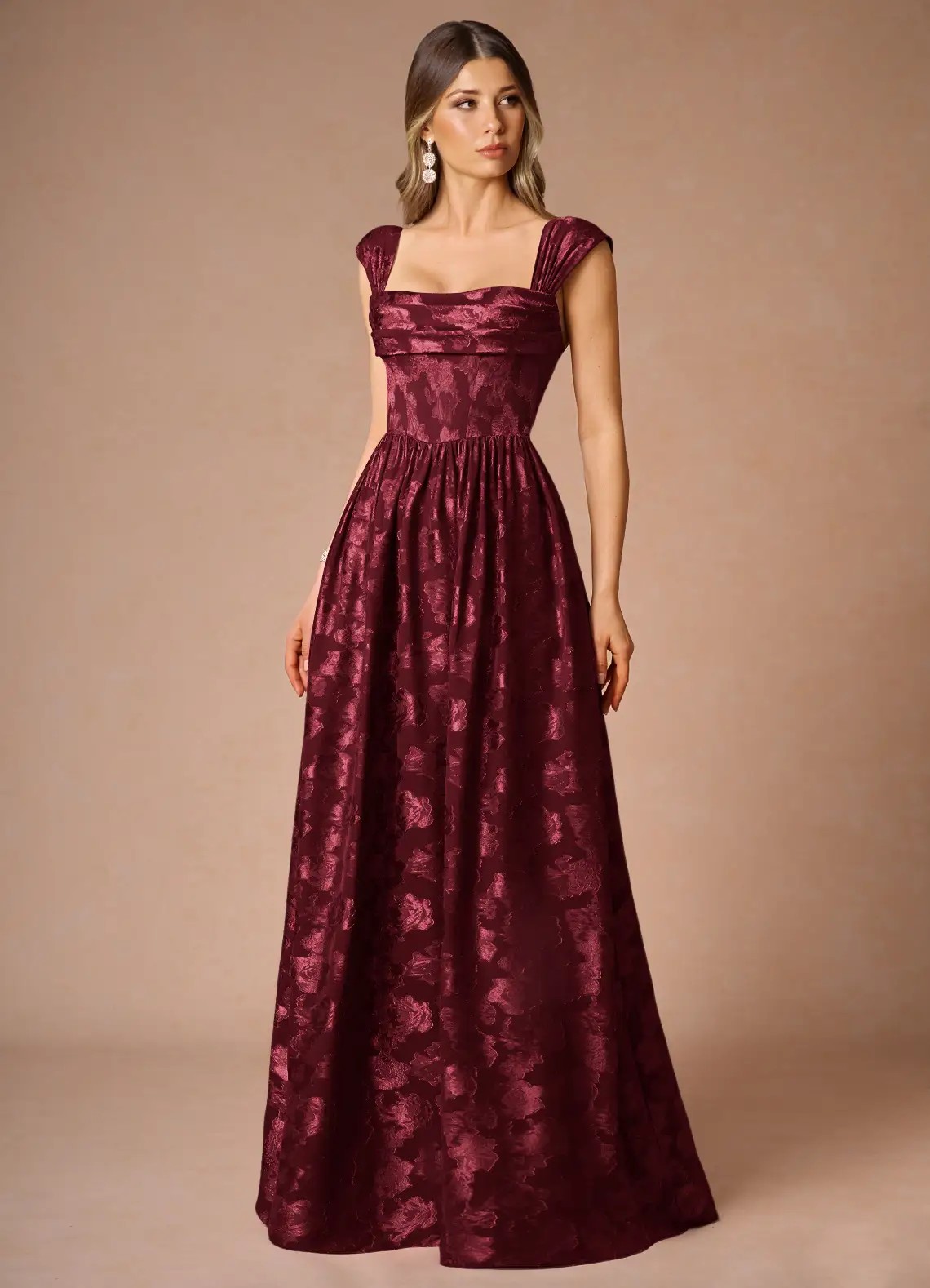
A-Line Gowns
A-line gowns fit at the bodice and gradually flare from the waist to the hem. This silhouette flatters most body types by balancing proportions and creating a graceful, flowing shape.
Why It Works:
- Skims the hip area without clinging
- Creates elegant movement when walking
- Works for pear-shaped, hourglass, and apple-shaped figures
- Easy to alter for length
Styling Tips: Pair with simple jewelry to let the silhouette shine. Add a statement necklace if the neckline is simple. Choose strappy heels or pointed pumps.
Azazie Options: Look for A-line gowns in chiffon overlays or satin bases. Many include V-necks, sweetheart necklines, or illusion details.
Sheath and Column Gowns
Sheath gowns follow the body’s natural lines from bust to hem without excessive flare. Column gowns are similar but typically more structured. Both create sleek, modern silhouettes.
Why It Works:
- Elongates the frame
- Highlights curves without adding volume
- Ideal for hourglass and athletic builds
- Pairs well with bold jewelry
Styling Tips: Choose stretch fabrics for comfort. Add a statement clutch and chandelier earrings. Keep necklines simple or try halter and high-neck styles.
Best For: Evening galas, modern venues, women who prefer streamlined looks.
Mermaid and Trumpet Gowns
Mermaid gowns fit closely through the bodice, waist, and hips, then flare dramatically at or below the knee. Trumpet gowns flare slightly higher, around mid-thigh.
Why It Works:
- Accentuates curves
- Creates dramatic, show-stopping effect
- Works best for hourglass figures
- Adds Old Hollywood glamour
Styling Tips: Keep accessories minimal to balance the dramatic silhouette. Choose fitted bodices with sweetheart or off-shoulder necklines. Pair with sleek updos.
Best For: Black-tie galas, formal fundraisers, confident wearers comfortable with fitted styles.
Ball Gowns
Ball gowns feature fitted bodices and full, voluminous skirts. They create the most dramatic, princess-like effect and work well for white-tie or ultra-formal galas.
Why It Works:
- Hides hip and thigh area completely
- Creates fairytale elegance
- Works for pear-shaped and apple-shaped figures
- Makes a statement entrance
Styling Tips: Choose embellished bodices or statement necklines. Pair with formal updos and elegant jewelry. Keep shoes simple since skirts conceal them.
Best For: Charity galas, award ceremonies, white-tie events.
Empire Waist Gowns
Empire waist gowns have a high waistline that sits just below the bust, with fabric flowing down to the hem. This style creates a vertical line and works for many body types.
Why It Works:
- Elongates the torso
- Comfortable for long events
- Flatters apple-shaped and pregnant figures
- Pairs well with detailed necklines
Styling Tips: Add sparkle with jewelry or embellished bodices. Choose soft, flowing fabrics like chiffon. Pair with simple heels.
Best For: Spring and summer galas, maternity-friendly events, comfort-focused wearers.
Steps to Choose Your Gala Dress
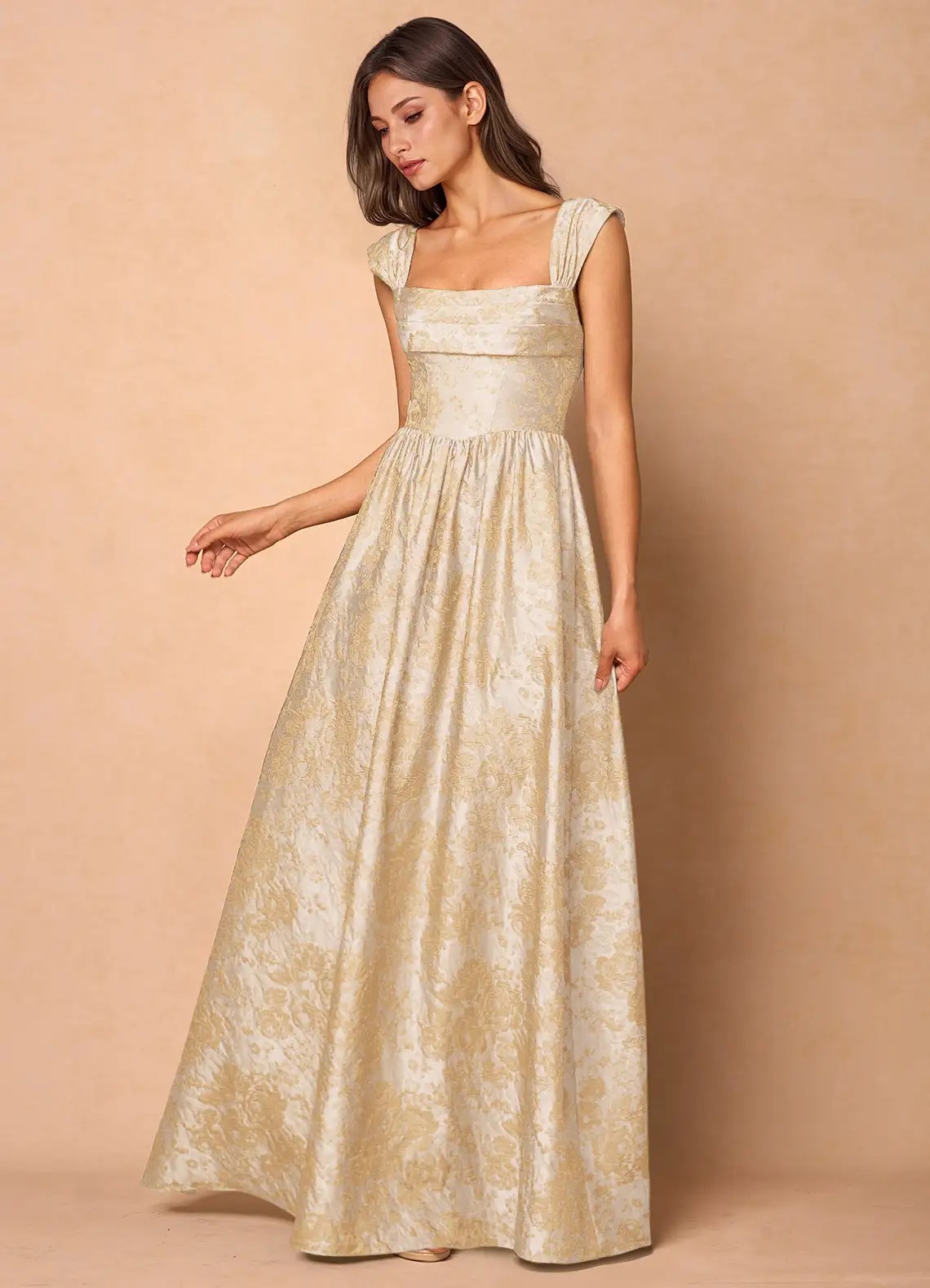
- Check the invitation for dress code. Look for keywords: black-tie, white-tie, formal, or gala. Black-tie requires floor-length gowns. White-tie requires the most formal gowns with long gloves and elaborate details.
- Measure yourself accurately. Record bust, waist, hips, and hollow-to-floor measurement. Wear the bra and undergarments you’ll use with the gown. Use Azazie’s size chart or select custom sizing.
- Choose silhouette based on body type and comfort. A-line suits most figures. Mermaid highlights curves. Ball gowns conceal lower body. Sheath creates modern elegance. Pick what makes you feel confident.
- Select fabric and color. Silk and satin add luxury. Chiffon creates softness. Sequins and metallics catch light. Choose classic colors (black, navy, burgundy) or jewel tones (emerald, sapphire). Avoid casual fabrics.
- Order 6–8 weeks ahead. Allow time for production, shipping, and alterations. Schedule 2–3 fittings. Final fitting should be 1 week before the gala. Steam or press the gown 24 hours before wearing.
Fabric Guide for Gala Dresses
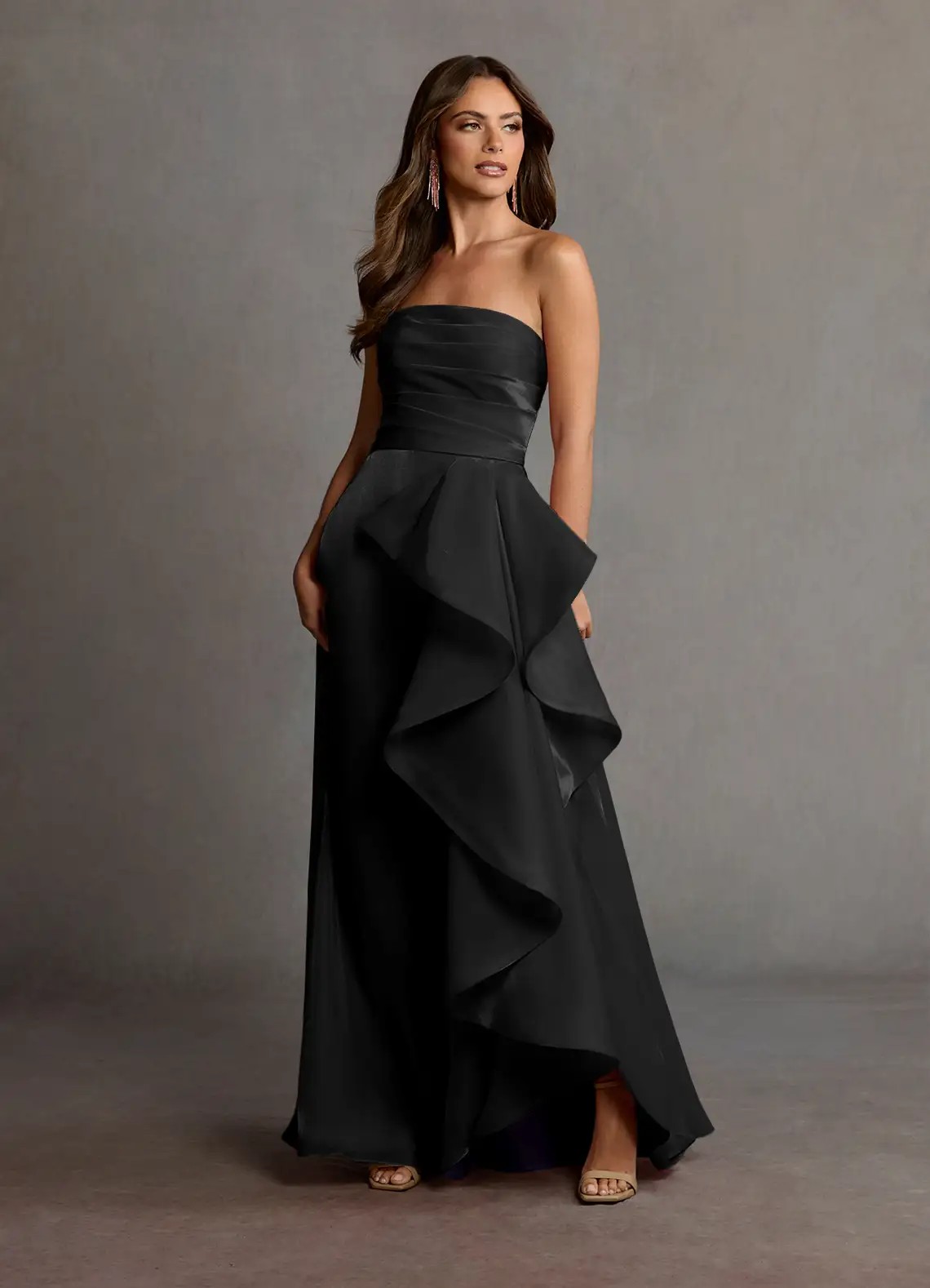
Silk
Silk is the most luxurious natural fabric. It drapes beautifully, feels soft against skin, and holds color well. Silk gowns look expensive and work for white-tie and black-tie galas.
Pros: Luxe appearance, breathable, timeless
Cons: Expensive, wrinkles easily, requires dry cleaning
Best For: Ultra-formal galas, classic elegance
Satin
Satin has a glossy, smooth finish that reflects light. It creates structure and works well for fitted bodices and A-line skirts. Satin gowns photograph beautifully.
Pros: Elegant sheen, holds shape, widely available
Cons: Shows wrinkles, can cling to skin, heavy in humid weather
Best For: Black-tie galas, evening events, structured silhouettes
Chiffon
Chiffon is lightweight and sheer, often used in layers or overlays. It creates soft, flowing movement and pairs well with other fabrics.
Pros: Airy, romantic, comfortable in warm weather
Cons: Needs lining, tears easily, less structured
Best For: Spring and summer galas, layered looks, empire waist gowns
Tulle
Tulle is a fine netting fabric used to create volume in skirts. It’s common in ball gowns and adds fairytale elegance without excessive weight.
Pros: Creates volume, lightweight, holds shape
Cons: Can scratch skin (needs lining), less formal on its own
Best For: Ball gowns, voluminous skirts, dramatic entrances
Sequins and Beaded Fabrics
Sequined and beaded fabrics add sparkle and catch light from every angle. They create statement looks and work for evening galas.
Pros: Eye-catching, photographed well, festive
Cons: Heavy, can snag, requires careful handling
Best For: Evening galas, holiday fundraisers, bold wearers
Velvet
Velvet is a rich, plush fabric that adds depth and texture. It works best for fall and winter galas and creates vintage elegance.
Pros: Luxe appearance, warm, rich color depth
Cons: Hot in warm weather, shows wear, requires special care
Best For: Fall and winter galas, vintage themes, cooler climates
Lace
Lace adds texture and romance. It’s often used as overlay or in bodice details. Lace gowns feel elegant without being overly formal.
Pros: Textured, romantic, works with other fabrics
Cons: Can snag, requires lining, harder to alter
Best For: Romantic galas, vintage themes, overlays
Color Selection for Gala Dresses
Classic Neutrals
Black: Timeless, elegant, easy to accessorize. Works for all gala types. Pair with statement jewelry.
Navy: Sophisticated, rich, slightly softer than black. Works year-round. Pair with silver or gold accessories.
Charcoal: Modern neutral that photographs well. Works for corporate galas.
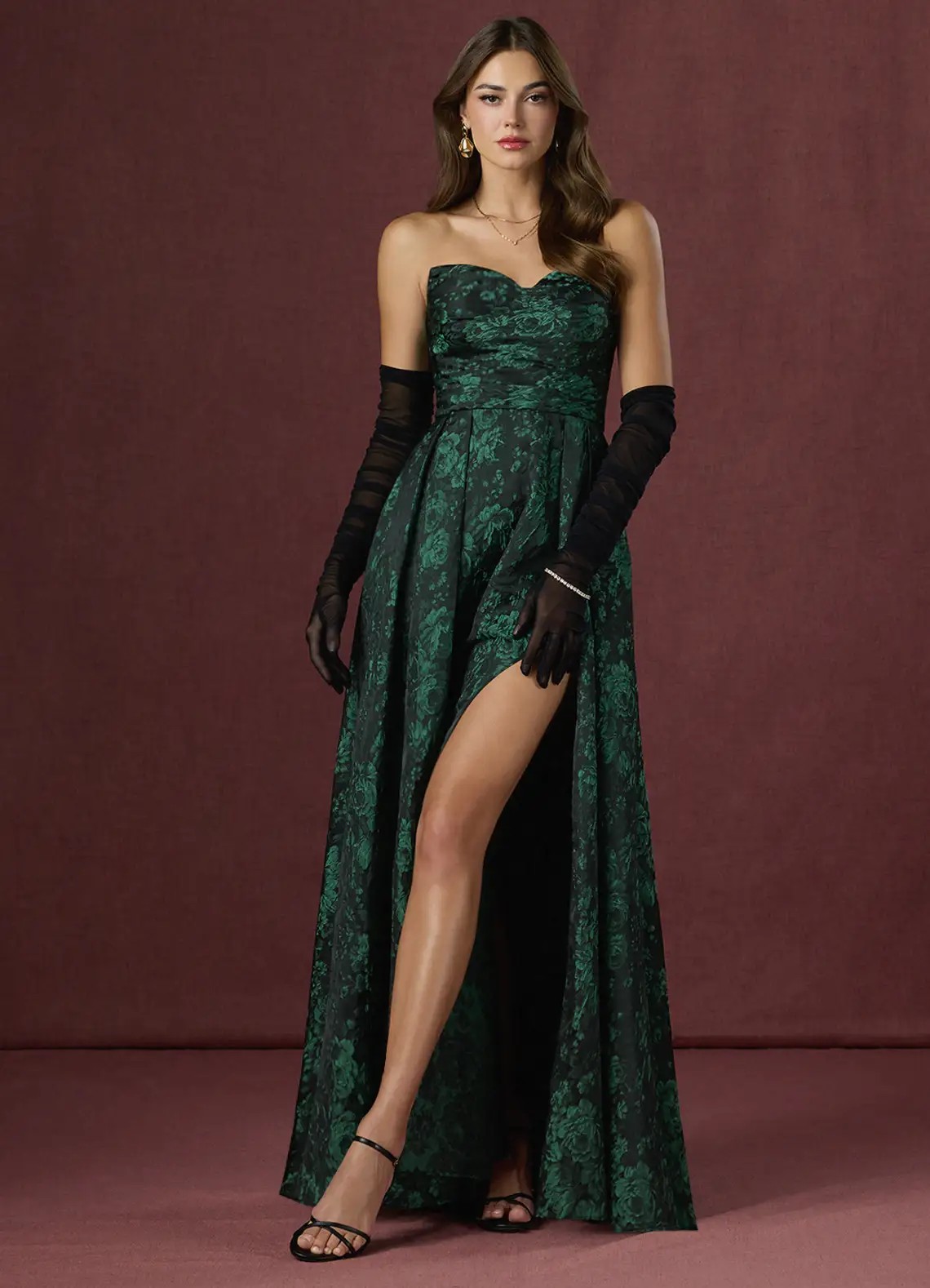
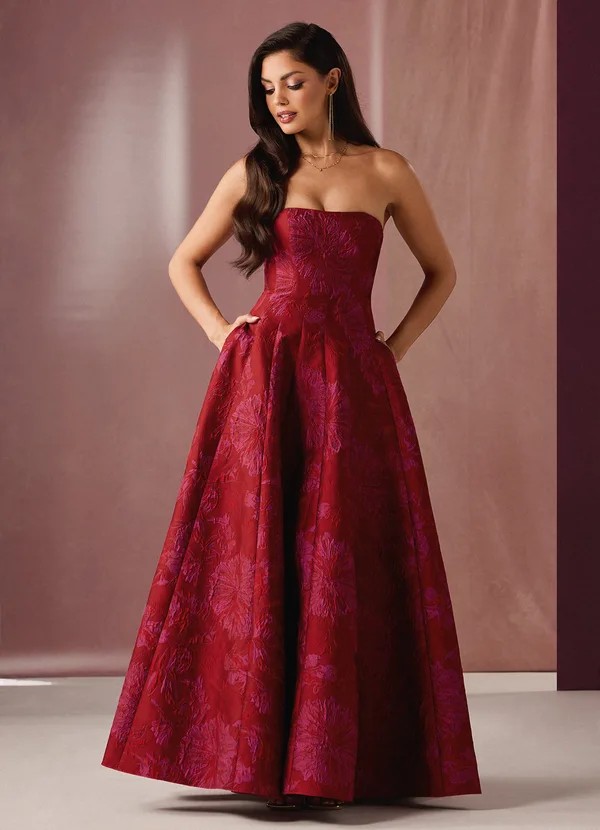
Burgundy/Wine: Deep red with elegance. Works for fall and winter galas. Pair with gold or rose gold.
Jewel Tones
Emerald Green: Rich, bold, flattering for many skin tones. Works for evening galas.
Sapphire Blue: Deep, elegant, photographs beautifully. Works year-round.
Ruby Red: Bold, confident, makes a statement. Works for evening and holiday galas.
Amethyst Purple: Unique, elegant, stands out without being loud.
Metallics
Gold: Warm, festive, pairs well with darker skin tones. Best for evening galas.
Silver: Cool, elegant, pairs well with lighter skin tones. Works for modern venues.
Rose Gold: Soft, romantic, trending. Works for spring and fall galas.
Bronze/Copper: Warm, unique, works for autumn galas.
Pastels and Light Tones
Blush Pink: Soft, romantic, works for spring galas.
Champagne: Subtle elegance, works for daytime or evening.
Pale Blue: Ethereal, works for summer galas.
Mint/Sage: Fresh, works for garden or outdoor galas.
Colors to Avoid
Pure White: Reserved for brides. Avoid unless specifically requested.
Neon Shades: Too casual for galas.
Bright Yellow or Orange: Hard to accessorize, can wash out in photos.
Patterns with Large Prints: Compete with jewelry and overwhelm photos.
Length and Hemline Options
Floor-Length (Standard for Galas)
Floor-length gowns are expected at most galas. The hem should graze the floor when wearing heels. This length creates elegance and formality.
Hem Tips:
- Wear the heels you’ll use at the gala during fittings
- Allow 1/4 to 1/2 inch clearance from the floor
- Consider bustling if the gown has a train
Train Options
Sweep Train: Extends 6–12 inches beyond the hem. Elegant without being excessive.
Chapel Train: Extends 12–18 inches. More dramatic, works for formal galas.
Cathedral Train: Extends 18+ inches. Reserved for white-tie or ultra-formal galas.
Detachable Train: Can be removed for dancing. Practical for long events.
High-Low Hemlines
High-low gowns are shorter in front and longer in back. They’re less formal than full floor-length but acceptable for some galas.
When to Choose: Semi-formal galas, outdoor venues, comfort-focused events.
When to Avoid: Black-tie or white-tie galas, traditional venues.
Sizing and Fit Tips
Standard vs Custom Sizing
Azazie offers standard sizes (US 00–30) and free custom sizing. Custom sizing uses your exact measurements for a tailored fit without extra cost.
When to Choose Custom:
- Between standard sizes
- Tall or petite (under 5’2″ or over 5’10”)
- Unique proportions (long torso, short waist, fuller bust)
- Want minimal alterations
When Standard Works:
- Measurements align perfectly with size chart
- Prefer loose fit
- Easy access to skilled tailors
How to Measure
- Bust: Measure around the fullest part while wearing your gala bra.
- Waist: Measure at the narrowest point, typically 1–2 inches above the navel.
- Hips: Measure around the fullest part, about 7–9 inches below the waist.
- Hollow to Floor: Stand straight in heels. Measure from the hollow at the base of your neck straight down to the floor.
- Height: Stand against a wall without shoes. Measure from top of head to floor.
Record all measurements. Compare with Azazie’s size chart. When in doubt, size up—taking in is easier than letting out.
Alterations and Fittings
Most gala gowns need 2–3 fittings. Common alterations include hemming, strap adjustments, taking in the bodice or waist, and bustling trains.
Fitting Timeline:
- First fitting: 3–4 weeks after receiving the gown
- Alterations: 2–3 weeks
- Second fitting: 2 weeks before the gala
- Final fitting: 1 week before the gala
Alteration Costs:
- Hemming: 30–60 dollars
- Strap adjustments: 20–40 dollars
- Taking in bodice/waist: 40–80 dollars
- Adding bustle: 30–50 dollars
- Total estimate: 100–150 dollars for basic alterations
Undergarments and Foundation
The right undergarments make or break your gala gown fit. Bring them to all fittings.
Strapless Gowns: Structured strapless bra or corset-style bra.
Backless Gowns: Adhesive bras, stick-on cups, or built-in support.
Fitted Gowns: Seamless shapewear to smooth lines.
Full Skirts: Slip or petticoat if needed for volume.
Timing and Order Planning
How Far in Advance to Order
Standard Orders: Allow 6–8 weeks for production, shipping, and alterations.
Custom Sizing: Same timeline. Custom options don’t extend production time at Azazie.
Rush Orders: Some styles ship within 2–3 weeks. Check product pages for “Ships Now” labels.
Peak Seasons: Order 8–10 weeks ahead during wedding season (May–October) and holiday gala season (November–December).
Sample Program
Azazie offers try-at-home samples for 10 dollars per gown (refundable with purchase). Samples ship in 2–3 business days. Keep for up to 7 days.
Best For:
- First-time gala attendees
- Between sizes
- Unsure about silhouette or color
- Want to test multiple styles
How It Works:
- Select up to 3 samples
- Pay 10 dollars per sample (refunded with purchase)
- Receive samples in 2–3 days
- Try at home for up to 7 days
- Return in prepaid envelope
- Order your final gown with confidence
Body Type Recommendations
Pear-Shaped (Narrow Shoulders, Wider Hips)
Best Silhouettes: A-line, ball gown, empire waist
Why: These styles balance proportions by adding volume on top and skimming the hips.
Details to Look For: Embellished bodices, statement necklines, cap or off-shoulder sleeves
Avoid: Mermaid styles, heavy hip details, drop waist
Hourglass (Defined Waist, Balanced Bust and Hips)
Best Silhouettes: Mermaid, sheath, fit-and-flare
Why: These styles highlight natural curves without adding unnecessary volume.
Details to Look For: Cinched waists, sweetheart necklines, wrap details
Avoid: Empire waist (hides curves), shapeless column gowns
Apple-Shaped (Fuller Midsection, Slender Legs)
Best Silhouettes: Empire waist, A-line, ball gown
Why: These styles define the waist higher and draw attention upward.
Details to Look For: V-necks, vertical seams, embellished necklines
Avoid: Mermaid styles, horizontal details at waist, drop waist
Rectangle (Balanced Bust, Waist, Hips)
Best Silhouettes: Fit-and-flare, ball gown with belted waist
Why: These styles create the illusion of curves.
Details to Look For: Belts, peplum details, ruching at waist
Avoid: Straight column gowns, shapeless empire waist
Petite (Under 5’4″)
Best Silhouettes: Sheath, column, empire waist
Why: These elongate the frame without overwhelming with fabric.
Details to Look For: High waists, V-necks, vertical seams
Avoid: Ball gowns with excessive volume, heavy fabrics, long trains
Tall (Over 5’10”)
Best Silhouettes: Any, but particularly sheath and mermaid
Why: Tall frames carry dramatic silhouettes beautifully.
Details to Look For: Floor-length with trains, high slits, statement backs
Avoid: Overly short hems, styles that ride up
Plus-Size
Best Silhouettes: A-line, empire waist, fit-and-flare
Why: These styles skim rather than cling, creating elegant lines.
Details to Look For: Stretch panels, structured bodices, defined waistlines
Avoid: Stiff fabrics, mermaid styles without stretch, excessive ruffles
Gala Dress Care
Before the Gala
Steam: Remove wrinkles with a steamer 24 hours before the event. Hang in a steamy bathroom or use a handheld steamer.
Spot Clean: Treat small stains immediately with a damp cloth and mild detergent. Test on an inconspicuous area first.
Store Properly: Hang on a padded hanger in a breathable garment bag. Keep in a cool, dry place.
During the Gala
Eating: Use napkins carefully. Eat small bites to avoid spills.
Sitting: Gather skirts before sitting to avoid wrinkles and damage.
Dancing: Bustle trains if possible. Watch for snags on jewelry or shoes.
After the Gala
Air Out: Hang the gown in a well-ventilated area for 24 hours to release odors.
Inspect: Check for stains, tears, or loose beading issues immediately.
Dry Clean: Take the gown to a professional dry cleaner within a week. Specify any stains or delicate areas.
Store Long-Term: Clean before storing. Use acid-free tissue paper to stuff bodices and prevent creasing. Store in a breathable garment bag away from sunlight.
Conclusion
Choosing the best formal dress for a gala comes down to understanding your body type, the event’s formality, and your personal comfort. Floor-length gowns in A-line, sheath, or mermaid silhouettes work for most galas.
Choose luxe fabrics like satin, silk, or sequined materials in classic colors or jewel tones. Allow 6–8 weeks for ordering and plan 2–3 fittings for alterations.
The right gown should make you feel confident, elegant, and comfortable throughout the event. Whether you choose a dramatic ball gown, sleek sheath, or flattering A-line, focus on quality fabrics, proper fit, and styling that reflects your personality.
With proper planning, accurate measurements, and thoughtful accessorizing, you’ll find the perfect gala gown that lets you shine.
Frequently Asked Questions
What is the most flattering gown style for a gala?
A-line gowns flatter most body types by skimming the hips and creating balance. They work for pear-shaped, hourglass, and apple-shaped figures. Choose structured bodices with V-necks or sweetheart necklines for added elegance.
Can I wear a cocktail dress to a gala?
No, most galas require floor-length gowns. Cocktail dresses are too short and informal for black-tie or white-tie events. Check your invitation for dress code specifics. If in doubt, choose a floor-length gown.
How many fittings does a gala gown need?
Plan for 2–3 fittings. The first fitting identifies needed alterations (hemming, straps, waist). The second fitting checks progress. The final fitting ensures everything fits perfectly. Allow 2–3 weeks between fittings for alterations.
What colors are best for evening galas?
Classic colors include black, navy, burgundy, and emerald green. Jewel tones (sapphire, ruby, amethyst) photograph well. Metallics (gold, silver, rose gold) add sparkle. Avoid pure white, neon shades, and overly bright patterns.
Should I choose custom sizing or standard sizing?
Choose custom sizing if you’re between standard sizes, have unique proportions, or are very tall or petite. Custom sizing is free at Azazie and reduces alteration needs. Standard sizing works if your measurements align perfectly with the size chart.
How do I choose between mermaid and A-line?
Mermaid gowns highlight curves and work best for hourglass figures. They’re dramatic but less comfortable for sitting and eating. A-line gowns suit most body types, offer more comfort, and allow easier movement. Choose based on your body type and event activities.
Can I wear a gown with a train to a gala?
Yes, gowns with sweep or chapel trains are appropriate for black-tie galas. Consider a bustle for dancing and practicality, especially at crowded events. Cathedral-length trains are best reserved for ultra-formal or white-tie galas.
What undergarments work best with gala gowns?
Strapless gowns: use a structured strapless bra or corset bra. Backless gowns: use adhesive cups or built-in support. Fitted gowns: seamless shapewear smooths lines. Full skirts: a slip or petticoat can enhance volume. Always bring undergarments to fittings.
How should I accessorize a gala gown?
Keep accessories balanced: statement necklaces or chandelier earrings work, but avoid both at once. Pair metallic or jewel-tone gowns with coordinated shoes and clutch. For ball gowns, keep shoes simple since the skirt often hides them.
How do I care for my gala gown before and after the event?
Before: Steam 24 hours prior, spot clean stains, and store on a padded hanger in a breathable garment bag. During: Bustle trains when sitting or dancing, avoid spills, and watch jewelry. After: Air out for 24 hours, inspect for damage, dry clean delicate fabrics, and store with acid-free tissue in a cool, dry place.