
What is the best formal dress for a wedding guest?
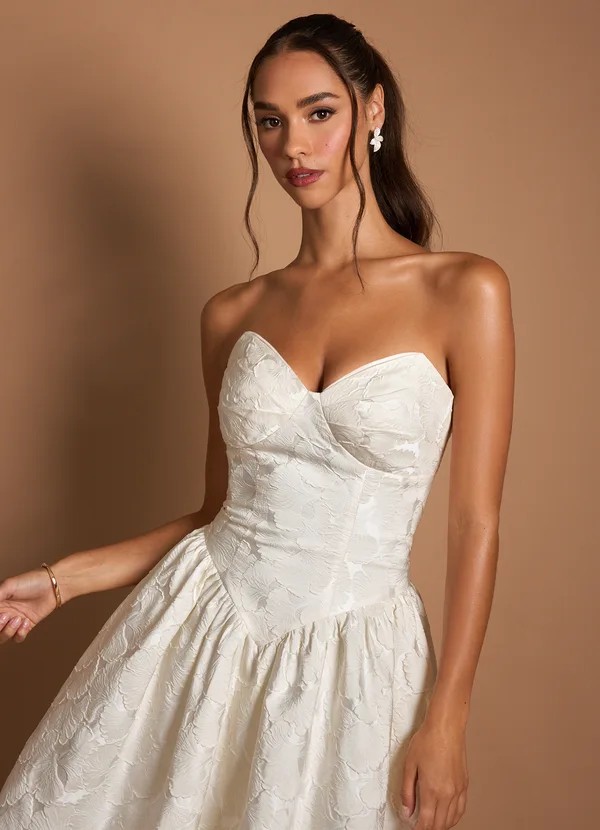
The best formal dresses for a wedding guest is a midi or maxi length in chiffon or satin. A-line and sheath silhouettes work for most body types.
Choose colors that match the season and venue—pastels for spring, jewel tones for fall. Plan to order 3–4 weeks before the event. Most guests need one fitting for hem adjustments.
Wedding Guest Dress Comparison Table
| Dress Type | Best For | Length | Fabrics | When to Wear |
| A-line maxi | Black-tie weddings | Floor-length | Chiffon, satin | Evening formal events |
| Sheath midi | Cocktail attire | Knee to mid-calf | Stretch satin, crepe | Garden, daytime weddings |
| Fit-and-flare | Semi-formal | Midi | Pleated chiffon | Spring, summer receptions |
| Pleated gown | Formal receptions | Maxi | Chiffon, tulle | Indoor evening events |
| Corset midi | Modern formal | Knee-length | Satin, lace | Cocktail parties |
How to Choose Your Wedding Guest Formal Dress

Follow these 5 steps to find the right dress:
Step 1: Check the dress code
Read the invitation carefully. Black-tie needs a long gown. Cocktail or semi-formal works with midi formal dresses. When in doubt, ask the couple or check the wedding website.
Step 2: Match the season and venue
Pick light fabrics for outdoor summer weddings. Choose rich colors and heavier fabrics for fall and winter events. Garden weddings call for flowy, soft silhouettes.
Step 3: Pick your silhouette
A-line flatters most body types. Sheath highlights curves. Fit-and-flare defines the waist and moves easily. Choose a style you can sit and dance in comfortably.
Step 4: Select appropriate colors
Avoid white, ivory, cream, and champagne—these are reserved for the bride. Safe choices include navy, burgundy, emerald, teal, blush, and black. Check with the couple if their wedding party wears a specific color.
Step 5: Order with time for alterations
Order 3–4 weeks before the wedding. Schedule one fitting for hem and strap adjustments. Allow 1–2 weeks between ordering and the first fitting.
Best Formal Dress Styles for Wedding Guests
A-Line Maxi Dresses
- Flow from waist to floor in a flattering shape
- Work for most body types and heights
- Move easily for dancing and socializing
- Ideal for black-tie and formal evening weddings
The A-line silhouette is the most versatile choice. It skims the hips without clinging.
Sheath and Bodycon Styles
- Follow your natural shape closely
- Best in stretch fabrics for comfort
- Pair well with statement jewelry
- Perfect for cocktail and semi-formal events
These styles look modern and sleek. Choose satin or crepe that has some give.
Pleated Gowns
- Add movement and visual interest
- Hide areas you want less emphasis on
- Catch light beautifully at evening events
- Require minimal accessories
Pleated chiffon flows gracefully when you walk. It photographs well in both indoor and outdoor settings.
Corset and Two-Piece Designs
- Offer adjustable fit at the bodice
- Create a modern, fashion-forward look
- Work for younger guests and contemporary weddings
- Allow mixing of top and skirt colors
Corset styles give extra support. They stay secure through long receptions.
What Length Should a Wedding Guest Formal Dress Be?
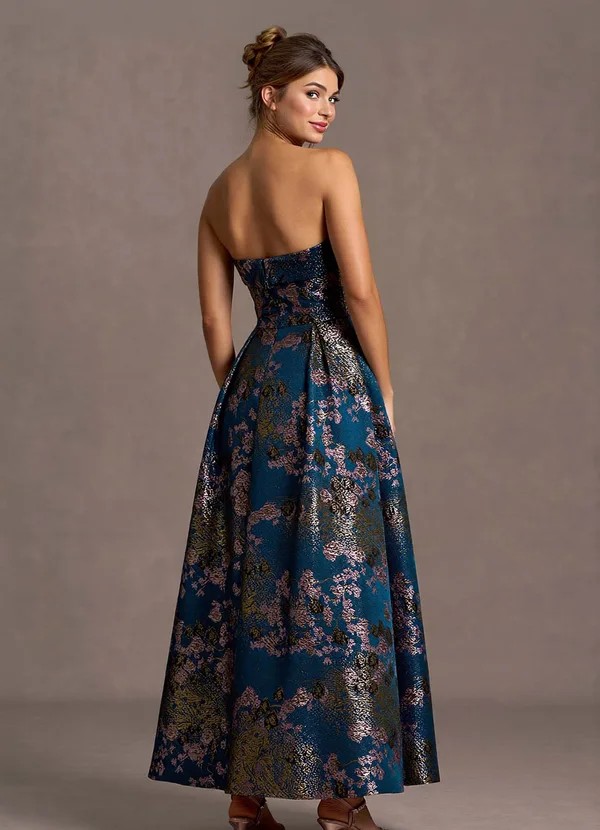
Black-Tie Weddings
- Floor-length gowns are expected
- Maxi dresses should just touch the floor
- Hem should clear your shoes by half an inch
- Bring the dress to your fitting with your shoes
Black-tie is the most dress code. A long gown shows respect for the occasion.
Cocktail and Semi-Formal
- Midi length (knee to mid-calf) is safe
- Tea-length works for daytime events
- Knee-length is acceptable for less formal receptions
- Avoid anything shorter than knee-length
Cocktail attire gives you more flexibility. Choose a length that feels comfortable and appropriate.
Garden and Outdoor Weddings
- Midi or maxi lengths work best
- Avoid floor-length in grass or sand
- Choose fabrics that won’t drag or snag
- Consider ankle-length for beach settings
Outdoor venues need practical hemlines. You’ll walk on uneven ground and grass.
Best Fabrics for Wedding Guest Dresses
| Fabric | Weight | Best Season | Care Level | Wrinkle Resistance |
| Chiffon | Light | Spring, summer | Easy | Moderate |
| Satin | Medium | Fall, winter | Steam only | Low |
| Stretch satin | Medium | Year-round | Easy | High |
| Crepe | Medium | Year-round | Easy | High |
| Tulle | Light | Spring | Handle gently | High |
Chiffon
- Flows beautifully and feels lightweight
- Works in warm weather and outdoor venues
- Needs careful handling but easy to store
- Photographs well with soft draping
Chiffon is the most popular choice for wedding guests. It moves gracefully when you dance.
Satin and Stretch Satin
- Gives a polished, elegant look
- Holds shape through long events
- Stretch versions offer more comfort
- Best for indoor, climate-controlled venues
Satin looks formal and luxurious. Choose stretch satin if you want more ease of movement.
Crepe
- Modern, structured appearance
- Resists wrinkles during travel
- Holds its shape without being stiff
- Ideal for sheath and bodycon styles
Crepe is practical for destination weddings. It packs well and needs minimal steaming.
Color Guide for Wedding Guest Formal Dresses
Safe Colors for Any Wedding
- Navy blue: classic and universally appropriate
- Burgundy and wine: elegant for fall and winter
- Emerald and teal: rich jewel tones
- Blush and dusty rose: soft and feminine
- Black: acceptable for evening events
These colors work for most weddings. They photograph well and won’t clash with wedding party colors.
Colors to Approach with Caution
- White, ivory, cream, champagne: reserved for the bride
- Bright red: can draw attention away from the couple
- Gold and metallic: check if the wedding party wears these
- Bright yellow: difficult to wear and photograph
When in doubt, ask the couple or a member of the wedding party. Some weddings have specific color themes.
Seasonal Color Recommendations
Spring Weddings:
- Soft pastels like blush, lavender, mint
- Light florals and soft patterns
- Pale blue and powder pink
- Avoid heavy, dark colors
Summer Weddings:
- Bright jewel tones like cobalt and coral
- Tropical colors for destination events
- Light neutrals like taupe and sand
- Floral prints in vibrant shades
Fall Weddings:
- Deep reds, burgundy, plum
- Forest green and olive
- Bronze and rust tones
- Navy and charcoal
Winter Weddings:
- Rich jewel tones like sapphire and ruby
- Metallic silver and gold accents
- Black for formal evening events
- Deep purple and cranberry
How to Style Your Wedding Guest Formal Dress
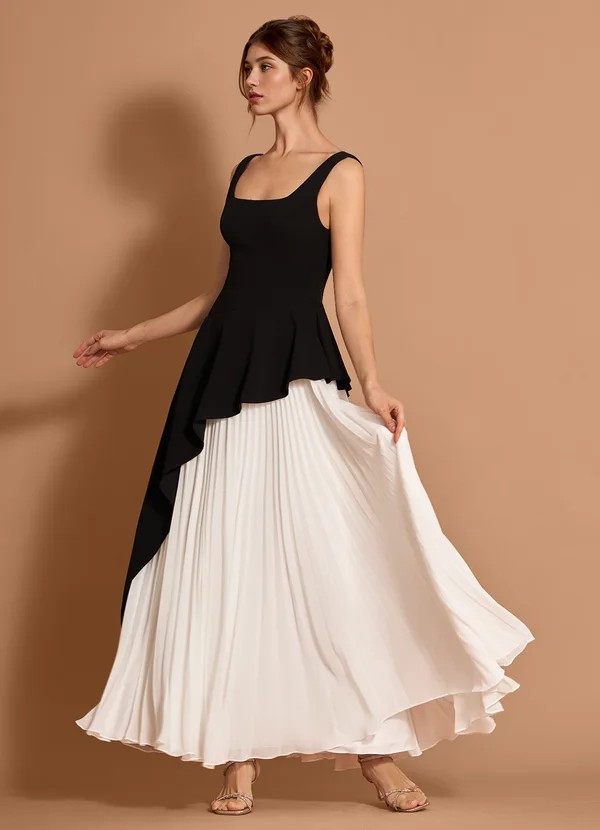
Jewelry and Accessories
- Keep jewelry simple if the dress has details
- Statement necklace works with strapless styles
- Drop earrings suit most necklines
- Skip the necklace with high-neck or busy bodices
One statement piece is enough. Let the dress be the focus.
Shoes
- Match heel height to dress length
- Choose shoes you can walk and dance in
- Bring backup flats for outdoor events
- Break in new shoes before the wedding
Comfort matters for events lasting 4–6 hours. Test your shoes at home first.
Outerwear and Wraps
- Bring a wrap or shawl for air-conditioned venues
- Match metals in your wrap clasp to your jewelry
- Choose neutral colors that don’t clash
- Consider a tailored blazer for daytime events
Evening temperatures can drop quickly. A wrap keeps you comfortable during outdoor ceremonies.
Frequently Asked Questions
Is it okay to wear black to a wedding?
Yes, black is acceptable for wedding guests, especially at evening and formal events. Choose a dress with interesting details like pleating or a corset bodice to avoid looking too somber. Add colorful jewelry or shoes to brighten the look.
Black works well for fall and winter weddings. It’s elegant and photographs beautifully.
Can I wear a jumpsuit instead of a dress?
Jumpsuits are acceptable for semi-formal and cocktail weddings. Choose a style in formal fabrics like satin or chiffon. Wide-leg designs look more formal than fitted styles.
Avoid jumpsuits at black-tie weddings. Stick with a long gown for the most formal events.
What should I avoid wearing to a wedding?
Never wear white, ivory, cream, or champagne—these colors are reserved for the bride. Avoid anything too short, too casual, or overly revealing. Skip jeans, t-shirts, flip-flops, and athletic wear.
Respect the dress code on the invitation. When in doubt, dress slightly more formal.
How many fittings will I need for a wedding guest dress?
Most wedding guests need just one fitting for hem adjustments and strap alterations. Order your dress 4–6 weeks before the wedding. Schedule your fitting 1–2 weeks after ordering.
Bring your shoes to the fitting. The hem should just clear the floor when you’re standing.
What if the wedding has an unusual dress code?
Some weddings request specific themes like “garden party attire” or “festive cocktail.” Research the term online or ask the couple for guidance. Look for inspiration on wedding websites or style galleries.
Creative dress codes give you flexibility. Lean toward slightly more formal rather than too casual.
Can I wear the same dress to multiple weddings?
Yes, you can wear the same formal dress to different weddings, especially if the guest lists don’t overlap. Change your accessories, shoes, and hairstyle to create different looks. Choose classic styles in versatile colors for maximum wear.
A well-made formal dress is an investment. Neutral colors and simple silhouettes work for many events.
Can I wear a patterned dress to a wedding?
Yes, subtle patterns and florals are appropriate, especially for daytime or garden weddings. Avoid bold graphics or anything that could draw attention away from the couple.
How do I choose shoes for different wedding venues?
For outdoor weddings, avoid stilettos in grass or sand—opt for wedges or block heels. For indoor or black-tie events, classic pumps or strappy heels work best. Always bring backup flats for dancing or long receptions.
Are strapless or off-shoulder styles appropriate?
Yes, strapless or off-shoulder dresses are suitable for weddings, but make sure they fit securely. Use fashion tape or built-in support to prevent slipping, especially during dancing.
How do I accessorize without upstaging the bride?
Keep accessories elegant but understated. Choose one statement piece, like earrings or a bracelet, and match metals with your shoes or clutch. Avoid overly flashy jewelry or headpieces unless specified by the wedding theme.