
What is the Best Fabric for a Wedding Guest Dress?
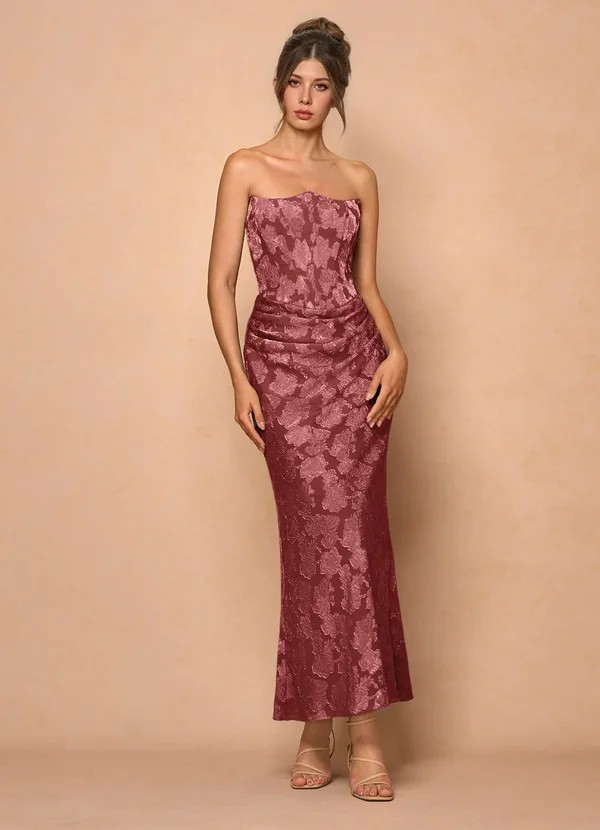
The best fabric for a wedding guest dress depends on season and venue. Chiffon, crepe, and jersey offer breathability and comfort for most weddings.
For summer events, choose lightweight cotton, linen, or chiffon weighing under 12 ounces per square yard. Winter weddings call for velvet, heavy satin, or wool blends that provide warmth without bulk.
Fabric Comparison by Season & Event Type
| Fabric | Season | Breathability | Formality | Weight | Best For |
| Chiffon | Spring/Summer | Excellent | Semi-formal to Formal | Lightweight | Outdoor, garden, beach weddings |
| Crepe | All Seasons | Good | Formal | Medium | Indoor/outdoor, versatile for any event |
| Jersey | All Seasons | Excellent | Semi-formal | Light to Medium | Long events, dancing, casual to semi-formal |
| Satin | Fall/Winter | Low | Formal | Medium to Heavy | Indoor evening events, black-tie |
| Velvet | Fall/Winter | Low | Formal | Heavy | Winter weddings, evening events |
| Linen | Spring/Summer | Excellent | Casual to Semi-formal | Lightweight | Daytime, beach, garden weddings |
| Cotton Blends | Spring/Summer | Excellent | Casual to Semi-formal | Lightweight | Outdoor daytime, casual celebrations |
| Organza | Spring/Summer | Good | Formal | Lightweight | Structured styles, formal outdoor events |
| Silk | All Seasons | Good | Formal | Light to Medium | High-end events, versatile occasions |
Steps to Choose Your Wedding Guest Dress Fabric
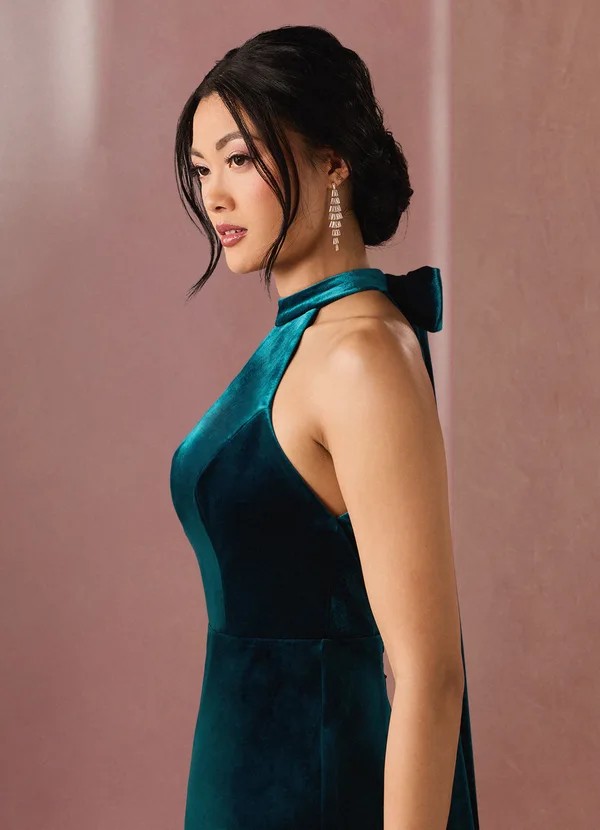
Step 1: Check the Wedding Date & Season
Review the invitation for the wedding date and time. The season determines which fabrics keep you comfortable throughout the event.
Temperature matters more than calendar dates—an early fall wedding in Arizona needs summer fabrics. A late spring wedding in Seattle may require spring-to-fall transitional fabrics.
Step 2: Identify the Venue Type
- Indoor ballroom: Any fabric works; focus on formality
- Outdoor garden: Breathable, flowing fabrics like chiffon or cotton
- Beach ceremony: Lightweight linen, cotton, or light chiffon
- Barn/rustic venue: Natural fibers like cotton, linen, or soft jersey
- Historic mansion: Structured fabrics like crepe or silk
Indoor venues with air conditioning offer more fabric flexibility. Outdoor venues require careful consideration of temperature, humidity, and wind.
Step 3: Match Fabric to Dress Code
- Black-tie/Formal: Satin, silk, heavy crepe, velvet, or structured chiffon
- Semi-formal/Cocktail: Crepe, jersey, medium-weight chiffon, or soft satin
- Garden/Outdoor: Chiffon, organza, light crepe, or flowing cotton
- Casual/Beach: Linen, cotton, lightweight jersey, or cotton blends
The dress code sets the baseline for fabric formality. Don’t wear casual cotton to a black-tie event or heavy velvet to a beach wedding.
Step 4: Consider Your Comfort Needs
Think about how long you’ll wear the dress (4–8 hours typically). Consider whether you’ll be sitting, standing, or dancing most of the time.
Account for your personal temperature tolerance—some people run hot or cold. Choose fabrics that align with your comfort preferences and any skin sensitivities.
Step 5: Evaluate Care Requirements
Some fabrics need dry cleaning while others are machine washable. Consider your budget for dress care after the event.
Wrinkle-prone fabrics like linen and chiffon need steaming. Wrinkle-resistant options like jersey and certain synthetic blends travel better and require less maintenance.
Best Fabrics for Summer Wedding Guest Dresses
Chiffon
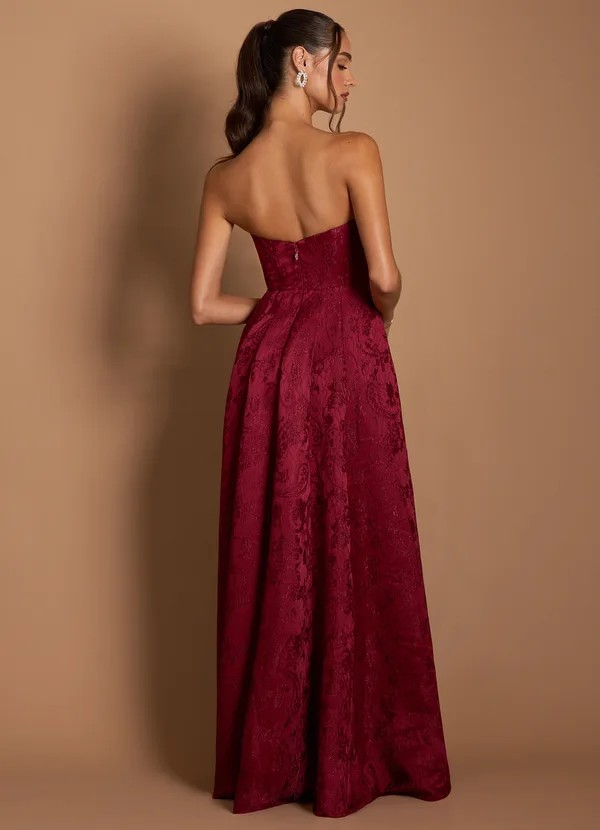
Chiffon is a sheer, lightweight fabric with a soft, flowing drape. It’s woven from silk or synthetic fibers like polyester or rayon.
This fabric excels at outdoor summer weddings because it moves beautifully in the breeze. Multiple layers create opacity without adding weight or heat.
Pros:
- Extremely breathable and lightweight (6–8 oz per square yard)
- Photographs beautifully with natural movement
- Elegant, romantic appearance
- Doesn’t cling to the body in humidity
- Available in endless colors and prints
Cons:
- Snags and tears easily on rough surfaces
- Requires careful handling and storage
- Can wrinkle during travel
- May need multiple layers for full coverage
Best for: Garden ceremonies, outdoor receptions, beach weddings, and any warm-weather event where you’ll be outside for extended periods.
Cotton & Cotton Blends
Natural cotton fiber is one of the most breathable materials available. Cotton blends combine cotton with synthetic fibers for added durability and structure.
Cotton absorbs moisture, keeping you dry and comfortable in humid conditions. Quality cotton maintains its shape and color through multiple wears.
Pros:
- Highly breathable and moisture-wicking
- Soft against sensitive skin
- Machine washable (usually)
- More affordable than silk or luxury fabrics
- Comes in countless styles and weights
Cons:
- Wrinkles very easily
- Can appear too casual for formal events
- May shrink if not pre-shrunk
- Less structured than synthetic options
Best for: Daytime weddings, casual to semi-formal dress codes, outdoor summer celebrations, and anyone with fabric sensitivities.
Linen
Linen is a natural fiber made from the flax plant. It’s known for its crisp texture and exceptional breathability in hot weather.
This fabric gets softer with each wash and wear. Linen’s natural texture adds visual interest to simple dress designs.
Pros:
- Most breathable natural fabric available
- Naturally moisture-wicking and quick-drying
- Becomes softer over time
- Ideal for dry heat climates
- Eco-friendly and sustainable choice
Cons:
- Wrinkles extremely easily (part of its aesthetic)
- Can look rumpled quickly during events
- Often too casual for formal weddings
- Limited stretch and flexibility
Best for: Beach weddings, daytime outdoor events, casual dress codes, and destination weddings in warm climates.
Jersey
Jersey is a knit fabric typically made from cotton, viscose, or synthetic blends. It has a soft, stretchy quality that drapes beautifully on the body.
The fabric skims curves without clinging tightly. Jersey maintains its color intensity and doesn’t fade quickly with proper care.
Pros:
- Four-way stretch for all-day comfort
- Wrinkle-resistant and travel-friendly
- Drapes gracefully without excessive volume
- Comfortable for extended wear and dancing
- Often machine washable
Cons:
- Can show every curve (not forgiving)
- May appear too casual for very formal events
- Some types pill with friction
- Can lose shape if stretched excessively
Best for: Long wedding events, dancing, travel-to weddings, and anyone prioritizing comfort with a polished look.
Light Silk (Silk Charmeuse, Silk Chiffon)
Silk is a natural protein fiber known for luxury and elegance. Lighter silk varieties like charmeuse and silk chiffon work beautifully for summer.
Silk naturally regulates temperature by wicking moisture away from skin. It has a subtle sheen that photographs beautifully in natural light.
Pros:
- Natural temperature regulation
- Luxurious appearance and feel
- Lightweight yet opaque
- Hypoallergenic for sensitive skin
- Elegant drape and movement
Cons:
- Expensive compared to synthetic options
- Requires dry cleaning or careful hand washing
- Can water-spot easily
- Wrinkles moderately
- Delicate and prone to snags
Best for: Formal summer weddings, upscale venues, evening receptions, and guests who want a luxurious feel.
Best Fabrics for Fall Wedding Guest Dresses
Crepe
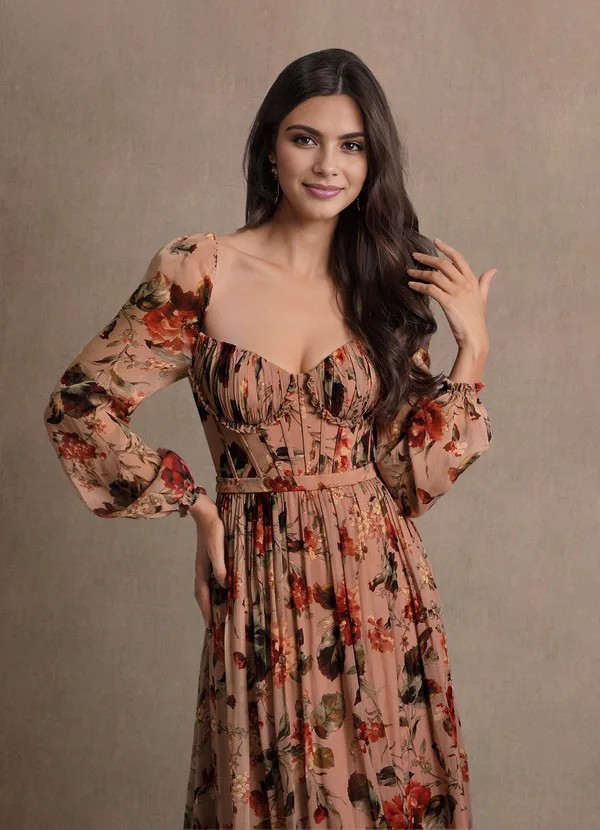
Crepe features a slightly textured, matte surface created through tightly twisted yarns. It can be made from silk, wool, polyester, or rayon.
The fabric has natural stretch and recovery, maintaining its shape throughout the day. Crepe’s weight makes it suitable for both indoor and outdoor fall events.
Pros:
- Highly wrinkle-resistant
- Elegant drape with subtle structure
- Versatile for multiple seasons
- Comfortable stretch without losing shape
- Flatters various body types
- Travel-friendly
Cons:
- Can snag on jewelry or rough surfaces
- Some types show static cling
- Matte finish may appear less formal than satin
- Can be warm in very hot weather
Best for: All fall weddings, cocktail events, semi-formal to formal dress codes, and guests who want one versatile dress.
Velvet
Velvet has a rich, plush texture with a soft pile surface. Modern stretch velvet blends offer more flexibility than traditional varieties.
This luxurious fabric photographs beautifully with depth and dimension. Velvet is having a major moment in contemporary wedding guest fashion.
Pros:
- Rich, elegant appearance
- Provides warmth without bulk
- Photographs with beautiful depth
- Hides minor figure concerns
- Perfect for evening events
Cons:
- Can be too warm for heated indoor venues
- Shows wear marks if compressed
- Requires professional dry cleaning
- Not suitable for daytime or casual weddings
- Can appear overly formal
Best for: Fall and winter evening weddings, formal dress codes, indoor venues, and guests seeking a statement-making fabric.
Medium-Weight Satin
Satin has a glossy front surface and matte back. It’s woven in a way that creates its signature sheen and smooth hand.
The fabric drapes beautifully and holds structured shapes well. Satin in medium weights offers warmth without the heaviness of winter fabrics.
Pros:
- Elegant sheen for formal events
- Structured yet comfortable
- Photographs beautifully in low light
- Doesn’t wrinkle as easily as lighter fabrics
- Classic, timeless appearance
Cons:
- Low breathability
- Can be slippery and show static
- Dry cleaning usually required
- May feel too warm for heated venues
- Shows water spots
Best for: Indoor fall weddings, cocktail parties, evening receptions, and formal weddings.
Silk Blends
Silk blended with cotton, wool, or synthetic fibers offers the luxury of silk with added practicality. Blends often cost less than pure silk.
These fabrics combine the best properties of multiple fibers. Many silk blends are more durable and easier to care for than pure silk.
Pros:
- Silk’s elegance with added durability
- Often more affordable than pure silk
- Better wrinkle resistance
- Easier care requirements
- Retains silk’s natural temperature regulation
Cons:
- May not feel as luxurious as 100% silk
- Sheen can appear different from pure silk
- Care requirements vary by blend
- Quality varies significantly by manufacturer
Best for: Fall weddings, guests on a budget, travel-to events, and those seeking silk’s look with easier care.
Best Fabrics for Winter Wedding Guest Dresses
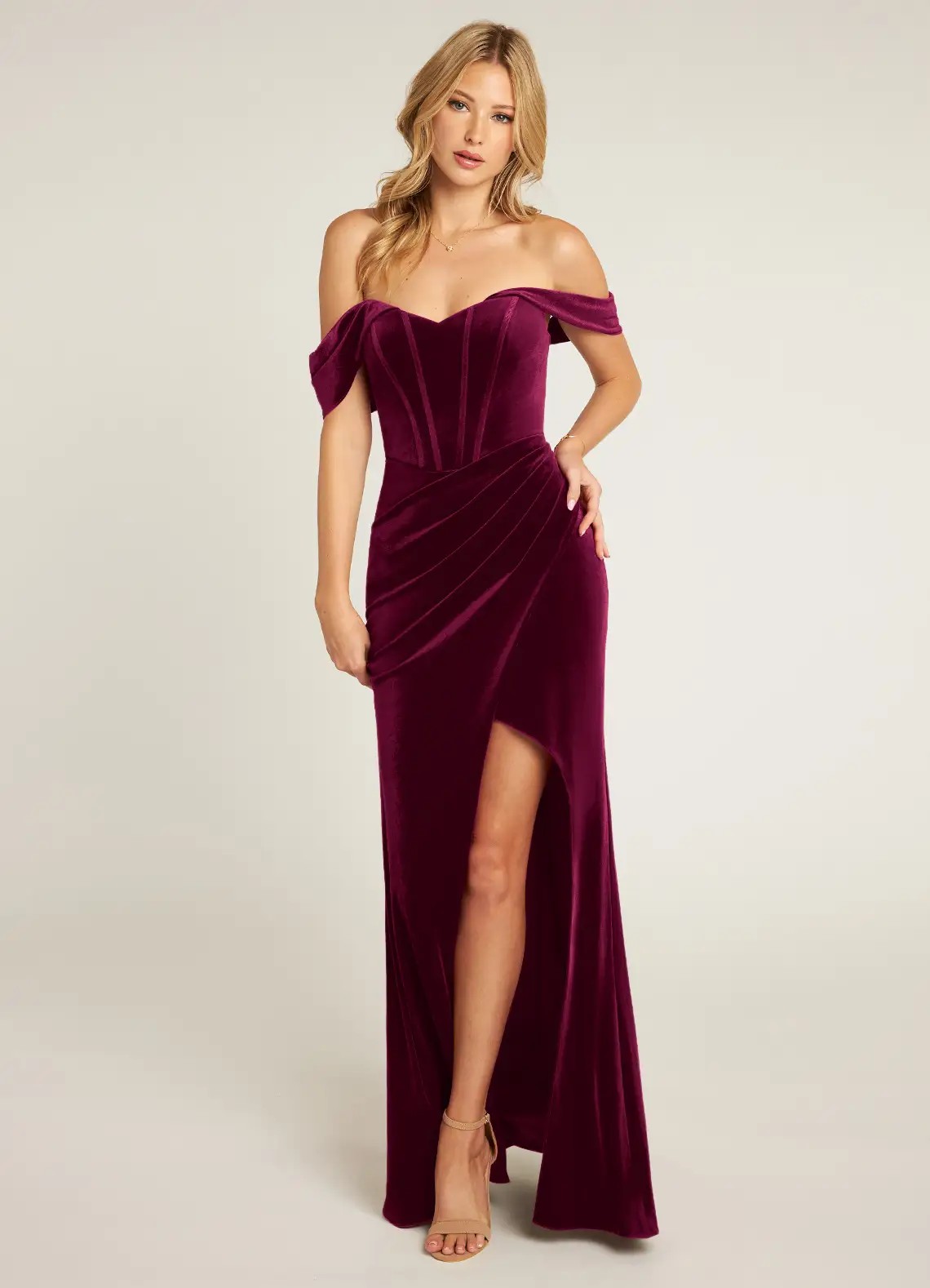
Heavy Velvet
Heavyweight velvet provides maximum warmth and luxury for cold-weather events. This opulent fabric makes a sophisticated statement at winter weddings.
Modern velvet often includes stretch fibers for better fit and comfort. The pile catches light differently from various angles, creating visual interest.
Pros:
- Maximum warmth and elegance
- Rich, luxurious appearance
- Perfect for holiday season weddings
- Photographs with beautiful texture
- Hides minor fit issues
Cons:
- Can be too warm in heated venues
- Difficult to alter if needed
- Requires professional dry cleaning
- Shows pressure marks and creasing
- May feel heavy during long events
Best for: December and January weddings, evening events, formal to black-tie dress codes, and outdoor portions of winter celebrations.
Heavy Satin & Mikado
Mikado is a heavy silk blend with a structured, lustrous finish. It’s stiffer than regular satin, holding dramatic shapes and architectural details.
These fabrics provide warmth through weight and tight weave. They’re ideal for structured, formal dress designs.
Pros:
- Structured, formal appearance
- Provides warmth through weight
- Holds shapes beautifully
- Luxurious sheen for evening events
- Doesn’t wrinkle easily
Cons:
- Heavy to wear for long periods
- Limited flexibility and drape
- Not breathable
- Usually requires dry cleaning
- Can be loud/rustling when moving
Best for: Black-tie winter weddings, ballroom receptions, formal evening events, and guests seeking architectural silhouettes.
Wool Crepe & Wool Blends
Wool crepe combines wool’s natural warmth with the crepe’s elegant drape. Modern wool blends include synthetic fibers for added comfort and easy care.
Wool naturally regulates temperature and wicks moisture. Quality wool doesn’t pill or lose its shape easily.
Pros:
- Natural insulation and warmth
- Breathes better than synthetic fabrics
- Wrinkle-resistant
- Durable and long-lasting
- Can be dressed up or down
Cons:
- Some people find wool itchy
- Usually requires dry cleaning
- Can be expensive
- Limited color saturation compared to synthetics
Best for: Daytime and evening winter weddings, guests with temperature fluctuations, and anyone seeking natural fiber warmth.
Brocade & Jacquard
Brocade features raised, embossed patterns woven into rich, heavy fabric. Jacquard uses a special loom technique to create intricate patterns.
These luxurious fabrics have a formal, regal appearance perfect for winter celebrations. The texture adds visual interest without additional embellishments.
Pros:
- Extremely formal and elegant
- Built-in pattern and texture
- Provides warmth through weight
- Structured appearance
- Unique, eye-catching aesthetic
Cons:
- Very heavy to wear
- Can be stiff and uncomfortable
- Limited flexibility
- Often expensive
- May overwhelm petite frames
Best for: Formal winter weddings, historic venues, black-tie events, and guests who want maximum visual impact.
Spring Wedding Guest Dress Fabrics
Light Crepe
Spring calls for lighter-weight crepe in cheerful colors and floral prints. This transitional fabric works for mild days and cool evenings.
The subtle texture adds sophistication without heaviness. Light crepe layers well with wraps or cardigans for temperature changes.
Pros:
- Perfect weight for spring temperatures
- Wrinkle-resistant for travel
- Elegant drape and movement
- Works for various dress codes
- Available in spring colors and prints
Cons:
- May be too light if weather is cool
- Can show static with certain undergarments
- Not ideal for very formal events
- Moderate breathability
Best for: April and May weddings, garden parties, semi-formal events, and unpredictable spring weather.
Soft Chiffon & Georgette
These lightweight fabrics have slightly more structure than summer chiffon. Georgette has a crepe-like texture that’s perfect for spring.
Both fabrics move beautifully in spring breezes. They layer well and photograph gorgeously in soft spring light.
Pros:
- Romantic, flowing appearance
- Light enough for warm spring days
- Suitable for outdoor venues
- Hides figure concerns gracefully
- Available in pastel spring colors
Cons:
- Wrinkles during wear
- Can be too sheer without lining
- Delicate and snags easily
- May be cool if weather is unpredictable
Best for: Outdoor spring weddings, garden ceremonies, daytime events, and guests seeking feminine, romantic styles.
Cotton Sateen
Cotton sateen has a subtle sheen from its satin weave. It’s heavier and more structured than regular cotton with better drape.
This fabric offers breathability with a more polished appearance than plain cotton. It photographs beautifully without the high sheen of synthetic satin.
Pros:
- Breathable natural fiber
- Subtle, sophisticated sheen
- More formal than regular cotton
- Often machine washable
- Good structure without stiffness
Cons:
- Wrinkles moderately
- Can appear less formal than silk or satin
- Limited stretch
- May not photograph as dramatically
Best for: Daytime spring weddings, casual to semi-formal events, outdoor ceremonies, and budget-conscious guests.
Fabric Properties Comparison
Breathability Rating (1-5 scale, 5 = most breathable)
| Fabric | Breathability | Ideal Temperature Range |
| Linen | 5 | 75°F+ |
| Cotton | 5 | 65°F+ |
| Jersey (cotton/viscose) | 5 | 60°F+ |
| Chiffon | 4 | 70°F+ |
| Silk | 4 | 60°F-85°F |
| Crepe | 3 | 50°F-80°F |
| Organza | 3 | 70°F+ |
| Wool blends | 2 | 35°F-60°F |
| Satin | 2 | 50°F-70°F |
| Velvet | 1 | Below 60°F |
| Polyester (heavy) | 1 | Below 65°F |
Wrinkle Resistance Rating (1-5 scale, 5 = most resistant)
| Fabric | Wrinkle Resistance | Care Level |
| Jersey | 5 | Easy (machine wash) |
| Crepe | 5 | Moderate (dry clean or hand wash) |
| Polyester blends | 4 | Easy (machine wash) |
| Satin (synthetic) | 4 | Moderate (dry clean) |
| Velvet | 3 | Difficult (dry clean, steaming) |
| Silk | 2 | Difficult (dry clean or careful hand wash) |
| Chiffon | 2 | Moderate (steaming needed) |
| Linen | 1 | Easy to wash, difficult to keep unwrinkled |
| Cotton | 2 | Easy (machine wash, needs ironing) |
Fabrics to Avoid by Situation
Avoid in Hot, Humid Weather
- Heavy satin: Traps heat and moisture against skin
- Velvet: Too warm for temperatures above 65°F
- Thick polyester: Doesn’t breathe, causes sweating
- Heavy brocade: Weight and tight weave cause discomfort
- Leather or faux leather accents: Non-breathable in heat
Avoid for Outdoor Grass Venues
- Floor-length chiffon: Drags and collects grass stains
- Delicate lace: Snags on rough terrain
- White or cream fabrics: Shows grass and dirt stains
- Very structured fabrics: Difficult to manage in wind
Avoid for Beach Weddings
- Stiff taffeta: Looks out of place in casual beach settings
- Heavy fabrics: Too formal and uncomfortable in sand
- Long trains: Collect sand and become heavy
- Delicate embellishments: Damaged by salt, sand, and wind
Avoid for Formal Black-Tie Events
- Casual cotton: Too informal for wedding guest dress code
- Jersey (unless very elegant cut): Can appear too casual
- Linen: Too relaxed for formal settings
- Overly matte fabrics: Lack the richness expected
Special Fabric Considerations
For Plus-Size Guests
Choose fabrics with structure and recovery:
- Stretch crepe: Skims curves without clinging
- Medium-weight jersey: Drapes gracefully, doesn’t cling
- Structured chiffon: Multiple layers provide coverage
- Ponte knit: Thick, structured, forgiving
Avoid:
- Clingy satins that highlight every curve
- Thin jerseys that show undergarments
- Stiff fabrics that don’t move with your body
For Petite Guests
Choose lightweight fabrics that don’t overwhelm:
- Lightweight chiffon: Creates flow without bulk
- Light crepe: Provides structure without weight
- Soft silk: Elegant without heaviness
- Fine-gauge jersey: Slim-fitting without volume
Avoid:
- Heavy brocades that overpower smaller frames
- Very stiff fabrics that create bulk
- Extremely thick or voluminous materials
For Guests with Sensitive Skin
Choose natural, soft fibers:
- 100% silk: Hypoallergenic and smooth
- Organic cotton: No harsh chemicals or dyes
- Bamboo fabric: Naturally antibacterial, soft
- Modal (from beech trees): Silky-soft, breathable
Avoid:
- Synthetic blends with rough texture
- Heavily treated or stiff fabrics
- Wool (if you have sensitivities)
- Fabrics with excessive embellishments that rub skin
Frequently Asked Questions
What is the most comfortable fabric for a wedding guest dress?
Jersey and crepe offer the best all-day comfort. Jersey has four-way stretch and moves with your body naturally.
Crepe provides structure without stiffness and resists wrinkles throughout long events. Both fabrics work for dancing, sitting, and extended wear without discomfort.
Can I wear polyester to a wedding?
Yes, modern polyester blends can be perfectly appropriate. Look for high-quality polyester satin, chiffon, or crepe that mimics natural fibers.
Avoid cheap, shiny polyester that looks plasticky. Blended fabrics (polyester with silk, cotton, or rayon) often perform better than 100% polyester.
What fabric won’t wrinkle at a wedding?
Crepe and jersey are the most wrinkle-resistant options. They maintain their smooth appearance throughout the entire event.
Stretch satin and polyester blends also resist wrinkles well. If you’re traveling, pack these fabrics in garment bags and hang them immediately upon arrival.
Is chiffon too casual for a formal wedding?
No, chiffon works beautifully for formal events when styled correctly. Multiple layers, elegant draping, and sophisticated colors elevate chiffon to formal status.
Choose structured chiffon dresses with lining for formal weddings. Avoid overly flowy or bohemian chiffon styles for black-tie events.
What fabric is best for a summer evening wedding?
Lightweight silk, silk charmeuse, or high-quality chiffon work perfectly. These fabrics provide elegance while maintaining breathability as temperatures cool.
Evening weddings allow for slightly heavier fabrics than daytime events. Light crepe or flowing satin also work well for summer evenings.
Can I wear velvet to a spring wedding?
Generally avoid velvet in spring unless it’s an evening event or unusually cool weather. Velvet is too heavy and warm for typical spring temperatures.
Choose lighter fabrics like chiffon, crepe, or cotton blends instead. Save velvet for fall and winter celebrations.
Can I wear linen to a formal wedding?
Linen is generally best for casual or semi-formal weddings, especially outdoors. For formal events, it can appear too relaxed unless blended with silk or styled in a structured design. Opt for crepe, satin, or silk for a more elegant look.
What fabric is best for dancing at a wedding?
Jersey, chiffon, and lightweight crepe are ideal for dancing. These fabrics drape well, stretch comfortably, and won’t restrict movement. Avoid stiff or heavy fabrics like brocade or velvet that limit mobility.
Are silk blends better than pure silk for wedding dresses?
Silk blends often provide the elegance of silk with added durability, wrinkle resistance, and easier care. They’re typically more affordable and travel-friendly while still looking luxurious. Pure silk offers maximum luxury but requires more delicate handling.
Which fabric hides figure concerns best?
Structured crepe, stretch velvet, and medium-weight jersey are great for flattering different body types. They skim curves without clinging too tightly, drape smoothly, and provide subtle shaping. Avoid clingy or overly thin fabrics that reveal every line.