
What is the best dress for a formal wedding as a guest?
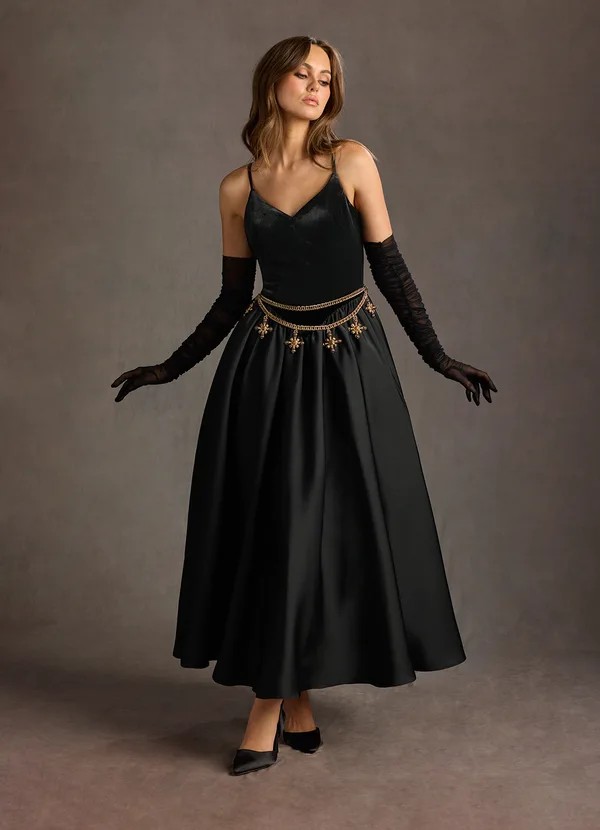
The wedding guest dresses is a floor-length or midi gown in solid colors like black, navy, or jewel tones. Choose elegant fabrics such as chiffon, satin, or velvet.
Plan to order 2–3 weeks before the wedding to allow time for fittings. Stick to classic silhouettes like A-line or sheath styles. Avoid white, cream, and overly casual fabrics.
Formal Wedding Guest Dress Comparison
| Dress Length | Best For | Formality Level | Recommended Fabrics | Avoid |
| Floor-length (Maxi) | Black-tie, evening weddings | Highest | Satin, velvet, chiffon | Cotton, denim |
| Midi (Tea-length) | Semi-formal, daytime formal | High | Silk, crepe, lace | Jersey, linen |
| Knee-length | Cocktail attire, less formal | Moderate | Silk, taffeta | Casual knits |
Steps to Choose Your Formal Wedding Guest Dress
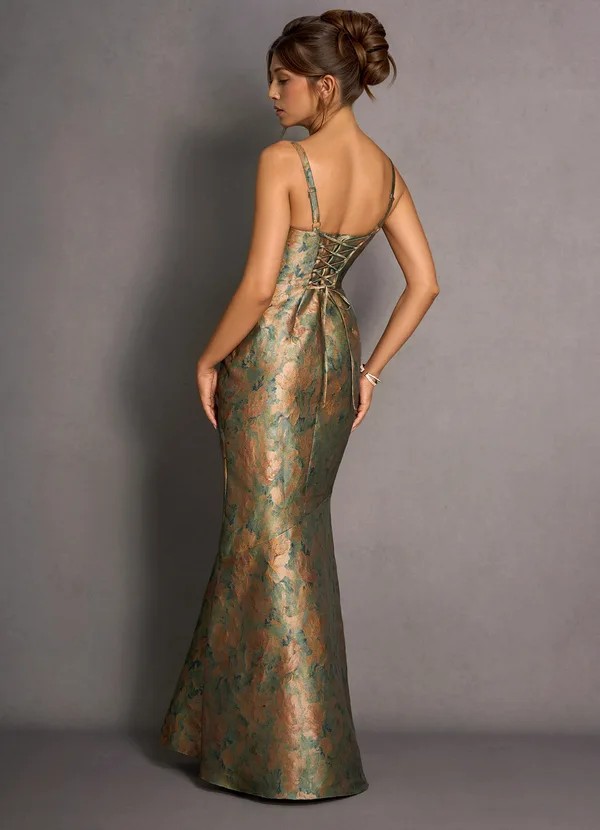
Step 1: Check the Dress Code
Read the invitation carefully for wedding guest dress code details. Black-tie formal requires floor-length gowns in elegant fabrics.
Formal or semi-formal allows midi or maxi dresses. If the invitation says “formal attire,” choose a sophisticated dress in a solid color or subtle pattern.
Step 2: Pick the Right Length
Floor-length maxi dresses work best for evening and black-tie weddings. Midi dresses suit daytime formal events or garden weddings.
Avoid mini dresses for formal weddings. Stick to hem lengths at or below the knee for appropriate coverage.
Step 3: Select a Flattering Silhouette
A-line dresses flatter most body types and offer comfort for all-night wear. Sheath and column styles create a sleek, elegant look.
Empire waist dresses work well for pregnant guests or those seeking a relaxed fit. Avoid overly fitted mermaid styles unless you’re confident in the fit.
Step 4: Choose Classic Colors and Fabrics
Best color choices for formal weddings:
- Black – timeless and sophisticated
- Navy – elegant and safe
- Jewel tones – emerald, sapphire, burgundy
- Metallics – gold, bronze, silver (for evening)
- Vintage tones – dusty blue, vintage rose, teal
Fabrics that elevate formality:
- Satin: smooth and luxurious
- Chiffon: light and flowy
- Velvet: rich for fall/winter
- Lace: delicate and elegant
- Silk: classic and refined
Colors and fabrics to avoid:
- White, ivory, cream (reserved for the bride)
- Neon or overly bright colors
- Cotton or casual knits
- Heavy denim
Step 5: Time Your Order and Fittings
Order your dress 4–6 weeks before the wedding date. Allow 1 week for the first fitting if alterations are needed.
Schedule a final fitting 3–5 days before the wedding. Steam the dress the day before to remove wrinkles.
What to Consider When Choosing Your Formal Dress
Venue and Season Matter
Outdoor venues:
- Choose breathable fabrics for summer (chiffon, silk)
- Opt for wraps or shawls for evening chill
- Avoid long trains that drag on grass
- Consider weather-appropriate footwear
Indoor formal venues:
- Rich fabrics like velvet work well
- Floor-length gowns are always appropriate
- Bolder colors and metallics shine under lighting
- Heels are expected and practical
Seasonal fabric guide:
- Spring: Chiffon, silk, light lace
- Summer: Breathable chiffon, lightweight satin
- Fall: Velvet, heavier satin, crepe
- Winter: Velvet, brocade, rich silk
Silhouette Selection Guide
Different body types benefit from specific silhouettes:
A-line dresses:
- Flatter most body shapes
- Define the waist, skim the hips
- Easy to move and dance in
- Work for all heights
Sheath and column dresses:
- Create a sleek, modern look
- Best for tall, slender frames
- Pair with statement jewelry
- Require minimal alterations
Empire waist:
- Comfortable for pregnancy
- Elongate shorter frames
- Conceal midsection
- Flow naturally without cling
Wrap dresses:
- Adjustable fit at waist
- Flattering V-neckline
- Work for many body types
- Easy to accessorize
Neckline and Sleeve Options
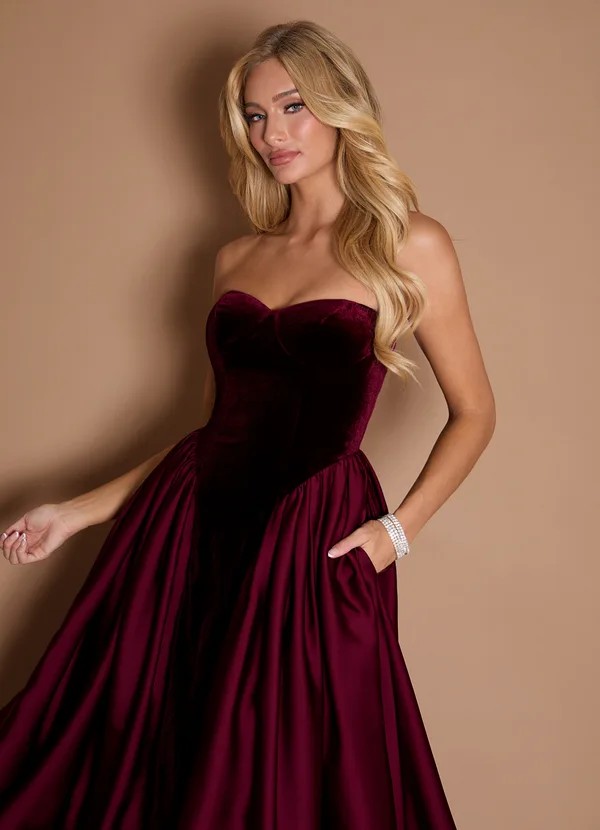
Best Necklines for Formal Weddings
V-neck:
- Elongates the neck and torso
- Flattering on most body types
- Works with statement necklaces
- Suitable for all seasons
Off-shoulder:
- Elegant and romantic
- Shows appropriate skin
- Best for evening weddings
- May need a wrap for ceremony
High neck (Halter or jewel):
- Sophisticated and modest
- Perfect for religious venues
- Allows bold earrings
- Works year-round
Sweetheart:
- Classic and feminine
- Flattering on most figures
- Pairs well with strapless styles
- Popular for formal events
Sleeve Length Guide
| Sleeve Type | Season | Formality | Best For |
| Sleeveless | Spring/Summer | High | Warm weather, evening |
| Cap sleeve | Spring/Summer | Moderate-High | Modest coverage, daytime |
| 3/4 sleeve | Fall/Spring | High | Transitional weather |
| Long sleeve | Fall/Winter | Highest | Cold weather, religious venues |
Accessorizing Your Formal Wedding Guest Dress
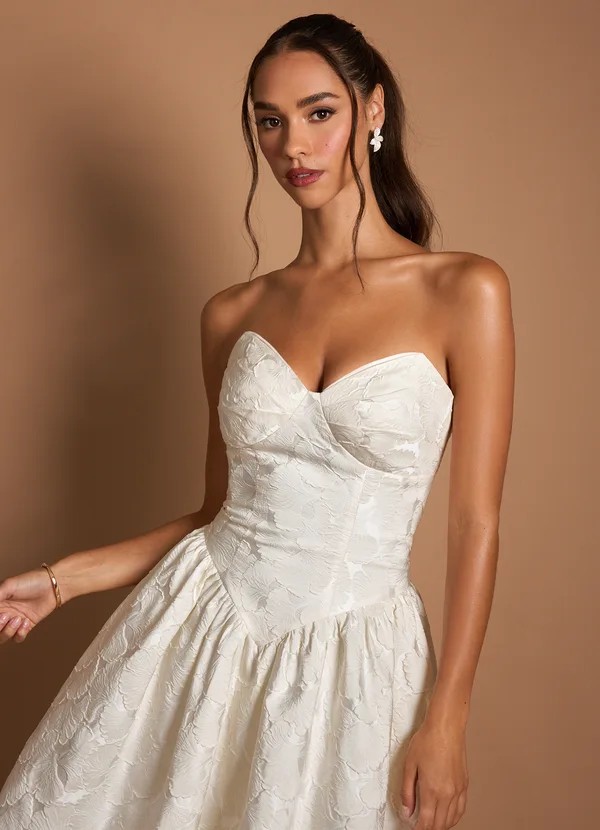
Essential Accessories
Jewelry guidelines:
- Choose one statement piece (necklace OR earrings)
- Keep metals consistent (gold OR silver)
- Avoid costume jewelry for formal events
- Pearl or crystal pieces always work
Shoe selection:
- Heels are standard for formal weddings (2–3 inches)
- Match shoe color to dress or choose neutral tones
- Bring backup flats for dancing
- Break in new shoes before the wedding
Handbag tips:
- Carry a small clutch or evening bag
- Coordinate with dress color or shoes
- Include essentials only: phone, lipstick, tissues
- Metallic bags work with any color dress
Wraps and shawls:
- Essential for evening or air-conditioned venues
- Match fabric to dress formality
- Keep neutral (black, ivory, gold)
- Silk, pashmina, or faux fur options
Sizing and Fit Guidelines
How to Measure for Your Dress
Take measurements in inches while wearing the undergarments you’ll use with the dress:
- Bust: Measure at the fullest part
- Waist: Measure at natural waistline
- Hips: Measure at the widest point
- Hollow-to-hem: From collarbone hollow to desired hem length
Standard vs. Custom Sizing
Standard sizing:
- Ready within 7–14 days
- Sizes available: petite to plus-size
- May require minor alterations
- More affordable option
Custom sizing:
- Made to your measurements
- Takes 2–3 weeks
- Minimal alterations needed
- Best fit guarantee
Common alteration needs:
- Hem adjustment
- Taking in waist
- Strap adjustment
- Allow 1–2 weeks for alterations
Colors That Work for Formal Weddings
Safe and Sophisticated Choices
Best colors for formal weddings:
Classic neutrals:
- Black: elegant, slimming, timeless
- Navy: sophisticated, photograph well
- Charcoal gray: modern, versatile
- Taupe/mocha: warm, neutral
Jewel tones:
- Emerald green: rich, regal
- Sapphire blue: elegant, striking
- Ruby/burgundy: warm, luxurious
- Amethyst purple: unique, formal
Seasonal favorites:
- Spring: dusty blue, sage, blush
- Summer: coral, turquoise, lavender
- Fall: wine, rust, olive
- Winter: cranberry, forest green, gold
Colors to Avoid
Never wear to formal weddings:
- White, ivory, or cream (bride’s colors)
- Champagne or light beige (too close to white)
- Neon or overly bright colors
- Colors specified in the invitation as bridal party colors
Dress Code Decoder
Understanding Wedding Dress Code Terms
| Dress Code | What It Means | Guest Dress Length | Fabric Formality |
| Black-tie | Most formal | Floor-length required | Satin, velvet, silk |
| Formal/Black-tie optional | Very dressy | Floor or midi | Elegant fabrics, embellishments okay |
| Semi-formal | Dressy but flexible | Midi or knee-length | Silk, chiffon, lace |
| Cocktail attire | Party-dressy | Knee to midi | Varied, less structured |
Shopping Timeline for Formal Wedding Guest Dresses
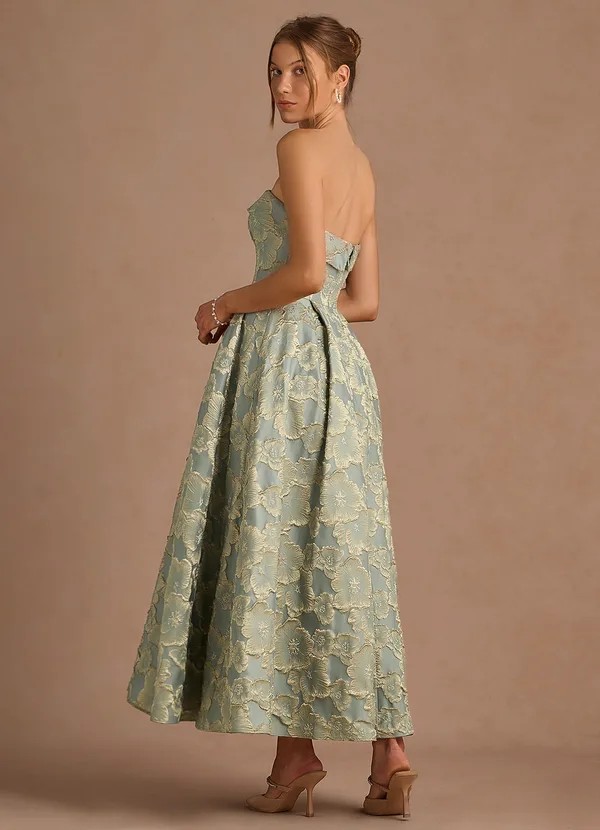
Plan Ahead for Best Results
6–8 weeks before:
- Browse dress options online
- Order free fabric swatches (if available)
- Measure yourself accurately
- Review venue and dress code
4–6 weeks before:
- Order your dress
- Choose backup options
- Purchase undergarments
- Start planning accessories
2–3 weeks before:
- Receive and inspect dress
- Schedule first fitting if needed
- Order any missing accessories
- Break in shoes
1 week before:
- Final fitting complete
- Steam or press dress
- Try full outfit together
- Pack emergency kit (safety pins, tape, stain remover)
Style Tips for a Polished Look
Do’s and Don’ts for Formal Wedding Guests
Do:
- Dress appropriately for the venue and time of day
- Choose comfortable shoes you can wear for 4–6 hours
- Consider the weather and bring a wrap or jacket
- Test your full outfit before the wedding day
- Bring basic alterations supplies (safety pins, fashion tape)
Don’t:
- Wear white, cream, or anything too close to bridal colors
- Choose overly revealing or attention-grabbing outfits
- Wear casual fabrics like denim or jersey to formal weddings
- Wait until the last minute to order your dress
- Forget to check the forecast for outdoor weddings
Final Checklist Before You Buy
Before purchasing your formal wedding guest dress, confirm:
- Dress code matches: Your dress fits the formality level
- Length appropriate: Floor or midi for formal, appropriate for venue
- Color works: Not white/cream, complements season and venue
- Fabric suitable: Elegant materials like satin, chiffon, silk
- Timing right: 2–3 weeks before wedding for delivery and fittings
- Sizing confirmed: Accurate measurements taken, size chart consulted
- Return policy clear: Know the return window and conditions
- Accessories planned: Shoes, jewelry, and bag coordinate with wedding guest dresses
Frequently Asked Questions
Can I wear black to a formal wedding?
Yes, black is always appropriate for formal weddings. Black dresses are elegant, sophisticated, and photographed beautifully. Choose rich fabrics like satin or velvet to elevate the look. Add colorful accessories or metallic accents to brighten the outfit.
Is a midi dress formal enough for a black-tie wedding?
Floor-length dresses are preferred for black-tie weddings, especially evening events. Midi dresses work better for black-tie optional or formal daytime weddings. If you choose midi length, select luxurious fabrics and elegant styling to maintain formality.
What if the wedding has no stated dress code?
When no dress code is listed, assume semi-formal or cocktail attire. A midi or maxi dress in elegant fabric is a safe choice. Avoid overly casual styles or very short hemlines. Contact the couple or wedding party if you’re uncertain.
How many formal wedding guest dresses should I own?
Keep 2–3 versatile formal dresses in your wardrobe. Choose different colors and styles that work across seasons. A black maxi, a jewel-tone midi, and a neutral option cover most formal weddings. Rotate accessories to create fresh looks.
Can I rewear the same dress to multiple weddings?
Yes, you can wear the same dress to different weddings, especially if the guest lists don’t overlap. Change your accessories, hairstyle, and shoes to create different looks. Most guests won’t remember your exact dress from previous events.
What’s the difference between formal and semi-formal wedding attire?
Formal weddings require floor-length or elegant midi dresses in refined fabrics. Semi-formal allows more flexibility with length and style. Formal events expect polished accessories and heels. Semi-formal permits dressy sandals and simpler jewelry.