
What Fabrics Are Best for a Mother of the Bride Dress?
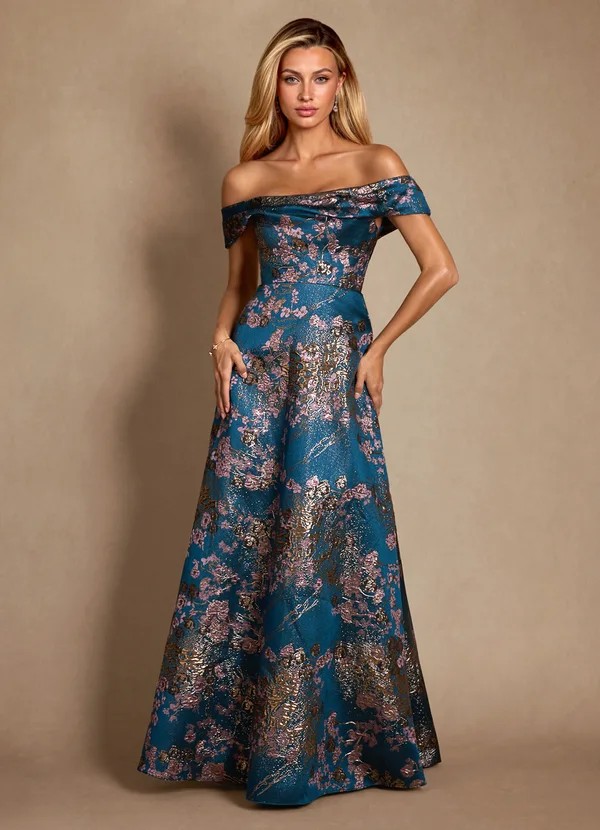
Choosing a mother-of-the-bride dress starts with the fabric. Long before color and accessories, fabric determines how your dress looks, feels, moves, and photographs—and whether you’ll stay comfortable from aisle to last dance.
Here’s a calm, practical deep-dive into the best fabrics for a mother of the bride dress, with venue-and-season guidance, silhouette pairings, care tips, and a fabric–fit matrix. Use the
tables to compare weight, drape, stretch, breathability, wrinkle resistance, care needs, and ideal occasions so you can shop with confidence and communicate clearly with your stylist or tailor.
The Fabric Game Plan (3 decisions that solve 80%)
- Set the context first.
• Venue & terrain: Garden lawn, seaside sand, historic ballroom, vineyard, mountain lodge, rooftop—each demands different weight and movement.
• Season & climate: Heat/humidity vs. cool evenings changes what feels good (chiffon vs. mikado).
• Formality: Black-tie calls for richer textures (satin, mikado), while garden afternoons love airier chiffon or georgette. - Decide your comfort priorities.
• Need breathability? Reach for chiffon, georgette, or light crepe.
• Want structure and polish? Explore mikado, satin, or crepe suiting weights.
• Prefer stretch & ease? Look for crepe with elastane or refined ponte/scuba. - Match fabric to silhouette + body goals.
• A-line/fit-and-flare thrives in mid-weight crepe, chiffon overlays, and soft tulle.
• Sheaths/columns look best in structured or stretch crepe and satin-back crepe.
• Empire and wrap silhouettes love fluid georgette and stable knits.
Fabric Comparison Cheat Sheet (At-a-Glance)
Use this table to narrow your shortlist. “Best for” and “Care notes” will save you time at fittings and when planning steaming/cleaning.
| Fabric | Weight & Drape | Stretch | Breathability | Wrinkle Tendency | Best For | Care Notes |
| Stretch Crepe | Mid-weight, fluid with body | Moderate (5–8% elastane) | Good | Low | Sheath, A-line, fit-and-flare; city, garden, vineyard | Steam from inside; hang to relax; spot clean promptly |
| Satin-Back Crepe | Mid-weight, smooth face, subtle sheen | Light–Moderate | Medium | Low–Medium | Evening, ballroom, vineyard; structured looks | Steam on reverse to avoid shine |
| Mikado / Faille | Medium–heavy, crisp | Minimal | Medium | Low | Black-tie, cathedral, winter; sculpted A-line/column | Professional steam/press; store on padded hanger |
| Chiffon | Light, airy, floaty | None | Excellent | Low–Medium | Garden/beach; layered skirts/sleeves | Use quality lining; anti-static on lining only |
| Georgette | Light, fluid with slight texture | Minimal | Excellent | Low | Breezy venues; draped silhouettes | Less clingy than chiffon; steam lightly |
| Organza | Light, crisp, sheer | None | Good | Low | Overlays, capelets, volume without weight | Watch snagging; store in garment bag |
| Tulle | Very light, airy net | None–Slight | Good | Low–Medium | Skirts/overlays; soft volume | Avoid rough jewelry; steam carefully |
| Satin (Charmeuse/Duchess) | Light–heavy, glossy | Minimal | Medium | Medium (esp. high gloss) | Evening/indoor; elegant drape | Steam from inside; protect from water spots |
| Silk Georgette/Chiffon | Featherlight luxury | None | Excellent | Medium | High-end garden/beach | Professional clean; handle gently |
| Jacquard/Brocade | Medium–heavy, textured | None | Medium | Low | Vineyard, winter, formal | Spot-clean with care; store hanging |
| Tweed/Bouclé | Medium–heavy, textured | Minimal | Medium | Low | Cool-weather daytime, suiting sets | Dry-clean; avoid snagging |
| Ponte/Scuba (Refined) | Medium, smooth, structured stretch | High | Moderate | Very low | Sleek sheaths/jumpsuits; travel-friendly | Spot clean; low-heat steam |
| Lace (over crepe/satin) | Light–medium | Minimal | Good | Varies | Classic/romantic; sleeves & bodices | Protect from snags; steam lightly |
Fabric by Season & Venue
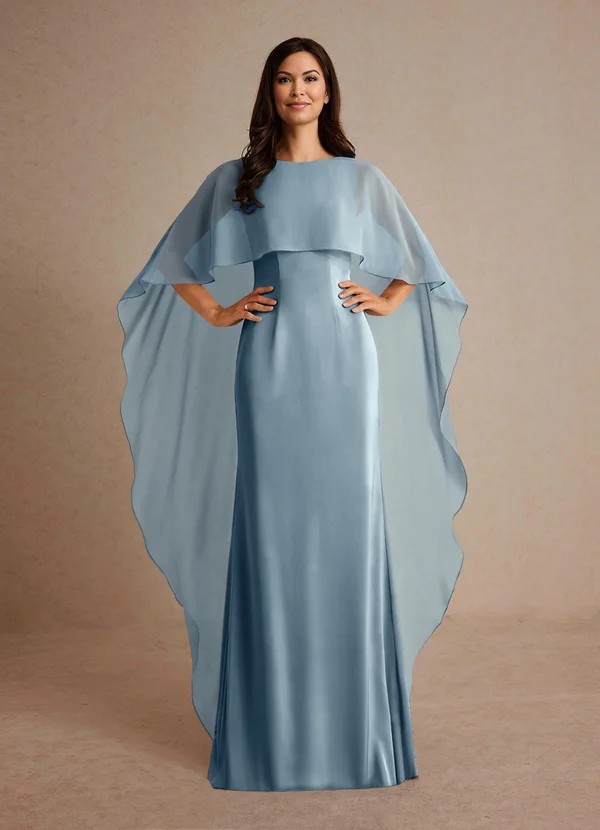
Spring & Summer (outdoor gardens, vineyards, beach):
- Chiffon/Georgette: Maximum airflow and movement; ideal for layered skirts, flutter sleeves.
- Light/Mid-weight Crepe: Breathable, elegant, and less clingy than slinky knits; great for heat.
- Satin-back crepe: Works for late afternoon/evening; gentle sheen for golden hour photos.
- Avoid: heavy beading at the hem (catches grass), stiff taffetas in midday heat, very glossy satin under harsh sun.
Fall (vineyard, rustic barn, courtyard):
- Mid-weight Crepe or Satin-back Crepe: Balance of structure and comfort; polishes up nicely.
- Jacquard or textured weaves: Add dimension for harvest palettes; resist wrinkles in cool air.
- Light capelets/shawls: Chiffon or lightweight velvet for evening.
Winter / Formal Evenings (ballroom, cathedral, mountain lodge):
- Mikado/Faille: Sculptural, regal, inherently formal.
- Velvet: Warm, luxe, with soft luster; perfect for sleeves or full gowns.
- Satin (medium–heavy): Ideal for candlelight and evening formality—just avoid overly reflective finishes.
- Avoid: paper-thin chiffon without layering; plan for sleeves or a topper.
Rooftop / City Chic:
- Stretch Crepe / Matte Satin / Suiting: Clean lines, minimal shine; excellent for urban venues and photos.
- No long trains: Wind + city surfaces aren’t train-friendly; choose a floor-length hem or subtle sweep.
Fabric × Silhouette Pairings (What Flatters & Functions)
| Silhouette | Ideal Fabrics | Why It Works | Watch-outs & Fixes |
| A-Line (knee to floor) | Stretch crepe, chiffon, georgette, lace over crepe | Nips waist, skims hips; floats on grass | Hem to “kiss” floor; add pockets; avoid bulky crinolines outdoors |
| Fit-and-Flare | Stretch crepe, satin-back crepe | Defines waist, gentle flare for balance | Add slit for stride; ensure boned bodice for support |
| Sheath / Column | Stretch crepe, heavy crepe, satin-back crepe | Modern, elongating; resists wrinkling | Add back vent; choose mid-weight to avoid cling |
| Empire | Georgette, chiffon, light crepe | Comfort at midsection; elegant drape | Ensure proper bust support; avoid too-high empire seam |
| Midi / Tea-length | Crepe, organza, jacquard | No dragging; perfect for lawns & cobblestones | Balance volume with stable shoes; avoid trains |
| Subtle Mermaid / Trumpet | Structured crepe, mikado | Glamour with control; holds shape | Start flare mid-thigh; plan for two fittings |
Fabric & Body Goals (Shape-Flattery Matrix)
| Fit Goal | Choose These Fabrics | Why It Works | Use Sparingly |
| Smooth the midsection | Stretch or satin-back crepe, lined georgette | Gentle hold, low cling | Thin jersey, clingy high-gloss satin |
| Add structure & polish | Mikado, faille, heavier crepe | Defines waist, hides lines | Stiff taffeta in hot settings |
| Floaty movement | Chiffon, georgette, soft tulle | Airy, skims without volume | All-over heavy lace in heat |
| Arm comfort/coverage | Sheer sleeves (illusion), chiffon or stretch crepe | Breathable, flexible | Tight cap sleeves; scratchy lace at underarm |
| Bust support | Boned crepe/mikado bodices, satin linings | Lift & smooth foundation | Unlined light fabrics without cups |
| Travel-friendly | Ponte/scuba, mid-weight crepe | Low wrinkle, easy steam | High-pile velvet for humid climates |
How Fabric Affects Color & Photos
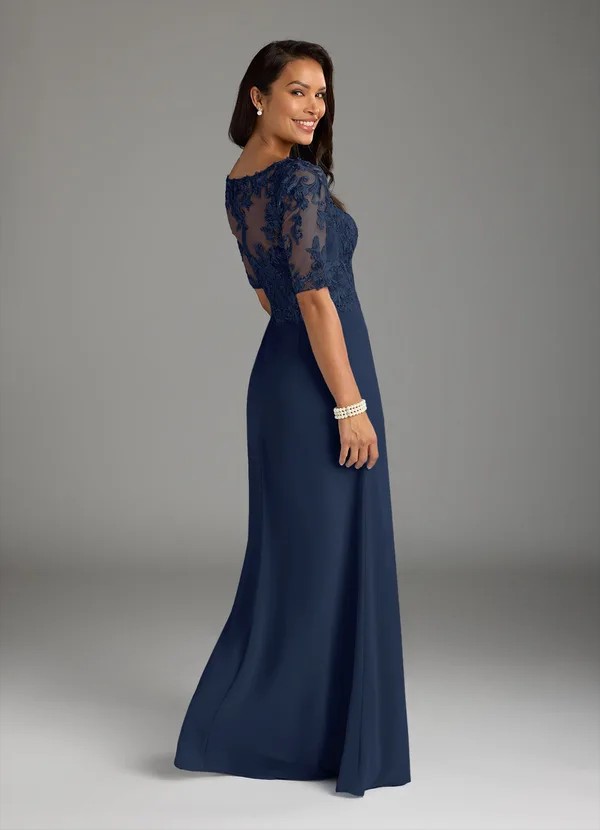
- Matte finishes (crepe, georgette) diffuse light—gentler in photos, ideal for daylight ceremonies.
- Subtle sheen (satin-back crepe, duchess satin) adds evening polish without flash glare.
- High-gloss satin can highlight every curve and crease; beautiful for formal nights, but be mindful of strong sunlight.
- Textured weaves (lace, jacquard) add dimension so your dress reads beautifully in photos without upstaging the bride.
Color & Fabric Pairing Tips
- Champagne/Taupe: glows in satin-back crepe or soft mikado; pair with gold/pearl accessories.
- Navy/Midnight: striking in crepe or satin; silver/pewter metals keep it crisp.
- Sage/Eucalyptus: lovely in chiffon or georgette with mother-of-pearl accents.
- Blush/Dusty pastels: choose matte or lightly lustrous fabrics to avoid glare.
- Ivory/Cream: always ask the bride first; if approved, pick textured or warm ivory and avoid bridal hallmarks (veils, cathedral trains).
Alterations & Care: What to Expect by Fabric
The right fabric + the right tailor = a dress that feels made for you.
Plan two fittings (6–10 weeks and 3–5 weeks before the wedding) and bring your final shoes and undergarments.
Alteration Friendliness (by fabric):
- Easiest: Stretch crepe, mid-weight crepe, ponte/scuba (for nips and hems).
- Moderate: Satin-back crepe, satin, lace overlays (requires careful handling).
- Structured: Mikado/faille (adjustable by skilled tailors; great result, needs precise work).
- Delicate: Chiffon, georgette, tulle (light hands; hem by an experienced specialist).
Care & Steaming Quick Notes:
- Crepe/Crepe knits: Hang to relax; steam from inside; avoid crushing in transit.
- Satin/satin-back crepe: Always steam/press on reverse with a press cloth; avoid water spots.
- Chiffon/georgette/tulle: Use low-heat steam; protect with a cloth; store in a breathable garment bag.
- Mikado/faille/jacquard: Professional pressing recommended; hang on padded hanger to maintain shape.
- Velvet: Steam with garment steamer slightly away from fabric; never iron directly.
Venue & Climate: Fabric-Smart Picks
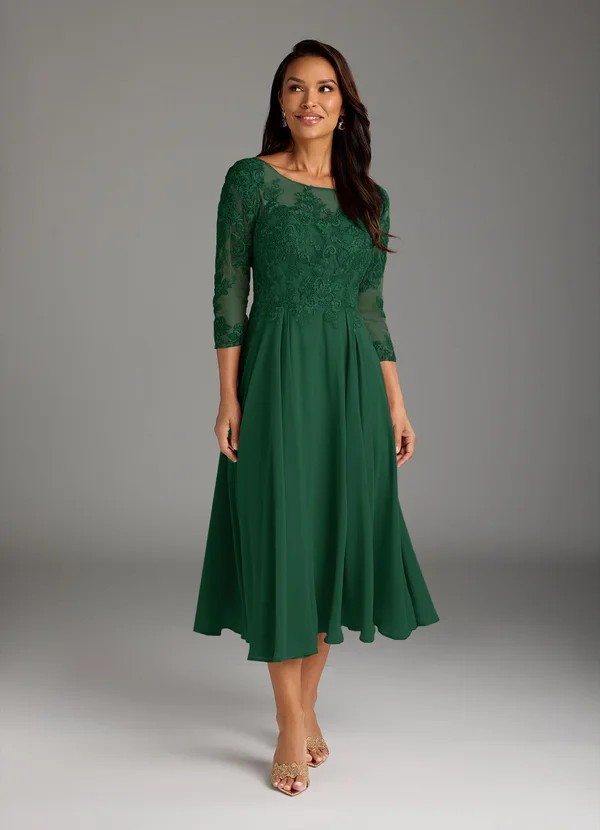
Garden or Outdoor Lawn
- Choose: Chiffon, georgette, crepe; tea-length or floor-length without long trains.
- Why: Airy layers handle warmth and breezes, and shorter hems avoid grass stains.
- Shoes: Block heels or wedges + heel protectors.
Beach/Coastal
- Choose: Georgette, chiffon, light crepe; ankle-grazing or sweep-length hems.
- Why: Sand + wind require lightweight, non-clingy, train-free options.
- Accessories: Light shawl, minimal jewelry, secure hairpins.
Vineyard / Countryside
- Choose: Crepe, satin-back crepe, light jacquard; mini-sweep hem, structured bodices.
- Why: Mid-weight fabrics navigate gravel and slopes; sheen flatters at golden hour.
Ballroom / Cathedral
- Choose: Mikado, satin, satin-back crepe; floor-length, sleeves or bolero for formality.
- Why: Structured luxury fabrics complement grand venues; photograph beautifully in low light.
Mountain / Fall–Winter
- Choose: Mikado, velvet, mid-weight crepe; long sleeves or capelet.
- Why: Warmth + structure; rich textures feel seasonal and elevated.
Fabric + Finish for Different Dress Codes
- Black-Tie: Mikado, duchess satin, satin-back crepe, or velvet; floor-length; subtle beading; long sleeves or bolero welcome.
- Cocktail/Semiformal: Crepe or satin-back crepe midi; refined lace; structured jacket; minimal sparkle.
- Daytime Garden: Chiffon/georgette with light shawl; tea-length or floor-length no train; delicate jewelry.
- Festive/Destination: Lightweight crepe or chiffon; packable, wrinkle-resistant options; breathable linings.
Sustainability & Fabric Choices
If sustainability matters to you, ask about fiber content and certifications and consider how often you’ll re-wear the piece.
- Natural fibers: Silk, Tencel™/lyocell, organic cotton or linen blends—breathable and often biodegradable.
- Recycled fibers: Look for recycled polyester or ECONYL® blends in chiffon/satin with lower environmental impact.
- Longevity = sustainability: Mid-weight crepe and satin-back crepe often tailor well and re-wear beautifully; choose timeless colors and silhouettes.
- Aftercare: Proper storage and professional cleaning extend life; consider restyling (hem to cocktail length, add sleeves, or tailor into a jacket) for future events.
How to Test a Fabric Before You Commit
Bring this mini-process to your appointment or when reviewing at-home try-ons:
- Pinch & Release: Gently scrunch a small section for 5 seconds.
• If deep creases remain, plan on easy access to a steamer or opt for a lower-wrinkle weave (crepe, jacquard). - Step Test: Walk a few steps and try a shallow stair step.
• If the fabric tightens or rides up, consider a slit, a shorter hem, or more structured fabric. - Light Check: Step near a window and under warm indoor lighting.
• Check for transparency and glare. A neutral slip or satin lining often solves show-through. - Seat & Hug Test: Sit, stand, and raise your arms.
• If sleeves pinch or bodice pulls, ask for a micro-gusset or wider strap; consider moving to a crepe with stretch. - Static & Snag Check: Brush the lining with a dryer sheet or spray anti-static on lining only.
• Lightly pass a smooth ring or nail edge near chiffon/tulle to ensure it won’t catch.
Fabric-Savvy Alterations & Comfort Tips
- Bring final shoes and undergarments to every fitting—hem and neckline depend on them.
- Sewn-in cups and light boning in crepe/mikado bodices provide support without extra layers.
- Micro-gussets or elastic inserts at sleeve seams improve range of motion.
- Hem to a “soft kiss” on the floor; consider mini-sweep only if the venue is smooth (ballroom) and you’re comfortable bustling.
- Steam in sections: lining first, then outer layer; protect delicate fabrics with a press cloth.
Travel & Storage by Fabric
- Crepe/Scuba/Ponte: Roll or hang; they relax quickly; quick steam at destination.
- Chiffon/Georgette/Tulle: Store in a breathable garment bag; avoid weight on top; steam gently.
- Satin/Mikado: Hang on padded hangers; avoid crushing; request professional steaming at the venue or hotel.
Fabric-to-Theme Quick Picks (Plug-and-Wear)
Use these fabric-forward formulas as a starting point.
- Garden Romance: Chiffon A-line with lace bodice, flutter sleeves, chiffon or organza shawl, block-heel sandals.
- Vineyard at Sunset: Satin-back crepe midi or A-line, subtle metallic thread detail, nonslip pumps.
- Black-Tie Ballroom: Mikado A-line or satin column with fitted long sleeve; beaded bolero; pearl or crystal earrings.
- Beach or Destination: Georgette wrap or sheath with a sweep hem; low wedge; minimal metal jewelry; light shawl.
- Modern City Loft: Stretch crepe column or tailored midi; square/bateau neck; sculptural cuff; structured clutch.
- Winter Festive: Velvet or crepe with sleeve; satin or velvet wrap; closed-toe pumps.
Fabric Selection Checklist (Print & Bring)
- Context:
- Venue & terrain (grass, sand, stone)
- Season & likely temps (hot, humid, cool)
- Dress code (cocktail, black-tie, garden chic)
- Color palette + any restricted hues (ask about white/ivory)
- Fabric Shortlist:
- Primary fabric (crepe/chiffon/georgette/satin/mikado/lace/jacquard/ponte)
- Lining choice (satin vs. tricot for smoothing/breathability)
- Texture level (matte vs. subtle sheen vs. textured)
- Silhouette & Comfort:
- A-line / fit-and-flare / sheath / empire / tea-length
- Train plan (none or mini-sweep)
- Slit for stride (yes/no)
- Sleeve/topper plan (flutter, ¾, long, capelet, jacket)
- Fittings & Care:
- Professional measurements taken (bust/waist/hip/hollow-to-hem/bicep)
- Two fittings booked (6–10 weeks & 3–5 weeks out)
- Final shoes & undergarments ready for Fitting #1
- Steaming/pressing plan confirmed
- Accessories tested for snag-risk (pins, bracelets, beaded bags)
How to Talk Fabric with Your Stylist or Boutique (Scripts)
Ask for fabric guidance
“I’m looking for crepe or chiffon that’s breathable and photographs well outdoors. Which of your styles use mid-weight crepe or chiffon with a satin lining?”
Confirm care & return rules
“Is this fabric prone to water spotting? Do you recommend pressing or steaming? And what’s the return policy for this fabric and for any made-to-order or custom size?”
Discuss support & alterations
“Can we add sewn-in cups and a bit of boning to this bodice? How much seam allowance does this fabric give us if I need a slight let-out at the waist or hip?”
Do / Don’t (Fabric Edition)
Do
- Do start with context + comfort before color.
- Do prioritize mid-weight crepe, satin-back crepe, chiffon, georgette, mikado, or lace for reliability and polish.
- Do try on two or three fabrics side-by-side in daylight and warm indoor light.
- Do steam from the inside and use a press cloth—especially on satin/mikado.
- Do bring final shoes and underpinnings to every fitting—hems and necklines depend on them.
- Do pack a fabric-safe emergency kit (lint roller, blot cloth, anti-static spray for lining, safety pins, tiny water spray, cornstarch for oil spots).
Don’t
- Don’t pick a fabric solely for the hanger look—movement and comfort matter more.
- Don’t choose a high-gloss satin for midday sun unless you’ve seen it in natural light.
- Don’t assume your street size translates—size to your largest measurement and tailor down.
- Don’t remove tags or alter before you’re sure—return policies for special-occasion fabrics are strict.
- Don’t overload delicate fabrics with heavy jewelry or sharp accessories—snag risk is real.
Final Takeaway
The best fabrics for a mother-of-the-bride dress are those that balance beauty, comfort, and context. For most venues and seasons, crepe (especially stretch), satin-back crepe, chiffon, georgette, mikado, and refined lace deliver the winning mix of structure and softness.
Start with venue and climate, then choose a fabric that suits your movement and support needs. Pair it with the right silhouette (A-line, fit-and-flare, sheath, or tea-length), plan smart alterations and care, and you’ll have a dress that looks stunning and feels effortless—from the first look to the last dance.