
What Color Should I Avoid Wearing to a Wedding as a Guest?
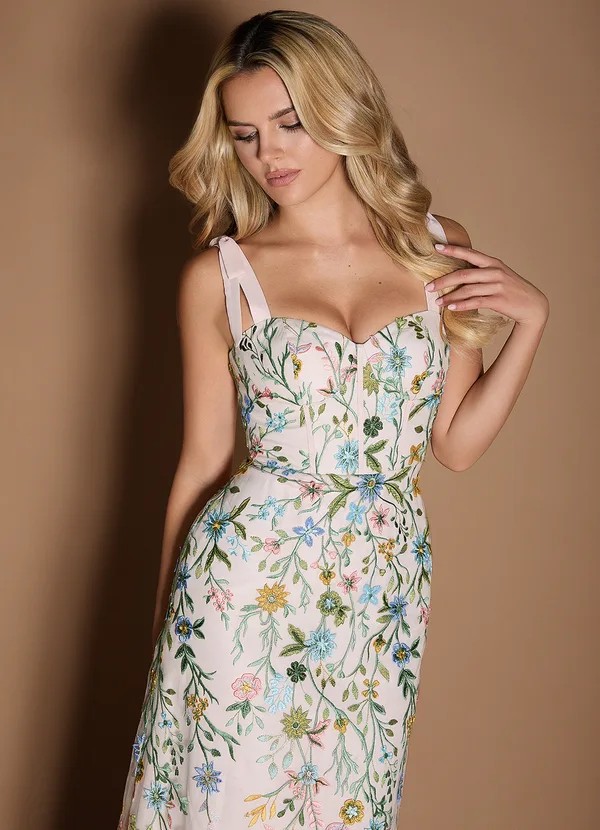
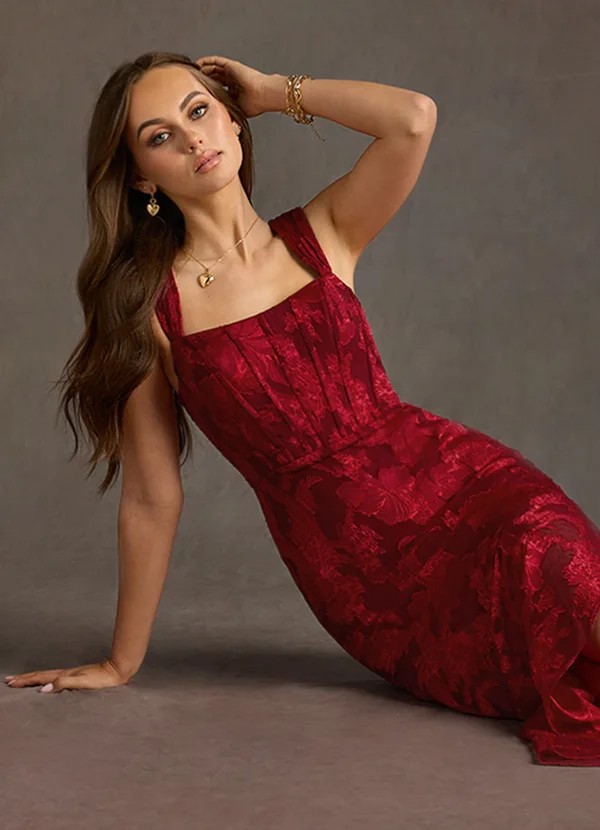
Avoid wearing white, ivory, cream, champagne, or any shade close to white at weddings. Never wear colors matching the bridal party or overly bright neon shades. Skip all-black for daytime celebrations and avoid red at certain wedding guest dresses.
Steer clear of heavily sequined or metallic gold outfits that draw attention. Choose safe alternatives like jewel tones, navy, or soft pastels instead.
Colors You Should Never Wear to Weddings
| Color to Avoid | Why It’s Problematic | Safe Alternative | Exception |
| White/Ivory/Cream | Reserved for the bride | Navy, blush, sage | All-white dress code specified |
| Champagne/Beige | Looks bridal in photos | Taupe, dusty rose | Pattern with minimal beige |
| Bridal Party Colors | Causes confusion | Ask couple, choose different | Not informed of colors |
| Neon Shades | Too attention-grabbing | Rich, saturated versions | Outdoor festival wedding |
| All-Black | Too somber for celebration | Navy, charcoal, jewel tones | Formal evening wedding |
| Bright Red | Steals spotlight, cultural issues | Burgundy, wine, deep red | Western evening formal |
| Metallic Gold/Silver | Competes with bride | Bronze, rose gold accents | Black-tie evening only |
| Overly Sparkly | Draws too much attention | Subtle embellishment | Formal dress code |
Steps to Choose the Right Wedding Guest Color
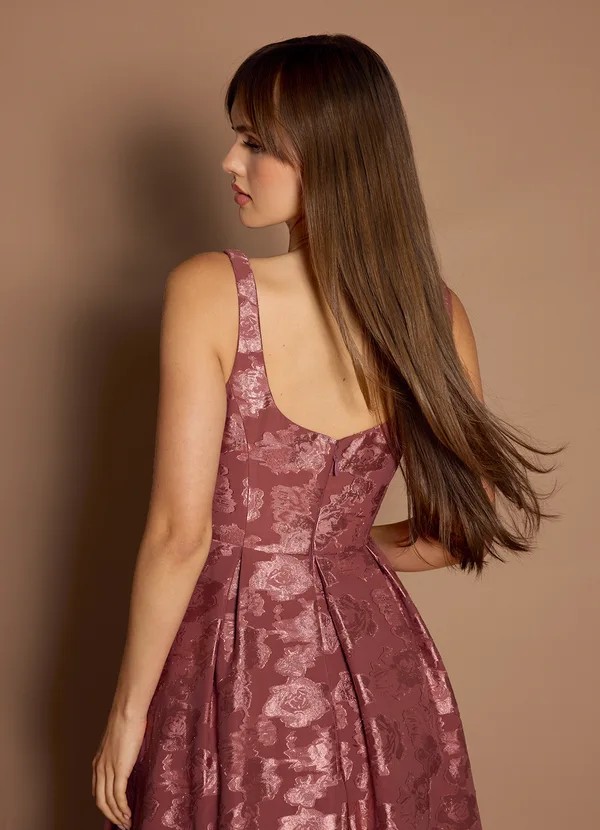
Step 1: Rule Out White and All White Variations
White is reserved exclusively for the bride in Western weddings. This includes every shade that resembles white, even remotely. Never wear white, ivory, cream, ecru, pearl, champagne, or pale beige to a wedding.
Even colors that are photographed as white should be avoided. Test your outfit by taking a photo in bright sunlight—if it looks white or bridal, choose something else.
Shades that can photograph as white:
- Ultra-pale pink or blush
- Very light mint or sage
- Icy blue or lavender
- Champagne and gold tones
- Off-white patterns on white backgrounds
The only exception: If the couple explicitly requests an all-white wedding guest dress code for their wedding theme, then white is acceptable. Always confirm this is intentional before wearing white.
Step 2: Check the Wedding Party Colors
Avoid matching the bridesmaid dresses or groomsmen attire. Wearing the same color as the bridal party creates confusion and makes it appear you’re part of the wedding party. This is especially problematic in photos where you may unintentionally blend in with the official group.
How to find out bridal party colors:
- Check the wedding invitation design
- Look at the couple’s wedding website
- Ask the bride, groom, or a wedding party member
- Review save-the-date cards for color clues
If you can’t find out the colors:
- Choose classic neutrals like navy or black
- Opt for prints with multiple colors
- Select jewel tones that rarely match bridal parties
- Avoid popular bridesmaid colors: blush, dusty blue, sage, burgundy
Step 3: Avoid Overly Attention-Grabbing Colors
Your outfit should never compete with or overshadow the bride and groom. Extremely bright, neon, or flashy colors draw unwanted attention and shift focus away from the couple. Choose colors with depth and richness rather than blindingly bright shades.
Neon colors to avoid:
- Electric blue
- Lime green
- Hot pink or magenta
- Bright orange
- Neon yellow
- Fluorescent purple
Better alternatives:
- Royal or navy blue instead of electric
- Forest or emerald green instead of lime
- Rose or dusty pink instead of hot pink
- Burnt orange or rust instead of bright
- Mustard or gold instead of neon yellow
- Plum or eggplant instead of fluorescent
Step 4: Consider Cultural and Religious Guidelines
Different cultures have specific color traditions for weddings. Research the couple’s background before selecting your outfit. What’s appropriate at one wedding may be offensive at another.
Cultural color considerations:
Chinese weddings:
- Avoid: White (mourning color), black (bad luck)
- Red reserved for bride only
- Prefer: Gold, pink, purple, blue
Indian and Hindu weddings:
- Avoid: White (worn at funerals), black (unlucky)
- Red often worn by bride
- Prefer: Bright jewel tones, gold accents
Jewish weddings:
- Avoid: White or cream
- Black acceptable for evening
- Prefer: Modest coverage, rich colors
Western traditional:
- Avoid: White in all shades
- Black acceptable (modern)
- Prefer: Seasonal appropriate colors
Step 5: Match Your Color to the Venue and Time
Time of day and venue style influence appropriate color choices. Bright colors work better for daytime outdoor celebrations. Richer, deeper tones suit evening indoor events.
Daytime weddings:
- Light to medium tones
- Soft pastels
- Floral prints
- Cheerful colors
Evening weddings:
- Jewel tones
- Rich, deep colors
- Metallics (subtle)
- Darker elegant shades
Detailed Breakdown: Why These Colors Are Problematic
White, Ivory, Cream, and Champagne
Why to avoid: These colors are universally understood as the bride’s territory. Eighty percent of brides wear white to their wedding, and wearing white or any variation can be seen as an attempt to upstage the bride.
Specific shades to skip:
- Pure white
- Ivory and off-white
- Cream and ecru
- Champagne and pearl
- Pale beige
- Light gold
Why it matters: Even if it isn’t the intent, a guest wearing white can be seen as an attempt to upstage the bride. Many photographers edit wedding photos to enhance the bride’s white dress, which can make your white outfit appear even brighter and more prominent.
Pattern exception: Small white elements in a predominantly colored pattern (like white flowers on a navy dress) are generally acceptable. The key is that the overall impression should not be white or bridal.
All-Black Outfits
Why to avoid: Black is a color associated with mourning in many cultures and traditions and can be seen as somber or inappropriate for celebrations of joy and unity.
When black is acceptable:
- Formal or black-tie evening weddings
- Urban or modern wedding venues
- When paired with colorful accessories
- As part of a pattern, not solid black
How to wear black appropriately:
- Add bright jewelry or accessories
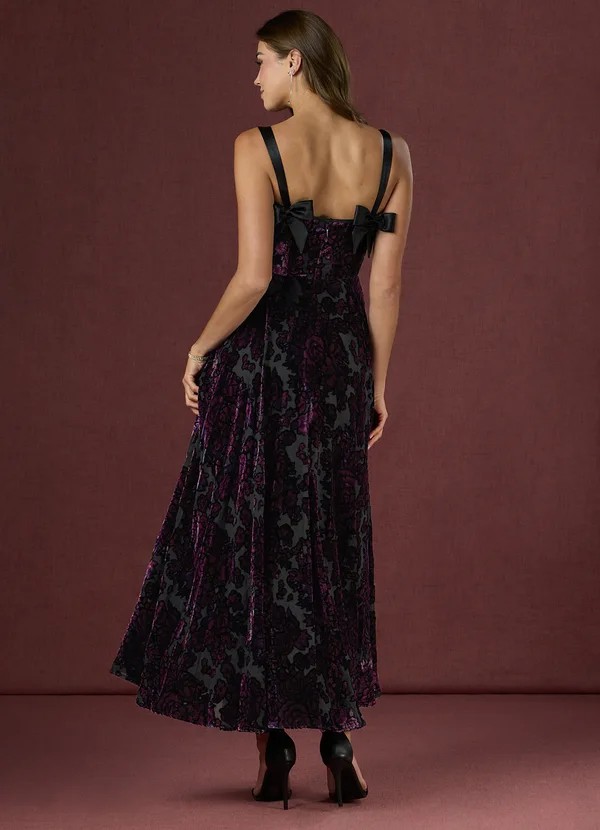
- Choose interesting textures (lace, velvet)
- Pair with metallic shoes
- Select styles with color accents
When to absolutely avoid black:
- Daytime or casual weddings
- Beach or garden celebrations
- Destination tropical weddings
- Cultural ceremonies where black is unlucky
Bright Red
Why to avoid: Red is a vibrant and attention-grabbing color that symbolizes passion and love, but wearing red as a guest might draw too much attention away from the bride.
Cultural considerations:
- Chinese weddings: Red is exclusively for the bride
- Indian weddings: Often the bride’s color
- Western weddings: Can appear attention-seeking
When red works:
- Deep burgundy or wine shades
- Red as an accent color, not the main color
- Formal evening Western weddings
- When incorporated in a subtle print
Better red alternatives:
- Burgundy or wine
- Cranberry or ruby
- Rust or burnt sienna
- Maroon or deep rose
Neon and Overly Bright Colors
Why to avoid: Super bright, attention-grabbing colors can pull focus from the couple on their special day, screaming “look at me!” which isn’t the vibe you want as a wedding guest.
Problems with neon:
- Photograph poorly and distract in images
- Draw eyes away from the bride and groom
- Appear juvenile or inappropriate
- Clash with wedding décor and palette
What to do if you love bright colors:
- Choose rich, saturated versions instead
- Use bright colors in small accent pieces
- Opt for jewel tones with depth
- Add color through interesting textures
Metallic Gold, Silver, and Sequins
Why to avoid: Wedding guests should avoid glittery fabrics, allover sequins that sparkle, and metallic gold, silver, and rose gold hues, as many brides choose metallic colors for the wedding party or wedding dresses with sparkling embellishments.
When metallics are problematic:
- All-over metallic dresses
- Heavy sequin coverage
- Shiny gold or silver that reflects light
- Glittery fabrics that sparkle excessively
Acceptable metallic use:
- Black-tie evening weddings (subtle)
- Small metallic accents or accessories
- Metallic shoes or clutch
- Subtle shimmer in fabric, not overt sparkle
Bridesmaid and Groomsmen Colors
Why to avoid: Matching the wedding party causes confusion and makes you appear to be an uninvited member of the bridal party. This creates awkward photo moments and may offend the couple.
Commonly used bridal party colors:
- Blush pink and dusty rose
- Dusty blue and slate
- Sage green and eucalyptus
- Burgundy and wine
- Navy and royal blue
- Mauve and lavender
Finding safe ground:
- Choose multi-colored prints
- Select entirely different color families
- Opt for neutrals that complement everything
- Coordinate with other guests, not the party
Safe Color Alternatives for Wedding Guests
Best Colors That Always Work
Navy blue:
- Universally flattering
- Appropriate for all formality levels
- Photographs beautifully
- Works year-round
- Never competes with bridal colors
Jewel tones:
- Emerald green: rich and elegant
- Sapphire blue: sophisticated
- Ruby or garnet: deep and formal
- Amethyst: unique and pretty
Earth tones:
- Terracotta and rust
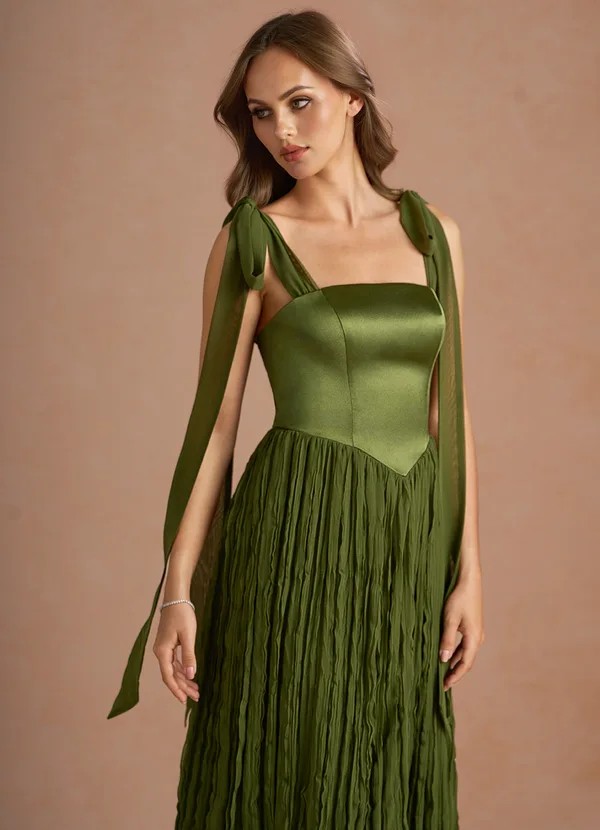
- Olive and forest green
- Chocolate and caramel
- Warm neutrals
Soft romantic colors:
- Dusty pink (not blush)
- Lavender and lilac
- Soft coral
- Periwinkle blue
Color Selection by Season
| Season | Best Color Palette | Colors to Emphasize | Shades to Avoid |
| Spring | Pastels and florals | Lavender, mint, peach, sky blue | White, neon pastels |
| Summer | Bright and cheerful | Coral, turquoise, yellow, fuchsia | Neon, overly bright |
| Fall | Rich and warm | Burgundy, olive, rust, plum | Black (daytime), white |
| Winter | Deep and jewel-toned | Emerald, navy, cranberry, gold | Neon, very light shades |
Pattern and Print Guidelines
When Patterns Help You Avoid Color Pitfalls
Floral prints:
- Provide built-in color variety
- Rarely match bridal party exactly
- Photograph beautifully
- Work for most formality levels
Geometric patterns:
- Modern and sophisticated
- Include multiple colors safely
- Less likely to be problematic
- Great for contemporary weddings
Abstract prints:
- Artistic and unique
- Mix colors that complement
- Stand out without stealing focus
- Work across seasons
Multi-colored designs:
- Safest choice when unsure
- Include several hues together
- Harder to match bridal party
- Versatile for accessories
Patterns to Avoid
All-white backgrounds: Even with colored print, predominantly white fabric reads as white from a distance.
Large logo prints: Appear too casual and draw attention to branding rather than celebration.
Overly bold prints: Extremely large or chaotic patterns photograph poorly and distract in group photos.
Accessory Color Considerations
Colors That Work in Accessories
Even if you avoid a color in your dress, you can often incorporate it through accessories:
Always safe in accessories:
- Metallic shoes (gold, silver, bronze)
- White or cream handbags (small clutches)
- Colored jewelry (any shade)
- Statement pieces in bold colors
Shoes by formality:
- Formal: Metallic, nude, black
- Semi-formal: Jewel tones, pastels
- Casual: Bright colors, patterns acceptable
Jewelry guidelines:
- Complement dress color
- Can be bolder than outfit
- Pearls work with everything
- Colored stones add interest
Complete the Look Without Color Conflicts
Building a cohesive outfit:
- Start with dress in safe color
- Add shoes in complementary or neutral tone
- Choose jewelry that enhances, not competes
- Select handbag that coordinates
- Consider wrap or jacket in harmonizing shade
Special Venue Color Considerations
Beach Weddings
Colors that work:
- Tropical brights (not neon)
- Ocean blues and aquas
- Coral and peach
- Sunny yellows
Colors to avoid:
- White or cream (looks too bridal)
- All-black (too formal and hot)
- Heavy dark colors in heat
Garden and Outdoor Weddings
Colors that work:
- Floral tones and prints
- Soft pastels
- Earth tones
- Nature-inspired hues
Colors to avoid:
- Colors that clash with greenery
- All-white in natural settings
- Neon that fights with flowers
Indoor Formal Venues
Colors that work:
- Rich jewel tones
- Classic black (evening)
- Elegant navy and burgundy
- Sophisticated metallics (subtle)
Colors to avoid:
- Very casual bright colors
- Neon shades
- Overly sparkly fabrics
Rustic and Barn Weddings
Colors that work:
- Warm earth tones
- Burgundy and wine
- Olive and sage
- Rust and terracotta
Colors to avoid:
- Formal all-black
- Bright white
- Metallic and sparkly
What to Do If You’re Unsure About a Color
Quick Decision-Making Tips
When in doubt:
- Take a photo of your outfit in natural light
- Ask a trusted friend for honest feedback
- Check if it looks white or bridal in photos
- Consider if it draws too much attention
- Reach out to the couple or wedding party
Safe default choices:
- Navy blue dress or suit
- Jewel-tone formal dress
- Patterned wedding guest dresses with multiple colors
- Classic black with colorful accessories
Test your color choice:
- Photograph in daylight and indoor lighting
- View photo on phone from across the room
- Ask: “Would this distract from the bride?”
- Consider: “Does this match typical bridesmaid colors?”
Frequently Asked Questions
Can I wear a black dress to a wedding?
Yes, black is acceptable for evening and formal weddings in modern Western culture. Modern etiquette has relaxed considerably regarding black at weddings. Add colorful accessories to brighten the look. Avoid all-black for daytime casual weddings or beach destinations where it may feel too somber or formal.
Is it ever okay to wear white to a wedding?
No, unless the couple explicitly requests an all-white dress code. White and all its variations (ivory, cream, champagne) should be avoided. The only person who should be in a white dress is the bride. Even small white elements that dominate your outfit should be reconsidered.
What if my dress has white in a pattern?
Small amounts of white within a multicolored pattern are generally acceptable. The key is whether your outfit reads as predominantly white from a distance. If the white elements are minimal accents on a clearly colored dress, it’s usually fine. When in doubt, choose a pattern with less white.
Can I wear red to a Western wedding?
Bright red can be attention-grabbing at Western weddings, though it’s less strictly forbidden than white. Wearing red as a guest might draw too much attention away from the bride. Deep burgundy, wine, or rust are safer alternatives. Save bright red for formal evening weddings where bold colors are more expected.
How do I know what color the bridesmaids are wearing?
Check the wedding invitation design for color clues, look at the couple’s wedding website, or politely ask the bride or a wedding party member. If you can’t find out, choose neutral colors like navy or multi-colored prints that are unlikely to match.
Are metallics and sequins ever appropriate?
Subtle metallics and light embellishment are acceptable for formal and black-tie evening weddings. Avoid all-over sequins, heavily glittered fabrics, or very shiny metallic dresses that photograph as spotlight-stealing. Small metallic accents in accessories are always fine.
Can I wear neon or bright colors to a wedding?
No, overly bright or neon colors are generally discouraged because they draw attention away from the bride and groom. Instead, opt for rich, saturated shades like jewel tones or incorporate bright colors as small accent pieces in accessories.
Are there cultural considerations I should keep in mind when choosing a color?
Yes. Different cultures associate certain colors with weddings differently. For example, white is considered mourning in some Asian cultures, while red is reserved for brides in Chinese and Indian weddings. Always research the couple’s cultural background and follow any dress guidelines they provide.
What colors are safe for daytime vs. evening weddings?
For daytime weddings, light to medium tones, soft pastels, and floral prints work best. For evening weddings, deeper jewel tones, rich colors, and subtle metallics are more appropriate. Avoid all-black during the day and overly light shades at formal evening events.
Can I match my outfit to the wedding venue?
Yes, the venue and setting should influence your color choice. For beach weddings, tropical brights, ocean blues, and coral work well. Garden weddings pair nicely with pastels, floral prints, or earthy tones. Formal indoor venues suit rich jewel tones, navy, or sophisticated metallic accents.