
What are the best fabrics for formal dresses?
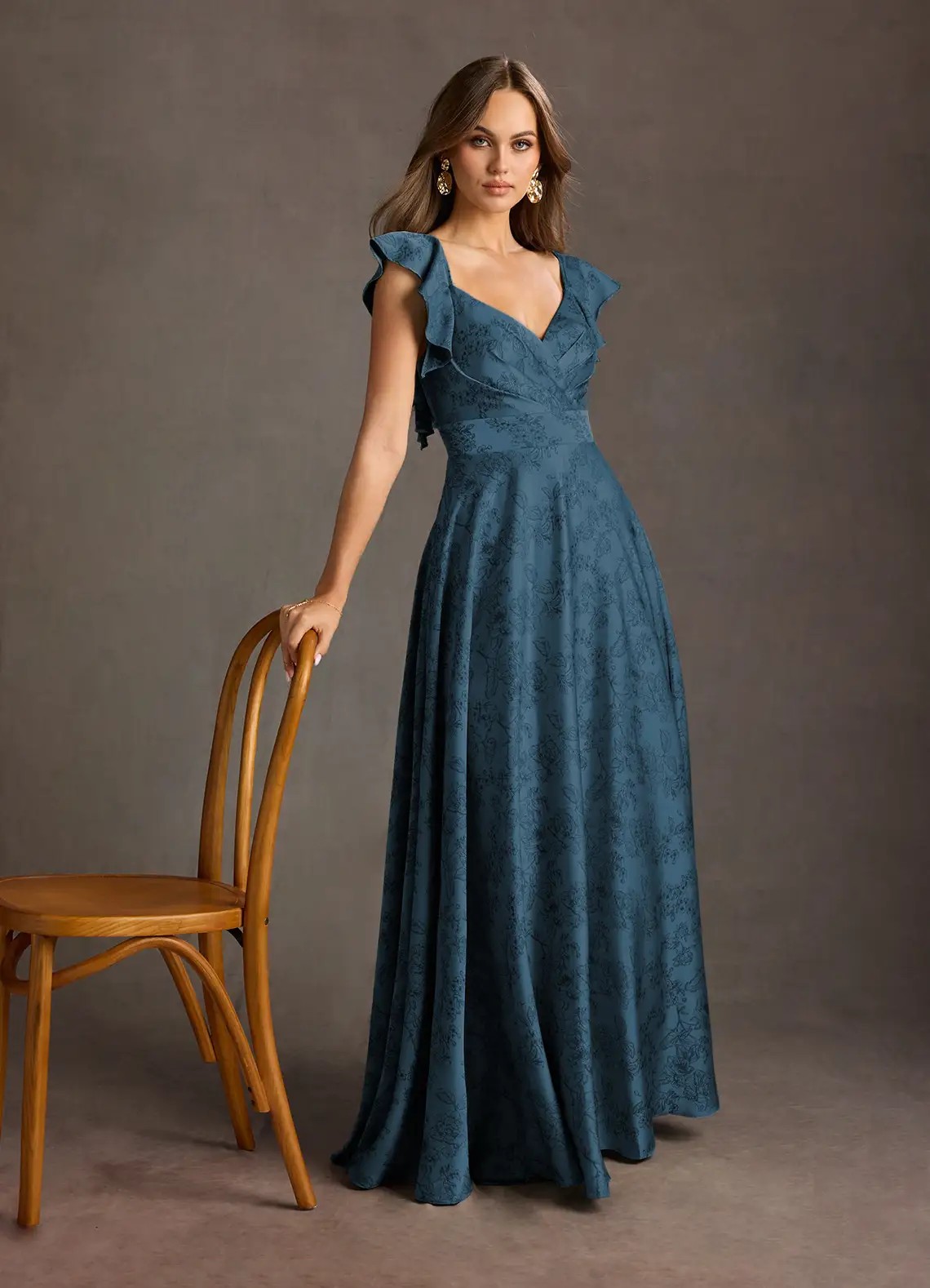
The fabric you choose defines how your dress looks, moves, feels, and lasts. It affects drape, silhouette, comfort, seasonality, and photography outcome.
A formal dress fabric must meet aesthetic, practical, and event-appropriate needs. Choosing the right material elevates a dress from “just pretty” to “elegant, timeless, and wearable again.”
So let’s dive into the best fabrics for formal dresses, how they perform, and when to choose each one. We’ll include bullet lists, a table comparing common materials, and practical tips you can use right away.
Top Fabrics for Formal Dresses – Overview
Here are some of the most popular fabrics used in formal dresses, with quick notes on their strengths.
- Satin – smooth, slightly shiny, elegant.
- Crepe – matte finish, structured drape, refined.
- Chiffon – lightweight, flowing, ideal for layering.
- Georgette – light texture, good movement.
- Organza – crisp, sheer, holds shape for fuller designs.
- Velvet – rich texture, best for cooler seasons.
- Lace (overlays) – decorative, feminine, often layered.
- Taffeta – crisp, structured; holds design shape well.
- Silk blends – natural luxury, excellent drape and feel.
- Matte finishes / minimal shine – modern and versatile.
Fabric Comparison for Formal Dresses
| Fabric | What it Feels/Looks Like | Best For | Pros | Cons |
| Satin | Smooth, light sheen | Evening, gala, formal dinners | Elegant drape, looks rich | Can wrinkle, may feel flashy |
| Crepe | Matte finish, slightly textured | Professional formal, minimal | Structure, less shine, modern | May require lining, less flow |
| Chiffon | Lightweight, airy, semi-sheer | Layering, flowing gowns | Drapes beautifully, elegant movement | Needs lining, can flutter |
| Georgette | Light texture, gentle drape | Elegant but relaxed formals | Movement, comfortable | Less structure, may cling |
| Organza | Crisp and sheer, holds shape | Overskirts, dramatic gowns | Volume, structure | Can be stiff, less comfortable |
| Velvet | Plush texture, rich depth | Winter events, luxury looks | Warm, luxurious | Too heavy for warm seasons, high care |
| Lace overlay | Decorative net with embroidery | Feminine, romantic designs | Detail, elegance | Needs backing, delicate |
| Taffeta | Crisp, rustle sound, structured | Ball-gown silhouettes, full skirts | Holds shape, dramatic | Less comfortable, stands out |
| Silk blends | Natural fibre luxury feel | High-end formals, special event | Breathable, beautiful drape | Higher cost, more care |
How to Choose the Right Fabric Based on Event & Season
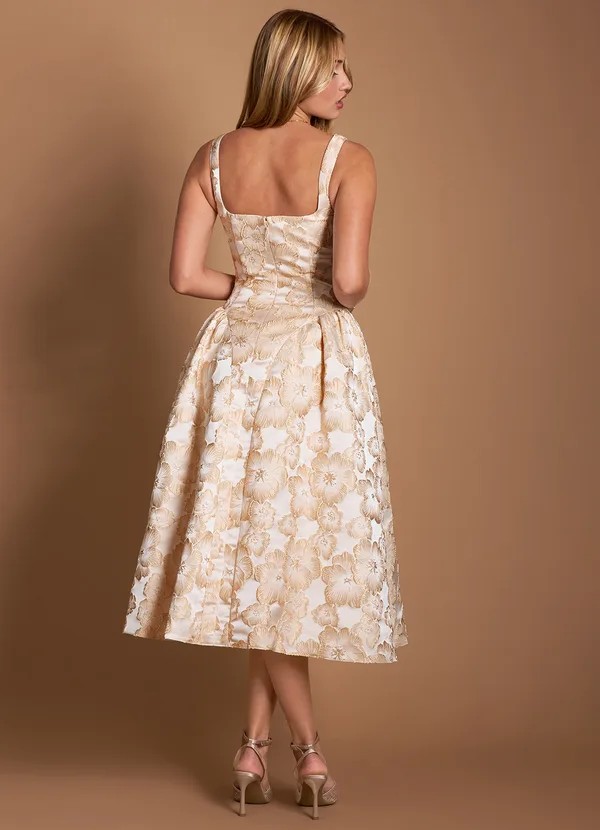
Consider the event type
- Evening gala → heavier fabrics, more structure (e.g., satin, velvet, taffeta).
- Daytime formal, lunch event → lighter fabrics and matte textures (crepe, chiffon).
- Outdoor formal, summer → breathable, light drape fabrics (chiffon, georgette).
- Winter or cooler climates → plush textures and thicker weight fabrics (velvet, heavy satin).
Consider your silhouette and movement
- Flowing silhouettes (A-line, layered skirts) pair well with lightweight fabrics like chiffon or georgette.
- Tailored silhouettes (sheath, column) benefit from structured fabrics like crepe or satin.
- If you’ll be sitting, dancing, moving a lot → choose fabrics with ease in movement and minimal crispness.
Consider color & photography
- Matte fabrics reduce unwanted shine in photos and look elegant under lights.
- Sheen fabrics like satin catch light and may look richer—ideal for evening.
- Textured fabrics add depth but can show wear or snag easily—so evaluate quality.
Seasonality & Fabric Weight Guide
Spring/Summer
- Fabrics: chiffon, georgette, light crepe, silk blends.
- Priorities: breathability, movement, light weight.
- Avoid: heavy velvet, thick taffeta, heavy linings.
Fall/Winter
- Fabrics: velvet, heavy satin/duchess satin, taffeta, heavy crepe.
- Priorities: warmth, richness, weight.
- Avoid: ultra-sheer fabrics without lining, very lightweight flowy styles unless layered.
Fabric Care & Wearability
- Fabrics like chiffon and georgette may need delicate cleaning, and can snag easily.
- Satin and velvet may require professional cleaning and careful storage.
- Crepe and heavier fabrics can be more durable and better for repeated wear.
- Storage matters: hang in garment bags, keep out of sunlight, press/steam as needed.
- Buying from quality collections (like Azazie’s Atelier line) often means better fabric performance and care instructions.
Detailed Fabric Profiles
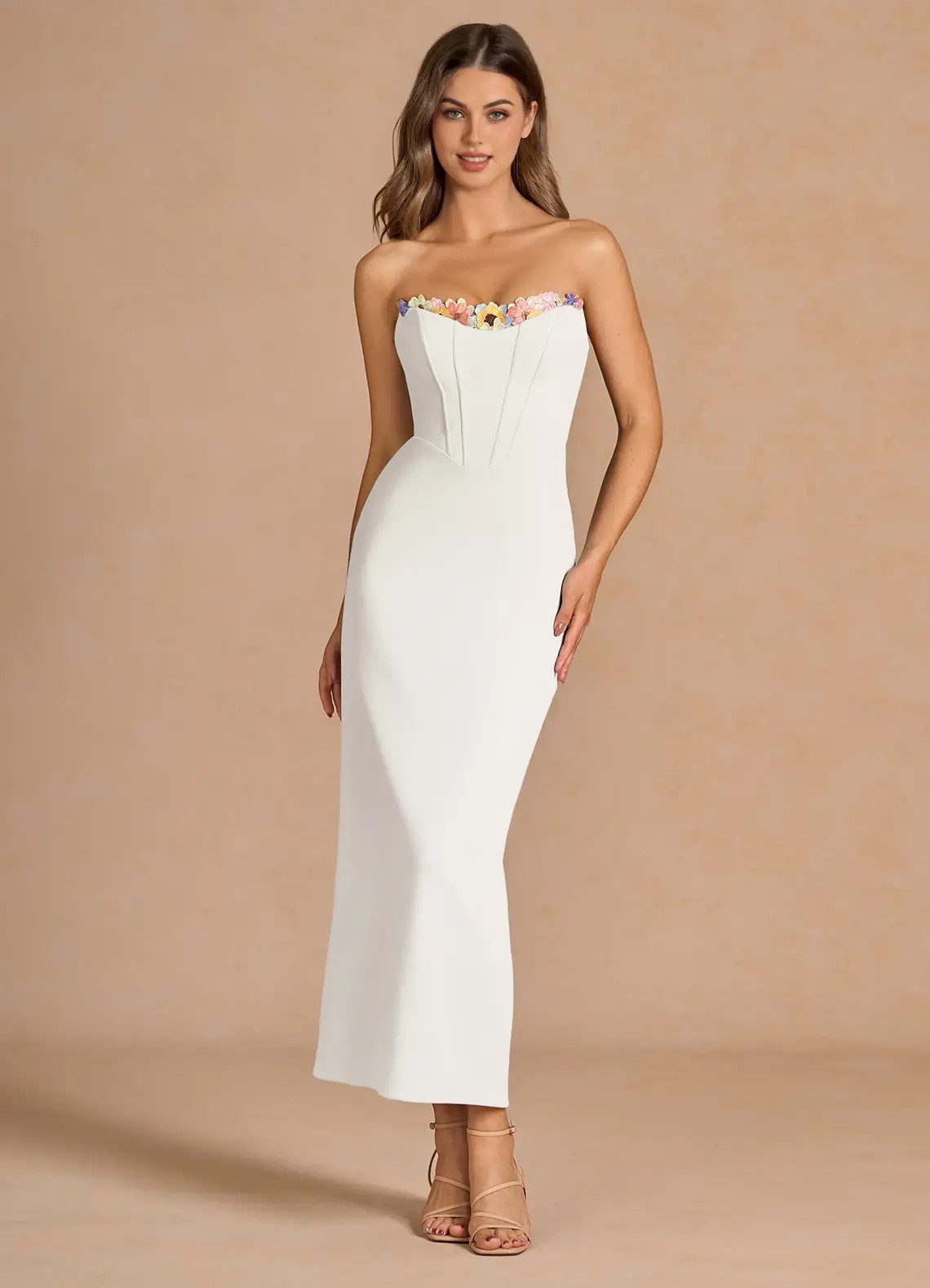
Satin
- Smooth, often lustrous surface.
- Gives elegant drape and formal shine.
- Works well for evening dresses and long gowns.
- Be mindful of wrinkles and reflective surfaces; choose higher-quality satin with moderate sheen.
Crepe
- Matte or low sheen finish, fine grain or slight texture.
- Excellent for tailored looks and office-to-evening formals.
- Offers structure and less flash, making it versatile.
- Choose crepe with good weight so it drapes properly without clinging.
Chiffon
- Light, airy, semi-sheer fabric with soft movement.
- Ideal for overlays, flowing dresses, and layered looks.
- Great for spring/summer formalwear and outdoor events.
- Requires lining and care to avoid snags; ensure good quality.
Georgette
- Slightly heavier than chiffon, textured surface, good flow.
- Perfect for elegant but less rigid silhouettes.
- Comfortable for movement and dancing.
- Check the fabric weight so it doesn’t look flimsy.
Organza
- Crisp, sheer, holds shape and volume.
- Good for full skirts, dramatic silhouettes, statement formal dresses.
- Best for evening, high-impact looks.
- Might feel stiff and less comfortable for long wear; balance style vs comfort.
Velvet
- Plush texture, rich look, often heavier weight.
- Excellent for winter events, formal galas or holiday parties.
- Gives luxurious feel but can be too warm for summer; requires careful cleaning and storage.
Lace Overlays & Decorative Fabrics
- Lace is often layered over other fabrics to add detail and elegance.
- Works for formal dresses when used thoughtfully (not overly busy).
- Ensure the underlying fabric supports the lace so the dress remains structured and durable.
- Lace alone can be delicate; avoid if you need a lot of movement or wear.
Taffeta
- Crisp and slightly structured fabric — tends to rustle when you move.
- Great for fuller skirts and standout evening gowns.
- Less suited for multi-event wear if you need comfort or subtlety; it makes a statement.
Matching Fabric to Dress Style in the Azazie Atelier Collection
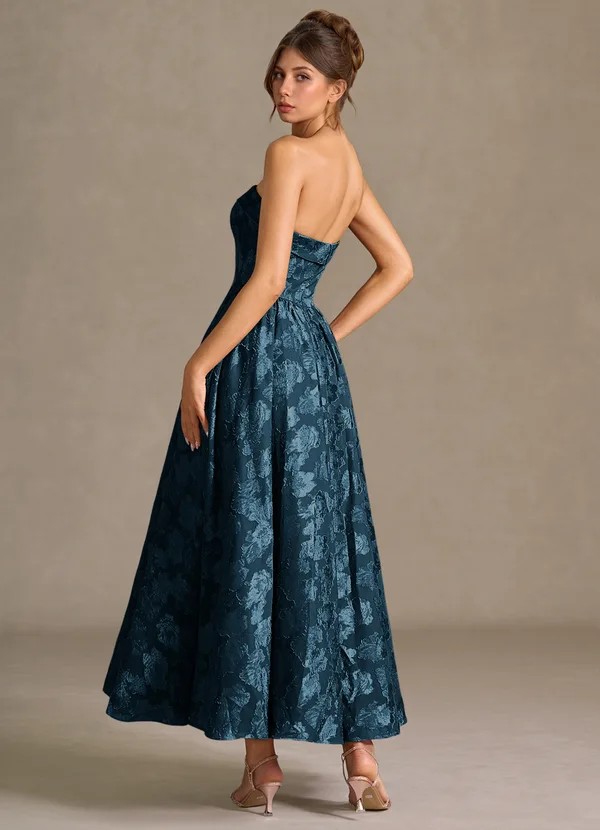
When you browse the Atelier collection, use these tips:
- Look for the fabric name in the product details (satin, crepe, chiffon, etc.).
- For an evening gala, pick satin or velvet style.
- For a corporate formal or daytime event, pick crepe or matte satin.
- For a destination or summer event, pick chiffon or georgette styles.
- For a dramatic effect (red carpet, awards) pick organza or taffeta.
- Consider how often you’ll wear the dress and how you’ll accessorize—lighter fabrics and matte finishes offer re-wear flexibility.
How to Test Fabric Quality When Shopping
- Feel the fabric: it should feel good against your skin, not itchy or stiff unless intended.
- Check drape: hold the dress up and see how the fabric falls; flowy vs rigid.
- Move in it: sit down, walk, raise arms—does the fabric stretch, tug, wrinkle?
- Lighting test: under bright lights, does the fabric show unwanted shine or fade?
- Check lining/finish: good formal dresses include quality lining, clean seams, and proper finishing touches.
- Fabric info: look at the material listing—avoid vague “poly blend” only; quality matters.
Fabric & Budget: What You Pay For
- Natural fibers (silk, silk blends, some velvet) cost more. They offer a better feel and drape.
- Synthetic blends (poly satin, poly chiffon, rayon) are more affordable and can perform well if made well.
- Care needs matter more with luxury fabrics—cost of cleaning, storage, and wear-life should factor in.
- If you intend to re-wear the dress for multiple events, invest in better fabric quality for longevity.
- The Azazie Atelier collection offers elevated materials suited for formalwear, which helps justify investment in a quality fabric.
Fabric Choice for Re-Wearability & Versatility
- Fabrics like crepe, matte satin, georgette offer more subtle, timeless looks you can re-wear.
- Overly shiney/sparkly fabrics may feel “one-time use” or tied to a specific event.
- Heavy fabrics may limit where you can wear the dress (season, venue).
- Lightweight fabrics may make you feel underdressed in formal evenings; pick contextually.
- If you pick one dress to wear to many events, prioritise quality of fabric, neutral color, and versatile style.
Care & Storage by Fabric Type
- Chiffon/Georgette: hang loosely, avoid wrinkles, handle snags carefully.
- Satin/Crepe: press/steam, hang in a breathable garment bag, avoid folding lines.
- Velvet/Taffeta: store in a cool, dry place; avoid heavy shoulder hangers that distort shape.
- Lace overlays: protect from snags; use padded hangers; consider storing flat if long term.
- Follow the dress label and manufacturer instructions; good fabric + good care = longer lifespan.
Checklist: Best Fabric For Your Event & Needs
- Is the fabric appropriate for the season (lightweight vs heavy)?
- Does the fabric support the silhouette of the dress you want?
- Will you look and feel appropriate for the event type in this fabric?
- Can you re-wear the dress later without fabric looking dated or event-specific?
- Does the fabric require special care you’re willing to commit to?
- Does the color + fabric combo photograph well and fit your personal style?
If you answer “yes” to each, you’ve likely chosen a strong fabric for your formal dress.
Final Thoughts
Selecting the best fabric for a formal dress is a mix of style, practicality, and personal comfort. When you choose wisely, the fabric allows your dress to shine for the right reasons—drape, movement, color, photography, and comfort.
Whether you’re browsing the Azazie Atelier formal dresses collection or choosing a bespoke piece, use the fabric guides above to make informed decisions. Focus less on and more on how the material makes you feel, how it suits your events, and how it will serve you beyond one wear.
Frequently Asked Questions
What fabric is best for an evening formal event?
Satin or velvet work beautifully for evening formals because of their rich texture and drape.
What fabric is best for a daytime formal or outdoor event?
Lightweight fabrics like chiffon or georgette, or matte fabrics like crepe, are best for daytime and outdoor formals.
Is a shiny fabric always better for formal dresses?
Not always — a moderate shine can look elegant, but too much gloss may appear flashy or out of place for certain formal events.
Does heavier fabric mean better quality?
Not necessarily. Heavier fabrics like velvet or taffeta can feel luxurious, but quality also depends on weave, finishing, and how the fabric works with the dress design.
How can I determine the quality of fabric when shopping online?
Look for clear material descriptions (e.g., “matte crepe,” “lightweight chiffon”), check fit and lining info, user reviews, and if possible examine fabric samples or swatch before purchase.
Can synthetic fabrics like polyester look as elegant as natural fabrics?
Yes. High-quality synthetics such as poly satin, chiffon, or georgette can mimic the look and drape of natural fabrics. Proper construction, lining, and finishing elevate the overall appearance, making them budget-friendly alternatives.
Which fabrics are easiest to care for and maintain over time?
Crepe, matte satin, and polyester blends are generally low-maintenance, resist wrinkles, and hold up to repeated wear. Delicate fabrics like chiffon, velvet, and lace require extra care, including dry cleaning and careful storage.
How do fabrics affect comfort during long events?
Lightweight fabrics like chiffon and georgette offer breathability and movement, ideal for long dances or outdoor events. Heavier fabrics like velvet or taffeta provide warmth but may feel restrictive if worn in hot climates or crowded venues.
Are layered fabrics or overlays better for formal dress designs?
Layered fabrics like chiffon overlays or lace atop satin create elegance and visual interest without adding bulk. Ensure the base fabric supports the overlay and allows movement; otherwise, it can feel stiff or uncomfortable.
Can I mix fabric types in one formal dress?
Absolutely. Combining fabrics (e.g., satin bodice with chiffon skirt, lace overlay on crepe) adds texture and dimension. When done thoughtfully, it enhances elegance while maintaining comfort and functionality for different events.