
What Are the Benefits of a Custom-Made Wedding Dress?
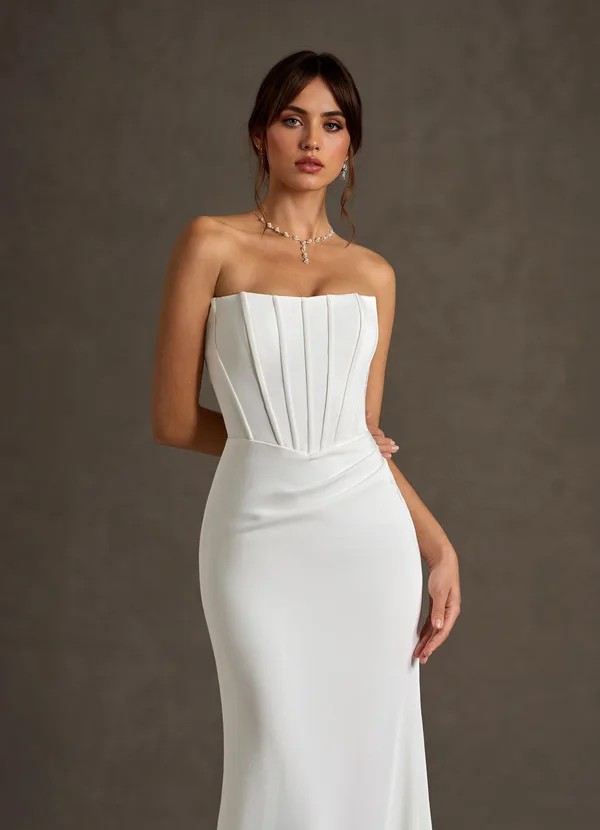
A custom-made wedding dress is more than a garment.It’s a collaboration, a canvas, and a keepsake you’ll treasure for life.If you’ve ever tried on beautiful gowns that were “almost right,” you already know the pull of bespoke.
Custom creation turns almost into exactly—with fit, design, and comfort engineered just for you.Below, you’ll find the big benefits, a stage-by-stage process, comparison tables, and practical timelines.Use this guide to decide whether custom is your best path and how to make the most of it.
A custom-made wedding dress gives you precise fit, one-of-a-kind design, and superior craftsmanship.
You’ll collaborate on silhouette, neckline, sleeves, fabrics, and details that reflect you.
Expect 2–4 fittings to perfect comfort and mobility, from breathing and hugging to dancing and stairs.You gain sentimental value, modular options (sleeves, overskirts, veils), and a gown that photographs beautifully in your venue and climate.If you want a dress that feels like a story—not just a size—custom is unmatched.
Why Brides Choose Custom: The Big 10
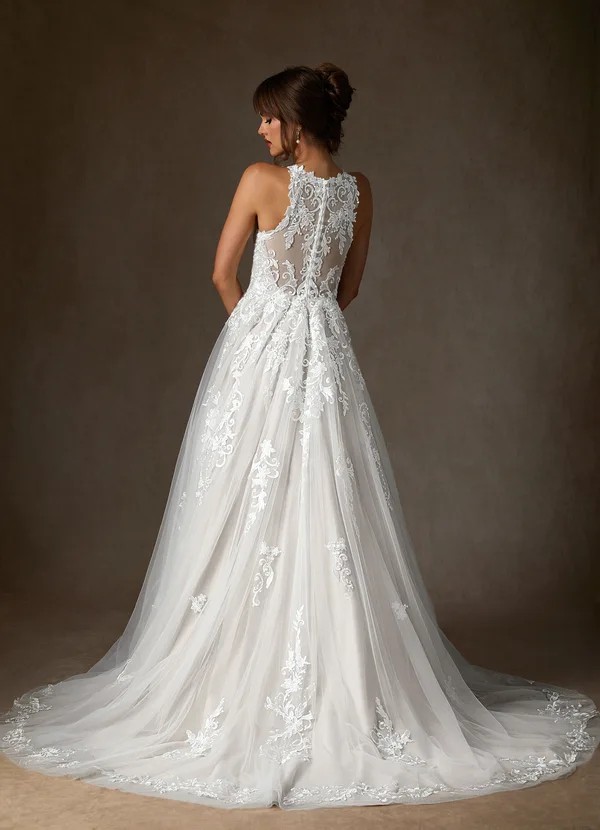
- Perfect Fit, Not Just “Close Enough.”
Your gown is cut to your measurements and posture, not a size chart.
It moves with you, not against you. - Unique Design That Tells Your Story.
Every choice—neckline, sleeves, train, motifs—comes from your taste and venue.
No duplicates on your feed or in your friend group. - Comfort Engineered In.
Arm mobility, breath ease, hem “kiss,” and bustle design are baked into the pattern.
You feel great from aisle to last dance. - Quality Craftsmanship.
Clean seamwork, balanced boning, smooth lining, and hand-placed details elevate everything.
It photographs and ages beautifully. - Fabric Freedom.
Choose exact drape, texture, and sheen for your climate and lighting.
Mix layers (crepe + organza, satin + lace) to get the look and feel you want. - Modularity & Versatility.
Detachable sleeves, overskirts, capes, and bows give you two looks in one.
Ceremony drama becomes reception ease in seconds. - Ethical & Sustainable Choices.
Select responsible suppliers, deadstock fabrics, and heirloom construction that lasts.
Re-wear and restyle later without waste. - Cultural & Personal Details.
Integrate meaningful lace, embroidery, or family heirlooms; meet modesty needs with grace.
The dress honors who you are and where you come from. - Sentimental Value & Legacy.
Your gown becomes a keepsake with a known origin story.
You can preserve, re-wear, or pass it on with pride. - Creative Partnership.
Working with a designer is energizing and deeply personal.
You witness your vision become real, step by step.
Custom vs Made-to-Order vs Off-the-Rack (At a Glance)
| Feature | Custom-Made (Bespoke) | Made-to-Order (Standard Size or Custom Size) | Off-the-Rack (In Stock) |
| Fit | Pattern drafted to your measurements and posture | Standard size or custom size, then altered | Based on sample; relies on alterations |
| Design Control | Full control: silhouette, neckline, sleeves, train, details | Choose from set design; minor tweaks | Fixed design; limited change |
| Fittings | 2–4 fittings with toile/muslin stages | 2–3 fittings after dress arrives | 1–3 fittings depending on changes |
| Fabric Choice | Broad selection; mixed layers possible | Fabrics preselected by designer | Fixed fabric and trims |
| Comfort Engineering | Designed for movement and venue | Adjusted via alterations | Adjusted via alterations |
| Uniqueness | One-of-a-kind | Some personalization | Widely available |
| Timeline | Longest (12–20+ weeks build) | Medium (8–16 weeks) | Shortest (same day to a few weeks) |
| Legacy Value | Highest (story + craft) | Moderate | Varies by brand |
The Custom Process (What Actually Happens)
Consultation & Concept (1–3 weeks).
You share venue, date, climate, and inspiration images (5–8 favorites max).
Your designer maps silhouette, neckline, sleeves, train, and hero detail (veil, bow, buttons, or florals).
Measurement Session & Foundations (0–2 weeks).
Bust, waist, hips, hollow-to-hem, height in shoes, shoulder slope, and posture notes.
You try undergarments you’ll wear so the pattern is true to your body.
Fabric & Detail Selection (1–4 weeks).
You handle swatches: crepe, satin, mikado, chiffon, tulle, lace types, lining options.
Decide on embellishments: pearls, 3D florals, covered buttons, modesty insets.
Toile/Muslin Fitting (2–6 weeks).
A test version checks proportions and movement before cutting into final fabric.
Pinning and marker lines fine-tune flare, neckline angle, and arm mobility.
Construction & Handwork (3–10+ weeks).
Bodice architecture, seam balancing, lining, and hand-placed motifs happen here.
If you’re adding sleeves/overskirt/cape, attachments are engineered.
Fitting #2 (Refinements) (4–6 weeks before wedding).
Hem “kiss” with final shoes, sleeve comfort, bustle test, veil placement.
Any micro-darts, cup swaps, or hidden elastic are added.
Final Fitting & Pickup (1–2 weeks before wedding).
Comfort sign-off, spin test, stairs practice, steam & storage plan.
You leave with a bustle map and a helper video.
The Fit & Comfort Wins (Why Bespoke Feels Different)
- Anchored, Not Tight.
Custom boning and longline support balance the bodice so you don’t tug or brace.
You breathe fully and stand taller naturally. - Arm Mobility Without Compromise.
Sleeve patterning includes micro-gussets or hidden elastic so you can toast, hug, and dance.
No popping seams or digging cuffs. - Hem That “Kisses” the Floor.
Your front hem grazes the ground in final shoes—no puddling, no toe peeking.
This keeps you safe and clean. - Bustle That Works for Your Train & Venue.
Over-bustle (American), under-bustle (French), or multi-point custom—designed to lift weight evenly.
You’ll practice with your helper so it’s easy on the day.
Fabric Freedom: Choose What Feels (and Photographs) Best

Crepe (stretch/matte).
Modern, breathable, moves with you.
Ideal for columns and fit-and-flare with comfort.
Satin/Mikado (luminous/structured).
Regal sheen; holds bows and architectural lines.
Perfect for cathedrals and candlelit ballrooms.
Chiffon/Georgette (airy/flowy).
Breezy elegance for gardens, beaches, and summer.
Layer over crepe for movement + modesty.
Tulle/Organza (light volume).
Romance without heavy weight.
Supports 3D florals and dreamy skirts.
Lace (corded/beaded/embroidered).
Heirloom texture that frames necklines and sleeves.
Color-match illusion mesh and place motifs to flatter.
Design Control: Your Vision, Not a Compromise
- Silhouette: A-line, ball gown, sheath, mermaid, empire, tea-length—no off-limits.
- Neckline: square, scoop, V, sweetheart, off-shoulder, bateau, high neck, asymmetric.
- Sleeves: fitted, illusion, flutter, bishop, Juliet, detachable puffs, or none.
- Train: sweep to cathedral; detachable overskirt for two looks in one.
- Hero Detail: choose one star—veil, bow, buttons, or floral texture—to keep it elegant.
- Cultural elements: modesty panels, embroidery motifs, heirloom lace insets, color cues.
Your designer helps balance proportions so the gown “reads” beautifully in person and in photos.
You get editorial impact without fuss.
Custom = Modularity (Two Looks, One Gown)
| Modular Piece | Daytime/Ceremony | Reception Switch | Comfort Win |
| Detachable sleeves | Coverage and romance | Off for dancing | Arm freedom |
| Overskirt | Aisle drama | Reveal fitted base | Lighter movement |
| Cape/Capelet | Formal entrance | Off for toasts | Warmth or sun cover |
| Bow/Streamers | Couture focal point | Re-tie or remove | Quick visual change |
| Veil strategy | Cathedral photos | Fingertip or none | Less weight/drag |
Custom engineering means the attachments are secure and invisible.
You’ll practice on/off so the changes are effortless.
Emotional & Cultural Benefits
- Your Story in Stitching.
Custom lets you honor family, culture, faith, or shared symbols with grace.
Choose meaningful motifs, colors, or inscriptions inside the lining. - Confidence on the Day.
You know exactly how your dress behaves because you shaped it.
That calm shows in your posture, smile, and photographs. - Legacy & Re-wear Potential.
With quality construction, you can dye, shorten, or separate bodice and skirt later.
The gown can live multiple lives without losing its meaning.
Fit & Movement Tests (Designed Into the Process)
During fittings, your designer will guide you through these.
They’re built into bespoke tailoring, not an afterthought.
- Breath test: inhale fully—no bracing.
- Sit test: sit and stand—no digging or zipper strain.
- Stairs test: three steps up/down—stride is natural.
- Hug test: sleeves and straps stay calm.
- Arms-up test: cheer overhead—no neckline shift.
- Spin test: fabric resets smoothly; hem stays safe.
Custom Timeline You Can Trust (No Prices—Just Steps)
| Timeframe | What Happens | Why It Matters |
| 10–14+ months out | Research designers; book consultations | Secures your slot and creative fit |
| 9–12 months | Concept, measurements, fabric selection | Aligns design with venue and climate |
| 8–10 months | Toile/muslin fitting | Perfects proportions before cutting |
| 6–8 months | Construction phase | Quality handwork takes time |
| 4–6 months | Fitting #2 (refine) | Lock hem, sleeves, bustle, veil |
| 1–2 months | Final fitting | Comfort & movement sign-off |
| 1–2 weeks | Pickup; steam/storage plan | Calm buffer before travel and day-of |
If your wedding is sooner, a designer can still help with a semi-custom or accelerated plan.
Expect tighter decision windows; keep changes focused.
Comfort & Structure: Inside Engineering
- Boning that supports, not bruises.
Soft channeling and correct placement keep the bodice anchored. - Breathable linings.
Smooth, skin-kind linings prevent friction and hot spots. - Horsehair at hem only where needed.
Adds shape without unnecessary weight. - Underarm guards and micro-gussets.
Cleanliness and mobility from the inside out.
Care, Storage & Re-Wear (Bespoke Dresses Age Beautifully)
- Steam in sections: bodice → sleeves → skirt → train.
- Hang high with a clean sheet under the hem; keep away from steam and sun.
- Post-wedding: professional cleaning and preservation box with acid-free tissue.
- Re-wear potential: shorten to tea-length, add a cape, or dye the lining for a soft tint.
Custom vs Your Venue & Climate (Smart Pairings)
| Venue/Climate | Custom Wins | Fabric & Detail Tips |
| Cathedral / Ballroom | Scale and formality with exact proportion | Mikado/satin, covered buttons, cathedral veil |
| Garden / Vineyard | Movement + texture tailored to terrain | Chiffon/organza/lace, grass-kiss hem, chapel veil |
| Beach / Coastal | Breeze-smart patterning and anti-static lining | Light crepe/chiffon, plain fingertip veil, sweep train |
| Museum / Loft | Architectural precision and clean lines | Heavy crepe, square/bateau neck, button back |
| Winter / Mountain | Warmth + elegance without bulk | Sleeves, cape/coat, mikado/crepe, sectional bustle |
Customization Ideas (Menu of Thoughtful Options)
- Personal motifs: initials, dates, meaningful symbols embroidered inside.
- Heirloom lace: inset panels, cuffs, or veil borders from family textiles.
- Color cues: champagne underlay, blush tulle, or colored buttons for subtle individuality.
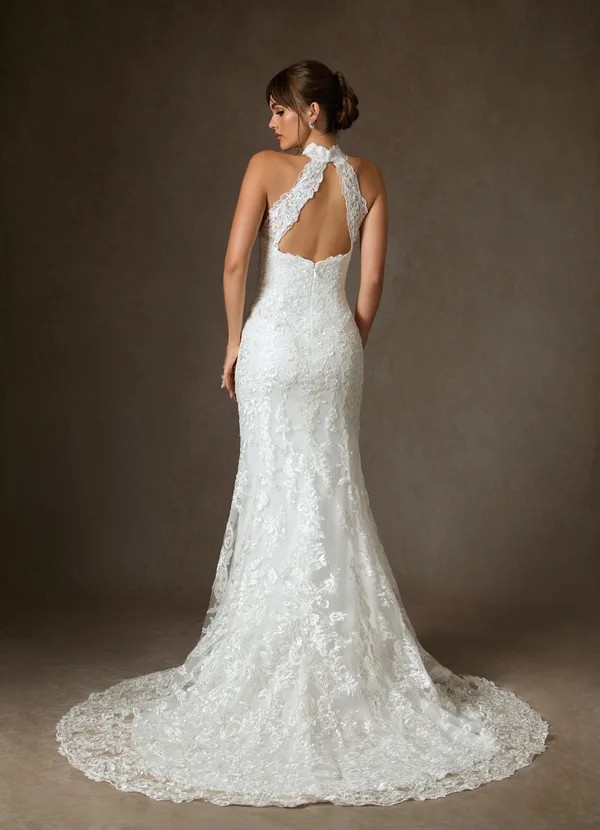
- Portrait back: button run, keyhole, or elegant low back framed by lace.
Designer Collaboration Tips (Make the Most of It)
- Bring 5–8 inspiration images total.
Too many can blur your direction. - Describe how you want to feel.
Confident, airy, regal, modern—feelings guide good design. - Name your hero detail early.
Veil, sleeves, bow, or buttons—but not all at once. - Be honest about movement needs.
Stairs, dancing, hugs, outdoor photos—comfort glows in pictures.
Common Concerns & How Custom Solves Them
- “I never find straps that stay.”
Custom strap placement moves 0.5–1 cm to match your shoulders; add discreet grippers. - “Off-shoulder looks lovely, but I need to move.”
Hidden elastic tunnels and micro-gussets give mobility without changing the line. - “Mermaid gowns restrict my steps.”
Raise the flare point a touch; add a discreet slit or godet for stride. - “I overheat easily.”
Choose breathable linings and lighter interlining; request deeper armscye for airflow. - “I want drama for the aisle, but ease later.”
Overskirt or cathedral veil for ceremony; switch to fitted base or fingertip veil for reception.
Real Bride Scenarios (Plug-and-Play)
Scenario A: Cathedral Evening, Black-Tie
- Custom mikado ball gown, off-shoulder, fitted sleeves, cathedral veil.
- Covered buttons to hem, engineered under-bustle for reception.
Scenario B: Garden Afternoon, Breezy
- Chiffon A-line with lace appliqué, soft V, flutter sleeves.
- Grass-kiss hem, plain chapel veil, anti-static lining.
Scenario C: Rooftop Sunset, Modern
- Heavy crepe column, square neckline, long button back.
- Plain fingertip veil, hidden elastic for arm reach, nonslip shoe pads.
Scenario D: Beach Destination, Warm & Windy
- Light crepe sheath, halter or spaghetti straps, sweep train.
- Plain fingertip veil, breathable lining, early bustle for portraits.
Print-Friendly Benefits Checklist
- Pattern drafted to my measurements and posture.
- Fabric chosen for my climate and venue lighting.
- Neckline, sleeves, train, and hero detail designed for me.
- Movement tests passed: breath, sit, stairs, hug, arms-up, spin.
- Hem kisses floor in final shoes; bustle plan is clear and easy.
- Lining is breathable; boning comfortable; inside is soft.
- Modular pieces (sleeves/overskirt/cape/veil) for two looks.
- Cultural or heirloom elements included with care.
- Re-wear strategy considered (shorten, dye, separate pieces).
- Steam and storage plan documented; preservation booked.
Frequently Asked Questions
How many fittings does a custom dress need?
Usually 2–4.
A toile/muslin fitting, a refinement fitting, and a final fitting are typical; complex sleeves or heavy handwork may add one more.
Is a custom gown always more comfortable?
When done well, yes.
Because pattern, support, and lining are built around you, comfort and movement are optimized from the start.
Can I still change my mind mid-process?
Minor edits—yes.
But batch decisions early (neckline, sleeves, train) to avoid rework; your designer will guide scope responsibly.
What if my size changes?
Tell your designer.
Custom patterns can accommodate small changes; schedule your final fitting 1–2 weeks before the wedding.
Is custom only for grand ball gowns?
Not at all.
A minimalist crepe column can be exquisitely bespoke, with perfect lines and subtle engineering.
Can I include detachable elements?
Absolutely.
Detachable sleeves, overskirts, capes, and bows are bespoke specialties—secure and invisible.
Will a custom dress be easy to re-wear?
Yes, if you plan for it.
Discuss dye-ability, potential hem changes, or separating bodice and skirt during the design phase.
Benefit Summary Table (Quick Reference)
| Benefit | What You Gain | Day-Of Impact |
| Exact Fit | Pattern to your body & posture | No tugging; natural posture |
| Unique Design | Personal silhouette & details | Feels authentically you |
| Comfort | Arm mobility; breathable linings | All-day ease & confidence |
| Quality Craft | Clean seams; balanced boning | Photos & heirloom longevity |
| Fabric Control | Drape, texture, sheen | Climate-ready, photo-perfect |
| Modularity | Sleeves, overskirt, cape, veil | Two looks, one gown |
| Cultural Touches | Heirloom lace; modesty | Meaning without compromise |
| Sustainability | Thoughtful materials; re-wear | Lower footprint; more value |
| Sentiment | A true keepsake | Legacy and joyful memories |
| Partnership | Designer collaboration | Calm, supported process |
Final Takeaway
A custom-made wedding dress delivers what ready-made can only approximate.It gives you precision fit, personal design, and comfort that lasts all day, with fabric and details chosen for your venue, climate, and story.
Add modular pieces for two looks in one, weave in cultural or heirloom touches, and plan for re-wear after the wedding.If you want a gown that feels like it was written for you—and only you—custom is the most rewarding path from first sketch to final twirl.