
Wedding Tips & Trends
Best Bridesmaid Dress Styles for Plus-Size
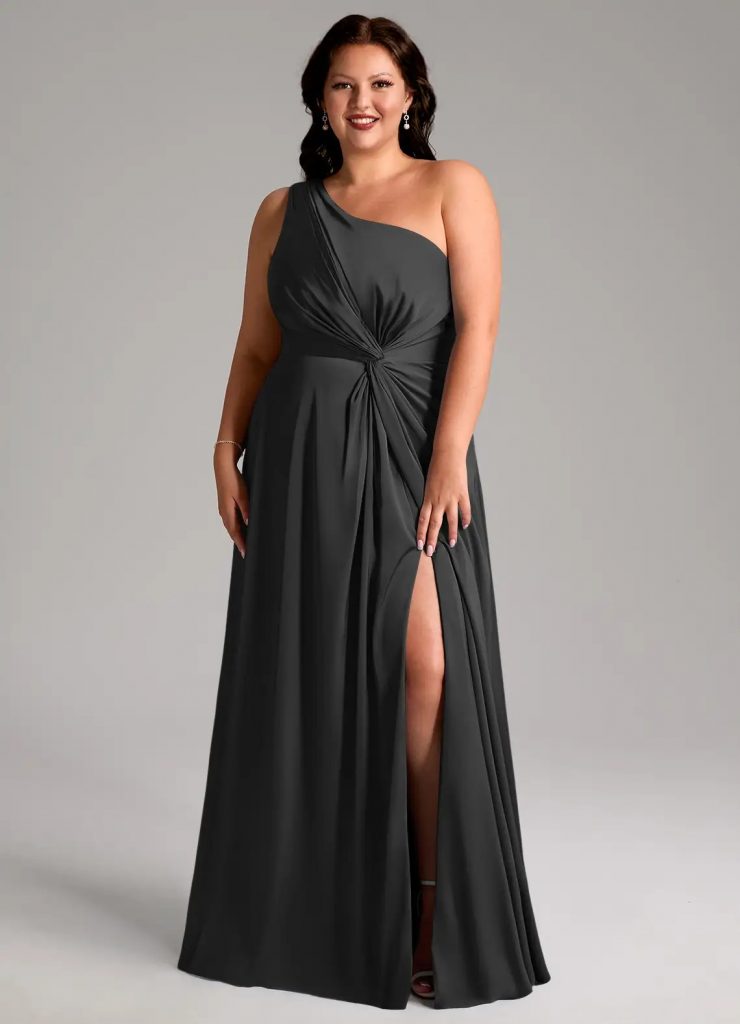
A-line dresses are hands-down the best choice for plus-size bridesmaids. They cinch at the waist and flow gracefully over the hips, creating a balanced, flattering shape. Pair an
A-line silhouette with soft fabrics like chiffon or stretch satin, add a V-neck, and you've got a winning combination. Plan to order 5–6 months before the wedding to give yourself plenty of time to find the perfect fit.
Best Dress Styles for Plus-Size Bridesmaids
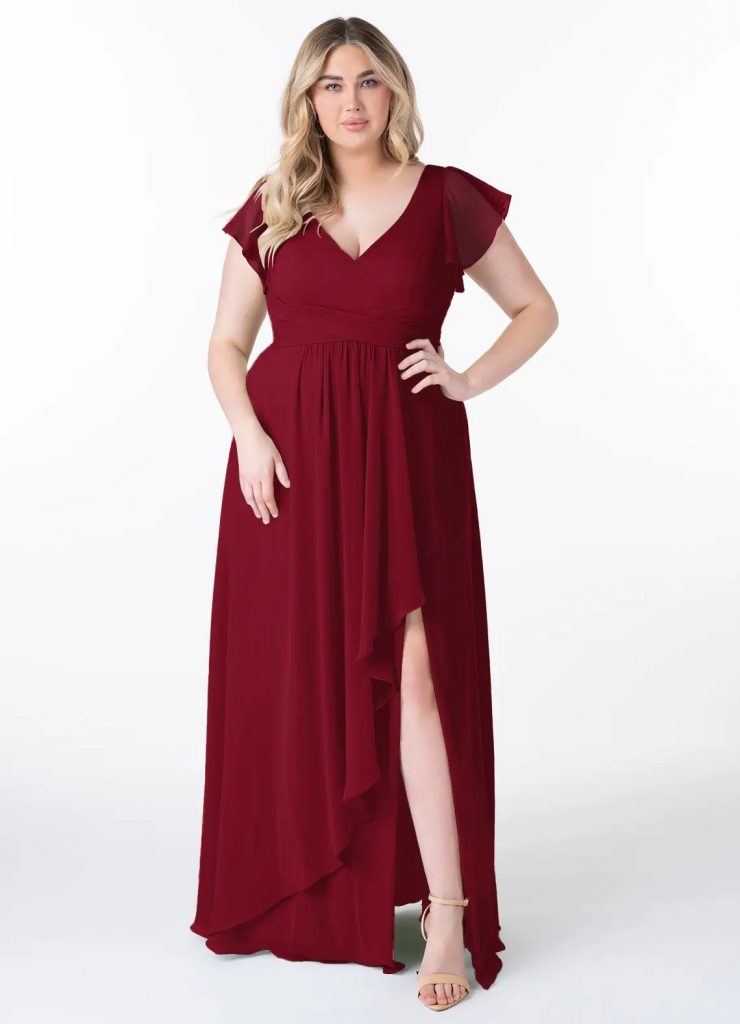
A-Line Dresses
A-line is the gold standard for plus-size bridesmaids, and for good reason. The dress fits close through the bodice, nips in at your natural waist, and then gradually flares out toward the hem in an "A" shape.
This silhouette is magic because it highlights your smallest point—the waist—while skimming over areas where you might want a little more coverage.
Why A-line works so well:
- Shows off your waist without clinging anywhere else
- The flare balances your proportions beautifully
- Gives you plenty of room to move, sit, and dance
- Flatters nearly every body type and height
- Photographs gorgeously from every angle
When you're shopping for plus-size bridesmaid dresses, you'll notice A-line dominates the options. That's because it's proven to work time and time again. Whether you're 5'2" or 6'0", curvy or athletic, A-line adapts to you.
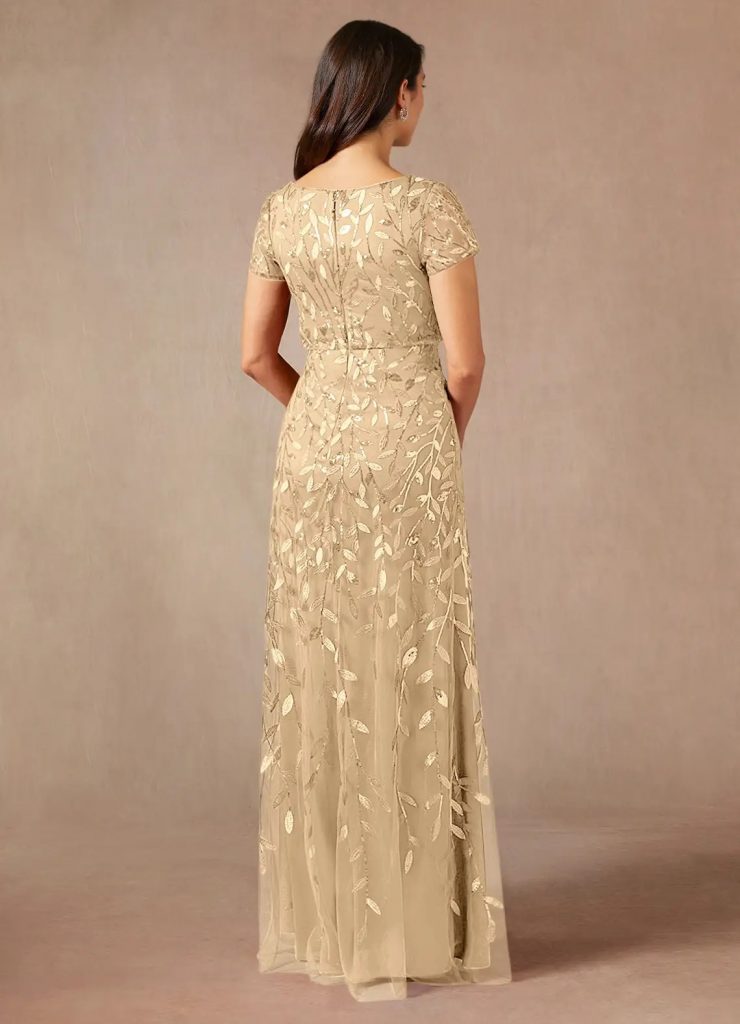
Empire Waist Dresses
Empire waist dresses have a fitted bodice that ends right below the bust, with the skirt flowing straight down from that high seam. This creates a long, unbroken line from chest to floor that makes you look taller and more elongated.
What makes empire waist special:
- Draws the eye up to your face and shoulders
- Completely camouflages the midsection
- Incredibly comfortable—no tight waistband digging in
- Perfect for outdoor summer weddings where you need to breathe
- Works beautifully for bridesmaids at any stage of pregnancy
The key with an empire waist is making sure the bodice has some structure—boning or darts—so it doesn't look like a maternity dress. When done right, it's elegant and flattering.
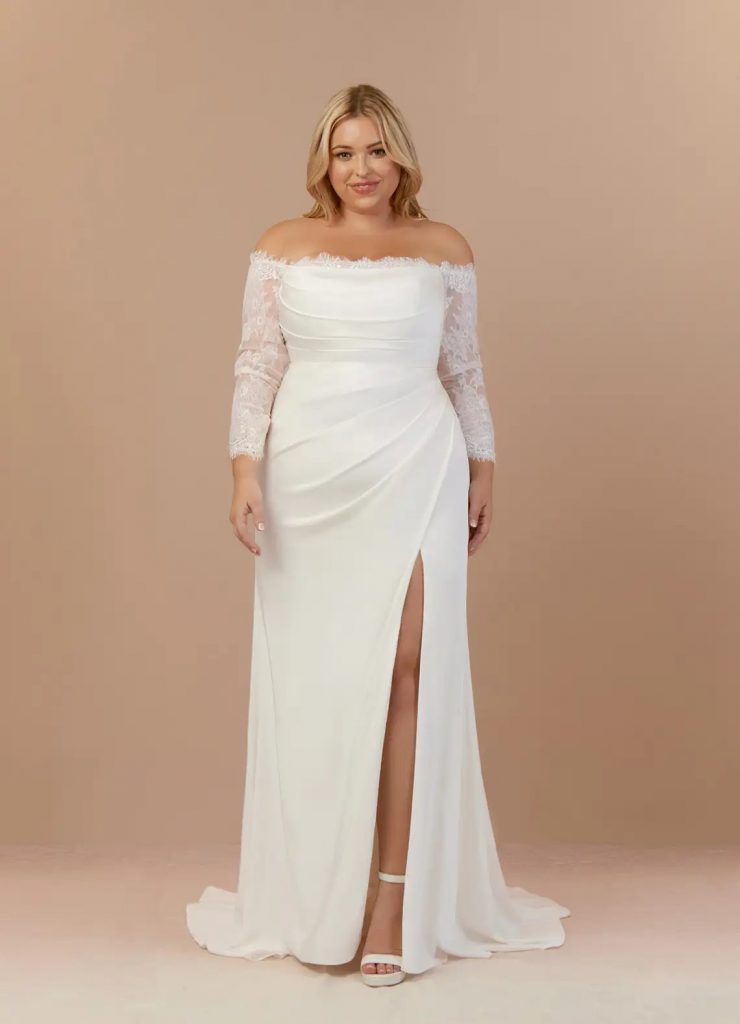
Wrap and Faux Wrap Dresses
Wrap dresses are brilliant because they work with your body instead of against it. The dress crosses over in front, creating a natural V-neckline, and ties at the side so you can adjust it to fit your exact measurements.
Why wrap styles are winners:
- You control the fit—tighten or loosen as needed
- The crossover front creates a slimming diagonal line
- Built-in V-neckline flatters your décolletage
- Adapts if your weight fluctuates before the wedding
- Looks feminine and elegant without trying too hard
If you're worried about the tie coming undone mid-reception, go for a faux-wrap. It has the wrapped look but actually zips up the back, so it stays put all day while still giving you that flattering V-shaped bodice.
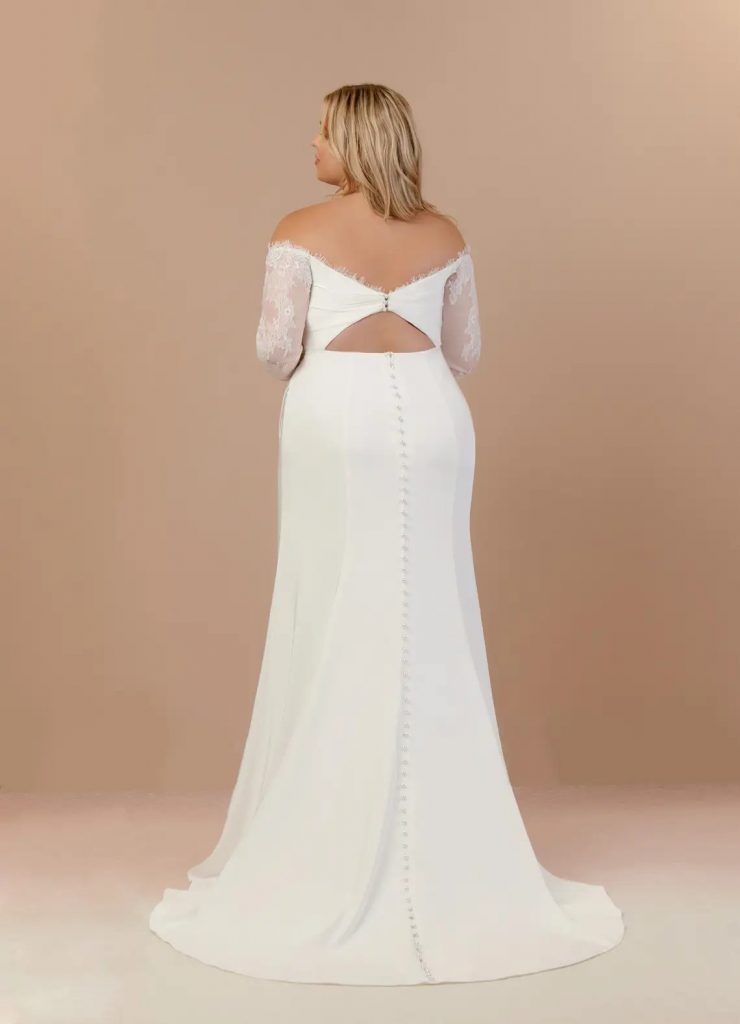
Fit-and-Flare Dresses
Fit-and-flare (sometimes called trumpet style, though slightly different) hugs your body from the shoulders through the waist and hips, then flares out at the thighs or knees. It's more fitted than an A-line but not as restrictive as a mermaid.
When fit-and-flare works:
- You're comfortable showing your curves
- The dress is made from stretch crepe or ponte knit
- You want something modern and sophisticated
- You're okay with a dress that's a bit more form-fitting
This style requires a good fit through the hips. If it's too tight, it'll be uncomfortable. If it's too loose, it won't have the impact. But when it fits right? Stunning.
Styles to Skip
Steer clear of:
- Mermaid and trumpet: These hug tightly through the hips and flare dramatically at the knees. They're beautiful but restrictive. Sitting is awkward, stairs are tricky, and they require perfect tailoring.
- Straight column with no waist definition: These can make you look boxy. You want a shape, not a tent.
- High-low hems: The uneven hemline can throw off your proportions and look choppy in photos.
- Drop waist: This style drops the waistline to the hips, which shortens your torso and rarely flatters plus-size figures.
Style Comparison at a Glance
| Style | Best Feature | Comfort Level | Works For | Skip If |
| A-line | Defines waist, flows over hips | Very comfortable | All body types, all seasons | You want a fitted look |
| Empire waist | Elongates body, no waist pressure | Extremely comfortable | Hiding midsection, pregnancy | You're very petite (under 5'2") |
| Wrap | Adjustable fit, built-in V-neck | Comfortable | Busty figures, fluctuating weight | Very active dancing |
| Fit-and-flare | Shows curves, modern look | Moderate comfort | Confident with curves | You need maximum mobility |
Necklines That Flatter
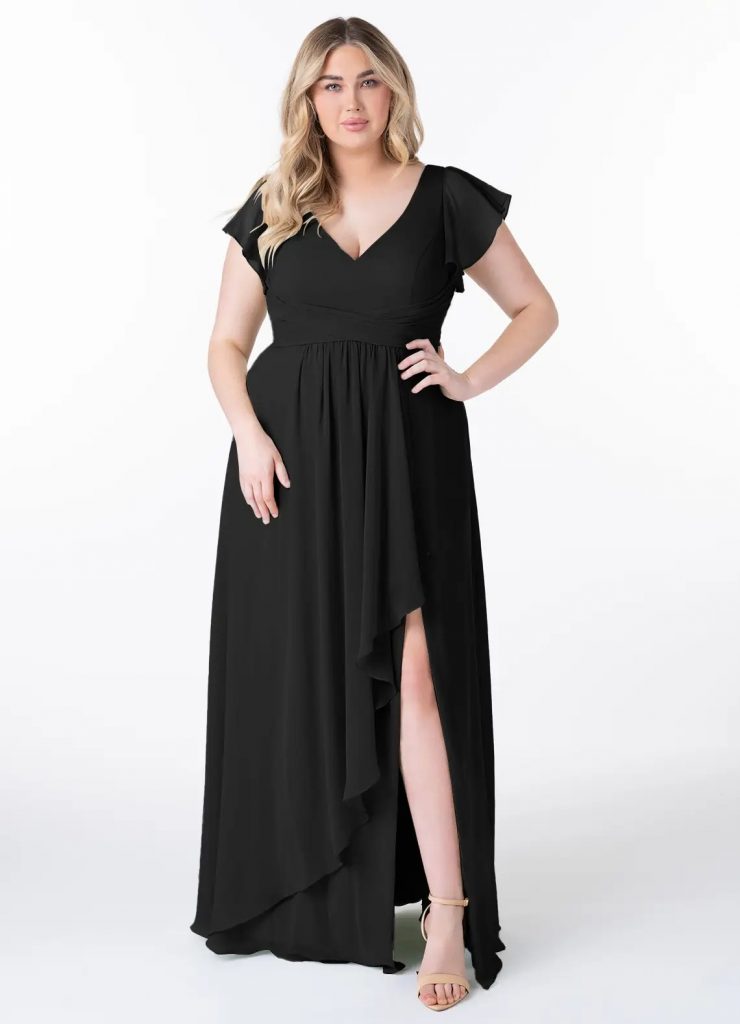
V-Neck: The Universal Favorite
V-necks are magic. Seriously. The V-shape creates a vertical line that draws the eye up and makes your neck look longer. It balances a fuller bust without overwhelming it, and it works with virtually every face shape.
The sweet spot: Aim for a V that dips about 3–4 inches below your collarbone. Any deeper starts to look too casual for a wedding. Any shallower and you lose the lengthening effect.
V-necks pair beautifully with A-line and wrap dresses. They're your safest bet if you're unsure what neckline to choose.
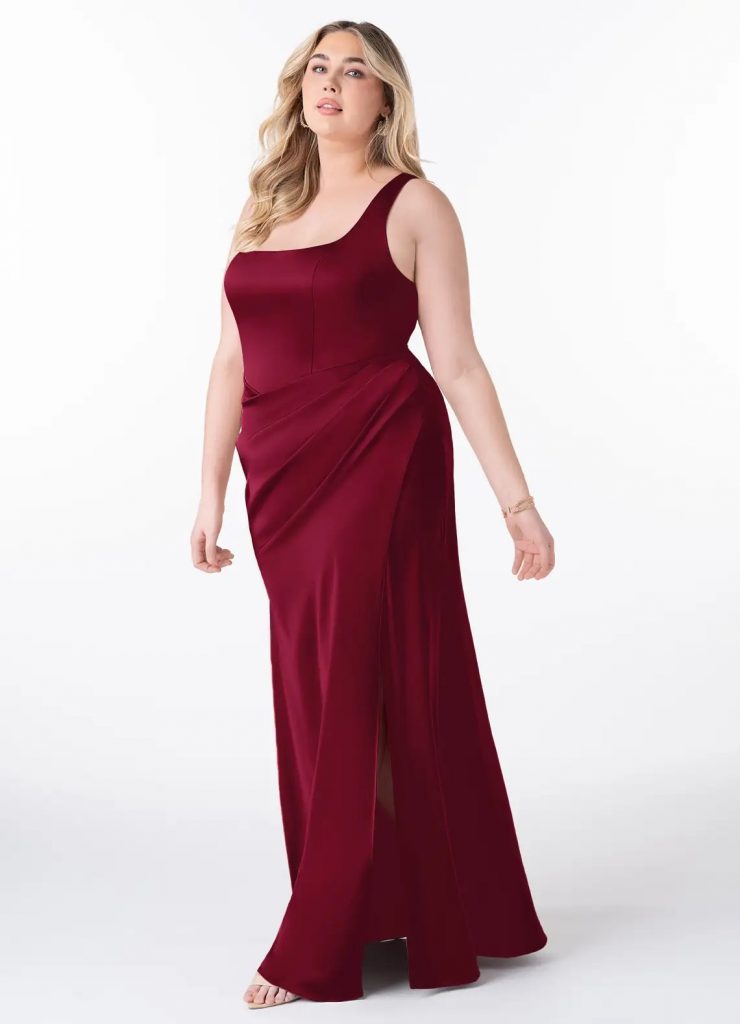
Square Neckline: Modern and Structured
Square necklines have clean, horizontal lines across the chest and create a frame for your collarbone and shoulders. They look fresh and modern—think Bridgerton meets contemporary elegance.
Why square necks work:
- They provide excellent support, especially when paired with wider straps
- The horizontal line balances out broader hips
- They look polished and put-together in photos
- Great for formal evening weddings
Square necks work best with at least 2-inch-wide straps. The combination gives you structure and support without any slipping or adjusting.
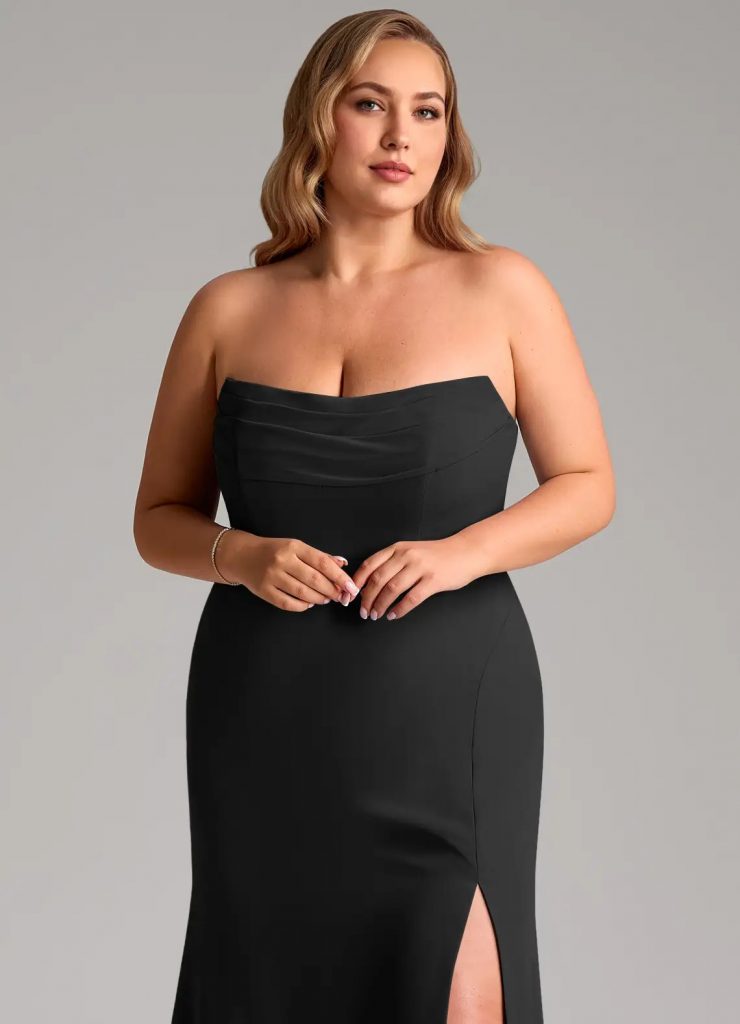
Off Shoulder: Romantic but Requires Structure
Off-shoulder necklines sit on your upper arms just below the shoulder, exposing your collarbone and creating a romantic, ethereal look. They're gorgeous for garden weddings and spring ceremonies.
The catch: Off-shoulder only works if the bodice has serious structure. We're talking boning, silicone gripper strips on the inside, and a snug fit through the bust. Without these, you'll spend the entire day hiking the dress back up onto your shoulders. Not fun.
If you love the look, make sure the dress has built-in support. Otherwise, go for a standard V-neck or square neck instead.
Sweetheart and Scoop: Proceed with Caution
Sweetheart necklines (shaped like the top of a heart) and scoop necks (rounded U-shape) can work, but they're not always the most flattering for plus-size figures.
The issue: Sweetheart necklines often require strapless construction, which means less support. Scoop necks can make your neck look shorter and wider. They're not bad choices—they just don't give you the advantages that V-necks and square necks do.
Skip These
Avoid:
- High crew neck: Cuts off your neck and adds visual weight to your upper body
- Halter: Puts all the weight on the back of your neck, which gets uncomfortable fast
- Strapless: Needs constant adjustment and offers minimal support unless heavily boned
- Deep plunging V: Too revealing for a bridesmaid dress
Sleeve Options That Work
Flutter Sleeves: Perfect for Warm Weather
Flutter sleeves are short, loose sleeves that perch gently on your upper arm. They look like little wings and they're incredibly flattering because they provide coverage without adding bulk or squeezing.
Why flutter sleeves are brilliant:
- Cover the upper arm without constriction
- Keep you cool in warm weather
- Move beautifully when you walk
- Photograph softly and femininely
- Work best in lightweight fabrics like chiffon
Flutter sleeves are ideal for spring and summer weddings. They give you coverage without making you hot or restricted.
Cap Sleeves: Use Wisely
Cap sleeves are very short sleeves that just cover the shoulder. They can work, but they're tricky for plus-size bridesmaids.
The rule: Cap sleeves must be loose, not tight. If they squeeze your arm at all, they'll make your arm look larger than it is by creating a "squeeze point." The sleeve should end before the widest part of your upper arm.
Honestly? Most plus-size bridesmaids prefer flutter sleeves over cap sleeves because they're more forgiving and more flattering.
Three-Quarter Sleeves: Great Coverage
Three-quarter sleeves end somewhere between your elbow and wrist. They give you substantial arm coverage while still showing off your wrists and hands, which keeps the look elegant rather than covered-up.
Why three-quarter sleeves work:
- Excellent coverage without being hot
- Perfect for fall and winter weddings
- Look polished and sophisticated
- Easy to move your arms fully
- Pair beautifully with V-necks and square necks
If you're self-conscious about your arms and the wedding is in cooler weather, three-quarter sleeves are your friend.
Long Sleeves: For Cooler Weddings
Full-length sleeves to the wrist are gorgeous for autumn and winter weddings. They look elegant and formal.
Best long sleeve features:
- Made from stretch fabric so you can move easily
- Fitted but not skin-tight
- Slight bell or flare at the wrist for visual interest
- Illusion mesh sleeves for a lighter, airier look
Long sleeves should never restrict your movement. If you can't raise your arms comfortably, they're too tight.
Sleeveless: Wide Straps Are Key
Going sleeveless? That's totally fine if you feel comfortable. Just make sure you choose wide straps—at least 1.5 inches, ideally 2 inches.
Why wide straps matter:
- They hide your bra straps
- They provide actual support rather than just decoration
- They look more formal and elegant than thin straps
- They distribute weight across your shoulders comfortably
Skip spaghetti straps. They dig in, show every bra strap, and don't give you enough support.
Skip These Sleeve Styles
Avoid:
- Tight cap sleeves that squeeze: They'll cut into your arm and create an unflattering line
- Short sleeves that end at the widest part of your arm: This highlights the exact spot you probably want to minimize
- Big puffy sleeves: They add volume and bulk where you don't need it
- Cold-shoulder cutouts: This trend is dated and the cutouts rarely flatter
Fabrics That Flatter
Chiffon: The Top Choice
Chiffon is a lightweight, slightly sheer fabric that layers beautifully. It's the number one choice for plus-size bridesmaid dresses, and once you understand why, you'll see it everywhere.
What makes chiffon special:
- Weighs practically nothing, so it doesn't add bulk
- Drapes and flows over your body like water
- Never clings or pulls at curves
- Hides any lumps, bumps, or lines
- Breathes beautifully in warm weather
- Photographs with a soft, romantic quality
The key is that chiffon needs proper lining. The outer chiffon is sheer, but underneath there's a full lining in a coordinating color that provides the coverage. The combination gives you the pretty drape without any sheerness.
Browse chiffon bridesmaid dresses and you'll see why this fabric dominates—it just works.
Stretch Satin: Elegant with Give
Satin gives you that smooth, elegant look with a subtle sheen. But regular satin can be unforgiving. That's why you want "stretch satin"—satin with about 5–10% spandex blended in.
Why stretch satin is better:
- Moves with your body instead of restricting it
- Doesn't wrinkle as easily as regular satin
- Holds its shape throughout the day
- Feels substantial without being heavy
- Offers the formal look of satin with the comfort of stretch
Pro tip: Choose matte satin or satin with a subtle sheen. High-shine satin can create unflattering highlights in flash photography. You want elegant, not disco ball.
Check out satin bridesmaid dresses made with stretch fabrics for the best of both worlds.
Georgette: Chiffon's Structured Cousin
Georgette is similar to chiffon but slightly thicker and more textured. It has more body and structure while still draping beautifully.
Why georgette works:
- Drapes like chiffon but feels more substantial
- Resists wrinkles better than regular chiffon
- Looks more formal and luxurious
- Works for all seasons
- Slightly less sheer so requires less lining
Georgette is perfect if you want the flow of chiffon but need something with a bit more heft for a formal evening wedding.
Jersey and Crepe: Comfortable Stretch
Jersey knit and crepe are knit fabrics with natural stretch built in. They move like your favorite comfortable dress but look formal enough for a wedding.
Why knit fabrics work:
- Incredibly comfortable for all-day wear
- Never wrinkle, even if you pack them in a suitcase
- Forgiving fit that moves with you
- Great for dancing
- Easy to care for
The trick is choosing substantial knits. Thin jersey shows every line and clings. You want thick, quality jersey or ponte knit that has enough weight to skim smoothly over your body.
Tulle: For Skirts Only
Tulle is that netting fabric that creates volume. It's beautiful for adding fullness to skirts, but it's not great for full dresses on plus-size figures.
Use tulle for:
- A-line skirts with layers for volume
- Adding romantic fullness to the hem
- Garden and fairytale-themed weddings
Don't use tulle for:
- Entire dresses (too much volume)
- Fitted bodices (too stiff and scratchy)
- As the main fabric (needs to be an accent)
Mesh and Lace: Accents, Not Main Fabric
Mesh (illusion netting) and lace are gorgeous for details but shouldn't be the entire dress.
Good uses:
- Illusion mesh sleeves for lightweight coverage
- Lace overlay on the bodice for texture
- Lace detailing on the back
- Mesh insets at the waist
Not-so-good uses:
- Entire lace dress (too heavy, too textured, too expensive)
- Sheer mesh with no lining (see-through)
- Scratchy lace directly against skin
Fabrics to Avoid Completely
Skip these:
- Thin, cheap jersey: Shows every single line and cling
- Stiff taffeta: Adds bulk and doesn't drape naturally
- High-shine satin: Creates bright spots and unflattering highlights in photos
- Heavy brocade or jacquard: Too much texture, too much weight, too formal
- Non-breathable polyester: Makes you hot and sweaty
- Velvet: Hard to alter, too warm for most weddings, and very heavy
Shop by Style at Azazie
When you're ready to start shopping, Azazie makes it easy to find exactly what you need in your size.
Browse Complete Collections
Start with the full plus-size bridesmaid dresses collection. Every style you see is available in sizes 0–30 at no extra charge. No "special order" fees, no limited selection—full access to the entire line.
Shop by Silhouette
A-line bridesmaid dresses are the most popular for good reason. Browse hundreds of A-line options in every color imaginable, from classic navy to trendy terracotta.
Empire waist bridesmaid dresses offer maximum comfort with high waistlines and flowing skirts. Perfect for summer weddings and bridesmaids who prioritize all-day comfort.
Wrap bridesmaid dresses give you that adjustable, customizable fit with a built-in V-neckline. Great if your measurements fall between standard sizes or if you expect any weight changes before the wedding.
Shop by Fabric
Chiffon bridesmaid dresses are the go-to for plus-size bridesmaids. This lightweight, flowing fabric flatters every figure and works for almost any wedding style.
Satin bridesmaid dresses bring elegance and structure. Look for stretch satin options that give you the formal look with comfortable movement.
Create a Personalized Look
Want each bridesmaid to feel her best? Try mismatched bridesmaid dresses. Choose the same color and fabric, but let each person pick the neckline and style that makes her feel most confident. The result looks intentionally curated, not matchy-matchy.
Frequently Asked Questions
Why are A-line dresses so flattering?
They define the waist and skim over hips, tummy, and thighs, creating a balanced hourglass shape. They’re comfy for long days, easy to move in, and look great from every angle.
Chiffon or satin?
- Choose chiffon for flow, breathability, and zero cling—safe for most people.
- Love satin? Pick stretch satin with a matte/subtle sheen for a smoother, more forgiving look.
Are mermaid/trumpet styles a good idea?
They can look stunning only with perfect fit (stretch fabric + pro alterations). Expect less mobility for sitting, stairs, and dancing. If comfort matters, go A-line or empire.
Most universally flattering neckline?
V-neck wins: lengthens the neck, balances a fuller bust, draws eyes up.
Square neck + wide straps is a strong second—clean lines and solid support.
Can I wear a jumpsuit?
Absolutely. Choose wide-leg, defined waist, V-neck/wrap, and a structured bodice. Plan on inseam tailoring and remember bathroom logistics.
Sleeves & straps that give coverage without bulk
- Three-quarter sleeves: polished coverage, still light.
- Flutter sleeves: airy, no squeeze.
- Sleeveless: use wide straps (≥1.5–2 in.) for support and bra coverage.
- Avoid tight cap sleeves or sleeves ending at the widest part of the upper arm.
The Bottom Line
When it comes to plus-size bridesmaid dresses, A-line silhouettes in chiffon or stretch satin are your safest, most flattering bet. Choose V-necks or square necks to elongate your neckline, add flutter or three-quarter sleeves if you want arm coverage, and stick with soft, flowing fabrics that drape rather than cling.
Order 5–6 months before the wedding to give yourself plenty of time to find the perfect dress and get it fitted properly. The right dress will make you feel confident, comfortable, and beautiful from the ceremony through the last dance.
How do I choose the right formal dress for a red carpet event?
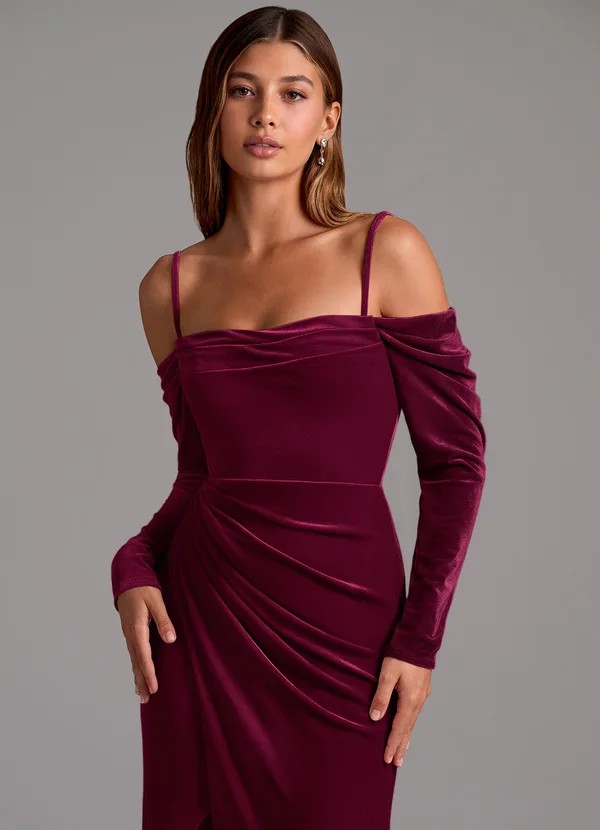
A red carpet event is one of the most glamorous, photographed, and high-pressure moments for any guest. Unlike regular formal events, a red carpet experience demands a dress that makes a statement, photographs well, fits flawlessly, and feels comfortable under lights, movement, and media attention.
Your outfit becomes part of the event's visual narrative—cameras flash, videos roll, and every detail becomes part of online conversations. Choosing the right dress is not only about style but also confidence, presence, and knowing what works best for you.
The Azazie Formal Dresses collection is an excellent foundation for red carpet looks. The silhouettes, elegant fabrics, dramatic structures, and couture-inspired detailing offer the level of sophistication the red carpet requires.
This guide breaks down every element—from silhouette to color to styling—so you can step onto the carpet with elegance and confidence. We’ll use bullet points, expert advice, and a detailed table for clarity.
Understand the Red Carpet Dress Code
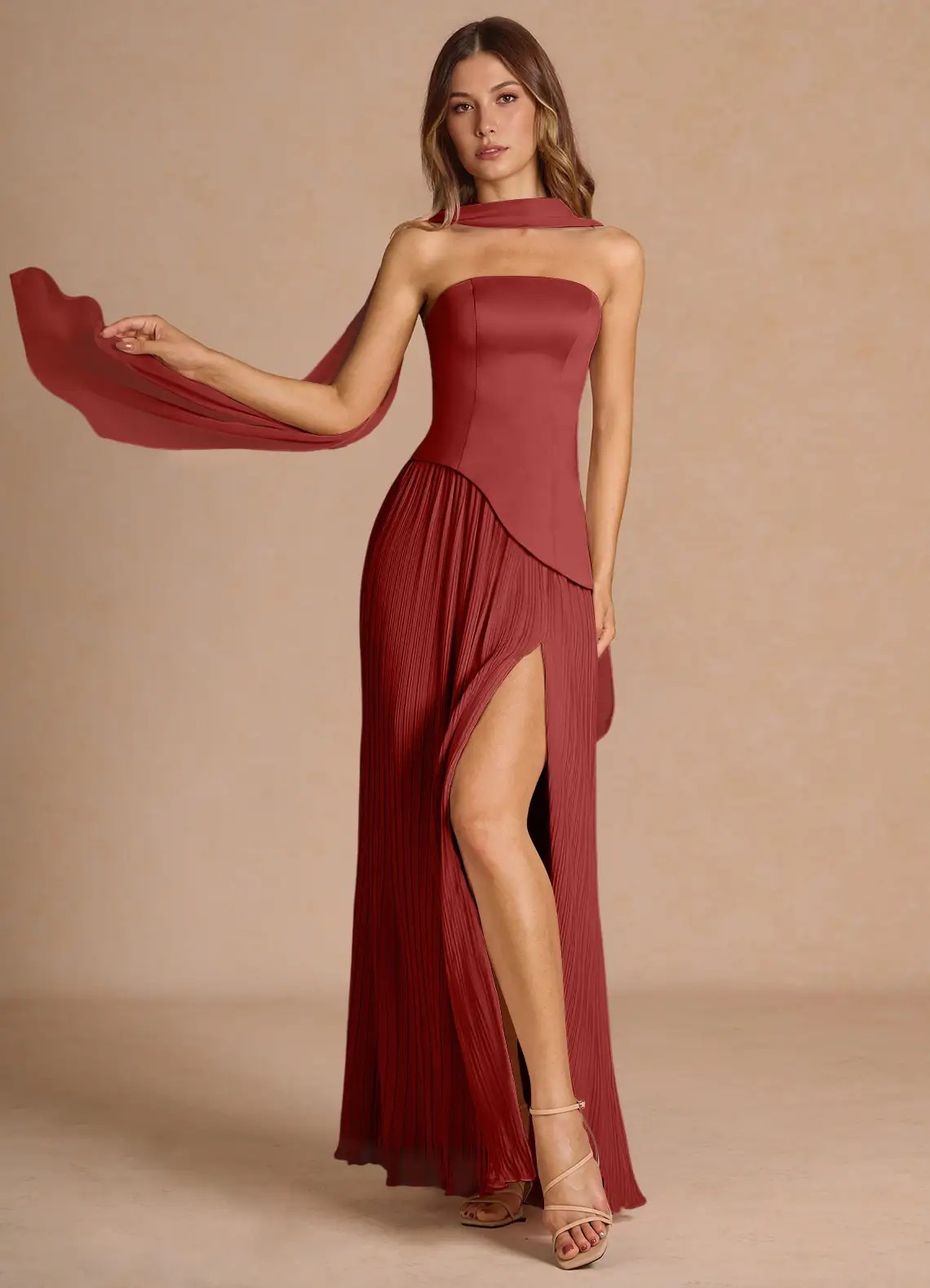
Every red carpet has its own tone and level of formality. Your dress choice should reflect the event’s aesthetic while still allowing your personal style to shine. Some carpets lean classic and refined; others lean bold and editorial. Knowing your event prepares you to choose the right balance.
Ask yourself:
- Is this a gala-style red carpet (classic elegance)?
- Is it entertainment-focused (bolder silhouettes welcome)?
- Is it fashion-forward (encourages risk-taking)?
- Is it a corporate or awards ceremony (more polished, minimal)?
Understand expectations
- Cameras will capture you from all angles.
- Your dress must look good standing, walking, and sitting.
- You may be photographed under harsh lighting.
- Your look should hold up well in video + motion.
Choose the Right Silhouette for Red Carpet Impact
Silhouette is the foundation of your red carpet presence.
It determines your overall shape, movement, and how the dress photographs.
Choose a silhouette that flatters you and suits the event's tone.
Here are the most red-carpet-friendly silhouettes:
Best silhouettes for red carpet
- Mermaid / Trumpet – dramatic and body-skimming; ideal for glamour shots.
- A-line – universally flattering, elegant, classic.
- Column / Sheath – sleek, minimal, high-end editorial look.
- Ball gown – grand, statement-making (only when the event demands it).
- High-slit gowns – bold, red carpet staple; requires confidence.
Silhouette rules
- Choose structure if you want timeless elegance.
- Choose flow if you want movement in photos.
- Choose fitted if you want high-impact glam.
- Choose layered if you want drama and texture.
Silhouette Comparison for Red Carpet Events
| Silhouette | Best For | Why It Works on Red Carpet | Styling Strengths | Notes |
| Mermaid | Glamorous, bold events | Highlights curves; dramatic | Works with metallics, statement hair | Requires confident movement |
| A-line | Classic red carpets | Elegant, timeless, flattering | Easy to accessorize | Good for all body types |
| Column | Minimal, modern looks | Photographs sleek and high-fashion | Perfect with bold earrings | Choose quality fabric |
| Ball gown | High-profile carpets | Adds grandeur and volume | Works with simple jewelry | Needs space + comfort |
| High-slit | Fashion-forward carpets | Creates movement + elongates legs | Killer heels essential | Ensure slit stays controlled |
Fabric Matters More on the Red Carpet Than Anywhere Else
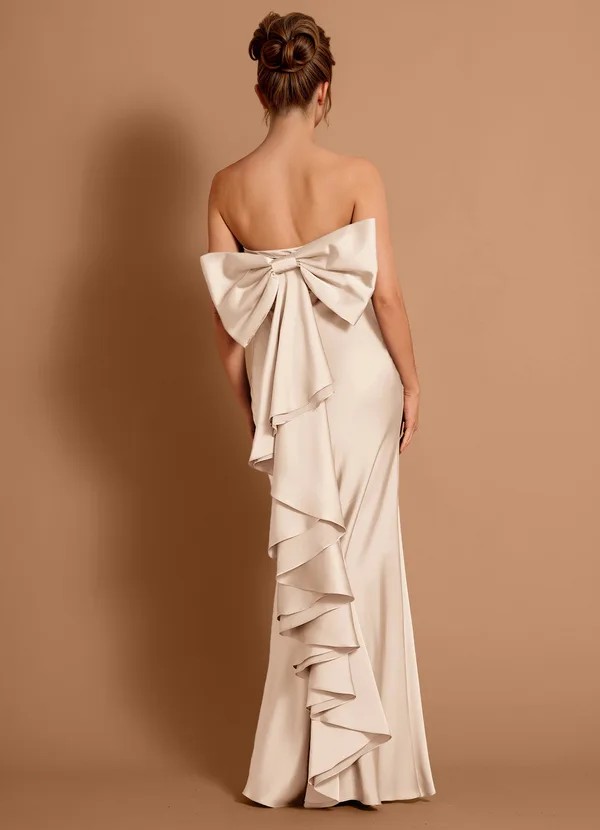
Under camera lights, fabric behaves differently.
Shiny fabrics glow; matte fabrics look refined; textured fabrics add depth.
Knowing how fabrics photograph helps you choose confidently.
Best fabrics for red carpet
- Satin – glamorous sheen, liquid drape.
- Crepe – modern, matte, editorial.
- Chiffon overlays – movement and softness.
- Velvet – rich, luxurious, perfect for evening.
- Organza – dramatic, architectural volume.
- Tulle (structured) – works for couture-inspired looks.
Fabric guidelines
- Choose satin or velvet for glamorous evening carpets.
- Choose crepe for clean, modern celebrity-style looks.
- Choose chiffon for ethereal or flowing moments.
- Choose textured fabrics for detailed photography.
Choose a Red Carpet–Worthy Color
Color is one of the most important decisions because it sets the mood of your look.
Certain colors photograph better, stand out more, or give a luxurious feel.
Pick a tone based on theme, skin tone, lighting, and event atmosphere.
Classic red carpet colors
- Black
- White
- Deep red
- Emerald
- Navy
- Gold
- Silver
- Champagne
- Wine / Berry
Bold celebrity colors
- Hot pink
- Electric blue
- Bright yellow
- Metallic tones
- High-shine neutrals
Avoid
- Colors that blend into backdrop tones
- Pastels that photograph washed out under strong lights
Highlight What Makes You Unique
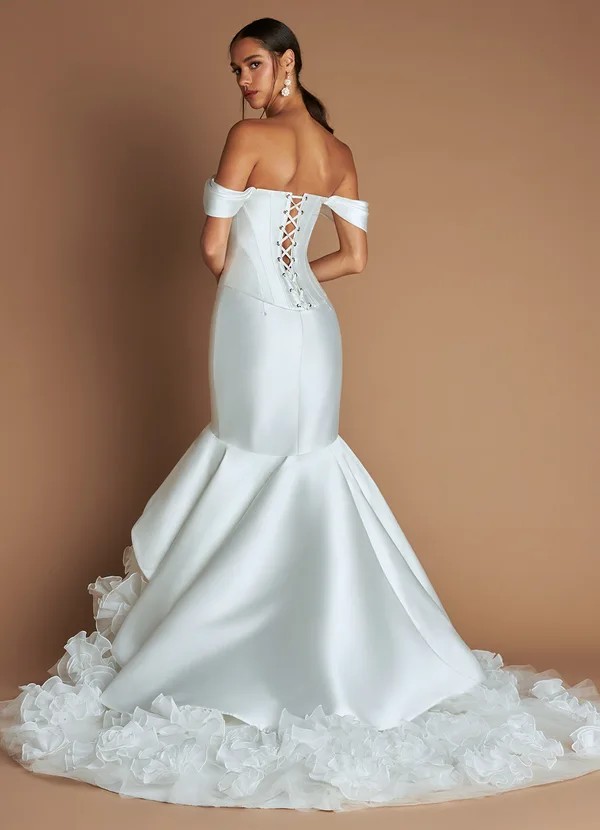
The red carpet is not about blending in—it’s about presenting your best self with sophistication.
Think about what you want to highlight: waist, neckline, back, legs, shoulders or overall silhouette.
Choose a formal dress that amplifies your favorite features.
Dress features you can use
- Deep V-neck – elongates torso
- High slit – elongates legs
- Open back – elegant drama
- Structured bodice – hourglass shape
- Off-shoulder – highlights collarbones
- Corset waist – sculpted figure
Ensure Perfect Fit & Tailoring
Nothing matters more on a red carpet than fit.
Even an expensive dress looks mediocre if it doesn’t fit perfectly.
Tailoring transforms the entire look by smoothing lines and shaping the silhouette.
The custom sizing in the Azazie Atelier line is a huge advantage.
Fit checklist
- Bodice fits without gaping
- Hemline skims floor with heels
- Waist sits exactly where it should
- Straps stay secure
- Dress moves gracefully with you
- Zipper closes smoothly
- No pulling, bunching, or sagging
Plan time for:
- 1–2 fittings
- A final test-wear on the day before
- Breaking in your shoes
Red Carpet Styling: Hair, Makeup & Accessories
Your red carpet look isn’t complete without cohesive styling.
Everything should work together—dress, jewelry, hair, makeup, nails, and shoes.
The goal is to elevate the dress without overpowering it.
Jewelry tips
- Statement earrings work well with sleek silhouettes.
- Necklaces for simple necklines only.
- Cuffs or stacked bracelets for modern looks.
- Keep balance—bold earrings = minimal necklace.
Shoes
- Wear quality heels that elongate the leg.
- Metallics and neutrals photograph best.
- Avoid overly chunky platforms.
Hair
- Sleek low bun = modern, elegant.
- Soft waves = classic red carpet.
- High ponytail = youthful, bold.
Makeup
- Soft glam for classic looks.
- Cat-eye for modern gowns.
- Red lip for dramatic gowns.
- Keep skin glowy, not shiny.
Table: Red Carpet Styling Decision Guide
| Dress Feature | Best Hair | Best Jewelry | Makeup Suggestion |
| High neckline | Updo | Statement earrings | Soft glam eyes |
| Deep V-neck | Loose waves | Delicate necklace | Bold lip |
| Off-shoulder | Low bun | Drop earrings | Bronzed glow |
| One-shoulder | Sleek ponytail | Minimal earrings | Winged liner |
| High-slit | Waves or pony | Bold earrings | Smoky eyes |
Consider Movement & Comfort
Red carpets involve walking, posing, turning, sitting, and climbing stairs.
Your dress must allow natural movement while staying secure.
A beautiful dress that restricts movement will photograph awkwardly.
Think about balance between structure and comfort.
Movement tests
- Walk in full length mirror
- Turn slowly
- Lift arms naturally
- Try a step on a platform
- Sit and check draping
- Try kneeling or bending slightly
- Ensure dress stays secure
Think About Photography & Lighting
Red carpet photos are taken under harsh flashes, bright lights, and multiple angles.
Choose a dress that looks good in this environment.
Certain fabrics glow under flash; others flatten.
Know how your dress reacts.
Under strong flash
- Satin glows beautifully
- Velvet absorbs light elegantly
- Crepe looks modern and refined
- Sequins create starburst effects
Under video lighting
- Movement fabrics (chiffon, organza) shine
- Sleek dresses outline silhouette elegantly
Avoid
- Fabrics that wrinkle easily
- Extremely sheer fabrics without lining
- Colors that reflect light harshly
Accessories That Elevate (Not Overwhelm)
Accessories complete the red carpet image.
Your goal is to enhance the overall look without competing with the dress.
Think refined, powerful, and intentional.
Best red carpet accessories
- Delicate metallic clutch
- Soft shawl (optional)
- Statement heels
- Coordinated jewelry
- Minimalist rings
- Hair accessories (only if the theme allows)
Avoid
- Bulky bags
- Distracting oversized props
- Loud colors that clash
Ensure the Dress Matches the Event Theme
Many red carpets have unique themes:
- Elegant gala
- Film premiere
- Fashion-forward night
- Festival opening
- Awards ceremony
Choose a dress that aligns with the tone.
If unsure → default to timeless elegance.
Prepare the Dress Before the Event
Preparation influences how your dress photographs.
A wrinkled or poorly styled dress ruins red carpet photos.
Plan ahead to maintain perfect condition.
Preparation checklist
- Steam dress professionally
- Use garment bag during transport
- Press seams and hems if needed
- Have safety pins + double-sided tape
- Check zippers, straps, and closures
- Carry a lint roller
Confidence Is Everything on the Red Carpet
Even the most beautiful dress needs confidence to complete the look.
Your body language communicates power and elegance.
A confident stance enhances every photo.
Red carpet posture
- Shoulders back
- Neck elongated
- Soft smile
- Weight on back leg
- Relaxed arms
- Fluid, slow movements
Final Thoughts
Choosing the right formal dress for a red carpet event requires intention, vision, and attention to detail. With the right silhouette, fabric, fit, color, styling, and preparation, you can create a show-stopping look that photographs beautifully from every angle.
The Azazie formal dresses collection offers couture-inspired elegance, refined fabric choices, and silhouettes perfect for red carpet glamour. Your goal is not just to dress for the event—but to embody confidence, presence, and unforgettable style.
Frequently Asked Questions
What color dress photographs best on a red carpet?
Emerald, red, black, white, navy, and metallics photograph beautifully. They contrast well with red carpet backgrounds. They maintain richness under flash. They flatter most skin tones.
Should I wear a long dress or short dress?
Long dresses are standard for red carpets. Midi or short dresses work only for fashion-forward or youth-focused events. When unsure, choose a full-length gown. It always looks timeless.
How do I avoid wardrobe malfunctions?
Use dress tape. Check secure straps. Do a movement test. Have a backup safety kit.
How important is tailoring?
It is essential. Perfect fit makes even a simple dress look couture. Tailoring ensures flawless photos. Red carpets demand precision.
Should I match jewelry to my dress color?
Not necessarily. Metallics work universally. Match jewelry to dress mood—not dress color. Too much matching can look outdated.
Can I wear a high slit on a red carpet?
Yes, if it’s done tastefully. Ensure the slit doesn’t reveal too much, and the rest of the dress maintains formal elegance. Test walking, sitting, and turning to avoid wardrobe malfunctions.
How do I choose shoes for a red carpet dress?
Choose heels that elongate your legs and complement the dress style. Metallics, neutrals, or colors matching subtle details of your gown work best. Avoid overly chunky platforms that may look unrefined.
Should I consider the event theme when selecting a dress?
Absolutely. Gala, premiere, fashion-forward, or awards themes influence silhouette, embellishments, and accessories. When unsure, opt for timeless elegance and classic colors.
How can I ensure my dress photographs well?
Select fabrics and colors that work under flash and bright lighting. Satin, velvet, and chiffon photograph beautifully, while overly sheer, reflective, or wrinkled fabrics can look unpolished. Test under natural and artificial light if possible.
How do I balance accessories for a red carpet look?
Let the dress remain the focal point. Choose one or two statement pieces—like earrings or a clutch—while keeping other jewelry minimal. Avoid bulky bags or accessories that compete with your gown.
How do I choose the right formal dress for a black-tie event?
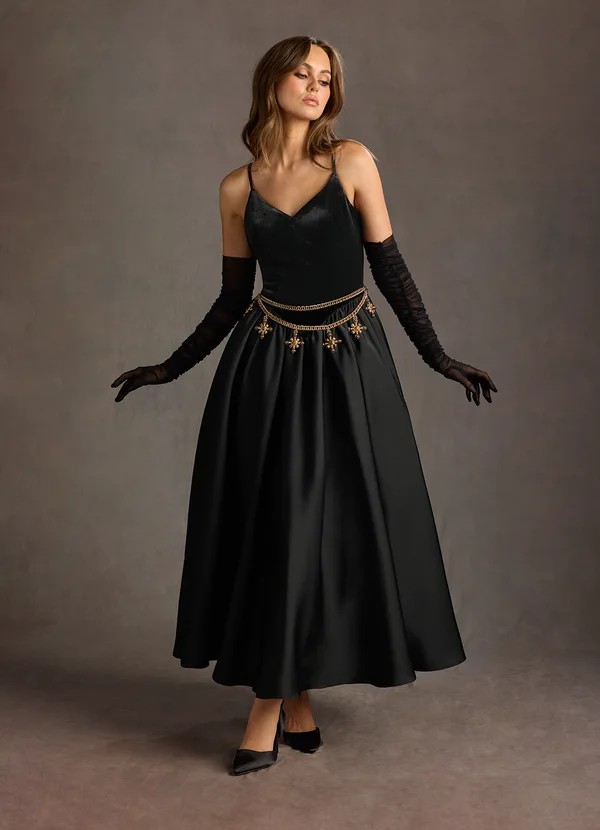
A black-tie event sets a high level of dress formality and expectation. Your dress must reflect elegance, sophistication and the event’s prestige. It’s more than simply “formal” — it’s the upper tier of evening wear. Choosing the right gown ensures you fit the code, feel confident, and look memorable.
The collections from Azazie you referenced — the “Atelier Formal Dresses” and “Atelier Black Tie Dresses” — provide ideal starting points. These lines emphasise long lengths, elevated fabrics and silhouettes that suit black-tie wearers.
But to select the right dress, you must go beyond the dress code and consider your body shape, event context, photographic demands, and reuse potential. This guide will walk you through all the key factors: event understanding, silhouette, length, fabric, colour, accessories, fit, tailoring, care, and style longevity.
Understand What “Black-Tie” Really Means
“Black-tie” traditionally means full evening wear for women—typically an ankle-skimming or floor-length gown with careful styling. Wikipedia It’s more formal than cocktail or semi-formal – less formal than white-tie but still very elegant.
The environment might include red-carpet photos, large venues, formal dinner tables, high lighting and media presence. So your dress choice must meet those elevated expectations: length, structure, fabric quality, and styling refinement.
Choose the Right Silhouette for Black-Tie
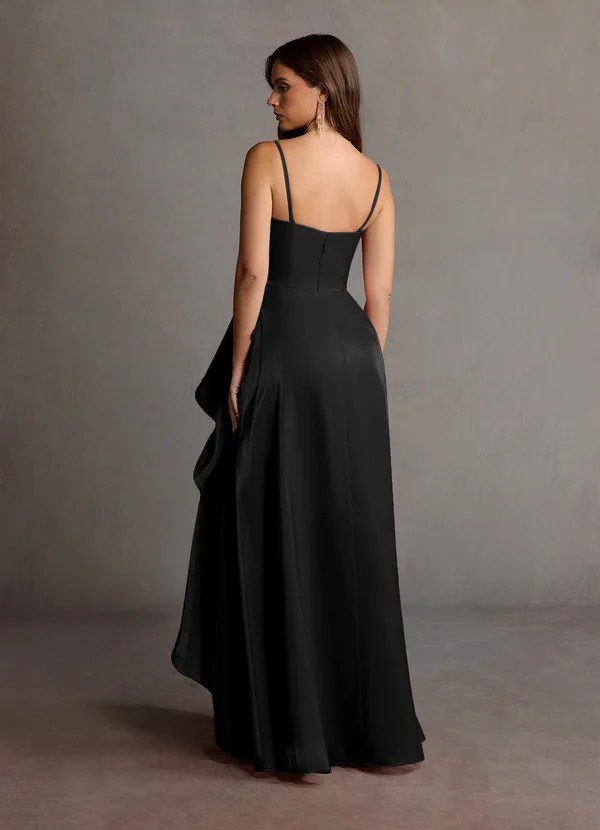
The silhouette you select affects how your formal dress reads in this formal context.
Here are silhouettes that work best:
- Mermaid / Trumpet: hugs the body and flares—highly dramatic.
- A-line: classic, universally flattering, timeless.
- Column / Sheath: sleek, modern and editorial.
- Ball gown / Full skirt: bold and statement-making; suitable for very formal venues.
- High-slit gowns: can work if done tastefully and the length remains formal.
Silhouette Guide for Black-Tie
| Silhouette | Best For | Why It Works | Things to Consider |
| Mermaid/Trumpet | High-glam events | Strong shape, dramatic end-look | Movement may be restricted |
| A-line | Wide range of formal events | Balanced, flattering shape | May appear more classic than bold |
| Column/Sheath | Modern, sleek red carpets | Clean lines, elongates | Less flare, may need dramatic accessories |
| Ball Gown/Full Skirt | Gala dinners, charity balls | Max impact, photo-worthy volume | Requires space, careful styling |
| High Slit | Evening black-tie | Adds edge and leg length | Ensure slit remains refined |
Length & Hemline Considerations
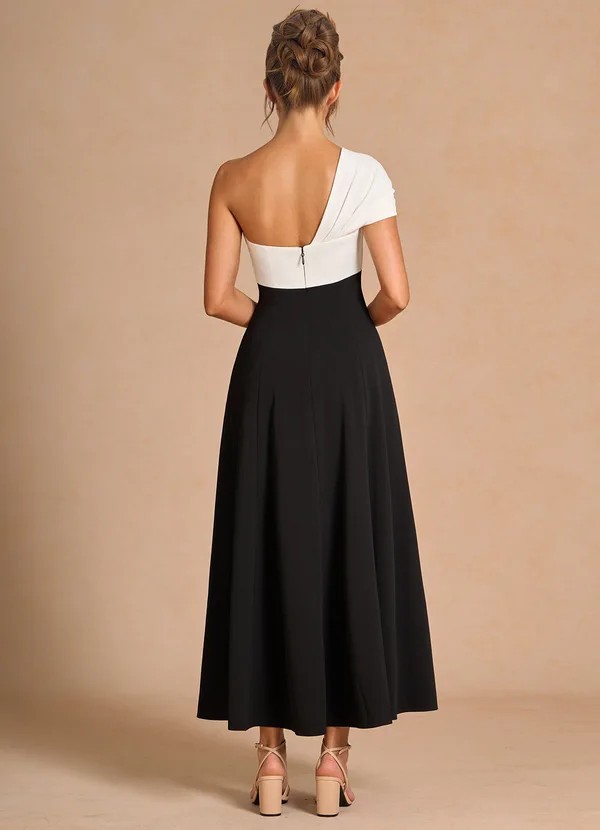
For black-tie, floor-length or very near ankle length is the standard.
Mini or tea length formal dresses are generally too casual unless explicitly stated by the event.
Hem length must allow graceful movement, sitting and walking without exposing too much or appearing too short.
If you choose a high slit, ensure the rest of the dress remains formal: length, fabric and silhouette must compensate.
Fabric & Material Quality
Under strong lighting and photographic conditions, your fabric will be under scrutiny.
Quality materials not only look better but photograph better and stand up to the event wear.
Recommended fabrics:
- Satin: smooth with sheen, elegant for evening.
- Crepe: matte finish, modern elegance.
- Chiffon overlays or soft layers: movement and drama.
- Velvet: rich texture, good for cooler seasons.
- Organza or tulle for volume: statement pieces.
Avoid fabrics that look too casual or wrinkled under lights (eg: cheap cotton blends, thin poly without structure).
If you browse Azazie’s black-tie collection, you’ll find many dresses designed with these elevated materials.
Colour & Tone Selection
Colour plays a key role in how formal your look appears.
For black-tie events, the palette tends toward rich, deep tones or refined neutrals.
Good colour choices:
- Black – timeless, safe.
- Navy – slightly less common, still formal.
- Emerald or deep green – sophisticated.
- Wine/Burgundy – evening elegance.
- Metallics (silver, gold) – when used tastefully.
- Champagne/ivory – for lighter formal looks (ensure it fits the code).
Avoid overly bright neon hues or pastel shades that might read as less formal.
Ensure the colour complements your skin tone and harmonises with the event atmosphere.
Details, Embellishments & Accessory-Readiness
Details like embellishments, draping, straps, and cut-outs must be balanced.
For black-tie, less is often more unless the event is highly fashion-forward.
Consider:
- Simple straps or off-shoulder styles.
- Minimal but high-quality embellishment (beading, small crystals) rather than heavy sequins unless it suits the venue.
- Structured bodices or tailored waists for polished finish.
- Long trains or capes if the event is red-carpet or very formal.
Also plan accessories, because your dress should allow them to shine, not compete.
Black-Tie Dress Selection Criteria
| Criterion | What to Look For | Why It Matters |
| Length | Floor or near floor | Indicates formal level |
| Silhouette | Tailored or elegant flare | Photographs well, flatters many body types |
| Fabric | Satin, crepe, chiffon, velvet | High-quality finish shows under lights |
| Colour | Deep tones, metallics, classic neutrals | Visual impact and formal tone |
| Neckline & back | Structured, refined, not overly revealing | Maintains formality |
| Embellishment | Balanced, high quality | Adds luxury without overwhelming |
| Movement & comfort | Walks, turns, sits gracefully | Essential for event wear |
Fit & Tailoring Perfection
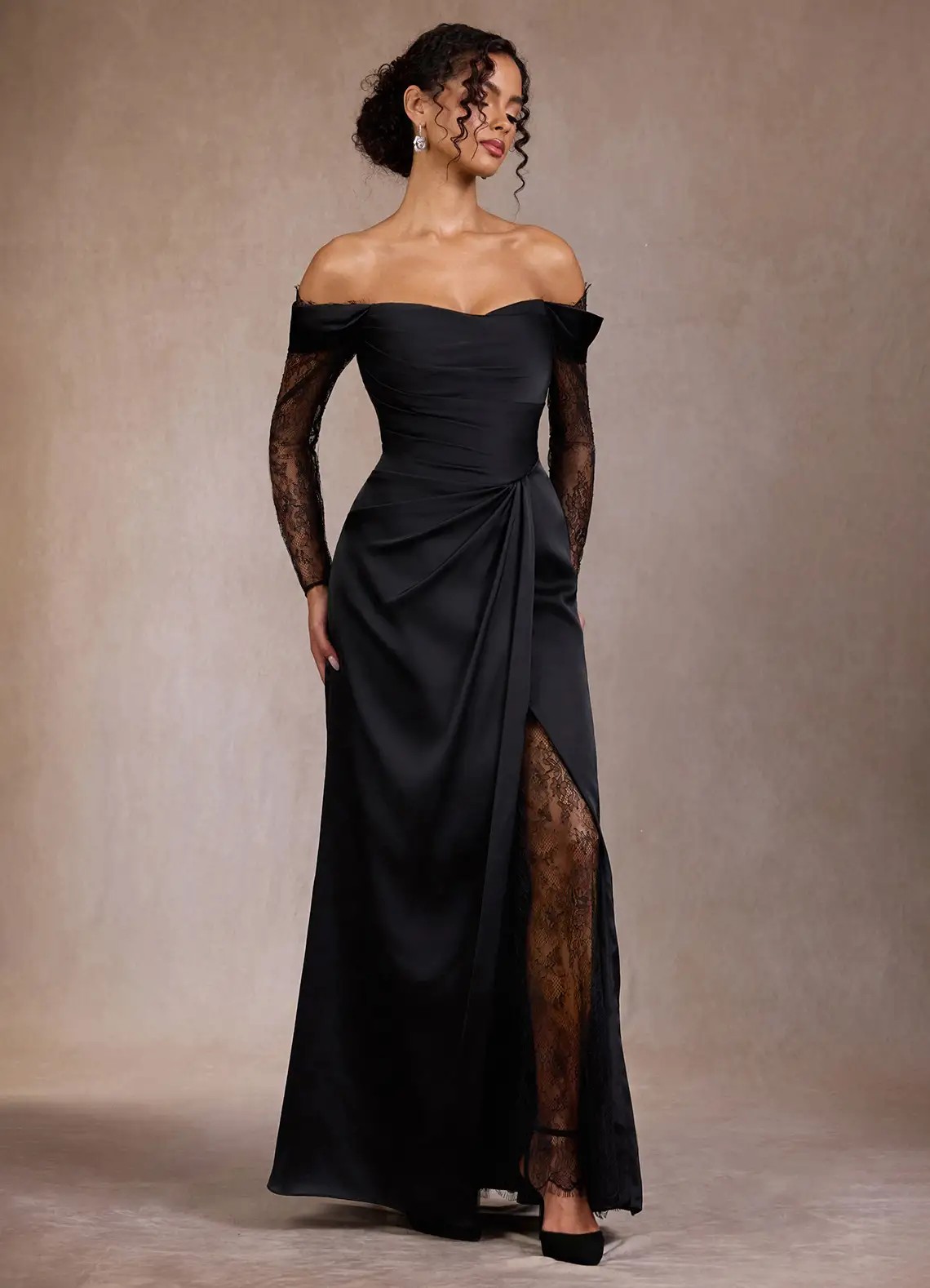
A well-fitted formal dress is the difference between stunning and simply acceptable.
For black-tie, tailored fit matters more than many accessories or trends.
Key fit checks:
- Bodice fits perfectly with no gaping or tightness.
- The waistline sits where it should.
- Length is correct with event heels.
- Straps stay secure if present.
- Dress allows movement—sit, walk, turn.
- Zippers, closures lie flat and smooth.
Allow for at least one fitting (two is ideal) before the event.
Make sure you test the entire outfit (including shoes and accessories) before arrival.
Accessories & Styling for Black-Tie
Accessories complete your look, but must match the dress level.
Parts of your styling should emphasise the formality, not reduce it.
Jewelry
- Statement earrings with a sleek gown.
- If neckline is simple, add a pendant or collar piece.
- Bracelets or cuffs when straps allow.
- Avoid overly chunky costume jewellery for formal settings.
Bags & Shoes
- Small evening clutch or minaudière.
- Metallic, black, or matching colour.
- High-quality heels: closed-toe or elegant open-toe depending on dress.
- Avoid casual footwear or overly platformed heels.
Hair & Makeup
- Hair: polished updo, sleek waves, or clean ponytail.
Makeup: “glamorous but not loud” – defined eyes, refined lips, flawless skin. - Nails: classic shades, well manicured.
- Consider wrap or shawl if the event is outdoors or drafty.
Accessory Match-Up for Black-Tie Dress
| Dress Feature | Ideal Accessories | Style Tip |
| Strapless bodice | Statement earrings + updo | Keeps neckline clear and strong |
| Deep V-neck | Drop pendant + soft waves | Adds vertical line and elongates |
| One-shoulder | Minimal earrings + sleek ponytail | Balances asymmetry |
| Full skirt ball gown | Simple jewelry + elegant clutch | Dress takes centre stage |
| High slit | Metallic heels + subtle bracelet | Leg elongation + minimal busy-ness |
Consider Event Location & Logistics
The venue, time and event logistics influence what dress will work best.
Questions to ask:
- Is the event outdoor or indoor?
- Is there likely to be stairs, walking across grass, or uneven flooring?
- Are there red-carpet photos, press, or media?
- Is lighting strong, dim, warm or cool?
- Are there coat-checks, drafts, outdoor transitions?
These factors affect fabric weight, hem length, train size, and practicality of movement.
Re-wear & Value Consideration
Even formal black-tie dresses can be re-worn (with different accessories) if you choose wisely.
When assessing a dress:
- Choose a silhouette and colour with reuse in mind.
- Pick a fabric that wears well and takes care.
- Avoid overly specific theme dresses that limit future wear.
- Think long-term: this dress may serve at multiple formal occasions.
The Atelier collections from Azazie are designed to offer elevated looks that can span events, making them a smart investment.
Preparation & Transport
On the day of the event:
- Steam or press the dress carefully.
- Use a quality garment bag for transport.
- Pack emergency items: safety pins, double-sided tape, small sewing kit.
- Bring your shoes to ensure the length is correct.
- Arrive early to allow time for lighting adjustment and photo prep.
Confidence & Posture
Your dress may be beautiful, but your posture and confidence complete the look.
Black-tie events often mean cameras, formal interactions and long evenings.
Maintain:
- Shoulders back, chin up
- Slow, measured movement
- Smile when appropriate
- Awareness of how hem and train fall
- Comfort and poise in shoes
Final Thoughts
Choosing the right dresses for a black-tie event is a thoughtful process. It’s about silhouette, fabric, colour, fit, accessories, movement and venue compatibility. The collections from Azazie — both their Atelier Formal Dresses and Atelier Black Tie Dresses — provide excellent foundations. But the power of your look comes from the right choice for you and the event.
When you select a floor-length gown in a rich fabric, tailored to your form, styled for elegance, and suited to the venue—you will meet the dress code and stand out in the right way. Confidence, comfort and presence matter just as much as the dress itself.
Frequently Asked Questions
Can I wear black to a black-tie event?
Yes — black is timeless and fully appropriate for black-tie. It signals elegance and matches the formal tone. Consider black in rich fabric (satin, crepe) for impact. Add metallic or jewel accents to elevate.
Is a high slit appropriate?
Yes — if it’s done tastefully.The rest of the dress must still meet formal length and fabric quality.Avoid a slit that feels more party than formal.Test movement: walking, sitting, standing.
What length should the hem be?
Floor length is best for black-tie. If you choose ankle length or high slit, ensure the dress still reads formal. Avoid midi or tea lengths unless the event explicitly allows it.
How do I decide on accessories?
Let the dress be the focus and choose accessories that complement. Statement jewellery works if the dress is simpler. Minimal jewellery works if the dress has embellishment. Shoes, clutch and wrap should match the formal tone, not casual.
What about fabric choice?
Fabrics like satin, crepe, velvet, chiffon overlays photograph well and exude luxury. Avoid thin, cheap-looking fabrics or overly shimmery knits that reduce formality. Check how fabric moves and looks under lighting.
Can I wear metallic or bold colors to a black-tie event?
Yes, if done tastefully. Deep metallics like gold, silver, or bronze, or rich jewel tones (emerald, wine, navy) are appropriate. Avoid neon or overly bright shades, which can appear too casual for black-tie formality.
Should I choose a dress with embellishments or keep it simple?
Both options work, depending on your style and venue. Minimal embellishments are safest for classic elegance, while tasteful beading, lace, or small crystals can add luxury without overwhelming your look.
How do I ensure comfort while wearing a formal black-tie gown?
Check movement: walk, sit, turn, and dance in the dress. Choose fabrics with a bit of stretch or flow, and consider heel height. Tailoring for fit ensures comfort without compromising appearance.
Is it necessary to plan hair and makeup around my dress?
Yes. Updos or sleek hairstyles work best with strapless or embellished necklines. Makeup should enhance your features without clashing with dress color or style. Consider cohesive styling for a polished, camera-ready appearance.
How can I make my black-tie dress versatile for other events?
Opt for classic silhouettes and neutral or jewel tones that can be accessorized differently. Use statement jewelry, wraps, or shoes to create distinct looks, allowing the same dress to work for galas, weddings, or formal dinners.
How do I avoid common mistakes when choosing a formal dress?
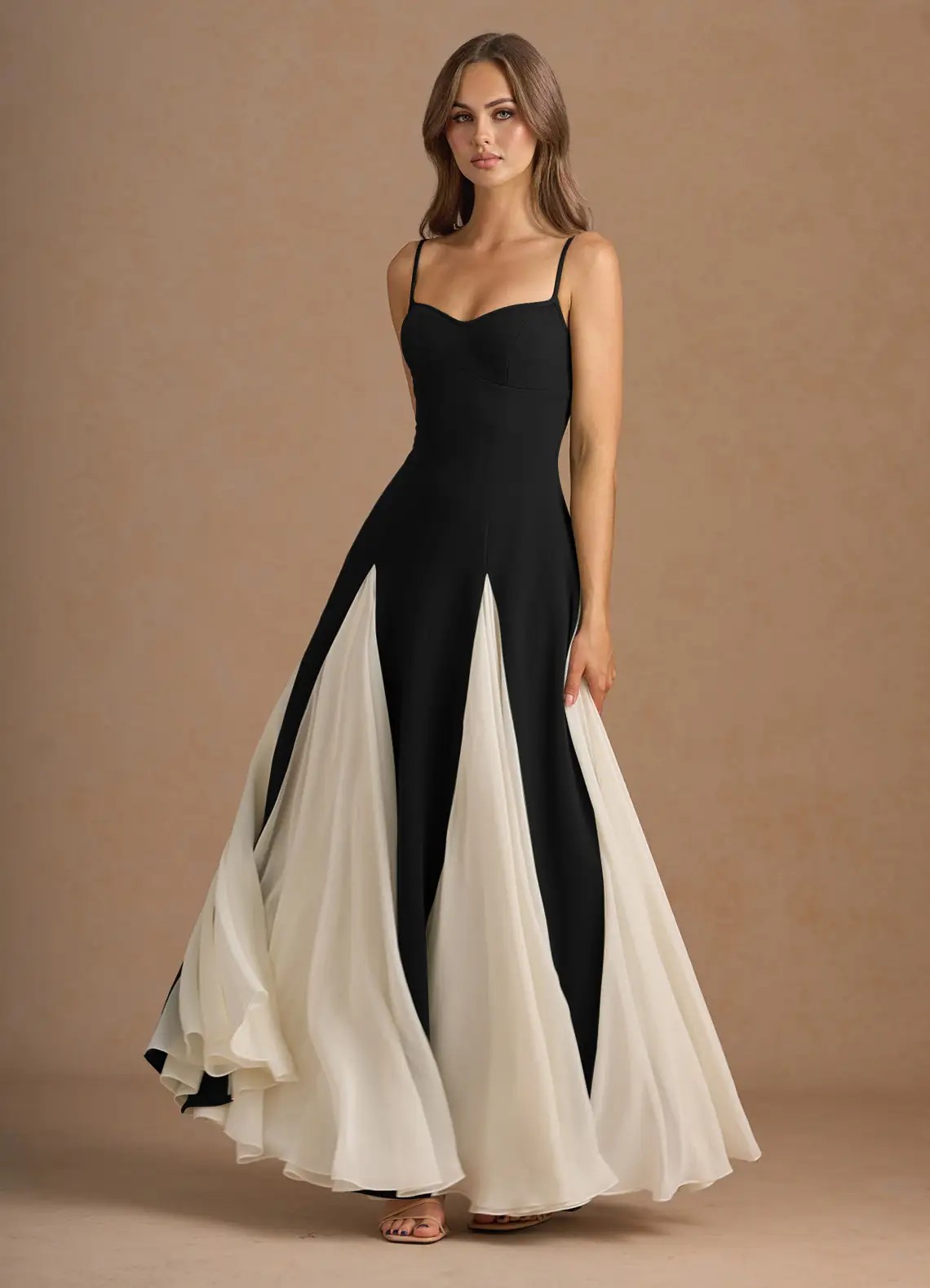
Choosing a formal dress sounds simple, but the process can easily become overwhelming. Between silhouette, fabrics, colors, hems, necklines, accessories, formality levels, and event themes, many people end up buying a dress that doesn’t fit the occasion—or worse, one they never feel confident wearing.
The goal of selecting a formal dress is not only to look elegant; it’s also to feel comfortable, confident, and aligned with the event expectations. Avoiding common mistakes helps you make a smarter, easier, and more satisfying choice.
This guide walks you through the biggest pitfalls—from poor fit to wrong color, bad fabric choices, underestimating tailoring, ignoring event dress codes, and last-minute purchases. Along the way we provide bullet point checklists, expert recommendations, and a full comparison table so you always choose the right dress. Let’s go through each mistake and how to avoid it with confidence.
Ignoring the Event Dress Code
Every formal event has its own level of formality.
A dress that works for a gala may be too dramatic for a corporate formal.
A black-tie dress might feel too conservative at a fashion-forward event.
Ignoring the dress code is one of the fastest ways to feel out of place.
How to avoid this mistake
- Read the invitation carefully.
- Look for keywords: black-tie, formal, cocktail, semi-formal, gala, business formal.
- Research the venue type: hotel ballroom vs outdoor garden vs corporate stage.
- Consider the audience: executives, friends, industry peers, media.
- When unsure, choose a timeless silhouette in a classic color.
Choosing the Wrong Silhouette for Your Body & Event
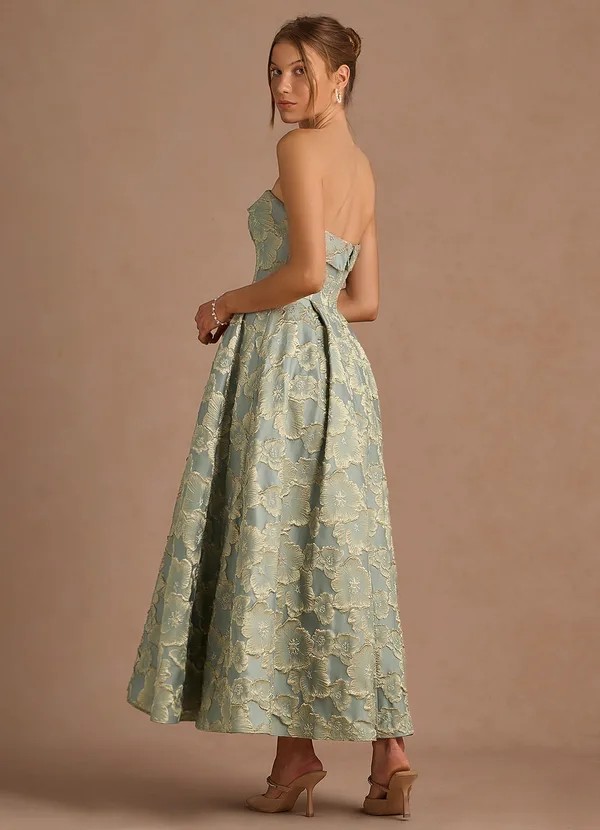
A dress may look stunning on a model but unflattering or uncomfortable on you.
Many buyers pick based solely on aesthetics—not on how the silhouette fits their proportions or movement needs.
Silhouette mismatch leads to discomfort, awkward photos, and restricted mobility.
Choosing the right silhouette ensures comfort + elegance.
How to avoid this mistake
- Identify your body shape (hourglass, pear, apple, athletic, petite).
- Choose silhouettes that complement your natural proportions.
- Know your comfort level (structured vs flowing vs fitted).
- Test movement: walk, sit, reach, pose, turn in the formal dresses.
Best universal silhouettes
- A-line
- Column / sheath
- Fitted bodice + flowy skirt
- Soft mermaid
Silhouette Comparison Table
| Silhouette | Works Best For | Strengths | Potential Problems | Avoid Mistakes By… |
| A-line | Most body types | Balanced + timeless | Few | Choosing proper waist placement |
| Column/Sheath | Tall/athletic | Sleek + modern | Clingy if fabric is thin | Choosing quality crepe/satin |
| Mermaid/Trumpet | Curvy shapes | Dramatic + glam | Movement limits | Testing mobility before event |
| Ball Gown | Tall/formal venues | High impact | Too much volume | Matching to venue & event scale |
| Empire Waist | Petite, pear shapes | Elongates torso | Can look too casual | Choosing luxury fabrics |
Picking the Wrong Fabric for the Occasion
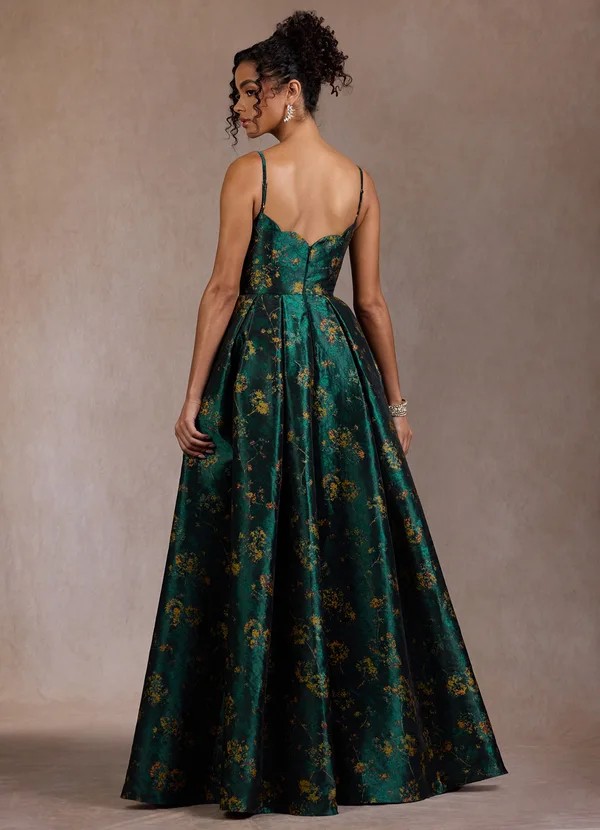
Fabric determines not only the look but the comfort, drape, and photo quality.
Low-quality fabric can ruin even the best design.
Some fabrics wrinkle easily, cling awkwardly, or photograph poorly.
Choosing the wrong fabric is a top reason many people regret formal dress purchases.
How to avoid this mistake
- Consider lighting: indoor, outdoor, or stage lighting.
- Consider weather: warm vs cool.
- Consider movement: structured vs soft fabrics.
- Avoid fabrics that wrinkle excessively.
- Choose fabrics that flatter your silhouette.
Top formal fabrics
- Satin – elegant for evening
- Crepe – modern, structured, matte
- Velvet – rich, luxurious
- Chiffon – lightweight, flowing
- Organza – dramatic, structured overlays
- Tulle – for volume
Choosing the Wrong Color
Color can elevate or break your entire look.
Choosing a color that doesn’t fit the event theme or lighting makes the dress feel inappropriate.
Some colors wash out under flash photography, while others overpower your features.
The right color enhances confidence and camera presence.
How to avoid this mistake
- Choose colors that flatter your skin tone.
- Consider lighting: flash-heavy events need deeper tones.
- Check venue decor colors (avoid clashing).
- Classic colors never fail: black, navy, emerald, wine, champagne.
Safe color categories
- Jewel tones
- Deep neutrals
- Elegant metallics
- Rich pastels (only for appropriate venues)
Not Considering Comfort & Movement
A dress that looks beautiful but feels uncomfortable will ruin your event experience.
Restricted movement is a major issue for fitted gowns, long trains, high slits, or heavy skirts.
Comfort determines how confident you look on camera and in person.
Even a well-fitted dress can become impractical if you can’t move gracefully.
How to avoid this mistake
- Ensure you can walk, sit, bend, turn, and pose comfortably.
- Consider heel height + hem length.
- Choose fabrics with appropriate stretch.
- Try different underwear options to avoid discomfort.
Underestimating the Importance of Tailoring
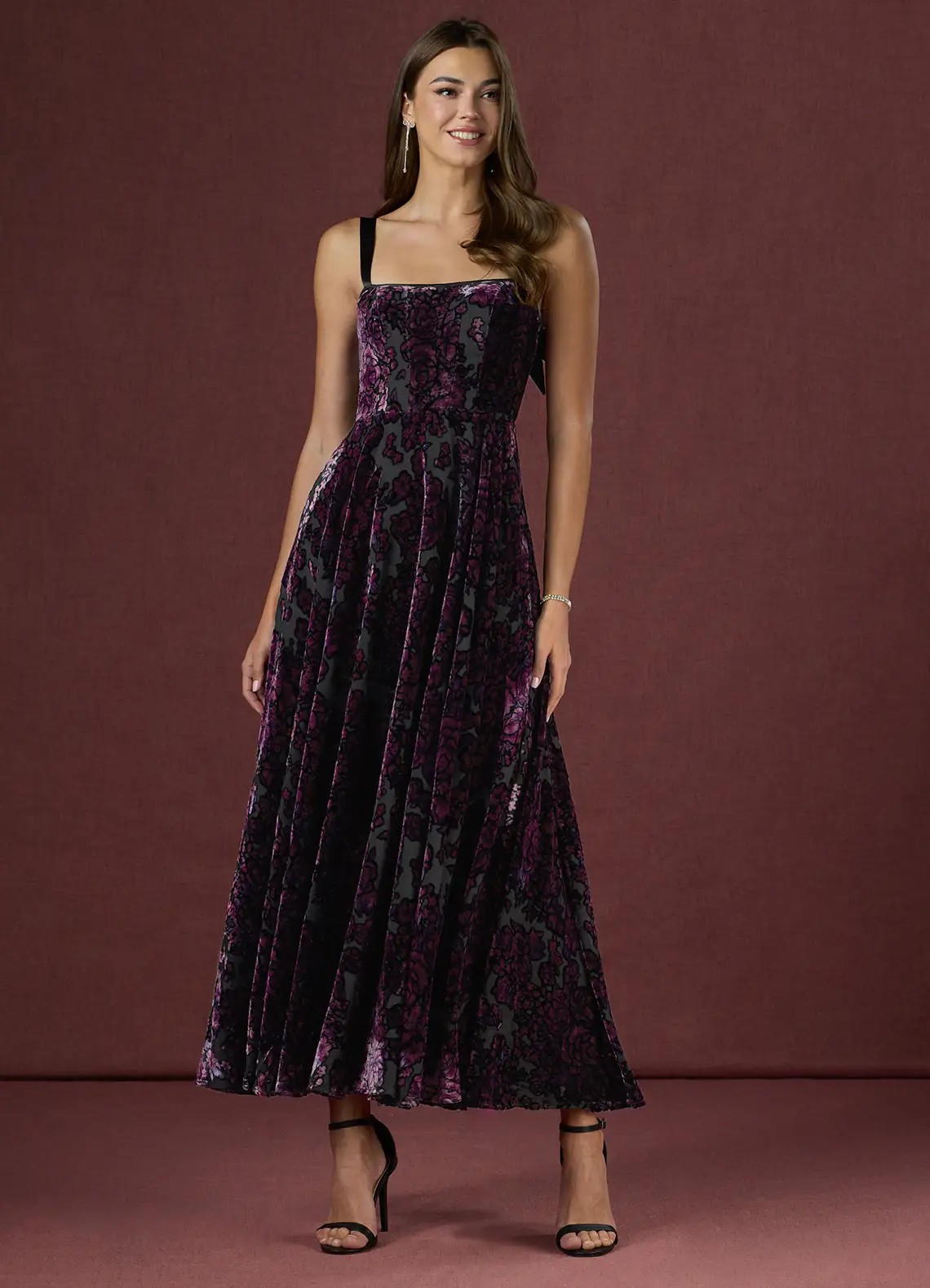
Perfect fit is EVERYTHING in formalwear.
Even an inexpensive dress looks luxurious when tailored well.
Many buyers skip tailoring because they assume the dress “fits enough.”
But tailoring elevates the dress from “fine” to “wow.”
How to avoid this mistake
- Allow time for 1–2 tailoring sessions.
- Tailor hem, straps, waist, and bust if needed.
- Use custom sizing if available (Azazie offers it).
- Do a full outfit test with shoes and accessories.
Tailoring checklist
- Dress should skim the floor with shoes.
- No wrinkles or pulling in the bodice.
- Straps must stay secure.
- Hips should drape smoothly.
- Zipper should lie flat.
Choosing a Dress Too Trend-Driven
Trends are fun, but they age quickly.
An overly trendy dress may feel outdated next year—or even this season.
If you want long-term value, choose timeless or classic silhouettes.
Trends should enhance, not define, your look.
How to avoid this mistake
- Add trends through accessories, not the dress itself.
- Choose simple base silhouettes.
- Stick to solid colors instead of fast-fashion patterns.
- Look for dresses that photograph well across platforms.
Forgetting Accessory Balance
Accessories can elevate a dress—but also overwhelm it.
Many people wear accessories that fight with the neckline, fabric, or silhouette.
For formal wear, accessories must complement, not clutter.
How to avoid this mistake
- Match jewelry to dress neckline.
- Avoid heavy layered necklaces with detailed bodices.
- Choose one statement piece only.
- Keep the bag small and elegant.
- Shoes must match the dress’s formality.
Neckline + Accessory Guide
- V-neck → delicate pendant or statement earrings
- Strapless → bold necklace or big earrings
- Off-shoulder → earrings + no necklace
- High neck → hair up + earrings only
Buying Last Minute
Last-minute shopping leads to poor choices.
You end up compromising on fit, color, style, or fabric due to time pressure.
Formal dresses require planning for tailoring, shipping, weather, and styling.
Avoid stress by planning your purchase early.
How to avoid this mistake
- Start looking at least 4–8 weeks before the event.
- Allow time for custom sizing.
- Do test-fittings at home.
- Steam/press dress before the event.
- Organize shoes, bags, jewelry early.
Common Mistakes & How to Avoid Them
| Mistake | Why It Happens | How to Avoid | Quick Tip |
| Ignoring dress code | Misreading invitation | Research formality level | When unsure, go classic |
| Wrong silhouette | Copying model photos | Know your shape | Fit > trend |
| Wrong fabric | Not considering lighting | Choose satin/crepe/chiffon | Avoid clingy synthetics |
| Wrong color | No tone testing | Try colors in natural light | Jewel tones = safe |
| Poor comfort | Trying style over practicality | Test movement | Walk + sit in dress |
| Skipping tailoring | Thinking dress “fits enough” | Tailor hem + straps | Custom sizing helps |
| Too trendy | Chasing Instagram looks | Choose timeless | Add trend through accessories |
| Wrong accessories | Over-accessorizing | Match to neckline | 1 statement piece |
Overlooking Undergarments & Support
The right undergarments make the dress lay smoothly.
The wrong ones create bumps, lines or gaps.
Support is especially critical for strapless or fitted dresses.
Ignoring this detail can ruin photos and comfort.
How to avoid this mistake
- Choose seamless shaping options.
- Test strapless bras in advance.
- Consider adhesive bras or cups for open backs.
- Try different underwear styles to find the smoothest look.
Not Checking Dress in Different Lighting
Lighting changes color, texture and silhouette.
What looks perfect in warm bedroom light may look different in natural or flash lighting.
Formal events often include photography—so lighting matters.
How to avoid this mistake
- Check dress under daylight.
- Check indoors warm light.
- Use phone flash to simulate photography.
- Move around to check shadows and highlights.
Choosing a Dress You Can’t Re-Wear
Some dresses are beautiful but too specific to reuse.
Unless you want a one-time outfit, aim for a dress with lasting versatility.
Re-wear potential saves money, storage, and styling effort.
How to avoid this mistake
- Choose neutral or jewel-tone colors.
- Pick classic silhouettes.
- Avoid hyper-specific embellishments.
- Imagine styling same dress three different ways.
- Choose a fabric that transitions well between venues.
Forgetting Shoes, Hair, and Makeup Compatibility
Your dress must work with your body proportions and your styling preferences.
High slits need high heels.
High necklines prefer updos.
Romantic dresses require softer makeup.
Ignoring these relationships makes styling stressful.
How to avoid this mistake
- Choose a dress that fits your comfortable heel height.
- Plan hair and makeup around the silhouette.
- Make sure jewelry matches the metal tone of dress embellishments.
- Don’t rely on last-minute decisions.
Final Thoughts
Avoiding common mistakes when choosing a formal dress is all about preparation, awareness, and understanding your personal needs. When you choose the right silhouette, fabric, color, and accessories—while avoiding trends, poor fit, or last-minute panic—you ensure you look elegant, confident, and timeless.
The Azazie Atelier Formal Dresses collection provides an excellent foundation, offering high-quality, customizable styles that reduce many of these risks.
Frequently Asked Questions
What is the safest silhouette for avoiding mistakes?
A-line. It flatters most body types, fits formal expectations, and works with many fabrics.
What color should I choose if I’m unsure?
Navy, emerald, or black. These colors work in almost all lighting and venues.
What fabric is least risky?
Crepe. It’s structured, matte, elegant, and easy to move in.
What length avoids the most mistakes?
Floor-length for formal events. Midi for cocktail-level events. Avoid short lengths unless event explicitly calls for it.
Should I follow trends?
Only lightly. Adding a trendy accessory is safer than choosing a fully trendy dress.
How do I know if a dress is comfortable enough for a long event?
Test movement before purchasing: walk, sit, bend, and dance if possible. Check for stretch in the fabric and avoid tight waistlines, restrictive sleeves, or heavy embellishments that limit mobility. Comfort is key to confidence.
Are custom sizing or tailoring really necessary?
Yes. Even small adjustments to hem, bust, waist, or straps dramatically improve fit and appearance. Custom sizing or professional tailoring ensures the dress flatters your body and avoids common fit mistakes.
How can I avoid buying a dress that only works in photos?
Check the dress in various lighting conditions: daylight, indoor lighting, and with camera flash. Move around to see how it drapes and behaves in real life, not just in a mirror or on a model.
What undergarments should I consider for formal dresses?
Seamless shapewear, strapless bras, adhesive cups, or contouring briefs help create a smooth silhouette. Always test them with the dress to avoid bumps, gaps, or visible lines, especially for strapless, backless, or fitted gowns.
How do I make a formal dress more versatile for multiple events?
Choose neutral or jewel tones, classic silhouettes, and fabrics like satin, crepe, or chiffon. Add personality with accessories—belts, jewelry, shoes, or wraps—to refresh the look for different occasions without buying a new dress.
How can I personalize my formal dress with accessories?
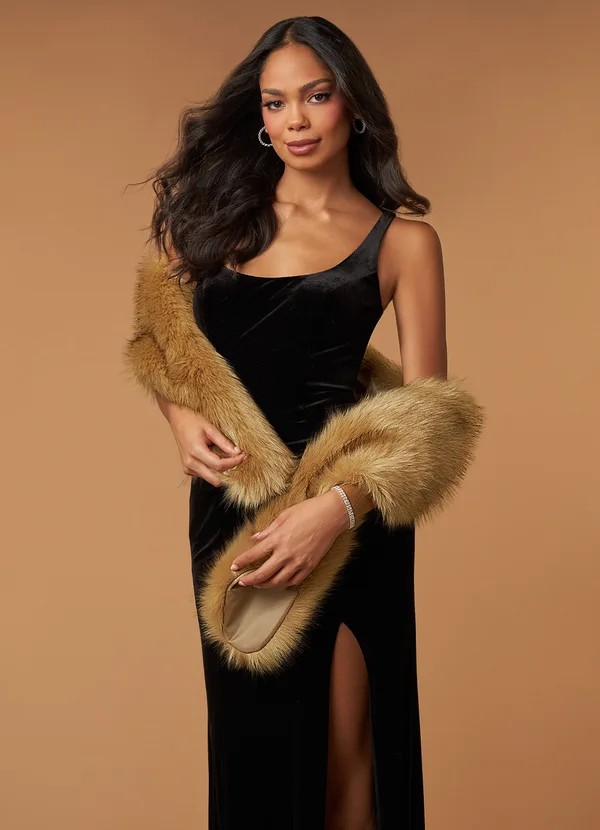
A beautiful formal dress is just the beginning of creating a memorable look for your special occasion. The true magic happens when you personalize your ensemble with carefully selected accessories that reflect your unique style and personality. Accessories have the transformative power to take a simple gown from elegant to extraordinary, allowing you to express yourself while maintaining the sophistication required for formal events.
The art of accessorizing a formal dress goes far beyond simply adding jewelry and shoes. It's about creating a cohesive visual story that highlights your best features, complements your dress's design, and ensures you feel confident throughout your event. Whether you're attending a black-tie wedding, a glamorous gala, a military ball, or prom night, the right accessories can elevate your look from beautiful to unforgettable.
Many women find themselves overwhelmed when it comes to accessorizing formal wear. Questions arise: How much jewelry is too much? Should your shoes match your dress exactly? What type of bag works best with an evening gown? How do you balance statement pieces with your dress's embellishments? This comprehensive guide answers these questions and more, providing you with expert strategies for personalizing your formal dress with accessories that showcase your individual style while honoring the elegance of formal occasions.
We'll explore every aspect of formal dress accessorizing, from selecting the perfect jewelry combinations to choosing complementary footwear, bags, and finishing touches. You'll discover how to balance proportions, mix metals, coordinate colors, and create looks that range from classic elegance to bold contemporary style. By the end of this guide, you'll have the confidence and knowledge to accessorize any formal dress with sophistication and personal flair.
Understanding the Foundation: Your Formal Dress
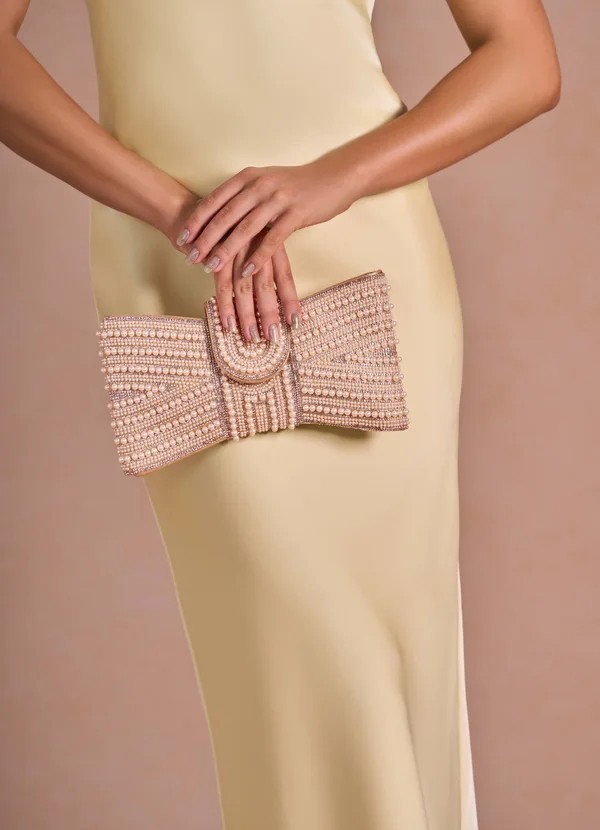
Before diving into accessories, it's essential to understand your dress as the foundation of your entire look. Every accessorizing decision should complement and enhance the gown you've chosen.
Analyzing Your Dress Design
Neckline Considerations
The neckline of your formal dress dictates your jewelry choices more than any other factor:
- Sweetheart necklines create a romantic focal point and pair beautifully with delicate necklaces or dramatic earrings
- Halter necklines already draw attention upward, making statement earrings the perfect complement while necklaces should be avoided
- V-neck styles are elongating and work well with pendant necklaces that follow the neckline's shape
- Off-shoulder and strapless designs showcase your décolletage, allowing for statement necklaces or chokers
- High necklines are best paired with statement earrings and bracelets while skipping necklaces entirely
- Scoop necklines offer versatility, accommodating both necklaces and standalone earring looks
Dress Color and Accessories
Your dress color influences accessory selection in several ways:
- Black formal dresses provide a neutral canvas allowing any metal color and bold accessories
- White and ivory gowns look stunning with silver, platinum, or white gold jewelry
- Jewel-tone dresses (emerald, sapphire, ruby) pair beautifully with gold or matching gemstones
- Metallic gowns work best with accessories in complementary metals or neutral tones
- Pastel dresses shine with delicate, feminine accessories in rose gold or silver
- Bold colored gowns benefit from simpler, understated accessories that don't compete
Embellishment Level
The amount of detail on your dress determines accessory complexity:
- Heavily beaded or sequined dresses require minimal, elegant accessories
- Simple, clean-lined gowns can handle more dramatic statement pieces
- Dresses with intricate embroidery need accessories that complement rather than compete
- Minimalist designs offer the perfect canvas for bold accessory choices
The Art of Jewelry Selection
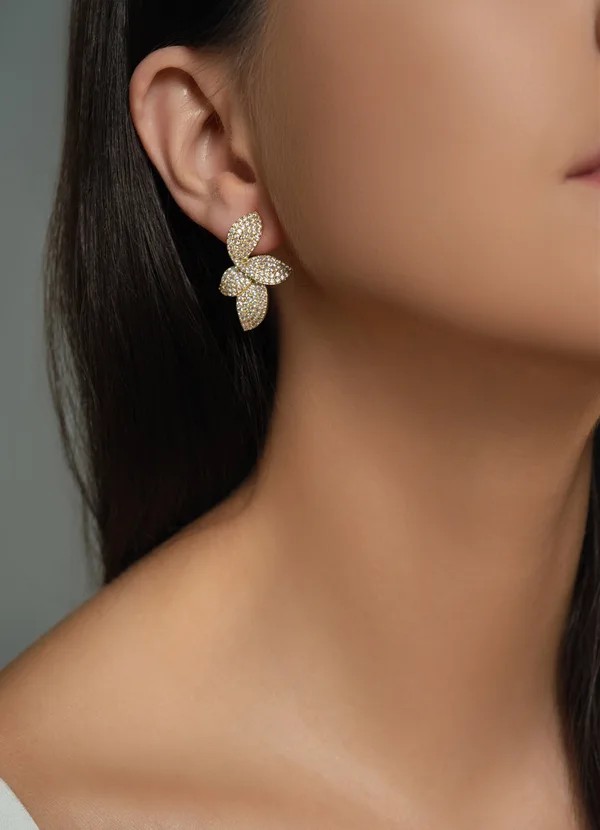
Jewelry serves as the most personal and impactful way to customize your formal dress look. Strategic jewelry choices can highlight your best features, add sparkle and dimension, and express your individual style.
Necklaces: Creating the Perfect Neckline Frame
Statement Necklaces
Bold, eye-catching necklaces work best with specific dress styles:
When to wear statement necklaces:
- Simple, unembellished gowns in solid colors
- Strapless or off-shoulder necklines with clean lines
- Deep V-necks or sweetheart necklines without intricate details
- When you want to add drama to a minimalist dress
Statement necklace styles:
- Chunky collar necklaces for modern, architectural looks
- Bib necklaces that create a dramatic focal point
- Multi-strand designs for vintage-inspired elegance
- Crystal or gemstone statement pieces for maximum sparkle
Delicate Necklaces
Subtle necklaces offer refined elegance without overwhelming:
Ideal situations for delicate necklaces:
- Dresses with moderate embellishment or detail
- When wearing dramatic earrings
- V-neck or scoop necklines that benefit from subtle adornment
- Creating a romantic, feminine aesthetic
Delicate necklace options:
- Fine chain with small pendant
- Simple strand of pearls
- Delicate lariat or Y-necklace
- Single-stone solitaire on fine chain
Chokers and Short Necklaces
Chokers create a sophisticated, contemporary look:
- Perfect for off-shoulder and strapless gowns
- Add definition to long necks
- Create a regal, elegant appearance
- Work beautifully with updos and swept-back hairstyles
Earrings: Framing Your Face
Earrings have the unique ability to draw attention to your face, enhance your facial features, and add movement to your overall look.
Statement Earrings
Bold earrings make powerful style statements:
Best statement earring styles:
- Chandelier earrings that add length and drama
- Drop earrings with movement and sparkle
- Geometric designs for modern sophistication
- Oversized hoops for contemporary elegance
- Cluster designs with multiple gemstones
When to choose statement earrings:
- Wearing your hair up or swept to one side
- Skipping the necklace for a cleaner look
- With high necklines or halter styles
- When you want earrings as your signature piece
Stud and Small Earrings
Classic studs offer timeless elegance:
Perfect occasions for studs:
- When wearing a statement necklace
- With heavily embellished dresses
- For a classic, understated look
- When your dress already has dramatic details
Stud earring options:
- Diamond or crystal solitaires
- Pearl studs for classic elegance
- Gemstone studs matching your dress color
- Small cluster designs for subtle sparkle
Bracelets: Adding Wrist Appeal
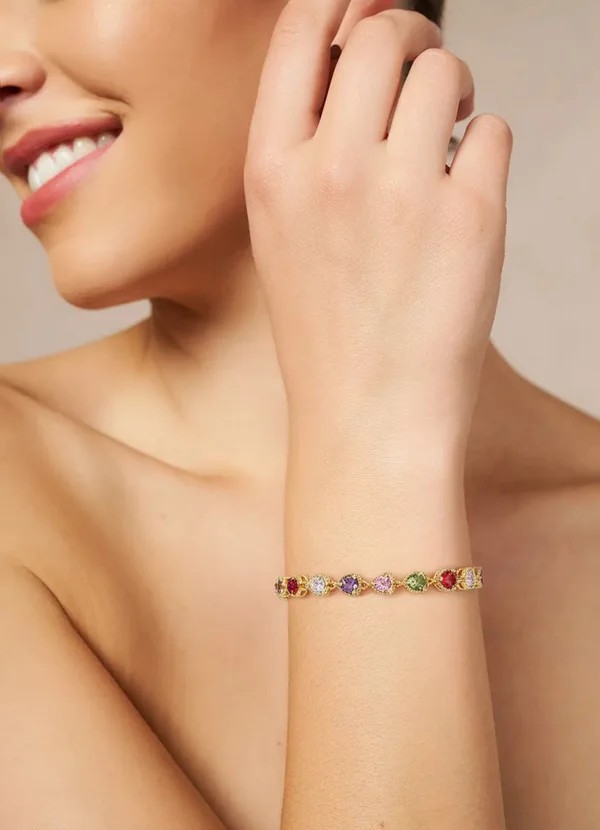
Bracelets complete your jewelry ensemble and add sparkle to your gestures throughout the evening.
Bracelet Styles for Formal Dresses
Tennis bracelets:
- Classic, elegant choice for any formal occasion
- Available in various widths and stone sizes
- Work with any dress style or neckline
- Can be layered for added impact
Cuff bracelets:
- Bold, architectural statement pieces
- Perfect for sleeveless or strapless gowns
- Add modern sophistication
- Work best as standalone wrist pieces
Bangles:
- Can be worn individually or stacked
- Create beautiful sound and movement
- Gold or silver options complement various dress colors
- Mix metals for contemporary styling
Charm bracelets:
- Add personal meaning to your look
- Choose elegant, formal charm designs
- Keep delicate for formal occasions
- Perfect for sentimental touches
Bracelet Wearing Guidelines
- Wear bracelets on your non-dominant wrist to avoid damage
- Skip bracelets if your dress has dramatic sleeves
- Consider your watch choice if wearing both
- Balance bracelet size with ring choices
Rings: Subtle Sparkle
Rings add finishing touches without overwhelming your look.
Ring Selection Tips:
- Choose statement rings when keeping other jewelry minimal
- Stack delicate rings for modern, personalized style
- Ensure rings don't compete with your bracelet
- Consider cocktail rings as alternative statement pieces
- Balance across both hands for visual harmony
Footwear: The Foundation of Your Look
Shoes might be hidden under a floor-length gown, but they're crucial for comfort, posture, and the occasional glimpse when you walk or dance.
Choosing the Right Formal Shoes
Heel Heights and Styles
| Heel Type | Height | Best For | Comfort Level |
| Classic Pumps | 3-4 inches | Traditional elegance, all gown styles | Moderate |
| Stiletto Heels | 4-5 inches | Maximum height, sleek silhouette | Lower (shorter wear) |
| Block Heels | 2-4 inches | Stability, all-night comfort | High |
| Wedges | 3-4 inches | Outdoor events, maximum stability | Very High |
| Kitten Heels | 1.5-2 inches | Subtle height, vintage elegance | Very High |
| Platform Heels | 4-5 inches | Height with more stability | Moderate-High |
Shoe Color Coordination
Metallic shoes (gold, silver, rose gold):
- Universal choice that complements any dress color
- Add elegance without exact color matching
- Gold works beautifully with warm-toned dresses
- Silver pairs perfectly with cool-toned gowns
- Rose gold offers romantic, contemporary appeal
Nude shoes:
- Elongate legs visually
- Should match your skin tone, not the dress
- Create seamless, elegant lines
- Work with virtually any dress color
Black shoes:
- Classic choice for black formal dresses
- Work with dark jewel tones
- Add grounding to lighter dress colors
- Timeless and versatile option
Colored shoes:
- Match or complement your dress color
- Add personality and personal style
- Work best when coordinated with accessories
- Create cohesive, intentional looks
Special Shoe Features
- Ankle straps provide security but can shorten leg lines
- Peep-toe styles add vintage glamour
- Pointed toes elongate the foot visually
- Embellished shoes add extra sparkle (use sparingly with beaded dresses)
- Satin or silk shoes match gown luxury
Hair Accessories: Crown Your Look
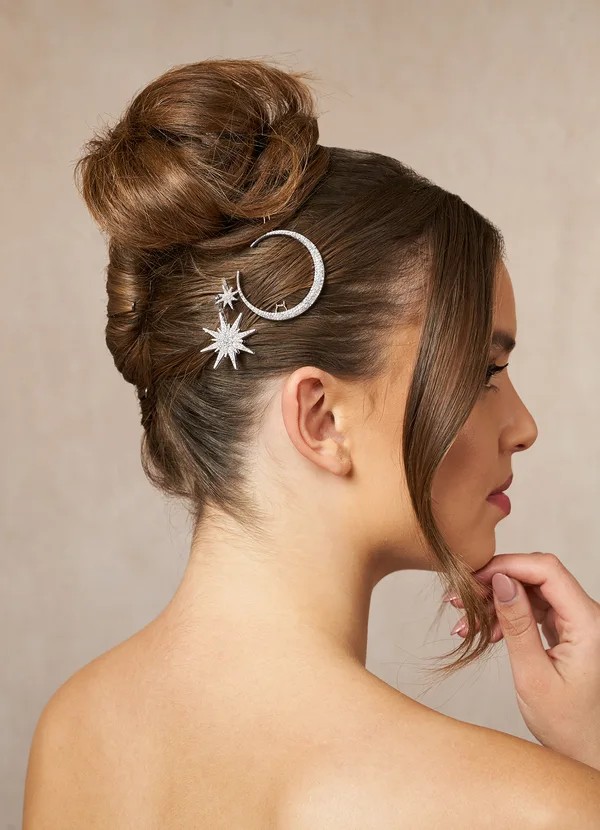
Hair accessories add dimension, personality, and finishing touches to your formal hairstyle.
Types of Hair Accessories
Hairpins and Bobby Pins
- Decorative pins with pearls, crystals, or flowers
- Secure updos while adding sparkle
- Can be clustered or placed individually
- Perfect for romantic, scattered placement
Hair Combs
- Vintage-inspired elegance
- Secure veils or embellish updos
- Available in various sizes and embellishment levels
- Create focal points in hairstyles
Headbands and Tiaras
- Perfect for prom and quinceañera
- Add princess-worthy glamour
- Work best with down hairstyles or half-up styles
- Choose width and embellishment based on dress detail
Hair Vines and Wreaths
- Romantic, nature-inspired styling
- Weave through braids or along hairlines
- Perfect for bohemian formal looks
- Add movement and organic beauty
Barrettes and Clips
- Functional and decorative
- Perfect for half-up hairstyles
- Available in various sizes and styles
- Modern sophistication for sleek looks
Coordinating Hair Accessories
With your jewelry:
- Match metal finishes (gold with gold, silver with silver)
- Coordinate embellishment styles (pearls with pearls)
- Balance size (large hair pieces with minimal jewelry)
With your dress:
- Simple dresses can handle dramatic hair accessories
- Detailed gowns need subtle hair adornment
- Match color palette to dress or accessories
- Consider overall visual balance
Wraps, Shawls, and Cover-Ups
For cooler weather or air-conditioned venues, elegant cover-ups complete your formal look while providing comfort.
Types of Formal Cover-Ups
Pashmina Shawls
- Luxuriously soft and warm
- Can be draped in multiple ways
- Available in numerous colors
- Elegant without overwhelming
Faux Fur Stoles
- Glamorous vintage appeal
- Perfect for winter formal events
- Add texture and luxury
- Create old Hollywood elegance
Formal Wraps
- Lightweight coverage for mild weather
- Often in silk, satin, or chiffon
- Coordinate with dress color
- Elegant draping for sophisticated looks
Structured Evening Jackets
- Tailored, modern sophistication
- Perfect for professional formal events
- Can be worn throughout the evening
- Add architectural interest
Boleros and Shrugs
- Cropped coverage for shoulders and arms
- Perfect for modest formal requirements
- Often beaded or embellished
- Coordinate closely with dress style
Selecting the Right Cover-Up
Consider these factors:
- Weather and venue temperature
- Level of formality required
- Whether you'll wear it all evening or just for transit
- Coordination with your dress color and style
- Storage options at the venue
Color coordination:
- Matching your dress creates seamless elegance
- Complementary colors add visual interest
- Metallic wraps work with any dress color
- Black or neutral wraps are most versatile
Creating Cohesive Accessory Combinations
The key to successful accessorizing lies in creating harmony among all elements while expressing your personal style.
The Rule of Three
Focus on three main accessory categories to avoid over-accessorizing:
Classic combination:
- Statement earrings
- Elegant bracelet
- Formal clutch
Bold approach:
- Statement necklace
- Cocktail ring
- Metallic shoes
Balanced option:
- Delicate necklace
- Statement earrings
- Embellished clutch
Mixing Metals: Modern Sophistication
Contemporary styling allows for mixing metal finishes:
Successful mixing strategies:
- Keep one metal dominant with accents of another
- Mix metals that share similar tones (warm with warm, cool with cool)
- Use one mixed-metal piece as a bridge (like a two-tone watch)
- Keep designs consistent (all modern or all vintage)
Combinations that work:
- Gold jewelry with rose gold shoes
- Silver earrings with gold bracelets
- Mixed metal necklace with solid metal earrings
- Rose gold hair accessories with yellow gold jewelry
Color Coordination Strategies
Monochromatic elegance:
- Match all accessories to dress color
- Creates seamless, sophisticated looks
- Perfect for ultra-formal occasions
- Elongates silhouette visually
Metallic accents:
- Add gold, silver, or rose gold accessories
- Works with any dress color
- Creates sparkle without color complexity
- Most versatile approach
Complementary coordination:
- Choose accessories in colors that complement your dress
- Add visual interest and personality
- Requires more careful planning
- Perfect for expressing individual style
Strategic pops of color:
- Use one colorful accessory as an accent
- Keep other accessories neutral
- Creates focal point and personality
- Perfect for making a statement
Budget-Friendly Accessorizing Tips
Creating stunning accessorized looks doesn't require unlimited budgets. Strategic shopping and styling create expensive-looking results affordably.
Smart Shopping Strategies
Investment pieces: Focus budget on versatile items you'll wear repeatedly:
- Classic pearl or diamond stud earrings
- Neutral metallic heels
- Simple, elegant clutch in gold or silver
- Quality shapewear and undergarments
Trend pieces: Purchase affordable versions of trendy items:
- Statement necklaces in current styles
- Bold, colorful shoes
- Unique clutches with personality
- Fashion jewelry with impact
Rental and Borrowing:
- Rent designer jewelry for special occasions
- Borrow from friends or family
- Use jewelry rental subscription services
- Consider costume jewelry that mimics fine pieces
Versatility Maximization
Multi-functional accessories:
- Convertible necklaces (long to short, detachable strands)
- Shoes in neutral metallics that work with multiple dresses
- Classic clutches in versatile colors
- Simple jewelry that works for formal and semi-formal events
Styling variations:
- Layer delicate necklaces for different looks
- Stack rings and bracelets in new combinations
- Mix and match earrings for variety
- Use one dress with different accessory combinations
Conclusion
Personalizing your formal dresses with accessories is an art form that balances elegance, individual style, and occasion appropriateness. The right accessories transform a beautiful gown into a complete, memorable look that expresses your unique personality while honoring the sophistication of formal events. From selecting statement jewelry that frames your face to choosing shoes that carry you comfortably through hours of celebration, every accessory decision contributes to your overall appearance and confidence.
Remember that successful accessorizing isn't about owning the most expensive pieces or following rigid rules—it's about understanding the principles of proportion, coordination, and balance while infusing your personal aesthetic into every choice. Whether you prefer classic pearl elegance, bold contemporary statements, or romantic vintage-inspired details, there's a accessorizing approach that allows your true style to shine through.
Frequently Asked Questions
How do I choose between a statement necklace and statement earrings?
Consider your dress neckline first. High necklines or halter styles work best with statement earrings only, while strapless or sweetheart necklines can accommodate statement necklaces. If your dress is heavily embellished around the neckline, skip the necklace and choose bold earrings instead. Generally, choose one statement jewelry piece to avoid overwhelming your look.
Should my shoes match my dress exactly?
Exact color matching isn't necessary and can actually look dated. Instead, choose metallic shoes (gold, silver, rose gold) that complement any dress color, nude heels that match your skin tone for leg-lengthening effect, or shoes that coordinate with your overall color palette. Black shoes work with darker dresses, while colored shoes can add personality when coordinated with your accessories.
Can I mix gold and silver jewelry for a formal event?
Yes, mixing metals is a contemporary styling approach that works beautifully when done intentionally. Keep one metal dominant (about 70-80%) and use the other as an accent. Alternatively, use a mixed-metal piece like a two-tone watch as a bridge between finishes. Ensure all pieces share similar style aesthetics—all modern or all vintage—for cohesion.
How many accessories should I wear with my formal dress?
Follow the "rule of three" by selecting three main accessory categories to focus on. For example: statement earrings, an elegant bracelet, and a formal clutch. This prevents over-accessorizing while ensuring your look feels complete. If your dress is heavily embellished, minimize accessories to simple, elegant pieces that don't compete with the gown's details.
What type of bag should I carry with a floor-length formal gown?
Choose a small, elegant clutch or minaudière that holds essentials like your phone, lipstick, and cards. Hard-case clutches offer structured elegance, while soft envelope styles provide flexibility. Select metallic finishes for versatility or coordinate with your dress color. Avoid large bags that overwhelm formal proportions—6-8 inches wide is ideal for most formal clutches.
How do I accessorize a heavily beaded or sequined formal dress?
Less is more with embellished gowns. Choose simple, elegant jewelry that complements rather than competes—consider diamond or pearl studs, a delicate bracelet, and minimal or no necklace. Let your dress be the statement piece. Select sleek shoes and a streamlined clutch in complementary metallics. The goal is to enhance the dress's sparkle, not add more visual complexity.
Should I wear a wrap or shawl throughout my formal event?
This depends on the venue temperature and your personal comfort. Lightweight wraps can be worn throughout and even enhance your look, while heavier faux fur stoles are typically worn for arrivals and photos then checked with your coat. Consider whether the venue offers coat check services and whether your cover-up complements or hides your dress details.
How can I personalize my formal look while staying appropriate?
Personalization comes through thoughtful accessory selection that reflects your style. Choose jewelry with personal meaning, select shoes in your favorite color, carry a unique clutch that sparks conversation, or add a signature hair accessory. You can also personalize through color choices, mixing contemporary and vintage pieces, or selecting accessories that tell your story while maintaining formal elegance.
What accessories should I avoid with formal dresses?
Avoid casual accessories like canvas bags, flip-flops, or overly trendy fast-fashion jewelry that looks cheap. Skip wearing a watch with formal bracelets unless it's an elegant dress watch. Avoid too many competing statement pieces, costume jewelry that obviously looks plastic, and accessories in clashing formality levels. Also skip white or ivory accessories at weddings unless you're the bride.
Can I personalize my formal dress with belts or sashes?
Yes! Belts or sashes can define your waist, add a pop of color, or introduce texture to a plain gown. Choose a slim, jeweled, or satin belt for elegance, or a bold contrasting sash for a statement look. Ensure the belt complements the dress’s design and doesn’t compete with embellishments or intricate detailing.
What’s the difference between formal and semi-formal dresses?
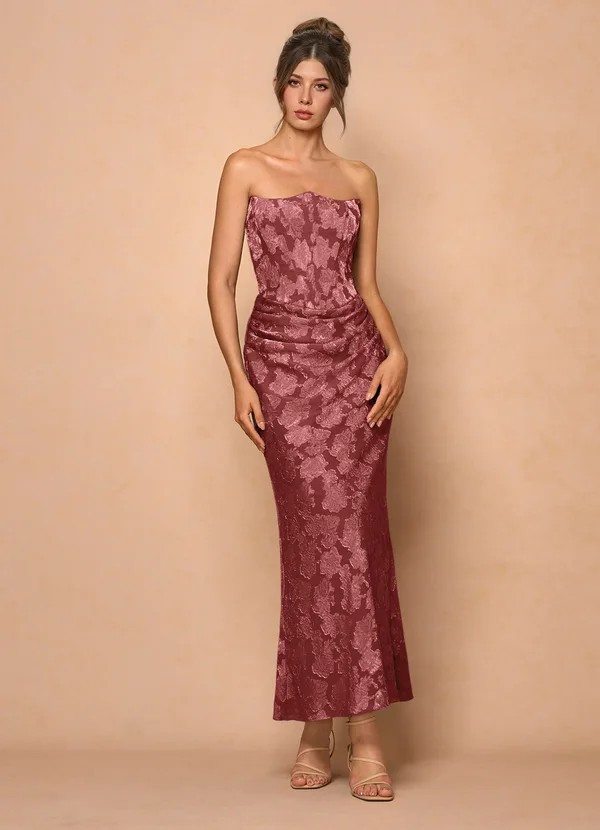
Navigating dress codes can feel overwhelming when you're preparing for a special occasion. You've received an invitation that specifies "formal attire" or "semi-formal dress," and suddenly you're left wondering what exactly that means for your wardrobe choices.
The difference between formal and semi-formal dresses isn't just about looking appropriate—it's about feeling confident and comfortable while honoring the occasion's expected level of elegance.
Understanding these distinctions helps you make informed decisions when shopping for that perfect gown or cocktail dress. Whether you're attending a black-tie wedding, a corporate gala, a prom, or an evening cocktail party, knowing the nuances between formal and semi-formal attire ensures you'll arrive dressed to impress without being over or underdressed.
This comprehensive guide explores everything you need to know about formal and semi-formal dresses, from fabric choices and hemlines to accessories and color palettes. We'll break down the key differences, provide practical styling advice, and help you build a versatile wardrobe that covers various dress code requirements. By the end of this article, you'll have the confidence to select the perfect dress for any sophisticated occasion that comes your way.
Understanding Formal Dress Codes
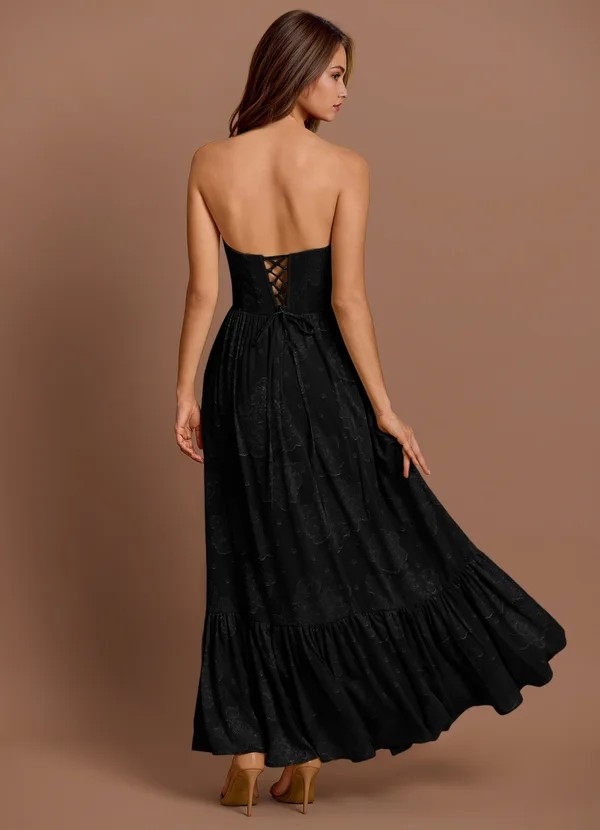
Formal attire represents the highest level of dress elegance short of white-tie events. When an invitation specifies formal dresses, it's calling for sophisticated, floor-length elegance that exudes refinement and grace.
Key Characteristics of Formal Dresses
Length and Silhouette
Formal dresses traditionally reach the floor, creating an elegant, elongated silhouette that commands attention. These gowns are designed to make a dramatic statement and are typically reserved for evening events where sophistication is paramount. The length itself contributes to the formality, as floor-length hemlines have historically been associated with elegance and special occasions.
Fabric Choices
Formal gowns are crafted from luxurious, high-quality fabrics that drape beautifully and photograph well. Common materials include:
- Silk and satin for their lustrous finish and elegant drape
- Chiffon for flowing, romantic movement
- Velvet for rich texture and wintertime sophistication
- Taffeta for structured, voluminous silhouettes
- Sequined and beaded fabrics for added glamour and sparkle
Design Elements
Formal dresses often feature intricate details that elevate their sophistication:
- Elaborate embellishments like beading, sequins, or embroidery
- Structured bodices with boning or corsetry
- Dramatic trains or flowing skirts
- Elegant necklines such as sweetheart, halter, or high neck designs
- Statement backs with illusion panels, keyhole cutouts, or dramatic open backs
When to Wear Formal Dresses
Formal attire is appropriate for:
- Black-tie weddings and galas
- Military balls and formal ceremonies
- Opera and theater opening nights
- Charity fundraisers and high-profile events
- Prom and formal school dances
- Award ceremonies and formal banquets
Decoding Semi-Formal Dress Codes
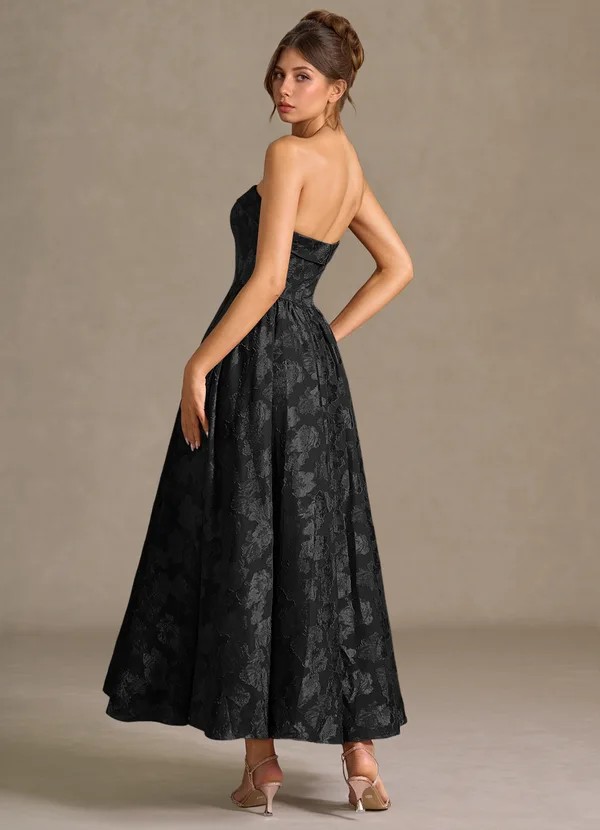
Semi-formal attire strikes a balance between casual elegance and formal sophistication. This dress code offers more flexibility in terms of length, style, and overall aesthetic while still maintaining an elevated, polished appearance.
Key Characteristics of Semi-Formal Dresses
Length Flexibility
Unlike formal dresses that must reach the floor, semi-formal dresses offer versatility in length:
- Knee-length dresses that show sophistication without excessive formality
- Tea-length dresses (mid-calf) that offer vintage-inspired elegance
- Midi-length options that fall between the knee and ankle
- Cocktail-length dresses that typically hit just above or at the knee
Fabric and Texture
Semi-formal dresses can incorporate a wider range of fabrics, including:
- Lace for romantic, feminine appeal
- Crepe for modern, structured looks
- Jersey knits for comfortable yet polished styles
- Lightweight chiffon for flowing movement
- Satin and silk blends for subtle luxury
Design Versatility
Semi-formal dresses showcase diverse design elements:
- Simpler embellishments compared to formal gowns
- Flattering A-line, sheath, or fit-and-flare silhouettes
- Playful prints and patterns alongside solid colors
- Mix of sleeve options from sleeveless to long sleeves
- Contemporary details like asymmetrical hems or cutouts
When to Wear Semi-Formal Dresses
Semi-formal attire works perfectly for:
- Daytime or evening weddings with semi-formal specifications
- Cocktail parties and networking events
- Garden parties and outdoor celebrations
- Holiday parties and seasonal gatherings
- Graduation ceremonies and celebrations
- Restaurant celebrations and date nights
Side-by-Side Comparison: Formal vs. Semi-Formal Dresses
| Aspect | Formal Dresses | Semi-Formal Dresses |
| Length | Floor-length (maxi) | Knee to midi-length; some maxi options |
| Fabrics | Luxurious materials: silk, satin, velvet, taffeta | Versatile fabrics: lace, crepe, chiffon, jersey |
| Embellishments | Elaborate beading, sequins, intricate details | Minimal to moderate embellishments |
| Silhouettes | Dramatic, structured, flowing gowns | A-line, sheath, fit-and-flare, cocktail styles |
| Necklines | Statement necklines: sweetheart, halter, high neck | Varied options: V-neck, scoop, off-shoulder |
| Footwear | Elegant heels, often hidden by gown | Heels or dressy flats, more visible |
| Accessories | Statement jewelry, clutches, formal wraps | Balanced accessories, smaller bags |
| Occasions | Black-tie events, galas, formal weddings | Cocktail parties, semi-formal weddings, celebrations |
| Time of Day | Primarily evening events | Daytime or evening events |
| Range | Generally higher due to luxe fabrics | More budget-friendly options available |
How to Choose Between Formal and Semi-Formal
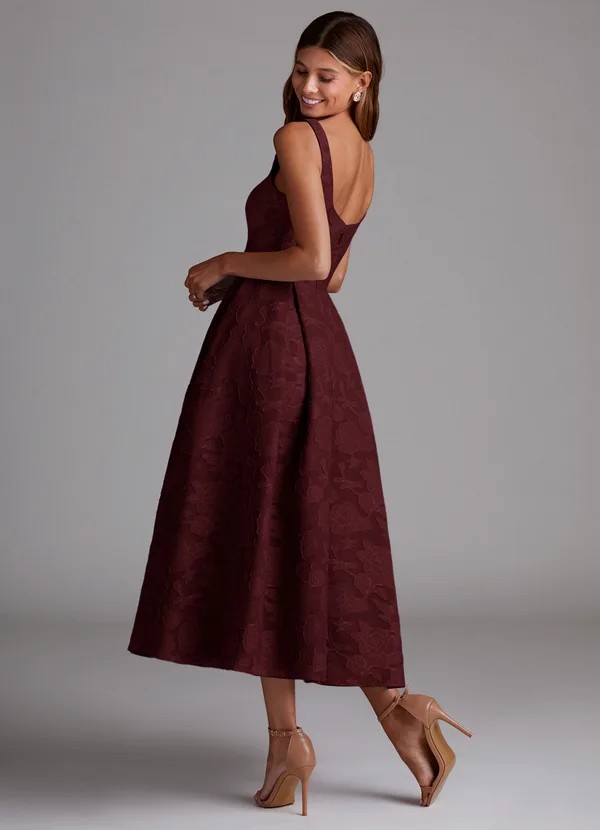
Selecting the right dress code level requires careful consideration of several factors:
Read the Invitation Carefully
The invitation provides crucial clues about expected attire. Look for specific phrases:
- "Black tie," "formal attire," or "evening dress" indicates formal
- "Semi-formal," "cocktail attire," or "dressy casual" suggests semi-formal
- When in doubt, don't hesitate to contact the host for clarification
Consider the Venue
The event location often dictates appropriate dress formality:
Formal-appropriate venues:
- Ballrooms and grand hotels
- Country clubs and estate venues
- Historic mansions and museums
- Upscale restaurants with private dining rooms
Semi-formal-appropriate venues:
- Garden settings and outdoor spaces
- Rooftop venues and lofts
- Beach clubs and waterfront locations
- Casual elegant restaurants
Time of Day Matters
Evening events typically call for more formal attire, while daytime celebrations often lean semi-formal. A 6 PM or later start time usually indicates a more formal dress code, whereas afternoon events allow for lighter, less formal options.
Season and Weather
Climate influences fabric and style choices:
Winter formal occasions might call for:
- Rich velvet or heavy satin gowns
- Long sleeves and higher necklines
- Deep jewel tones and metallic shades
Summer semi-formal events work well with:
- Lightweight chiffon or lace dresses
- Shorter lengths for comfort
- Bright colors and floral patterns
Styling Your Formal Dress
Creating a cohesive formal look extends beyond the dress itself. Proper styling ensures you look polished and sophisticated.
Jewelry Selection
For formal events, choose statement pieces that complement without overwhelming:
- Elegant drop earrings or chandelier styles
- A delicate bracelet or dramatic cuff
- A simple pendant necklace if the neckline allows
- Avoid over-accessorizing—let the dress shine
Footwear Choices
Formal footwear should be elegant and comfortable:
- Classic pumps or strappy heels in metallic, nude, or black
- Heel heights between 3-4 inches for comfort during long events
- Consider platform heels for added stability
- Ensure shoes are broken in before the event
Bags and Clutches
A formal event requires an elegant, compact bag:
- Structured clutches in satin, silk, or metallic finishes
- Embellished evening bags with beading or crystals
- Small enough to hold essentials: phone, lipstick, cards
- Match or complement your dress color
Outerwear Options
For cooler weather, select appropriate cover-ups:
- Elegant wraps or shawls in luxurious fabrics
- Structured evening coats that don't overpower the dress
- Faux fur stoles for added glamour
- Matching or complementary colors to your gown
Styling Your Semi-Formal Dress
Semi-formal styling allows for more creativity and personal expression while maintaining elegance.
Accessory Balance
Semi-formal occasions offer flexibility in accessorizing:
- Mix statement and delicate pieces
- Experiment with trendy jewelry styles
- Layer necklaces for added interest
- Play with colorful or bold accessories
Shoe Versatility
Semi-formal footwear provides more options:
- Block heels or wedges for comfort
- Metallic or colorful shoes to add personality
- Dressy flats or sandals for daytime events
- Ankle strap styles for added security
Bag Styles
Semi-formal bags can be slightly larger and more varied:
- Small crossbody bags for hands-free convenience
- Structured mini bags with handles
- Embellished wristlets
- Contemporary clutches in unique shapes
Layering Options
Semi-formal events allow creative layering:
- Tailored blazers for professional settings
- Cropped jackets that complement dress length
- Leather or denim jackets for outdoor casual elegance
- Lightweight cardigans for temperature control
Color Considerations for Formal and Semi-Formal Dresses
Color choice significantly impacts the overall impression of your outfit and should align with both the dress code and occasion.
Formal Dress Colors
Classic formal colors convey timeless elegance:
Traditional Choices:
- Black for universal sophistication and slimming effect
- Navy blue for refined elegance
- Deep jewel tones like emerald, ruby, and sapphire
- Metallic shades including gold, silver, and bronze
Modern Formal Options:
- Rich burgundy and wine shades
- Elegant champagne and blush tones
- Deep forest green for nature-inspired elegance
- Vintage teal and peacock blues
Semi-Formal Dress Colors
Semi-formal events allow broader color experimentation:
Versatile Selections:
- Soft pastels for spring and summer events
- Vibrant colors like coral, fuchsia, and cobalt
- Floral prints and artistic patterns
- Lighter neutrals including beige, taupe, and cream
Seasonal Considerations:
- Winter: burgundy, plum, forest green, metallics
- Spring: blush pink, lavender, mint, soft yellow
- Summer: coral, turquoise, bright white, tropical prints
- Fall: rust, mustard, olive, burnt orange
Colors to Approach with Caution
Certain colors require special consideration:
- White or ivory at weddings (traditionally reserved for the bride)
- All-black at joyful celebrations unless specified
- Extremely bright neon shades for formal events
- Colors that clash with the venue or event theme
Budget-Friendly Shopping Tips
Looking elegant doesn't require breaking the bank. Strategic shopping ensures you find beautiful dresses within your budget.
Smart Shopping Strategies
Shop Off-Season:
- Purchase formal gowns after prom and wedding seasons
- Find semi-formal dresses during post-holiday sales
- Look for clearance sections year-round
Consider Versatile Pieces:
- Choose dresses in classic colors that work for multiple occasions
- Select styles that can be dressed up or down with accessories
- Invest in timeless silhouettes over trendy designs
Explore Rental Options:
- Rent designer formal gowns for one-time events
- Save money on expensive dresses you'll rarely wear
- Try new styles without long-term commitment
Custom Sizing Advantages:
- Look for retailers offering free custom sizing like Azazie
- Proper fit eliminates costly alterations
- Made-to-measure ensures flattering fit
Online Shopping Benefits
Shopping online for formal and semi-formal dresses offers advantages:
- Wider selection than brick-and-mortar stores
- Competitive pricing and frequent promotions
- Customer reviews and style gallery inspiration
- Try-at-home programs for confident purchasing
- Custom color and sizing options
Fabric Care and Dress Maintenance
Proper care extends the life of your formal and semi-formal dresses, protecting your investment.
Immediate Post-Event Care
After wearing your dress:
- Air out the garment before storing
- Spot-clean any visible stains immediately
- Check for loose threads or embellishments
- Hang properly to prevent wrinkles
Professional Cleaning
Formal dresses often require professional care:
- Dry clean beaded or sequined gowns
- Use specialized silk and satin cleaners
- Inform cleaners about stain locations
- Clean dresses before long-term storage
Storage Solutions
Proper storage prevents damage:
- Use padded hangers for delicate fabrics
- Store in breathable garment bags
- Keep away from direct sunlight
- Maintain consistent temperature and humidity
- Consider acid-free tissue paper for long-term storage
Frequently Asked Questions
What's the main difference between formal and semi-formal dresses?
The primary difference lies in the level of elegance and dress length. Formal dresses are typically floor-length gowns made from luxurious fabrics with elaborate details, suitable for black-tie events. Semi-formal dresses offer more flexibility with knee-to-midi lengths, simpler embellishments, and work for cocktail parties and less formal celebrations.
Can I wear a short dress to a formal event?
Generally, formal events call for floor-length gowns. However, some modern formal occasions may accept elegant cocktail-length dresses, especially for younger attendees or daytime formal events. When in doubt, check with the host or opt for a longer length to ensure appropriateness.
Is a cocktail dress considered formal or semi-formal?
Cocktail dresses fall into the semi-formal category. They typically hit at or just above the knee and are perfect for cocktail parties, semi-formal weddings, and evening celebrations that don't require full formal attire.
What should I wear if the invitation says "formal attire"?
For formal attire, choose a floor-length gown in luxurious fabric such as silk, satin, or chiffon. Pair with elegant heels, refined jewelry, and a sophisticated clutch. Opt for classic colors or rich jewel tones, and ensure your overall look is polished and elegant.
Can I wear the same dress to both formal and semi-formal events?
Some versatile midi or maxi-length dresses can work for both dress codes depending on how you style them. For formal events, elevate with statement jewelry, elegant heels, and a formal clutch. For semi-formal occasions, simplify accessories and opt for a more relaxed styling approach.
What colors are appropriate for formal events?
Traditional formal colors include black, navy, deep jewel tones like emerald and sapphire, and metallics such as gold and silver. Rich colors like burgundy, forest green, and elegant champagne also work beautifully for formal occasions. Avoid wearing white to weddings unless explicitly invited to do so.
How do I know if an event is formal or semi-formal if it's not specified?
Consider the venue, time of day, and occasion type. Evening events at upscale venues like ballrooms or country clubs typically lean formal, while afternoon celebrations at gardens or lofts suggest semi-formal. When uncertain, it's better to be slightly overdressed than underdressed, or contact the host for guidance.
Are there age-appropriate considerations for formal and semi-formal dresses?
While personal style is important at any age, consider comfort and appropriateness. Younger attendees might choose more playful colors and trendy silhouettes, while mature women often gravitate toward timeless elegance. The key is selecting a dress that makes you feel confident and comfortable regardless of age.
Can I wear a long dress to a semi-formal event?
Yes, elegant maxi dresses can work for semi-formal events, especially evening occasions. The key is choosing styles with simpler designs, lighter fabrics, or less formal details compared to true formal gowns. A flowing chiffon maxi in a fun color or print can be perfect for semi-formal celebrations.
What's the dress code for black-tie optional events?
Black-tie optional falls between formal and semi-formal. Women can wear floor-length gowns (preferred) or elegant cocktail dresses. This dress code offers flexibility while maintaining sophistication, so either option is acceptable as long as the overall look is polished and refined.
Conclusion
Understanding the distinction between formal and semi-formal dresses empowers you to make confident wardrobe decisions for any special occasion. While formal attire demands floor-length elegance with luxurious fabrics and elaborate details suitable for black-tie galas and sophisticated celebrations, semi-formal dresses offer versatility through varied lengths, simpler embellishments, and greater style flexibility for cocktail parties and daytime events.
The key to mastering both dress codes lies in careful attention to the invitation specifications, venue considerations, time of day, and seasonal appropriateness. Whether you're selecting a dramatic formal gown with intricate beading for a military ball or choosing an elegant midi-length cocktail dress for a garden wedding, the right choice balances event expectations with your personal style and comfort.
How do I care for my formal dress after wearing it?
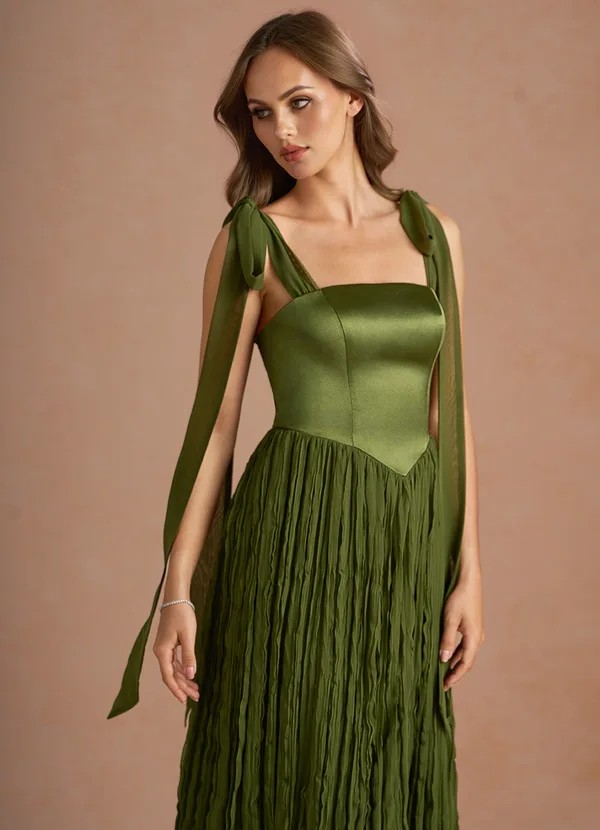
Your formal dress from the Azazie Formal Dresses collection deserves more than simply folding and storing it in the wardrobe. From the moment you take it off the hanger after an event, there are steps to keep it looking fresh, maintain fabric quality, and even preserve it for future wear.
Whether you wore it to a gala, wedding, formal reception or black-tie affair, the post-event care is what separates an investment piece from one that wears out. Here’s your full guide: cleaning, stain treatment, steaming, storage, inspection and long-term preservation.
Step 1: Immediate Post-Event Care
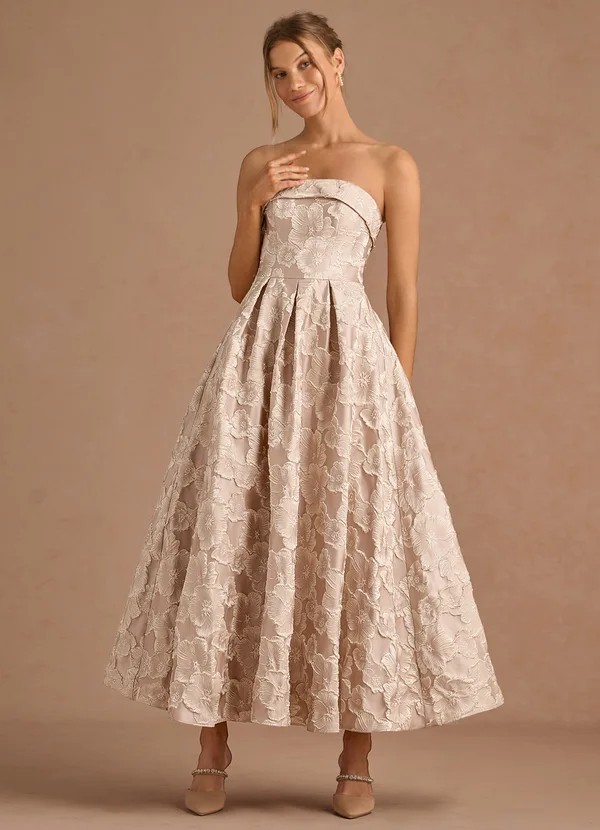
- As soon as you return from the event, hang the dress using the internal loops (if present) or a padded hanger.
- Loosen any tight closures (zippers, corsets) so the dress can relax and retain its shape.
- Make sure you remove jewellery, belts or sharp accessories before hanging—these can snag delicate fabrics.
- Inspect for obvious stains (wine, food, makeup, sweat) and blot gently if you spot any—do not rub.
Why this stage matters:
Body oils, sweat, residual makeup and environmental dirt will continue to act on the fabric if left untreated—even small marks can set over time or discolor the dress.
Step 2: Cleaning & Stain Treatment
Reminder: Even if you don’t see stains, it’s wise to consider cleaning after formal wear—it removes sweat, oils and unseen residue which could degrade fabric over time.
Step 3: Steaming or Ironing
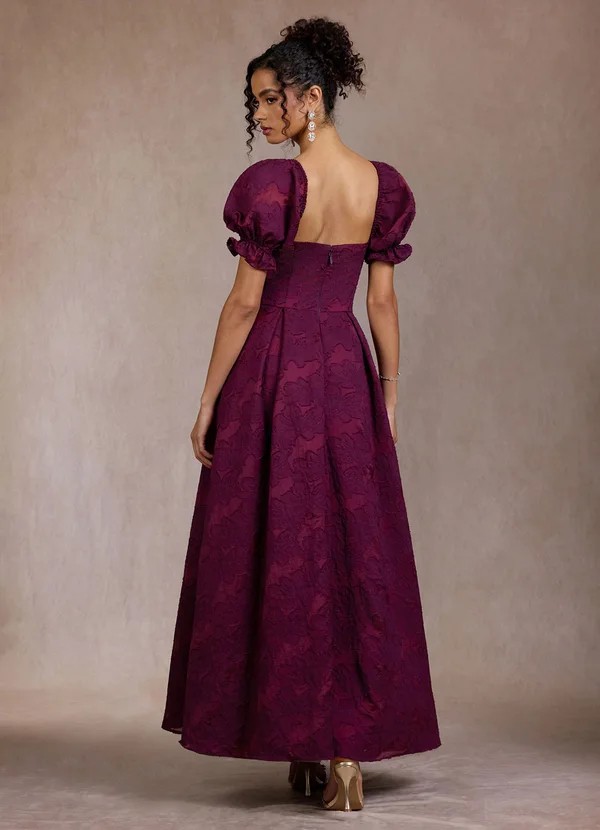
Wrinkles are inevitable after sitting, dancing or being folded in transport.
How you remove them depends on fabric.
Guidelines:
- Use a garment steamer for delicate fabrics like chiffon, tulle, satin, sequin overlay. Steam from the inside to avoid heat damage.
- If ironing is needed: always use a low-heat setting, place a thin protective cloth between the iron and dress.
- Avoid prolonged exposure to high heat on satin or stretch fabrics—this can glaze or distort them.
Tip: Hang the dress in a steamy bathroom for 10 minutes for minor wrinkles—this is gentler and quick when you don’t have a steamer.
Step 4: Storage – Short Term
After cleaning and steaming, proper storage is the next crucial step.
Correct storage prevents mildew, fading, distortion and yellowing.
Storage tips:
- Hang the dress on a padded hanger by internal loops rather than the shoulder seams to avoid stretching.
- Use a breathable garment bag (cotton or linen); avoid plastic bags which trap moisture.
- Store in a cool, dark place away from direct sunlight and temperature fluctuations.
- Allow air circulation; avoid tightly crowding dresses together—each dress should hang freely.
Table: Storage Do’s and Don’ts
| Do | Don’t |
| Use cotton-covered hanger, loop hanger ribbons if given | Hang by metal hanger or shoulder straps alone |
| Keep garment bag breathable, lightweight | Use plastic bag or sealed container with no airflow |
| Store away from windows & heat sources | Store near radiators, in damp basements or attic spaces |
| Check periodically for discoloration or damage | Leave undisturbed for years without inspection |
Step 5: Storage – Long Term / Preservation
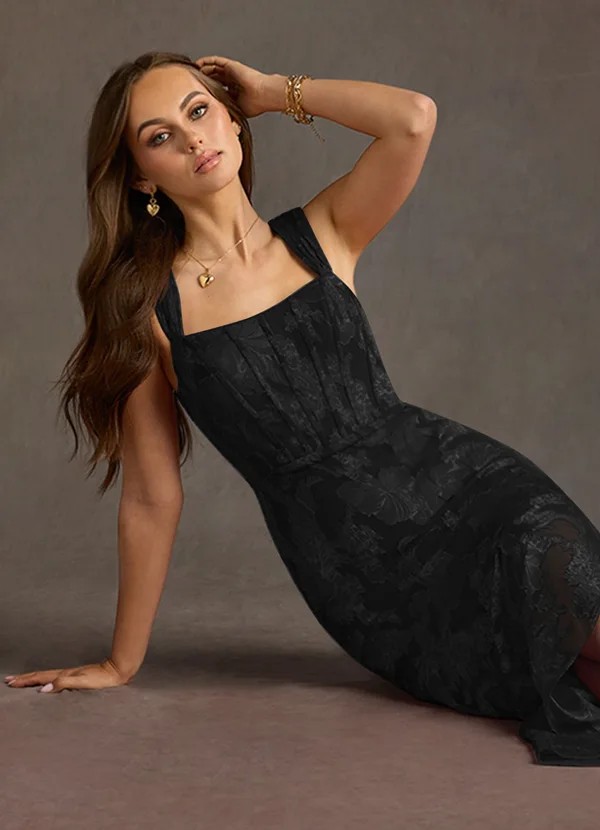
If you plan to keep your formal dresses for future events, heirloom use, or occasional wear, long-term storage needs extra attention.
Long-term care:
- Clean thoroughly before storage; even invisible stains can oxidize and cause yellowing or damage.
- For heavily embellished, beaded or heavy gowns: consider flat storage or padded box rather than hanging, since weight may stretch the fabric.
- Use acid-free tissue paper between folds if you must fold; rotate folds periodically to prevent creasing in the same spot.
- Place moth or pest deterrents nearby (but not directly in contact with fabric).
- Avoid storing in plastic containers or sealed bins without ventilation.
Step 6: Inspect & Maintain Over Time
Regularly checking your dress helps catch issues early—snags, loose beads, shade change—so you can repair and prevent further damage.
Inspection checklist:
- Check seams, closures, zippers for stress or looseness.
- Inspect beading, lace, appliqué for missing or loose parts.
- Examine the hemline—dragging on the floor can fray edges.
- Look for yellowing or stains around underarms or back which may develop over time.
- If you spot any minor damage, consider professional repair before it becomes major.
Step 7: Tips by Fabric Type
Different formal dress fabrics need tailored care. Here’s a breakdown for common types:
Step 8: Travel & Transport
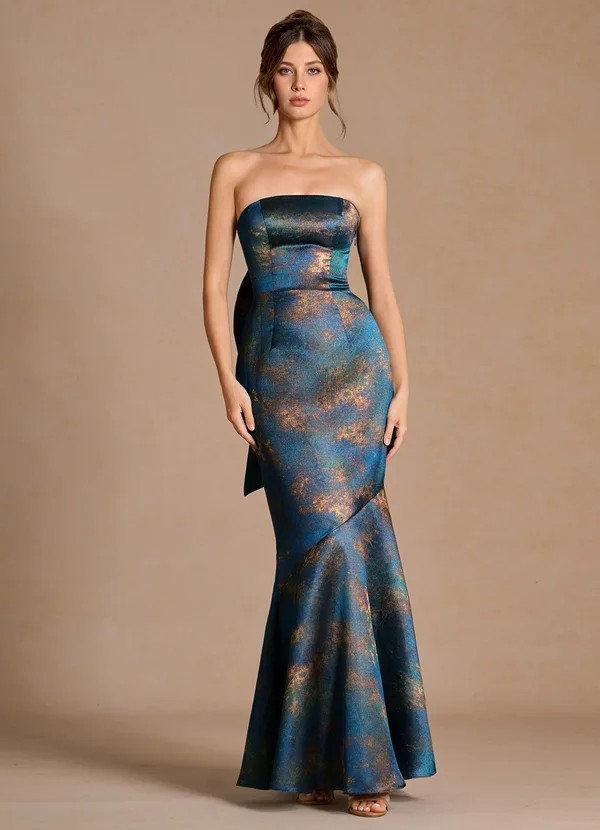
If you wore formal dresses on a trip or needed to move it from venue to wardrobe, travel care is important.
Travel checklist:
- Use a garment bag suitable for travel; keep the dress hanging if possible.
- If you must fold, use acid-free tissue paper at folds and place fabric face-up to avoid creases.
- Upon arrival, hang and steam as soon as possible.
- Avoid packing heavy bags on top of the garment bag to prevent crushing.
Step 9: Handling & Wearing Precautions
Sometimes the damage starts not after the event but during—the way you put on, wear and handle the dress matters.
Precautions:
- Put on makeup, hairspray, perfume before dressing so the product doesn’t transfer to fabric.
- Remove any sharp jewellery or accessories before dressing to avoid snags.
- Sit carefully—especially with long trains or heavy fabrics—and avoid dragging on rough surfaces.
- Avoid direct contact with food/drinks; blot spills quickly to avoid stains setting in.
Step 10: Wear Again or Repurpose
If you plan to wear the dress again or repurpose it for another event, keeping it in ready condition is key.
Tips for future wear:
- Make sure cleaning and storage have been done; a dress that’s been tightly folded or left in poor condition may look dull.
- Consider alterations: straps may need shortening, hem length adjusted for new shoes.
- Accessorize differently—new belt, shawl, statement jewellery—to refresh the appearance.
- Keep styling notes so you know what worked last time (shoes, hairstyle, clutch) for easier reuse.
Step 11: Budgeting for Care
While the dress itself is an investment, your care routine also counts.
Here’s a sample breakdown of what you might anticipate in terms of "care cost"
| Care Item | When Needed | Purpose |
| Professional dry clean | After major events or heavy wear | Removes oils, spots, preserves fabric |
| Steamer or steaming session | Before next wear | Removes wrinkles, freshens the dress |
| Tailor check/alterations | If fit changes or reuse planned | Ensures proper fit and extends dress lifespan |
| Storage solutions | Immediately after use | Protects fabric, prevents damage |
| Minor repairs (beads, snags) | As needed | Keeps dress looking new |
Step 12: Final Checklist Before Storing
- Dress cleaned or spot-treated.
- Steamed, hung on a padded hanger.
- Stored in a breathable bag, in a cool/dark place.
- Checked for damage or snags.
- Accessories removed and stored separately.
- Future wear planned or documented.
Conclusion
Caring for your formal dress after wearing it isn’t an optional bonus—it’s the mark of a true investment piece. When you follow the steps—immediate care, cleaning, fabric-specific treatment, proper storage, and inspection—you ensure your dress remains elegant, wearable and ready for the next occasion.
The Azazie Atelier Formal Dresses collection offers high-quality designs made to be worn, treasured and reused. With the right care, your dress won’t just serve one event—it can serve many.
Treat your formal dress with respect.
Let it hang freely.
Let it breathe.
Let it shine again and again.
Frequently Asked Questions
Can I machine wash my formal dress?
Most formal dresses, especially satin, chiffon, velvet, and beaded styles, should not be machine washed. Always check the care label first. If machine washing is allowed, use cold water, a gentle cycle, and a mesh bag.
How often should I dry clean my formal dress?
Dry clean after every major wear or if the dress has stains, heavy perspiration, or odors. Light cleaning at home (spot treatment or steaming) is acceptable for minor use.
How do I remove sweat or deodorant stains from a formal dress?
Blot the area gently with a clean, damp cloth immediately after the event. For stubborn stains, consult a professional cleaner who specializes in delicate fabrics.
Can I iron sequined or beaded dresses?
No, direct ironing can melt sequins or damage beads. Use a garment steamer from the inside out or a low-heat iron with a protective cloth if absolutely necessary. Flat storage is recommended for heavily embellished gowns.
How should I store a dress with heavy beading or a long train?
Use flat storage in a padded box with acid-free tissue paper to avoid stretching. Avoid hanging if the dress is very heavy, as this can distort its shape over time.
How do I prevent yellowing or discoloration over time?
Clean the dress thoroughly before long-term storage, keep it in a breathable garment bag, store away from sunlight, and use acid-free tissue paper for folds. Avoid plastic bags that trap moisture.
Can I hang a delicate chiffon or silk dress for long periods?
Yes, but hang by the internal loops provided, not by the shoulder seams. Use a padded hanger and ensure the dress hangs freely without touching other garments.
How do I prepare my dress for travel?
Use a travel-friendly garment bag, hang if possible, or fold with acid-free tissue paper between layers. Avoid placing heavy items on top. Upon arrival, hang and steam the dress immediately.
Can I refresh my dress without washing?
Yes! Hang it in a steamy bathroom, use a garment steamer, or gently brush off dust. This helps remove minor wrinkles, odors, and light dust without full cleaning.
How can I extend the lifespan of my formal dress?
- Handle carefully while wearing (avoid snagging, spills, excessive friction)
- Clean and steam after every use
- Store properly in cool, dark, breathable conditions
- Inspect periodically for damage and repair promptly
- Avoid exposure to harsh sunlight, heat, or moisture
What is the most flattering formal dress for my body type?
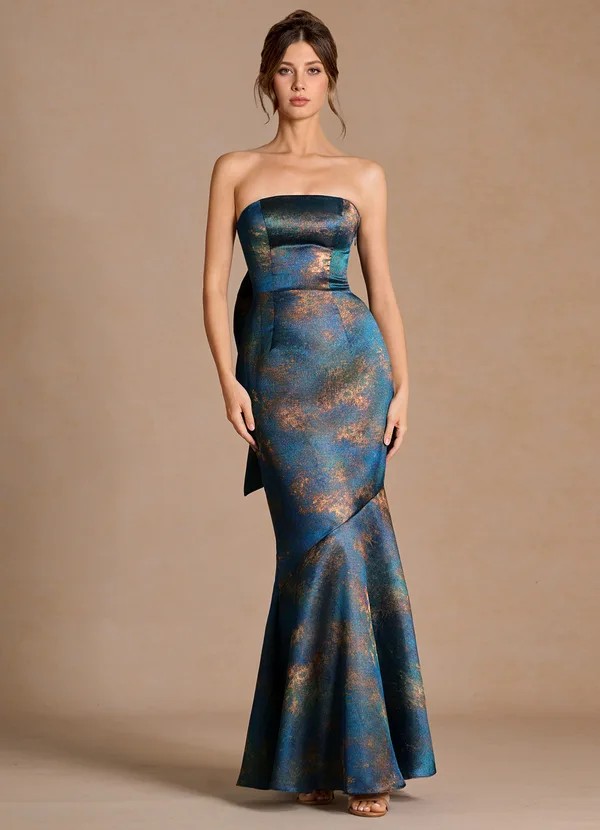
Finding the perfect formal dress is about much more than choosing a beautiful gown—it's about discovering styles that celebrate and flatter your unique body shape. Every body is beautiful, and the right dress silhouette, neckline, and design details can enhance your natural proportions, highlight your favorite features, and give you the confidence to shine at any formal occasion. Whether you're preparing for a black-tie wedding, an elegant gala, prom, or a formal evening celebration, understanding which dress styles work best for your body type transforms shopping from frustrating to empowering.
The fashion industry has evolved significantly in recognizing that bodies come in diverse shapes and sizes, and that flattering dress design isn't about hiding or changing your body—it's about understanding proportions, balance, and visual lines that work harmoniously with your natural silhouette. The most flattering formal dress for you is one that makes you feel confident, comfortable, and authentically beautiful, while strategically using design elements to create the aesthetic you desire.
Body type styling isn't about rigid rules or limitations; rather, it's about understanding guidelines that help you make informed decisions. These principles consider how certain silhouettes, necklines, waistlines, and embellishment placements interact with different body proportions to create balanced, harmonious looks. Once you understand these concepts, you can confidently select formal dresses that not only fit your measurements but truly flatter your figure.
Understanding Body Types and Proportions
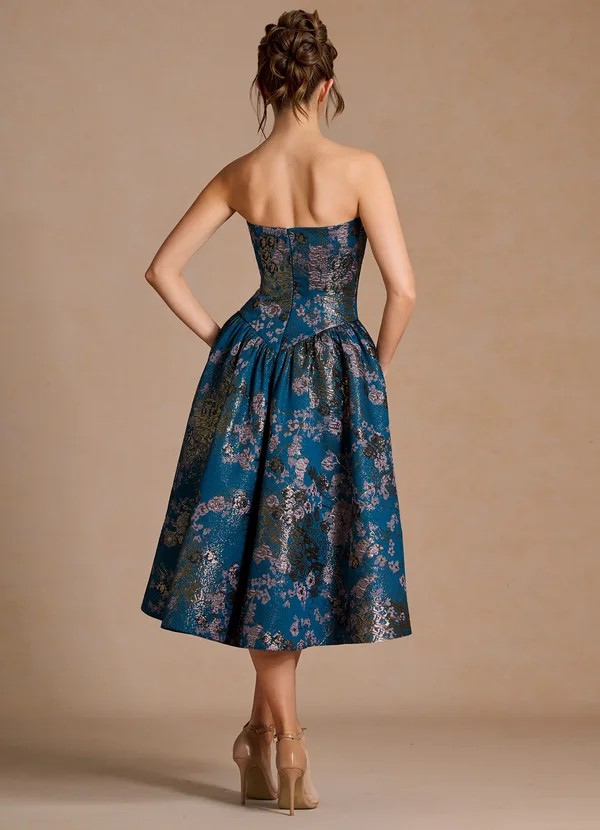
Before exploring specific dress recommendations, it's important to understand the different body type categories and how they relate to proportion and balance.
The Main Body Type Categories
Body types are generally categorized based on the relationship between your shoulders, bust, waist, and hip measurements. Understanding your body type helps you identify which dress silhouettes will create the most flattering proportions.
Important Note on Body Types:
Body type categories are simply tools to help guide styling decisions—they're not rigid boxes or value judgments. Many people have characteristics of multiple body types, and that's completely normal. Use these guidelines as starting points, then personalize based on what makes you feel most confident and beautiful.
How to Determine Your Body Type
Measuring yourself:
- Shoulders: Measure across your back from shoulder point to shoulder point
- Bust: Measure around the fullest part of your bust
- Waist: Measure around the narrowest part of your natural waist
- Hips: Measure around the fullest part of your hips and bottom
Analyzing proportions:
Compare these measurements to determine:
- Are your shoulders and hips relatively similar in width?
- Is your waist significantly smaller than your bust and hips?
- Where do you carry most of your weight or curves?
- What is your overall vertical proportion (petite, average, tall)?
The Role of Height in Dress Selection
Height plays a crucial role alongside body shape:
Petite (5'4" and under):
- Benefit from vertical lines and proportional hemlines
- Can be overwhelmed by excessive fabric or very long trains
- Work well with empire waists and defined waistlines
Average Height (5'5" to 5'8"):
- Most versatile range for dress styles
- Can wear nearly any silhouette successfully
- Focus primarily on body shape considerations
Tall (5'9" and above):
- Can carry dramatic, voluminous styles
- Benefit from horizontal details and defined waistlines
- May need extra length in gowns and proper sleeve proportions
Hourglass Body Type: Balanced Curves
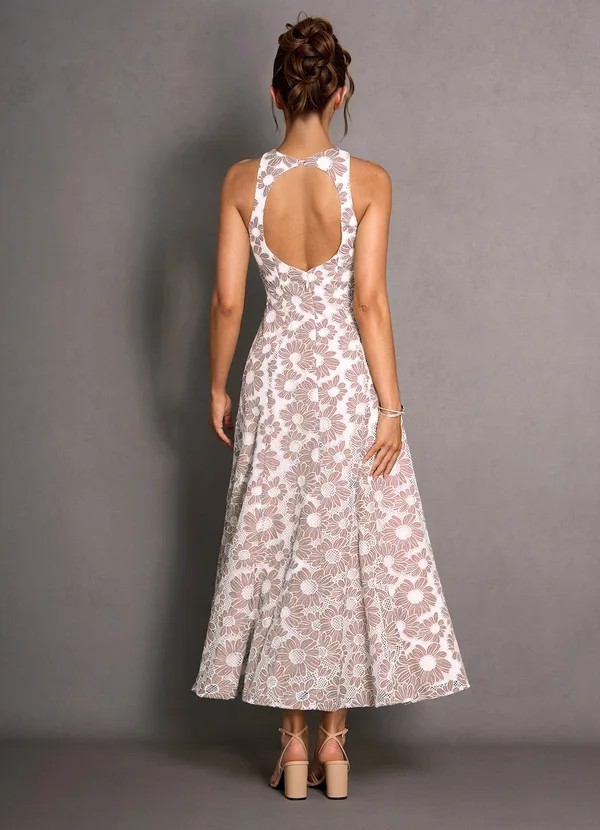
The hourglass figure features balanced bust and hip measurements with a significantly smaller, well-defined waist.
Hourglass Body Characteristics
Defining features:
- Bust and hips are approximately the same width
- Waist is at least 25% smaller than bust and hips
- Balanced upper and lower body proportions
- Curves distributed proportionally
- Weight gain typically distributed evenly
Style goals:
- Emphasize and celebrate the defined waist
- Maintain balanced proportions between top and bottom
- Choose styles that follow natural curves
- Avoid adding bulk or hiding the waistline
Most Flattering Formal Dress Styles for Hourglass Figures
Mermaid and Trumpet Silhouettes:
These curve-hugging styles are made for hourglass figures.
Why they work:
- Follow natural body curves perfectly
- Dramatically emphasize the defined waist
- Show off balanced proportions
- Create stunning, glamorous silhouettes
- Flare at knees or mid-thigh to balance hips
Styling tips:
- Choose structured fabrics that provide support
- Look for boning or internal structure in bodice
- Ensure proper fit through hips for comfortable movement
- Consider kick pleats or slits for walking ease
Fit-and-Flare/A-Line Dresses:
Classic silhouettes that define the waist and flow gracefully.
Why they work:
- Cinch at the natural waist
- Provide elegant movement without overwhelming curves
- Balance proportions beautifully
- Versatile for various formal occasions
- Comfortable for extended wear
Best features:
- Fitted bodice with defined waistline
- Full skirt that flows from waist
- Structured bust support
- Medium to full skirt volume
Wrap Dresses:
Perfect for highlighting the waist while providing adjustability.
Why they work:
- Create a V-neckline that flatters
- Emphasize the smallest part of the waist
- Adjustable fit accommodates curves
- Naturally follows body contours
- Elegant and sophisticated
Belted Styles:
Any silhouette enhanced with a defined belt or sash.
Why they work:
- Draw attention to the narrowest point
- Create or enhance waist definition
- Add visual interest and detail
- Can be adjusted for perfect fit
- Work across various dress styles
Necklines for Hourglass Figures
Most flattering options:
- Sweetheart neckline: Echoes natural curves, balances bust
- V-neck: Elongates torso, draws eye upward
- Scoop neck: Classic option that doesn't overwhelm
- Off-shoulder: Shows balanced shoulders and décolletage
- Wrap neckline: Creates diagonal lines and adjustable fit
Necklines to approach carefully:
- High necklines without waist definition (can create boxy appearance)
- Extremely loose or flowing tops without structure
- Styles that hide the waist completely
Fabrics and Details for Hourglass Body Type
Best fabric choices:
- Structured fabrics that provide support (mikado, duchess satin)
- Medium-weight materials that drape curves (silk charmeuse, crepe)
- Fabrics with body that don't cling excessively
- Stretch fabrics with recovery for comfortable fit
Flattering details:
- Ruching or gathering at the waist
- Seaming that follows natural curves
- Panels that create vertical interest
- Strategic embellishment that highlights proportions
Pear Body Type: Hip-Focused Curves
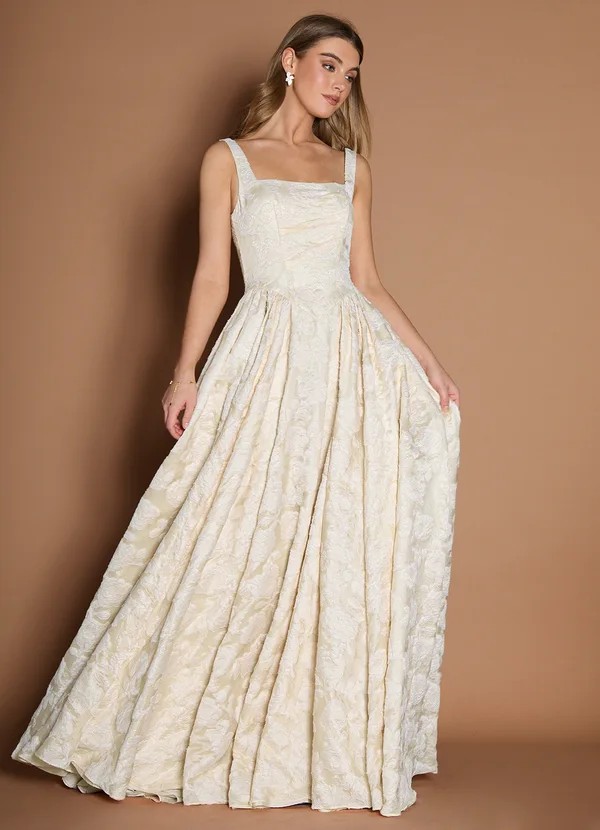
The pear shape features hips and thighs that are wider than the bust and shoulders, often with a defined waist.
Pear Body Characteristics
Defining features:
- Hips significantly wider than shoulders and bust
- Often have a defined or small waist
- Smaller bust relative to hips
- Weight carried primarily in hips, thighs, and bottom
- Shoulders typically narrower than hips
Style goals:
- Balance proportions by emphasizing upper body
- Draw attention to shoulders, neckline, and waist
- Choose silhouettes that skim over hips gracefully
- Create visual width at shoulders to balance hips
Most Flattering Formal Dress Styles for Pear Figures
A-Line and Ball Gown Silhouettes:
The quintessential pear-flattering dress shapes.
Why they work:
- Fitted through bodice, flowing from waist
- Skim over hips without clinging
- Create balanced proportions
- Define waist while providing lower body coverage
- Provide comfortable movement
Styling tips:
- Look for structured bodices with embellishment
- Choose fuller skirts in flowing fabrics
- Ensure waist definition is clear
- Consider styles with volume in skirt for balance
Empire Waist Dresses:
High waistlines that flow from under the bust.
Why they work:
- Draw attention upward to bust and shoulders
- Flow gracefully over hips
- Elongate lower body visually
- Create romantic, elegant silhouettes
- Comfortable and forgiving
Best applications:
- Formal evening events
- Romantic or bohemian aesthetics
- When you want ethereal elegance
- Outdoor or garden celebrations
Fit-and-Flare with Full Skirt:
Fitted bodice with substantial skirt volume.
Why they work:
- Emphasize smaller upper body and waist
- Full skirt balances wider hips
- Create hourglass illusion
- Provide proportion harmony
- Traditional formal elegance
Drop-Waist Styles:
Waistline that sits at hip level with full skirt.
Why they work:
- Lengthen upper body visually
- Create alternative proportion point
- Full skirt from hips balances silhouette
- Work well with embellished bodices
- Contemporary formal styling
Necklines and Bodice Details for Pear Figures
Most flattering necklines:
- Off-shoulder: Broadens shoulder line, balances hips
- Boat neck/Bateau: Creates horizontal line across shoulders
- Halter: Draws eye upward, emphasizes shoulders
- Sweetheart: Adds fullness to bust area
- Strapless with embellishment: Creates visual width at top
Bodice enhancements:
- Cap sleeves or flutter sleeves (add shoulder width)
- Embellished or beaded bodices (draw attention upward)
- Statement necklines (create focal point)
- Horizontal details across shoulders and bust
- Ruffles or volume at neckline
Necklines to consider carefully:
- High necklines without shoulder detail (narrow upper body)
- Thin spaghetti straps (emphasize narrow shoulders)
- Plain, unadorned bodices (miss opportunity to balance)
Colors and Patterns for Pear Body Type
Strategic color placement:
Upper body:
- Light colors to draw attention and add visual weight
- Bright colors and bold patterns
- Metallic or embellished fabrics
- Detailed prints or textures
Lower body:
- Darker colors to minimize visual emphasis
- Solid colors without patterns
- Matte fabrics rather than shiny
- Minimal embellishment
Color blocking:
- Light bodice with dark skirt creates ideal balance
- Consider two-tone dresses with darker bottom
- Use contrast to manipulate proportion perception
Inverted Triangle Body Type: Shoulder-Focused Frame
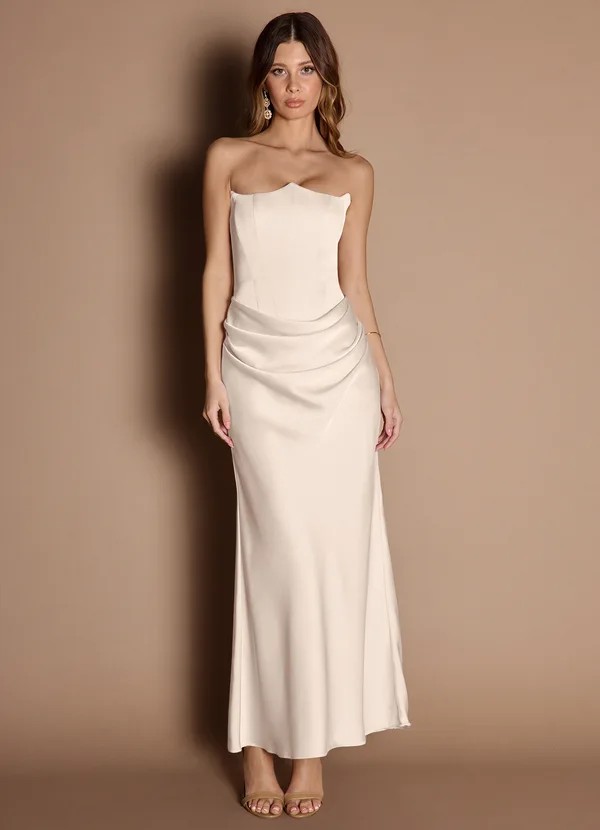
The inverted triangle shape features broader shoulders and bust with narrower hips.
Inverted Triangle Body Characteristics
Defining features:
- Shoulders wider than hips
- Fuller bust relative to hips
- Narrower lower body
- Often athletic or broad-shouldered
- May have less defined waist
- Beautiful legs
Style goals:
- Balance broad shoulders with lower body volume
- Draw attention to narrower hips and legs
- Create waist definition
- Soften shoulder line
- Add volume or interest to lower body
Most Flattering Formal Dress Styles for Inverted Triangle
A-Line and Full Ball Gowns:
Adding volume below balances broad shoulders.
Why they work:
- Full skirts add visual weight to lower body
- Create balanced overall proportions
- Draw attention to waist and skirt
- Soften upper body emphasis
- Classic, elegant silhouettes
Styling tips:
- Choose fuller skirts in interesting fabrics
- Look for embellished or detailed skirts
- Consider lighter colored skirts
- Ensure waist is defined
Fit-and-Flare with Full Skirt:
Fitted top with substantial bottom volume.
Why they work:
- Create hourglass illusion
- Balance top-heavy proportions
- Showcase defined waist
- Add feminine curves below
- Versatile styling options
V-Neck and Halter Styles:
Necklines that minimize shoulder width.
Why they work:
- V-necks create vertical lines
- Draw eye to center rather than width
- Halters narrow shoulder line
- Elongate neck and torso
- Create sleek upper body
Drop-Waist or Hip-Focused Details:
Moving visual interest to lower body.
Why they work:
- Create new proportion point
- Add details below shoulders
- Balance by emphasizing hips
- Contemporary, interesting styling
- Shift focus downward
Necklines for Inverted Triangle Body Type
Most flattering options:
- V-neck (deep): Creates vertical line, narrows shoulders visually
- Sweetheart: Softens bustline, draws inward
- Halter: Narrows shoulder line
- Scoop neck: Rounds shoulders gently
- Strapless: Can work when dress has lower body volume
Necklines to approach carefully:
- Boat neck or bateau (widens shoulders)
- Off-shoulder (emphasizes broad shoulders)
- Cap sleeves (add shoulder width)
- Heavy shoulder embellishment (adds visual weight)
Sleeve and Shoulder Considerations
Best sleeve options:
Sleeveless:
- Clean lines don't add bulk
- Elongate arms
- Work with V or scoop necklines
Thin straps:
- Minimize shoulder emphasis
- Delicate, feminine appearance
- Don't add width
Three-quarter or long sleeves:
- Draw attention down arms
- Create vertical lines
- Balance proportions
- Ensure fitted, not voluminous
Sleeves to avoid:
- Cap sleeves (widen shoulders)
- Puff sleeves (add volume at shoulders)
- Very wide or off-shoulder styles
- Heavy shoulder embellishment
Skirt Styles and Lower Body Details
Ideal skirt features:
Volume and fullness:
- A-line with substantial flare
- Full ball gown skirts
- Layered or tiered designs
- Pleated styles
Embellishment and detail:
- Beading or sequins on skirt
- Patterns on lower portion
- Textured fabrics below waist
- Lighter colors on skirt
- Ruffles or layers
Strategic styling:
- Draw attention to beautiful legs
- Use slits to showcase lower body
- Choose interesting skirt designs
- Add visual weight below shoulders
Petite Body Type: Proportional Dressing
Petite refers to height (typically 5'4" and under) and requires special consideration regardless of body shape.
Petite Body Characteristics
Defining features:
- Overall shorter height (5'4" or under)
- Shorter limbs and torso
- May have any body shape (hourglass, pear, etc.)
- Proportions need special consideration
- Often overwhelmed by excess fabric
Style goals:
- Elongate silhouette vertically
- Avoid overwhelming with fabric or details
- Maintain proper proportions
- Create illusion of height
- Ensure proper fit and hemline length
Most Flattering Formal Dress Styles for Petite Figures
Empire Waist Gowns:
High waistlines create length.
Why they work:
- Lengthen legs visually
- Create long, flowing lines
- Don't require long torso
- Elongate overall silhouette
- Comfortable and elegant
Sheath and Column Dresses:
Vertical, unbroken lines.
Why they work:
- Create continuous vertical line
- Don't add bulk or volume
- Elongate entire body
- Sleek, sophisticated appearance
- Work well for petite proportions
Styling tips:
- Choose monochromatic colors
- Look for vertical seaming
- Avoid horizontal breaks
- Keep details proportional
- Ensure proper hemline (floor-length, not pooling)
Fit-and-Flare with Moderate Skirt:
Defined waist with controlled volume.
Why they work:
- Create waist definition
- Provide feminine shaping
- Volume is controlled (not overwhelming)
- Proportional to frame
- Versatile and flattering
Best applications:
- Knee to midi length for daytime
- Floor-length with moderate fullness
- Avoid excessively full ball gowns
- Keep proportions balanced
High-Low Hemlines:
Show legs while maintaining formality.
Why they work:
- Showcase beautiful legs
- Create vertical interest
- Modern, contemporary styling
- Elongate while maintaining coverage
- Add visual interest
Necklines and Details for Petite Body Types
Most flattering necklines:
- V-neck: Creates vertical line, elongates
- Scoop neck: Opens chest area, adds length
- Sweetheart: Elongates while adding femininity
- Strapless: Clean line across chest
- Halter: Draws eye upward
Necklines to approach carefully:
- High crew necks (shorten torso and neck)
- Cowl necks with bulk (overwhelm frame)
- Very wide boat necks (create horizontal emphasis)
Proportional details:
Scale appropriately:
- Smaller embellishments, not oversized
- Delicate jewelry and accessories
- Proportional prints and patterns
- Moderate ruching and gathering
- Controlled volume and drama
Avoid overwhelming:
- Excessive fabric volume
- Very long trains
- Oversized bows or details
- Large, bold patterns
- Too many layers
Hemlines and Length for Petite Figures
Ideal length considerations:
Floor-length gowns:
- Must be properly hemmed (not dragging)
- Should just touch floor with heels
- Avoid pooling fabric (shortens visually)
- Consider petite-specific sizing
Alternative lengths:
- Tea-length (mid-calf) works beautifully
- Midi-length for semi-formal
- Cocktail-length shows legs
- High-low for modern styling
Monochromatic Magic:
Creating continuous lines:
- Dress, shoes, and tights in same color
- Nude shoes that match skin tone
- Avoid ankle straps (break leg line)
- Keep accessories proportional
- Create unbroken vertical flow
Plus-Size Body Types: Celebrating Curves
Plus-size bodies come in all shapes—hourglass, pear, apple, rectangle—and deserve specific styling considerations.
Plus-Size Body Characteristics and Goals
Understanding plus-size styling:
- May have characteristics of any body shape
- Often have beautiful curves to celebrate
- Require proper construction and support
- Need fabrics with appropriate weight and structure
- Deserve same style options as all bodies
General style goals:
- Celebrate and enhance natural curves
- Ensure proper fit and support
- Choose fabrics that drape beautifully
- Highlight favorite features
- Create balanced, flattering proportions
Most Flattering Formal Dress Styles for Plus-Size Figures
A-Line and Fit-and-Flare:
Universally flattering silhouettes.
Why they work:
- Define waist (smallest point)
- Skim over hips and thighs
- Create balanced proportions
- Provide comfortable movement
- Classic, elegant styling
- Work across body shapes
Styling essentials:
- Structured bodice with boning or support
- Defined waistline
- Full skirt in flowing fabric
- Proper undergarments for smooth silhouette
Empire Waist with A-Line Skirt:
Flattering for most plus-size shapes.
Why they work:
- Create high waist under bust
- Flow gracefully over body
- Elongate silhouette
- Provide comfort and ease
- Romantic, elegant styling
Best for:
- Apple shapes (no tight waist needed)
- Those who want comfort
- Romantic, flowing aesthetics
- Various formal occasions
Wrap Dresses and Wrap Bodices:
Adjustable, flattering styling.
Why they work:
- Custom fit through adjustable ties
- V-neckline elongates
- Diagonal lines slim visually
- Create waist definition
- Accommodate curves beautifully
Mermaid and Trumpet (with proper fit):
Dramatic curves celebrated.
Why they work:
- Showcase beautiful hourglass curves
- Fitted construction provides support
- Dramatic, glamorous silhouette
- Flare provides movement ease
- Stunning for confident styling
Critical fit requirements:
- Must be properly fitted or custom-sized
- Requires structured construction
- Quality fabrics with recovery
- Professional alterations if needed
- Confidence in curves
Necklines for Plus-Size Bodies
Most flattering options:
V-neck:
- Creates vertical line
- Elongates neck and torso
- Draws eye upward
- Flatters fuller bust
- Versatile across styles
Sweetheart:
- Supports and shapes bust
- Creates feminine focal point
- Balances proportions
- Classic, elegant choice
Scoop neck:
- Opens chest area
- Creates length
- Shows collarbones
- Balanced, classic option
Portrait/Off-shoulder:
- Shows shoulders and collarbone
- Creates elegant neckline
- Balances fuller lower body
- Romantic, sophisticated
Queen Anne neckline:
- High at back, low in front
- Creates interesting detail
- Elongates in front
- Provides back coverage
Fabrics and Construction for Plus-Size Dresses
Best fabric choices:
Structured fabrics:
- Provide support and smoothing
- Hold shape throughout wear
- Create clean, polished lines
- Examples: mikado, duchess satin, structured crepe
Fabrics with body:
- Drape beautifully over curves
- Don't cling excessively
- Provide appropriate weight
- Examples: silk charmeuse, matte jersey, quality rayon
Stretch fabrics with recovery:
- Accommodate curves comfortably
- Return to original shape
- Provide ease of movement
- Examples: ponte, scuba knit, quality stretch crepe
Fabrics to approach carefully:
- Very thin, clingy materials
- Stiff fabrics without give
- Overly shiny fabrics (highlight rather than flatter)
- Cheap synthetics without structure
Construction elements:
Essential features:
- Built-in boning or corsetry
- Multiple layer construction
- Quality lining throughout
- Proper bust support
- Reinforced seams
- Strategic paneling
Strategic Details and Embellishment
Flattering detail placement:
Upper body embellishment:
- Draws eye upward
- Creates focal point
- Balances proportions
- Highlights face and neckline
Vertical details:
- Seaming down center or sides
- Vertical beading or sequin patterns
- Princess seams (create vertical line)
- Vertical color blocking
Ruching and gathering:
- Through midsection or sides
- Creates texture and interest
- Camouflages while flattering
- Provides comfortable fit
Strategic color placement:
- Darker colors through areas you want to minimize
- Brighter colors where you want attention
- Consider color-blocked styles
- Use contrast intentionally
Understanding Dress Silhouettes in Detail
Let's examine specific silhouettes and how they work with different body types.
Comprehensive Silhouette Guide
| Silhouette | Best For | Works Well | Consider Carefully | Key Features |
| A-Line | All body types, especially pear | Universal flattery, defines waist | Very petite frames (ensure proportional) | Fitted bodice, gradual flare from waist |
| Ball Gown | Pear, inverted triangle, petite with height | Dramatic occasions, balancing proportions | Petite frames (can overwhelm) | Fitted bodice, very full skirt |
| Mermaid | Hourglass, rectangle (with structure) | Showcasing curves, formal galas | Apple, some plus-size (needs perfect fit) | Fitted through hips, flares at knees |
| Trumpet | Hourglass, balanced figures | Dramatic elegance, curves | Similar to mermaid considerations | Fitted through thighs, flares mid-thigh |
| Empire Waist | Pear, apple, petite, plus-size | Comfort, elongation, romantic style | Very short torso (can shorten further) | High waist under bust, flowing skirt |
| Sheath/Column | Rectangle, petite, slender figures | Modern sophistication, sleek elegance | Very curvy without stretch (fit challenges) | Straight, fitted from top to bottom |
| Fit-and-Flare | Hourglass, rectangle, most body types | Versatile formal wear, waist definition | Extremely straight figures (add details) | Fitted bodice, flared skirt from waist |
The Role of Undergarments in Flattering Fit
Proper undergarments are crucial for achieving the most flattering formal dress appearance.
Essential Undergarment Considerations
Shapewear:
Benefits:
- Smooths lines under fitted fabrics
- Creates seamless silhouette
- Provides confidence
- Enhances overall appearance
Choosing shapewear:
- Select appropriate compression level
- Ensure comfortable fit (not too tight)
- Choose seamless styles
- Match to dress color (nude, black, white)
- Consider full-body vs. targeted options
Bras and Bust Support:
Options based on dress style:
Strapless bras:
- For off-shoulder and strapless dresses
- Choose styles with silicone grips
- Ensure proper band size (provides support)
- Consider longline strapless for more support
Adhesive/stick-on bras:
- For backless or very low-back dresses
- Test before event day
- Follow application instructions carefully
- May not provide substantial support for larger busts
Built-in support:
- Many formal dresses include boning and structure
- Eliminates need for separate bra
- Provides custom support
- Most comfortable for long wear
Convertible bras:
- Straps adjust for various necklines
- Versatile across dress styles
- Good investment piece
- Ensure quality construction
Conclusion
Finding the most flattering formal dresses for your body type is a journey of self-discovery, understanding, and celebration. While body type guidelines provide valuable frameworks for making informed styling decisions, the most important factor is always how you feel in your dress. Confidence, comfort, and authentic self-expression create beauty that transcends any specific silhouette or design rule.
Every body type has unique assets to celebrate and characteristics to embrace. Hourglass figures can showcase their balanced curves, pear shapes can emphasize their defined waists and beautiful shoulders, apple shapes can highlight gorgeous legs and décolletage, rectangle figures can create dramatic dimensions through strategic styling, and inverted triangles can balance their athletic shoulders with stunning skirt volume. Petite women can elongate their silhouettes while plus-size bodies can celebrate their curves with properly constructed, beautifully fitted gowns.
Frequently Asked Questions
How do I determine my body type accurately?
Measure your shoulders, bust, waist, and hips, then compare the relationships between these measurements. Hourglass has bust and hips similar to smaller waist; pear has hips larger than bust; apple carries weight at midsection; rectangle has similar measurements throughout; inverted triangle has broader shoulders than hips. Remember these are guidelines—many people have characteristics of multiple types, which is completely normal.
Can I wear a mermaid dress if I don't have an hourglass figure?
Yes, with proper construction and fit. Rectangle body types can wear mermaid dresses with strategic padding, ruching, or details that create curves. Plus-size hourglass figures look stunning in mermaid styles. The key is ensuring the dress is properly fitted or custom-sized with adequate structure and support. However, apple shapes should typically avoid mermaid silhouettes as they emphasize the midsection.
What's the most universally flattering dress silhouette?
The A-line or fit-and-flare silhouette flatters the widest range of body types. It defines the waist (the typically smallest area), provides balance for both top and bottom proportions, and skims gracefully over areas many want to minimize while creating feminine, elegant lines. Combined with the right neckline for your specific body type, A-line dresses work beautifully for nearly everyone.
Should plus-size women avoid certain dress styles?
No body type should feel restricted from any style. However, certain silhouettes may require specific construction or fit considerations. Plus-size women can wear any style they love—mermaid, ball gown, sheath—as long as it's properly fitted with appropriate construction. The key is ensuring quality fabrics, proper support, and fit that celebrates curves rather than fighting them.
How can I make my torso appear longer in a formal dress?
Choose V-necklines which create vertical lines, empire waist dresses which raise the waist point, vertical details like seaming or beading down the center, monochromatic color schemes without horizontal breaks, and avoid crop tops or styles that emphasize a short torso. Petite women should avoid very high necklines and ensure dresses aren't too long (causing bunching).
What dress style creates an hourglass illusion for rectangle body types?
Fit-and-flare dresses with defined waists, belted styles that create waist definition, peplum details that add hip curves, mermaid gowns with strategic construction, wrap dresses that cinch the waist, and styles with ruching or gathering at the bust and hips. Look for dresses with built-in structure, boning, or details that physically create curves where they may not naturally occur.
Can petite women wear ball gowns or very full skirts?
Yes, but proportions matter significantly. Petite women should choose ball gowns with moderate fullness rather than extreme volume, ensure proper hemming so no fabric pools on the floor, keep bodice details proportional to frame, and consider styles where fullness starts at natural waist rather than high empire waist. Tea-length ball gowns can be particularly flattering for petite frames.
How do I choose the right neckline for my body type?
Necklines enhance balance and proportion. For example:
- Hourglass → sweetheart, V-neck, off-shoulder
- Pear → off-shoulder, bateau, halter
- Inverted triangle → V-neck, sweetheart, halter
- Petite → V-neck, scoop, halter
- Plus-size → V-neck, sweetheart, scoop, portrait
Avoid necklines that widen shoulders or shorten the torso for your specific type.
Can layering or accessories help balance my proportions?
Yes! Belts can define the waist, shawls or boleros can soften shoulders, and statement jewelry can draw attention to preferred areas. Color-blocking or contrasting elements can also create the illusion of curves or balance top and bottom proportions.
How do I ensure a dress fits perfectly for my body type?
Proper fit is essential. Consider:
- Custom sizing or professional alterations
- Built-in support (boning, structured bodice)
- Fabrics with slight stretch for comfort and shape retention
- Trying dresses in different lengths or silhouettes to find proportionally flattering lines
How do I select the perfect color for a formal dress?
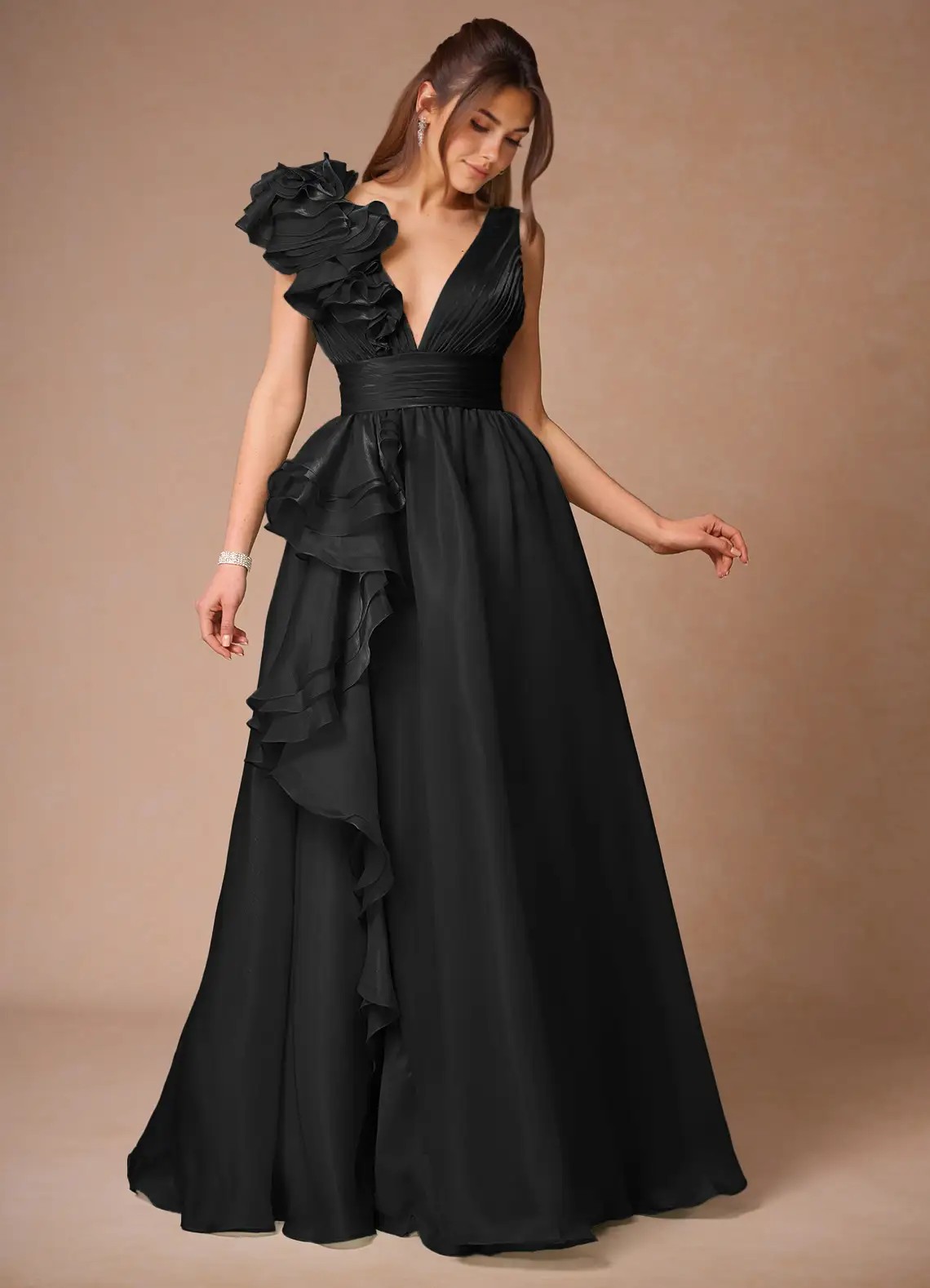
Choosing the right color for a formal dress is one of the most important styling decisions you will make. The color determines your overall mood, photographs, confidence, and how well your look fits the event setting.
A stunning silhouette can still fall flat if the color doesn’t suit your skin tone or the venue lighting. The good news? With clear guidance, you can select the perfect shade that complements your features and enhances the event’s atmosphere.
In this complete guide, we will walk through:
- How to choose a color that flatters your skin tone
- Which colors work best for different events
- How lighting affects color
- How season and venue influence your choice
- What color psychology means for formalwear
- How to match your dress color with accessories and makeup
- A comparison table of the most popular formal dress colors
And remember—you can explore a wide range of shades tailored to formalwear in the
Azazie Formal Dresses Collection. Let’s begin.
Start With Your Skin Tone: Undertones Matter Most
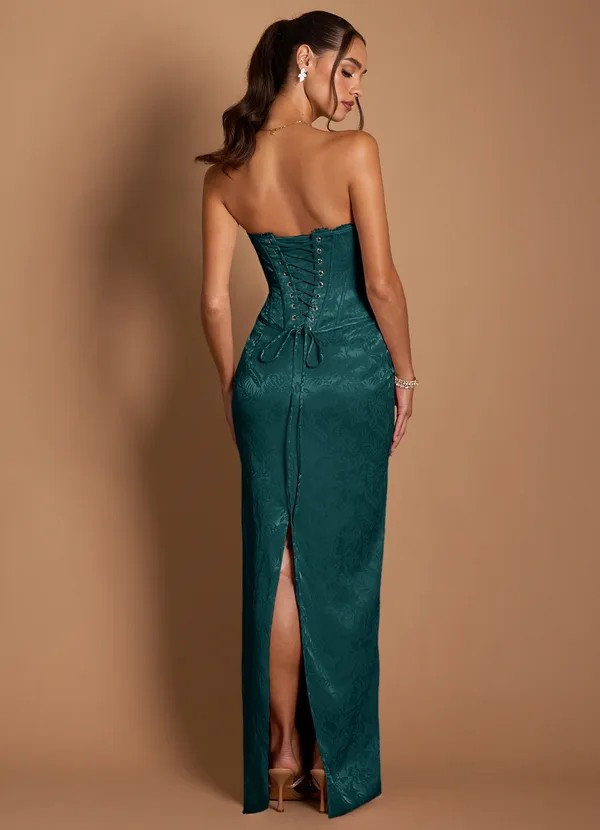
Your skin undertones influences which colors make you look radiant and which make you appear washed out.
There are three major undertone categories:
Warm Undertones
You suit colors with golden or earthy bases.
Best colors
- Olive green
- Mustard or gold
- Warm reds (brick, wine)
- Deep orange
- Cream or champagne
- Chocolate brown
- Warm emerald
Avoid
- Icy pastels
- Cool blues
- Pure bright white
Cool Undertones
You suit colors with blue, pink, or purple bases.
Best colors
- Sapphire
- Navy
- Emerald (cool-toned)
- Burgundy
- Rose or mauve
- Plum or eggplant
- Cool silver
Avoid
- Yellow
- Mustard
- Warm browns
Neutral Undertones
You can wear most colors—lucky you!
Best colors
- Deep jewel tones
- Cream or champagne
- Soft neutrals
- Black or navy
- Muted pastels
Avoid
- Very bright neon colors
- Overly warm mustard shades
Think About the Event Theme and Dress Code
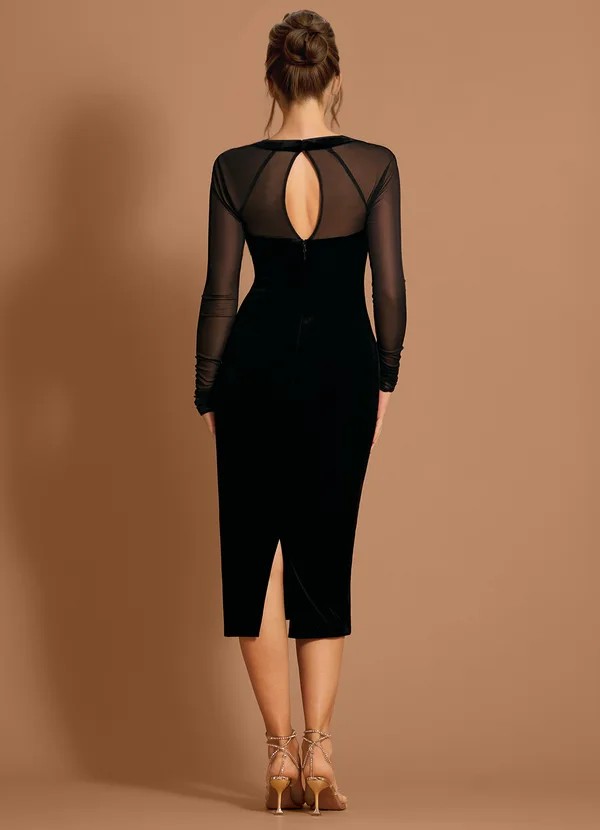
Different events call for different color moods.
A gala might require depth and elegance; an afternoon wedding might call for softness; a corporate formal dress event may require muted tones.
Black-Tie Event
Choose classic, rich colors:
- Black
- Navy
- Emerald
- Burgundy
- Deep metallics
Wedding Guest
Avoid white, cream, champagne (unless the theme allows).
Choose:
- Soft pastels
- Warm neutrals
- Florals in subtle tones
- Jewel tones
Prom
Express your personality:
- Jewel tones (ruby, emerald, sapphire)
- Romantic colors (blush, lavender)
- Bold metallics for drama
Corporate Formal
Stick to elegant neutrals:
- Black
- Navy
- Charcoal
- Deep green
- Wine
Gala or Charity Event
Go luxurious:
- Gold
- Silver
- Emerald
- Evening blue
- Rich warm neutrals
Consider Venue and Lighting
Lighting dramatically affects how dress color appears in real life and in photographs.
Indoor Ballroom
- Warm lighting enhances jewel tones.
- Gold and champagne glow beautifully.
- Black can look extremely elegant.
Outdoor Garden
- Soft colors blend well with naturals.
- Avoid overly dark shades; they absorb too much sunlight.
- Pastels, florals, and neutrals feel appropriate.
Sunset / Golden Hour
- Warm-toned dresses appear vibrant.
- Metallics catch golden light beautifully.
- Reds and oranges look radiant.
Evening Spotlight Lighting
- Jewel tones shine best (ruby, emerald, sapphire).
- Velvet looks luxurious in low light.
- Chiffon layers create dimension.
Choose the Right Color by Season
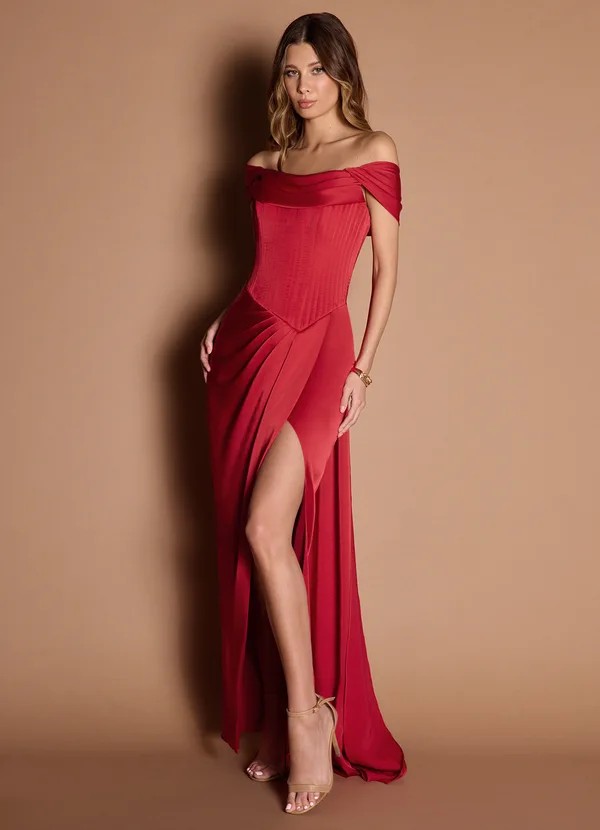
Seasonal palettes help narrow choices.
Spring
- Blush
- Lavender
- Mint
- Light blue
- Soft peach
- Cream
Summer
- Coral
- Sky blue
- Rose
- Teal
- Ivory
- Cool-toned pastels
Autumn
- Olive
- Burgundy
- Mustard
- Rust
- Forest green
- Gold
Winter
- Black
- Silver
- Navy
- Emerald
- Ruby
- Deep purple
Color Psychology in Formal Dresses
Color isn’t just visual—it sends emotional signals.
Black
- Elegant, powerful, timeless
- Perfect for black-tie
Red
- Confident, bold, passionate
- Great for galas or high-profile events
Navy
- Calm, strong, polished
- Ideal for corporate formal
Emerald
- Luxurious, mystical
- Great for evening events
Gold / Metallics
- Festive, glamorous
- Best for celebrations
White / Champagne
- Pure, bright, romantic
- Avoid at weddings
Soft pastels
- Feminine, gentle, airy
- Perfect for spring or garden events
Popular Dress Colors & When They Work Best
| Color | Works Best For | Why It Works | Avoid If |
| Black | Black-tie, formal indoor events | Timeless, slimming, elegant | Outdoor heat or garden themes |
| Navy | Corporate formal, evening events | Polished, refined | Very bright outdoor settings |
| Emerald | Galas, winter events | Luxurious and rich | Extremely warm lighting |
| Wine/Burgundy | Fall weddings, cool-weather events | Warm, elegant, romantic | Hot, sunny events |
| Gold | Celebrations, NYE, festive gatherings | Photographs beautifully | Very warm lighting may overshine |
| Champagne | Spring/summer evenings | Soft and elegant | Not for weddings |
| Silver | Modern/futuristic themes | Cool and glamorous | Cold-toned skin may appear washed out |
| Pastels | Daytime, garden, spring themes | Gentle and romantic | Black-tie evening events |
Choose a Color Based on Your Personal Style
Your formal dress color should reflect your personality.
For a Classic Style
- Black
- Navy
- Champagne
- Emerald
For a Romantic Style
- Blush
- Mauve
- Lavender
- Soft neutrals
For a Dramatic Style
- Red
- Gold
- Deep purple
- Metallic shades
For a Minimalist Style
- White
- Ivory
- Black
- Muted earth tones
For a Trendy Style
- Vibrant jewel tones
- Fashion-forward metallics
- Colour-block styles
Hair Color & Dress Color Pairing
Your hair color can influence what dress color flatters you most.
Blonde
- Navy
- Emerald
- Black
- Rose
- Silver
Brunette
- Burgundy
- Emerald
- Gold
- Teal
- Champagne
Red Hair
- Forest green
- Midnight blue
- Gold
- Cream
- Jade
Black Hair
- Jewel tones
- Metallics
- Ruby
- Royal blue
Matching Makeup to Dress Color
Makeup should enhance, not fight, your dress.
If wearing dark colors
- Bold eyes
- Neutral lips
If wearing pastels
- Soft glam
- Pink tones
If wearing metallics
- Glowy highlight
- Defined eyeliner
If wearing red or jewel tones
- Balance bold dress with either:
- Bold lips + soft eyes
- Smokey eyes + nude lips
Match Accessories to Dress Color
Accessories help tie your entire look together.
Gold dress pairs with:
- Gold jewelry
- Nude heels
- Warm-toned makeup
Emerald dress pairs with:
- Gold or pearl jewelry
- Soft neutral makeup
Burgundy dress pairs with:
- Gold metallics
- Deep-toned lipstick
- Velvet wraps
Black dress pairs with:
- Anything—very flexible
- Silver for glam
- Gold for warmth
- Red lip for drama
How to Choose a Color That Photographs Well
Different colors react differently to camera flash and lighting.
Colors that photograph best
- Jewel tones
- Metallics
- Black
- Navy
- Emerald
- Burgundy
Colors that may blend into backgrounds
- Bright white against overexposed outdoor light
- Pale pastels in harsh indoor lighting
- Dark green against heavy foliage
Tips
- Use flash test before event
- Consider background colors
- Check dress under sunlight + indoor light
Factors That Influence Your Dress Color Choice
Several practical factors influence color selection.
Climate
- Hot climates → lighter colors feel more comfortable
- Cold climates → deeper colors feel appropriate
Time of Day
- Day events → soft neutrals, pastels, light tones
- Night events → jewel tones, metallics, black
Venue Size
- Large ballrooms → dramatic colors show better
- Intimate venues → soft tones feel more appropriate
Your Role in the Event
- Guest → freedom
- Honored guest → deeper or richer tones
- Presenter/speaker → refined neutrals or jewel tones
How to Choose From the Azazie Atelier Formal Dress Colors
The Azazie Atelier Formal Dresses line offers a wide color palette.
When browsing:
- Use filters for “Color”
- Explore color swatches
- Compare shades under different lighting
- Choose fabric that matches the tone (e.g., emerald satin vs emerald crepe)
- Look for colors marked as “new” or “seasonal” for trends
Common Mistakes When Choosing Dress Color (and How to Avoid Them)
Mistake 1: Choosing a color based only on trend
Avoid chasing fast trends—choose what flatters you.
Mistake 2: Not checking color in natural light
Always test color in sunlight + indoor lighting.
Mistake 3: Ignoring undertones
Undertones determine whether you shine or look washed out.
Mistake 4: Matching event theme too literally
You don’t need to blend into décor—choose complementary tones.
Mistake 5: Avoiding bold colors even if you love them
Confidence transforms any color—trust your instincts.
Final Thoughts
Choosing the perfect color for a formal dress is a blend of art and science. When you understand your undertone, event vibe, season, lighting, and personal style, selecting the right shade becomes effortless.
Whether you prefer classic black, bold jewel tones, romantic pastels, or shimmering metallics, the key is to choose a color that enhances your natural beauty and matches the event’s elegance. Azazie offers a wide range of shades so you can find the perfect color that fits both your skin tone and your style vision.
Frequently Asked Questions
What is the safest color for a formal dress?
Black, navy, and emerald are universally flattering and always appropriate.
What color looks most luxurious?
Deep jewel tones—ruby, sapphire, emerald—look elegant and expensive.
Should I match the dress color to the event theme?
Not exactly. Instead, complement the theme while prioritizing your own coloring.
What color is best for photos?
Jewel tones, black, metallics, and rich neutrals photograph beautifully.
Can I wear bright colors to a formal event?
Yes—if the silhouette and fabric remain formal.
How does my hair color affect dress color choice?
Hair color can enhance or clash with your dress. For example:
- Blonde → jewel tones, navy, rose
- Brunette → burgundy, emerald, gold
- Red → forest green, midnight blue, cream
- Black → metallics, ruby, royal blue
Can I wear pastels for evening events?
Yes, but choose richer or muted pastels for low-light settings. Pair with complementary accessories and layered textures to avoid looking washed out.
Does fabric type change how the color looks?
Absolutely. Satin reflects light, making colors appear richer; chiffon softens tones; velvet deepens jewel tones; crepe gives matte sophistication. Always check fabric in the actual lighting.
How do I choose a color for multi-event use?
Opt for versatile shades like black, navy, emerald, or wine. These work across weddings, galas, and corporate events while remaining flattering and timeless.
How do I know if a bold color will suit me?
Test it against your skin tone and undertone. If it enhances your complexion and you feel confident, it works. Pair with minimal accessories initially to let the color shine.
Can I wear a formal dress more than once?
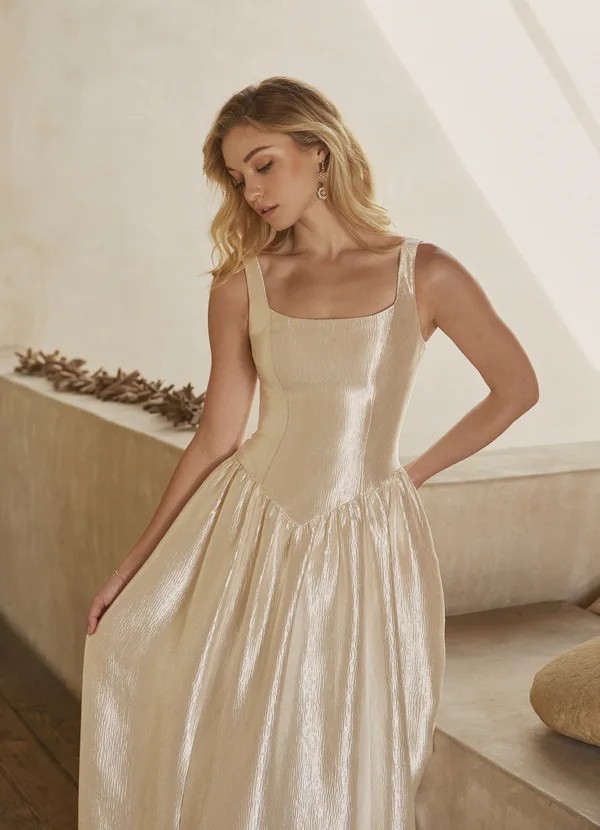
Yes—absolutely. Wearing a formal dress more than once is not only acceptable, but also smart, sustainable, stylish and budget-friendly. The idea that a formal dress can only be worn once is outdated. What matters is how you re-style, where you wear it, and how well you present it for each new occasion.
Modern shoppers, stylists, sustainability advocates and even celebrities frequently re-wear formal looks. The key is learning the right techniques to transform the same dress into something that feels fresh and appropriate for each event. With the right accessories, different hairstyles, varied makeup approaches, clever layering and small tailoring tweaks, one dress can become many.
This guide explains:
- Why re-wearing is stylish and practical
- How to pick dresses designed for multiple wears
- How to restyle a dress for different events
- What accessories shift the mood dramatically
- Mistakes to avoid
- When re-wearing is appropriate
- How the Azazie Formal Dresses collection makes re-wearing easier
Let’s begin.
Why You Should Wear a Formal Dress More Than Once
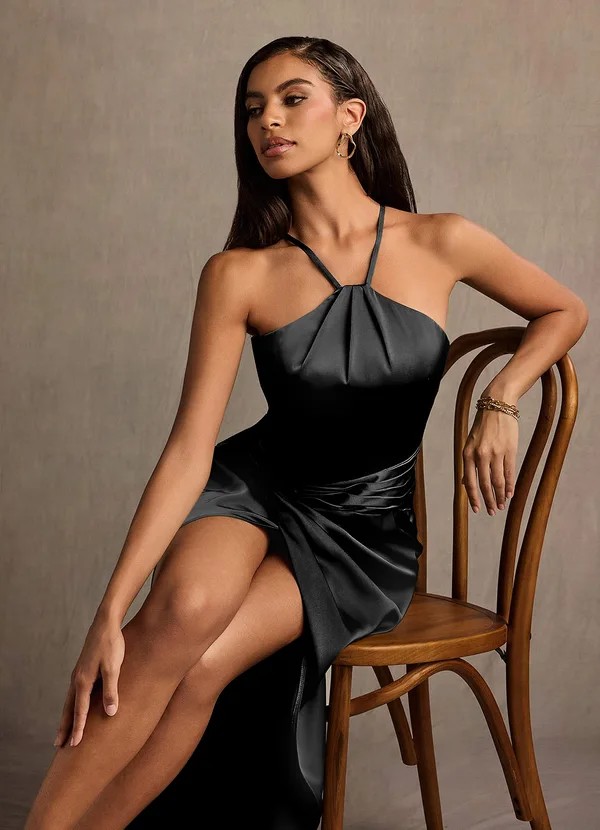
Re-wearing formal dresses is completely normal—and increasingly embraced for several reasons:
Sustainability
- Reduces waste
- Supports conscious consumerism
- Helps the environment by lowering textile usage
Smart budgeting
- Maximizes cost-per-wear
- Saves money for other parts of your event look
- Allows you to invest in higher-quality fabric and tailoring
Style flexibility
- A well-chosen dress can evolve with accessories
- You can adjust mood: elegant → minimal → glam → romantic
- Photos look different each time when styled right
Confidence boost
- You already know the dress fits
- You know how comfortable it is
- You know it photographs well
Re-wearing formalwear is no longer a "fashion sin." It’s smart, chic, modern—and done by people at all levels of the fashion world.
How to Choose a Dress You Can Wear More Than Once
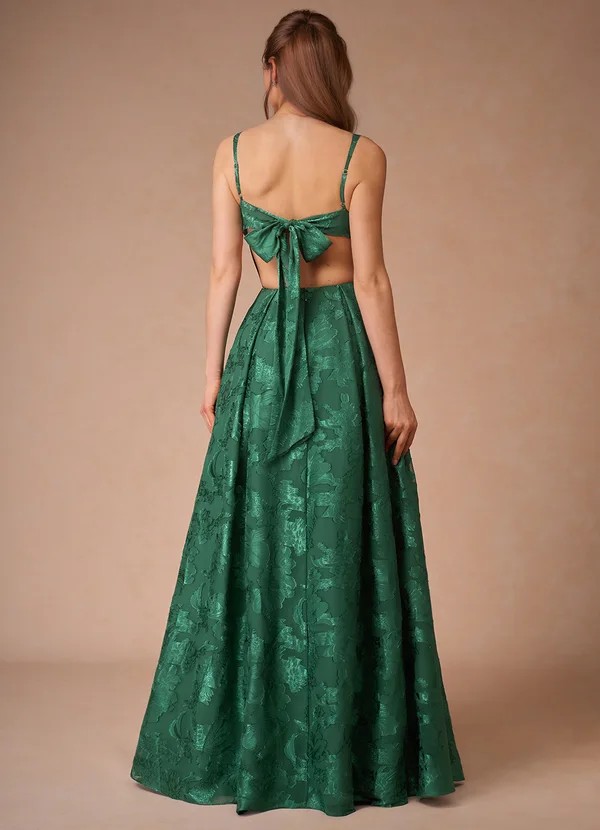
The secret to successful re-wearing starts with choosing the right dress from the beginning.
Select versatile silhouettes
- A-line
- Column
- Sheath
- Mermaid (subtle)
- Fitted bodice + flow skirt
Avoid silhouettes that are too theme-specific (e.g., extravagant ball gowns for casual events).
Choose neutral or timeless colors
- Black
- Navy
- Burgundy / Wine
- Emerald
- Champagne
- Silver
- Deep jewel tones
These colors restyle seamlessly for different venues and seasons.
Choose multi-occasion fabrics
- Crepe
- Satin
- Velvet
- Chiffon
- Matte blends
Fabrics that drape well and photograph well allow you to re-style effortlessly.
Avoid overly trendy elements
- Excessive sequins
- Loud prints
- Unusual cut-outs
- High-costume silhouettes
Choose a dress with understated elegance—then let styling do the heavy lifting.
How to Know If Your Dress Is Re-Wearable
| Feature | Re-Wear Friendly? | Why It Matters | Example |
| Neutral color | ★★★★★ | Works for most events & seasons | Navy, black, wine |
| Classic silhouette | ★★★★★ | Flatters widely & restyles easily | A-line, column |
| Minimal embellishment | ★★★★☆ | Allows accessory changes | Satin/crepe designs |
| High-quality fabric | ★★★★★ | Looks elegant multiple times | Crepe, satin |
| Statement trendy details | ★★☆☆☆ | Harder to reuse | Feather trim, cut-outs |
| Versatile neckline | ★★★★☆ | Works with different jewelry | V-neck, straight neck |
Choosing wisely upfront increases future flexibility greatly.
How to Re-Style a Formal Dress for a New Event
Now we get to the fun part—how to transform the same dress into a completely new look.
Change Accessories (Most Powerful Method)
Accessories can shift a dress from classic to glam to minimal instantly.
Try:
- Gold jewelry → glamorous
- Pearl jewelry → classic
- Silver statement earrings → modern
- Choker → edgy formal
- Shawl or wrap → winter elegance
- Long gloves → vintage
Change Shoes
Footwear dramatically affects energy.
- Metallic heels → upscale evening
- Block heels → comfortable semi-formal
- Minimal straps → modern
- Sparkly heels → festive events
Change Hairstyle
Hair completely transforms your vibe.
- Updo → sophisticated, evening
- Loose curls → romantic
- Sleek ponytail → modern
- Half-up style → youthful
Change Makeup
Makeup resets your style.
- Red lips = drama
- Nude lips = soft, neutral
- Smokey eyes = nightlife formal
- Clean glowing skin = daytime elegance
Add Statement Layers
- Elegant shawl
- Beaded cape
- Satin bolero
- Modern blazer (for hybrid events)
This turns the same dress into a fresh ensemble.
How to Re-Wear Based on Type of Event
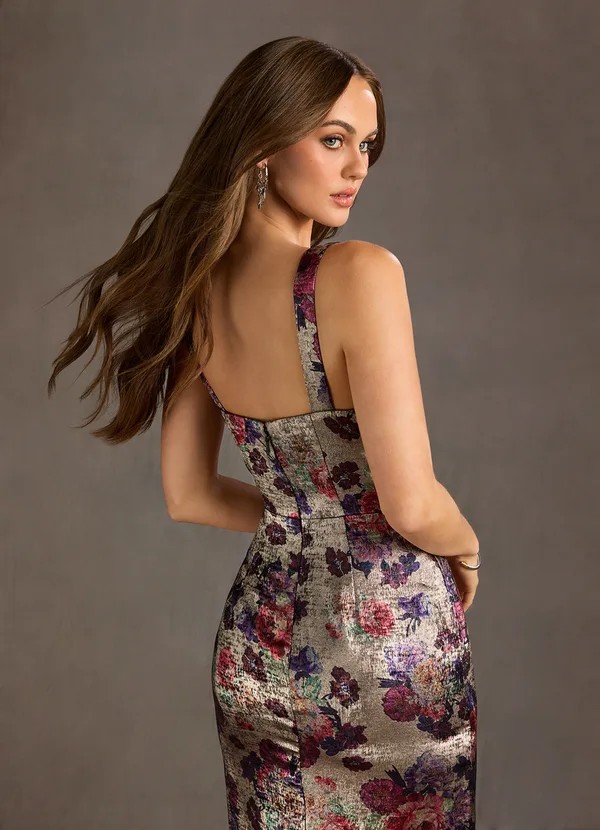
The same dress can be adapted for many settings.
Black-Tie Events
- Floor-length dress
- Updo + statement earrings
- Metallic heels
- Elegant clutch
Cocktail/Formal Dinner
- A-line or column
- Loose waves or soft curls
- Minimal jewelry
- Strappy heels
Wedding Guest
- Soft colors or jewel tones
- Simple accessories (avoid white/cream)
- Romantic hair
- Small bag
Holiday Party
- Add shimmer accessories
- Bold makeup
- Velvet wrap
Corporate Gala
- Refined neckline
- Subtle jewelry
- Matte-finish heels
Photoshoots & Content
- Add hair accessories
- Play with props
- Go for eye-catching poses
The same dress can work across ALL of these—when styled thoughtfully.
How to Make a Dress Look “New” on Social Media
Even if you re-wear a dress to multiple events, you may want photos to feel fresh.
Here’s how:
- Change background or venue
- Try new angles
- Use different lighting (soft indoor, golden hour, flash)
- Take detail shots (fabric, neckline, accessories)
- Switch makeup tone (soft glam → bold glam)
- Use props (flowers, clutch, shawl)
- Change nail color
The dress may be the same—but the photos will look completely new.
When You Should Not Re-Wear a Dress
There are a few rare situations where repeating a dress may not work.
Avoid re-wearing if:
- The event has the same guests AND the dress was extremely memorable.
- The dress was part of an official photo set (e.g., bridal party).
- The dress is highly themed (e.g., holiday sequins) but the new event is neutral or corporate.
- The dress doesn’t match the new event’s formality level.
Even then, restyling might still save the look if done correctly.
How to Maintain Your Dress So It Lasts for Multiple Wears
Great care = longer re-wearability.
Do:
- Steam after each wear
- Use a breathable garment bag
- Store away from sunlight
- Spot clean immediately
- Hang properly (padded hanger)
- Protect embellishments during travel
- Repair small issues early
Don’t:
- Fold heavily structured dresses
- Use wire hangers
- Store in humid areas
- Wear with rough accessories that snag
Proper care ensures your dress stays beautiful for years.
The Best Kinds of Dresses to Wear More Than Once
Some dresses naturally lend themselves to multiple uses.
Top reusable designs:
- Solid satin gowns
- Crepe column dresses
- Minimalist A-line silhouettes
- Long slip-style dresses
- Off-shoulder dresses with clean structure
- Convertible formal dresses
- High-slit gowns with timeless lines
These appear often in the Azazie Formal Dresses collection, making the selection ideal for multi-use.
Event Types & Best Ways to Re-Wear One Dress
| Event Type | How to Style the Same Dress | Key Changes to Make |
| Black-Tie | Add dramatic earrings, sleek updo, metallic heels | Elevate jewelry |
| Wedding Guest | Keep accessories soft & romantic, pastel shawl | Change color palette |
| Cocktail Evening | Add strappy heels, bigger curls, clutch | Use lighter accessories |
| Holiday Party | Add glitter accessories, bold lip | Increase sparkle |
| Corporate Gala | Minimal jewelry, matte makeup, structured wrap | Tone down shine |
| Outdoor Event | Comfortable shoes, natural makeup | Refresh hair + bag |
| Photoshoot | Bold hair accessories, different backgrounds | Transform angles |
Why Azazie Dresses Are Great for Re-Wearing
The Atelier Formal Dresses from Azazie are designed with versatility in mind.
These dresses feature:
- Timeless silhouettes
- High-quality fabric that holds shape
- Modern but not overly trendy details
- Custom sizing options
- A broad color range
- Elegant minimalism ideal for accessorizing
This makes them excellent choices if your goal is long-term use.
Final Thoughts
Yes, you can absolutely wear a formal dress more than once—and you should. With the right styling, accessories, fit and care, one beautiful dress can take on many personalities and become part of many memorable nights. Choosing a timeless, high-quality dress—like those in the Azazie formal dresses collection—gives you even more versatility and long-term value.
Frequently Asked Questions
How many times can I re-wear a formal dress?
As many times as you want—if styled differently. Social media or varied guest lists make each wear feel new.
Will people notice if I re-wear a dress?
Only if you style it exactly the same. Change hair, accessories, makeup, shoes, and bags to create fresh looks.
What color dress is easiest to re-wear?
Black, navy, emerald, wine, champagne, and silver are the most versatile.
Does fabric affect how many times I can re-wear a dress?
Yes—durable fabrics like crepe, satin, and velvet age well and maintain elegance.
Do I need to avoid bold dresses if I want to re-wear them?
No. Bold dresses can be restyled cleverly, but minimal dresses offer maximum flexibility.
Can I re-wear a dress for different seasons?
Yes. Layer with shawls, boleros, or jackets for colder months, and go sleeveless or pair with light accessories in warmer seasons. Fabric choice (satin, crepe, chiffon) helps maintain versatility year-round.
How can I make the same dress look completely different?
Change hair, makeup, shoes, accessories, or add layers like a cape, wrap, or statement belt. Even minor adjustments like jewelry swaps or clutch color can give a fresh look.
Are there certain events where re-wearing a dress isn’t recommended?
Avoid re-wearing if:
- The same group of guests will notice repetition.
- It was part of official photos (wedding party, gala).
- The dress is overly themed (holiday sequins, costume-like).
- The formality doesn’t match the new event.
How should I store a dress to ensure it lasts for multiple wears?
- Hang on padded hangers in breathable garment bags.
- Steam or press after each wear.
- Keep away from sunlight, humidity, and rough surfaces.
- Repair small snags, loose beads, or minor issues promptly.
Which types of dresses are easiest to re-wear?
- Minimalist A-line or column silhouettes
- Solid satin or crepe gowns
- Convertible or high-slit dresses
- Long slip-style dresses
- Off-shoulder designs with clean structure