
Wedding Tips & Trends
Lavender Prom Dresses: Soft Color Styling That Stays Clean in Photos
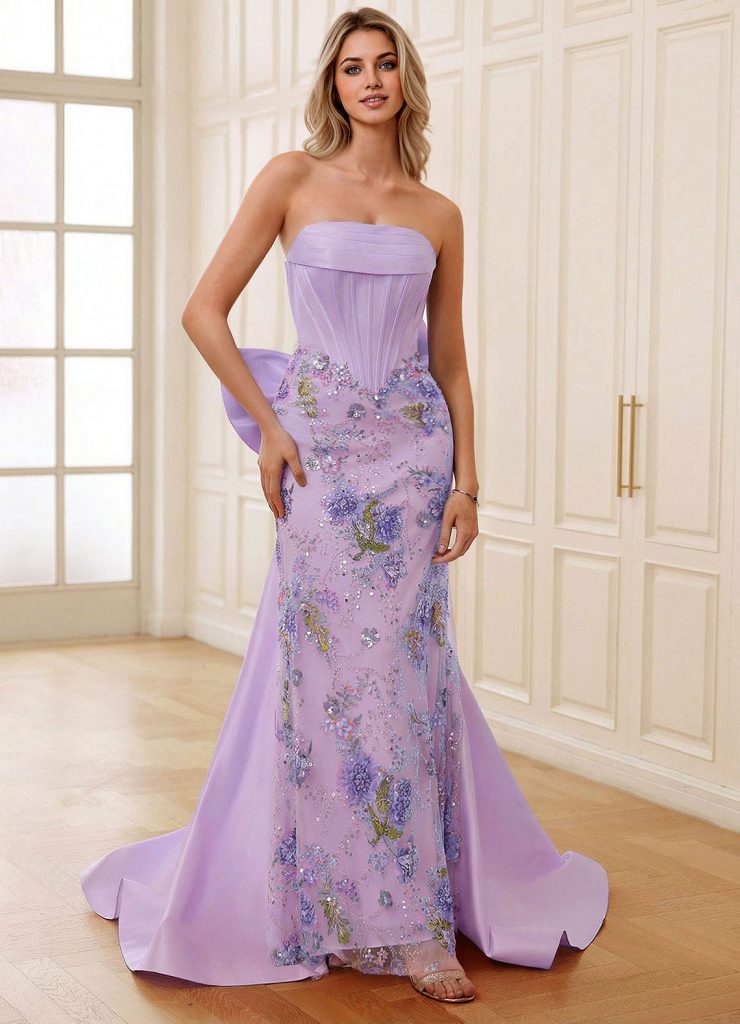
Lavender prom dresses are romantic and elegant but they require deliberate styling to look their best, especially in photos. Without the right contrast, fabric choice, and makeup, lavender can read as grey or washed out on camera. The solution is building intentional contrast at every layer of the look, starting with the dress itself.
Why Lavender Is a Styling Challenge
Lavender is a pale, cool-toned shade with a very narrow margin between looking luminous and looking flat. Two things make it tricky:
In person: Low-contrast styling pale skin, nude makeup, silver accessories can blur the boundary between you and the dress. The color disappears rather than pops.
In photos: Camera sensors and venue lighting both affect lavender differently than bold colors. Overhead fluorescent lighting can pull lavender toward grey. Outdoor natural light usually captures it beautifully but only with enough contrast to define the color against the skin.
The fix is strategic contrast at three points: fabric texture, makeup, and accessories.
Fabric Choices That Keep Lavender Looking Its Best
The fabric determines how lavender reads in both natural and artificial light. Some fabrics amplify the color's delicate quality; others flatten it.
| Fabric | How It Affects Lavender | Photo Performance |
| Chiffon (layered) | Soft, luminous, adds depth through layering | Excellent outdoors |
| Satin | Light-reflective; can look vivid or washed out depending on lighting | Good indoors |
| Lace over lining | Adds visual texture that prevents the flat-color problem | Very good in all settings |
| Glitter tulle | Catches light and prevents lavender from reading as grey | Excellent indoors |
| Matte jersey | Clean and defined; holds color well under all lighting | Good in all settings |
| Thin single-layer chiffon | Risk of transparency; can look pale and undefined | Requires strong contrast |
Best fabric choice: Layered chiffon or lace over a lined base. These fabrics add visual texture that gives the eye something to follow preventing the washed-out flatness that simple, single-layer lavender can create.
An a line prom dress in chiffon is the most widely available and flattering lavender silhouette. The movement of chiffon fabric in photos creates natural depth that a structured satin or matte fabric can't replicate.
The Contrast Problem: How to Solve It
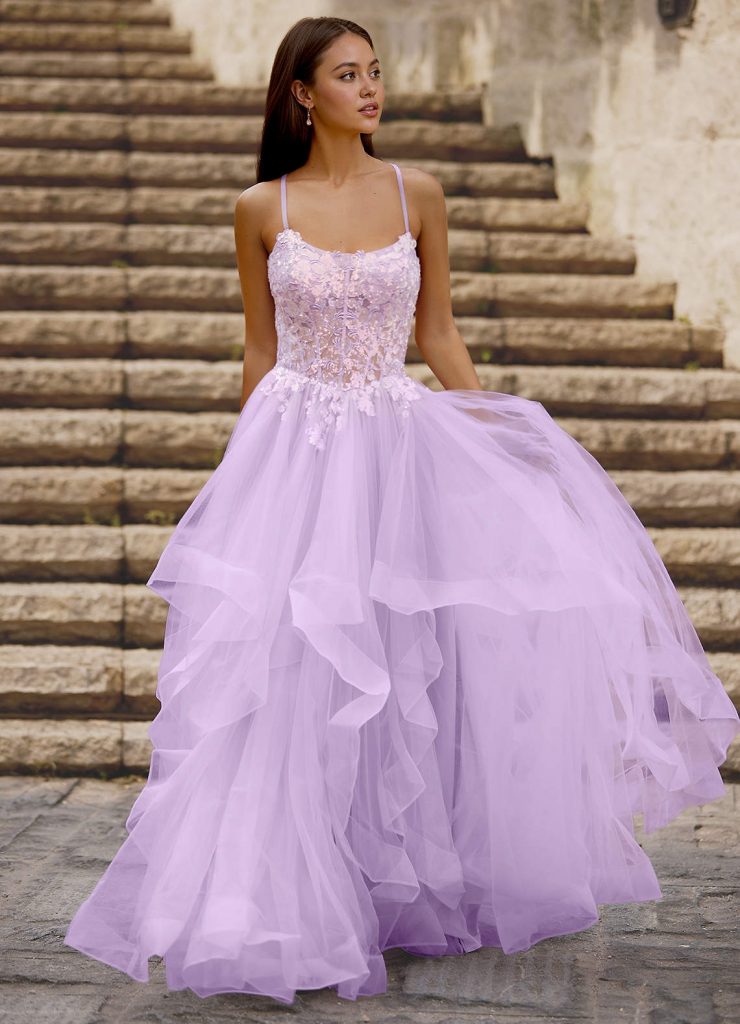
The single most important styling decision for lavender is managing contrast between the dress and your skin tone. Here's how it breaks down by complexion:
Fair and Light Complexions
This is where lavender gets the most dangerous. Fair skin + pale lavender creates minimal contrast both in person and on camera.
Solutions:
- Choose a slightly more saturated lavender rather than the palest frosted version
- Add definition through bold makeup a defined lip or structured eye is essential
- Use accessories with visual weight: silver statement earrings, not delicate studs
- Choose lace or embellished fabric over plain smooth chiffon texture adds the contrast that skin tone doesn't
Medium Complexions
Medium skin tones have the most flexibility with lavender. The natural contrast between a medium complexion and pale lavender creates enough definition to work in most lighting conditions.
To keep it elevated:
- A deeper lip color (mauve, berry, or soft plum) adds polish without competing with the dress
- Gold or rose gold accessories add warmth that balances lavender's cool tone
Olive and Warm Undertones
Lavender's cool base can sometimes read as clashing with warm or olive undertones or it can look beautifully editorial when styled correctly.
Solutions for warm/olive skin:
- Choose lavender with a slight blue or grey undertone rather than pink-lavender it creates cleaner contrast
- Warmer makeup (bronze, gold, peach tones) creates beautiful visual balance against the cool dress
- Gold accessories work significantly better than silver for warm undertones with lavender
Deep and Rich Complexions
Deep complexions provide the strongest natural contrast with lavender the color pops beautifully. This combination is consistently one of the most striking in the entire lavender category.
Styling note: Deep complexions can wear the palest, most delicate lavender shades and still have the contrast they need. The dress's softness becomes a feature rather than a risk.
Silhouettes That Suit Lavender Prom Dresses
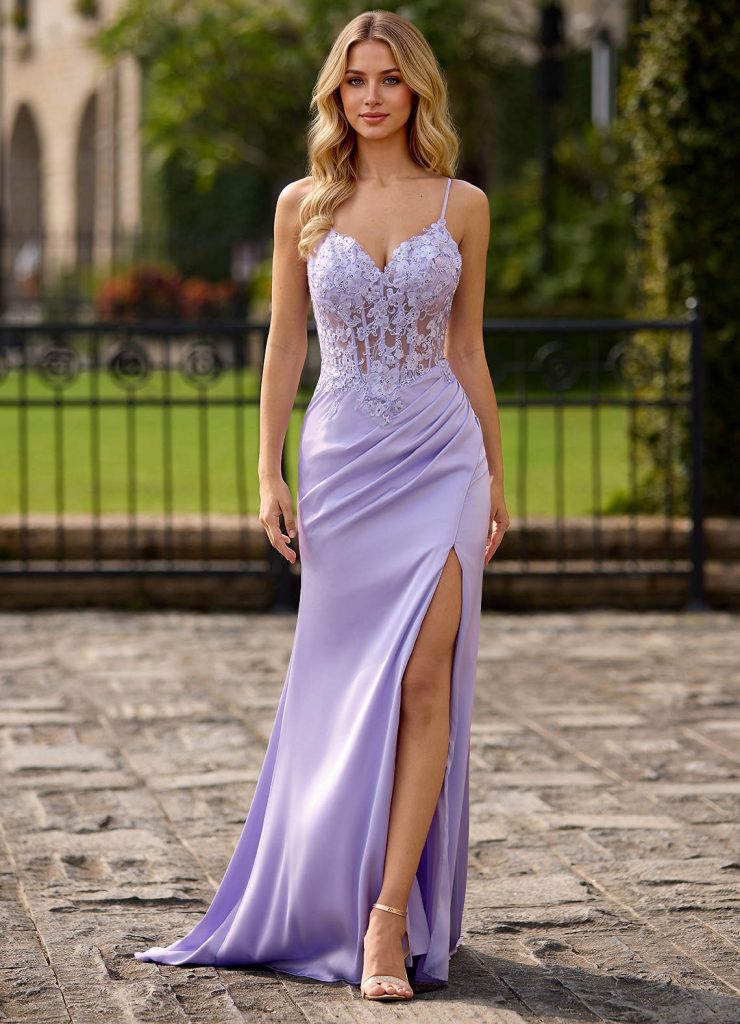
Not every silhouette serves lavender equally well. The best choices either add texture or movement both of which prevent the washed-out, flat appearance in photos.
A-Line: The Most Versatile Choice
An A-line in chiffon with pleating or ruching is the most universally flattering lavender silhouette. The gathered fabric creates shadow and dimension that keeps the color looking alive in both outdoor and indoor settings.
Mermaid: Editorial and Defined
Mermaid prom dresses in lavender create a sleek, sophisticated look that photographs sharply. The fitted construction prevents the "shapeless pale cloud" problem that can affect lavender ball gowns in low-contrast lighting. A pleated or ruched mermaid in chiffon is particularly strong.
Corset Bodice With Soft Skirt
A corset prom dress in lavender adds structured definition at the bodice the boning and lace-up detail create visual anchoring that prevents the color from floating without definition. This is one of the cleanest lavender looks available for photos.
What to Be Careful With
- Very full, unembellished ball gown in smooth lavender too much pale surface area without texture
- Plain column gown without ruching or lace detail can look flat on camera without strong contrast from makeup
Necklines That Help Lavender Photograph Well
The neckline creates the frame between your face and the dress color. Getting it right helps lavender read cleanly in photos.
Best necklines for lavender:
- V-neck opens up the chest area and creates a defined line of contrast between skin and dress
- Sweetheart frames the face and creates visual structure; common in lavender chiffon styles
- Off-the-shoulder exposes the shoulder and collarbone, creating natural contrast against the pale dress
- One-shoulder creates an asymmetric line that prevents the "too-soft" flatness of symmetrical pale looks
An off the shoulder prom dress in lavender chiffon is one of the best-photographing combinations in the entire category. The exposed shoulder creates a natural contrast point that the camera reads clearly, and the neckline adds elegance without visual competition.
Accessories for Lavender: What Prevents Clashing and Washing Out
Metal: The Key Decision
Lavender is a cool color. The metal choice either complements or fights its base.
| Metal | Works With Lavender? | Best For |
| Silver | Excellent | All skin tones sharpens lavender |
| Rose gold | Very good | Warm and neutral undertones |
| White gold | Excellent | Cool undertones specifically |
| Gold (yellow) | Good adds warmth | Olive and warm undertones |
| Antique/bronze | Moderate can look dated | Avoid with pale lavender |
Jewelry Style
- Crystal drop earrings catches light and adds brilliance without visual weight
- Pearl studs or drops classic and romantically appropriate for lavender
- Amethyst or moonstone accents color-complementary without clashing
- Rhinestone detail adds sparkle that keeps lavender from looking flat in indoor venue lighting
Skip: Heavy, dark-metal statement pieces they fight lavender's delicacy rather than enhancing it.
Shoes
| Shoe Color | Verdict | Notes |
| Silver | Best overall | Matches the metal, sharpens the look |
| Nude / blush | Excellent | Elongates the leg; doesn't compete |
| Ivory or white | Very good | Clean and fresh; suits outdoor settings |
| Lavender-tone | Risky | Can create too-matchy effect |
| Gold | Good for warm undertones | Adds warmth; use with gold jewelry |
| Black | Bold contrast choice | High-impact; works for evening looks |
Makeup for Lavender Prom Dresses
This is where most lavender looks either succeed or fail. The right makeup creates the contrast that the soft dress color needs.
Lips
Lavender's biggest enemy is an invisible lip. A nude lip on fair skin with a pale lavender dress = no contrast = washed-out photo.
Best lip choices:
- Soft berry or mauve the most universally flattering choice with lavender; adds definition without competing
- Rose or dusty pink slightly warmer than the dress; creates contrast without clashing
- Deep plum bold and dramatically effective for high-contrast looks
- Avoid: Very pale nude, bare lips, or frosted gloss all reduce contrast critically
Eye Makeup
- Cool rose or mauve shimmer mirrors lavender's tonal family; creates cohesion
- Champagne or gold shimmer creates warm contrast against the cool dress
- Soft taupe or warm grey smoky eye adds definition without competing with the dress color
- Avoid: Very bold graphic liner or dramatic eye let the dress be the statement
Skin
A luminous, slightly dewy base photographs better with lavender than a flat matte finish. Matte skin + pale lavender = two flat surfaces that cancel each other out on camera. Glow adds dimension to the overall look.
Complete Lavender Prom Look: Photo-Ready Reference
| Element | Best Choice | Why It Works |
| Fabric | Layered chiffon or lace | Adds texture; prevents flat, grey appearance |
| Silhouette | A-line or off-shoulder | Movement and contrast at neckline |
| Neckline | V-neck or off-the-shoulder | Creates skin-to-dress contrast point |
| Metal | Silver or rose gold | Complements cool lavender base |
| Jewelry | Crystal drops or pearl | Adds light without visual weight |
| Shoes | Silver or nude | Clean and elongating |
| Lip | Mauve or soft berry | Essential contrast against pale dress |
| Eye | Champagne shimmer or warm taupe | Balance against cool dress color |
| Skin finish | Luminous or dewy | Adds dimension in photos |
Shop Lavender Prom Styles at Azazie
Azazie offers over 200+ Azazie prom dresses across more than 90 colors in sizes 0–14, all made to order. The lavender collection spans chiffon A-lines, mermaid silhouettes, corset styles, and lace details giving you the fabric texture and silhouette options needed to keep lavender looking its best on prom night. The purple prom dress category also includes deeper shades if you decide the contrast of lilac or grape suits you better.
For a helpful guide on how color and lighting interact in photography settings, Pantone's color theory and application resources offer practical context on keeping soft colors vivid under different conditions.
Frequently Asked Questions
Why does lavender look grey or washed out in photos?
Lavender is a pale, cool-toned color with low saturation. Under artificial or fluorescent lighting, it can shift toward grey. Without contrast from makeup, accessories, or fabric texture, the color loses definition on camera. The fix is deliberate contrast especially a defined lip color and accessories with visual weight.
What makeup goes best with a lavender prom dress?
A soft berry, mauve, or rose lip is the most consistently flattering choice. It adds definition without competing with the dress. Avoid very pale nude lips; they eliminate contrast and the entire look reads as washed out in photos, especially on fair complexions.
What shoes work with lavender?
Silver strappy heels are the most universally flattering option; they sharpen the cool-toned color cleanly. Nude or blush heels are a close second and elongate the leg beautifully. Gold shoes work well for warm and olive undertones that need more warmth in the overall palette.
Is lavender flattering on all skin tones?
Yes but the styling approach changes by skin tone. Deep complexions get natural contrast automatically and can wear even the palest lavender beautifully. Fair complexions need more intentional contrast through makeup and accessories. Warm undertones should choose a blue-lavender shade over pink-lavender for the most flattering result.
Purple Prom Dresses: Lilac vs Plum + Accessory Color Pairings
Purple prom dresses span one of the widest shade ranges of any prom color from barely-there lilac to deep, dramatic plum. The choice between them isn't just about preference; it's about undertone, occasion formality, and which accessories actually work. Get this right and a purple dress becomes one of the most sophisticated prom choices available.
The Purple Prom Spectrum: Know Your Shades
"Purple" covers a lot of ground. The collection includes lavender, frosted lilac, lilac, purple, grape, and plum each with a distinct character and different styling requirements.
| Shade | Character | Intensity | Season Feel |
| Lavender / Frosted Lilac | Soft, dreamy, pale | Very light | Spring, outdoor |
| Lilac | Romantic, gentle, cool | Light-medium | Spring, garden prom |
| Purple (mid-tone) | Versatile, balanced, classic | Medium | Year-round |
| Violet / Bright Purple | Bold, energetic, vibrant | Medium-high | Evening, indoor |
| Grape | Rich, warm-purple, dramatic | Deep | Fall, evening |
| Plum | Dark, sophisticated, luxurious | Very deep | Winter, formal evening |
The practical split for most prom decisions comes down to two ends of this spectrum: light purple (lilac/lavender) versus deep purple (grape/plum). Everything in between is relatively flexible.
Lilac and Lavender: Who It's For and How to Style It
What Makes Lilac Work
Lilac and lavender are cool-toned, soft, and inherently romantic. They photograph beautifully in natural light and feel distinctly spring and garden-appropriate. The softness of the shade requires intentional styling otherwise the look can feel flat.
Best for these skin tones:
- Fair and light complexions with cool or neutral undertones
- Medium complexions with pink or neutral bases
- Lilac can wash out very warm undertones choose a slightly more saturated lavender if your undertone is warm
Best silhouettes for lilac:
- A line prom dress in chiffon or tulle the soft fabric matches the softness of the color
- Ball gown with layered tulle maximizes the dreamy, romantic character of lavender
- Lace overlay styles the delicate texture elevates the light shade beautifully
Accessories for Lilac and Lavender
Lilac's softness means accessories need to add definition without overwhelming the delicate color.
| Accessory | Best Choice for Lilac | Why It Works |
| Metal | Silver or rose gold | Cools tones complement lilac's base |
| Jewelry style | Crystal, pearl, or moonstone | Soft and light matches the shade's character |
| Shoe color | Silver, nude, or ivory | Doesn't compete; extends the soft palette |
| Clutch | Silver, ivory, or lavender-tone | Cohesive without being matchy |
| Nail color | Soft nude, blush, or white | Keeps the palette light and refined |
Makeup for lilac:
- Lip: soft berry, mauve, or nude-pink avoid bright red which clashes
- Eye: cool rose or champagne shimmer a subtle smoky eye in taupe works beautifully
- Skin: dewy, luminous finish reflects light the way lilac fabric does
Grape and Plum: Who It's For and How to Style It
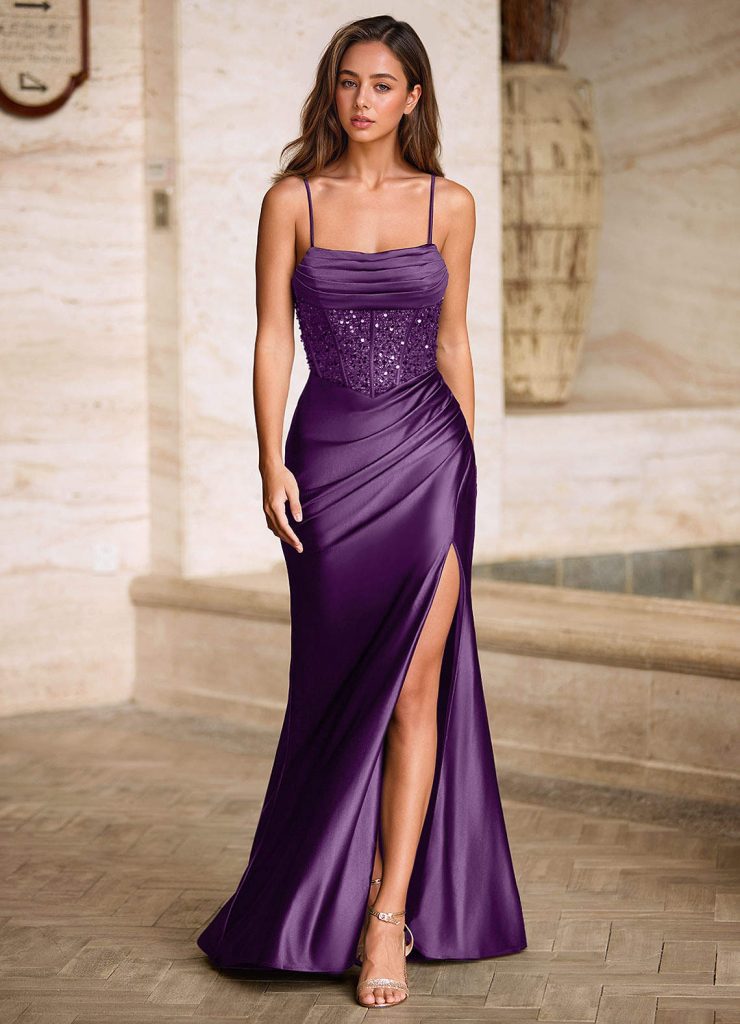
What Makes Plum and Grape Work
Deep purple shades grape, plum, eggplant are rich, dramatic, and deeply formal. They work especially well under evening lighting, which amplifies the depth and warmth of the color. Plum is one of the most elegant prom choices available when styled correctly.
Best for these skin tones:
- Medium to deep complexions deep purple provides beautiful contrast
- Olive undertones the warm-purple quality of grape is especially flattering
- Cool-undertone fair complexions plum's blue base complements pink undertones
Best silhouettes for grape and plum:
- Mermaid prom dresses in stretch satin the fitted silhouette maximizes the drama of deep color
- Lace prom dresses in plum the texture adds depth and visual complexity to an already rich shade
- Column or fitted A-line clean, deliberate silhouettes let the color carry the look
Accessories for Grape and Plum
Deep purples are strong enough to support bolder accessory choices. The key is choosing metals and tones that enhance rather than compete.
| Accessory | Best Choice for Grape/Plum | Why It Works |
| Metal | Gold or silver | Gold warms grape; silver sharpens plum |
| Jewelry style | Crystal drops, amethyst stone, rhinestone | Adds sparkle that deep color can absorb |
| Shoe color | Black, gold, silver, or nude | All four work choose based on mood |
| Clutch | Gold, black, or deep metallic | Grounds the look or adds warmth |
| Nail color | Berry, deep mauve, or nude | Tonal or complementary not matching |
Makeup for grape and plum:
- Lip: deep berry, plum, or bold nude avoid matching the dress exactly
- Eye: smoky taupe, bronze, or deep brown plum gowns support a more dramatic eye than lilac
- Skin: luminous or satin finish deep color benefits from a radiant base
Lilac vs. Plum: Side-by-Side Decision Guide
| Factor | Choose Lilac If... | Choose Plum If... |
| Skin tone | Fair-medium, cool/neutral undertone | Medium-deep, olive or cool undertone |
| Time of event | Daytime, garden, spring prom | Evening, indoor formal, winter prom |
| Photography setting | Outdoor natural light | Indoor venue lighting |
| Style goal | Romantic, soft, ethereal | Dramatic, sophisticated, bold |
| Silhouette | Flowing A-line or ball gown | Fitted mermaid or structured column |
| Accessory preference | Silver, pearl, crystal | Gold, rhinestone, bold statement |
| Makeup preference | Soft, luminous, minimal | Defined, bold eye or lip |
Mid-Tone Purple: The Versatile Middle Ground
Not every purple dress falls at either end of the spectrum. Mid-tone violet and bright purple sit between lilac and plum and they have their own distinct styling requirements.
Mid-purple works across a wider range of skin tones than either extreme. It's bold enough to make a statement without the high styling demands of plum. It also photographs well in both natural and artificial light.
Best accessory pairings for mid-tone purple:
- Silver jewelry with crystal or amethyst detail
- Nude or black shoes both work depending on how formal you want the look
- Metallic clutch in silver or pewter
A purple prom dress in a mid-tone violet with a corset prom dress silhouette is one of the strongest combinations in the category structured, formal, and visually striking.
Shoes for Purple Prom Dresses: Complete Guide
Shoe color is one of the most common accessory mistakes with purple gowns. Here's a clear guide by shade.
Lilac and lavender:
- Silver strappy heels the safest and most elegant choice
- Nude/blush heels elongate the leg and keep the palette soft
- Ivory or champagne cohesive and understated
- Avoid: gold (too warm) or black (too sharp a contrast for delicate shades)
Mid-tone and bright purple:
- Silver or pewter heels clean and complementary
- Nude heels universally flattering and lets the dress lead
- Black heels works for bold, high-contrast styling
- Avoid: brown or tan (muddy against purple)
Grape and plum:
- Black heels sophisticated and intentional
- Gold heels warms the deep shade beautifully
- Silver metallic sharp and formal
- Nude still works; keeps the leg line elongated
Jewelry Metals and Purple: The Simple Rule
The one question most people get wrong with purple dresses is metal choice. Here's the clear rule:
- Cool purples (lavender, lilac, blue-purple) → silver, white gold, or rose gold
- Warm purples (grape, plum, red-purple) → gold or antique gold
- True mid-purple → both silver and gold work; choose based on shoe color
Matching your metal to the shoe color both silver or both gold is the simplest way to create a cohesive look without overthinking it.
Hair Pairings for Purple Prom Dresses
Hair style affects how the purple reads in photos and in person.
For soft purples (lilac, lavender):
- Loose romantic waves or a soft half-up style matches the gentle character of the shade
- Floral hair accessories in ivory or silver add a finishing touch
- Avoid heavy, architectural styles they feel too severe for soft shades
For deep purples (grape, plum):
- Sleek low bun or polished chignon maximizes the dramatic quality of the shade
- High updo with face-framing pieces editorial and striking
- Defined, intentional styles work better than loose or casual
Shop Purple Prom Styles at Azazie
Azazie's purple prom dress collection spans 66+ styles across lavender, lilac, violet, grape, and plum, part of a wider range of over 200+ Azazie prom dresses in more than 90 colors and sizes 0–14. Every gown is made to order for precise fit, so the color sits exactly as it should against your skin, not distorted by a sample-size fit that wasn't designed for your measurements.
For a deeper look at how different shades of purple interact with skin tone and lighting, Pantone's color and design education resources offer helpful visual context on undertone and color harmony.
Frequently Asked Questions
Is lilac or plum better for prom?
It depends on your skin tone, the event setting, and your styling preference. Lilac suits fair-to-medium complexions and outdoor or spring settings. Plum is more flattering on medium-to-deep complexions and works beautifully under evening venue lighting. Both are excellent they just serve different looks.
What jewelry goes with a purple prom dress?
Match your metal to the shade's temperature. Cool purples like lilac and lavender pair best with silver or rose gold. Warm deep purples like grape and plum work beautifully with gold. Crystal drops, pearl, or amethyst stone pieces complement purple across all shades.
What shoe color works with a lilac dress?
Silver strappy heels are the most universally flattering choice for lilac. Nude or blush heels also work beautifully and elongate the leg. Avoid gold (too warm for cool lilac) and black (too sharp a contrast for a soft shade).
Can I wear purple if I have a warm skin undertone?
Yes choose the right shade. Warm undertones look best in grape, plum, and warmer violet shades rather than cool lilac or lavender. The warm-purple quality of grape is especially flattering on golden and olive skin tones.
Pink Prom Dresses: Find Your Best Pink by Undertone (Blush to Hot Pink)
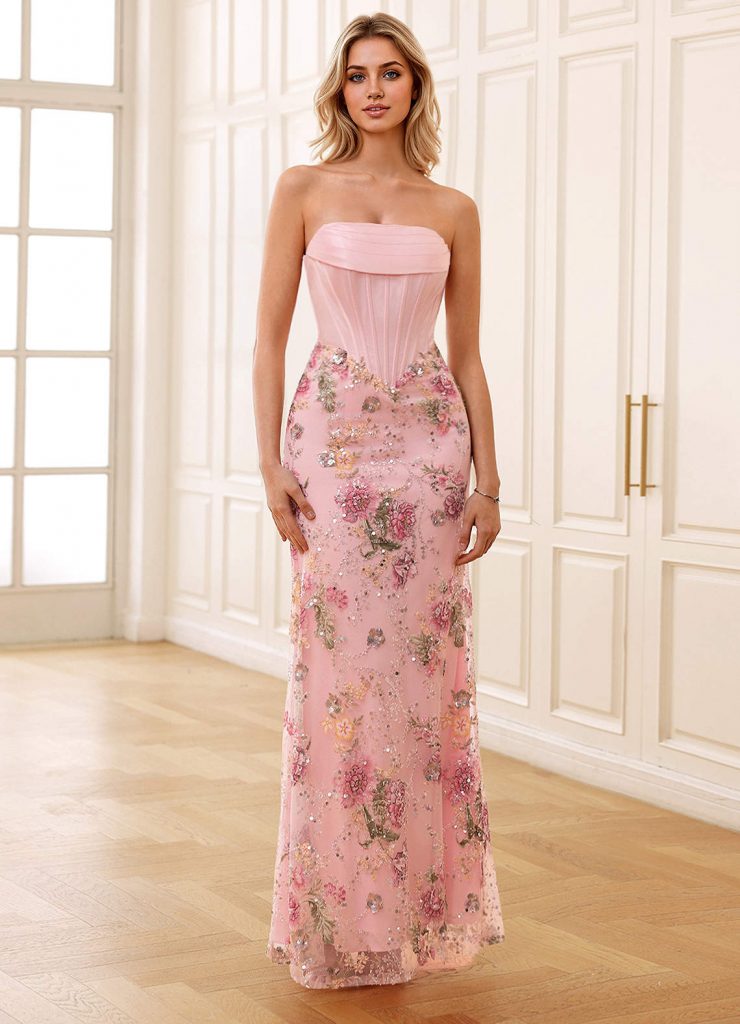
Not all pinks flatter every complexion equally. The difference between a pink that glows on you and one that washes you out comes down to undertone yours and the dress's. Once you identify your undertone, choosing the right shade of pink becomes simple, fast, and far more flattering.
Step One: Identify Your Skin Undertone
Before choosing any shade of pink, you need to know whether your undertone is warm, cool, or neutral. This single piece of information changes your entire color decision.
Three quick ways to identify your undertone:
- Vein test look at the veins on your inner wrist in natural light. Blue or purple veins = cool undertone. Green veins = warm undertone. Both = neutral.
- Jewelry test gold jewelry flatters warm undertones; silver flatters cool. If both work equally well, you're neutral.
- Sun reaction warm undertones tan easily; cool undertones burn or turn pink before tanning.
| Undertone | Characteristics | Best Pink Shades |
| Cool | Pink/blue base, burns easily, blue veins | Blush, dusty rose, magenta, fuchsia |
| Warm | Yellow/golden base, tans easily, green veins | Coral pink, peach pink, warm rose |
| Neutral | Mix of warm and cool, both metals work | Most pinks work choose by contrast preference |
| Deep/rich | Deeper skin with warm or cool base | Hot pink, fuchsia, magenta, deep rose |
The Full Pink Spectrum: Shade by Shade
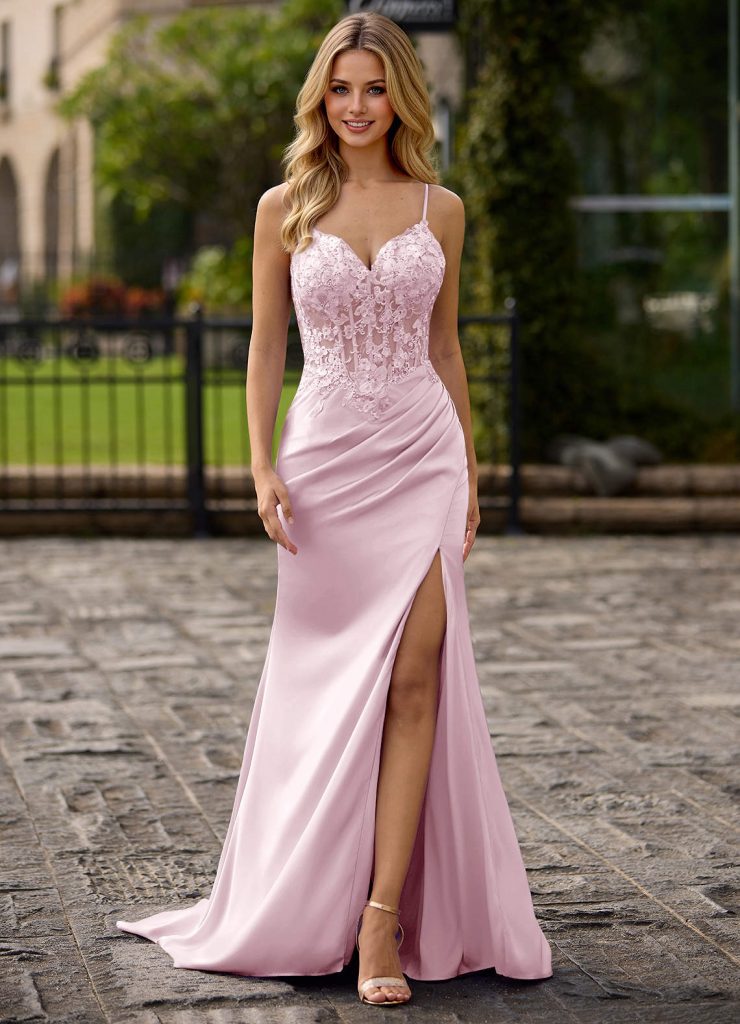
Pink covers a huge range at prom. Understanding each shade's character helps you choose one that fits both your undertone and your personal style.
Blush and Powder Pink
Character: Soft, delicate, romantic. The most universally requested shade for spring and garden prom settings.
Best for: Cool and neutral undertones. On warm undertones, blush can sometimes pull sallow go for a slightly peachy blush if your undertone is warm.
Styling note: Blush is understated by nature. Elevate it with metallic accessories and a polished updo otherwise it can read as flat rather than intentional.
A pink prom dress in blush or powder pink is one of the most popular formal choices for a reason it photographs beautifully in natural light and pairs easily with nearly every accessory color.
Dusty Rose and Vintage Rose
Character: Muted, sophisticated, slightly antique in feeling. More mature than true pink closer to mauve.
Best for: Cool and neutral undertones. It's particularly flattering on fair to medium complexions with pink or neutral bases.
Styling note: Dusty rose elevates easily. It pairs naturally with gold, silver, or pearl jewelry and feels distinctly formal without trying hard.
Blushing Pink and Rose Pink
Character: Warmer than blush, more saturated than dusty rose. A true mid-pink that feels feminine and classic.
Best for: Neutral and warm-cool mixed undertones. Works across a wide range of complexions because it sits between cool and warm on the pink spectrum.
Styling note: Rose pink pairs especially well with gold jewelry and warm-toned makeup. It's one of the most universally flattering shades in the entire pink family.
Coral Pink and Peach Pink
Character: Warm-toned pinks with orange or yellow undertones. Vibrant and energetic the most summery pinks.
Best for: Warm undertones specifically. Cool undertones can sometimes clash with coral's orange base.
Styling note: Coral and peach pinks need minimal accessory competition. Keep jewelry simple and let the warm color carry the look.
Hot Pink and Fuchsia
Character: Bold, saturated, high-impact. Makes a clear statement and photographs dramatically.
Best for: Cool undertones and deep/rich complexions. On warm undertones, true fuchsia can clash and opt for a coral-fuchsia hybrid instead.
Styling note: Hot pink and fuchsia are statement-first colors. Keep the silhouette clean and accessories minimal; the color is already doing significant work.
Sequin prom dresses in fuchsia or hot pink are particularly striking; the light-catching quality of sequin fabric amplifies the boldness of the color in a way that reads as intentional and glamorous rather than overwhelming.
Magenta
Character: Deep, rich, and dramatic. Sits between hot pink and purple the most sophisticated pink shade.
Best for: Cool undertones and medium-to-deep complexions. Magenta is deeply flattering on olive and deeper skin tones.
Styling note: Magenta pairs beautifully with silver accessories and creates a striking formal look. It's less common at prom than lighter pinks, which makes it more memorable.
Pink Shades by Skin Tone: Quick Reference
| Skin Tone | Best Pink Shades | Avoid |
| Fair/light, cool | Blush, dusty rose, fuchsia, magenta | Peach, coral (can look washed out) |
| Fair/light, warm | Peach pink, coral pink, warm rose | True magenta (clashes with warm base) |
| Medium, cool | Rose, dusty rose, hot pink, magenta | Heavy coral (can pull orange) |
| Medium, warm | Coral, peach, warm rose, blushing pink | Very pale blush (can disappear) |
| Olive | Fuchsia, magenta, deep rose, hot pink | Very pale blush (reads as unflattering) |
| Deep/rich, warm | Hot pink, coral fuchsia, deep rose | Pale powder pink (too little contrast) |
| Deep/rich, cool | Fuchsia, magenta, electric pink | Blush or dusty rose (low contrast) |
Silhouettes That Elevate Pink Prom Dresses
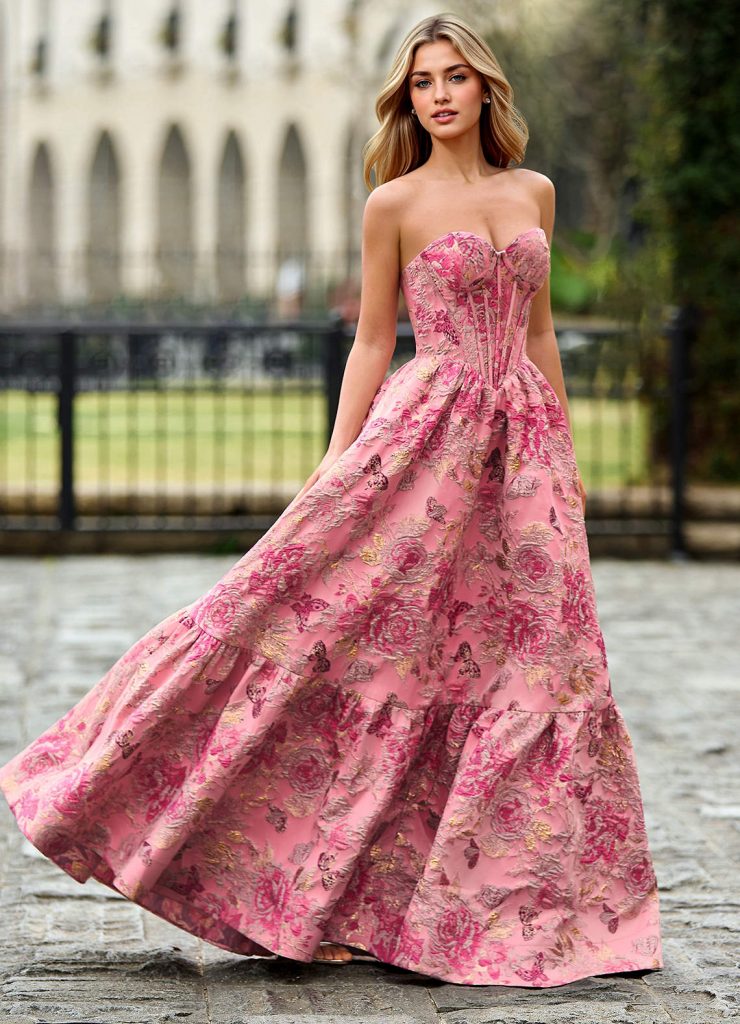
Pink is a color that can read as soft or powerful depending on the silhouette you choose. Match the shape to the statement you want to make.
For Soft, Romantic Pink (Blush, Dusty Rose, Powder)
These shades suit flowing, feminine silhouettes that reinforce their gentle character.
- Lace prom dresses in blush or dusty rose are a naturally elevated combination the delicate texture of lace matches the softness of these shades
- A-line with tulle tiers creates movement and a romantic silhouette
- Corset bodice with a soft skirt balances structured and romantic
For Bold Pink (Fuchsia, Hot Pink, Magenta)
Bold shades call for cleaner, more deliberate silhouettes that let the color lead.
- Fitted mermaid prom dresses in fuchsia or magenta create a sleek, high-impact look
- Column or sheath silhouette in hot pink is striking and editorial
- A-line in bold pink with minimal embellishment lets the color carry the entire look
For Mid-Range Pink (Rose, Blushing Pink, Coral)
Mid-range pinks are the most versatile and work across multiple silhouette types.
- Corset prom dress styles in rose pink are a particularly strong combination structured, flattering, and seasonally appropriate
- Off-the-shoulder silhouette adds romance and frames the color beautifully
- Ruffle details complement mid-range pinks without competing with them
Accessories for Pink Prom Dresses
The right metal and accessory tone either enhances or undermines a pink dress. This is one of the most common styling mistakes choosing the wrong metal for the shade.
| Pink Shade | Best Metal | Best Jewelry Style | Shoe Color |
| Blush / Powder | Rose gold or silver | Delicate drops or studs | Nude, silver, champagne |
| Dusty / Vintage Rose | Gold or rose gold | Pearl or crystal | Nude, gold, ivory |
| Hot Pink / Fuchsia | Silver | Minimal studs or thin drops | Silver, black, nude |
| Coral / Peach Pink | Gold | Simple gold drops or hoops | Gold, nude, tan |
| Magenta | Silver or white gold | Statement drops (single piece) | Silver or black |
Key styling principle for pink: Because pink is already a high-visibility color, keep total jewelry pieces to two or fewer. One statement earring + one bracelet is enough. Adding a statement necklace over a pink gown creates competition rather than cohesion.
Hair and Makeup Pairings for Pink Dresses
Hair and makeup choices either sharpen or dilute a pink prom look. These pairings are calibrated by shade intensity.
For soft pinks (blush, powder, dusty rose):
- Hair: loose romantic waves, soft updo with face-framing pieces, braided half-up
- Lip: nude-pink, mauve, or soft berry avoid bright red which competes
- Eye: warm neutral shadow, subtle shimmer, defined lash
For bold pinks (fuchsia, hot pink, magenta):
- Hair: sleek low bun or high ponytail keep volume minimal so the dress leads
- Lip: nude or soft pink bold dress + bold lip is usually too much
- Eye: bronzed neutral or a single graphic liner detail not full smoky eye
For mid-range pinks (rose, coral, blushing):
- Hair: most styles work this is the most flexible pink category
- Lip: warm nude, soft peach, or deeper rose
- Eye: warm bronze or champagne shimmer
Shop Pink Prom Dresses at Azazie
Azazie's collection of pink prom dress styles spans blush, powder, blushing pink, rose, dusty rose, fuchsia, and magenta across 124+ options. With over 200+ Azazie prom dresses total available in more than 90 colors and sizes 0–14, every gown is made to order for precise fit. That means your pink dress looks exactly the way it should be tailored to your shape, not a sample size.
For a deeper look at how undertones affect color flattery, Pantone's color and skin tone guide provides excellent visual context for understanding how specific shades interact with different complexions.
Frequently Asked Questions
What shade of pink is most flattering for prom?
It depends entirely on your undertone. Blush and dusty rose work beautifully on cool undertones. Coral and peach pink are most flattering on warm undertones. Fuchsia and magenta are striking on cool undertones and deep complexions. Neutral undertones have the most flexibility across all pink shades.
Does pink work for all skin tones?
Yes but the specific shade matters. Deep and rich complexions look stunning in bold, saturated pinks like fuchsia, hot pink, and magenta. Pale or fair complexions shine in blush, rose, and dusty rose. The key is choosing a shade with enough contrast to complement rather than blend with your skin tone.
What accessories go with a pink prom dress?
Match your metal to your shade. Rose gold and silver work beautifully with soft pinks like blush and powder. Gold enhances warm pinks like coral and peach. Silver pairs best with bold pinks like fuchsia and magenta. Keep jewelry minimal pink is already a high-attention color.
Can I wear pink if my date is also wearing pink?
Yes, but coordinate shades intentionally. Two identical pinks can look unplanned; two complementary shades like dusty rose and fuchsia, or blush and hot pink create a deliberate and visually interesting pairing without clashing.
Beach Prom Dresses: Wind, Sand & Humidity-Friendly Choices
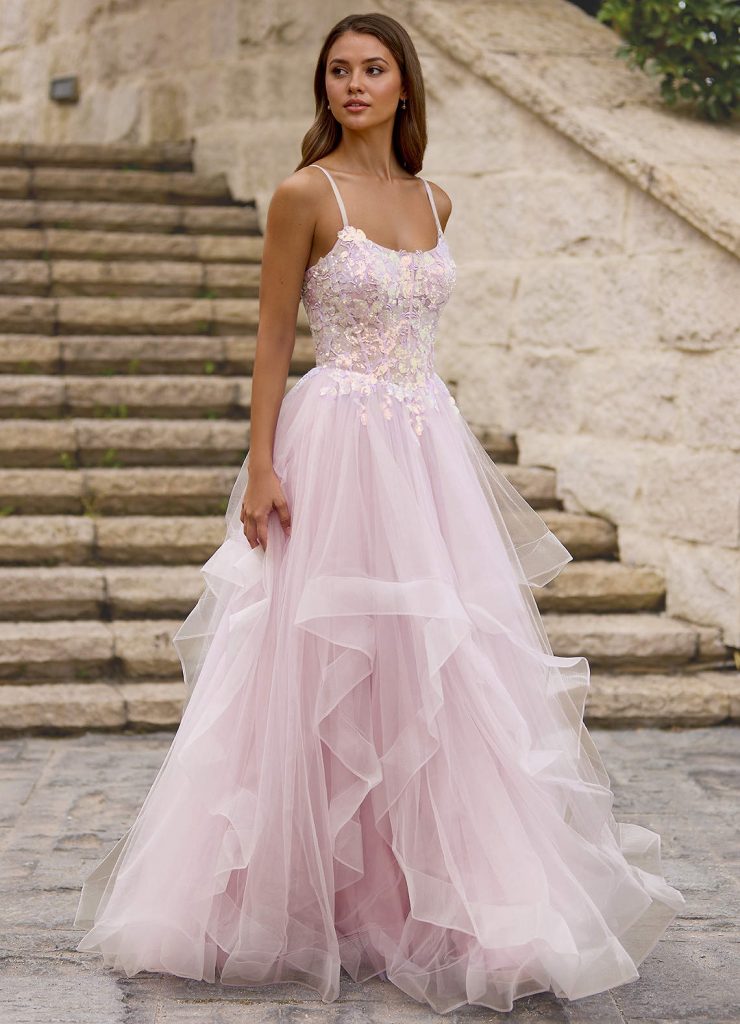
Beach prom dresses face challenges that indoor venues never create: wind that lifts skirts, sand that catches on hems, and humidity that affects both fabric and fit. The best approach is choosing lightweight, breathable fabric with a secure silhouette — then planning shoes and hem length around the outdoor setting deliberately.
The Three Beach Prom Challenges (and How to Solve Them)
Before choosing a dress, understand exactly what you're designing around. A beach prom setting creates three specific problems that don't exist indoors.
| Challenge | What It Affects | Solution |
| Wind | Skirt control, hair, neckline security | Fitted silhouette or weighted hem |
| Sand | Hem dragging and damage, shoe stability | Shorter hem or raised hemline |
| Humidity | Fabric clinging, fit shifting, makeup | Breathable fabric, secure closures |
Solve all three at the dress selection stage and accessories become much easier to plan.
Best Fabrics for Beach Prom Dresses
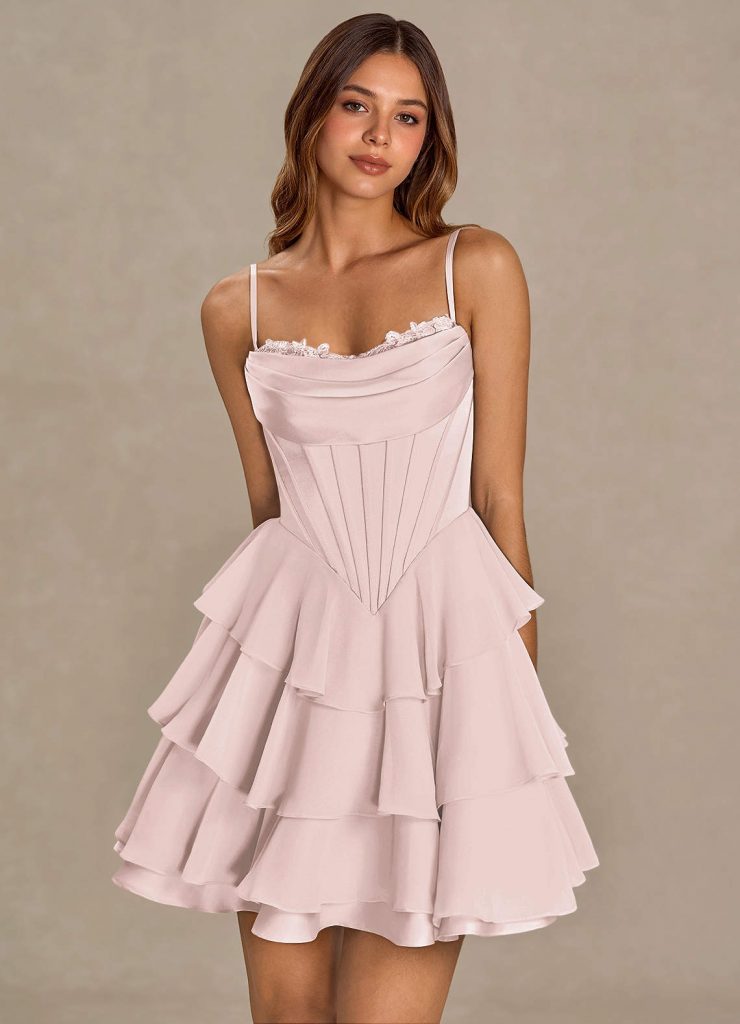
Fabric choice determines how your dress handles every beach element. Some materials respond beautifully to sea breeze; others become heavy, clingy, or damaged by sand and salt air.
Best fabrics for beach prom:
- Chiffon — the strongest beach prom fabric; lightweight, breathes well, moves beautifully in wind without becoming unmanageable
- Lightweight stretch satin — smooth surface resists sand pickup, breathes reasonably well, and stays secure with stretch construction
- Jersey knit — comfortable, breathable, and doesn't cling in humidity the way structured fabrics do
- Sheer lace overlay on lining — the lace adds visual texture while the lining protects against wind transparency issues
- Lightweight tulle (few layers) — creates volume without weight; works well in breeze conditions
Fabrics to avoid at beach prom:
- Heavy structured satin — holds humidity, stiffens uncomfortably, and catches sand in surface texture
- Velvet — absorbs moisture and salt air; completely wrong for beach conditions
- Thick taffeta — stiff, warm, and unpleasant in outdoor humidity
- Multiple heavy tulle layers — beautiful indoors but acts like a sail in coastal wind
A flowy prom dress in single-layer or lightly tiered chiffon is the most beach-appropriate choice in the entire formal dress category. The fabric moves with coastal wind rather than fighting it, and it photographs beautifully in natural light.
Best Silhouettes for Beach Prom Dresses
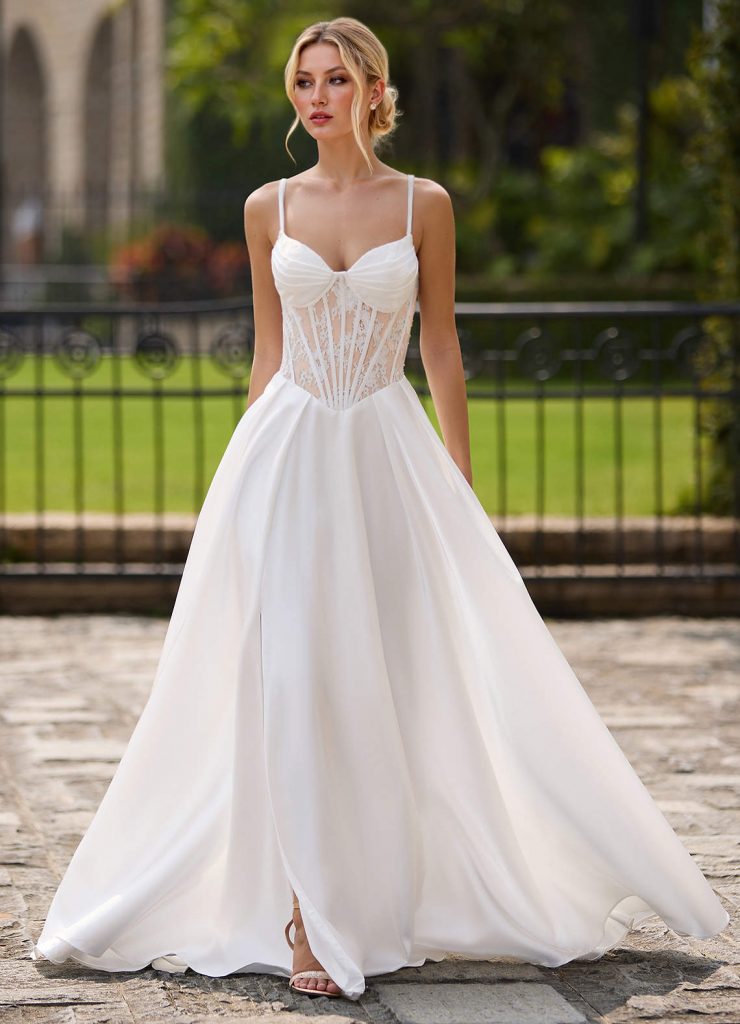
Silhouette affects how the dress handles wind, sand, and movement. The best beach prom silhouettes are either fitted enough to control in wind or light enough to move gracefully with it.
Fitted and Secure: The Wind-Proof Approach
A fitted column, sheath, or mermaid silhouette doesn't catch wind the way full skirts do. It stays controlled, moves predictably, and photographs cleanly against a natural outdoor backdrop.
Mermaid prom dresses in stretch fabric are ideal for this approach. The close fit prevents wind interference while the stretch construction allows full movement on uneven terrain like sand or boardwalk surfaces.
Flowy and Intentional: The Wind-Embracing Approach
A lightweight chiffon A-line or tiered gown can work beautifully at a beach prom — if the wind movement is intentional rather than accidental. This look photographs dramatically and feels very season-appropriate.
The key is choosing fabric light enough to move gracefully, not heavy enough to billow out of control. An a line prom dress in single-layer chiffon hits this balance well — enough movement for dynamic photos, not so much volume that it becomes unmanageable.
What to Avoid
- Full ball gown silhouettes — too much volume to control in coastal wind; impractical on sand
- Extremely wide A-line with heavy tulle — catches wind like a parachute and picks up sand at the hem
- Very long trains — drag on sand and become damaged quickly
Hem Length Strategy for Beach Prom
Hem length is one of the most important and most overlooked beach prom decisions. The wrong hem length creates practical problems that ruin both the look and the dress.
Floor-Length: Proceed With Planning
Floor-length gowns are fully formal and photograph beautifully — but they require active management on a beach setting. Sand gets caught in hem fabric easily, especially in lace, tulle, or textured materials.
If you choose floor-length:
- Opt for smooth satin or chiffon at the hem — less surface area for sand to cling to
- Be prepared to hold the skirt while walking on sand
- Take photos on harder surfaces (boardwalk, paved area, rocks) rather than directly on sand
High-Low or Tea Length: The Smart Compromise
A high-low hemline gives you formal length in the back for photos while keeping the front hem raised above sand level. It's one of the most practical beach prom choices available. Tea length (mid-calf) works similarly — formal enough for the occasion, elevated enough to avoid dragging.
Short or Midi: The Most Practical Choice
Short prom dresses are the most practical beach prom option. No hem management, no sand collection, no wind control required at the skirt level. A structured mini or midi in stretch fabric gives you full freedom of movement on any surface.
Shoes for Beach Prom: The Critical Decision
Standard prom heels don't work on sand. This is one of the most important practical decisions for beach prom — and it deserves as much thought as the dress.
Shoe options that work on beach surfaces:
- Wedge heels — the single best beach prom shoe; the wide base distributes weight evenly and doesn't sink into sand
- Flatform sandals — completely flat base with height; stable on sand, fully formal-looking
- Strappy flat sandals — the most practical option; comfortable, elegant, and sand-friendly
- Block heels — better than stilettos on sand, but wider base is still preferable
- Embellished barefoot sandals — for more casual beach prom settings; no heel to sink
Shoes to avoid:
- Stiletto heels — sink directly into sand; impossible to walk in
- Pointed-toe pumps — same problem; narrow base provides no stability on soft surfaces
- Closed-toe shoes — sand gets inside and becomes intensely uncomfortable
Necklines That Work in Coastal Wind
Wind affects necklines differently. Some neckline styles stay perfectly in place; others shift, gap, or create coverage issues in consistent sea breeze.
Most wind-secure necklines:
- Halter — ties at neck; stays positioned regardless of wind direction
- V-neck with fitted bodice — no loose fabric to move in wind
- Sweetheart with boning — structure holds position independently of movement
- High neck — full coverage means no wind-related security concerns
Necklines to approach carefully:
- Off-the-shoulder — can shift in strong wind without boning; choose styles with built-in support
- Very wide strapless — requires constant tension; challenging in persistent coastal breeze
- Cowl neck — the draped fabric can move unpredictably in wind
A backless prom dress actually works well for beach prom from a comfort standpoint — the open back provides ventilation in humidity and heat while a secure front closure keeps the look in place.
Colors That Photograph Best at Beach Prom
Beach settings provide some of the most beautiful natural prom backdrops available. The right color interacts with the environment rather than competing with it.
Colors that shine in beach settings:
- White or ivory — clean and luminous against blue water and sky; classic beach elegance
- Soft blue or aqua — feels intentionally coastal; photographs beautifully against ocean backgrounds
- Coral or peach — warm and vibrant; interacts beautifully with sunset and golden hour light
- Sand or champagne — earthy and tonal with the beach environment; elegant and understated
- Seafoam or sage green — fresh and nature-adjacent; works particularly well in natural light
A white prom dress against a blue ocean backdrop is one of the most striking beach prom photo combinations available — the contrast is naturally dramatic without requiring any additional styling effort.
For a warmer, more vibrant coastal look, a pink prom dress in blush or coral tones catches golden hour light beautifully and photographs with exceptional warmth in outdoor sunset settings.
Hair and Beauty for Beach Prom Conditions
Humidity and wind affect hair and makeup specifically. Planning both for outdoor conditions keeps the look intact from arrival through the end of the night. Some people also take time earlier in the day to relax and decompress before getting ready. Practices like light stretching, hydration, or even a short sauna session can help reduce stress and leave skin looking naturally refreshed.
Hair strategies for beach prom:
- Braided updo — the most wind-resistant formal style; stays in place and looks intentional even in breeze
- Low bun with secured pins — elegant and resistant to wind displacement
- Half-up with braided elements — balances formal styling with wind practicality
- Avoid loose curls or voluminous blowouts — humidity will cause these to fall or frizz quickly outdoors
Makeup for humidity and sea air:
- Use a long-wear, humidity-resistant primer as a base
- Set foundation with a finishing powder and long-wear setting spray
- Choose waterproof mascara and eyeliner — salt air and humidity will affect standard formulas
- Opt for lip stain over lip gloss — gloss collects windblown hair and sand particles
Complete Beach Prom Look: Quick Reference
| Element | Best Beach Choice | Alternative |
| Fabric | Chiffon | Lightweight stretch satin |
| Silhouette | Fitted mermaid or A-line | High-low or midi length |
| Hem | High-low or midi | Short/mini for maximum practicality |
| Neckline | Halter or V-neck | Sweetheart with boning |
| Shoes | Wedge heel | Strappy flat sandal |
| Hair | Braided updo | Low bun with pins |
| Color | White, aqua, or coral | Champagne or blush |
| Makeup base | Long-wear humidity-resistant | Waterproof formulas throughout |
Shop Beach-Ready Prom Styles at Azazie
Azazie offers over 200+ Azazie prom dresses in more than 90 colors and sizes 0–14. Every gown is made to order for precise fit — which matters even more at a beach setting where fit security and movement freedom are essential. From lightweight chiffon A-lines to fitted stretch mermaid styles, there are strong beach-appropriate options across every silhouette and color preference.
For helpful guidance on caring for formal garments exposed to salt air and outdoor elements, the Smithsonian's garment and textile care resource provides reliable advice on keeping special-occasion dresses in excellent condition after outdoor events.
Frequently Asked Questions
What is the best silhouette for a beach prom dress?
A fitted mermaid in stretch fabric or a lightweight chiffon A-line are the two strongest choices. The mermaid stays controlled in wind; the A-line moves gracefully with it. Both photograph beautifully in outdoor coastal settings.
Can I wear heels at a beach prom?
Standard stilettos sink directly into sand — avoid them entirely. Wedge heels are the best option for beach settings because the wide base distributes weight evenly across soft surfaces. Strappy flat sandals are the most comfortable and practical alternative.
How do I prevent my dress hem from dragging in sand?
Choose a high-low, midi, or short hemline that naturally stays above sand level. If you prefer floor-length, opt for a smooth satin or chiffon hem (not lace or tulle) and take formal photos on a boardwalk or paved surface rather than directly on sand.
Summer Prom Dresses: Heat-Proof Fabrics & Dance-Friendly Fits
Summer prom dresses need to solve three things at once: staying cool in the heat, looking fully formal, and moving freely on the dance floor. The right fabric choice does most of the work. Lightweight, breathable materials like chiffon and stretch satin keep you comfortable without sacrificing elegance or fit security.
The Summer Prom Dress Challenge
Summer prom adds a layer of planning that fall and winter events don't require. You'll likely take outdoor photos in heat, then spend hours dancing in a venue where air conditioning may or may not be enough.
Sweat, movement, and warmth are all real factors — and your dress needs to handle them. The goal is simple: choose a dress that works with your body in summer conditions, not against it.
Best Fabrics for Summer Prom Dresses
Fabric is the single most important summer prom decision. Some materials trap heat and cling uncomfortably; others breathe, move, and stay fresh all night.
| Fabric | Breathability | Dance Flexibility | Sweat-Friendly |
| Chiffon | Excellent | Excellent | Yes — doesn't cling |
| Stretch satin | Good | Very Good | Yes — with stretch |
| Tulle (light layers) | Good | Good | Mostly — depends on layers |
| Lace with lining | Moderate | Good | Moderate |
| Jersey knit | Good | Excellent | Yes — moves with body |
| Heavy satin | Poor | Moderate | No — traps heat |
| Velvet | Poor | Poor | No — avoid in summer |
Chiffon is the standout summer fabric. It's the lightest formal option available, doesn't cling when you sweat, and creates natural flowing movement that looks elegant on the dance floor. A flowy prom dress in chiffon is one of the most practical and beautiful summer prom choices you can make.
Stretch satin is the best option if you want a fitted or sleek silhouette. The stretch construction moves with your body during dancing and the smooth surface doesn't show sweat the way matte fabrics can.
Fabrics to avoid in summer:
- Heavy non-stretch satin — stiff, warm, and restrictive when dancing
- Velvet — beautiful in winter but genuinely uncomfortable in summer heat
- Thick structured taffeta — no breathability and difficult to move in
Dance-Friendly Silhouettes for Summer Prom
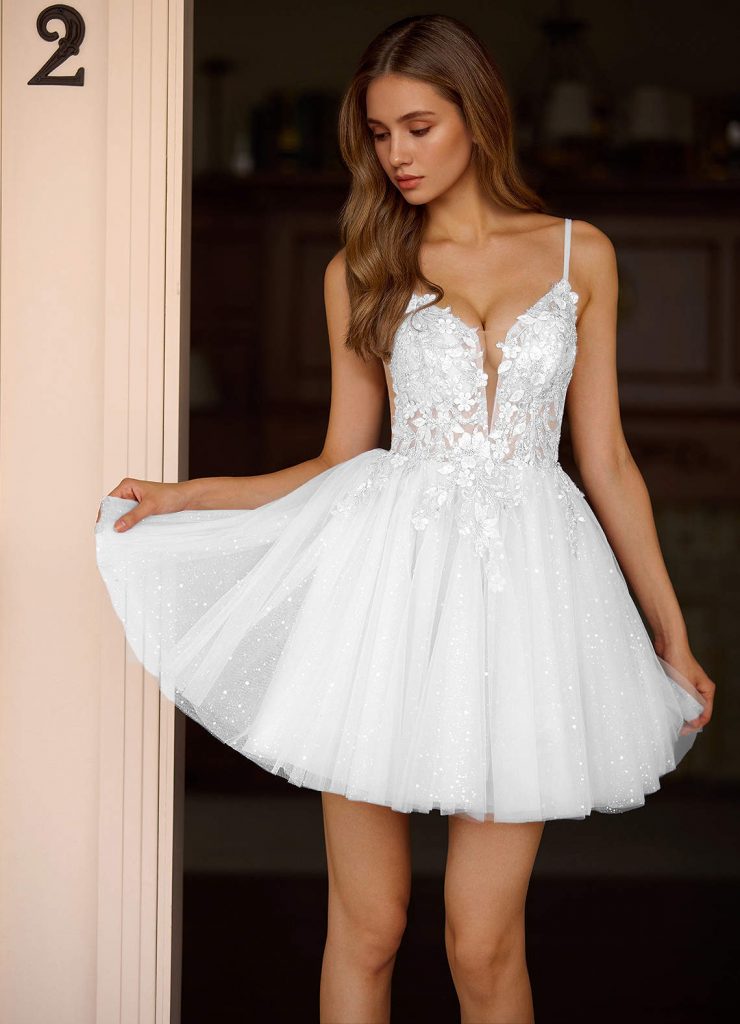
Not every beautiful prom silhouette is practical for a full night of dancing in summer heat. The best summer choices balance formal appearance with genuine freedom of movement.
A-Line: The Most Versatile Summer Choice
An a line prom dress gives you the most freedom on the dance floor while still looking fully formal. The flared skirt provides airflow and the fitted bodice stays secure without constricting. In chiffon or light tulle, it's a near-perfect summer prom silhouette.
Mermaid With Stretch Fabric
Mermaid prom dresses can work beautifully in summer — but only in stretch fabric. A stretch satin or jersey mermaid moves with your body and doesn't restrict movement the way structured mermaid styles do. Avoid stiff mermaid silhouettes; they limit stride and become exhausting to wear through an active night.
Flowy Tiered Skirt
Tiered chiffon or light tulle layers create their own ventilation as you move. This silhouette is particularly good for summer because the natural airflow keeps you cooler than a fitted or structured gown. It also photographs beautifully in outdoor summer settings.
Short or Midi Length
Short prom dresses are the most practical summer option for dancing. Less fabric means less heat, more mobility, and easier movement all night. A short or midi-length dress in chiffon or stretch fabric is an excellent choice if your priority is staying cool and comfortable.
Fit Security: Staying in Place While Dancing
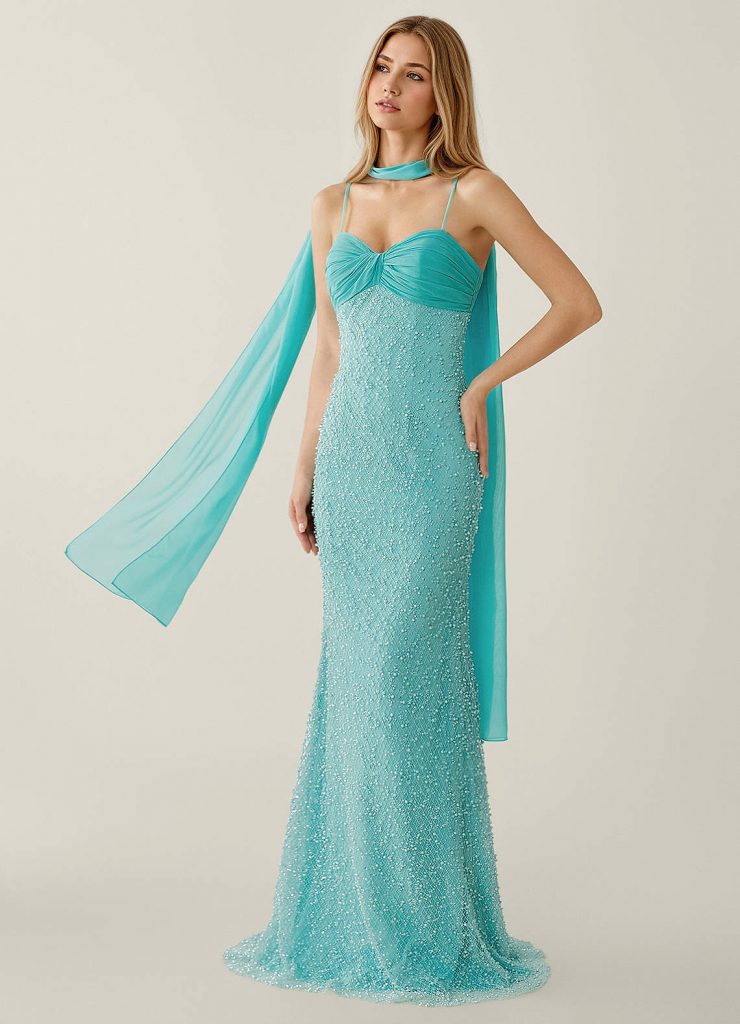
Heat adds a specific problem: sweat reduces grip between fabric and skin. A dress that fits perfectly at the start of the night can shift after an hour of dancing in summer conditions.
Features that improve fit security in summer:
- Built-in boning or corset structure — holds the bodice in position independently of friction
- Adjustable lace-up or tie back — allows you to re-secure throughout the night
- Stretch fabric — moves with your body rather than against it, reducing shifting
- Wider straps or a halter neckline — more secure than thin spaghetti straps in heat
- Sewn-in cups or bra support — eliminates the need for a separate bra that can shift
A corset prom dress is one of the most secure summer options. The structured boning holds the bodice in place regardless of movement or humidity, and many corset styles include adjustable lace-up closures that keep the fit consistent all night.
Necklines to be cautious with in summer:
- Thin spaghetti straps — can slip with sweat and movement
- Very low strapless — requires constant tension to stay up; tiring over a long night
- One-shoulder with no additional support — can rotate with sustained dancing
Summer Prom Colors: What Works in Heat and Daylight
Summer outdoor photos call for colors that photograph well in bright, warm light. Darker colors absorb heat; very light colors can wash out in direct sun without the right fabric texture.
Best summer prom color choices:
- White or ivory — crisp and cool-looking; photographs sharply outdoors
- Sky blue or powder blue — fresh, light, and flattering in natural light
- Coral or peach — vibrant and warm-toned; stands out beautifully in summer settings
- Blush or dusty rose — soft and luminous in outdoor conditions
- Bright turquoise or teal — bold and distinctive; photographs well against summer greenery
A white prom dress in a lightweight chiffon or stretch fabric is a standout summer choice — clean, cool-looking, and visually striking in both outdoor and indoor prom settings.
For a bolder statement, a green prom dress in a lighter shade like mint or sage feels fresh and season-appropriate while photographing beautifully against natural summer backgrounds.
Colors to approach carefully in summer:
- All-black in outdoor heat — absorbs warmth and can feel visually heavy in bright conditions
- Very deep jewel tones — stunning indoors but can read as autumn/winter in summer outdoor photos
Necklines That Stay Cool and Secure
The right neckline adds ventilation and confidence simultaneously. Summer prom rewards open, airy neckline choices.
| Neckline | Ventilation | Security | Summer Rating |
| Halter | Very Good | Very Good | ⭐⭐⭐⭐⭐ |
| V-neck | Very Good | Good | ⭐⭐⭐⭐⭐ |
| Off-the-shoulder | Good | Good with boning | ⭐⭐⭐⭐ |
| Sweetheart with boning | Good | Excellent | ⭐⭐⭐⭐ |
| Strapless | Excellent airflow | Moderate | ⭐⭐⭐ |
| High neck/choker | Poor | Good | ⭐⭐ |
A halter prom dress is one of the strongest summer neckline choices. It keeps shoulders and back open for ventilation, ties securely at the neck, and creates a clean, elegant formal silhouette that works beautifully for summer events.
Practical Summer Prom Prep: What to Plan Ahead
Before prom night:
- Test the dress for dance movement — sit, step, and raise arms to check range of motion
- Use fashion tape at the neckline and any areas prone to shifting
- Choose a sweat-wicking liner or seamless bodysuit underneath if needed
- Break in your shoes indoors before the event
Day-of tips for summer heat:
- Opt for a light, mattifying primer under makeup — helps it last in humidity
- Set makeup with a finishing spray designed for long wear
- Bring a small fan or cooling mist in your clutch for outdoor photo time
- Skip heavy foundation layers — they break down faster in summer conditions
What to bring:
- Fashion tape — for security throughout the night
- Blotting papers — for touch-ups without disrupting makeup
- Compact mirror — essential for any quick fixes
- Flat shoes or sandals for later in the night — heels plus heat plus dancing is a long ask
Summer Prom Look Quick Reference
| Element | Best Summer Choice | Alternative |
| Fabric | Chiffon | Stretch satin or jersey |
| Silhouette | A-line or flowy tiered | Short/midi with stretch |
| Neckline | Halter or V-neck | Sweetheart with boning |
| Color | White, sky blue, or coral | Blush or mint green |
| Fit feature | Corset or lace-up back | Built-in boning with wide straps |
| Shoes | Strappy block heel | Embellished flat sandal |
| Undergarment | Seamless bodysuit | Sewn-in cups with fashion tape |
Shop Summer Prom Styles at Azazie
Azazie offers over 200+ Azazie prom dresses in more than 90 colors and sizes 0–14. Every gown is made to order for a precise fit — which makes a real difference in summer when fit security matters most. From stretch satin mermaid styles to lightweight chiffon A-lines, the collection has strong options for every summer prom priority.
For guidance on caring for delicate formal fabrics after a warm, active night, the Smithsonian's garment and textile care resource offers practical advice on keeping special-occasion dresses in excellent condition.
Frequently Asked Questions
What is the coolest fabric for a summer prom dress?
Chiffon is the most breathable and heat-friendly formal fabric. It doesn't cling when you sweat, moves naturally with your body, and stays comfortable through hours of dancing. Lightweight stretch satin is a strong second choice for fitted styles.
How do I keep my prom dress from shifting while dancing?
Choose a dress with built-in boning, a corset lace-up back, or a halter neckline — all of which provide support independent of friction. Use fashion tape at any areas prone to moving. Stretch fabric also helps because it moves with you rather than against you.
Is a strapless dress a good choice for summer prom?
It can be, with preparation. Use fashion tape, choose a style with boning in the bodice, and avoid very low strapless cuts that require constant muscular tension to stay up. A sweetheart strapless with structured boning is the most secure strapless option for an active summer night.
Should I wear a long or short dress to summer prom?
Both work — it comes down to comfort and venue. Short dresses are cooler and easier to dance in. Long dresses look more traditionally formal and can feel more comfortable in an air-conditioned venue. A floor-length A-line in chiffon is a strong compromise: formal in appearance, lightweight in feel.
Spring Prom Dress Ideas for a Light, Airy, and Stylish Look
Spring prom dresses need to work in two environments: stunning outdoor photo settings and a climate-controlled venue. The best choices are lightweight fabrics that move beautifully in natural light, fresh colors that pop against green and floral backdrops, and silhouettes that stay comfortable as temperatures shift through the evening.
Why Spring Prom Has Unique Dress Requirements
Spring weather is unpredictable. It can be warm at 5pm and cool by 9pm. Your photos will likely be taken outdoors — in gardens, parks, or near blooming trees. And the venue inside will probably be air-conditioned.
A great spring prom dress handles all three situations without requiring a dramatic backup plan. Choose fabric and silhouette first, then build color and accessories around them.
Best Fabrics for Spring Prom Dresses
Spring calls for fabrics that feel light, move naturally, and photograph well in daylight. Heavy winter fabrics like velvet feel visually and physically wrong for the season.
| Fabric | Spring Suitability | Photography Quality | Temperature Flexibility |
| Chiffon | Excellent | Excellent — flows beautifully outdoors | Good — light but layerable |
| Tulle | Excellent | Excellent — catches light and wind | Good — volume adds warmth |
| Lace | Very Good | Very Good — texture reads well in sun | Good — depends on lining |
| Satin (lightweight) | Good | Good — catches light cleanly | Medium — can feel warm |
| Sequin mesh | Good | Excellent — sparkles in natural light | Medium — thin fabric |
| Flowy chiffon tiers | Excellent | Excellent — movement photographs well | Good |
Chiffon is the standout spring fabric. It's lightweight, breathes well, and creates natural movement that photographs beautifully outdoors. Layered chiffon tiers in soft colors are especially strong for spring prom.
Tulle is a close second. It provides structure and volume without weight, and the way it catches natural light is uniquely photogenic. A flowy prom dress in tiered chiffon or tulle is one of the most versatile and season-appropriate spring prom choices available.
Spring Prom Color Palette
Color is where spring prom really differentiates itself. The season rewards soft, fresh, and nature-inspired tones — colors that interact beautifully with outdoor settings, garden backdrops, and natural light.
Colors That Photograph Best Outdoors in Spring
Soft and fresh tones:
- Blush or dusty pink — timeless spring choice; glows in natural light
- Sky blue or powder blue — pairs perfectly with clear sky backgrounds
- Lavender or lilac — soft and romantic; works against green foliage
- Mint or sage green — fresh and nature-adjacent; underused and striking
- Champagne or soft ivory — neutral and luminous; works in any setting
Bold spring options:
- Coral or peach — warm and vibrant without being overwhelming
- Bright white — crisp and clean; photographs sharply in daylight
- Soft yellow — cheerful and distinctive; less common at prom, very impactful
A pink prom dress is consistently one of the most popular spring prom choices — and for good reason. Blush and dusty rose tones interact beautifully with garden settings, floral backdrops, and natural light at golden hour.
For something bolder, a yellow prom dress in a lightweight satin or chiffon fabric stands out in outdoor photos without competing with the natural setting around it.
Colors to Reconsider for Spring
- Deep burgundy or wine — reads as autumnal; feels heavy against spring backdrops
- Dark forest green — the same seasonal mismatch as burgundy in outdoor photos
- All-black — a strong indoor look but absorbs heat and can feel visually heavy outdoors
Best Silhouettes for Spring Prom
Silhouette affects both how you feel in changing temperatures and how the dress photographs outdoors. Some shapes work naturally with spring's visual environment; others fight it.
A-Line
The a line prom dress is the most universally flattering spring silhouette. It moves naturally, works in both indoor and outdoor settings, and photographs cleanly from every angle. In a light fabric and fresh color, it's a near-perfect spring prom choice.
Flowy and Tiered
A tiered skirt or flowing silhouette is uniquely photogenic outdoors. Wind movement creates natural, dynamic photos that stiff or structured gowns can't replicate. This silhouette also feels comfortable through temperature shifts — not too fitted, not too structured.
Mermaid
Mermaid prom dresses work for spring when made in lighter fabrics like lace or chiffon overlay. The fitted silhouette photographs beautifully and keeps the look formal. Avoid heavy satin mermaid styles — they can feel warm and stiff outdoors.
Ball Gown
A ball gown in tulle or layered chiffon is a standout spring prom choice. The volume creates dramatic outdoor photos and the lightweight fabric keeps you comfortable. Pair with an off-the-shoulder or sweetheart neckline for a fully seasonal look.
Handling Spring Temperature Swings
Spring evenings can drop 10–15 degrees after sunset. Planning for this in advance keeps you comfortable without ruining your look.
Best strategies for temperature flexibility:
- Choose a fabric that layers invisibly — a thin, seamless nude bodysuit underneath adds warmth without showing
- Bring a wrap, not a jacket — a satin, chiffon, or lace wrap matches the season and the formality level
- Go for a light cardigan in a matching or complementary color — keeps shoulders warm without bulk
- Opt for a dress with a built-in layer — lace overlay on a chiffon base adds coverage without weight
What to avoid:
- Heavy wool wraps or winter-weight coats — visually and physically wrong for spring
- Strapless with no backup plan — bare shoulders get cold quickly after the sun drops
- Fabrics that wrinkle badly in humidity — some linens and lightweight satins crease easily outdoors
Outdoor Photography Tips: Dress Choices That Shine
Spring prom photos are often the most beautiful of any season — but they require the right dress choices to capture well.
Dress features that photograph best outdoors:
- Movement — chiffon, tulle tiers, and flowy skirts create dynamic, natural-looking images
- Light color in bright conditions — pastels and whites glow in midday or golden hour light
- Floral or lace detail — catches light beautifully and adds visual texture in photos
- Off-the-shoulder or V-neckline — opens up the frame around the face and looks elegant outdoors
Features to be cautious with:
- Very shiny satin in direct sun — can over-reflect and create washed-out areas in photos
- All-dark colors in garden settings — can disappear against the background rather than pop
- Heavily structured stiff fabric — looks formal indoors but can read as awkward in natural outdoor settings
An off the shoulder prom dress in chiffon or lace is one of the strongest spring prom photography choices. The neckline frames the face, the fabric moves naturally, and the look works seamlessly from outdoor photos to the indoor dance floor.
Spring Prom Accessories
Spring accessories should feel fresh and considered — not heavy or overdone.
Jewelry:
- Delicate gold or rose gold pieces — warmer metals suit spring's palette better than silver
- Pearl studs or drop earrings — classic and season-appropriate
- Floral hair accessories — small, refined, not costume-like
Shoes:
- Strappy sandals in nude, blush, or metallic — elongate the leg and feel seasonally right
- Block heels for outdoor venues — grass and stone surfaces are easier in a stable heel
- Avoid very high stilettos for outdoor settings — they sink in soft ground
Hair:
- Soft half-up styles — face-framing without being too structured
- Loose romantic updo — practical for outdoor wind while still looking polished
- Floral pin or clip — subtle seasonal touch that photographs beautifully
Quick Spring Prom Look Builder
| Element | Best Spring Choice | Alternative |
| Fabric | Chiffon or tiered tulle | Lace with chiffon lining |
| Silhouette | A-line or flowy tiered | Ball gown in tulle |
| Color | Blush pink or sky blue | Champagne or soft yellow |
| Neckline | Off-the-shoulder or V-neck | Sweetheart |
| Wrap/cover-up | Chiffon or lace stole | Light fitted cardigan |
| Shoes | Strappy block heel | Nude pointed-toe pump |
| Jewelry | Delicate gold drops | Pearl earrings |
Shop Spring Prom Styles at Azazie
Azazie offers over 200+ Azazie prom dresses in more than 90 colors and sizes 0–14. Every dress is made to order for fit and confidence — which matters even more when you're navigating both outdoor photos and an all-night event. With styles spanning flowy chiffon tiers, lace A-lines, and light satin column gowns, there's a spring-ready option for every color preference and silhouette goal.
For guidance on understanding color choices and how they photograph in different lighting environments, Pantone's color and seasonal styling resource offers helpful visual context for spring palettes.
Frequently Asked Questions
What fabric is best for a spring prom dress?
Chiffon is the top choice — it's lightweight, breathes well, and moves beautifully in outdoor photos. Tulle is a strong second for volume and light-catching quality. Both handle temperature changes better than heavier structured fabrics.
What colors work best for spring prom photos outdoors?
Blush pink, sky blue, lavender, and champagne all photograph exceptionally well in natural light. They interact with garden and floral backdrops rather than competing with them. Bold choices like coral or bright white also stand out beautifully outdoors.
How do I stay warm at spring prom if it gets cool at night?
A chiffon or lace wrap is the most dress-friendly option. It adds warmth for outdoor moments without bulk or visual mismatch. A light cardigan in a matching color is a practical backup that keeps the formal look intact.
Is a strapless dress a good choice for spring prom?
It can be, especially with an outdoor photo plan. Just bring a wrap or light cover-up for when the temperature drops after sunset. Strapless silhouettes photograph beautifully outdoors and feel comfortable in warm spring conditions inside the venue.
Winter Prom Dresses: Warm, Elegant Options (Sleeves, Velvet, Layers)
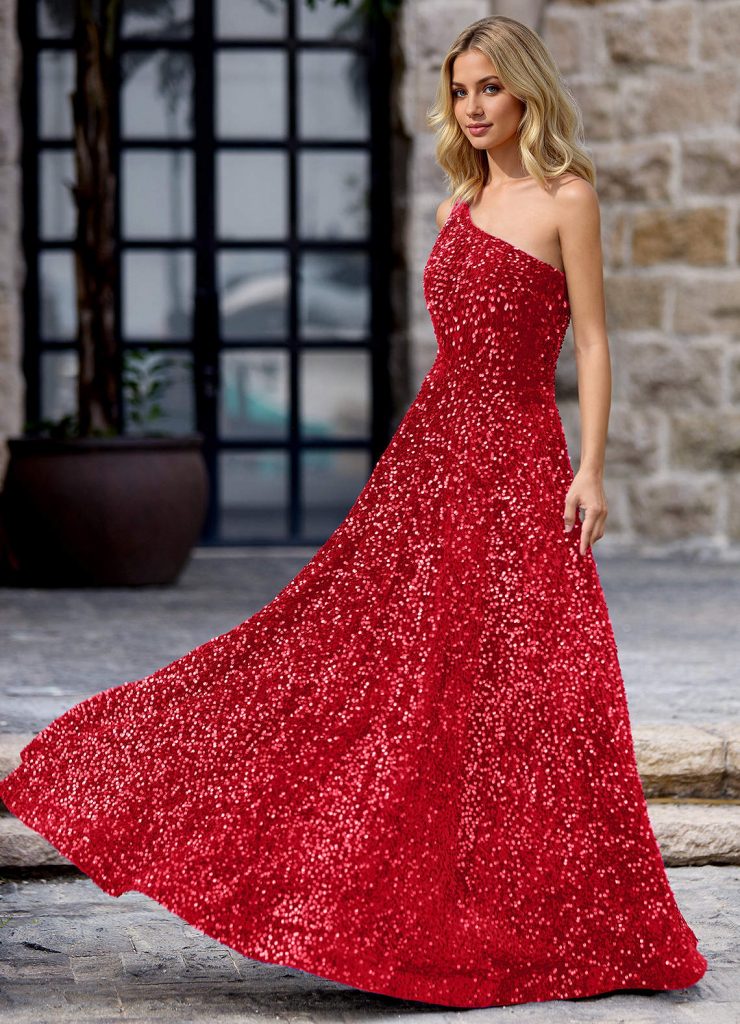
Winter prom dresses need to solve one specific problem: staying warm without adding bulk. The best approach is building warmth into the dress itself through sleeves, heavier fabric, or layered construction. Add the right outerwear on top and you stay comfortable from the car to the dance floor.
Why Winter Prom Dressing Is Different
Summer prom lets you ignore temperature entirely. Winter prom requires a plan. You need to think about three separate moments: arriving outside, being inside the venue, and leaving at night.
The smartest winter prom looks are warm by design, not warm by accident. That means choosing dress features that do the work before you even reach for a coat.
Best Fabrics for Winter Prom Dresses
Fabric choice is the single most effective warmth decision you can make. Some fabrics naturally hold heat; others look beautiful but leave you freezing.
| Fabric | Warmth Level | Best For |
| Velvet | High | Rich color, dramatic silhouettes |
| Satin (thick/heavy) | Medium-High | Sleek, formal looks |
| Lace over lining | Medium | Romantic, layered appearance |
| Sequin mesh | Medium | Glamorous; pairs well with a wrap |
| Chiffon (layered) | Low-Medium | Flowy looks; needs layering |
| Tulle (multi-layer) | Low-Medium | Ball gown volume; add sleeves |
Velvet is the standout winter prom fabric. It's inherently warm, photographs beautifully, and reads as deeply formal. A deep jewel-tone velvet gown doesn't need much additional warmth planning the fabric does the job.
A satin prom dress in a heavier weight is another strong winter choice. Satin feels luxurious against the skin and provides more warmth than lighter fabrics like chiffon or thin tulle.
Sleeve Styles That Keep You Warm Without Bulk
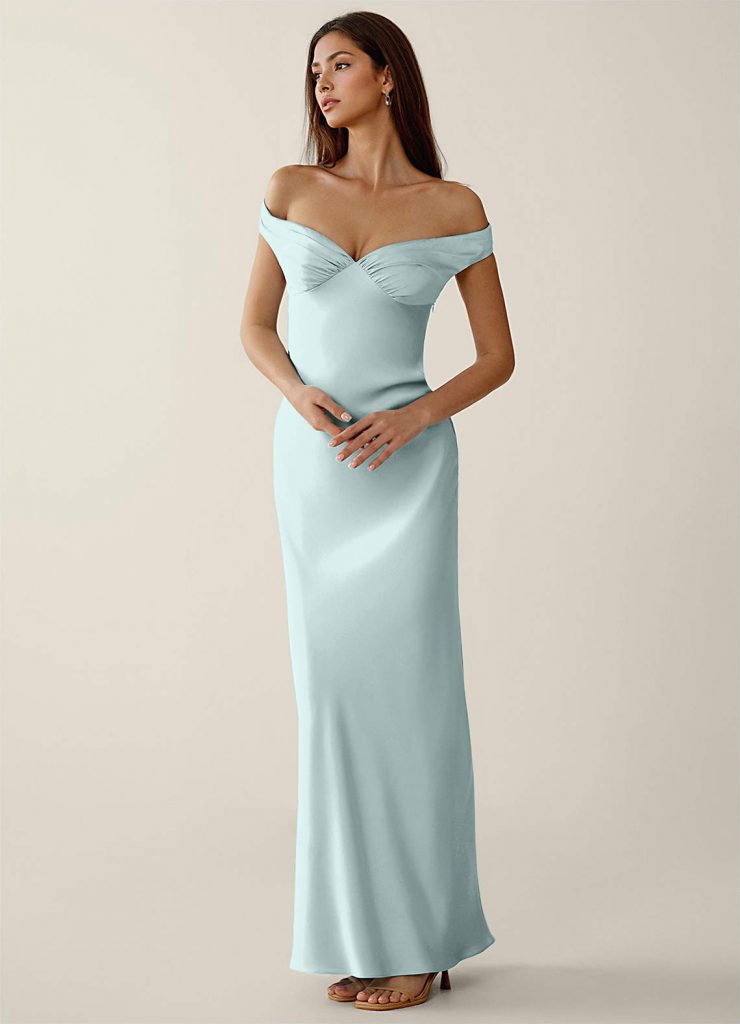
Adding sleeves to a prom gown is the most direct way to stay warm without changing your whole look. Not all sleeve styles add the same warmth or the same visual weight.
Long Sleeves
Full-length sleeves are the warmest option and look stunning on formal gowns. Sheer long sleeves add coverage without visual heaviness. Fitted lace long sleeves are a particularly elegant winter prom choice.
Three-Quarter Sleeves
Three-quarter sleeves cover the upper arm and most of the forearm the areas that get coldest first. They're less formal-looking than full sleeves but significantly warmer than sleeveless.
Flutter or Cap Sleeves
Flutter sleeves add minimal warmth but solve the bare-shoulder problem. They work well as a style element and pair easily with a wrap or stole for outdoor moments.
Off-the-Shoulder with Sleeve Coverage
An off the shoulder prom dress with fabric that covers the upper arms hits a unique balance elegant neckline, covered arms. It's one of the most flattering winter prom silhouettes available.
Best Silhouettes for Winter Prom
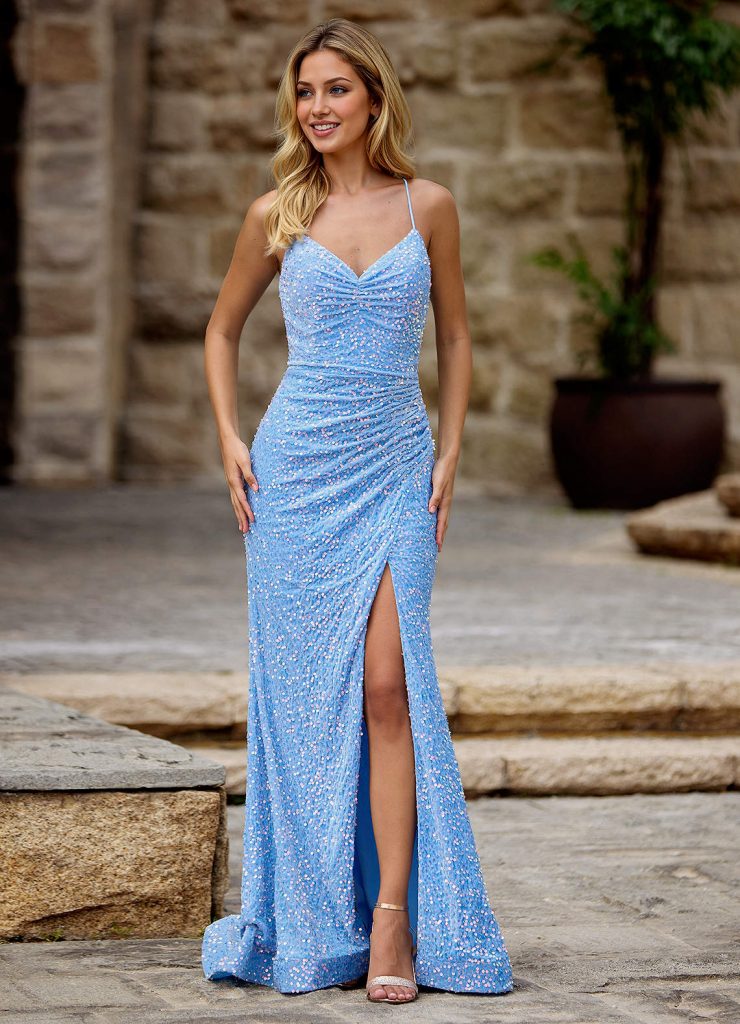
Some silhouettes work naturally with winter styling. Others fight against it.
Strong winter prom silhouettes:
- A-line floor-length coverage, works with any sleeve addition, universally flattering
- Ball gown the volume of the skirt adds warmth below the waist naturally
- Mermaid fitted construction traps body heat; works beautifully in velvet or satin
- Column/sheath sleek and warm when made in heavier fabric
Long prom dresses are the obvious winter choice; floor-length coverage keeps your legs warm all night without requiring anything extra. A ball gown prom dress in velvet or heavy satin is one of the most complete winter prom looks you can build.
Silhouettes to approach carefully in winter:
- Strapless without a wrap or cover-up you'll be cold the moment you step outside
- Mini length leaves the most skin exposed; harder to style warmly for a formal event
- Thin spaghetti-strap gowns beautiful indoors, impractical for winter arrivals
Winter Prom Color Palette
Winter prom rewards rich, deep, saturated color. Bright pastels and light neons feel seasonally off. Lean into the palette that winter naturally suggests.
Best winter prom colors:
- Deep burgundy rich, warm, and universally flattering
- Emerald or forest green bold and jewel-toned; perfect for velvet
- Navy or midnight blue classic and sophisticated
- Black timeless and works with every outerwear option
- Deep purple or plum dramatic and distinctly winter in feeling
- Champagne or gold warm-toned neutrals that photograph beautifully under winter lighting
A purple prom dress in velvet or lace is one of the most naturally winter-appropriate choices in any prom collection. The color and fabric combination feels intentional and seasonally right without any additional effort.
For a timeless winter look, a black prom dress in a heavier fabric satin, velvet, or lace-lined pairs with literally any outerwear color and accessory choice.
Layering Strategies: Stay Warm Without Ruining the Look
The challenge with winter prom outerwear is that most warm coats are bulky, casual, or simply wrong for a formal gown. Here's how to handle each layer of the night.
Outerwear Options (Best to Avoid)
| Outerwear Type | Formality | Warmth | Dress-Safe? |
| Faux fur stole or wrap | High | Medium | Yes |
| Satin or velvet wrap | High | Medium | Yes |
| Tailored wool coat | Medium-High | High | Yes keep it long |
| Long formal cape | High | Medium-High | Yes |
| Puffer jacket | Low | High | Avoid if possible |
| Chunky knit cardigan | Low | Medium | Too casual |
The practical rule: If you must wear a puffer or casual coat, carry it don't wear it over the gown for photos. Drape it over your shoulders for the walk to and from the car.
Wraps and Stoles
A faux fur or satin wrap is the most dress-friendly winter addition. It adds warmth for outdoor moments, photographs beautifully, and comes off cleanly inside without crushing the dress. Match the wrap to your gown color or choose a contrasting neutral.
Shawls
A long, flowing shawl adds coverage without adding structure. It works well with fitted silhouettes like mermaid or column gowns where a bulkier wrap would compete with the dress's lines.
Accessories for Winter Prom
Cold weather opens up accessory options that don't work in summer.
Winter-appropriate additions:
- Elegant gloves long satin or velvet gloves add warmth and old-Hollywood drama
- Embellished hair accessories updos with jeweled pins or combs look especially striking in winter
- Statement earrings with hair swept up or back, earrings become a focal point
- Closed-toe heeled shoes warmer than open sandals and fully appropriate for formal events
- Thin thermal underlayer a seamless, skin-tone bodysuit or slip underneath adds warmth invisibly
What to skip:
- Chunky scarves too casual for prom formality
- Visible thermals at the neckline or wrist undermines the elegant look
- Over-layering jewelry winter styling already has more visual texture from fabric
Complete Winter Prom Look: Quick Reference
| Element | Best Winter Choice | Alternative |
| Fabric | Velvet | Heavy satin or lined lace |
| Silhouette | A-line or ball gown | Mermaid in velvet |
| Sleeve | Long lace or three-quarter | Off-the-shoulder |
| Color | Deep burgundy or navy | Emerald or black |
| Outerwear | Faux fur stole | Tailored long wool coat |
| Shoes | Closed-toe heeled pump | Block heel boot |
| Hair | Updo | Half-up with accessories |
Shop Winter Prom Styles at Azazie
Azazie offers over 200+ Azazie prom dresses in more than 90 colors and sizes 0–14. Every gown is made to order so the fit is tailored to your measurements which matters even more in winter when you need a dress that moves and layers comfortably. From rich velvet silhouettes to long-sleeve lace gowns, the collection has strong options for every winter prom style direction.
For guidance on caring for velvet and satin formal wear after the event, the Textile Museum's fabric care resource offers reliable advice on keeping special-occasion gowns in excellent condition.
Frequently Asked Questions
Can I wear a strapless dress to winter prom?
Yes, but plan your outerwear in advance. A faux fur wrap or long tailored coat keeps you warm for arrivals and departures. Once you're inside, the strapless gown looks great just don't leave the outerwear question until the last minute.
What is the warmest fabric for a prom dress?
Velvet is the warmest formal fabric for prom. It holds heat, has a rich texture, and comes in deep jewel tones that suit winter perfectly. Heavy satin and lined lace are strong second choices.
Are long prom dresses warmer than short ones?
Yes, noticeably so. Floor-length coverage keeps your legs warm all night without needing tights or leggings underneath. It also allows more flexibility with shoe choice in cold weather.
What outerwear works over a ball gown without crushing it?
A long faux fur stole, a wide satin wrap, or a structured cape work best. They drape over the gown without flattening the skirt volume. Carry a practical coat separately for warmth during the actual walk outside.
Gothic Prom Dresses: Dark Romance Styling Without Going Overboard
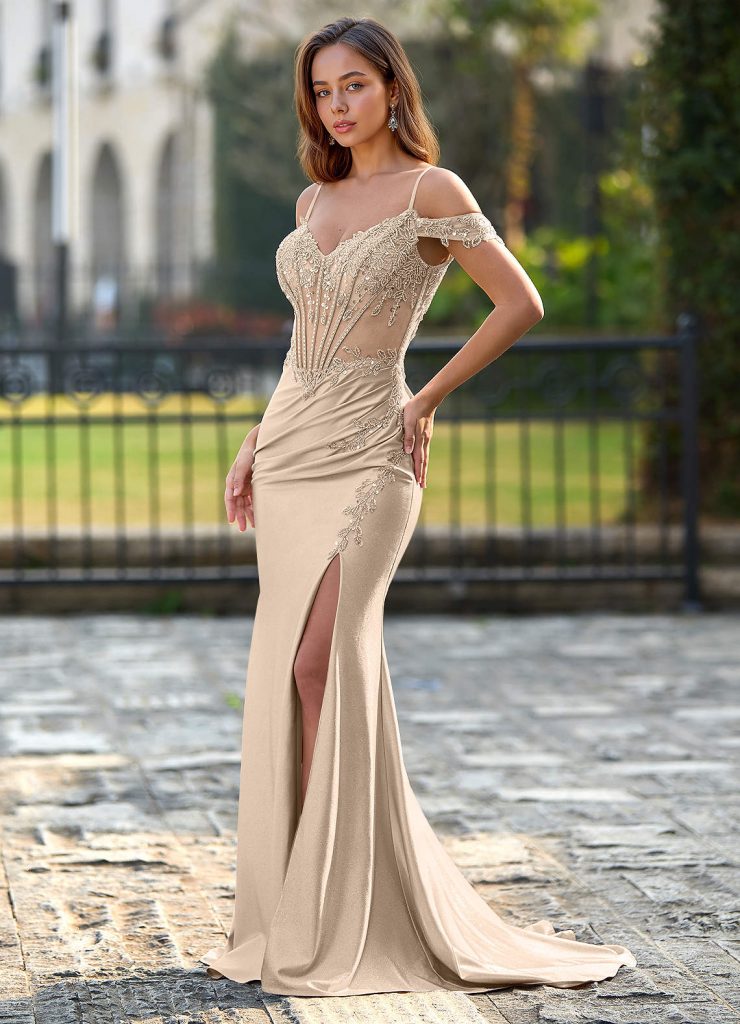
A gothic prom look is all about dark romance, think deep colors, rich fabrics, structured silhouettes, and moody detail. The key is choosing one strong gothic element and keeping everything else refined. A black lace mermaid gown or a deep burgundy corset dress with minimal accessories reads as elegant and intentional, not costume-like.
What "Gothic Prom" Actually Means in 2026
Gothic style at prom isn't about horror or Halloween. It's about dark glamour mystery, drama, and elegance through a darker lens.
Here's what reads as gothic-inspired at prom:
- Deep, rich color palette black, burgundy, deep plum, midnight navy, forest green
- Lace overlays especially black or dark lace over satin or mesh
- Corset bodices structured, form-fitting, and inherently dramatic
- Mermaid silhouettes sleek and darkly romantic in feel
- Sheer or illusion panels adds mystery without revealing too much
- Floral embroidery in dark tones roses, vines, or gothic florals on a dark base
And here's what tips it into costume territory best avoided:
- Fake blood, torn fabric, or horror-themed accessories
- Visible costume corset lacing over a casual dress
- Plastic or cheap-looking gothic jewelry piled on together
- Mixing too many dark elements at once without a clean base
One or two gothic details are enough. The dress should feel dramatic and beautiful not like you wandered in from a Halloween party.
Best Colors for a Gothic Prom Look
Color is the fastest way to establish a dark-romance mood. These shades work best:
| Color | Vibe | Best Pairing |
| Black | Classic, bold, timeless | Silver, gold, or deep red accessories |
| Deep Burgundy | Dark romance, rich warmth | Black lace detail, silver jewelry |
| Deep Plum / Purple | Moody and regal | Black or gold accents |
| Midnight Navy | Dark but not heavy | Silver rhinestones or pearl |
| Forest / Emerald Green | Mysterious and unexpected | Gold or black detail |
| Dusty Mauve / Blush | Softer gothic, gothic-lite | Black lace or dark floral trim |
A black prom dress is the most direct expression of gothic prom style. It's also one of the most universally flattering and easiest to style elegantly. Deep burgundy and plum are excellent alternatives if you want dark romance without going full black.
Best Silhouettes for Gothic Prom Style
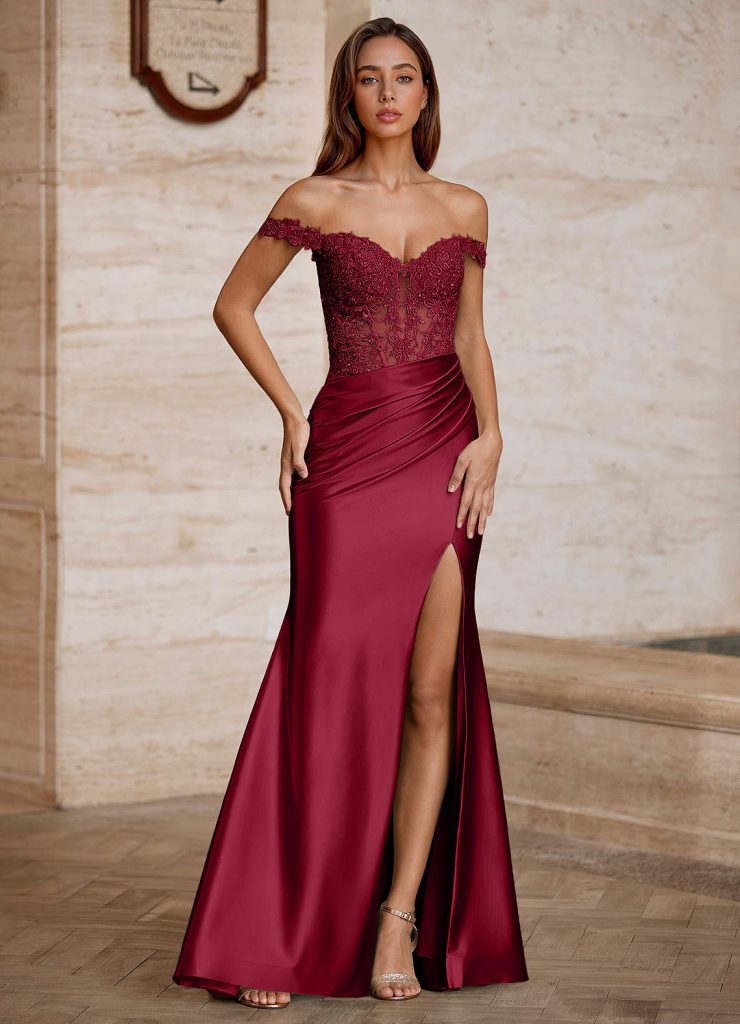
Mermaid
This is the most powerful gothic silhouette. Mermaid prom dresses hug the body with quiet intensity and flare dramatically at the hem. In black lace or deep satin, the effect is dark and stunning. Look for styles with sheer panels or lace overlay for extra gothic texture.
Corset Bodice
A corset prom dress with a structured boned bodice is central to the dark-romance aesthetic. It's dramatic, shapely, and inherently theatrical in the best possible way. Pair with a full or mermaid skirt in a dark fabric for a complete gothic look.
A-Line with Dark Florals
An a line prom dress in deep black or burgundy with floral embroidery or lace detail is a softer take on gothic style. It's flattering on most body types and allows more movement than a mermaid cut. This silhouette works especially well for gothic-lite looks.
Ball Gown
A ball gown prom dress in deep color is gothic royalty. The volume is dramatic and commanding. Keep the bodice structured and the fabric rich satin or lace to stay in dark-romance territory rather than costume.
Best Fabrics for a Gothic Prom Dress
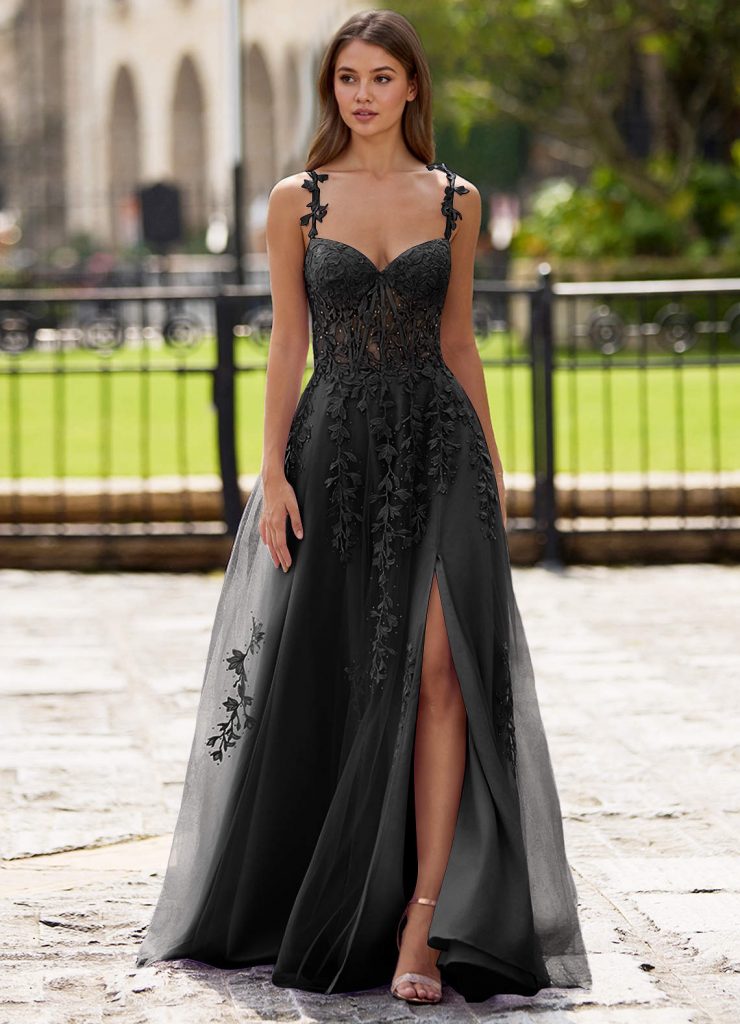
Fabric choice directly impacts how gothic or how costume-like your dress looks. Stick to these:
- Black lace the most authentically gothic fabric choice; pairs beautifully with satin underlining
- Stretch satin sleek and smooth, gives mermaid and corset styles serious drama
- Sheer mesh or illusion fabric adds mystery and depth, especially over a dark lining
- Tulle in dark tones softer and more ethereal, works well for gothic-lite looks
- Velvet-effect or structured fabric rich and heavy-feeling, ideal for corset bodices
Avoid bright sequins or shiny metallic fabric; they pull the look away from gothic elegance toward standard glam. If you want sparkle, go for subtle rhinestone embroidery rather than all-over shine.
Lace prom dresses in black or deep burgundy are the single strongest fabric statement for a gothic prom look. The texture adds visual depth that flat fabric simply can't replicate.
Gothic Styling: Accessories, Makeup & Hair
Jewelry
Keep it minimal and intentional. Gothic accessories should feel deliberate, not piled on.
- Silver over gold silver reads as cooler and more gothic; gold reads as warm and glamorous
- Dark gemstone pendants deep amethyst, garnet, or onyx stones
- Simple choker or delicate necklace not both at the same time
- Stud or small drop earrings with a heavily detailed dress; chandelier earrings with a simpler gown
- Avoid plastic, chunky, or novelty gothic jewelry it cheapens the entire look
Makeup
One bold element is the rule. Gothic makeup gets dramatic fast stay in elegant territory.
- Dark lip deep red, burgundy, plum, or near-black is the signature gothic prom move
- Smoky eye charcoal or black eyeshadow, blended and defined
- Pale or matte base a foundation slightly lighter than your natural tone adds to the aesthetic
- Do not combine a dark lip AND a heavy smoky eye pick one as the focal point
- Skin finish: matte or satin finish, never glittery
Hair
- Sleek, straight styles low ponytail, poker straight, or dramatic part
- Soft updo with loose pieces romantic and gothic without being too severe
- Deep, rich hair color if your hair is dark naturally, let it work for you
- Avoid overtly sweet or princess-style curls they conflict with the gothic mood
Shoes and Bag
- Black heeled sandals or ankle-strap heels in matte or satin finish
- Block heels are practical and period-appropriate for the dark-romance aesthetic
- Small structured clutch in black, deep burgundy, or matte silver
- Avoid rhinestone-covered bags with a heavily detailed dark dress
Gothic Prom Looks by Body Type
Petite Frames
A full gothic ball gown can overwhelm a smaller frame. Instead, opt for a sleek A-line or fitted mermaid in black lace. Short prom dresses in dark tones with lace or sheer overlay can also achieve a gothic-lite look while keeping proportions balanced.
Curvy & Hourglass Figures
A corset-back mermaid in black or burgundy satin is ideal here. The structured bodice defines the waist and the sleek skirt follows your natural shape. Look for stretch satin options; they move with you and stay smooth throughout the night.
Tall & Athletic Figures
Long, dramatic silhouettes look especially striking on taller frames. A floor-length black lace mermaid or a deep plum ball gown creates a serious presence. Add a sweetheart or off-the-shoulder neckline for feminine detail within the dark aesthetic.
Plus Size Figures
Empire waist or A-line silhouettes with lace overlay or dark floral embroidery are the most flattering and comfortable options. Azazie's plus size prom dresses include stretch options that look and feel luxurious while delivering real gothic drama through color and fabric choice.
Gothic Prom: Do This vs. Skip This
| Do This | Skip This |
| Choose one bold gothic element | Stack multiple costume-style details |
| Black, burgundy, or deep plum palette | Bright neons or pastels with gothic styling |
| Lace, satin, or sheer illusion fabric | Cheap plastic or novelty fabric |
| Matte or satin shoe finish | Over-embellished platform shoes |
| One statement makeup element | Heavy smoky eye AND dark lip together |
| Minimal, intentional jewelry | Piled-on chunky gothic accessories |
| Structured silhouette | Shapeless or unlined dark fabric |
The cleaner your overall look, the stronger your gothic element will read. Dark elegance is always more powerful than dark chaos.
For further inspiration on dark-romance fashion history and styling, Harper's Bazaar's fashion features regularly cover gothic and dark-glamour trends in formal wear.
Frequently Asked Questions
Is a black dress appropriate for prom?
Absolutely. A black mermaid prom dress or a structured black A-line is one of the most elegant and timeless choices you can make. Black at prom reads as sophisticated and confident when styled well.
What's the difference between gothic prom style and a Halloween costume?
Gothic prom style uses rich fabrics, tailored silhouettes, and refined accessories to create an elegant dark-romance look. A costume uses novelty elements: fake blood, literal cobwebs, horror imagery without the fashion foundation. If your dress is well-constructed and your accessories are minimal, you're in gothic-prom territory, not costume territory.
Can I do gothic style without wearing all black?
Yes and it often looks even better. Deep burgundy, forest green, or midnight navy all deliver gothic mood with more visual depth than pure black. Try a purple prom dress in a deep plum tone with black lace detail for a sophisticated dark-romance look.
What shoes work best with a gothic prom dress?
Black strappy heels, ankle-strap styles, or matte block heels all work well. Keep the shoe simple and the finish matte or satin rather than sparkly. The dress should always be the focal point shoes are supporting cast.
Western Prom Dresses: Cowgirl-Inspired Looks That Still Feel Dressy
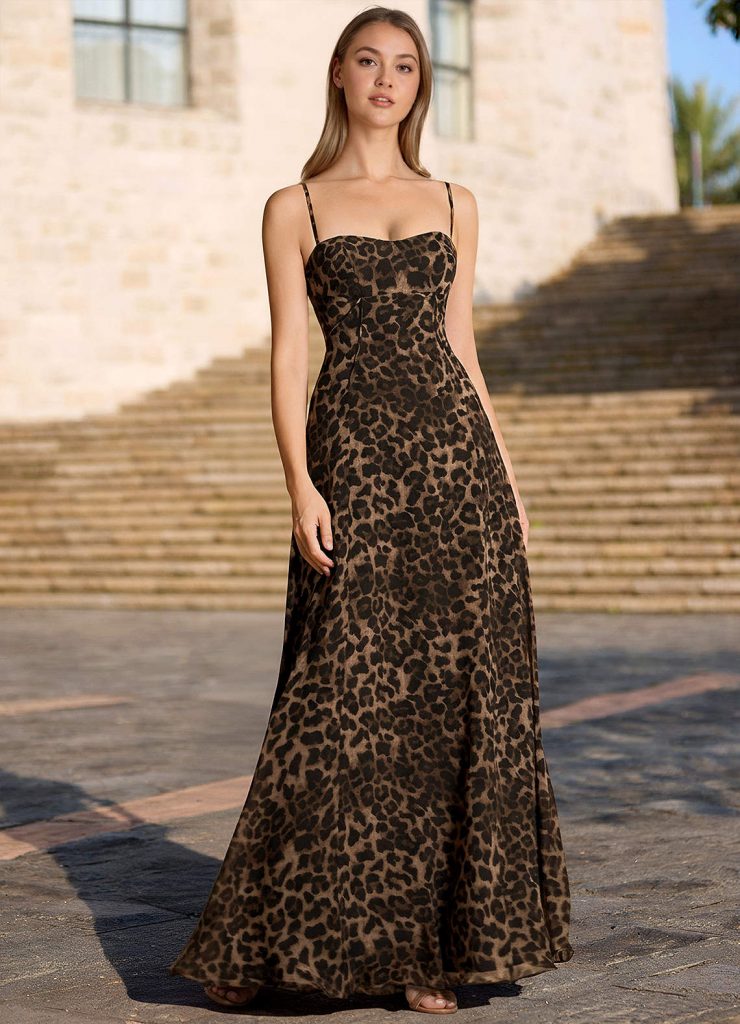
Western prom dresses work best when the theme shows up in details, not head-to-toe costume. The right silhouette keeps the look formal while fringe, lace, or earthy tones nod to the aesthetic. Think Yellowstone-inspired elegance: structured, confident, and intentionally styled.
Western vs. Cowgirl vs. Country: Know the Difference
These three themes feel related but point in different directions. Getting clarity on which one you're going for makes the dress decision much easier.
| Theme | Focus | Vibe |
| Western | Cultural aesthetic; Yellowstone-era elegance | Bold, dramatic, cinematic |
| Cowgirl | Specific pieces: boots, hat, fringe details | Playful, character-driven |
| Country | Rustic venue: barn, outdoor setting | Soft, natural, relaxed |
This article focuses on Western, a formal, elevated interpretation of the aesthetic. The goal is a look that could appear at a high-end ranch gala, not a rodeo.
The Core Challenge: Formal First, Western Second
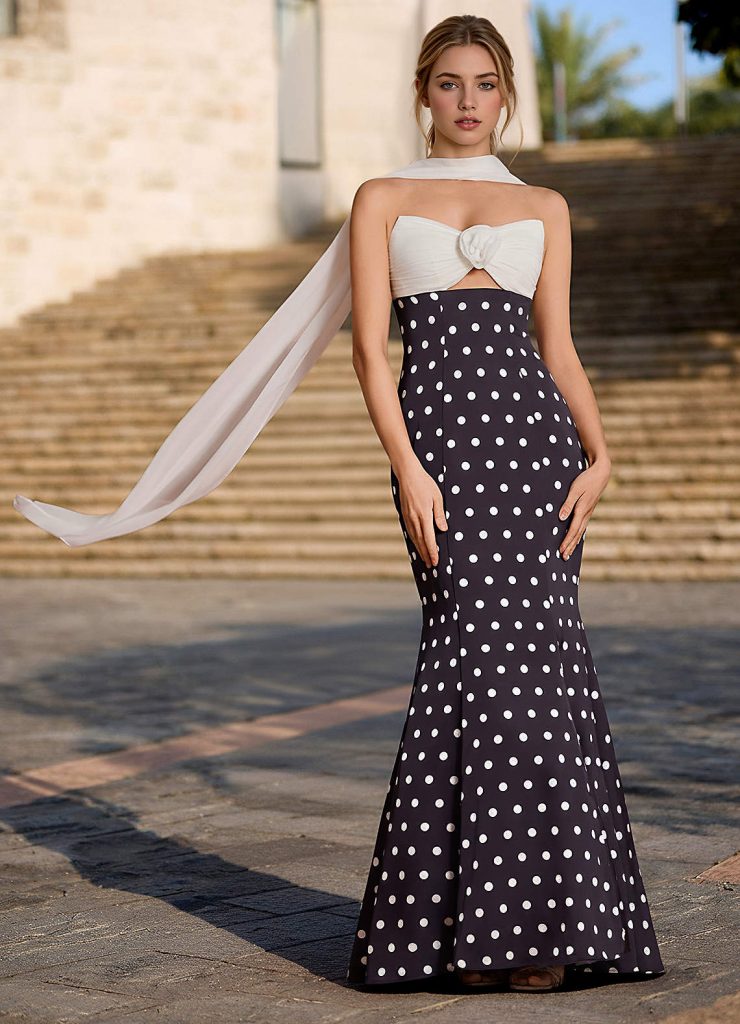
The biggest mistake with western prom dresses is letting the theme overpower the formality. Prom still requires a dress that reads as occasion wear. Western styling should layer on top never replace the formal foundation.
The rule: If you removed every western detail, would the dress still work for prom? If yes, you've nailed the balance.
Best Silhouettes for Western Prom Dresses
Silhouette sets the formality level. Western themes work with almost any classic prom shape you just need to choose one that allows space for themed accessories or details.
A-Line
The a line prom dress is the strongest western prom choice. It's structured, floor-length, and flattering on every figure. The flared skirt also has enough visual weight to carry cowboy boots without looking unbalanced.
Mermaid
A fitted mermaid silhouette adds drama and works especially well with a lace or embroidered bodice. It reads as high-fashion western think editorial ranch shoot rather than costume. Pair with simple accessories to let the gown lead.
Ball Gown
A ball gown prom dress in ivory, champagne, or rust creates a sweeping, theatrical western look. It photographs beautifully against outdoor or rustic backdrops. Keep the styling minimal the volume does the work.
Flowy
A flowy prom dress in chiffon or soft tulle captures the open-landscape, windswept quality of western aesthetics. It's more relaxed than mermaid or ball gown but still fully formal when styled correctly.
Western Color Palette for Prom
Color is one of the easiest ways to signal the western theme without going costume. Stick to earthy, rich, or sun-washed tones.
Strongest western color choices:
- Rust / terracotta the most distinctly western color; warm and striking
- Champagne or ivory soft and sun-bleached; pairs beautifully with fringe or lace
- Dusty sage or olive green muted, natural, and editorial
- Deep burgundy rich and dramatic; works for a more formal western aesthetic
- Brown or caramel earthy and grounded; less common at prom, more impactful for it
- Dusty blue calls back to denim and wide sky tones without being too casual
Colors to avoid for western theme:
- Bright neons or pastels they pull the look away from the aesthetic entirely
- Hot pink or cobalt too contemporary to read as western
A champagne or ivory lace prom dresses style hits the western theme almost automatically; the textile has deep roots in frontier and prairie fashion history.
Fabrics and Details That Read as Western
Fabric and surface detail carry the western signal more subtly than any accessory. Choose textures that feel warm, handcrafted, or natural.
Best fabrics for western prom:
- Lace the single most effective western fabric; delicate but rooted in frontier aesthetics
- Satin in matte or light sheen warm and elegant without looking too urban
- Chiffon with layered tiers creates soft, landscape-inspired movement
- Embroidered fabric floral or vine embroidery evokes hand-stitched western craft
- Ruffled fabric ruffle prom dress styles carry a prairie-romantic energy that reads as western without trying too hard
Details that add western character:
- Corset lacing down the back structured and western simultaneously
- Floral embroidery at the bodice or hem
- Tiered skirt construction
- Off-the-shoulder or sweetheart neckline
Necklines That Work With the Western Aesthetic
Some necklines carry more western character than others. The right choice reinforces the theme while keeping the look fully formal.
| Neckline | Western Feel | Notes |
| Sweetheart | High romantic and frontier-inspired | Works especially well with lace bodices |
| Off-the-shoulder | High expressive and vintage-western | Pairs well with ruffles or embroidery |
| V-neck | Medium strong and confident | Works with mermaid or A-line |
| Halter | Medium structured and bold | More contemporary western |
| Square neck | Medium prairie-inspired and clean | Suits A-line or ball gown shapes |
An off the shoulder prom dress in ivory lace or champagne fabric is one of the most naturally western-looking prom dress choices available; it requires almost no additional styling to land the theme.
Western Prom Accessories: Where the Theme Lives
For western prom, accessories carry the theme more than any other element. Get these right and a standard formal gown becomes a fully styled western look.
Boots vs. Heels
Cowboy boots are the most obvious western accessory and they work beautifully with the right dress.
- Best with: A-line, ball gown, and flowy silhouettes
- Boot height: Mid-calf or ankle; avoid knee-high under floor-length gowns
- Boot finish: Embroidered leather, cognac, ivory, or black
- Not recommended with: Tight mermaid silhouettes the proportions don't balance
If boots feel too much, block-heel western-inspired sandals or simple pointed-toe heels in cognac or tan still nod to the theme with less statement.
Jewelry
Western jewelry signals:
- Turquoise stone accents classic and immediately western
- Silver concho or hammered metal pieces
- Simple drop earrings with stone or bead detail
- Thin leather or braided bracelet instead of fine chain
Skip: Rhinestone chandelier earrings, heavy crystal necklaces they pull toward glam rather than western.
Hair and Beauty
Western-inspired prom hair:
- Loose romantic braids side braid, crown braid, or braided half-up
- Soft wavy blowout with a side part
- Textured low bun with face-framing pieces
- Subtle hair accessories: turquoise pin, small floral clip, thin ribbon
Makeup approach:
- Warm, sun-kissed tones bronzed skin, peachy lip, neutral eye
- Avoid overly dramatic or editorial beauty looks keep it warm and natural
Full Western Prom Look: Quick Build Guide
| Element | Best Western Choice | Alternative |
| Silhouette | A-line | Ball gown or flowy |
| Fabric | Lace | Embroidered chiffon |
| Color | Champagne or rust | Dusty sage or ivory |
| Neckline | Off-the-shoulder or sweetheart | V-neck |
| Shoes | Embroidered cowboy boots | Cognac block heel |
| Jewelry | Turquoise or silver | Simple stone drop earrings |
| Hair | Loose braid or textured waves | Low bun with face pieces |
| Makeup | Warm bronze, peachy lip | Natural nude with defined brow |
What to Avoid: Crossing From Dressy to Costume
The line between western-inspired and Halloween costume is real. Here's what keeps you on the right side of it.
Avoid these combinations:
- Full fringe gown + cowboy hat + bandana too many signals at once
- Plaid fabric reads as casual, not formal
- Denim material or denim-adjacent textures not occasion wear
- Oversized belt buckle over a formal gown costume territory
- Brown suede or faux-suede fabric too casual for prom formality
The rule of three: Choose no more than three western signals in your total look. One in the dress, one in the shoes, one in the jewelry is enough. Beyond that, the look tips into costume.
Shop Western Prom Styles at Azazie
Azazie offers over 200+ Azazie prom dresses in more than 90 colors and sizes 0–14. Every dress is made to order for fit and comfort so you can find the lace A-line or champagne ball gown that anchors your western look perfectly. With styles ranging from embroidered detail to corset lacing and ruffled tiers, the western aesthetic is easier to build than you might think.
For guidance on what's appropriate at formal events, Vogue's how to dress for formal occasions offers helpful context on balancing themed looks with occasion-appropriate formality.
Frequently Asked Questions
Can I wear cowboy boots to western prom?
Yes boots work beautifully with A-line, ball gown, and flowy silhouettes. Choose embroidered or cognac leather styles and make sure the hem length works with your boot height. Avoid pairing boots with a tight mermaid gown the proportions compete.
What's the difference between western prom and country prom?
Western prom leans into cultural aesthetics, think Yellowstone-era drama, rich earth tones, and cinematic styling. Country prom focuses more on the venue, a barn or outdoor rustic setting and tends toward softer, more relaxed styling choices.
What color works best for a western prom dress?
Rust, champagne, ivory, and dusty sage are the strongest western color choices. They read as earthy and intentional without requiring extra western accessories to land the theme.
Is lace a good fabric for western prom?
Lace is one of the best fabrics for this aesthetic. It has deep roots in frontier and prairie fashion, reads as formal at any prom, and pairs naturally with western accessories like boots and turquoise jewelry.
How to Pair Beauty Looks with Old Hollywood Prom Dresses
Old Hollywood glamour is built on three things: a floor-length silhouette, luxurious fabric, and flawless beauty. For prom, this aesthetic translates easily; you just need to know which shapes, colors, and details carry that vintage red-carpet feeling. The goal is polished, timeless, and intentional from head to toe.
What Makes a Dress Look "Old Hollywood"
Not every formal gown reads as Old Hollywood. The style has specific visual signals that separate it from general glamour.
Core elements of the Old Hollywood aesthetic:
- Floor-length hemline always long, never short
- Body-skimming or fitted silhouette through the torso
- Luxurious fabric: satin, charmeuse, velvet, or beaded detail
- Minimal or strategic embellishment elegant, not overdone
- Classic color palette: black, white, ivory, gold, deep red, silver
A satin prom dress in a deep, rich color hits nearly every point on this list instantly. Satin mimics the liquid, light-catching quality of vintage Hollywood gowns perfectly.
Best Silhouettes for Old Hollywood Prom Dresses
Silhouette is the single most important choice for this aesthetic. Old Hollywood is about elongated, sculpted lines not volume or puff.
Mermaid
The mermaid silhouette is the most iconic Old Hollywood shape. It hugs the body from bust to knee, then flares dramatically at the hem. It creates the long, sweeping red-carpet look that defines this era.
Mermaid prom dresses in satin or sequin fabric are the closest thing to a classic Hollywood gown available today. This silhouette works best for hourglass and pear body types.
Column / Sheath
A column gown falls straight from shoulder to hem with minimal shaping. It reads as modern Old Hollywood clean, architectural, confident. Pair it with a bold lip and sleek hair for maximum impact.
A-Line With Drama
An a line prom dress works for Old Hollywood when the fabric is luxurious and the neckline is classic. Avoid overly puffy skirts and keep the flare soft and controlled.
Silhouette Comparison Table
| Silhouette | Old Hollywood Vibe | Best For |
| Mermaid | Most authentic; classic red-carpet shape | Hourglass, pear figures |
| Column/Sheath | Modern vintage; sleek and editorial | Tall, lean figures |
| A-line (soft flare) | Romantic Hollywood; graceful movement | All body types |
| Ball gown | Grand and theatrical; less common for this era | Bold fashion statements |
Colors That Define the Old Hollywood Palette
Color choice signals the era immediately. Bright neons or pastels pull the look away from vintage glamour. Stick to the classic palette.
Primary Old Hollywood colors:
- Black the ultimate vintage Hollywood choice; pairs with red lip and diamonds
- Ivory or champagne soft, luminous, and timeless on screen and in person
- Deep red Marilyn Monroe energy; bold and unforgettable
- Gold captures old cinema's warmth and light-catching magic
- Silver or platinum cooler, more editorial take on classic glamour
A red prom dress in a mermaid or column silhouette is one of the most recognizable Old Hollywood looks you can create for prom. Pair it with minimal accessories and a classic beauty look for full effect.
For a softer take, a gold prom dress in satin or sequin fabric brings the warmth of vintage cinema to your prom night beautifully.
Fabrics That Carry Old Hollywood Glamour
The right fabric makes an average silhouette look expensive. The wrong fabric flattens even the best shape.
Best fabrics for this aesthetic:
- Satin liquid, luminous, and the most historically accurate choice
- Sequin catches light like early cinema; wear as a full gown, not just an accent
- Velvet rich and dramatic; works especially well in deep jewel tones
- Beaded fabric calls back to 1920s–1930s Hollywood; intricate and editorial
- Lace softer, more romantic; works for the Grace Kelly side of Old Hollywood
Fabrics to avoid:
- Stiff taffeta too prom-generic, not vintage-cinematic
- Heavy tulle ball gown layers volume reads as fairytale, not Hollywood
- Sheer fabrics without substantial lining lacks the luxurious weight the era is known for
Necklines That Feel Authentically Vintage
Necklines matter as much as silhouette for this aesthetic. Old Hollywood favored elegant, deliberate neckline choices.
Best necklines:
- Cowl neck draped, goddess-like, and deeply vintage in feel
- V-neck elongates the neck and chest; clean and classic
- Off-the-shoulder romantic and theatrical; a true red-carpet choice
- Halter appears in many iconic Hollywood gowns; sleek and strong
- Sweetheart softer and feminine; balances a fitted body-skimming silhouette
An off the shoulder prom dress is one of the strongest Old Hollywood neckline choices. It frames the shoulders elegantly and gives the look genuine vintage-cinema weight.
Beauty Pairings: Hair & Makeup for Old Hollywood
The dress is only half the look. Old Hollywood beauty is specific and getting it right ties everything together.
Hair
Classic Old Hollywood hairstyles:
- Hollywood waves deep, sculpted waves worn to one side; the most iconic choice
- Chignon or low bun polished and timeless; pairs beautifully with a cowl or V-neck
- Pin-up curls tighter, more theatrical; works with off-the-shoulder necklines
- Sleek low ponytail modern take on vintage; works for column gowns
What to avoid: Overly casual beachy waves, messy updos, or heavily teased volume these read as contemporary, not vintage.
Makeup
| Feature | Old Hollywood Look |
| Lips | Classic red or deep berry; always defined |
| Skin | Matte, flawless base; porcelain or luminous finish |
| Eyes | Winged liner, false lashes, or subtle smoky shadow |
| Brows | Defined, arched, brushed up and set |
| Cheeks | Soft contour; minimal blush, no heavy bronzer |
The cardinal rule: Bold lip OR bold eye not both. Old Hollywood beauty is about restraint and precision, not maximalism.
Accessory Pairings That Complete the Era
Old Hollywood accessories are minimal but deliberate. Every piece should feel chosen, not collected.
Jewelry choices:
- Diamond or crystal drop earrings chandelier style or simple studs
- Long strand pearl necklace authentic to the era and endlessly elegant
- A single cuff or bangle instead of a stack of bracelets
- Simple ring, no stacked knuckle jewelry
What to skip:
- Chunky or neon statement pieces
- Layered necklace combinations
- Oversized hoop earrings they read as contemporary, not classic
Bag: A small satin or beaded clutch in black, gold, or silver. Avoid casual crossbody straps or oversized bags.
Shoes: Strappy heeled sandals or classic pointed-toe heels in nude, black, gold, or matching the gown. Keep them simple the dress leads.
Build Your Full Old Hollywood Look: Quick Reference
| Element | Top Choice | Alternative |
| Silhouette | Mermaid | Column/sheath |
| Fabric | Satin | Sequin or velvet |
| Color | Black | Deep red or gold |
| Neckline | Cowl or V-neck | Off-the-shoulder |
| Hair | Hollywood waves | Low chignon |
| Lip | Classic red | Deep berry or nude |
| Jewelry | Crystal drops | Pearl strand |
Shop Old Hollywood Prom Styles at Azazie
Azazie offers over 200+ Azazie prom dresses in more than 90 colors and sizes 0–14. Every gown is made to order, so you get a fit that actually matches your body, not a sample rack compromise. For Old Hollywood glamour, start with silhouette and fabric, then build the rest of the look around those two decisions.
For fabric care tips on satin and delicate formal fabrics, the Smithsonian's textile care guidelines offer trustworthy guidance on keeping special-occasion gowns in excellent condition.
Frequently Asked Questions
What silhouette is most Old Hollywood for prom?
The mermaid silhouette is the most authentic choice. It creates the long, body-skimming red-carpet shape that defined vintage Hollywood glamour. Satin fabric makes it even more accurate to the era.
Can I wear Old Hollywood style if I'm petite?
Yes. A column or soft A-line silhouette works beautifully for petite figures. Avoid heavy volume at the hem, stick to sleek, elongating lines and heels that match your gown color.
What color best captures Old Hollywood?
Black is the most timeless and versatile. Deep red and gold are strong alternatives that carry the same vintage-cinema energy with a warmer, more dramatic feel.
Do I need expensive jewelry for this look?
Not at all. Simple crystal or pearl pieces from any price range work. Old Hollywood is about deliberate choices and clean styling, not how much you spend on accessories.