
Semi-Formal Wedding Guest Dresses: How to Look Elevated
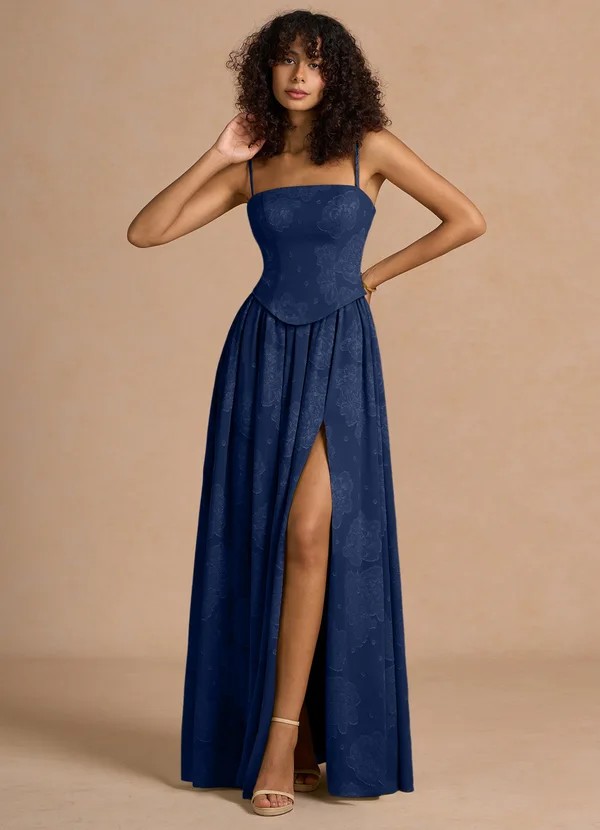
Semi-formal wedding attire means polished, elevated dresses that balance sophistication with approachability. Choose knee-to-midi lengths in quality fabrics like chiffon, satin, or crepe with refined accessories. This dress code sits between cocktail and formal, giving you flexibility while maintaining wedding-appropriate elegance.
Defining Semi-Formal Wedding Attire
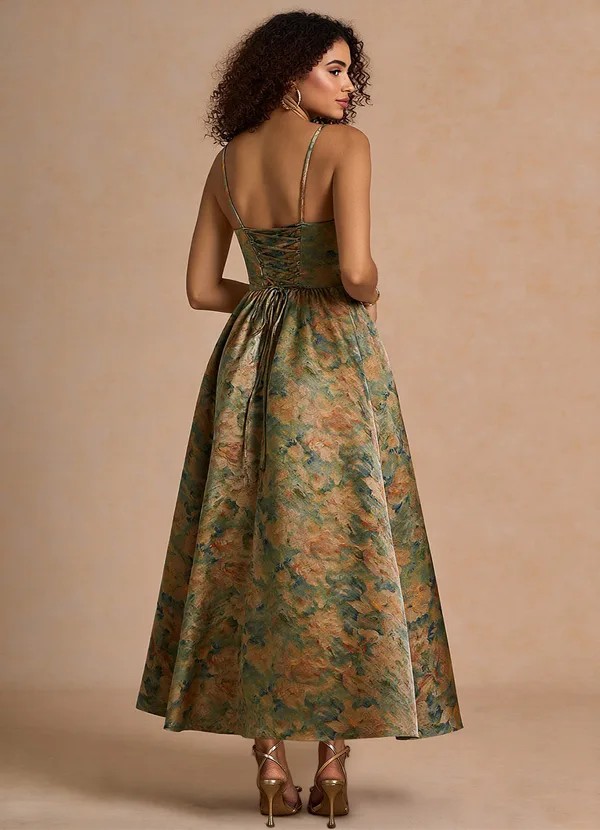
Semi-formal represents the sweet spot between casual and formal dress codes. It requires polish and intention without demanding floor-length gowns or excessive formality.
What semi-formal means:
- Polished party dresses, not casual daywear
- Knee-length to midi hemlines preferred
- Quality fabrics with some structure
- Refined but not overly ornate styling
- More relaxed than formal, more elevated than casual
- Appropriate for afternoon and evening events
Semi-formal invitations might also read “dressy casual” or simply “semi-formal attire.” All indicate the same level of dressing—elevated and intentional but not strictly formal.
Semi-Formal vs Other Dress Codes
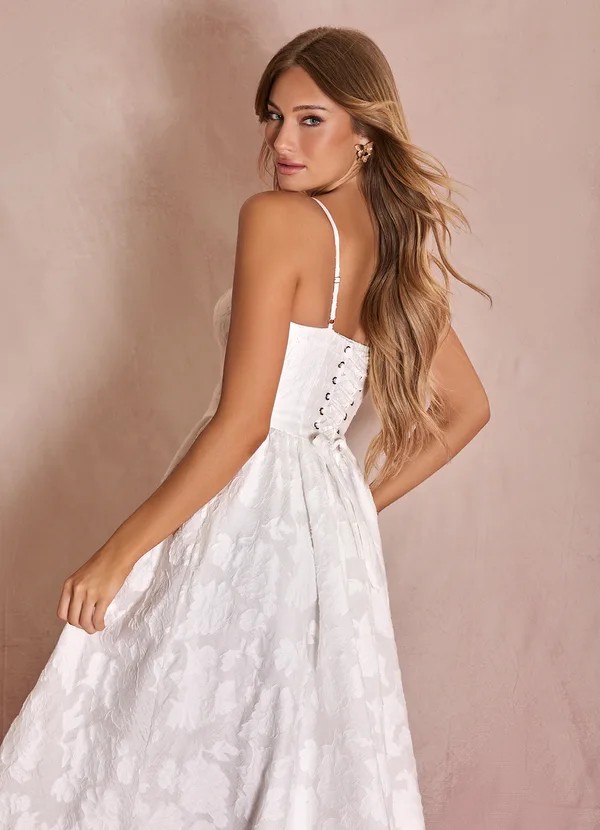
Understanding where semi-formal falls helps you dress appropriately.
Semi-formal vs formal: Formal events expect floor-length gowns or very sophisticated midi styles in luxurious fabrics. Semi-formal accepts shorter lengths and slightly more relaxed styling while still requiring polish.
Semi-formal vs cocktail: These terms often overlap significantly. Both accept similar lengths and styling. Cocktail might lean slightly more party-forward, while semi-formal emphasizes refined elegance.
Semi-formal vs casual: Casual allows sundresses, casual fabrics, and relaxed styling. Semi-formal requires deliberate elevation through fabric choice, silhouette, and accessories.
When selecting semi formal wedding guest dresses, aim for polished elegance without excessive formality.
Perfect Length Guidelines
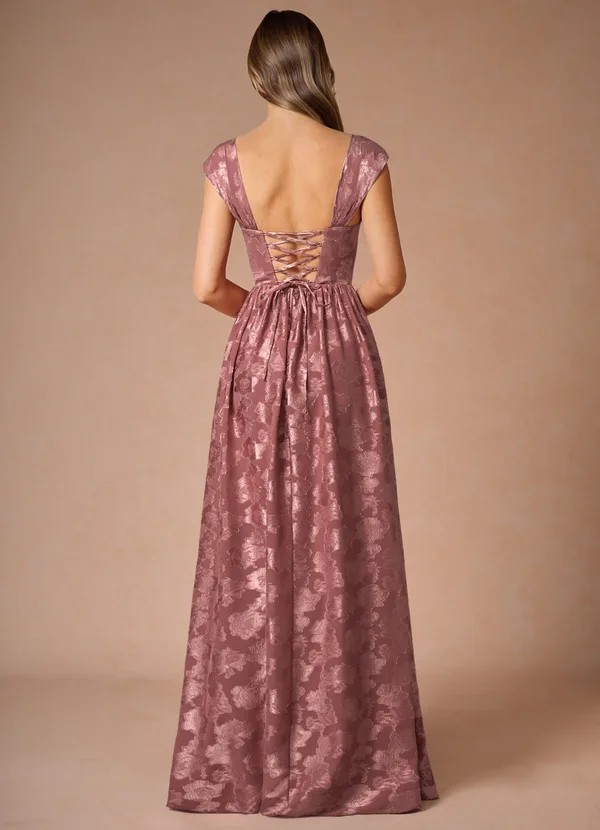
Length choice significantly impacts how elevated your look appears.
Knee-Length Styles
At or just above the knee creates classic semi-formal proportions. This length feels universally appropriate and works across venues and seasons. Knee-length offers comfort for movement while maintaining polish.
Benefits:
- Versatile across different wedding settings
- Comfortable for dancing and sitting
- Works with various shoe styles
- Photographs well from all angles
- Easy to accessorize up or down
Midi-Length Options
Mid-calf to tea-length brings additional sophistication while staying within semi-formal parameters. Midi lengths work particularly well for religious venues, garden settings, or when you prefer more coverage.
When midi excels:
- Outdoor or garden ceremonies
- Traditional or religious venues
- Fall and winter events
- Personal preference for coverage
- Vintage or classic aesthetics
What to Avoid
Floor-length gowns typically exceed semi-formal requirements. These belong at formal or black-tie events unless you’re certain the venue calls for extra elegance.
Very short mini dresses that hit mid-thigh look too casual for semi-formal standards. Keep hemlines at or slightly above the knee for appropriate elevation.
Casual sundresses in lightweight cotton or jersey don’t meet semi-formal standards regardless of length.
Fabric Selection for Elevated Appeal
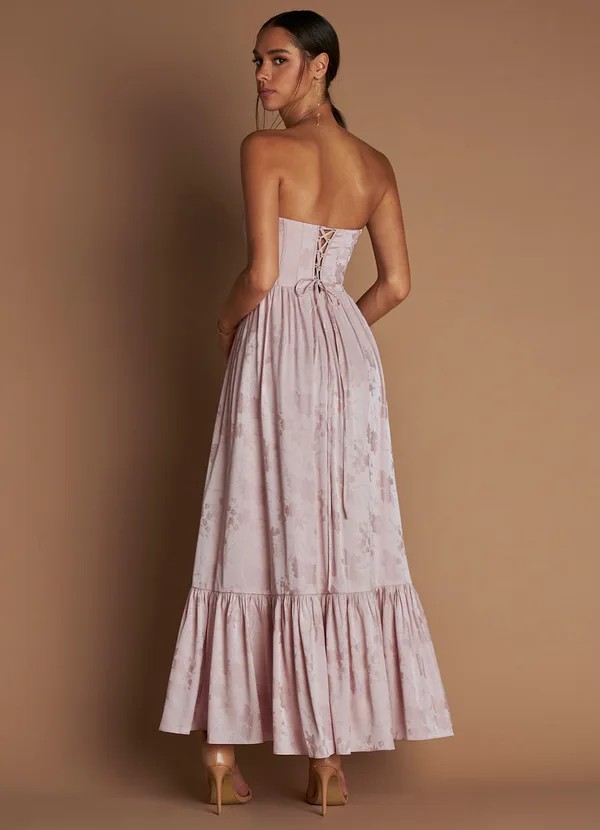
Fabric choice determines whether your dress reads as elevated or casual.
Polished Semi-Formal Fabrics
Chiffon brings flowing elegance without excessive formality. Lined chiffon feels party-appropriate while remaining comfortable. It photographs beautifully and works across seasons.
Satin offers refined polish through its lustrous finish. Medium-weight satin holds structure while feeling celebration-ready. It elevates simple silhouettes significantly.
Crepe provides sophisticated texture with comfortable wear. It doesn’t wrinkle easily and holds its shape throughout long events. Crepe works beautifully for both fitted and flowing styles.
Quality jersey in substantial weights creates polished draping. Good jersey moves well and feels comfortable while maintaining semi-formal appropriateness.
Lace as overlay or detail adds refined femininity. Quality lace elevates simple base dresses and photographs gorgeously.
Silk blends bring luxurious drape without excessive formality. Silk charmeuse or silk crepe both suit semi-formal standards beautifully.
Fabrics That Miss the Mark
Casual cotton, denim, thin jersey, or obviously synthetic materials don’t achieve semi-formal elevation. Even in beautiful silhouettes, these fabrics read as too relaxed for wedding celebrations.
Color Strategies for Semi-Formal Events
Semi-formal dress codes welcome broad color interpretation.
Versatile Color Choices
Classic neutrals including black, navy, charcoal, and chocolate brown work year-round. These provide elegant foundations that accessorize easily.
Jewel tones bring rich color without excessive brightness. Emerald, sapphire, burgundy, and amethyst all photograph beautifully and feel celebration-appropriate.
Softer tones like dusty rose, sage green, powder blue, or lavender offer feminine elegance. These work particularly well for spring and summer semi-formal events.
Warm earth tones including terracotta, olive, rust, and camel suit fall celebrations. These colors feel sophisticated and seasonally appropriate.
Metallics like champagne, rose gold, or bronze add subtle shimmer. They work across seasons and feel festive without being costume-like.
Seasonal Color Considerations
Spring semi-formal: Soft pastels, fresh greens, and light florals capture the season’s energy.
Summer semi-formal: Brighter jewel tones, tropical-inspired colors, and bold hues work beautifully.
Fall semi-formal: Rich burgundy, forest green, rust, and warm metallics suit autumn celebrations.
Winter semi-formal: Deep jewel tones, sophisticated metallics, and classic black feel seasonally appropriate.
Always avoid: White, ivory, cream, or very pale shades that photograph as bridal.
Silhouettes That Achieve Elevation
Choose silhouettes that feel intentional and polished.
A-line dresses create universally flattering proportions. The fitted bodice with gradually flared skirt works across body types and photographs beautifully.
Fit-and-flare styles emphasize the waist while providing movement. These feel feminine and celebration-appropriate without being overly formal.
Sheath dresses in structured fabrics offer sleek sophistication. They work best in quality materials that hold their shape.
Wrap dresses bring elegant draping with flattering lines. The adjustable fit works across different figures while maintaining polish.
Empire waist designs create flowing elegance with comfortable fit. These suit garden and outdoor semi-formal events particularly well.
Structured midi dresses with interesting details elevate simple silhouettes. Look for subtle ruching, tasteful pleating, or refined draping.
Strategic Styling to Avoid Overdressing
The key to semi-formal success lies in balanced styling.
Knowing When to Pull Back
Skip excessive embellishment: Heavy beading, extensive sequins, or ornate appliqués can push semi-formal into formal territory. Choose dresses with subtle details rather than dramatic decoration.
Avoid overly dramatic silhouettes: Ball gown skirts, extreme high-low hems, or theatrical trains exceed semi-formal requirements.
Keep accessories proportional: Statement jewelry works, but avoid wearing every dramatic piece at once. Choose one focal point—bold earrings or a dramatic necklace, not both.
Consider the venue: Hotel ballrooms might accept slightly more polish than garden settings. Adjust your styling to match the location’s formality level.
Achieving Elevated Without Formal
Choose quality over quantity: One well-made dress in excellent fabric beats an ornately decorated piece in cheap material.
Focus on fit: Properly fitted dresses always look more elevated than ill-fitting ones, regardless of embellishment.
Let fabric create impact: Luxurious materials elevate simple silhouettes naturally. You don’t need extensive decoration when fabric quality speaks for itself.
Add interest through accessories: Refined jewelry, elegant shoes, and a polished bag complete semi-formal looks without requiring elaborate dresses.
Neckline and Sleeve Options
These details contribute to overall elevation without adding excessive formality.
V-neck styles create flattering lines and work across seasons. They elongate the torso and suit most body types.
Scoop and jewel necklines offer classic appeal. These rounded necklines feel timeless and photograph well.
Off-shoulder designs bring romantic elegance without excessive formality. They suit spring and summer semi-formal events beautifully.
One-shoulder styles create modern asymmetry. This neckline feels current and sophisticated.
Cap sleeves add structure and coverage. They work particularly well for religious venues or when you prefer some shoulder coverage.
Three-quarter sleeves balance coverage with comfort. These suit fall and winter semi-formal events while maintaining elegant proportions.
Sleeveless with refined straps works across seasons. Choose substantial straps rather than thin spaghetti styles for more semi-formal appropriate structure.
Accessorizing Semi-Formal Attire
Accessories complete your elevated look.
Jewelry Selection
Balanced statement pieces work beautifully for semi-formal events. Choose one dramatic element—statement earrings, a bold necklace, or stacked bracelets—paired with simpler complementary pieces.
Delicate layering creates refined interest. Multiple thin necklaces or stacked rings feel current and polished.
Quality over flash: Well-made pieces in real or quality materials look more elevated than obviously costume jewelry.
Match your dress’s formality: Heavily embellished dresses need simpler jewelry. Plain dresses benefit from more dramatic accessories.
Footwear Choices
Heeled sandals in refined styles suit semi-formal perfectly. Choose elegant designs in leather, suede, or metallics.
Pumps or d’Orsay styles bring classic polish. These work across seasons and venues.
Block heels provide comfort without sacrificing elegance. They’re particularly practical for outdoor or garden venues.
Dressy flats work when executed in quality materials. Embellished or metallic flats can feel appropriately elevated.
Ankle boots in refined styles suit fall and winter semi-formal events. Choose elegant designs rather than casual booties.
Completing the Look
Clutches or small bags in quality materials complete semi-formal styling. Choose refined designs that complement your dress.
Wraps or shawls add elegance while providing warmth. Pashmina, silk, or quality synthetic wraps all work.
Hair styling should feel polished and intentional. Updos, refined waves, or sleek styles all suit semi-formal events.
Venue-Specific Considerations
Adjust your semi-formal approach based on location.
Country clubs or hotel venues accept slightly more polish. Choose structured silhouettes in refined fabrics with classic accessories.
Garden or outdoor settings work well with flowing fabrics and softer colors. Consider practicality with shoes and hemlines.
Restaurant or intimate venues suit modern, streamlined styles. Clean silhouettes and contemporary colors feel appropriate.
Beach or waterfront locations benefit from lighter fabrics and easier-to-manage lengths. Knee-length works better than midi for sandy settings.
For specific venue types, explore options in wedding guest dresses that match your celebration’s setting.
Common Semi-Formal Mistakes
Avoid these pitfalls to nail appropriate elevation.
Overdressing with formal gowns: Floor-length dresses typically exceed semi-formal requirements unless the venue is particularly elegant.
Underdressing with casual pieces: Sundresses, casual fabrics, or overly relaxed styling don’t meet semi-formal standards.
Excessive embellishment: Heavy sequins, extensive beading, or ornate decoration can push looks too formal.
Wearing obviously bridal colors: White, ivory, and cream remain inappropriate regardless of semi-formal flexibility.
Ignoring venue cues: The location provides important context for how formal or relaxed your semi-formal interpretation should be.
Frequently Asked Questions
What’s the difference between semi-formal and cocktail attire?
Semi-formal and cocktail attire overlap significantly and often mean the same thing. Both accept knee-to-midi lengths in quality fabrics with polished accessories. Cocktail might lean slightly more party-forward, while semi-formal emphasizes refined elegance, but these differences are subtle.
Can I wear a maxi dress to a semi-formal wedding?
Floor-length maxi dresses typically exceed semi-formal requirements. Stick to knee-length or midi options unless you’re certain the venue’s formality level calls for longer hemlines. Semi-formal specifically means elevated party dresses rather than formal gowns.
Is black appropriate for semi-formal weddings?
Yes, black works beautifully for semi-formal weddings. Choose styles in quality fabrics with interesting silhouettes or details to ensure black feels celebratory rather than somber. Pair with colorful accessories or metallic elements to brighten the overall look.
What fabrics work best for semi-formal wedding dresses?
Chiffon, satin, crepe, quality jersey, lace, and silk blends all suit semi-formal standards. Choose fabrics with some structure and polish that photograph well. Avoid casual cotton, denim, or obviously cheap synthetic materials.
Can I wear a short dress to a semi-formal wedding?
Yes, knee-length dresses work perfectly for semi-formal events. Hemlines at or just above the knee feel appropriate and comfortable. Avoid very short mini dresses that hit mid-thigh, as these read too casual for semi-formal standards.
How do I know if I’m overdressed for semi-formal?
If your dress is floor-length, heavily beaded, or feels like formal evening wear, you may be overdressed for semi-formal. Look for knee-to-midi lengths in quality fabrics with refined but not excessive styling. The goal is elevated polish, not formal grandeur.
What shoes should I wear with semi-formal dresses?
Heeled sandals, pumps, elegant flats, or refined ankle boots all work for semi-formal weddings. Choose styles in quality materials like leather, suede, or metallics. The key is ensuring shoes feel polished and intentional rather than casual.
Conclusion
Semi-formal wedding guest dresses require thoughtful balance between elevated sophistication and approachable elegance. Choose knee-to-midi lengths in quality fabrics like chiffon, satin, or crepe that feel polished without excessive formality.
Focus on refined silhouettes, tasteful accessories, and appropriate styling that matches your venue’s setting. Avoid overdressing with floor-length gowns or heavy embellishment, while ensuring your dress clearly signals special-occasion intention rather than casual daywear.