
Secondhand Wedding Dresses: Safe Shopping Guide
Buying second hand wedding dresses can offer excellent value when you know how to assess condition, verify sizing, and plan for alterations. The key is thorough inspection, realistic alteration budgeting, and understanding what issues are fixable versus deal-breakers. This guide helps you shop confidently for preowned gowns while avoiding common pitfalls.
Complete Condition Assessment Checklist
Thorough inspection protects your investment and prevents unpleasant surprises after purchase. Certain issues can be fixed affordably while others make dresses unwearable. Learning to identify problems helps you make informed purchasing decisions.
Critical Areas to Inspect: Examine seams for splitting, loose threads, or visible stress throughout entire dress. Check fabric for stains, discoloration, yellowing, or fading under all lighting conditions. Inspect beading and embellishments for loose or missing pieces requiring repair work.
Structural Integrity Assessment: Test zippers by opening and closing them multiple times to ensure smooth operation. Check boning in bodice for breakage, shifting, or poking through fabric anywhere. Examine hem for damage, alterations, or uneven length indicating previous modifications.
Fabric-Specific Issues: Look for watermarks or ring stains on satin that cannot be removed easily. Check tulle and lace for snags, tears, or pulls compromising structural integrity. Examine stretch fabrics for loss of elasticity or permanent stretching from previous wear.
| Issue Type | Fixable | Deal-Breaker |
| Minor stains | Often removable | Large/set stains |
| Loose beading | Can be reattached | Extensive missing details |
| Small tears | Professional repair | Large rips/holes |
| Hem alterations | Can be adjusted | Insufficient fabric |
Smell and Odor Evaluation: Sniff dress carefully for musty, mildew, or perfume smells indicating storage issues. Strong odors may require professional cleaning that adds significant cost to budget. Consider whether smell seems removable or permanently embedded in delicate fabrics.
Documentation and Photos: Request detailed photos in natural lighting showing all angles of the dress. Ask for close-ups of any damage, alterations, or wear areas visible. Verify photos match actual dress condition upon receipt if purchasing online.
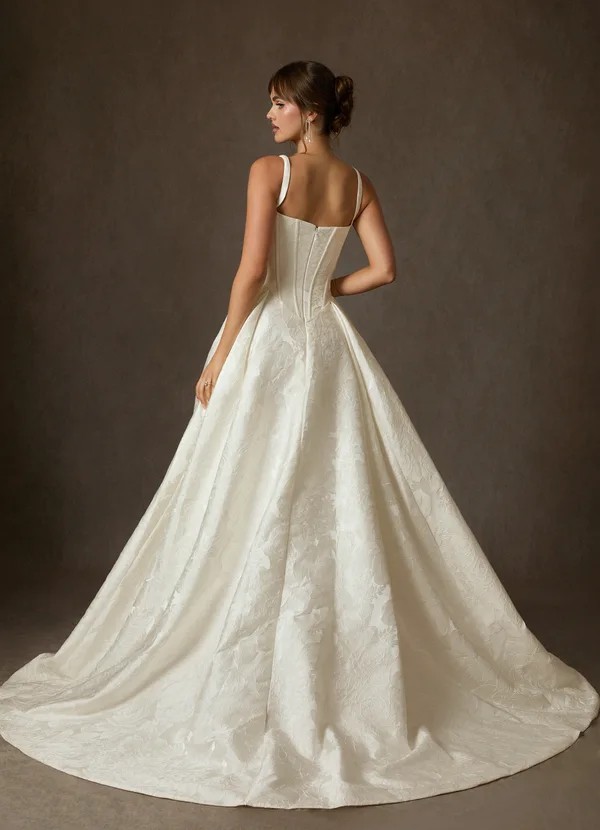
A satin strapless wedding dress should show no splitting at seams under arms. Ivory wedding gowns often show yellowing over time requiring professional restoration work.
Understanding Sizing and Alteration Realities
Secondhand dresses rarely fit perfectly without alterations regardless of listed size. Understanding sizing variations and alteration costs prevents budget surprises after purchase. Proper assessment ensures the dress can actually be altered to fit you.
Sizing Variation Factors: Wedding dress sizes run 1-2 sizes smaller than street clothing consistently. Different designers use completely different sizing standards even within same nominal size. Dresses from different eras follow different sizing conventions requiring careful measurement comparison.
Critical Measurements to Take: Measure bust at fullest point wearing wedding day undergarments for accuracy. Measure natural waist at narrowest point, typically above belly button location. Measure hips at fullest point to ensure dress can accommodate your proportions.
Alteration Feasibility Assessment: Taking in a dress costs significantly less than letting out fabric. Most dresses can be taken in up to two sizes without compromising design. Letting out rarely works beyond one size due to insufficient seam allowance.
Common Alteration Costs: Basic hemming represents most common alteration for secondhand dresses needing adjustment. Bustle addition or modification enables comfortable reception movement and dancing throughout evening. Bodice adjustments including taking in or adding cups ranges significantly in complexity.
Length Considerations: Check if dress has been previously hemmed by examining hem allowance carefully. Insufficient hem allowance makes lengthening impossible without adding fabric or trim. Too-short dresses may require creative solutions like different shoes or added lace.
Browse sleeveless wedding dresses understanding sleeve additions are possible alterations. Diamond white dress options in secondhand market often need professional cleaning first.
Return Policies and Purchase Protection
Understanding return policies and payment protection prevents financial loss on unsuitable dresses. Different selling platforms offer varying levels of buyer protection and recourse. Knowing your rights before purchase provides important safety net.
Platform-Specific Policies: Consignment shops typically offer limited or no returns on wedding dress purchases. Online marketplaces vary widely in buyer protection and dispute resolution processes available. Private sales usually operate as final sales with no return options.
Payment Method Protection: Credit cards often provide purchase protection and chargeback options for disputes. Payment platforms may offer buyer protection programs with specific claim requirements. Cash transactions provide no recourse if dress doesn’t match description provided.
Documentation Requirements: Photograph dress immediately upon receipt showing all angles and any issues discovered. Document any discrepancies between listing description and actual dress condition received. Keep all communications with seller including original listing and condition descriptions.
Inspection Timeline: Most platforms require damage claims within specific timeframe after delivery receipt. Schedule professional inspection quickly if purchasing expensive secondhand dress requiring verification. Don’t delay trying on dress to ensure adequate time for potential returns.
Red Flags to Avoid: Sellers refusing additional photos or information likely hiding condition issues intentionally. Prices significantly below market value may indicate serious undisclosed problems with dress. Pressure to complete transaction quickly without adequate inspection time suggests problems.
Professional Cleaning and Restoration
Most secondhand dresses require professional cleaning before wearing regardless of apparent condition. Proper cleaning protects your health and ensures dress looks best on wedding day. Understanding cleaning costs helps you budget accurately for total dress investment.
When Professional Cleaning is Essential: All secondhand dresses need cleaning even if they appear pristine visually. Previous wearers’ body oils, perspiration, and perfumes penetrate fabrics invisibly over time. Storage creates musty odors and potential mildew requiring professional treatment methods.
Cleaning Method Selection: Wet cleaning works best for most fabrics including satin, silk, and cotton. Dry cleaning suits delicate fabrics and heavy embellishments requiring gentler treatment approach. Some dresses require combination cleaning methods for optimal results across different materials.
Stain Removal Realities: Fresh stains respond better to treatment than set stains aged over months. Yellowing from age or improper storage may or may not be fully removable. Get professional assessment before purchasing dress with significant staining visible anywhere.
Restoration Services: Professional restoration can repair minor tears, reattach beading, or replace damaged sections. Extensive damage may not be repairable or may cost more than dress value. Get repair estimates before purchasing dress requiring significant restoration work beyond basic cleaning.
Explore white wedding dresses with sleeves or cream colored wedding dresses understanding cleaning costs add to total. Professional cleaning typically represents necessary investment protecting your health and dress appearance.
Complete Budget Planning for Secondhand Purchase
Successful secondhand shopping requires budgeting beyond just dress purchase cost. Additional expenses can significantly increase total investment if not planned properly. Understanding complete cost picture prevents unpleasant financial surprises during wedding planning.
Total Cost Components:
- Dress purchase: Base cost of secondhand gown
- Professional cleaning: Essential for all secondhand dresses
- Alterations: Hemming, bustle, bodice adjustments needed
- Repairs: Fixing damage, reattaching embellishments, addressing wear
- Undergarments: Quality shapewear, bra supporting dress properly
- Preservation: Professional cleaning and storage after wedding
Comparison Shopping Strategy: Compare total secondhand cost including all expenses versus new wedding dress purchase. Calculate whether savings justify potential risks and additional work required. Consider timeline stress of finding, cleaning, and altering secondhand dress properly.
Timeline Considerations: Allow extra time for cleaning, inspections, and potential returns or exchanges. Schedule alterations after professional cleaning as dimensions may shift slightly. Build buffer time for unexpected issues requiring additional repair or modification work.
Browse Azazie made-to-order options offering predictable costs and timelines. Spaghetti strap wedding dress styles in new conditions eliminate uncertainty of secondhand condition assessment.
Frequently Asked Questions
Is buying a secondhand wedding dress worth the savings?
Secondhand dresses offer value when total costs including cleaning, alterations, and repairs still save money. You must budget for professional cleaning regardless of apparent condition. Calculate complete costs before deciding if savings justify additional work and potential risks.
How can I tell if a secondhand dress is good quality?
Check fabric weight, seam quality, and construction details throughout entire dress carefully. Quality dresses show even stitching, proper lining, and secure embellishment attachment. Avoid dresses with splitting seams, damaged fabric, or poor construction quality overall.
What dress issues are fixable versus deal-breakers?
Minor stains, loose beading, and small tears are usually repairable by professionals. Large stains, extensive damage, or insufficient fabric for alterations are deal-breakers. Get professional assessment before purchasing dress requiring significant repair work beyond basic needs.
Should I buy a secondhand dress that needs significant alterations?
Only if total costs including alterations still provide meaningful savings versus new purchase. Ensure dress can actually be altered to fit you rather than assuming all changes possible. Get alteration quotes before purchasing to understand true total investment required.
How much should I budget for cleaning a secondhand dress?
Professional wedding dress cleaning varies based on fabric, embellishments, and condition requiring treatment. Always get quotes before purchasing to understand this essential additional cost. Factor cleaning into total budget when comparing secondhand versus new dress options.
What return policy should I look for when buying secondhand?
Look for policies allowing returns within reasonable timeframe for condition inspection thoroughly. Understand any restocking fees or return shipping costs reducing refund amount received. Avoid final sale purchases unless you’ve inspected dress in person first.
Can yellowed or stained secondhand dresses be restored?
Professional cleaning removes many stains and some yellowing depending on age and severity. Set stains or extensive yellowing may not be fully removable despite professional treatment. Get professional assessment before purchasing dress with significant discoloration or staining visible.